



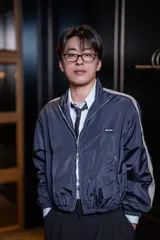
Koo Kyo-hwan has appeared in three films and one drama in 2026. Just when audiences might have thought they had seen enough of him to know him inside out, his fourth new film this year, 〈White Blast〉, expands his possibilities once again. Playing Hyun-taek, Koo succeeds in making both sides of the character convincing: someone you can trust and someone you cannot.
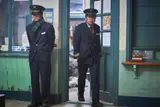
Released November 18, 〈White Blast〉 follows Gap-su (Kim Yoon-seok), the stationmaster of Seoro Station who is one day away from retirement, and his successor, Lee Hyun-taek (Koo Kyo-hwan), as they discover a body near the station during their handover. As Hyun-taek, Koo masterfully navigates a cycle of sympathy and suspicion, looking up to Gap-su as a senior colleague while finding himself unable not to suspect him.
His performance, which combines with the audience's imagination to deepen the mystery, fills the screen by resonating with his fellow actors, including Kim Yoon-seok, the director and the story, reflecting his personal philosophy that “a performance is not completed alone.” We sat down with Koo at a location in Seoul's Jongno District on Wednesday, November 18, the film's opening day, to discuss 〈White Blast〉, a highlight of winter 2026, and his work as an actor.
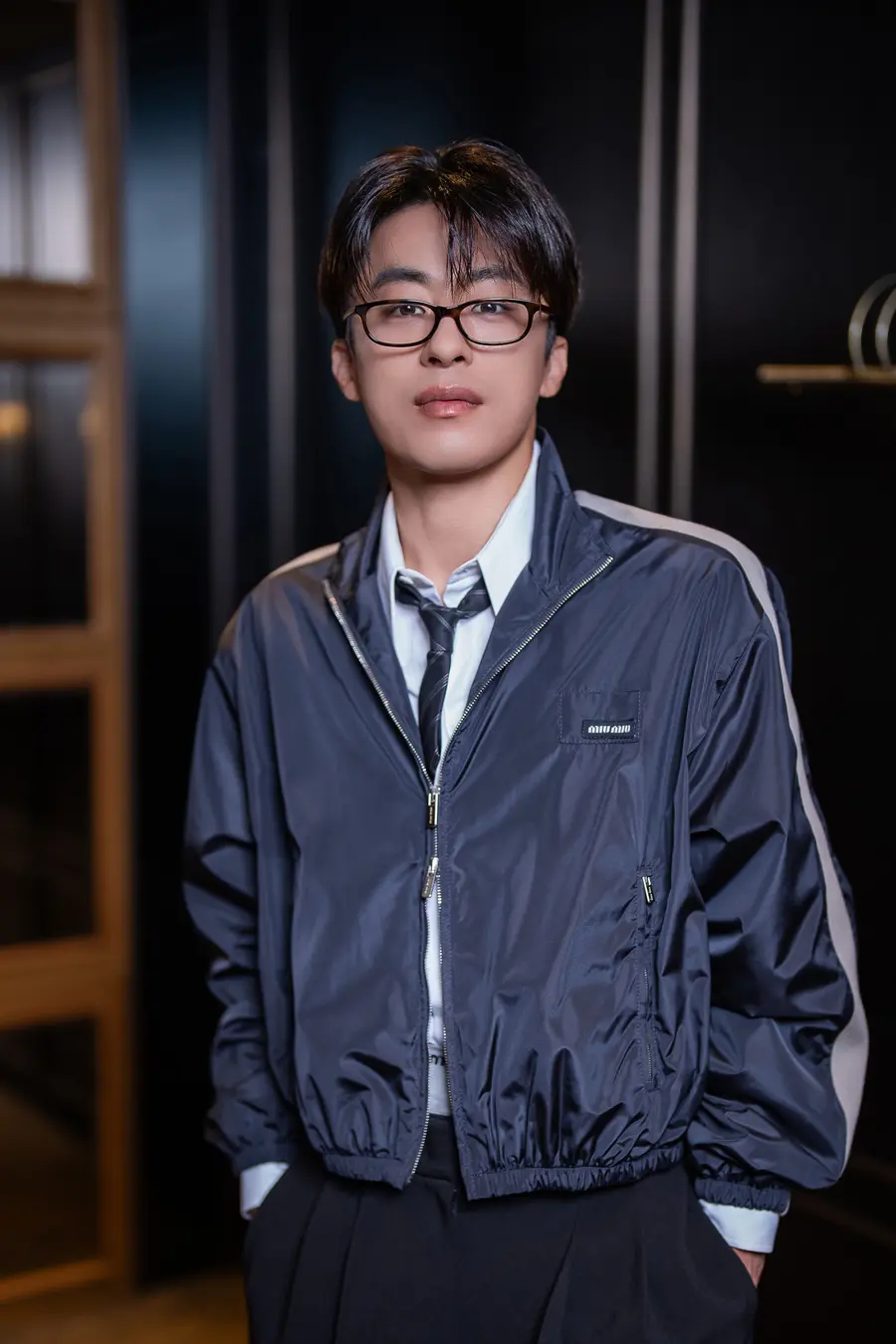
〈White Blast〉 opens today. How do you feel?
I thought releasing 〈White Blast〉 in winter would make for a better experience of the film, so I've been eager to show it to everyone for a long time. It's finally happening, and personally, I feel honored. I love all my projects, but this is a film I really cherish, so I'm curious how people will respond. I think of this as a festive season. It feels like Christmas.
What made you decide to appear in 〈White Blast〉?
Should I call it the potential for this story to grow into something large-scale through nothing more than a conversation between two people? I saw that possibility. And I heard that my partner in creating it would be Kim Yoon-seok. Then there was no reason not to do it. I thought just being able to observe a senior actor I respect at such close range and exchange dialogue with him would be an enormous learning experience, so I immediately said yes.
With so much of the film resting on the two actors, and the setting being an enclosed space, you must have grown close.
Very close. Sometimes he [Kim Yoon-seok] feels very much like a teacher, sometimes like a friend, and sometimes he's genuinely adorable. (Laughs) We were doing a two-hander, after all. And we worked together like that in Gangwon Province and shared meals. We became very close. You could even say I joined the project out of my own personal fandom.
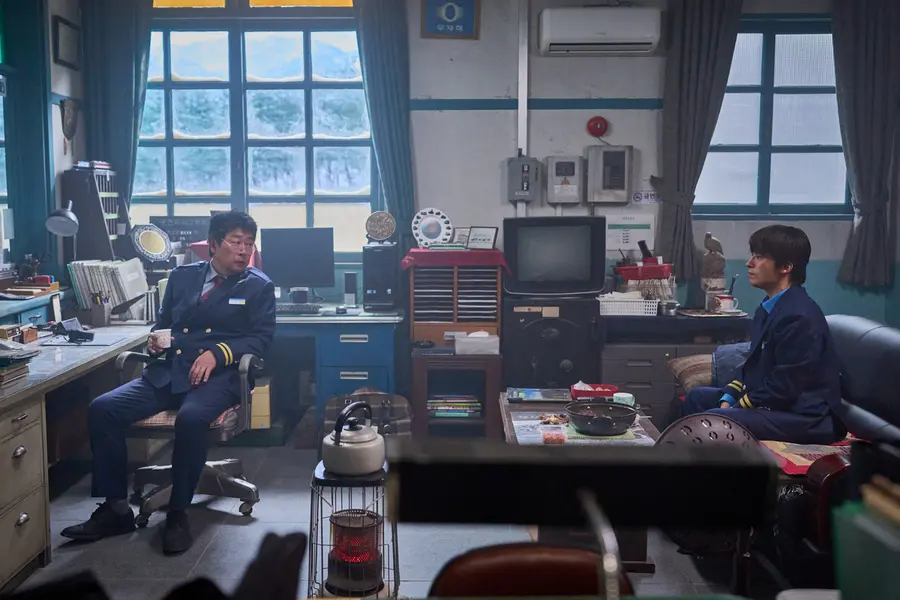
Early in the film, Gap-su (Kim Yoon-seok) and Hyun-taek (Koo Kyo-hwan) approach each other while both hiding something. How did you shape your character?
I thought of it very simply: a love triangle among Seoro Station, Hyun-taek and Gap-su. (Everyone laughs) I approached it as a battle, a lovers' quarrel over possessing Seoro Station and whether each of them really needs it.
Hyun-taek has something to hide. As an actor, how did you approach playing someone who is himself putting on an act?
I wanted to make Hyun-taek hard for audiences to read. What means of expression did I use for that? Just acting honestly in each scene. He has an agenda, but sometimes my goal was to confuse the audience. At times, he genuinely sheds tears, inviting their sympathy. In other scenes, I wanted them to think, 'What's going on? Why that chilling expression? Is he lying, or is it real?' I always find those things interesting myself. Everything gets edited before we see it. There was also the fun of wondering how audiences would edit Hyun-taek as they watched this film. I'm the one providing the raw material for that. This film truly embodies something I always say: a performance the audience completes.
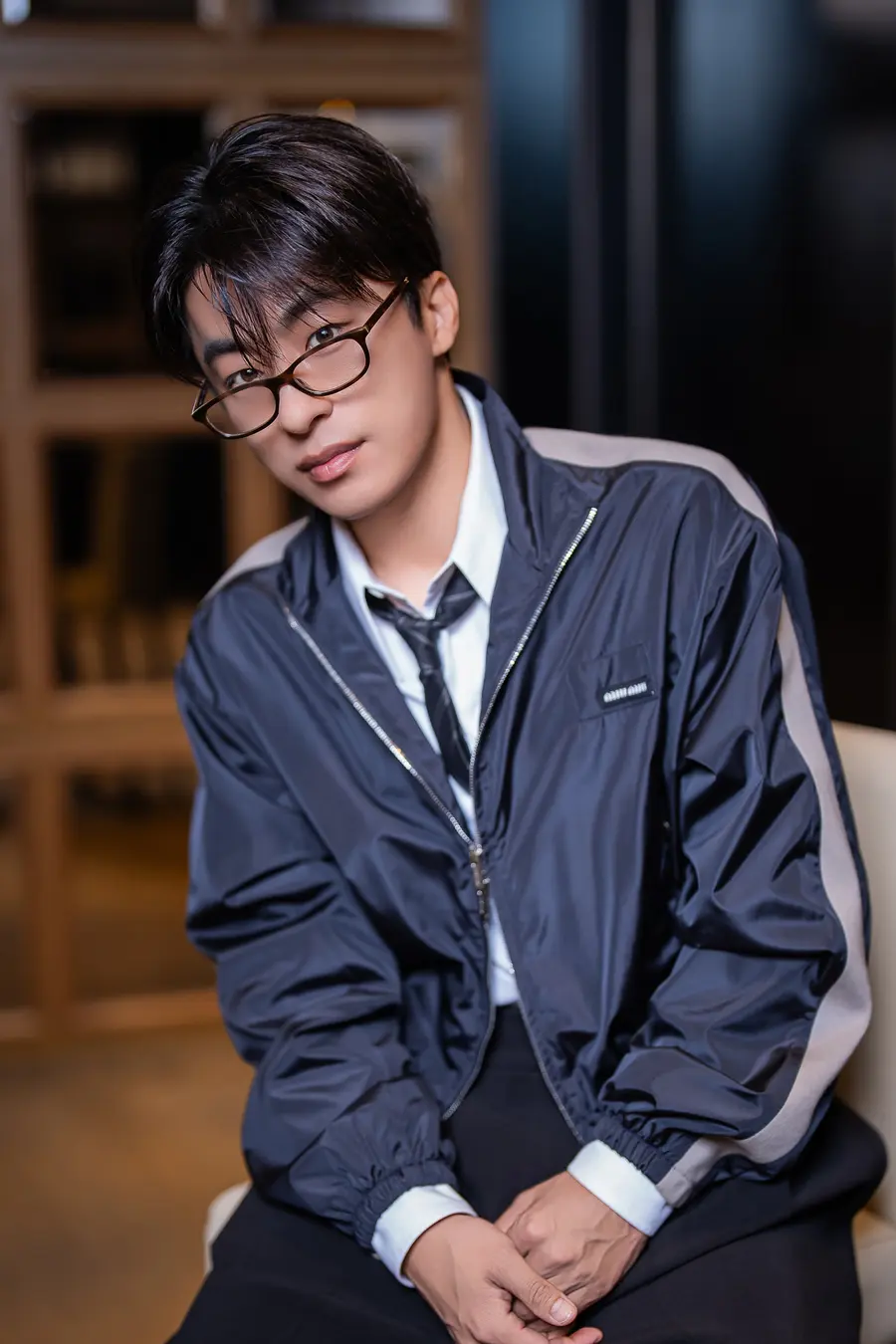
You've worked on several projects since shooting 〈White Blast〉. What was it like revisiting your performance?
I don't think I really register it in terms of how I did this or that. Watching [the finished film], I can see how much fun I'm having. I thought, 'I really loved working on 〈White Blast〉, and I still do. I regarded it with such affection. I'm putting all my energy into every gesture and movement to express Hyun-taek.' I felt very proud of my past self. (Laughs)
You mentioned raw material earlier. Could you explain that a little more?
I usually have trouble watching things I'm in. It's not a case of, 'Oh, I can't bear to watch!' I'm just embarrassed. I'm too shy to watch, but I thought everyone watching this would have such a good time. I know the story and still enjoy it, so how much fun must it be for people seeing 〈White Blast〉 for the first time! I envied them. (Laughs) Those 89 minutes fly by, don't they?
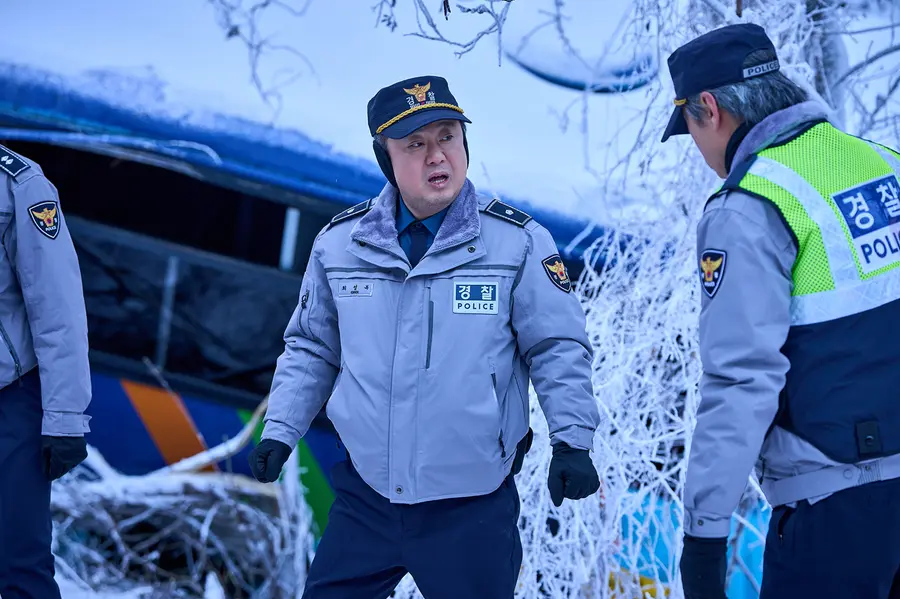
If you had watched 〈White Blast〉 as an audience member rather than as an actor in it, whom would you have suspected?
Me? Soo-young [who plays Lieutenant Choi]. (Laughs) When you're watching in a theater as someone involved in a film, audiences often have unexpected reactions. From a filmmaker's perspective, what struck me was the audience gasping at one of Soo-young's lines. Seeing them look at him as if to say, 'He's involved in this story to some extent, too,' made me happy because it meant they were completely immersed. After all that accumulating mystery, seeing even a line like that from Soo-young draw that reaction made me think, 'We've made truly good content, a good film.'
The film takes place in a confined space. How did you coordinate your performances?
〈White Blast〉 is thoroughly a film of blocking. Because the space is limited, the actors' movements sometimes create the framing. Moving closer can turn a shot into a close-up. So I also thought of it as a 'film of agreements.' As actors, rather than relying on improvisation, we would gather in the morning before shooting and rehearse once. After agreeing on the scene we were shooting that day, we followed those agreements during filming. But things like duration [the overall length of the performance] and pauses [the spaces between lines] depended on feeling the emotion before delivering my lines. Apart from those things, we stuck closely to what we'd agreed on. So when you watch, it will feel something like an ensemble playing together. I don't think those things just emerge like a jam session [improvised music]. Most of the dialogue and story you see came from us moving together according to agreements we were happy with.
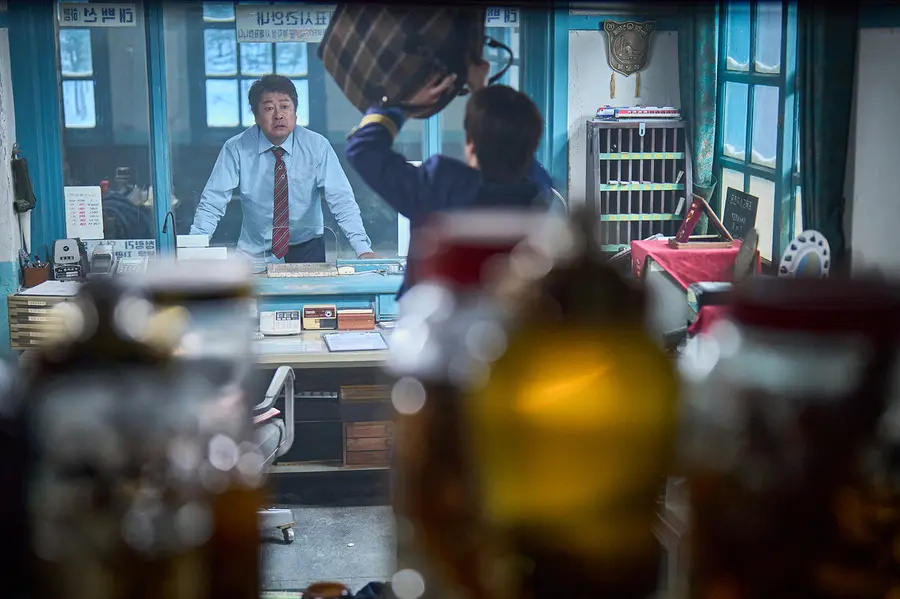
There's a big fight between the two characters midway through. I imagine it was harder because you had to look clumsy rather than perfectly coordinated.
That's right. As we slam into each other, someone gets hit with the telephone, we move over here, and it finally ends with a tumble onto the kettle. Hyun-taek is left alone in the space and then leaves. We rehearsed that whole sequence straight through, like doing a run-through in the theater. When you add the emotions to those movements, there's a tremendous thrill as an actor. To think we'd created scenes like that—not that we'd made something grand or enormous, but there's that exhilaration as we both race toward the final cut. The props were, of course, safety props. A soft prop shaped like a telephone.
What did you learn from making this film with Kim Yoon-seok?
Everything. Most of all, I learned from his love of cinema and his love for his own work. That's a given, and I'm confident I can love my projects as much as anyone. Seeing that attitude in him, I made a pledge and a declaration: 'I'm going to keep doing this.' (Laughs) He really treats a film like a living thing. Some ideas come from love. Even during rehearsals, he doesn't just say, 'This should be good enough. I'll do it this way,' and leave it at that. Until the camera and lighting setups are finished, he keeps thinking about how to make 〈White Blast〉 richer, more varied and more lovable. He keeps asking, 'What we're thinking now might not be the right answer.' Director Hong Eui-jeong is the same way. They seem to keep thinking about how to come up with something better. I talk about this a lot in interviews, and other actors say my performance changes with every take. It's the same idea for me. After one take, instead of settling into a routine, showing another new take, even if it won't be used, is my way of loving a film. Things we don't notice while shooting can reveal themselves anew in the editing room. I think that's why I vary my takes. You create the things within them anew.
Kim Yoon-seok has a theater background, and this film has theatrical elements. What did you learn from him in that regard?
Ways of using space. And although I've never actually danced the tango (laughs), I feel like working on this film gave me some understanding of what kind of dance it is.
Was there anything about this project that felt different from your previous work?
Every project is really the same to me, but if there was a difference, it was that we had to carry the story entirely through the ensemble of two people. With stories like this, the moment you give audiences even the slightest reason not to believe, they disengage. So the reviews from the preview screenings and the compliments you're giving me now honestly make me very happy. (Laughs) People say the two of us have such great chemistry. And I love that they see it that way. Someone told me it looked like we'd filmed it without even rehearsing, because we worked so well together. But the truth is, we created that through rehearsal.


댓글 (0)
댓글 작성
댓글을 작성하려면 로그인이 필요합니다.
로그인하기