


A chronicle tracing the arc of memory instead of sensational revelations…Grassroots group screenings spread across civil society
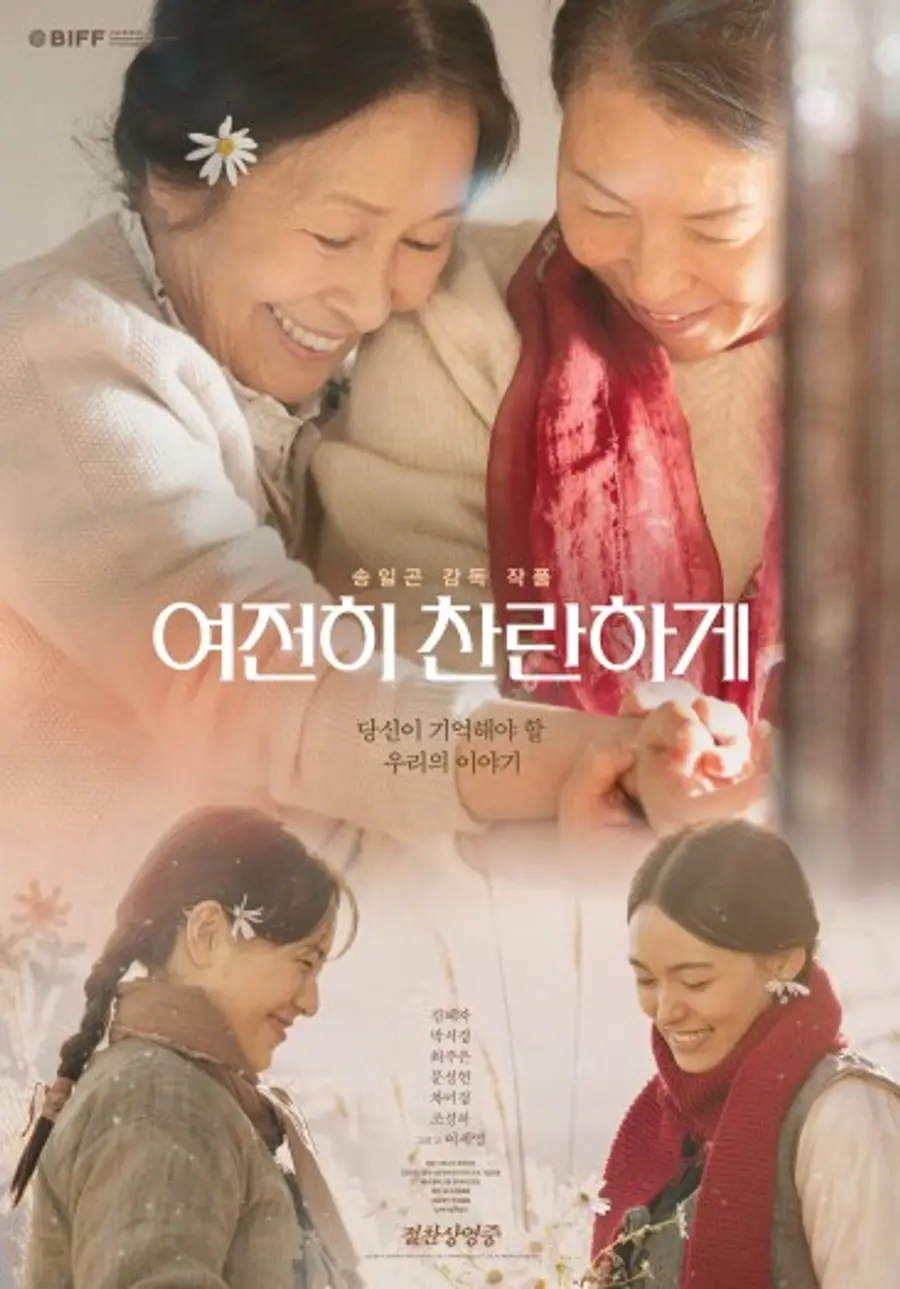
The film 'Still Shining,' which takes a searching look at the issue of Japanese military 'comfort women' victims during Japan's colonial rule, is showing remarkable staying power despite a decline in the number of screens, buoyed by audiences' voluntary support.
Released on the 21st of last month, 'Still Shining' has entered its sixth week in theaters, and its allocation of screens at mainstream multiplexes has dropped noticeably. Yet calls for group screenings continue to pour in from educators, religious groups, civil society organizations and businesses drawn to the film's weighty historical message and high level of craftsmanship, creating a quiet groundswell.
The film weaves together three timelines—1942, 1991 and 2010—to reconstruct the lives and friendship of two women. It portrays, with both restraint and emotional weight, the journey from the innocent days of young Sun-ok (Kim Hye-ja; Park Seo-gyeong as the younger Sun-ok) and Jeong-im (Cha Mi-kyung; Choi Ju-eun as the younger Jeong-im), who dreamed of living in Seoul and singing to their hearts' content, to their later years as white-haired women who have weathered fierce headwinds and come face to face with fragments of dreams left unfulfilled.
The film has been praised for drawing audiences into deep empathy with historical scars and fostering solidarity through remembrance through a directorial approach that follows the characters' innermost memories rather than displaying horrific violence or relying on sensational accusations.
Since its release, the number of special screenings and group viewings organized by groups including the Jeonnam-Gwangju Special Metropolitan City Office of Education, local schools in Incheon and Gyeonggi, local governments and major companies has already topped 40. Such a show of unity is rare among independent and arthouse films, which often struggle to secure screens.
Sincerity breaks through the screen barrier…From the Jogye Order's screening relay to added bookings by local governments
There has also been a steady response from the cultural and religious communities, moved by the film's sincerity. Actors Cha In-pyo and Choi Kang-hee have chipped in with their own money to organize rental screenings so more people can see the film. The Jogye Order of Korean Buddhism has also officially announced a “relay series of support screenings” at major locations nationwide, including Seoul, Gyeonggi, Incheon and Busan, joining the growing ranks of supporters.
Participation has been strong across the Honam region, led by Gurye County in South Jeolla Province, where the film was primarily shot, along with the Gwangju Community Chest of Korea and Nasaret Nursing Hospital. In the Gwangju and South Jeolla area, six more group screenings have been confirmed through early next month, including a screening hosted by the Gwangju Chamber of Commerce and Industry on the 26th.
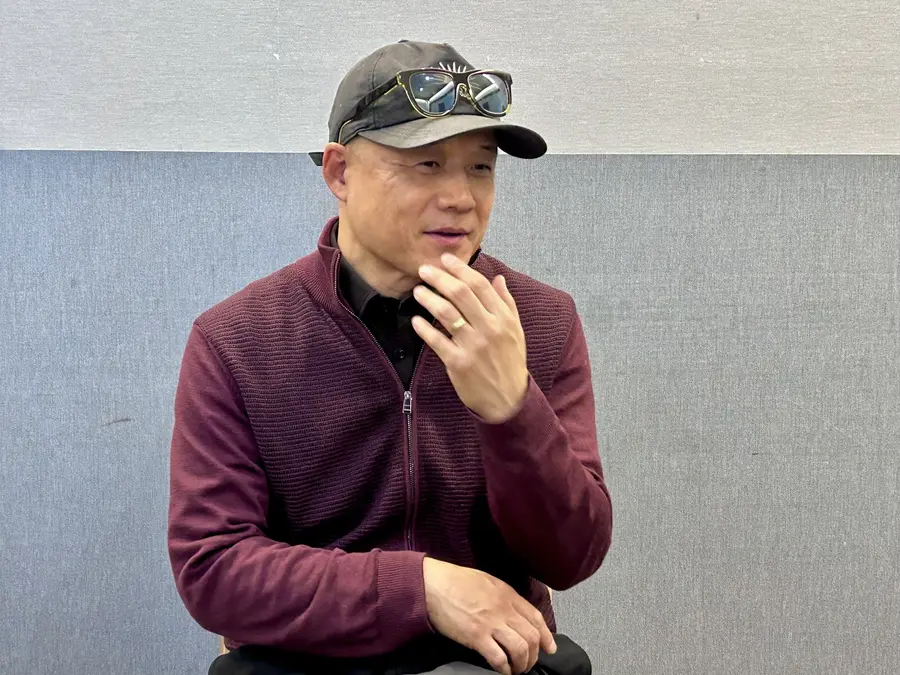
Director Song Il-gon, who helmed the film, expressed his gratitude, saying, "I want to remember, together with audiences, the names that could not be fully spoken amid a tragic history, and the precious lives that must never be forgotten."






댓글 (0)
댓글 작성
댓글을 작성하려면 로그인이 필요합니다.
로그인하기