



He has returned, breaking eight years of silence. Director Pawel Pawlikowski’s new film 〈Fatherland〉 will reach Korean audiences this December. The Polish filmmaker, whose name is no easy mouthful, has firmly established himself as one of his country’s leading auteurs with a succession of films steeped in eras gradually fading from memory. In particular, 〈Ida〉 (2013), 〈Cold War〉 (2018) and now 〈Fatherland〉 share a visual unity, capturing turbulent inner lives within still, hushed images and bringing his sustained thematic exploration to a culmination. Ahead of the release of 〈Fatherland〉, we revisit his earlier films and examine the vision that Pawlikowski will complete with 〈Fatherland〉.
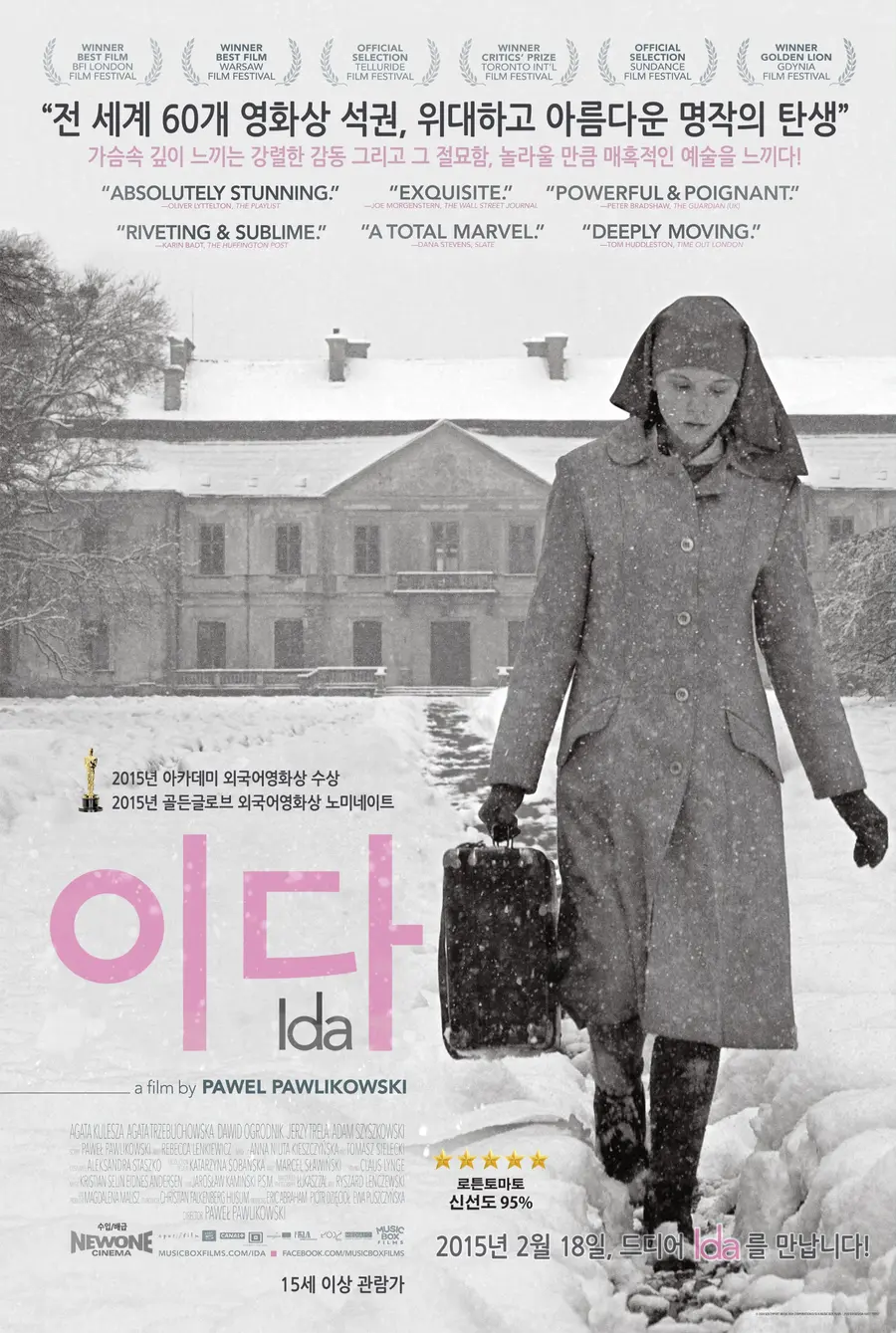
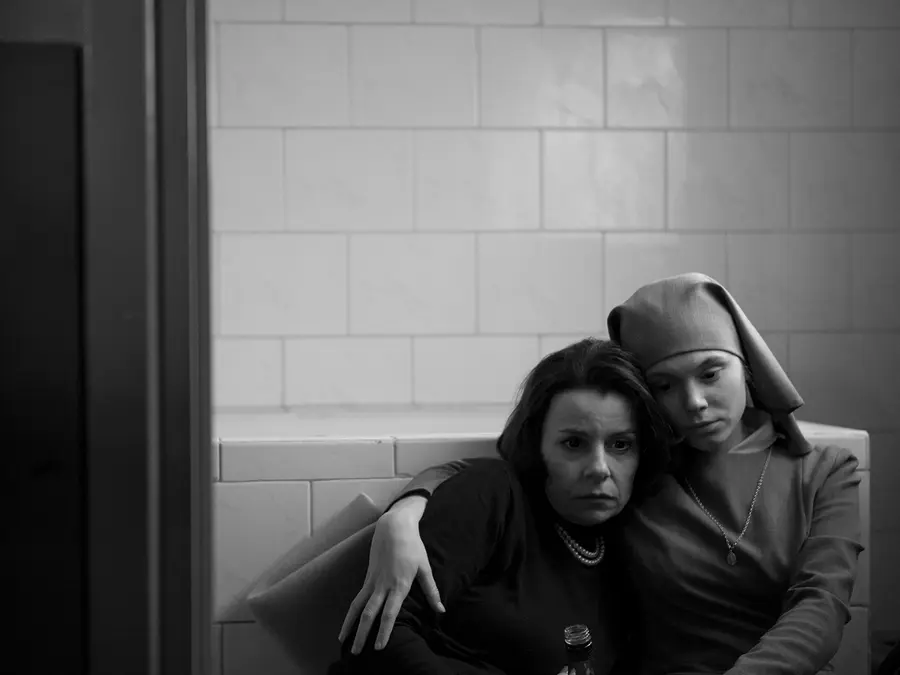
Although Pawlikowski is described here as one of Poland’s defining directors, he was not always seen that way. Having gone to Britain to study early in life and begun working there, he remained based there through the 2000s. Then, with 〈Ida〉 in 2013, he began telling stories set in his native Poland in earnest, establishing the cinematic world we now recognize as distinctly “Pawel Pawlikowski.”
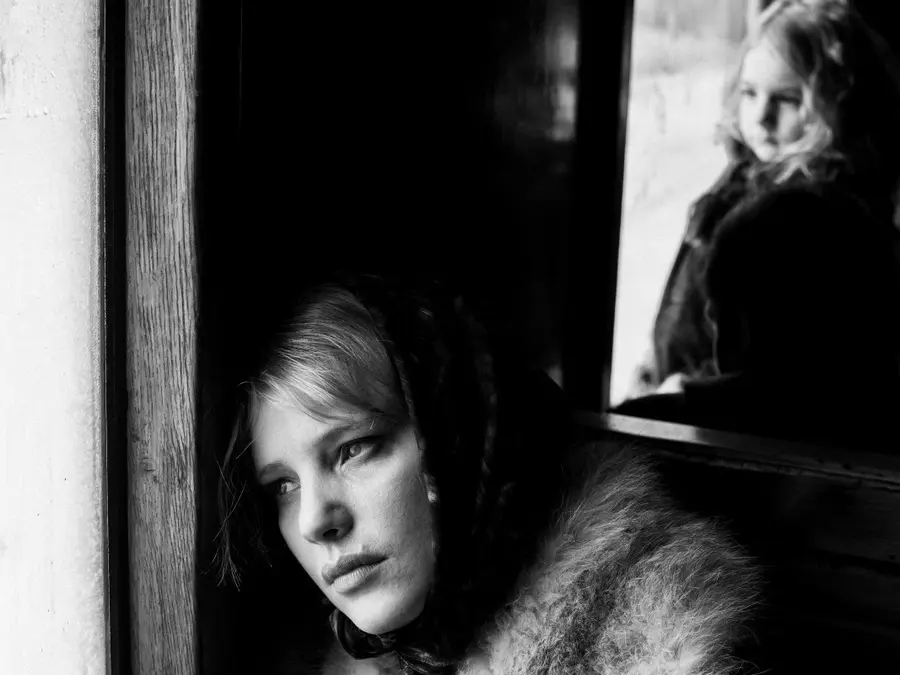
Set in 1960s Poland, then the Polish People’s Republic, 〈Ida〉 begins when Anna (Agata Trzebuchowska), who has spent her entire life in a convent, learns of her only living relative, her aunt Wanda (Agata Kulesza), just before taking her vows. Through Anna’s meeting with Aunt Wanda and the stories she hears about her family, Pawlikowski examines the scars of war that lingered in the 1960s and, beyond that, persist in Poland today. The history of war that swept through Poland has remained a recurring subject for Pawlikowski: 〈Cold War〉 channels it into a romance, while his new film, 〈Fatherland〉, explores it through a real-life figure.
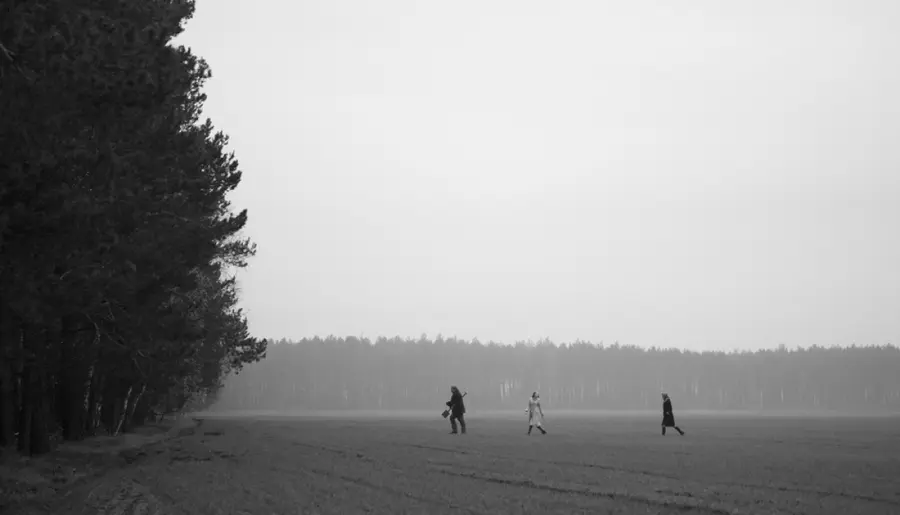
〈Ida〉 is also the film in which Pawlikowski’s aesthetic began to take clear shape. He chose black and white over color and an aspect ratio close to 4:3 over a widescreen cinematic format. That form allowed him to capture moments that draw closer attention to Poland’s quiet yet desolate landscapes and his characters’ faces. 〈Ida〉 went on to win the Academy Award for Best Foreign Language Film, the British Academy Film Award (BAFTA) for Film Not in the English Language and the European Film Award for European Film, instantly establishing Pawlikowski as one of Poland’s leading directors.

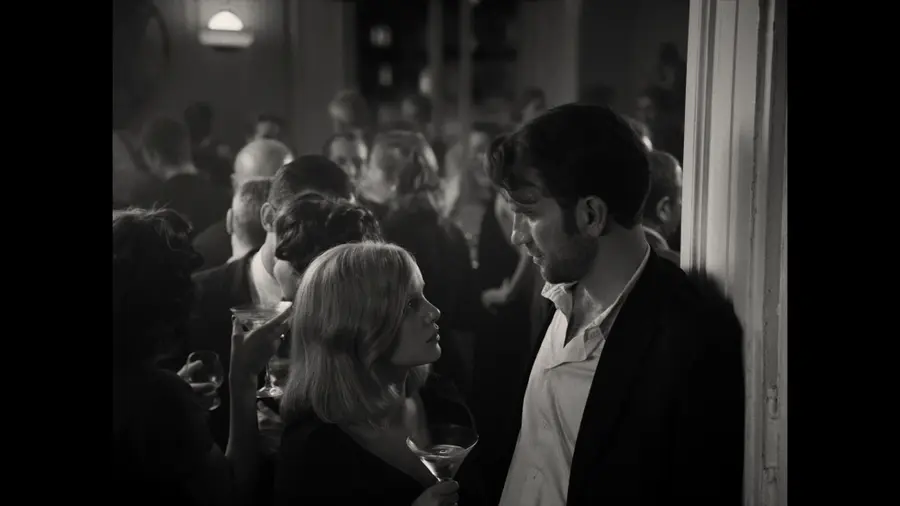
Despite becoming a star director, Pawlikowski took his time preparing his next film. It was not until five years later that 〈Cold War〉 reached audiences. 〈Cold War〉 travels further into the past than 〈Ida〉. In the immediate aftermath of World War II, Wiktor (Tomasz Kot), the conductor of a regional Polish folk music ensemble, and Zula (Joanna Kulig), who auditions for his ensemble, gradually grow close and fall in love. But history will not leave them alone. The Cold War that followed immediately after World War II drives them apart. Even so, neither can forget the other throughout their lives, and they reunite. In a sense, the film transforms Poland’s place in one of the tragic chapters of modern European history into a lovers’ story. The revelation that it also reflects the story of Pawlikowski’s parents makes its emotional resonance all the deeper. Distilling a lyrical story once again into a black-and-white 4:3 frame, 〈Cold War〉 won Best Director at that year’s Cannes Film Festival and four major prizes, including European Film, at the European Film Awards, reaffirming Pawlikowski’s stature.
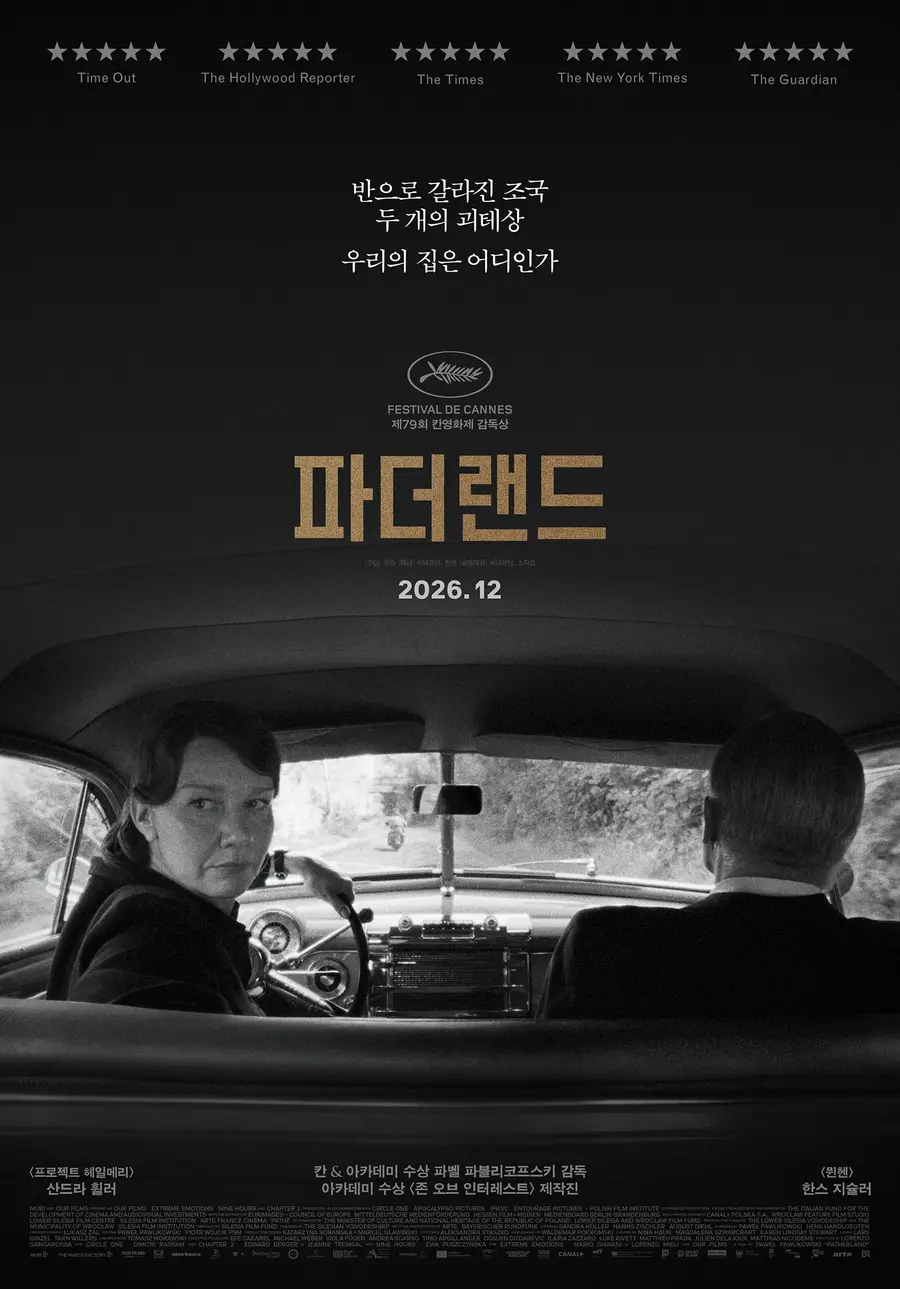
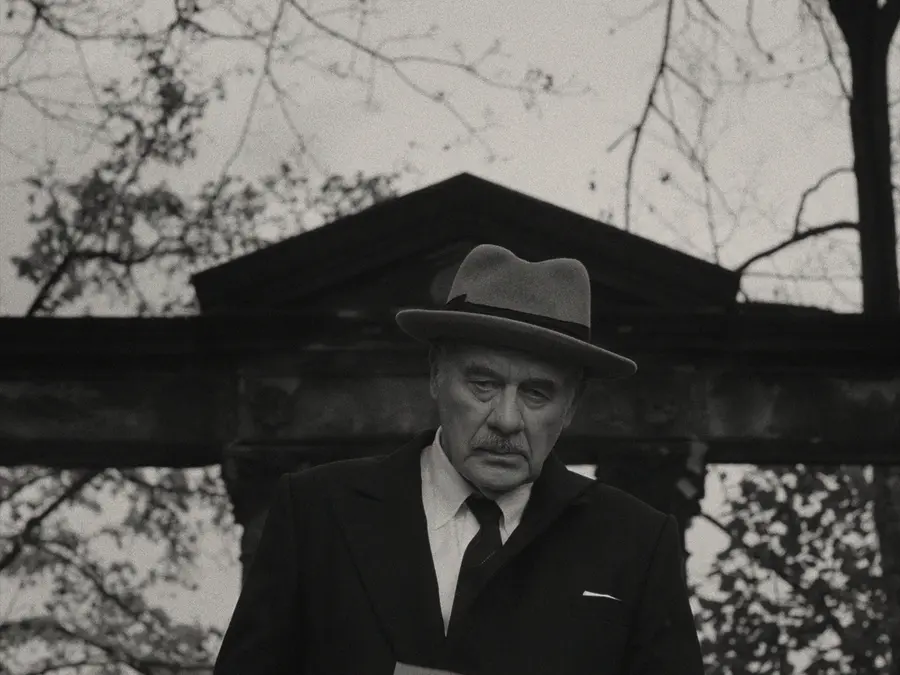
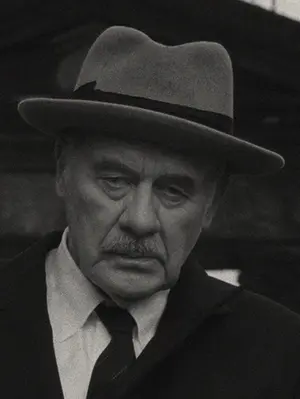
Pawlikowski again took his time preparing his next film. His new work, 〈Fatherland〉, did not arrive until 2026, eight years after 〈Cold War〉. This film was inspired by the novel 「The Magician」 (The Magician), which centers on the real-life Thomas Mann. It follows the German writer Thomas Mann (Hanns Zischler) as he returns to his native Germany in 1949, after the end of World War II, to receive the Goethe Prize. Although a German writer, Mann had been forced into exile and left for the United States after the Nazis came to power. The Germany he visited in 1949 was no longer the homeland he remembered. As Pawlikowski puts it, “Like my previous films, 〈Fatherland〉 deals with historical upheaval, exile and the fundamental human longing for home and belonging.” This film, too, examines the inner life of a person who has lost even his roots amid the storms of history. Woven into it is the story of Mann’s daughter Erika Mann (Sandra Hüller), who accompanies him, adding a father-daughter relationship that moves audiences once again.
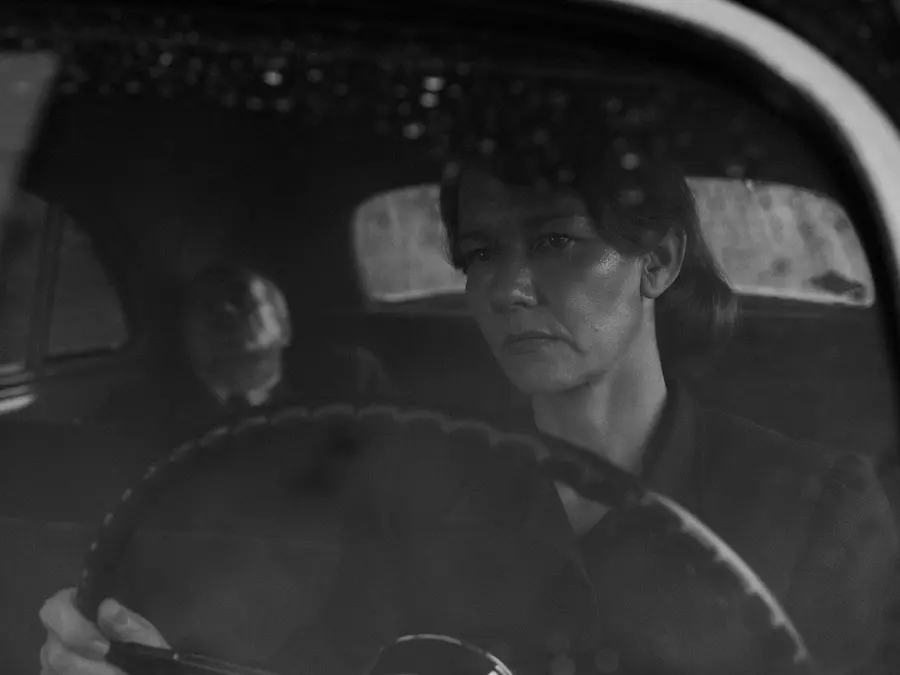
Across these three films, Pawlikowski tells the stories of people who turned their backs on their homelands or lost their roots amid the forces of history. With “an attitude of looking at life’s complexities and paradoxes with open eyes,” he brings not simply tragedy but the full complexity of human beings to the screen. Reflecting history through the faces and choices of those living through it, 〈Fatherland〉 will be in theaters in December.






댓글 (0)
댓글 작성
댓글을 작성하려면 로그인이 필요합니다.
로그인하기