



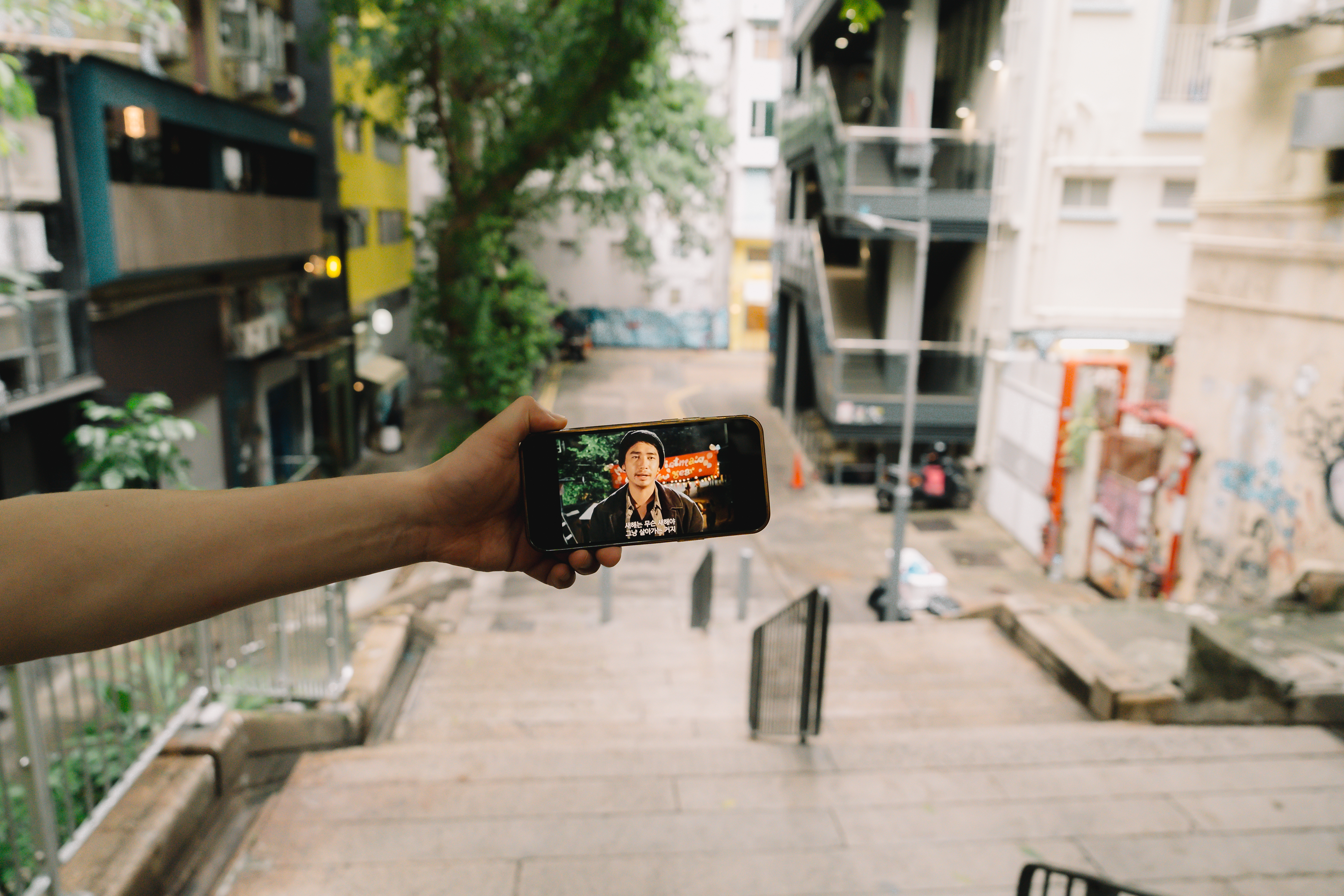
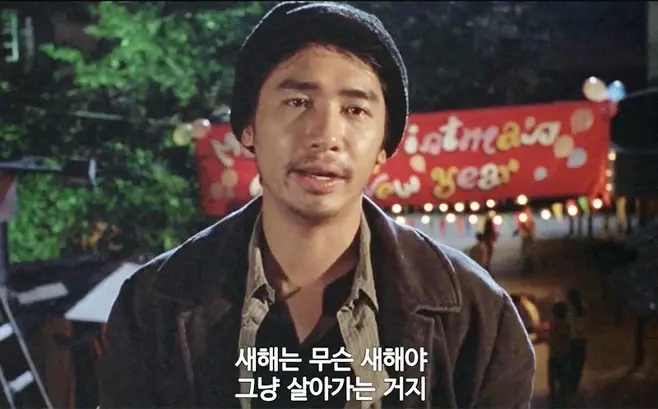
"What new year? Just living, you know." Like the line from the Netflix drama <My Name is Kim Sam-soon> that says, "Life goes on," this is a line uttered by Tony Leung's character, the 'Rogue Doctor' or 'Tsundere Doctor' in <Liu Mang Yi Sheng> (1995), as he brushes off people asking him to join a New Year celebration. I really like this scene. Because, while it is indeed a sad thing, just like how I automatically think of Leslie Cheung on April 1st out of the 365 days of the year, the scene with that line is overflowing on social media during the year-end and New Year. Although most people exchange it without knowing which movie it is from, Tony Leung has also created a permanent meme that makes people think of him at least once a year. So, if I could find the person who first started using this meme, I would love to meet them and treat them generously. To find that rarely grumpy face of Tony Leung, CinePlay and Brick Travel went on a Hong Kong movie tour from May 23 to 25, sponsored by the Hong Kong Tourism Board.
<Liu Mang Yi Sheng> was indeed released domestically, but it is a movie that not many people have seen, to the point that the release date is not even listed on portal sites. In fact, the original title is <Liu Mang Yi Sheng> (流氓醫生), but unfortunately, the domestic introduction title has been incorrectly translated, and it continues to be called <Liu Mang Yi Sheng>. The Chinese pronunciation is 'Liu Mang', but for the sake of this article, I will use <Liu Mang Yi Sheng>. First of all, 'Liu Mang' refers to a person who wanders around without a fixed residence. It is similar in meaning to a vagabond, but during the Cultural Revolution in China, it was also used to refer to delinquent and rogue-like individuals. Since 'Yi Sheng' means 'doctor', the character played by Tony Leung in <Liu Mang Yi Sheng> can be described as a 'rogue doctor'. The title of the popular American TV series <House> (2004), where Hugh Laurie won the Golden Globe for Best Actor in a Drama Series in 2006 and 2007, was also <Liu Mang Yi Sheng> when it was introduced in Hong Kong.
Furthermore, young people who are sensitive to trends and walk the streets in strange clothing and hairstyles were also referred to as such. At this point, the word that comes to mind is <Days of Being Wild> (1990) and its 'Ah Fei' (阿飛). This group was mainly called 'Ah Fei' in Shanghai and Guangdong, and they were actually referred to as Liu Mang Ah Fei (流氓阿飛). The character played by Leslie Cheung in <Days of Being Wild> was often called 'Ah Fei' in the past, but recently it has also been expressed as 'York', following the character's actual name in the work, which is 'Yuk Jai' (旭仔). Anyway, whether you call it Ah Fei or York, both are correct. Come to think of it, Tony Leung, who played Liu Mang, and Leslie Cheung, who played Ah Fei, were already one body known as 'Liu Mang Ah Fei'. Was it fate for them to meet again in <Happy Together> (1997)?
Yumun (Tony Leung) sets up a clinic in a slum, treating local prostitutes and homeless people for free. Various people with different stories live here. Ami (Yang Yeong-ki), a cute rich girl who came to help her friend with an abortion and fell in love with Yumun, and A-Chao (Yu Cheng-wun), a police officer who is always on stakeout and secretly loves a prostitute, are all marginalized individuals. One day, A-Chao accidentally shoots a criminal, injuring him. At the hospital where he takes the patient, Yumun meets his former classmate, Chak (Doo Deok-woo), who has become a promising doctor. They were close friends in college, but Chak was always jealous of Yumun because they both liked the same woman. Eventually, Chak tries to steal Yumun's credit and traps him so that he cannot work as a doctor in Hong Kong. Meanwhile, Chak's girlfriend Jamie (Jung Ryeo-je) is shaken when she meets Yumun again after almost ten years.
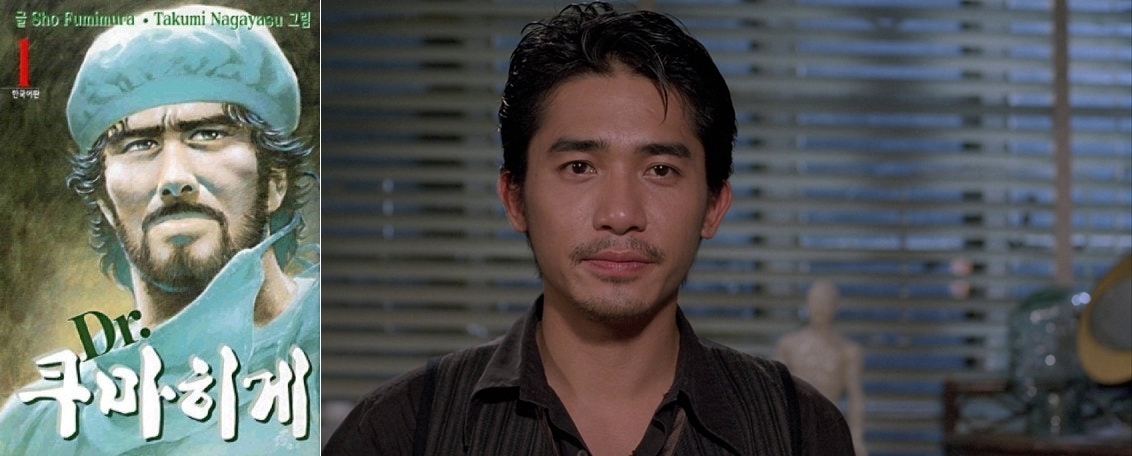
<Liu Mang Yi Sheng> is based on the Japanese manga Dr. Kumahige, which is also the work of Buronson, who was responsible for the story of <Fist of the North Star>. It is said to be modeled after a Zainichi Korean doctor who opened a clinic in the back alleys of Shinjuku, and due to the protagonist character having a 'bear-like beard' as in the Japanese title, it gained considerable popularity in Korea under the pirate title <Dr. Bear>. While the protagonist of the original manga is a very tough, action-manga-like character, Tony Leung's portrayal of Liu Mang definitely gives off a harmless vibe. He appears cold and like someone who does everything half-heartedly, but in reality, he is a delicate doctor who has realized a lot about the world. Not only is he skilled, but he is also a character who is dissatisfied with the unfair medical system and strives to change it. He turns away from those who ask him to celebrate the New Year, saying, "What new year? Just living, you know," but he has a deep heart and always becomes good friends with the patients he meets.
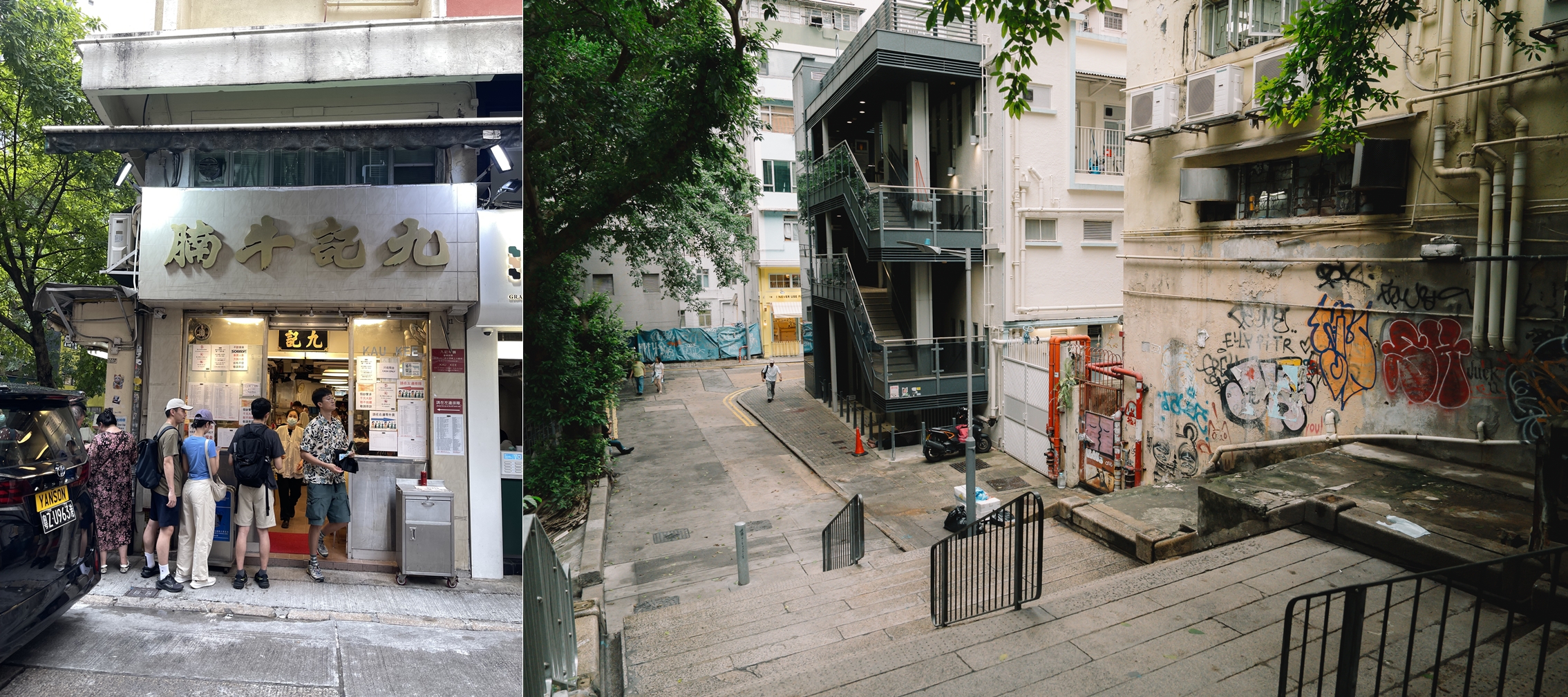
The place that appears as a slum or red-light district under the name 'Deng Yong Street' in <Liu Mang Yi Sheng> is actually Gough Street in the Sheung Wan area. In fact, for those who have been to Hong Kong once or twice, it is definitely a place they have passed by without knowing what movie it is from, just like using the Tony Leung meme from <Liu Mang Yi Sheng>. This is because the Kau Kee Noodle Restaurant (九記牛腩), which has been introduced as a 'Tony Leung restaurant' in various Hong Kong guidebooks and TV entertainment programs, and Sing Heung Yuen (勝香園), a famous dai pai dong (open-air restaurant) known for 'Baek Jong-won's Tomato Noodles' in a travel program, face each other on the street. Looking at the on-site photos from the filming of <Liu Mang Yi Sheng>, it seems that since it was the filming location itself, Tony Leung and the production crew often dined at Kau Kee and Sing Heung Yuen. Although I have not seen anyone who claimed to have met Tony Leung at Kau Kee, it seems that this nickname of 'Tony Leung restaurant' was given for this reason. Of course, several scenes were actually filmed at Sing Heung Yuen.
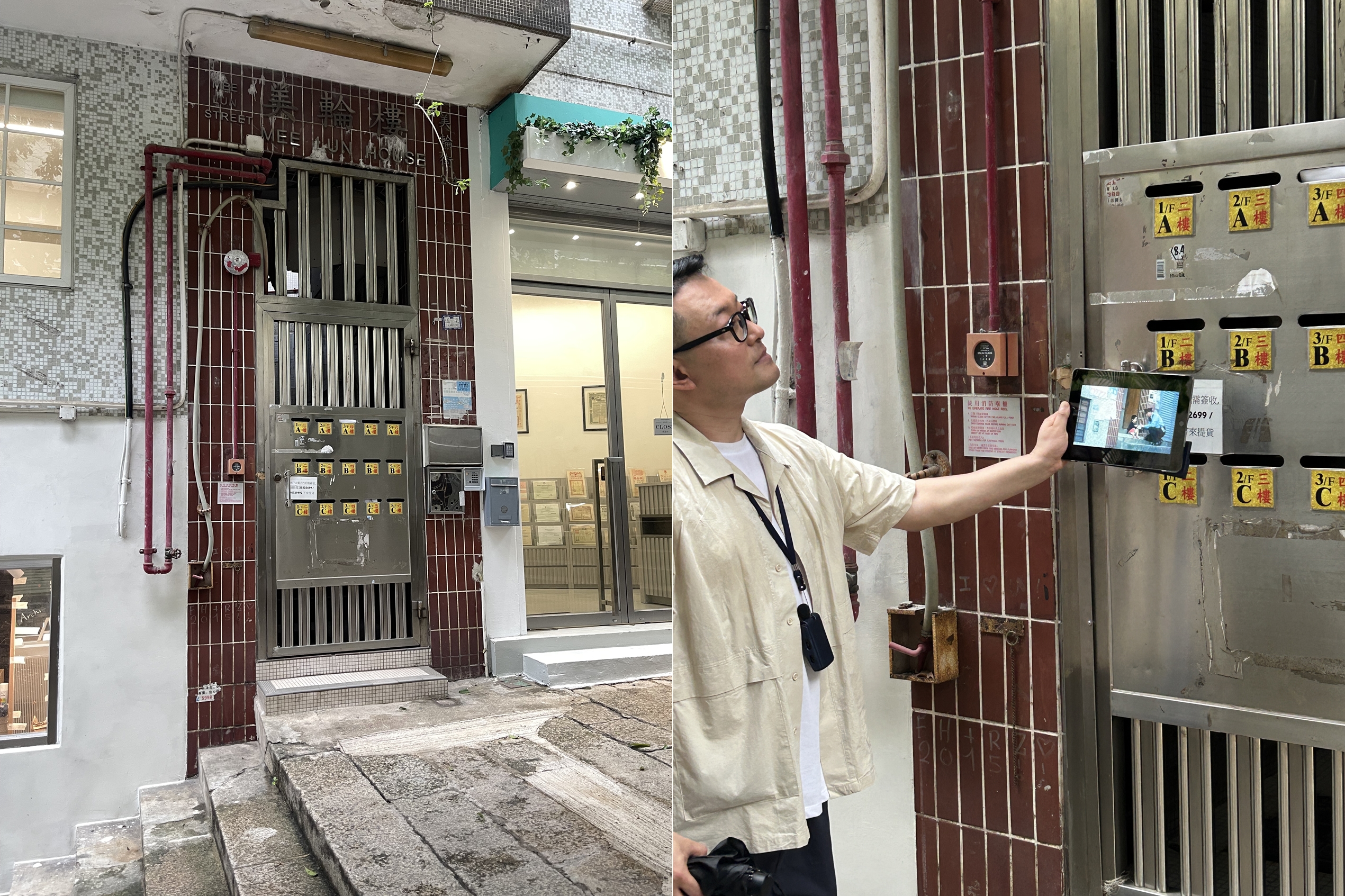
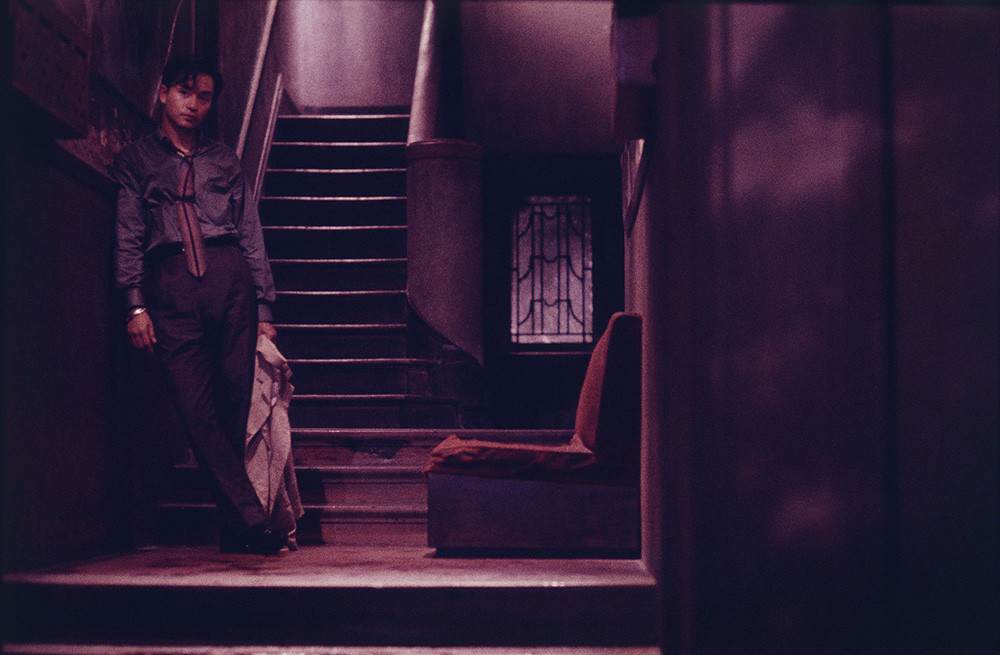
If you go up the stairs above Sing Heung Yuen, you will find 'Mee Lun House', the house where Leslie Cheung lived in <Yue Sing Yu> (1999). It is a house with a red brick border on the iron gate. As the mid-1990s approached, the popularity of Hong Kong films began to wane, and <Yue Sing Yu> is a film I cherish because it is the first time we can see Leslie Cheung playing a father. In the wake of the financial crisis that hit Hong Kong, securities manager Lee Jo-lak (Leslie Cheung) finds himself in a situation where he is broke and accidentally ends up raising an abandoned child. He initially thought he would take care of the child only until the parents showed up, but five years have passed. Although their circumstances are not affluent, the two have cherished and loved each other like a real father and son. Then, the child's biological mother, who has also gone through tough times, appears. <Yue Sing Yu> is a story about a drifter (Charlie Chaplin) who accidentally discovers and raises an abandoned child (Jackie Chan), modeled after Charlie Chaplin's 1921 film <The Kid>. In fact, the English title of <Yue Sing Yu> is also <The Kid>.
<Yue Sing Yu> is famous for being the film in which Leslie Cheung appeared for only one dollar in Hong Kong dollars. Director Derek Yee wanted to create a film that would comfort Hong Kong people, who were under the influence of a pessimistic sentiment due to the Asian financial crisis. Since the Hong Kong film market was also in recession, he formed a 'Creative Alliance' with 20 Hong Kong directors, including Wong Kar-wai and Johnnie To, and launched a campaign to lower actors' guarantees and production costs. Leslie Cheung sympathized with this intention and, needing a symbolic contract fee, only received one dollar. Later, in an interview, Director Derek Yee recalled, "I was really grateful to Leslie Cheung, who appeared in <Yue Sing Yu> with virtually no guarantee, which was practically an independent film. He was like a producer who made this film possible, and as an actor, he wonderfully portrayed the role of a lower-class father that he had never done before, and he was also very active in promotional activities."
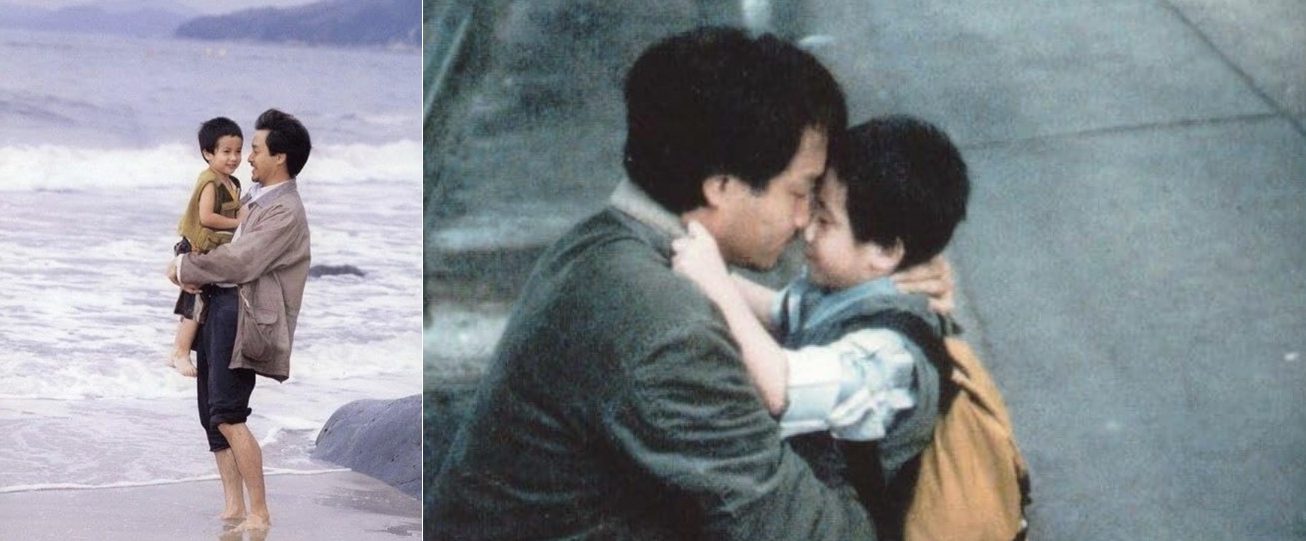
"If we had brushed past each other in another time and space, would our fate have changed?" In Wong Kar-wai's <2046> (2004), the character Zhu (Tony Leung), who stays in hotel room 2046 and begins to write a novel about the future city 2046 that helps him regain lost memories, says this. Suddenly, I wonder if Yumun from <Liu Mang Yi Sheng> and Lee Jo-lak from <Yue Sing Yu> might have brushed past each other on Gough Street, or if they might have coincidentally shared a meal at the same table at Sing Heung Yuen. I also think that Leslie Cheung from <Yue Sing Yu> would have gone to find Tony Leung from <Liu Mang Yi Sheng> when the child was sick. Thus, Gough Street is the street where the most reckless Tony Leung and the most dignified Leslie Cheung's films face each other. This may just be a story from the imagination of a Hong Kong film enthusiast, but this is precisely why I love Hong Kong. Many people say that Hong Kong is small, but with movies, Hong Kong is a place that is wider than anywhere else in the world.

![[2024 BIFAN Issue 4] Director To Qifeng's Masterclass Live Coverage](https://cdn.www.cineplay.co.kr/w160/q75/article-images/202407/15165_197842_3157.jpg)
댓글 (0)
댓글 작성
댓글을 작성하려면 로그인이 필요합니다.
로그인하기