



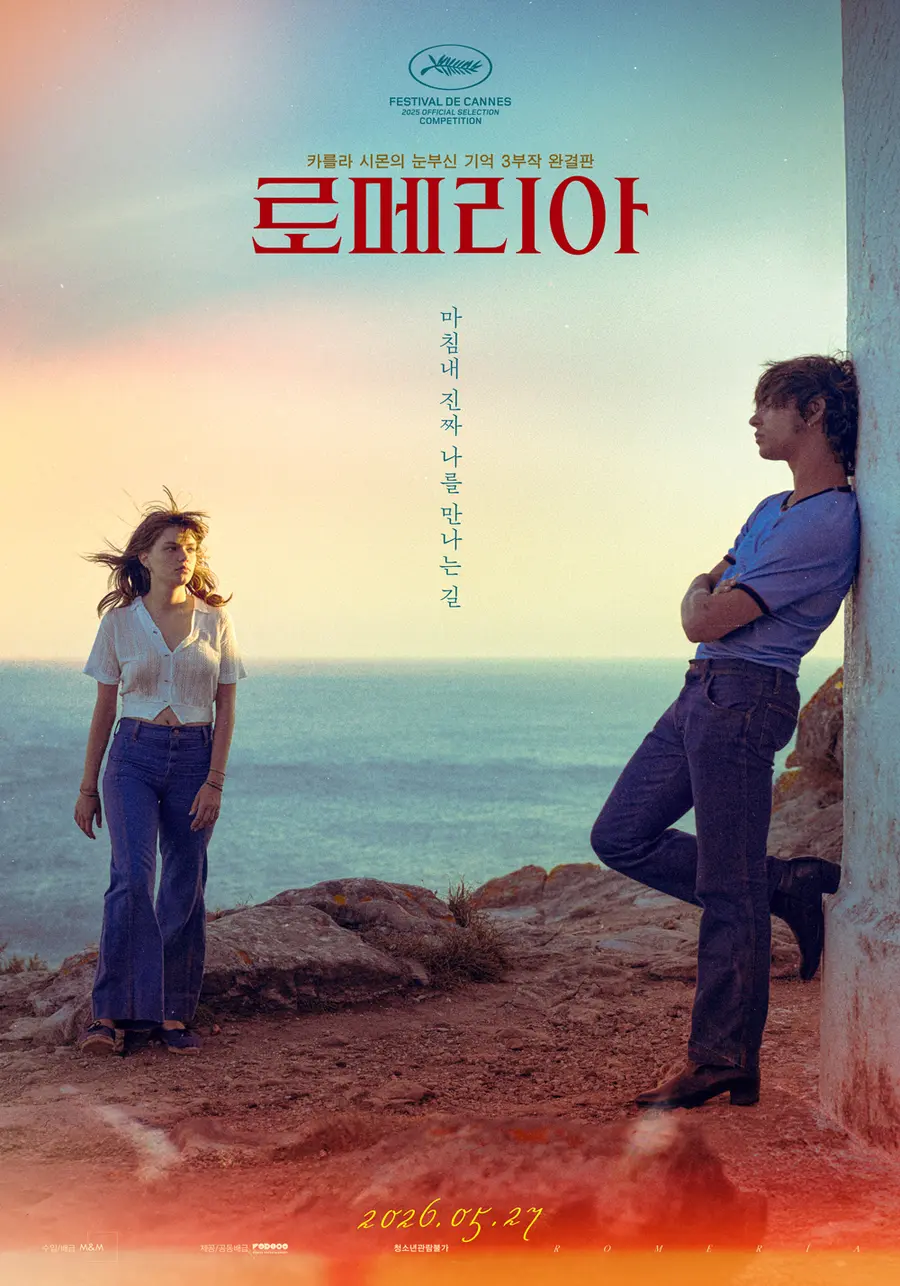
Carla Simón’s new work 〈Romerialia〉, which elegantly reimagines painful memories, has unveiled eight press stills capturing the meeting point of reality and dreams, drawing attention from all sides.
〈Romerialia〉 is the story of Marina, an 18-year-old who lost her parents as a child, as she confronts her family’s hidden secrets through her mother’s diary and the accounts of people around her. From 〈Summer of Alcarràs〉, a follow-up that won the Golden Bear at the Berlin Film Festival—Spanish director Carla Simón, who turned her own real-life experiences into film. In particular, it sets against the backdrop of a radiant yet painful portrait of young people who lived through the liberalization period of the 1980s following Franco’s dictatorship.
In this latest installment, continuing the 〈Summer of Frida〉 (2017) and 〈Summer of Alcarràs〉 (2022), known as either a “Family Trilogy” or a “Summer Trilogy,” Carla Simón unfolds a poetic film world by reviving memories of both individual lives and the era in today’s sensibilities—through sunlit coastal scenery and restrained emotion. Last year, after entering the Competition section at the Cannes Film Festival, she earned praise, “Carla Simón’s singular talent for capturing the unpredictable faces of a family” (Screen International), “A choice that steps one pace beyond realism completed her finest work” (International Cinephile Society).
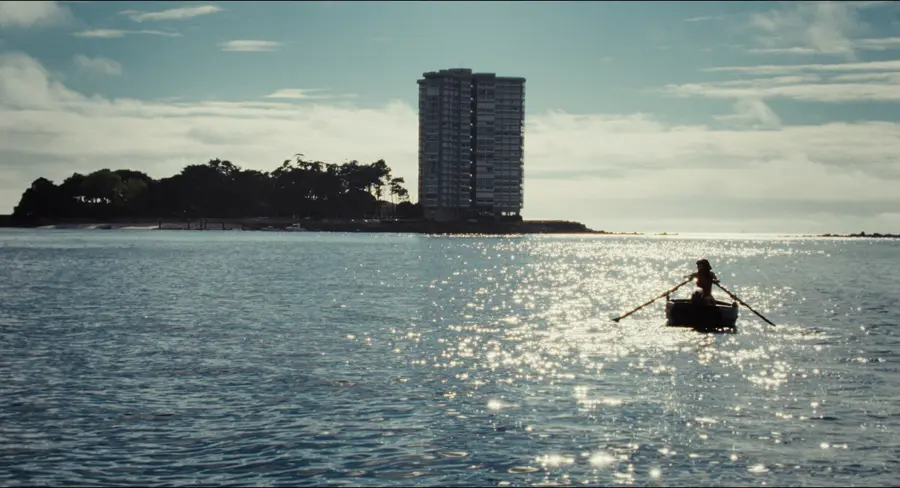
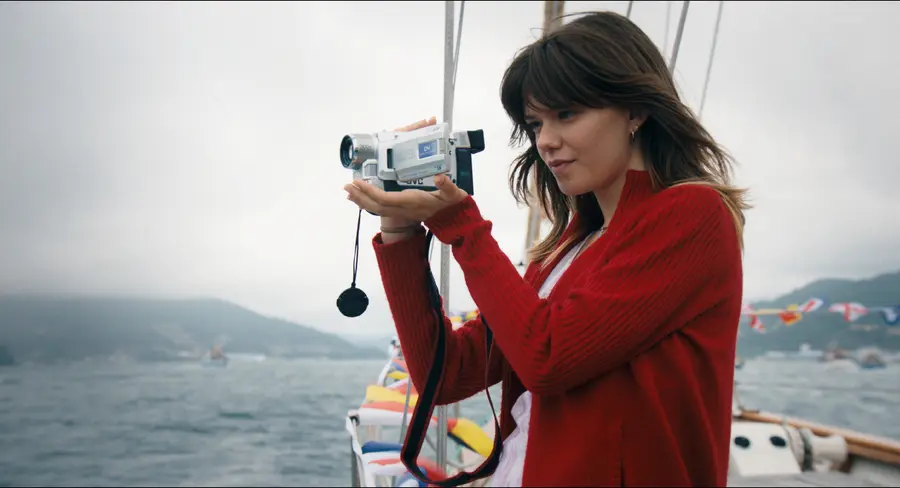
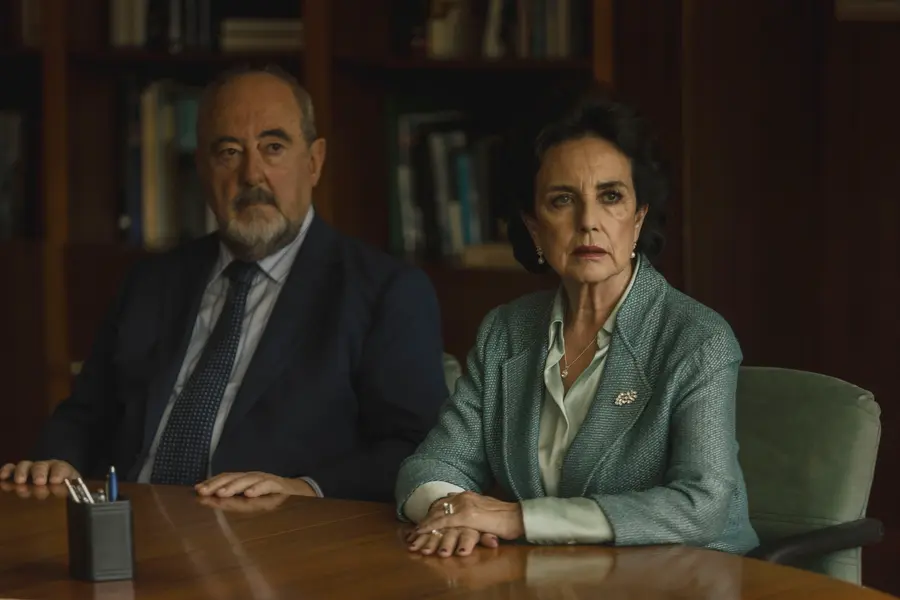
The eight still images reveal Marina’s complex emotions as she follows the traces of her parents and finds herself drawn into unfamiliar families, while also delicately capturing the air of the times that seeps into the dazzling summer scenery. First, Marina appears in a red cardigan, holding a camcorder as she stares out at the sea—suggesting a journey in which she becomes a recorder herself, retracing the memories of the family she lost. Next, at a long table, the stern expressions of her grandparents convey the distance and tension within the family that can’t easily be bridged. Meanwhile, Marina stands alone among the family members, dressed in a red dress, delivering the strange sense of a character who never fully belongs anywhere. In addition, in a scene leaning by a sunlit window with a subtle expression, the fresh young actress Lucía García’s youthful yet thoughtful face stands out. Finally, the last three images evoke a dreamlike, otherworldly feeling as if they’re drifting between memory and dream, raising expectations for Carla Simón’s new cinematic endeavor—one that has expanded the boundary between reality and fantasy.
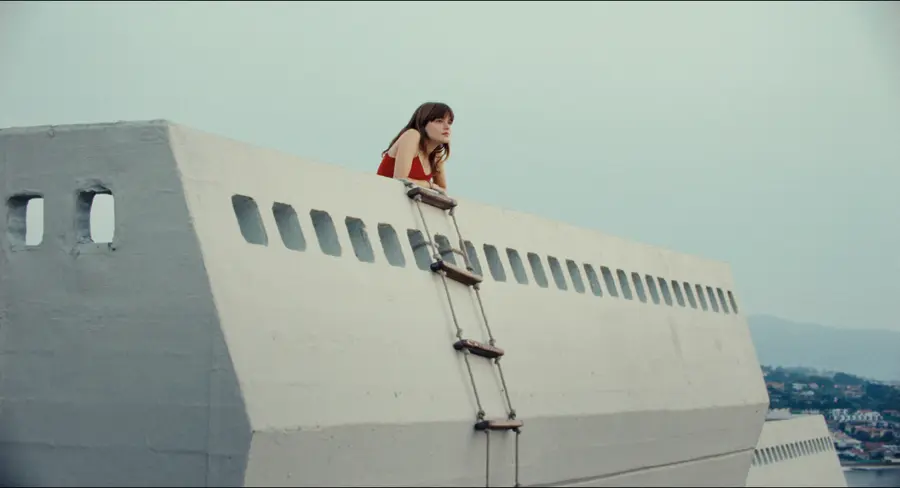
〈Romerialia〉 takes place in 1980s Spain, the “La Movida” generation, when the desire for freedom and liberation burst into full force after Franco’s dictatorship. From the perspective of the present, it brings back—once again—the radiant yet precarious youth of the parent generation that lived through that era. Even amid the atmosphere of liberalization, when music, art, and new culture filled the streets, the shadows of the times—drugs and AIDS—hung over everything as well. Carla Simón restores the memories that were hidden beneath the name “family,” overlapping those shining moments and traces of wounds from that time onto images like the sea, sunlight, and dreamlike scenes.
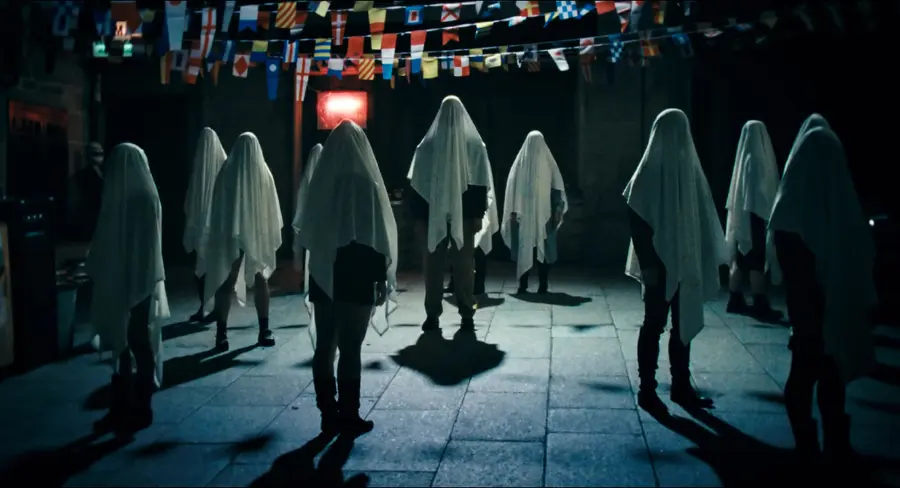
Ahead of the release, this spring’s most dazzling memory will meet us in the film 〈Romerialia〉, with a release date set for May 27.


![[Chuseok Holiday Box Office] Yoo Hae-jin and Park Hae-il's 'Assassins' and 'Tazza 4' knock out 'The Odyssey,' draw 130,000 on opening day for No. 1](https://cdn.www.cineplay.co.kr/w300/q75/article-images/2026-09-26/9f21ef55-2288-4c72-b030-b8b00587e464.jpg)
댓글 (0)
댓글 작성
댓글을 작성하려면 로그인이 필요합니다.
로그인하기