



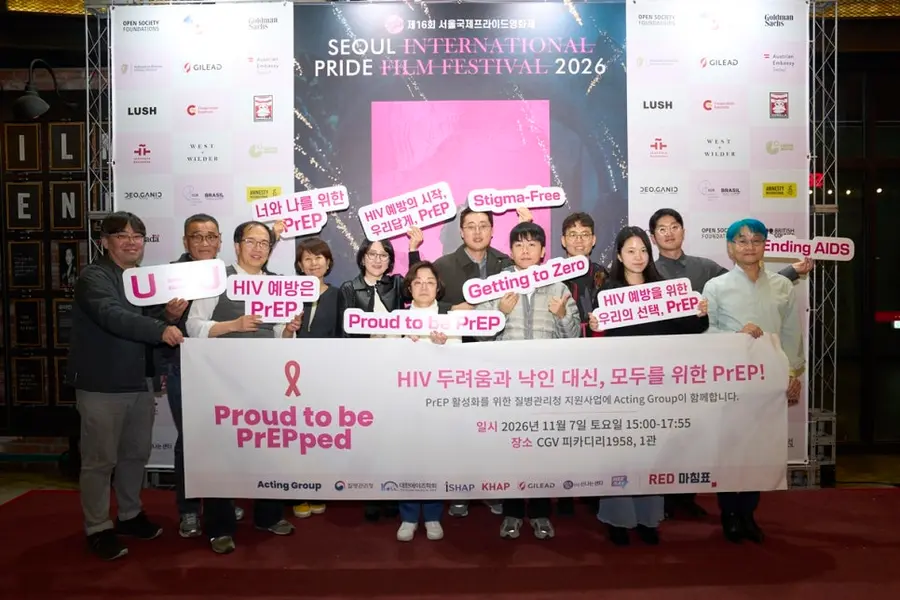
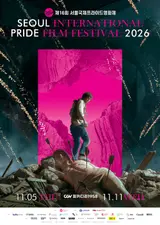
The 16th Seoul International PRIDE Film Festival (SIPFF), led by Festival Director Kim Jho Kwang-soo, hosted a series of sold-out screenings of headline films, along with an international co-production forum, a Pride Ball, an HIV/AIDS/PrEP forum and more than 20 audience Q&As. The festival reaffirmed its role as a platform connecting filmmaking, solidarity and community—not just a venue for screenings.
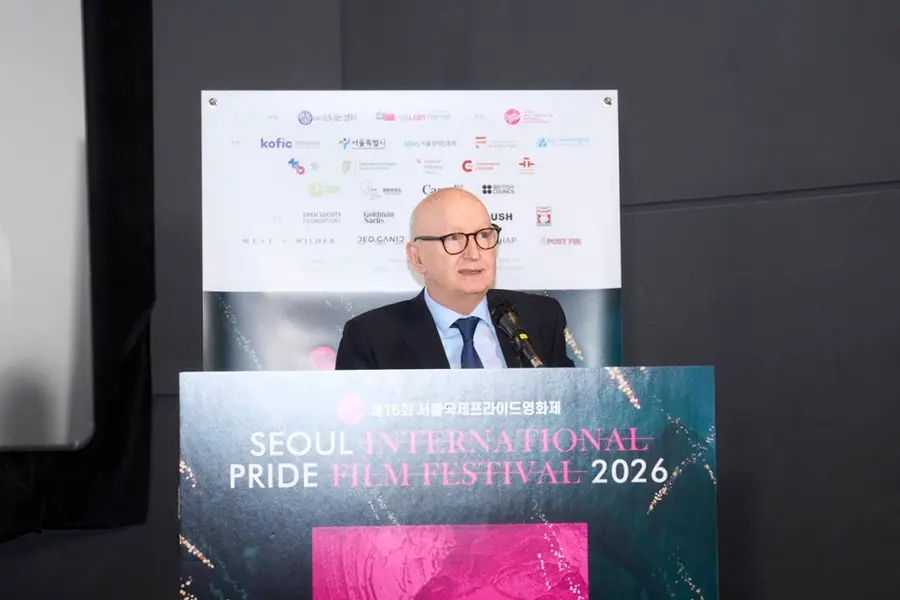
South Korea’s largest queer film festival, bringing audiences to the forefront of queer cinema from around the world, opened its 16th edition at 7 p.m. on Thursday, November 5, at CGV Piccadilly 1958. Attendees at the opening ceremony included Festival Director Kim Jho Kwang-soo and programmer Kim Seung-hwan; Spanish Ambassador to South Korea Julio Herráiz; Rafael Bueno, director of the Spanish Cultural Center in Korea; representatives from the French Embassy in Korea; and director Ian de la Rosa, who came to Korea with 〈Ivan & Hadoum〉. Jurors for this year’s competition and the Pride Film Project also attended, adding to the occasion.
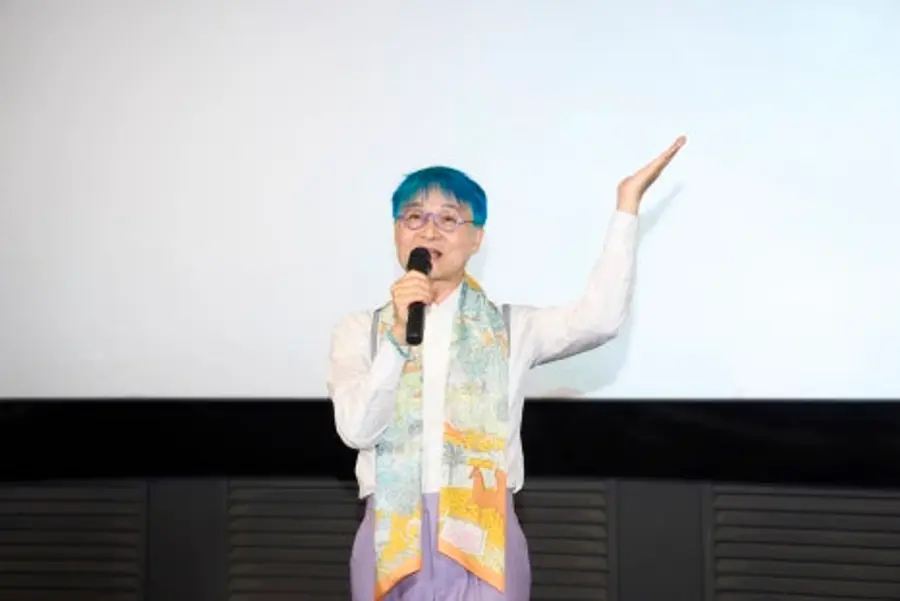
Taking the stage, Festival Director Kim Jho Kwang-soo said, “The first edition screened fewer than 30 films. Now we’ve become a major festival showing 116 films from 34 countries,” adding, “That’s thanks to the support of so many people here.” He went on to thank the staff and the festival’s sponsors and supporters, saying, “We faced many challenges this year because our funding was reduced, but thanks to the hard work of our staff, we were able to put on a better festival than we had expected, with an even wider range of films.” He urged the audience to “come often over the next seven days and enjoy as many great films as you can,” then officially declared the 16th Seoul International PRIDE Film Festival open.
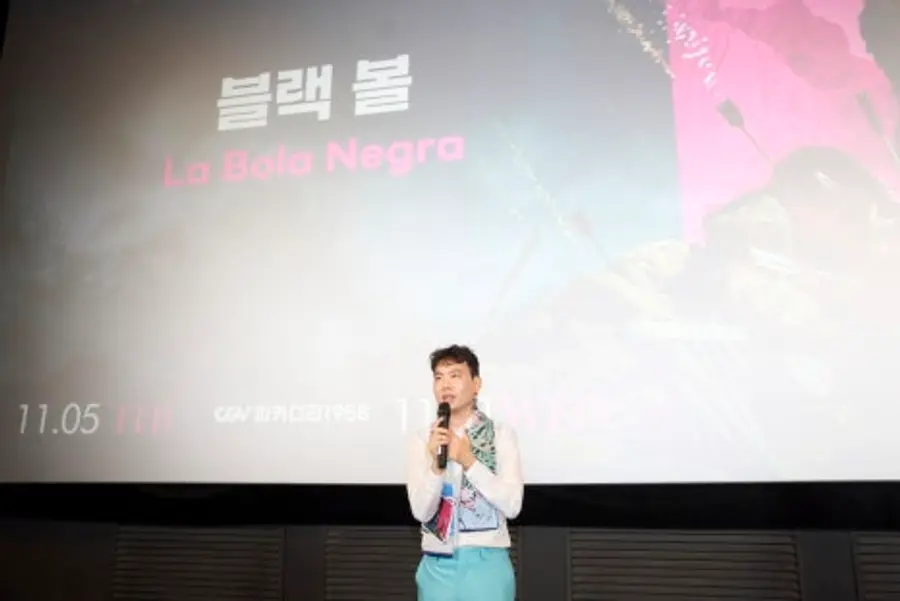
In its second year in Jongno, this year’s festival saw a string of major titles sell out, beginning with opening film 〈Black Ball〉, which sold out early, followed by 〈Cowards〉, 〈Rose〉 and 〈Jim Queen〉. Of the 116 films from 34 countries, 30 were world premieres. Audiences in Seoul got to see 〈Black Ball〉, winner of the Best Director award at the Cannes Film Festival; 〈Cowards〉, winner of the Best Actor award; and 〈An Elephant in the Fog〉, winner of the Un Certain Regard Jury Prize. The festival also screened 〈Ivan & Hadoum〉, winner of the Teddy Award for Best Feature Film at the Berlin International Film Festival.
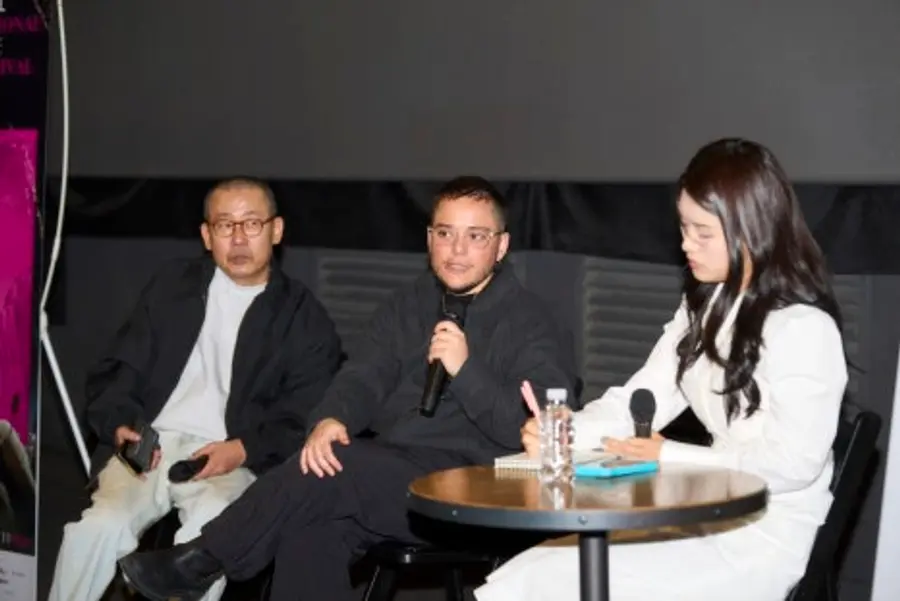

More than 20 audience Q&As were held during the festival, bringing together Korean and international directors, actors and critics. 〈Ivan & Hadoum〉 director Ian de la Rosa visited Korea and met with audiences. Q&As also followed all eight programs of Korean short films in competition and out of competition. Six solidarity Q&As were held with LGBTQ+ rights and community groups, including Acting Group, Dding Dong, a support center for LGBTQ+ youth; Rainbow Action; Rodem Tree Shade Church; Parents of LGBTAIQ; and Chingusai and RUN/OUT, Korean gay rights organizations. These Q&As connected the stories on screen with the lives of LGBTQ+ people in Korea today.
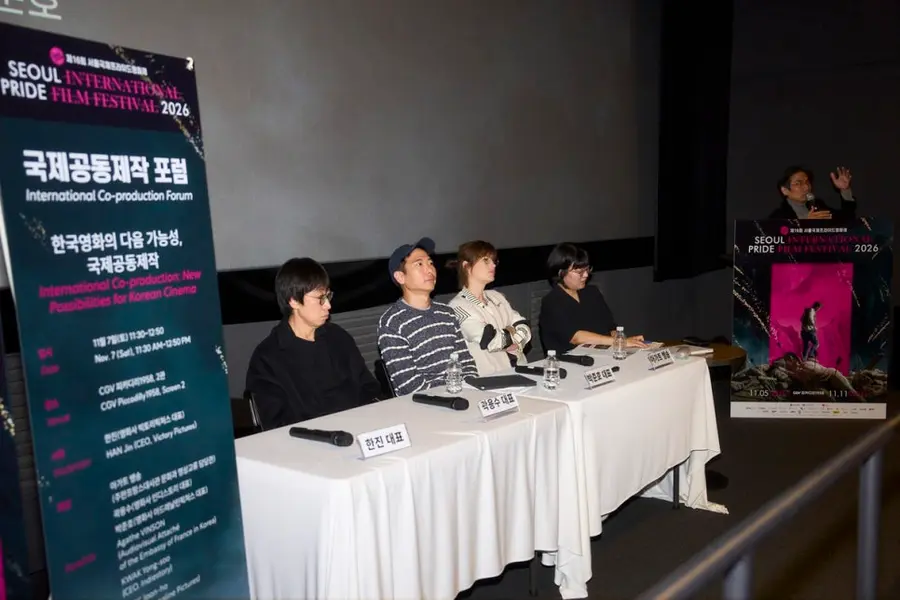
On Saturday, November 7, the festival held an international co-production forum, “The Next Possibilities for Korean Cinema: International Co-Productions.” The forum was hosted by the Synnaneun Center and the Producers Guild of Korea (PGK), and organized by the festival. Han Jin, CEO of Victory Pictures, moderated the discussion. Panelists included Agathe Vinson, audiovisual exchange officer at the French Embassy in Korea’s cultural section; Kwak Yong-su, CEO of film company Indie Story; and Park Jun-ho, CEO of Adrenaline Pictures. Against a backdrop of tighter investment and declining theater attendance, the forum explored how Korean queer films, which face significant constraints, could pursue international co-productions.
The discussion also considered how to turn the Korean Film Council’s “2026 Pilot Project for International Film Co-Productions” and support programs in countries such as France into practical results. Since 2013, the festival has supported the production of Korean queer short films through its Pride Film Project; this forum broadened that focus to international co-productions. Marking the 140th anniversary of diplomatic relations between Korea and France, the festival also presented 13 films: seven feature films co-produced with France and six French short films, alongside a selection of French queer cinema.
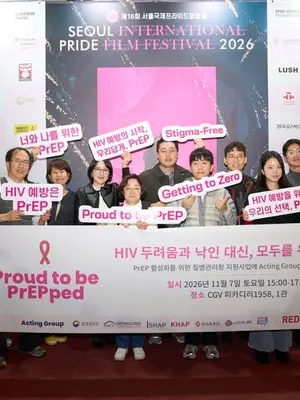
The HIV/AIDS/PrEP forum, “Same Virus, Different Stigma: HIV Today, After the Pandemic,” was held the same day alongside a screening of 〈Downtown〉, a Dutch film about the AIDS crisis of the 1980s. The forum addressed the social stigma that continues to surround HIV, even though treatment and prevention are now possible. Jung Min-seok, board chair of Dding Dong, a support center for LGBTQ+ youth, moderated, while Kwon Ju-seong, acting board chair of Together We Stand, delivered opening remarks. Panelists included Jung Seong-jo, lecturer at Chung-Ang University; Kim Tae-hyung, professor of infectious diseases at Soonchunhyang University; Shin Ji-won, senior vice president at Gilead; and Yoo Jung-hee, division director at the Korea Disease Control and Prevention Agency. From the perspectives of the community, medical professionals, providers and government, they explored social challenges in reducing HIV stigma and expanding access to prevention.
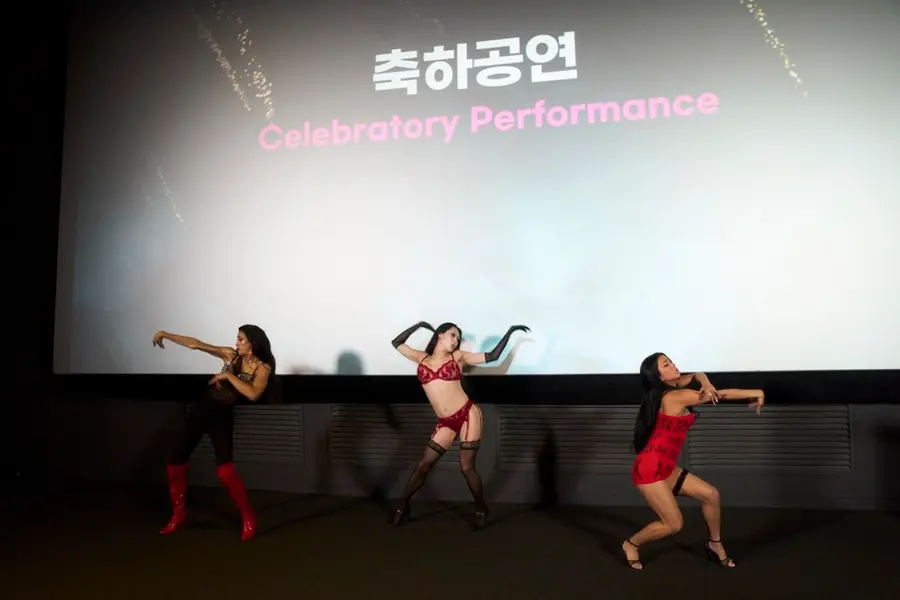
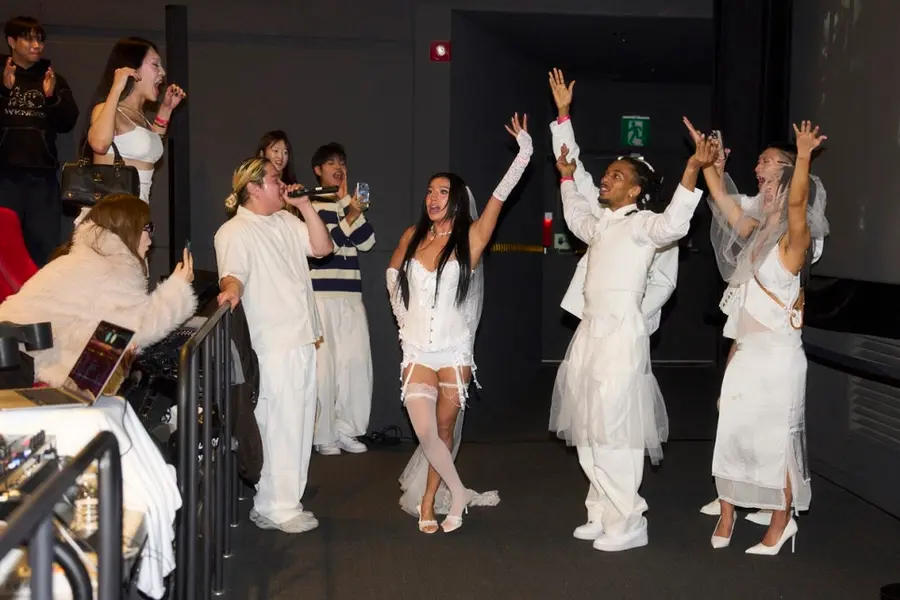
On Sunday, November 8, the PRIDE BALL was held at Screen 2 of CGV Piccadilly 1958 in connection with the documentary series 〈The Ballroom〉. Since 2024, the Synnaneun Center has organized the Pride Ball with ballroom community members—including dancers, directors and DJs—active in Korea through the Seoul Pride Expo. This year marked the event’s first appearance on the film festival’s stage. The event shared with audiences the significance of ballroom culture, created by LGBTQ+ youth forced out of their homes within “houses”—chosen, alternative families.
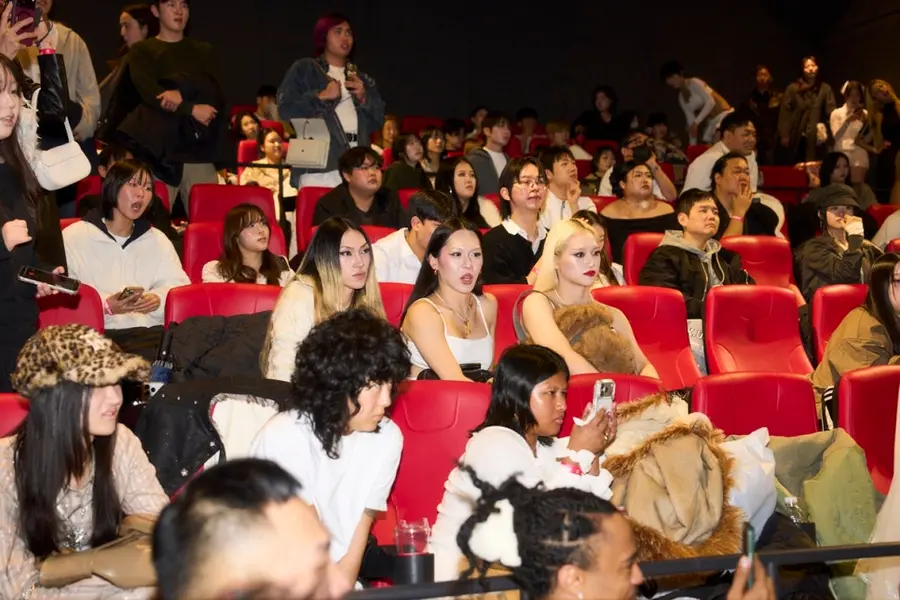
At the 2026 Pride Film Project public pitch, three projects were presented: 〈Long Jump〉 (Jung Su-jin), 〈April Eighth〉 (Kim So-hyun) and 〈Cursed Cactus〉 (Oh So-jin). 〈Low Me〉 (Kim Jae-hoon), selected last year, met audiences this year as a world premiere. The festival continued a virtuous cycle of discovering emerging directors and bringing their work back to the festival.
The festival also continued its work documenting Korean queer cinema. Beginning with 〈Sabanji〉 in 2018, it has worked with the Korean Film Archive to digitally restore classic Korean queer films. This year, Han Ji-seung’s 〈The Rhapsody〉 (1998) and Lee Jin-seok’s 〈Change〉 (1996) were restored and brought back to audiences. Timed to the festival’s opening, 『A History of Korean Queer Cinema 2022–2025』, a collection of criticism and interviews documenting the past four years of Korean queer cinema, was published. To mark its release, six special screenings were held: 〈3670〉, 〈Peacock〉, 〈That Summer〉, 〈You and Me〉, 〈Lucky, Apartment〉 and 〈I Dreamed, I Tell You〉.
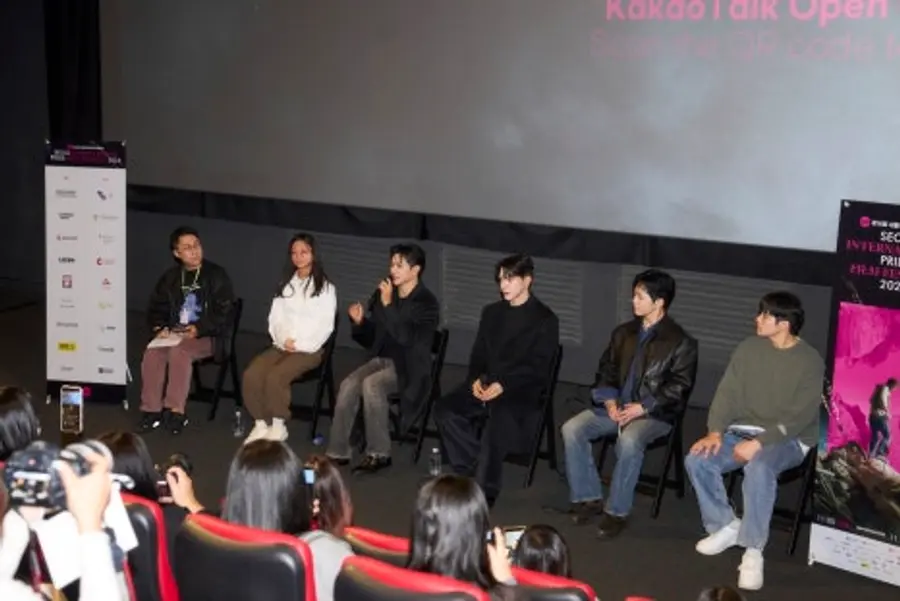
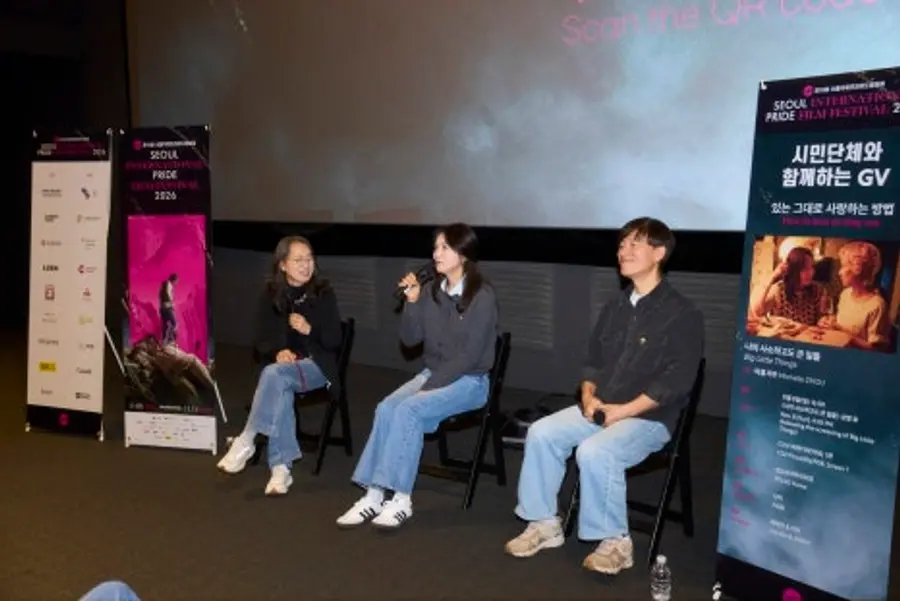
This year’s festival was supported by 24 sponsors and partners, including eight foreign embassies and cultural centers. The opening ceremony was attended by Spanish Ambassador to South Korea Julio Herráiz and Rafael Bueno, director of the Spanish Cultural Center in Korea, among others. As a founding member of the Asia-Pacific Queer Film Festival Alliance (APQFFA), the Seoul International PRIDE Film Festival continues to serve as a hub for queer cinema in the Asia-Pacific region.
The 16th Seoul International PRIDE Film Festival, a gathering for solidarity that showcased 116 queer films from 34 countries at CGV Piccadilly 1958, concluded its seven-day run on Wednesday, November 11, with a closing ceremony and a screening of closing film 〈An Unusual Family〉.



댓글 (0)
댓글 작성
댓글을 작성하려면 로그인이 필요합니다.
로그인하기