


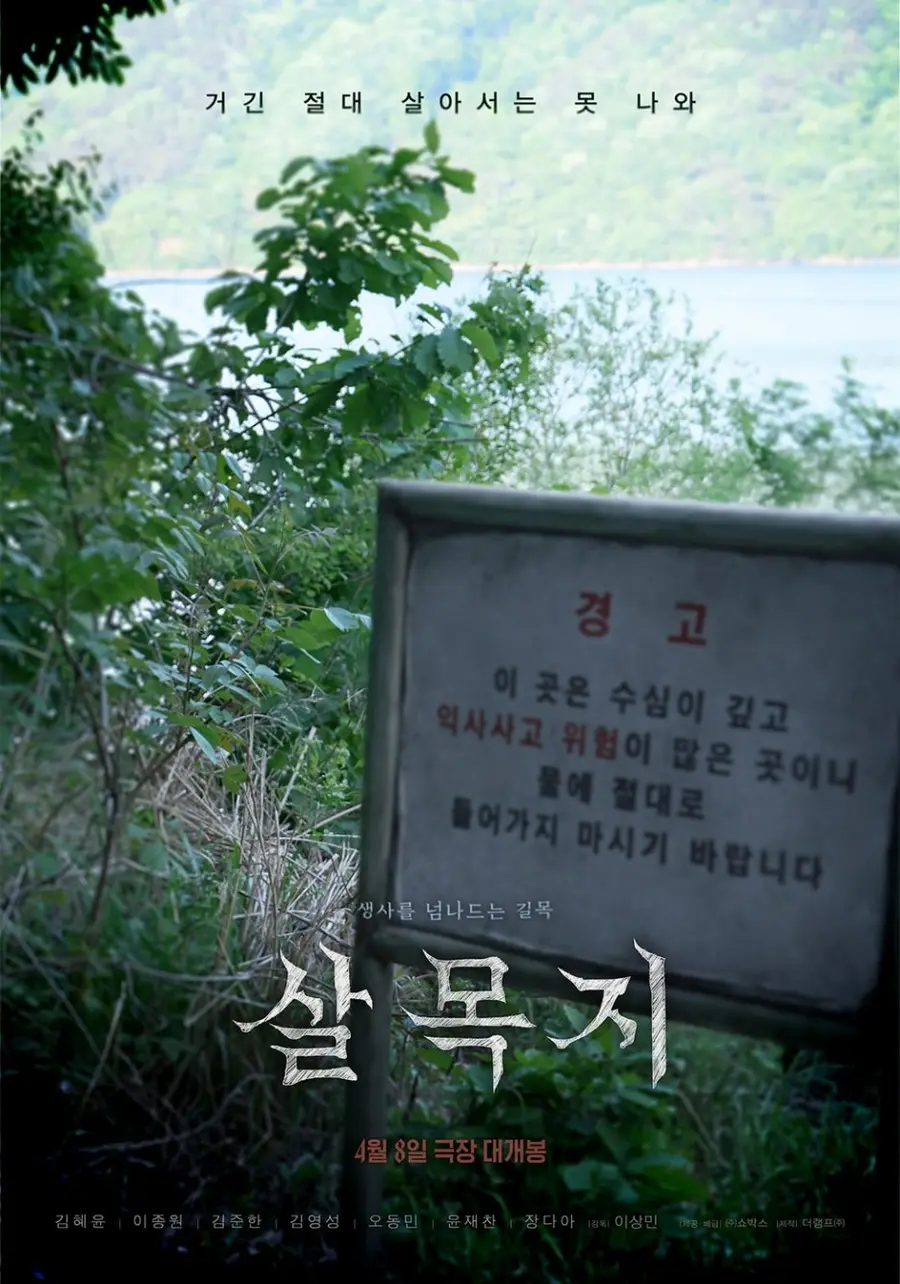
After a long while, a horror film that still has bite has arrived. If, while watching a horror movie, you find yourself thinking, “Ugh, come on,” then that’s basically the end of it. If the emptiness at the finish of something eerie arrives and the fear doesn’t quite live up to expectations, all that remains is a sense of hollowness. In the end, the moment you feel, “This is bland,” you can’t say the horror film is doing its job. So in horror movies, the key question that separates “scary” from “lame” is: how well does it fool you, even when you know what’s coming?
What’s the most important thing in a horror film? A jaw-dropping twist? Jump scares? Sound and music? Of course, all of those matter. But before people go to watch a horror movie, audiences look for one thing: “How scary is it?” That’s because horror films work like an attraction. Judging it that way, 〈Salmokji〉, opening on April 8, is a work faithful to the true function of a horror movie. 〈Salmokji〉 doesn’t waste time laying out the setting or hyping up the chemistry between the characters. Instead, it fills that space with fierce jump scares and the chilling energy created by the environment.
Of course, whether 〈Salmokji〉 is truly smooth from beginning to end is something many critics may argue against. Still, for viewers who need “thrill” and “spookiness,” is there a better way to stay on target than this? A group of characters head toward a spot notorious for its eerie atmosphere. There are characters who don’t believe in ghosts, characters who want to enjoy a terrifying experience, and characters who are trying desperately to survive. The film uses this familiar formula, but it refuses to let déjà vu drain the story of its tension. In particular, the freshness of the cinematography and production design backs it up. The movie brings out the “kind of enjoyment where you want to be fooled, even while you know” through a 360-degree camera, underwater filming, motion detection, and more. Even though it keeps the narrative itself relatively minimal, it generates anxiety that makes it impossible to predict where or what will appear, and it sustains a tension that makes you feel the movement of unseen entities—so the fear itself becomes the story, and its ability to keep you fully immersed throughout the runtime is a major strength.
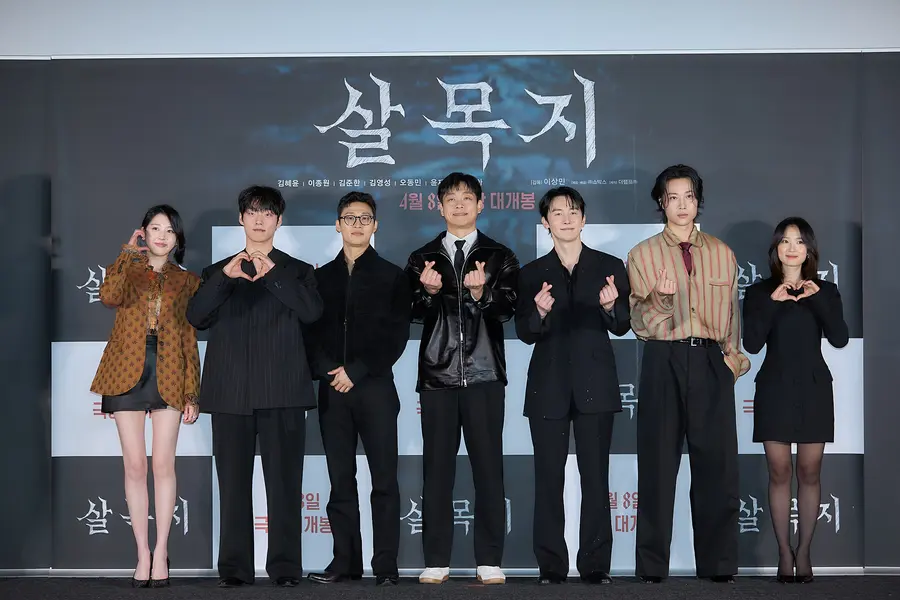
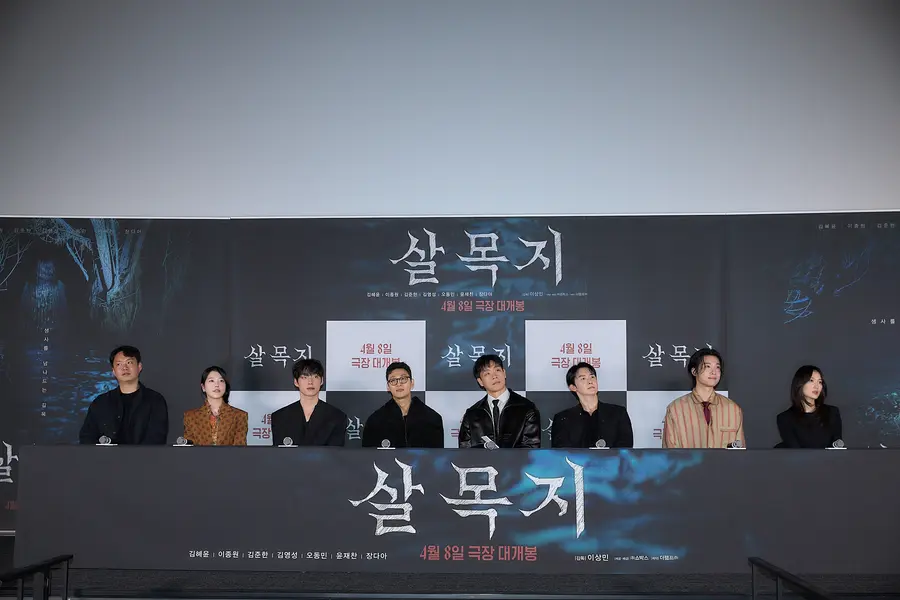
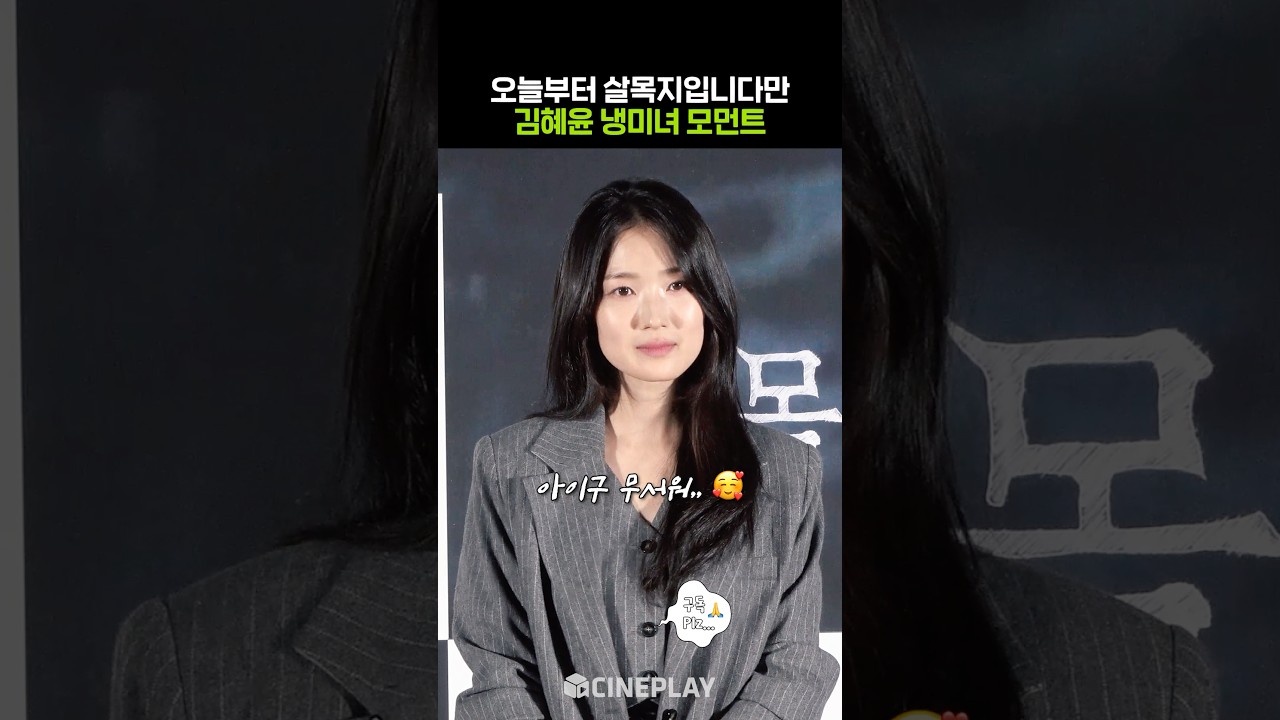
On the afternoon of the 24th, at the CGV Yongsan I-Park Mall SCREEN X theater, a press screening and a press conference for the film 〈Salmokji〉 were held. That day, Director Lee Sang-min and the actors Kim Hye-yoon, Lee Jong-won, Kim Jun-han, Kim Young-sung, Oh Dong-min, Yoon Jae-chan, and Jang Da-a attended the press conference and answered questions from local reporters. Even the actors who watched the film together with the journalists proved that you can’t completely escape the film’s fear—so much so that even the people involved couldn’t get away from it.
〈Salmokji〉 drags the audience right into the middle of the Salmokji swamp, where you can’t get out. On that day, Director Lee Sang-min named “experience” as the main point he focused on. “I wanted to create it so that the viewers would feel like they’re actually here at Salmokji, experiencing these terrifying incidents firsthand,” he said, explaining that the direction focused on making the audience feel as though they’re going through the events themselves, using drive-by shots, character POV shots, and more. In addition, the director added that he put effort into presenting bizarre and new images—such as the moment a water-ghost rises to the surface, and scenes where part of a body suddenly appears out of nowhere.
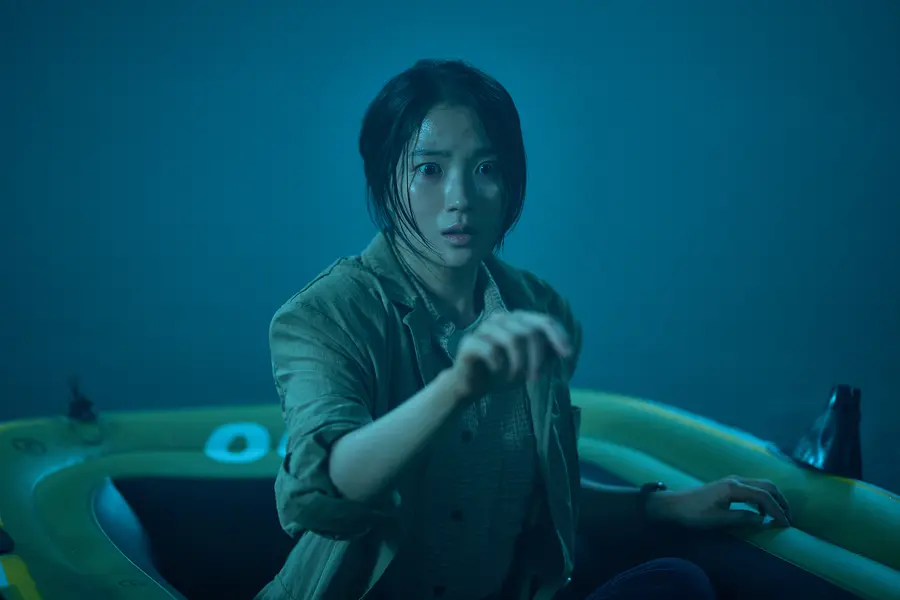
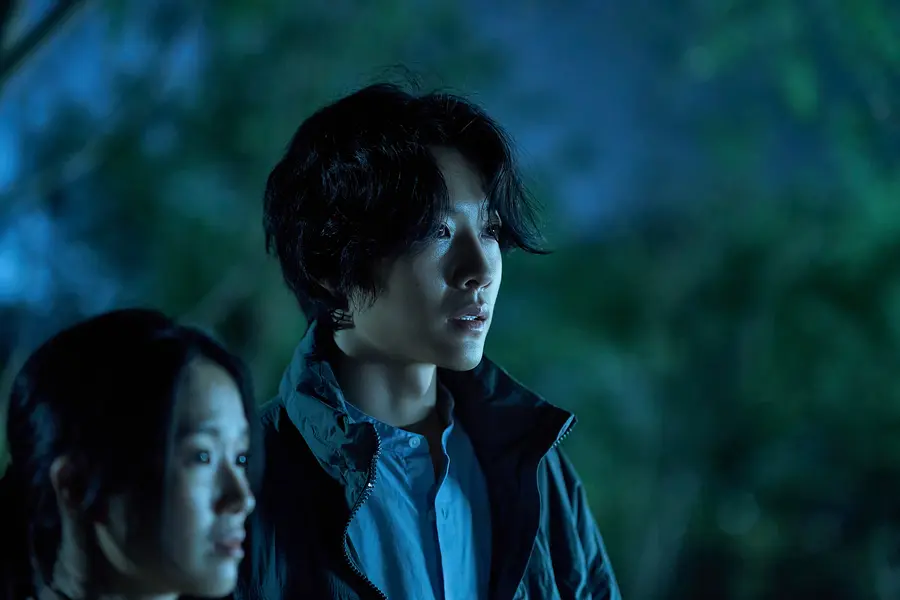
In 〈Salmokji〉, jump scares appear in a variety of ways and at different timings. Known as a director with a passion for horror, Director Lee Sang-min shared, “I really love horror movies, and I wanted to show a lot of things I personally enjoy and have fun with,” explaining why he filled the film—from start to finish—with dense, intense “scare.” He also described jump scares as one of the major pleasures of watching horror movies, saying, “Jump scares also have their own standards. There’s a timing battle—how long you stretch it in front. And there’s an idea battle—how you surprise the audience.” The director added that the space itself is another main character, and that he devised jump scares that actively use the environment. For example, he said the film captures the Salmokji area from multiple angles—such as the instant a body is revealed, or places where the boundary between land and water becomes unclear—raising the level of fear.
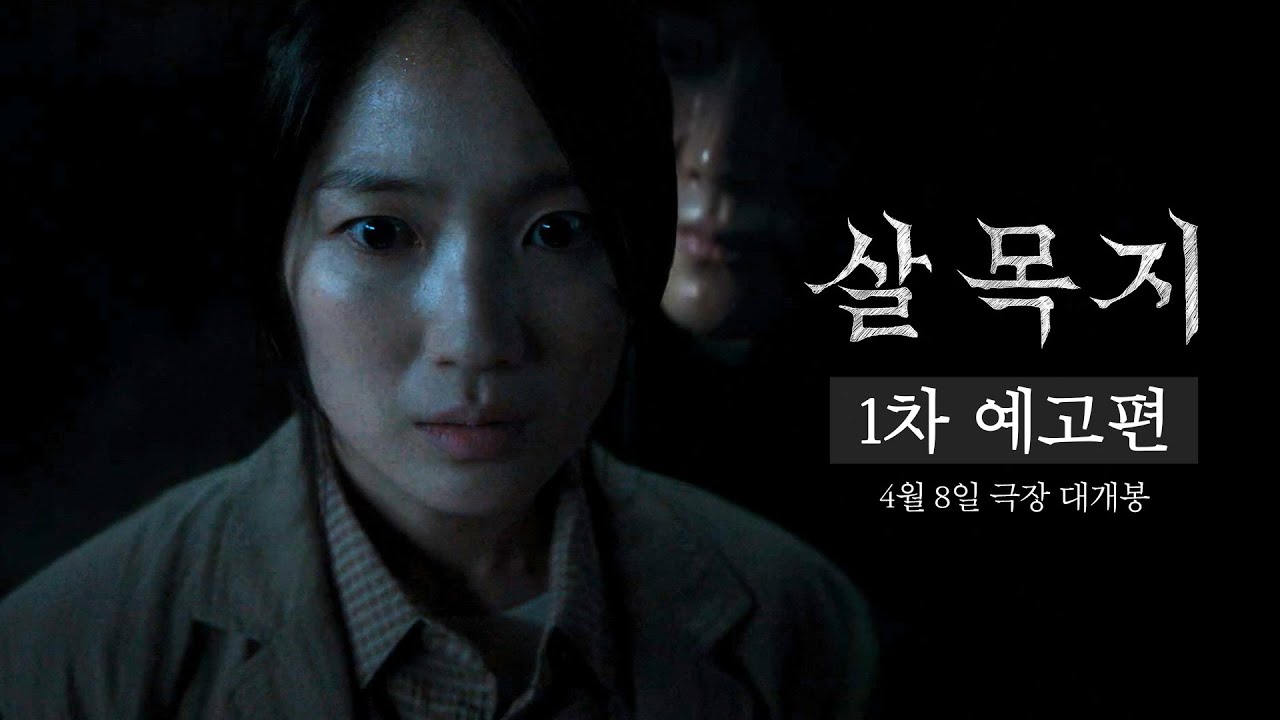
In night scenes, Director Lee chose a method that restricts the viewer’s sight with flashlights to heighten the density of the darkness, and to capture the expressions of characters being swallowed by fear even more clearly. As Kim Jun-han—who played “Gyosik,” a figure with an unsettling aura—put it, “In a horror film, it’s over the moment the world doesn’t feel believable.” From the pre-production stage all the way through post-production, Kim Jun-han said he discussed with the director “how much we would show, and how much we would keep pulling the audience along with parts shrouded in mystery,” adding, “The actors we cast gradually went deeper and deeper into that world, delivering performances that made us believe it—so we were able to fully immerse ourselves.”
The actors’ immersion came from the eerie atmosphere on set that felt almost like a real horror film. Kim Hye-yoon, who took on the role of the protagonist “Su-in” and jumped into the “Horror Queen” challenge, said, “When I saw branches coming up under the black water right next to me, it felt genuinely eerie. Even the fact that we arrived at the reservoir at night was scary by itself.” Lee Jong-won also said, “The branches and things like muddy debris looked like terrifying sculptures that someone had set up on purpose. There were spine-chilling moments at every instant.” Jang Da-a, who made her screen debut with 〈Salmokji〉, recalled the set by saying, “Strangely enough, even in daytime when the sun was out, the filming location still felt eerie and gloomy. The mood was created by the water’s ambiguous color, the bare branches, and that unclear space where the boundary between land and water is vague—everything helped me get more deeply immersed in the world.”
〈Salmokji〉 opens in theaters on April 8.

![[Chuseok Holiday Box Office] Yoo Hae-jin and Park Hae-il's 'Assassins' and 'Tazza 4' knock out 'The Odyssey,' draw 130,000 on opening day for No. 1](https://cdn.www.cineplay.co.kr/w300/q75/article-images/2026-09-26/9f21ef55-2288-4c72-b030-b8b00587e464.jpg)
![[First Reactions to the Press Screening] Cineplay Journalists’ Star Ratings for “Salmokji”](https://cdn.www.cineplay.co.kr/w160/q75/article-images/2026-03-24/28c596a4-6de5-4a4e-b1e5-5b98b1e111f8.jpg)
![[Photo&] Film “SalMokJi” casts Kim Hye-yoon, Lee Jong-won, Jang Da-ah, and more—Stars who lit up the press preview site “Press Preview Site”](https://cdn.www.cineplay.co.kr/w160/q75/article-images/2026-03-25/f2b181e0-ab58-40b7-a4a7-b348e924aa1c.jpg)
댓글 (0)
댓글 작성
댓글을 작성하려면 로그인이 필요합니다.
로그인하기