


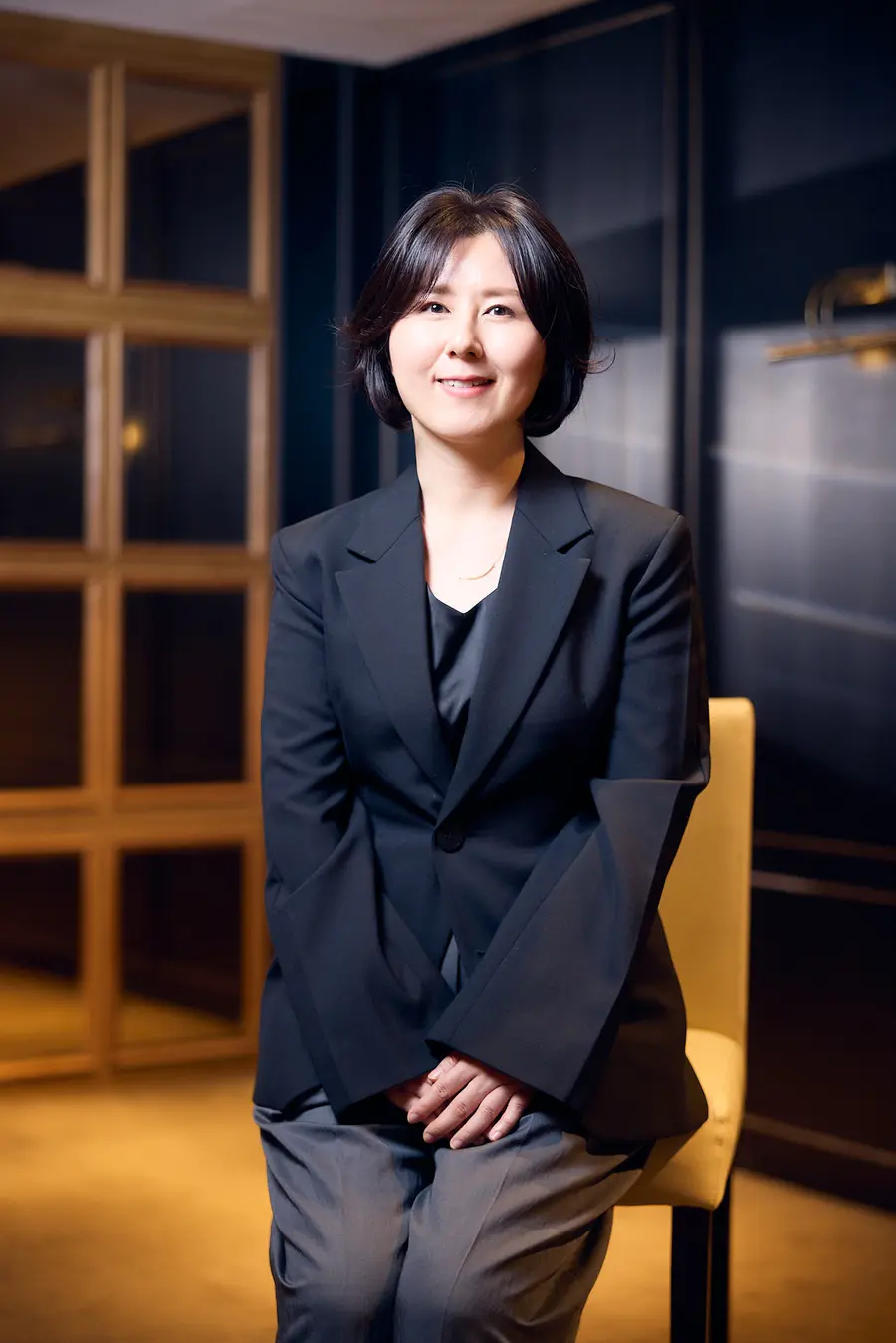
A noteworthy “intruder” has appeared in Korean independent cinema. A director who brings uncomfortable things, things you want to hide, and things that get under your skin right to the front—stimulating the audience’s senses. It’s director Seon-sun Seo, ahead of the release of the psychological thriller 〈The Trainer〉. Having majored in directing at the Korean Academy of Film Arts (KAFA), she has consistently shaped women with deprivation and desire through works such as the short 〈A Film Outside the Window〉(2012) and 〈Tropical Night〉(2015).
Her first feature, 〈The Trainer〉, is a detailed exploration of the control drive and the human nature revealed through star pet dog trainer Ha-young (Seung-yoon Choi), whose life is thrown into turmoil by the release from prison of her younger sister Sora (Seung-hwa Kim), who has a criminal record for murder. From an arson incident when the sisters were children, committed to escape their violent father, to the sexual tension that arises with Sora’s arrival in the present, the film is saturated with the atmosphere of desire and ruin—desires that both trigger incidents unfolding and hint at what’s coming next. The director’s challenge to reach the realm of primal human nature that Michael Haneke has depicted, using Pedro Almodóvar’s provocative premise, is unmistakably a distinctive kind of quality that is not something you often encounter in Korean independent films. Instead of setting up a specific antagonist, from the very first feature Seon-sun Seo clearly shows what she wants her film to pursue—by drawing out the dark aspects that exist within a variety of characters in the story. He says there weren’t few “concerns and comments from the surrounding area” about the devices in the film, which feels unfamiliar and uncomfortable from the moment of conception, but even so, rather than smoothing those rough, sharp edges, she decides to lay them out before the audience in a dangerous form.
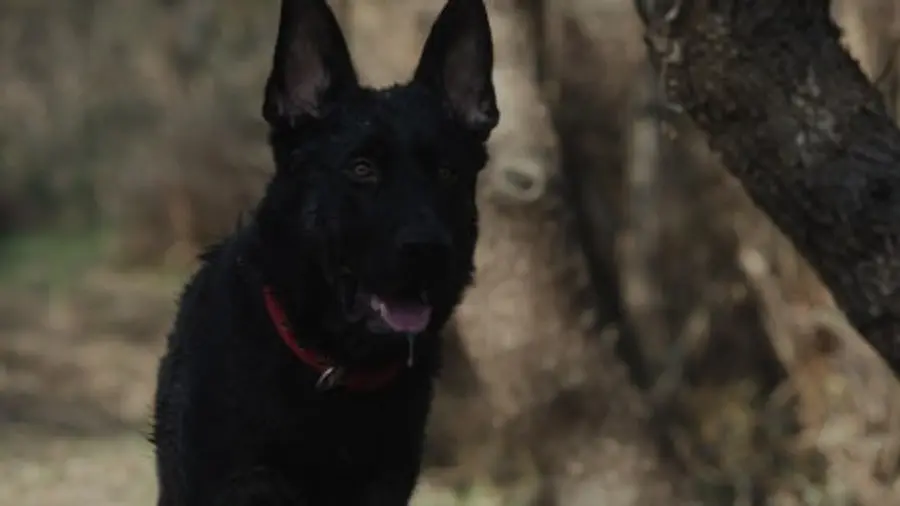
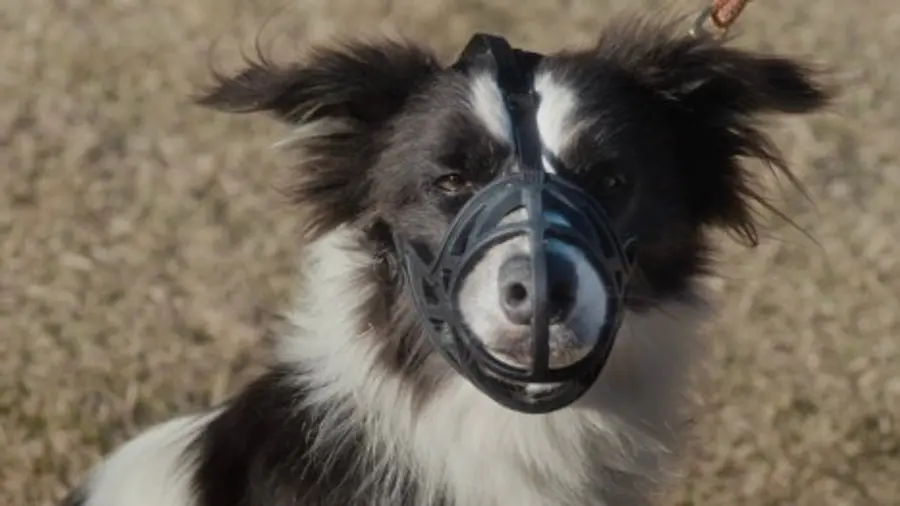
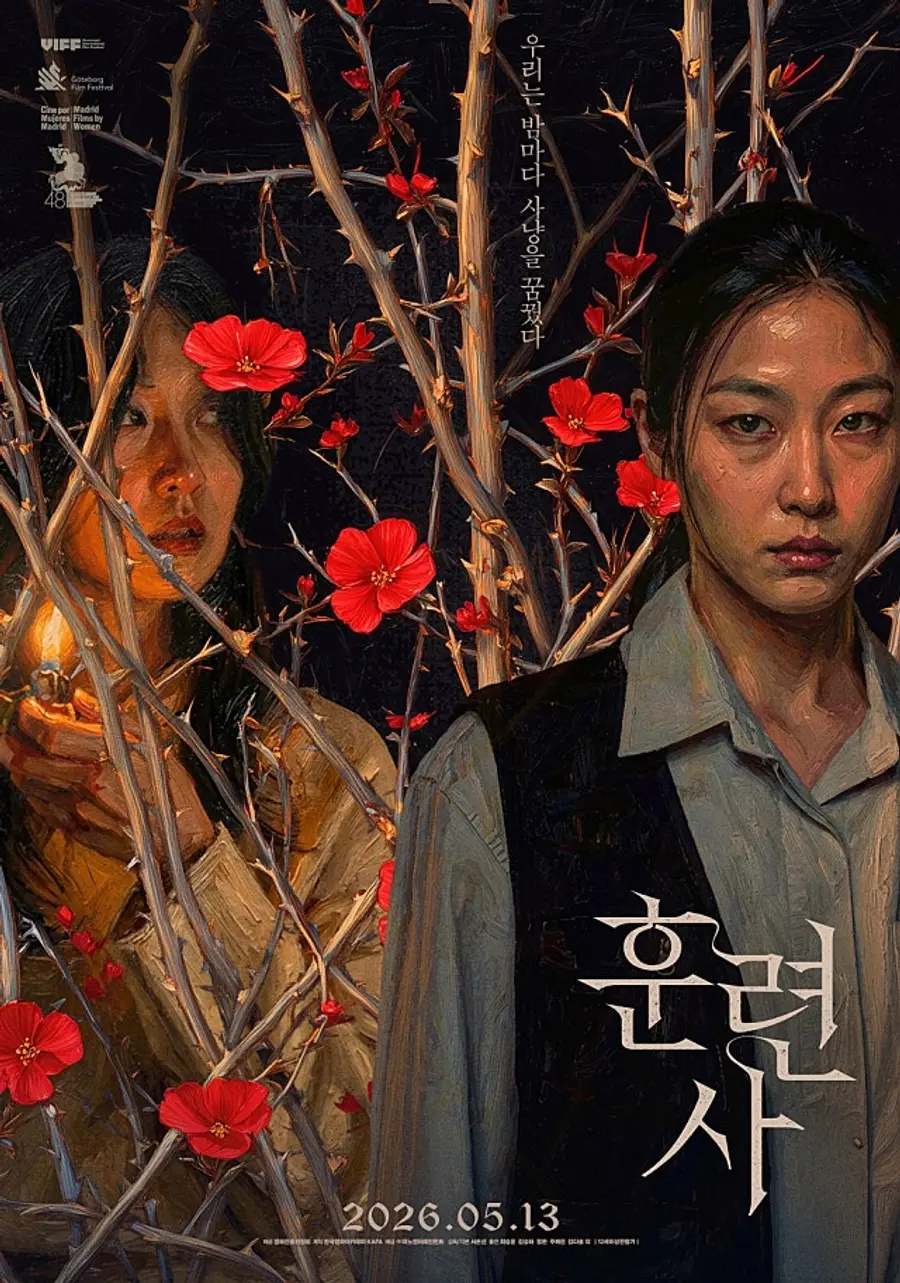
It’s a film with the kind of momentum that feels like it will tear the screen apart. What opinion will the audience have about this “discomfort”? I met director Seon-sun Seo, who is waiting to be able to evaluate it with excitement ahead of its release. Praised at international film festivals such as the Yerevan, Madrid, Moscow, and Vancouver Film Festivals for its clear genre colors, 〈The Trainer〉 opens in Korea on May 13.
First, what led you to write this story?
I’ve always really liked movies with animals. Chloe Zhao’s 〈Ride the Lightening Cowboy〉(2017) stayed with me. I found it fascinating that the character itself was someone who could communicate with animals. Also, the directors I truly love are directors like Claude Chabrol and Pedro Almodóvar. And during that time, I was especially hooked on films starring Isabelle Huppert—like watching 〈The Pianist〉(2001) or 〈Elle〉(2016), and thinking, “What would be in that woman’s mind?”—so that curiosity was huge. My interest in those kinds of female characters kept going.
Mixing the things you just mentioned together, you unfolded the long trauma and twisted relationship formed between the sisters as a mystery thriller.
I’ve never raised a dog, but when I go for walks, sometimes when big dogs approach, they can feel a bit threatening. But at some point, it didn’t feel like the dog was what was scary—it felt like the person who pulls that dog in is even more forceful. Then I started thinking that human relationships might be similar. It’s about things like who holds the lead and pulls the relationship along. I wanted to portray that kind of relationship in an interesting way.
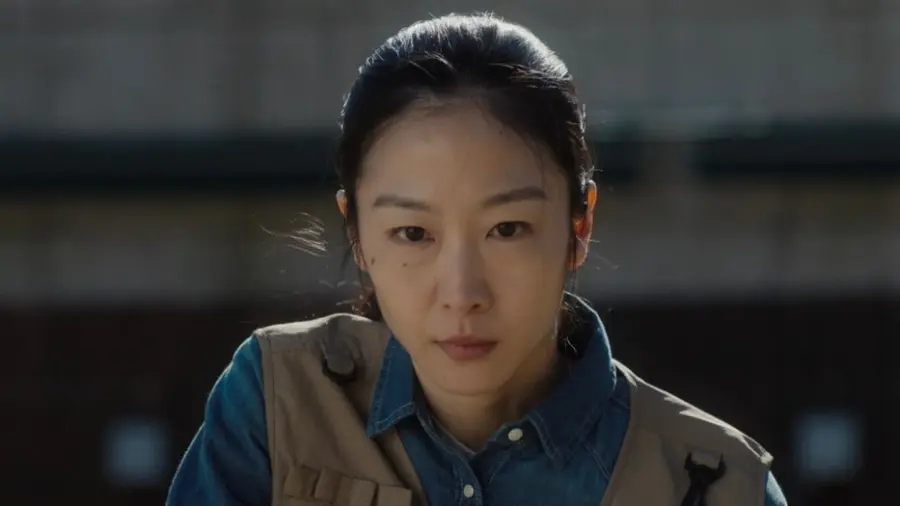
How did you add more detail to the training facility—or the profession itself?
Observing trainers who appear in the media also helped. What I found interesting was that they had the skill to handle dogs, but they were also incredibly good at dealing with guardians. In a way, they even scold the guardians. And the guardians’ pride gets bruised too, creating a kind of odd, competitive dynamic. Those points were fun. And it was also interesting that in Korea, the profession of “dog trainer” suddenly became extremely famous and became celebrity-like. I think the imagination naturally followed as well: “What kind of person is that person at home?”
Two major incidents are gripping the sisters’ past and present. Before the murder committed by Sora, who is a victim of sexual assault, there was the arson the sisters carried out as children to escape their violent father. Society labels her as “the perpetrator,” but in truth, it’s the depiction of a victim woman resisting violence, based on self-defense.
While researching dogs, I encountered a real incident. It was a case where a big dog bit and killed a smaller dog. Watching the anger of the victim’s owner, I was also shocked by the fact that the owner of the big dog said, “It’s okay for me to kill my dog.” That was the first time I learned, legally, that dogs are a kind of “property” of their owner. Seeing all that made me think. In the animal world, instinctive things are judged by humans using law and ethics. But can’t humans also end up in situations where, for survival, they have to kill someone? Those thoughts flowed into the two incidents in the film. Of course, I don’t think murder is justified. So in the movie, I didn’t clearly explain “who did what, and how.” I didn’t want the sisters to appear as only simple victims. I wanted to show the point where the victim and the perpetrator swap places—the very complexity of it. I think I wanted to ask the audience, “What do you think about people like this?”
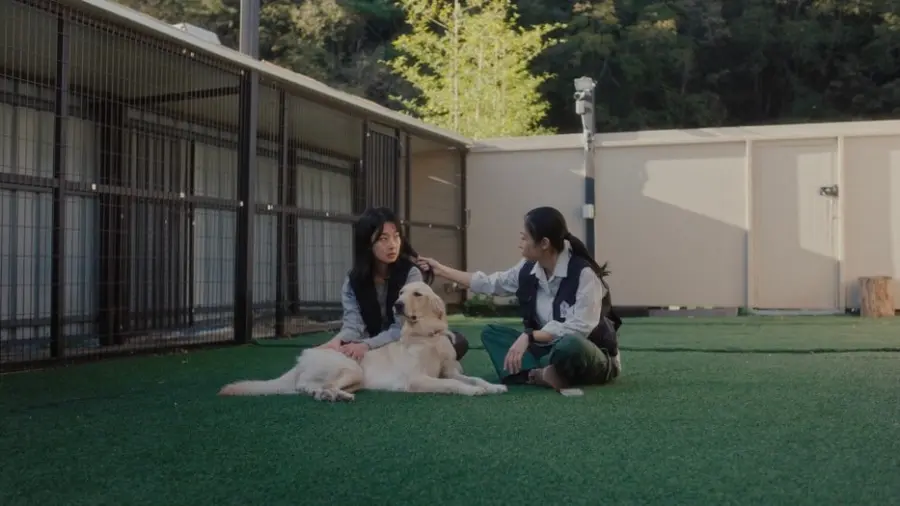
When you look at the character setup, instead of letting the audience easily identify with them, you make them feel a sense of distance.
It’s a path that’s too difficult for a debut director. Even during the screenplay stage, I heard a lot of that kind of talk. In a typical thriller structure, the character who seems like a victim often wins in the end and delivers catharsis. But I didn’t follow that formula. In the end, it feels like my way is to portray problematic characters rather than relatable ones.
Ha-young is a person who controls humans the way a professional trains animals. Is she based on a specific model?
There wasn’t a single specific person. But I think characters from Claude Chabrol and Pedro Almodóvar films I loved influenced me. Especially people who are dangerous in a moral sense—people who are considered problematic in society. I was drawn to characters like that. For Ha-young, it feels like all the “unknown women” I’ve watched over and over have been mixed into her. Ha-young is someone who trained herself extremely harshly and succeeded—so she has confidence. She’s an opinionated person who believes even people who look deprived around her can “change to become like me.” She also has a strong desire for control. But she believes that everything she does is for everyone.
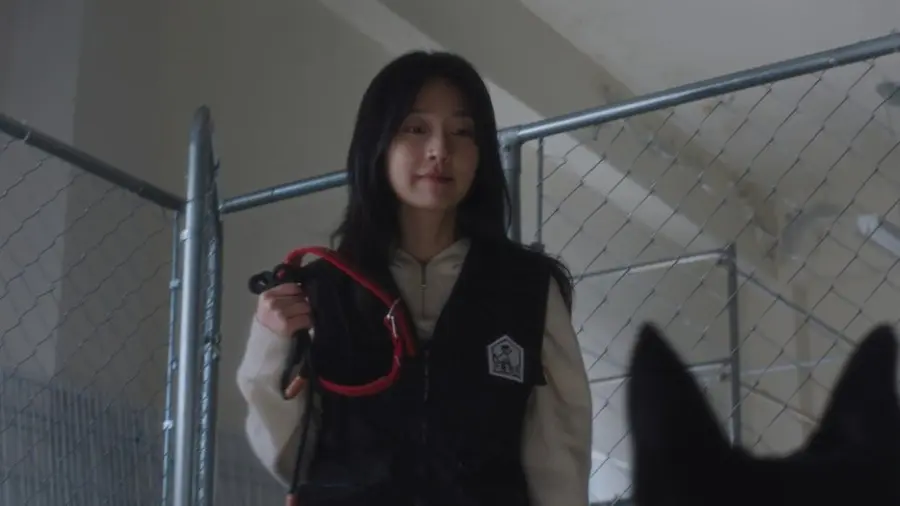
Sora’s aggressiveness was developed out of resentment toward her older sister Ha-young. The sisters’ relationship seemed, from childhood on, to have already been formed into something that looks impossible to heal.
After the arson incident in childhood, the two live completely different lives. Ha-young lives a successful life within the social system, thinking, “You have to get stronger to survive.” Sora, on the other hand, lives a life where she blames everything on everyone. But the important thing is that even if both of them experienced the same incident, their memories can be different. Ha-young was exposed to direct violence more, while Sora was in a state where her sister tried to protect her. But as time passed, inside Sora, all the memories became distorted and hardened—like “in the end, it’s because of my older sister.”
▶〈The Trainer〉 The interview with Director Seon-sun Seo continues in Part 2.

![[Interview] “There’s No ‘Gentle Melody’ in Our Desires” ‘Trainer’ Director Seo Eun-seon ②](https://cdn.www.cineplay.co.kr/w160/q75/article-images/2026-05-13/5a3cf22d-8c2b-4fee-b624-476c00a2692a.jpg)
댓글 (0)
댓글 작성
댓글을 작성하려면 로그인이 필요합니다.
로그인하기