


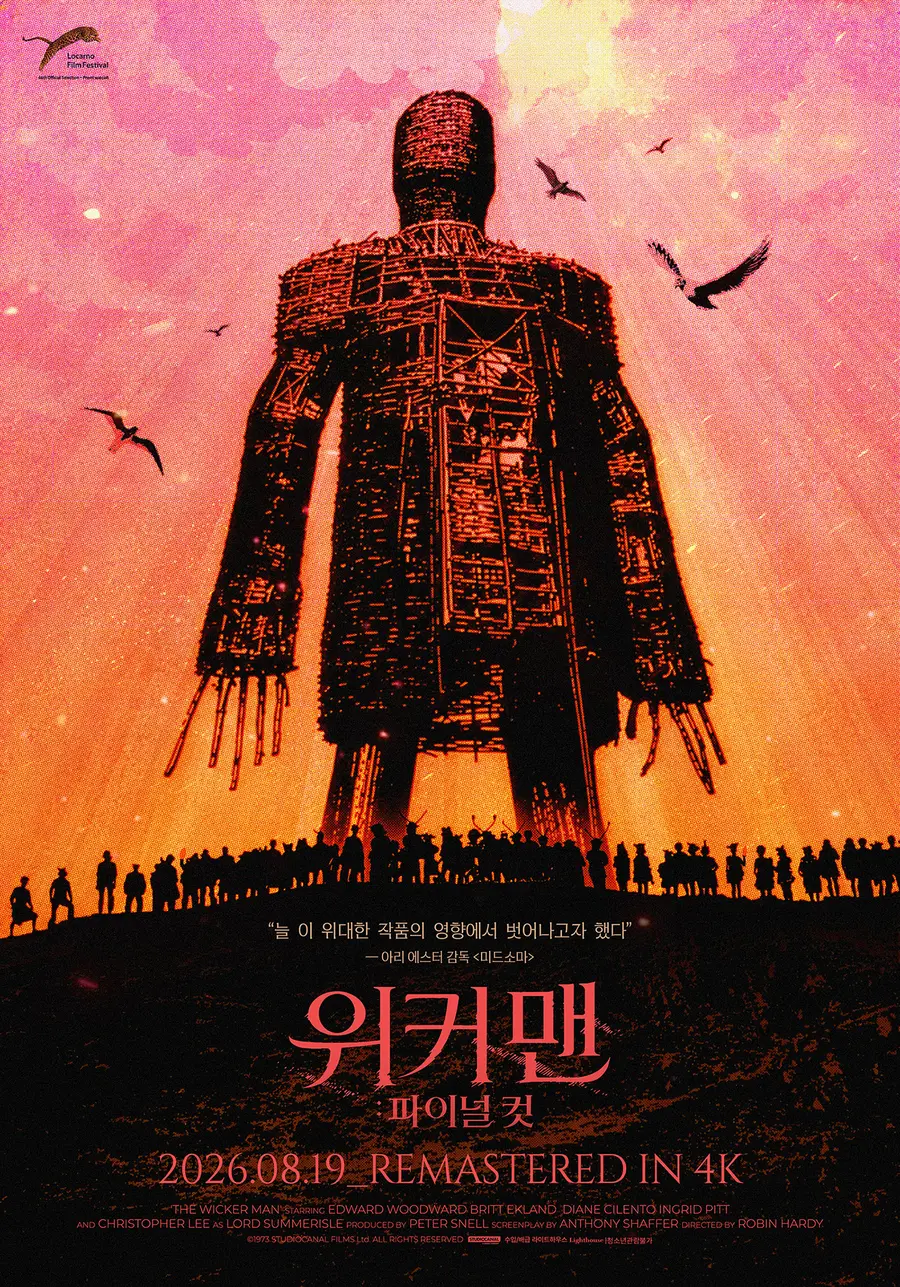
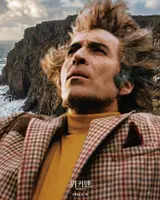
The canonical folk-horror film 〈The Wicker Man〉 (1973) will receive its first South Korean theatrical release on Aug. 19 in a 4K remastered restoration, 〈The Wicker Man: Final Cut〉 (hereafter 〈The Wicker Man〉). The film, which ushers viewers into the eerie, unfamiliar world of ancient religion, failed at the box office when it first opened but has since been reassessed as an archetype that helped define folk horror and has built a cult following. When 〈The Wicker Man〉 opened in 1973, the production company, dismissing the film’s value by commercial standards, released it with parts of the narrative that carried its themes cut out. The original film elements were later lost, but after efforts to restore the film, audiences can now see a version that revives director Robin Hardy’s original intent. The release offers theatergoers a chance to see, on the big screen, the film’s unnerving vision of faith and the sharp intelligence that still feels current today.
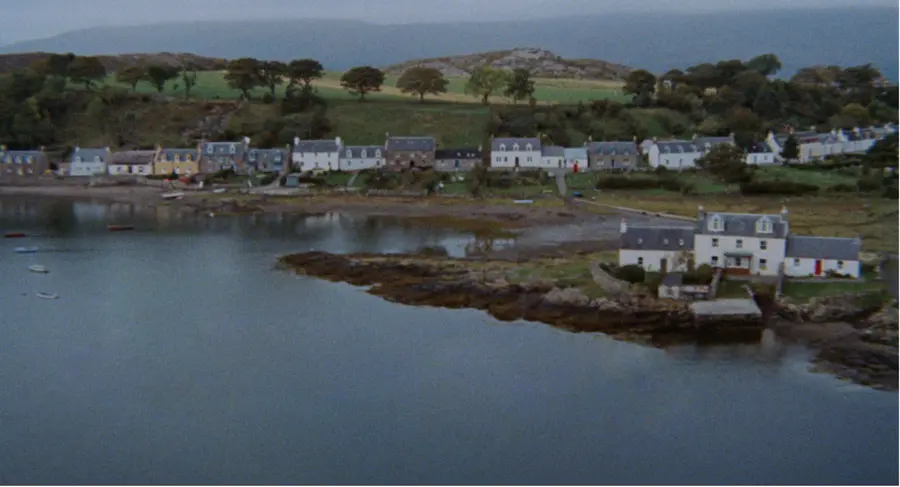
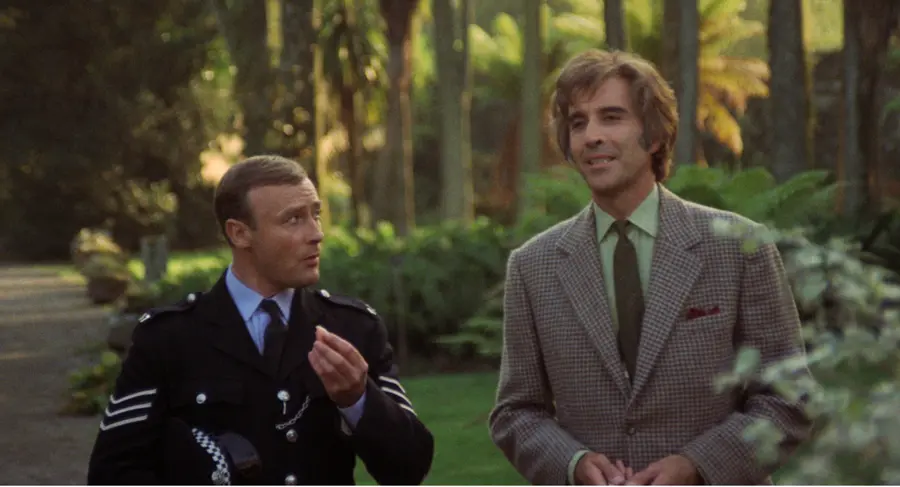
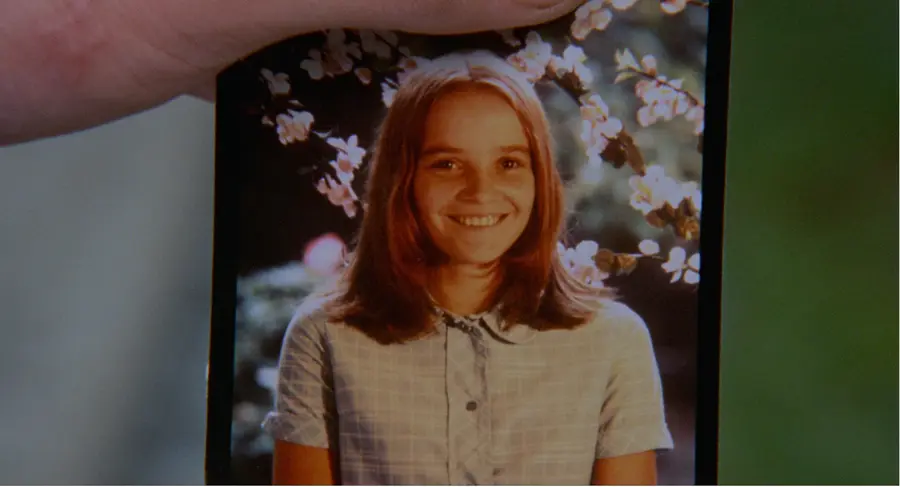
On the remote Scottish island of Summerisle, where sweeping natural landscapes and the villagers’ pastoral lives form a deceptively harmonious whole, Sergeant Howie (Edward Woodward) of the West Highland Constabulary arrives from the mainland to search for a missing child, Rowan Morrison (Gerry Cowper). The islanders keep a wary distance from the outsider Howie and report his movements in detail to the island’s laird, Lord Summerisle (Christopher Lee). While Howie stays on the island he witnesses Summerisle’s dark underside: villagers indulge in uninhibited sexual pleasure and a pervasive sensual energy runs through the community. One bizarre sight after another unfolds on Summerisle as the island’s lavish May Day festival approaches.
The Essence of Folk Horror
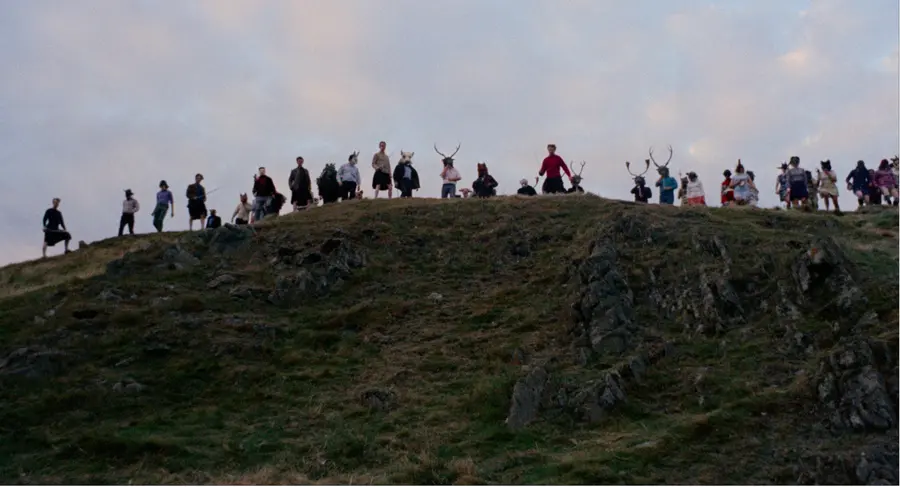
Robin Hardy’s 〈The Wicker Man〉 is widely regarded, alongside 〈Witchfinder General〉 (1968) and 〈The Blood on Satan's Claw〉 (1970), as part of an “unholy trinity” that helped establish the template for folk-horror cinema. Folk horror is a subgenre that explores the dislocation of modern individuals in ancient landscapes and the collective rites of closed communities, using contrasts between the ordinary and the uncanny to question the boundaries of normalcy. Most narratives follow a modern outsider—often an academic or a law enforcement officer—who travels from the city to the countryside and becomes entangled in pagan conspiracies. Before making 〈The Wicker Man〉, Hardy immersed himself in James Frazer’s study of magic and ancient religion, 「The Golden Bough」. Deeply interested in the Celtic culture and folk beliefs that persisted in Britain, he ultimately brought to the screen an ancient religious culture displaced by Christianity in the form of a living community. The result, 〈The Wicker Man〉, has had a profound influence on later directors such as Ari Aster and Robert Eggers. In particular, Ari Aster’s 〈Midsommar〉 is very similar to 〈The Wicker Man〉 in its basic premise and plot but reinterprets them for a modern audience, helping revive folk horror in the 21st century.
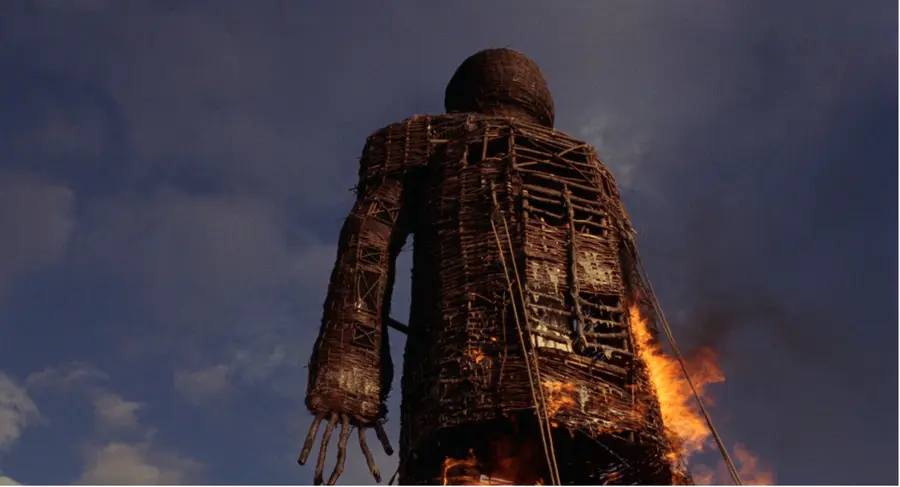
Howie, who believes in the values of modern civilization, becomes isolated on the island and confronts the collective mania of a community that venerates ancient religion and wisdom. Guided by legal and Christian values, Howie views the pagan, sexually liberated, and superstitious residents of Summerisle as uncivilized barbarians and attempts to reform them. At work here is a recurring strand in folk horror: the long-standing class culture of Britain. Middle-class fears of poor, lower-class country people surface as Howie’s own terror. His conviction that Christian belief makes him morally superior blocks genuine communication with the villagers and leads to the fated ending in which he becomes a sacrifice.
Capturing the Spirit of the 1960s Counterculture
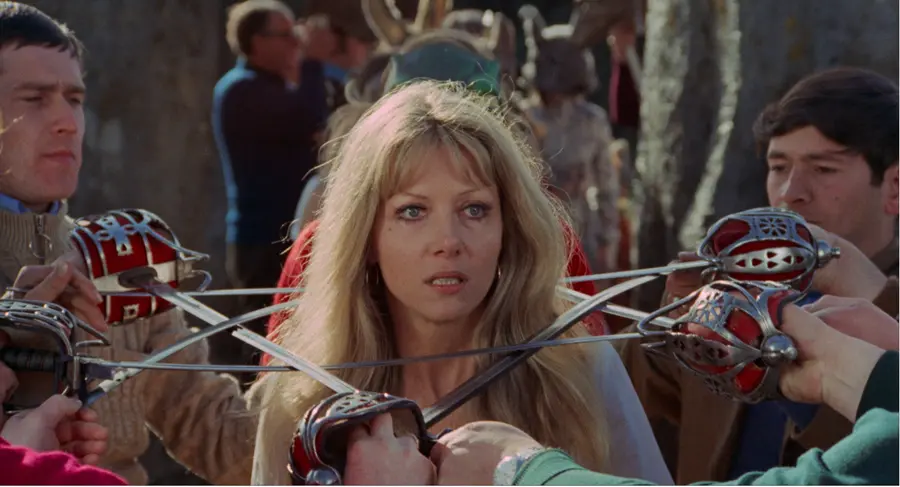
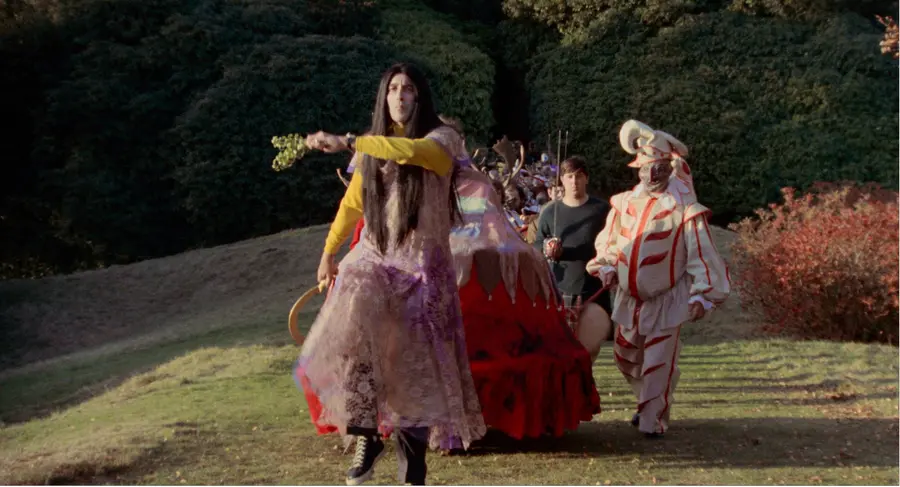
〈The Wicker Man〉 condenses the upheaval that swept Western societies from the mid-1960s into the early 1970s. In reaction to the brutality of the unending Vietnam War, countercultural movements rose in the United States and Britain, and the hippie movement and other radical actions produced intense social tension. Figures in the counterculture argued that if legitimate political processes could not create harmony, the only solution was to turn away from the world and seek balance within one’s own life—a kind of microcosmic harmony. This outlook fostered a liberal tolerance toward sexual behavior and drug use and prompted a search for new religious forms that emphasized relativism over traditional moral codes. The film’s bizarre processions and the villagers’ sexual performances reflect the communal bonds and ritual immersion of hippie communities, often expressed through music and dance. 〈The Wicker Man〉 contains repeated musical sequences woven with Celtic-style folk music; at times, the film plays like a musical and vividly reflects the spirit of hippie culture. Yet Hardy warned that the utopian values of the hippie movement could mutate into a brutal totalitarianism when fused with collective madness. 〈The Wicker Man〉 does not champion either Christian or pagan values; it rejects a simple binary of good and evil, purity and impurity, and treats religion as a social construct created to meet human needs, complete with its own contradictions.






댓글 (0)
댓글 작성
댓글을 작성하려면 로그인이 필요합니다.
로그인하기