


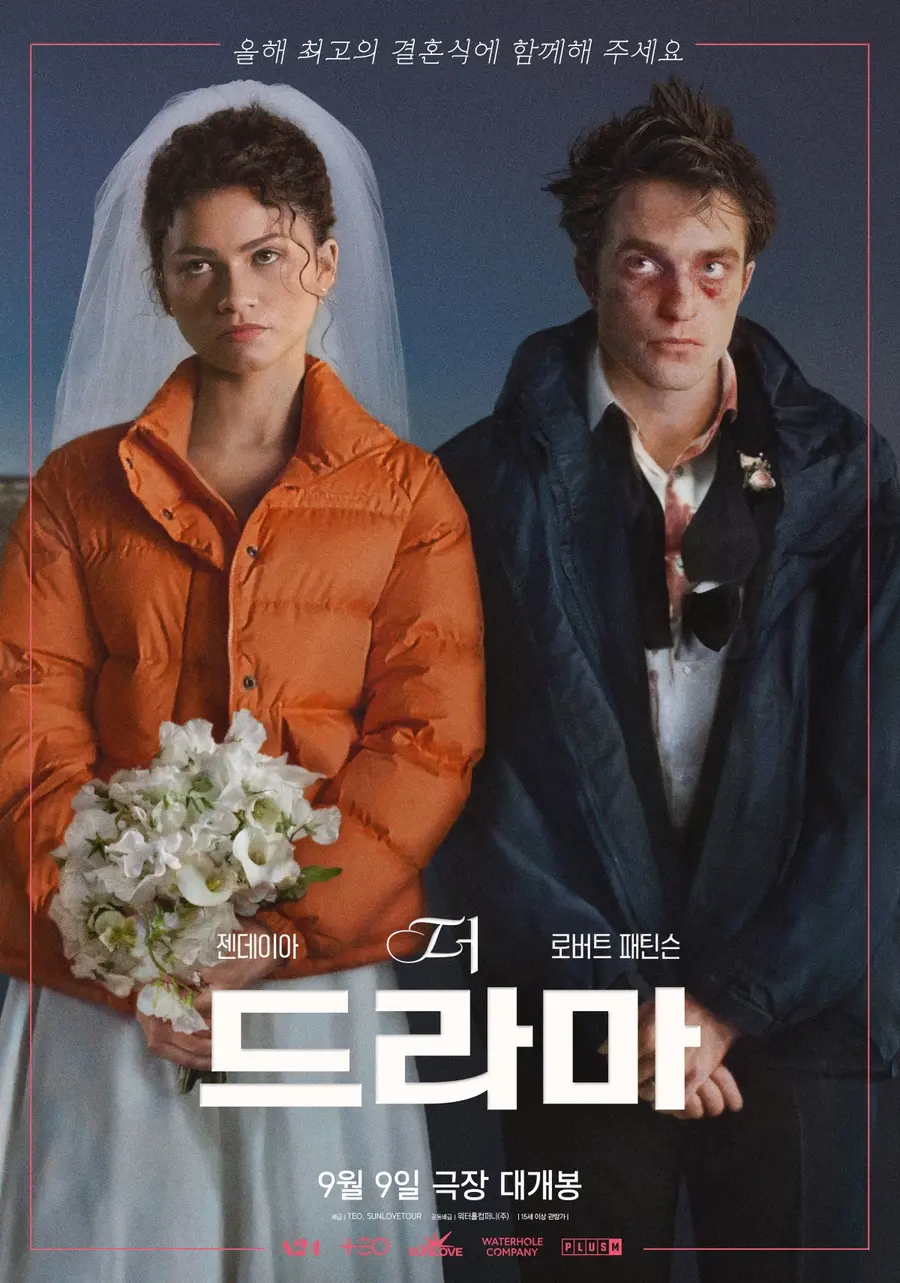
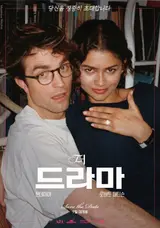
Zendaya Coleman and Robert Pattinson, two actors who have been prominent in films in 2026, reunite after 〈Odyssey〉 and 〈Dune: Part 3〉 (scheduled for release in December) in 〈The Drama〉, which opens on Sept. 9. The casting of the two stars drew early interest, and the film has generated further buzz with TEO of producer Kim Tae Ho participating in distribution. The film is a romantic black comedy about a couple who, on the eve of their wedding, learn each other’s hidden pasts and spiral into unpredictable chaos. It is the new film from director Kristoffer Borgli, who established a singular black-comedy sensibility in previous works such as 〈Hashtag Signe〉 and 〈Dream Scenario〉 by exposing modern anxieties and neuroses through uncomfortable humor. Borgli has a habit of staging the ugly, shameful edges of characters trapped by narcissism and a craving for recognition; in this film he turns his attention to social hypocrisy and the existential fears of people living in our era.
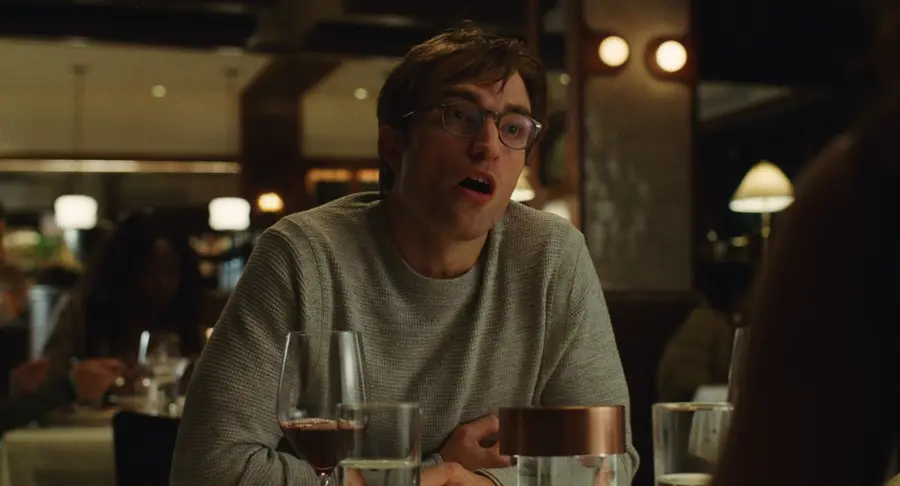
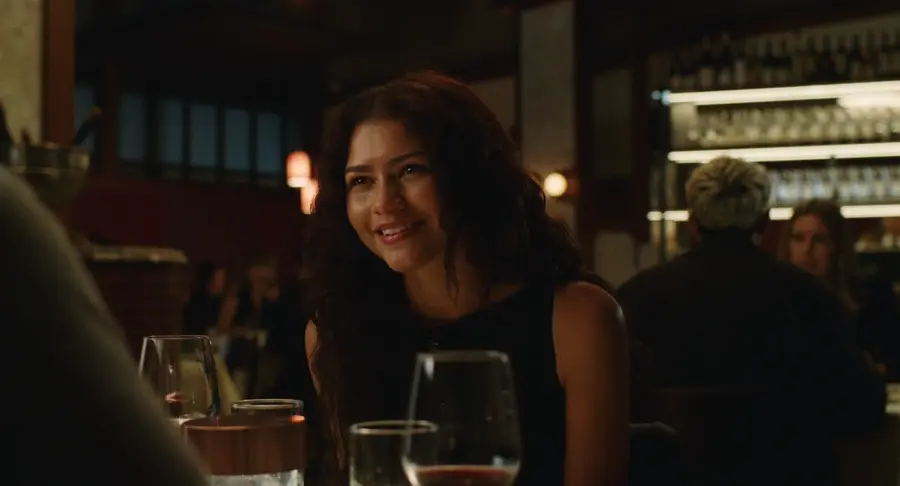
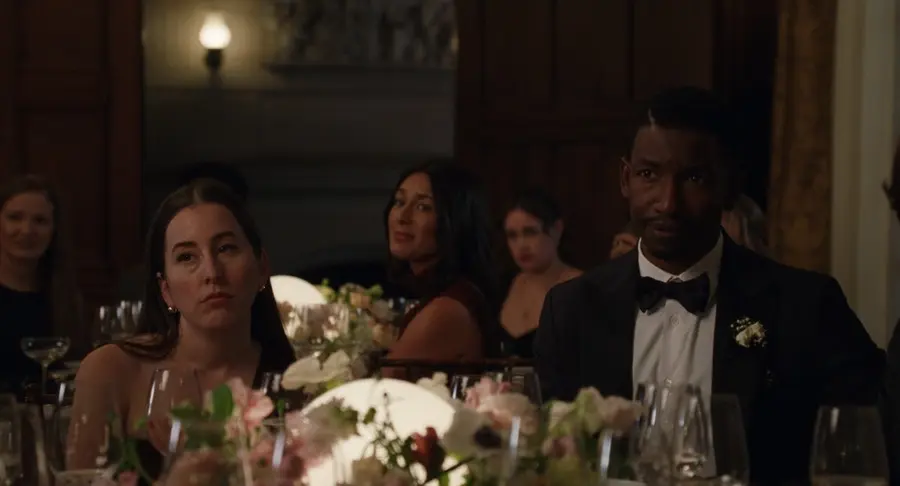
Emma (Zendaya Coleman) and Charlie (Robert Pattinson) meet by chance in a café and fall in love. Living day to day together, each believes they know the other perfectly, and they agree to get married. One week before the wedding, they and a married couple of friends decide to reveal “the worst thing they’ve ever done.” When the secrets come out, the couple’s trust begins to crack.
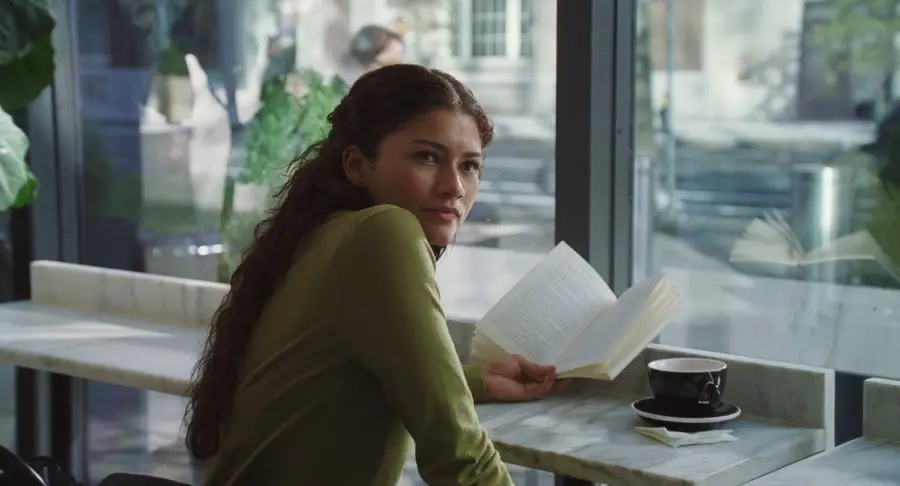
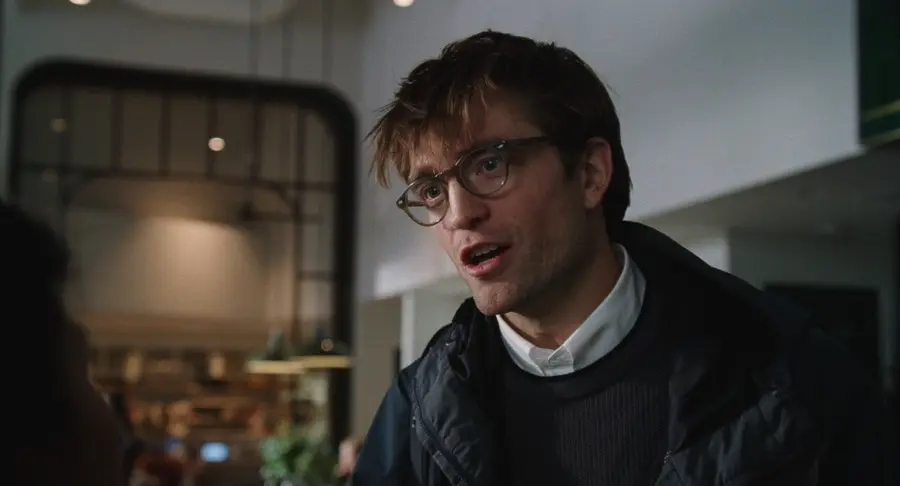
Kristoffer Borgli titled this film 〈The Drama〉 as a way to examine how people form relationships. That inquiry begins with Charlie and Emma’s awkward first encounter. Charlie is instantly smitten when he sees Emma reading in a café and summons the courage to speak to her. Emma, however, has one earbud in and cannot hear in the other ear because it is deaf. Once they finally manage to communicate, Emma asks Charlie to reenact the earlier scene, and the courtship begins through staged scenarios and acted-out moments. The paradoxical nature of a romance that starts less from truth than from performance is central: the film asks whether the authenticity of a relationship lies in a person’s true self or in the method-acting roles we choose to perform. That idea, tied to the social obligation to wear certain masks, maps onto a tragic portrait of modern life.
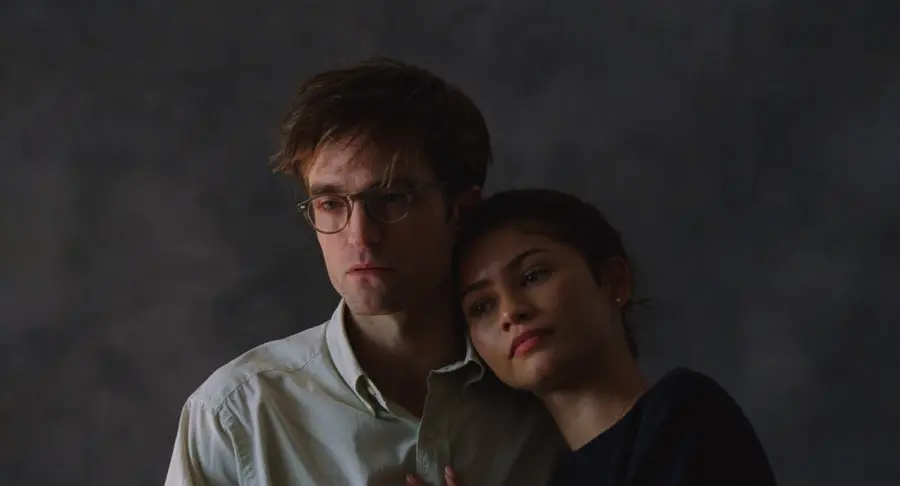
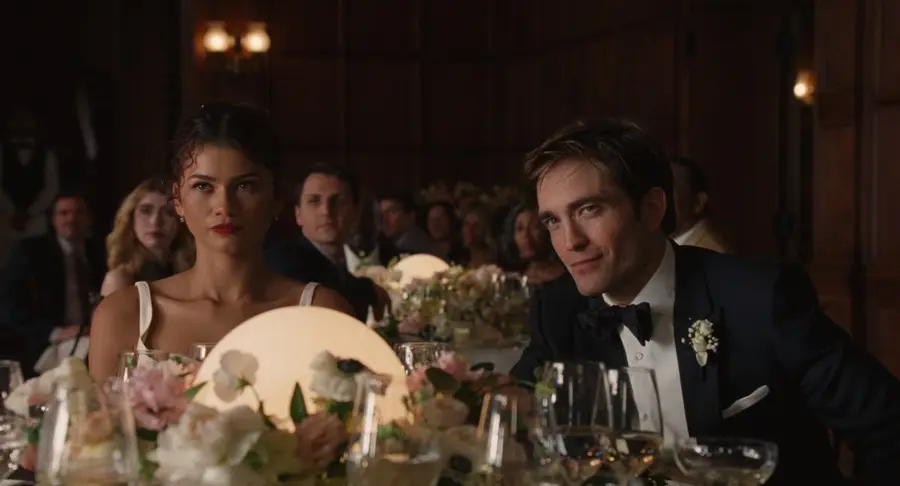
The way Charlie and Emma prepare for their wedding is similarly performative. Charlie writes his wedding speech with his friend Mike (Mamoudou Athie), carefully choosing words that fit within socially acceptable bounds. Emma rehearses the dance the couple will perform at the ceremony and realizes their preparations are increasingly acts staged for others. Even after cracks appear in their relationship, they conceal them and push forward with the wedding. 〈The Drama〉 stages marriage—the act many still consider sacred—as the most ritualized performance of modern society. Borgli reframes the ceremony as theater: a photographer who forces smiles, and a camera that relentlessly snaps the couple throughout the wedding, both expose the scrutiny of others in contemporary life.
※ Spoiler alert: The rest of this article contains spoilers.
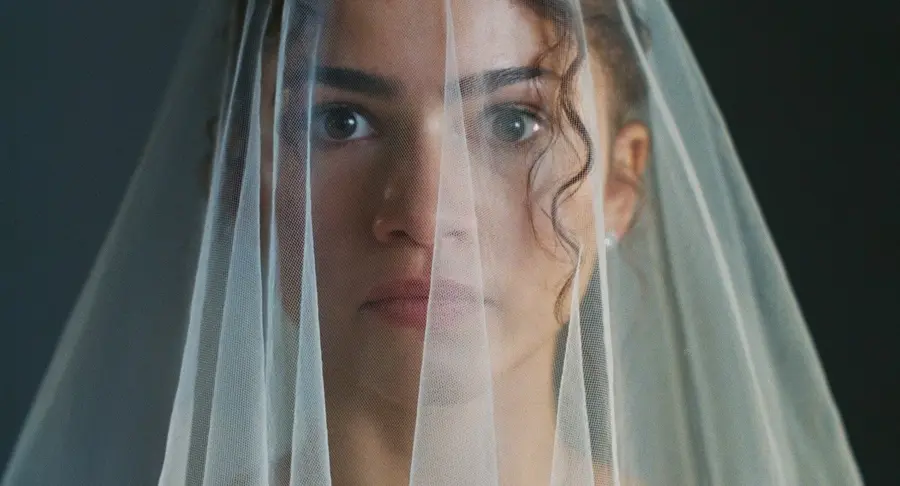
Emma tells Charlie and their friends that, at age 15, she once planned a mass shooting. After that revelation, Charlie becomes fixated on aspects of Emma’s past he never knew—and on what he believes may be her true self. He presses her, trying to determine whether the violence of her past still lingers. Emma says she planned and tried to carry out the act because, "As I kept acting, I felt like I became that character." Her explanation suggests her past was driven not by a fixed moral conviction but by an almost theatrical impulse. The teenage Emma had easy access to information about shooting incidents online and was influenced by subcultures that aestheticize violence. Her planning and immersion in a potential shooting were a kind of method acting: she sought to embody the violent, lonely outsider idol produced by the internet and certain online communities, not to become an actual terrorist. For Emma—who had struggled with an appearance complex when she was young—acting was a way to turn an overlooked life into a drama and to claim a social identity. Through Emma, Borgli relentlessly asks how violent media images can distort individual identity and blur the line between reality and fiction. After failing to become the terrorist protagonist she imagined, Emma takes on the opposite role—portraying an anti-gun-violence activist. Her constant reinvention mirrors the grotesque reflection of people on the internet and social media who endlessly perform to capture attention.

![[Interview] Lee Joon-hyuk on the comfort of 〈Even the Lottery Winner Goes to Work〉 for office workers](https://cdn.www.cineplay.co.kr/w300/q75/article-images/2026-10-15/7c0fdbab-81c6-4bb3-b984-b6e73a1637a9.jpg)



댓글 (0)
댓글 작성
댓글을 작성하려면 로그인이 필요합니다.
로그인하기