



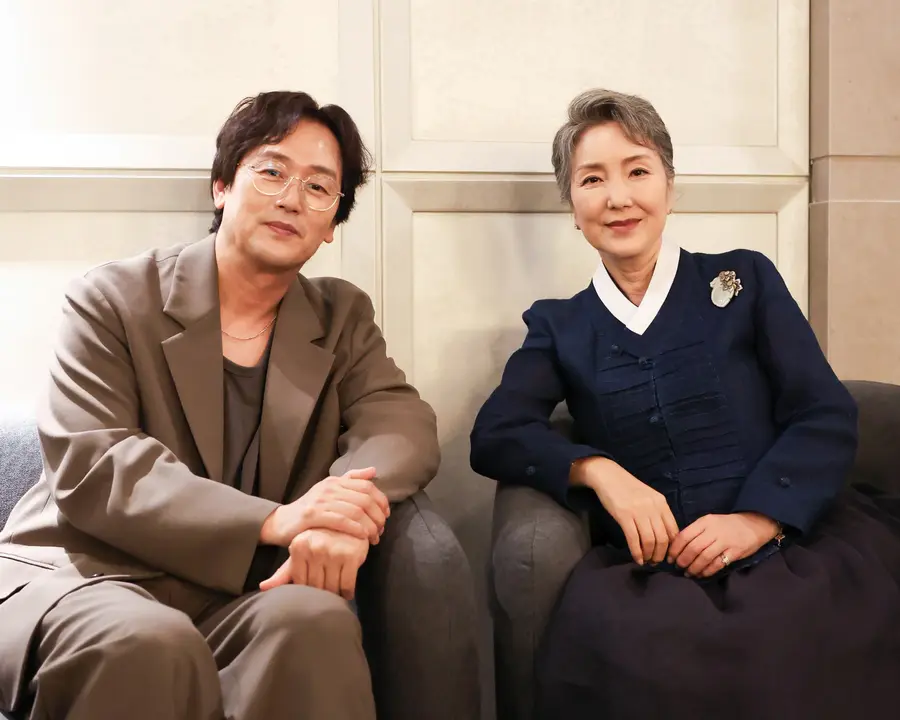
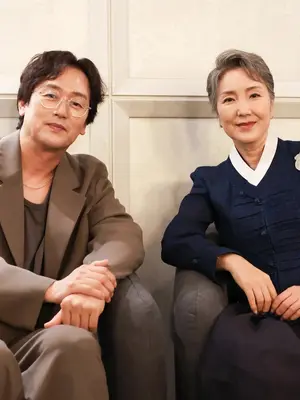
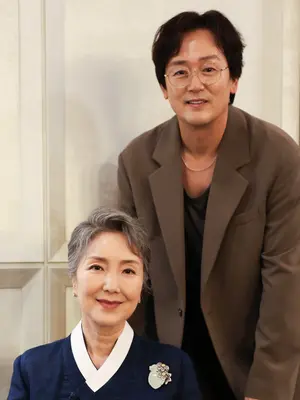
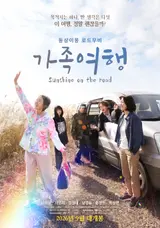
▶ 〈Family Trip〉 The interview with actress Lee Hwi-hyang and director Kim Jung-tae continues from Part 1.
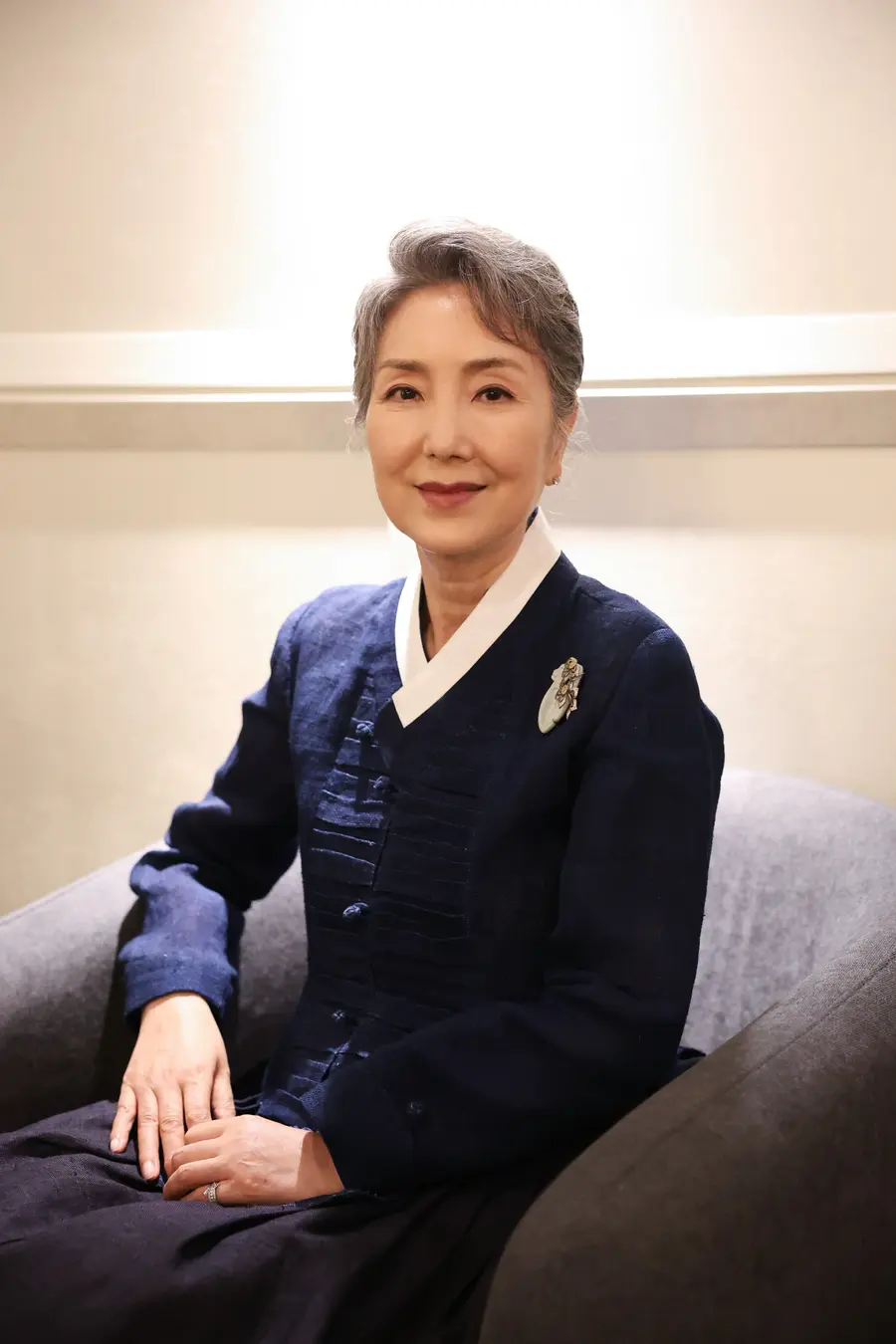
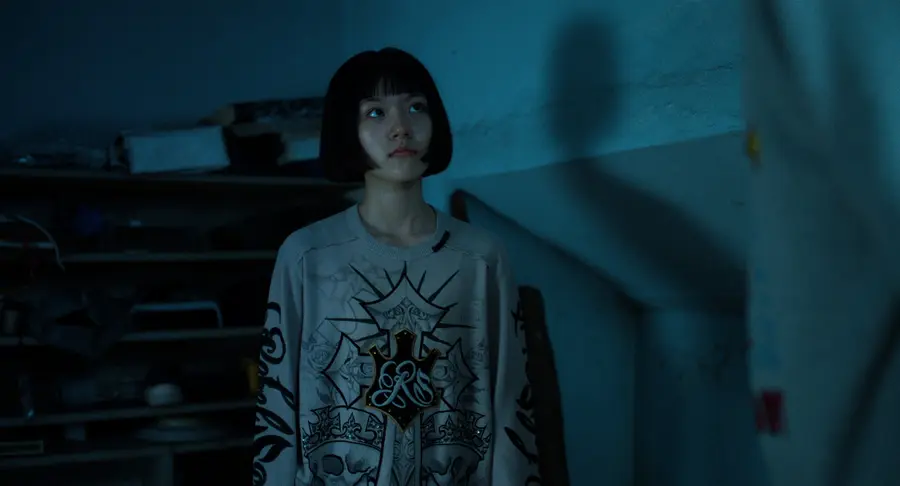
As a "family film," the relationship between the grandmother and her granddaughter is intriguing. The grandmother keeps trying to go outside because of dementia, while the granddaughter, perfectly healthy, insists on staying inside. Their conversations—like "Grandma, how long do people have to suffer?"—and the way they come to understand each other are striking.
Lee Hwi-hyang When I read the script, I loved how it captured the private stories each family member carries without the others fully knowing. Not only the granddaughter but the daughter-in-law (Seo Young-hee) carries troubles she can't speak about. The truck driver character, though brief, was wonderful. Even the actors in small roles had such a strong ensemble, and above all the teamwork was excellent. So it's not a film that spotlights only me; everyone feels like a lead, and being called "Lee Hwi-hyang's first leading role in 44 years" is embarrassing. (laughs)
What scene did you wrestle with most as the director?
Kim Jung-tae The scene I wrestled with most was the moment my character, the son Chang-wook, learns of his father's death. I thought a great deal about how to convey that emotion. I believe acting should pierce the audience like an arrowhead—precise and focused—not by scattering feelings everywhere. You have to deliver the emotion that fits the scene and the plot like a single sharp strike. I wrestled with how to show the love–hate toward the father in that way. We also had big disagreements about whether to shoot the scene indoors or on the beach. The sun was setting, but I felt that the emotion of parting from the person most precious to them would land better in a more open space. In the end everyone agreed, and that became the scene we have now. Being both the director who had to persuade those around me and the actor who had to heighten and perform the emotion made it, personally, one of the most difficult scenes.
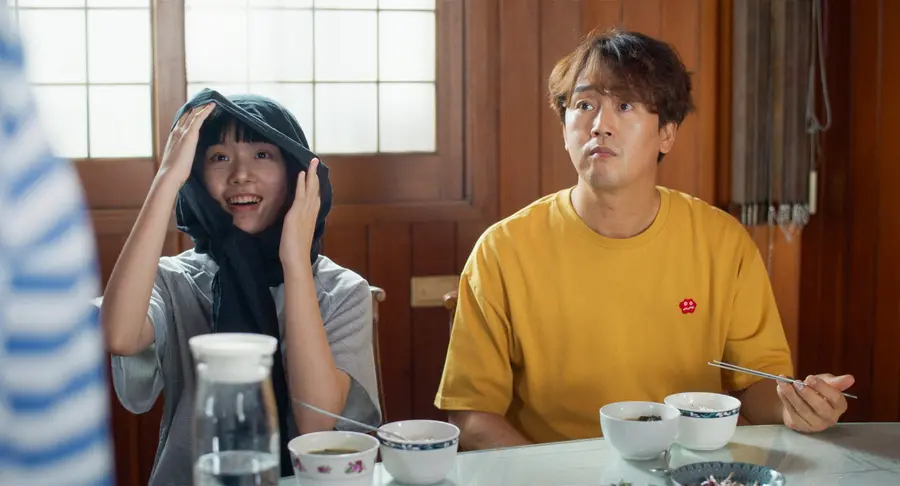
Because the film tells the story of a family across three generations, parts of their personal histories overlap with memories of modern Korean history. In particular, I was struck by the way memories of family members who have died recur repeatedly.
Kim Jung-tae I have experienced the absence of family myself, and it's something you truly cannot forget for a single moment. It's completely different from someone you meet briefly and then part with. The absence of family members you lived with is an immense pain and longing that runs through your whole life. That longing remains in each family member. The father has his own longing, the mother has hers, and the son has his. Because the hues and intensity differ slightly, they clash with one another. So I think this film is more than "a movie about a mother with dementia and her family going on a trip." It's a film that depicts the emotions people face within a family when faced with parting from the person most precious to them.
Lee Hwi-hyang Imagine how much more intense those emotions must be for the mother. In the film, Soon-im moves between past and present, so there are few moments when she can clearly articulate that absence. She simply keeps saying, "I have to go home." She doesn't even fully know why she must go, and the family feels burdened. In her faint consciousness, the absence of her family remains like a trauma. There's a scene where she goes back to the house she used to live in and cries as she looks at objects that still bear traces of that life. Having to express all of the mother's feelings in that single scene was really hard. I kept thinking that although it's sad, you can't force the sadness.
Kim Jung-tae I like that scene too. I was really glad we could convey it cinematically without spelling out the emotion in long-winded dialogue. Ms. Lee Hwi-hyang's attention to detail and her pacing were excellent. It's sadness and longing, and in some ways also beautiful. It was really good.
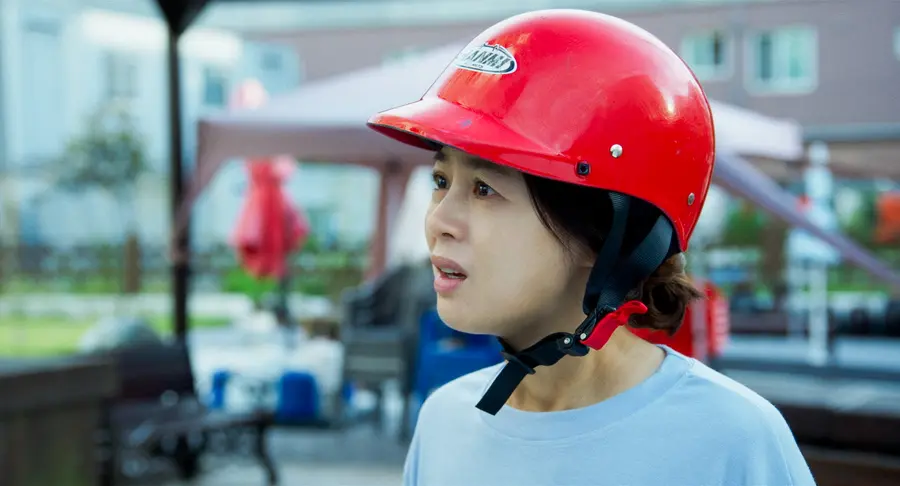
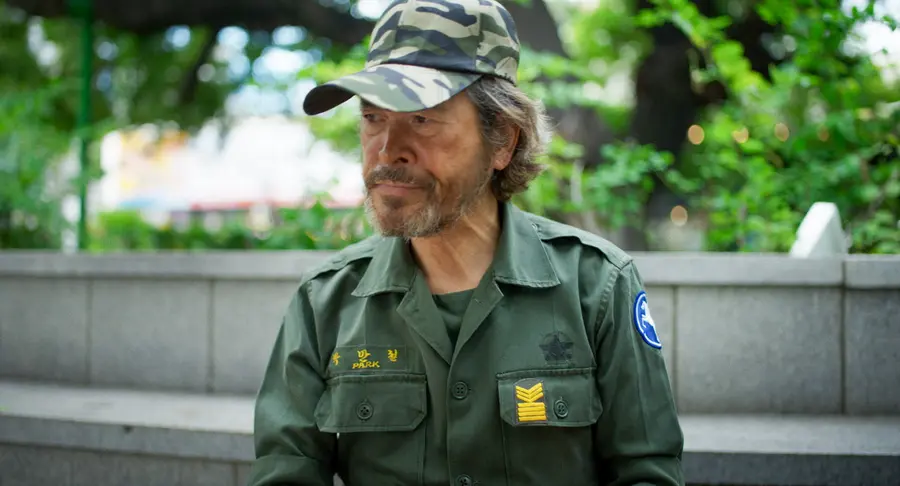
You mentioned earlier that Kim Jung-tae, who directed the film and also appears in it, kept calling Lee Hwi-hyang "Mom" on set. You must have been a long-time fan—were there moments working together that surprised or amazed you?
Kim Jung-tae Honestly, just being cast opposite her and getting to work with her was one surprise after another. Above all, beyond simply memorizing lines perfectly, the depth of her character analysis is extraordinary. She completely becomes the character. She even entrusted her hair to someone who trims the hair of dementia patients, and prepared costumes that way. Seeing how she prepared the character from the inside out, from inner life to appearance, really amazed me. She's the very model of what an actor should be.
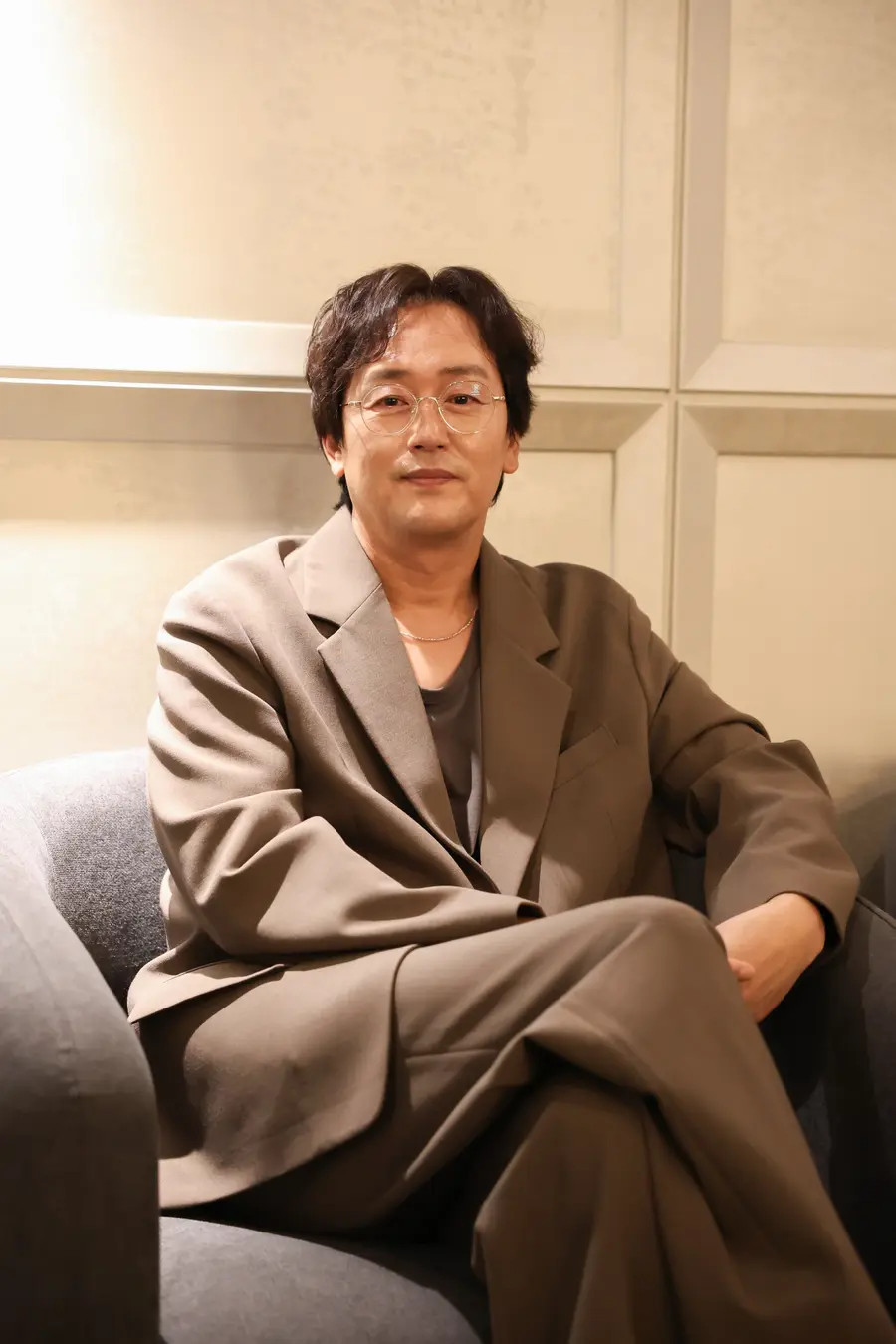
I've heard that Ms. Lee Hwi-hyang is a tremendous cinephile. What films do you particularly like?
Lee Hwi-hyang I really like Aki Kaurismäki, who made Fallen Leaves (2023), The Man Without a Past (2002), and The Match Factory Girl (1989), among others. I love his restrained black comedy that never forces laughter but holds back until the final moment and then makes you laugh out loud. He's truly a master.
Kim Jung-tae As both a director and an actor, I'm almost embarrassed—she's such a film and music buff. Among the works our film used as references is Still Alice (2014) starring Julianne Moore. I thought it was an underrecognized film, but she'd already seen it. She spoke at length about how Julianne Moore's life and symptoms differ from Soon-im's, which was really impressive. References are only references, after all. In any case, she's such a cinephile she could easily run her own movie YouTube channel.
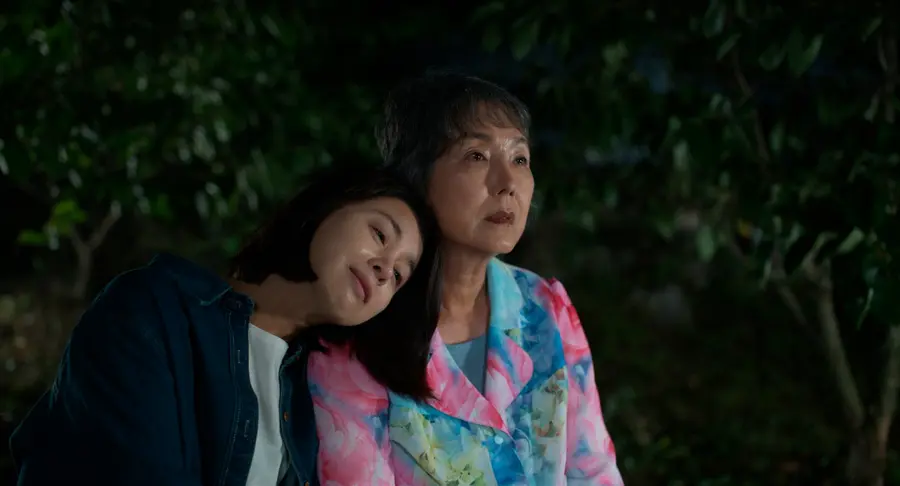
Finally, what do you hope audiences feel as they leave the theater after watching 〈Family Trip〉?
Lee Hwi-hyang When I read the script and decided to take the role, I told the film's two directors one thing: "I absolutely didn't want dementia to be used merely as a plot device." I hoped we would avoid the predictable moments common to many existing dementia films and that we might shift what people typically think about dementia. And originally I rarely appeared on TV programs or variety shows to promote projects. Since I was young I've held the belief that an actor should remain a little mysterious. If an actor shows themselves everywhere, that can create preconceptions about any role they take. For me, mystique was a strategy. I don't know if that worked, but in any case this time I'm doing everything I can. I even thought I would be okay if this were truly my very last film. Because of that, I'm doing my best to get as many people as possible to see this film.
Kim Jung-tae Ms. Lee Hwi-hyang said on set so often that "〈Family Trip〉 is my last movie," and each time we all said absolutely not. I still tell her she has more to show and must keep going. This is absolutely not her last film. (laughs)


![[First Reaction] ‘Family Trip’ Cineplay Reporter Star Rating](https://cdn.www.cineplay.co.kr/w160/q75/article-images/2026-09-16/0b1fe56f-a547-4c0e-9038-4f3e00693c2d.jpg)
댓글 (0)
댓글 작성
댓글을 작성하려면 로그인이 필요합니다.
로그인하기