


Cineplay Reporter Lee Hwa-jung
The back streets near Jongno 3-ga and Nakwon Arcade have long been known to the LGBTQ+ community. Long before the trendy cafes and restaurants in Ikseon-dong became a hot spot, it was the LGBTQ+ individuals who ruled the night here. The maze-like terrain, hidden from the main road, became a joyful and safe playground for sexual minorities in South Korea, who lack legal and institutional protections. It is a place where they can express their true lifestyle without the burden of identity struggles!
〈3670〉 boldly, audaciously, and shamelessly opens the door to that 'secret sanctuary'. Jongno 3-ga, exit 6, who will you meet at 7 PM? The mysterious number 3670 is a code for a gay community drinking party. If you want to join, just enter 3671 in the chat room. 3672, 3673, 3674... as the numbers add up, the gathering takes shape. The film opens with a daring sex scene that showcases boldness, mentioning the sexual positions from 'Tomboy and Bottom', and revealing the 'dark room' where sex happens secretly in clubs. It is all shot on location, not on a set. Stepping further from the concerns that have been developed in the lineage of Korean queer films, such as those by directors Kim Jo-gwang-soo and Lee Song-hee-il, 〈3670〉 is a film that clearly marks the coordinates of the gay community in South Korea.
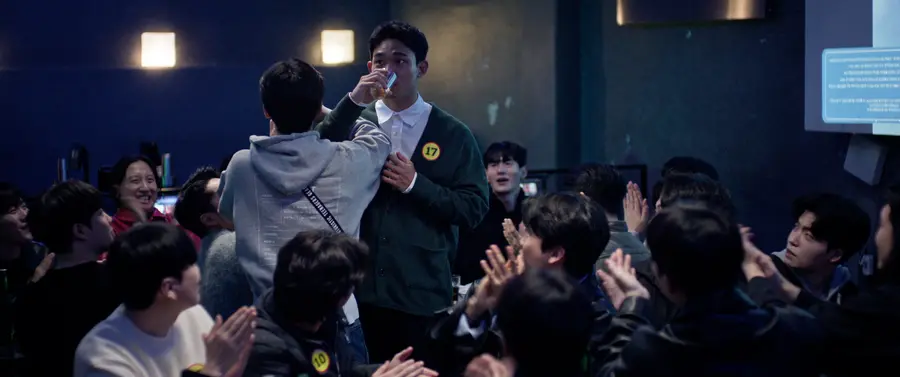
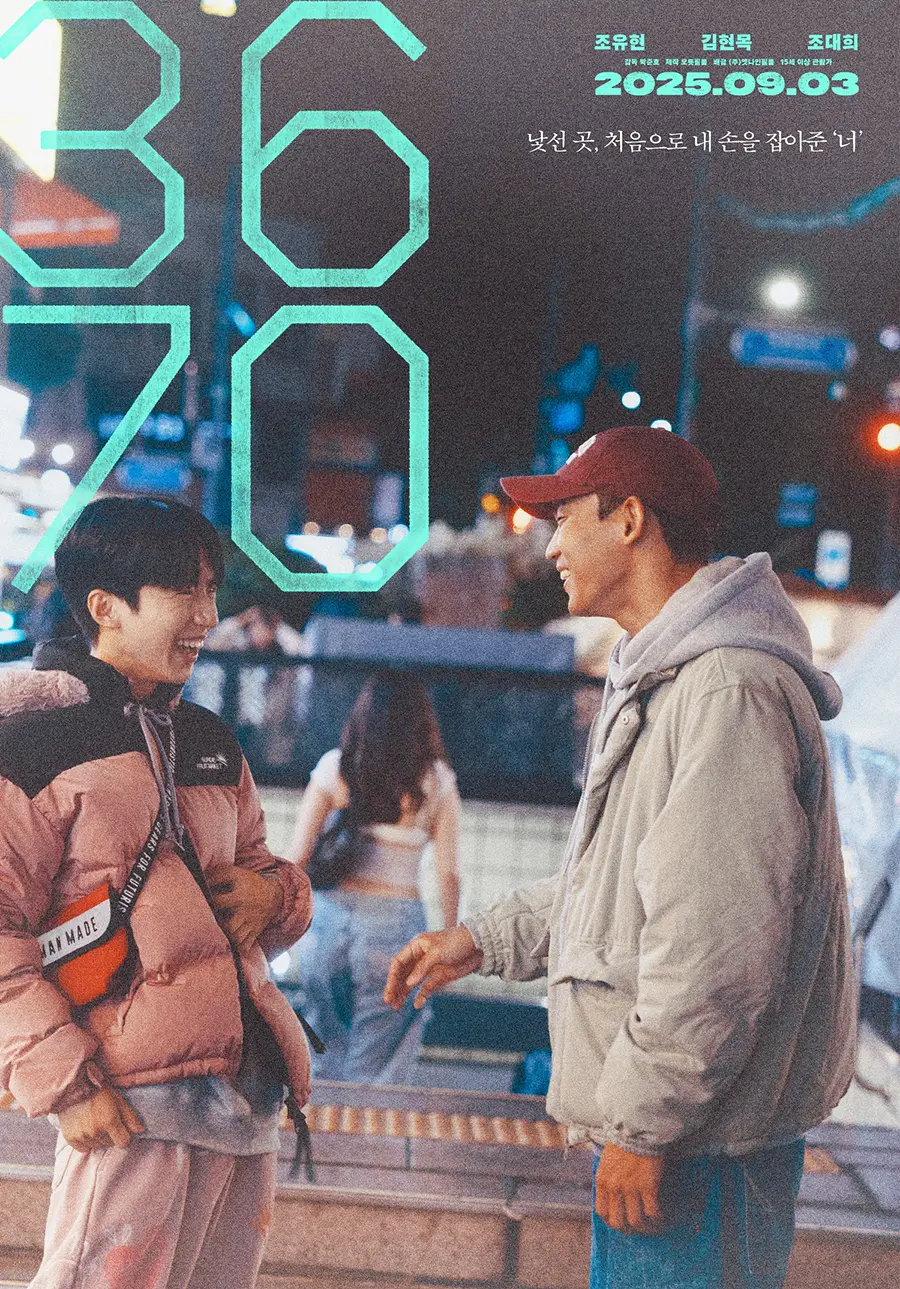
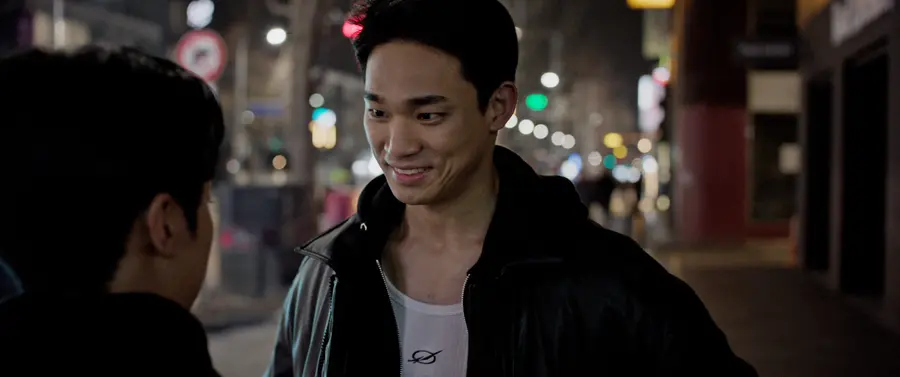
The observer of this story, which combines the lives of young people seen in the documentary 〈Miracle of Jongno〉 (2011) with the reality of love in a big city, is a North Korean defector named Cheol-jun (Jo Yu-hyun). For Cheol-jun, who is trapped in the gaze of discrimination due to unfamiliar culture and different speech, this place is an exciting space where he wants to mingle and fit in. Although he faces dual discrimination as a 'defector' and 'sexual minority', 〈3670〉 does not contain the expected narrative of pain. Instead of bullying and ostracism, there is Young-jun (Kim Hyun-mok), who extends a friendly hand, and friends who play together every night, and dating partners with whom to have sex. No more, no less, right now, in 2025, through a detailed observation of the gay community, director Park Jun-ho captures the universality of the immature and fresh emotions that we have all experienced.
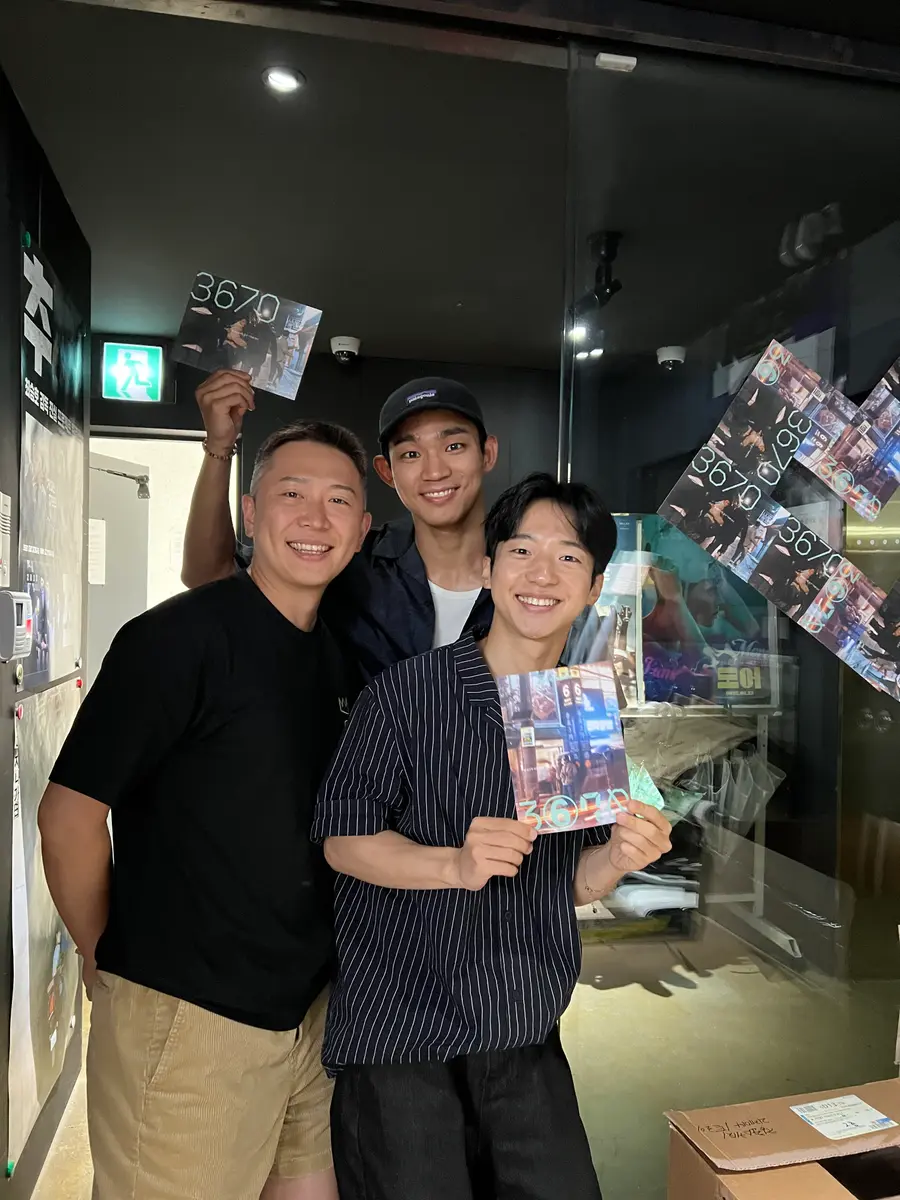
Through the short film 〈Eun-seo〉 (2019), he focuses again on the sense of alienation as a border dweller, extending the identity of female North Korean defectors. In addition to the director's bold direction, the power that enhances immersion in this unfamiliar narrative is the discovery of fresh actors. Both Jo Yu-hyun and Kim Hyun-mok embody the images of youth representing North and South, presenting a challenge to the audience's curiosity and interest, ensuring the film's reality. A hot topic that won four awards at this year's Jeonju International Film Festival, including the CGV Sing Distribution Support Award, Watcha Award, and Best Actor Award (Kim Hyun-mok). Meeting with the new faces of Korean cinema, director Park Jun-ho, actor Jo Yu-hyun, and actor Kim Hyun-mok, they expressed that the attention they are receiving now is their first experience, leaving them both bewildered and delighted.
Let's talk about the casting process. It felt like discovering raw gems.
Jo Yu-hyun contacted me via Instagram DM. After watching my monologue video at the Seoul Independent Film Festival, he thought I would fit well for the role of Cheol-jun. As soon as I read the script, I thought, "I really want to do this." I looked for the director's short film 〈Eun-seo〉 and went to the meeting, where I asked questions and had a lot of conversations.
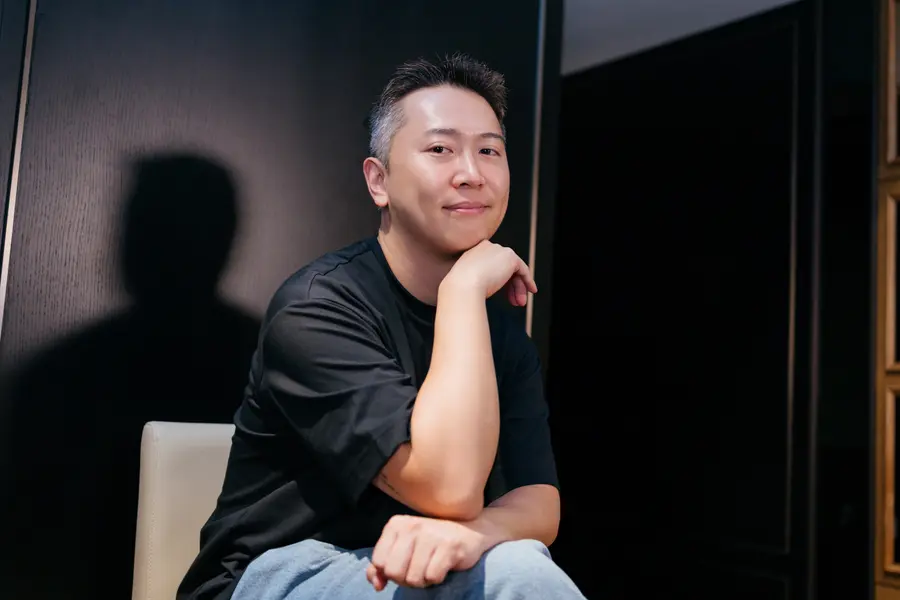
Director Park Jun-ho While making the film, I realized that I always end up doing things according to my own standards, even if I haven't been noticed until now. I chose actors who fit my vision instead of famous ones for the casting. A character like a North Korean defector gay could easily be objectified, and I thought starting with a familiar face might create preconceived notions. I believed it was right to use unfamiliar faces. Of course, I heard some concerned comments from those around me, but I could see that Yu-hyun had the pure yet solid, fully packed feeling that Cheol-jun possesses. And this is something I'm mentioning for the first time here. Since there are exposure scenes, the body was important. However, as an unknown director, I couldn't just say, "Show me your body" during auditions. While searching for Yu-hyun, I discovered a body profile photo that his father posted on Facebook about ten years ago. At that moment, I knew it was meant to be.
Jo Yu-hyun How did you find that? (laughs) My father used to work out. So, influenced by him, I also like to exercise. At that time, I suggested to a photographer my father knew to take a body profile, and we did it suddenly without any preparation. My father posted it on social media. If I had asked him to take it down because I was embarrassed, it would have been a big deal. (laughs)
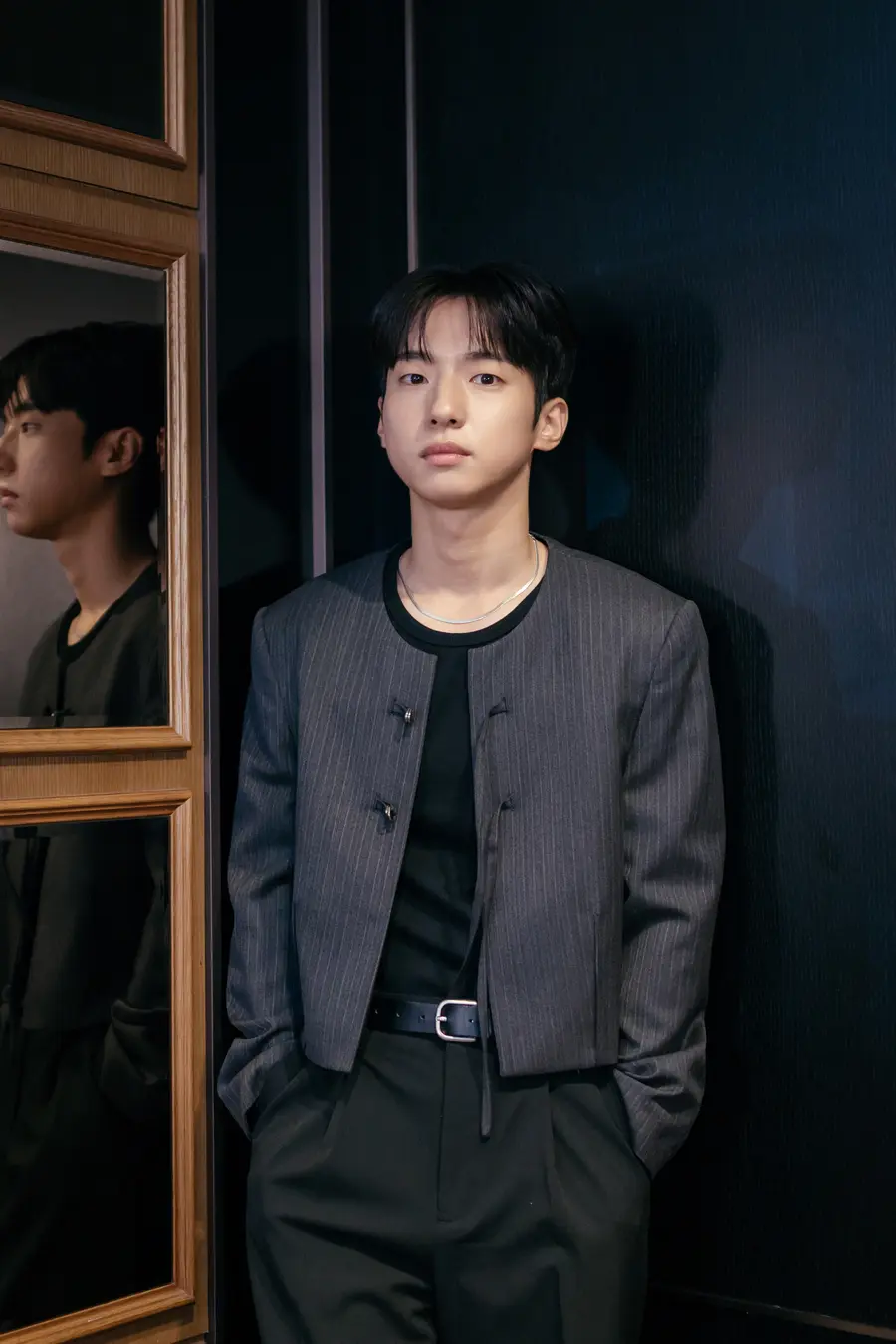
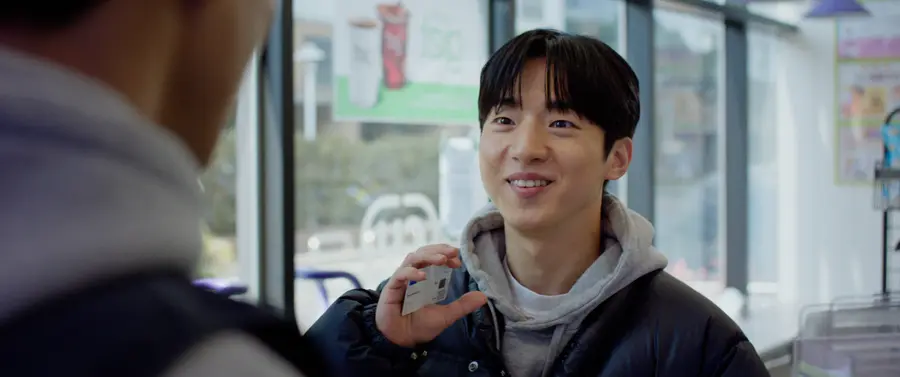
Kim Hyun-mok I was offered the role of Young-jun and met the director. In fact, as an actor, opportunities to meet such complex and deep characters are rare. I think actors wait for the day they can meet such characters and works. I was determined that I really had to do this.
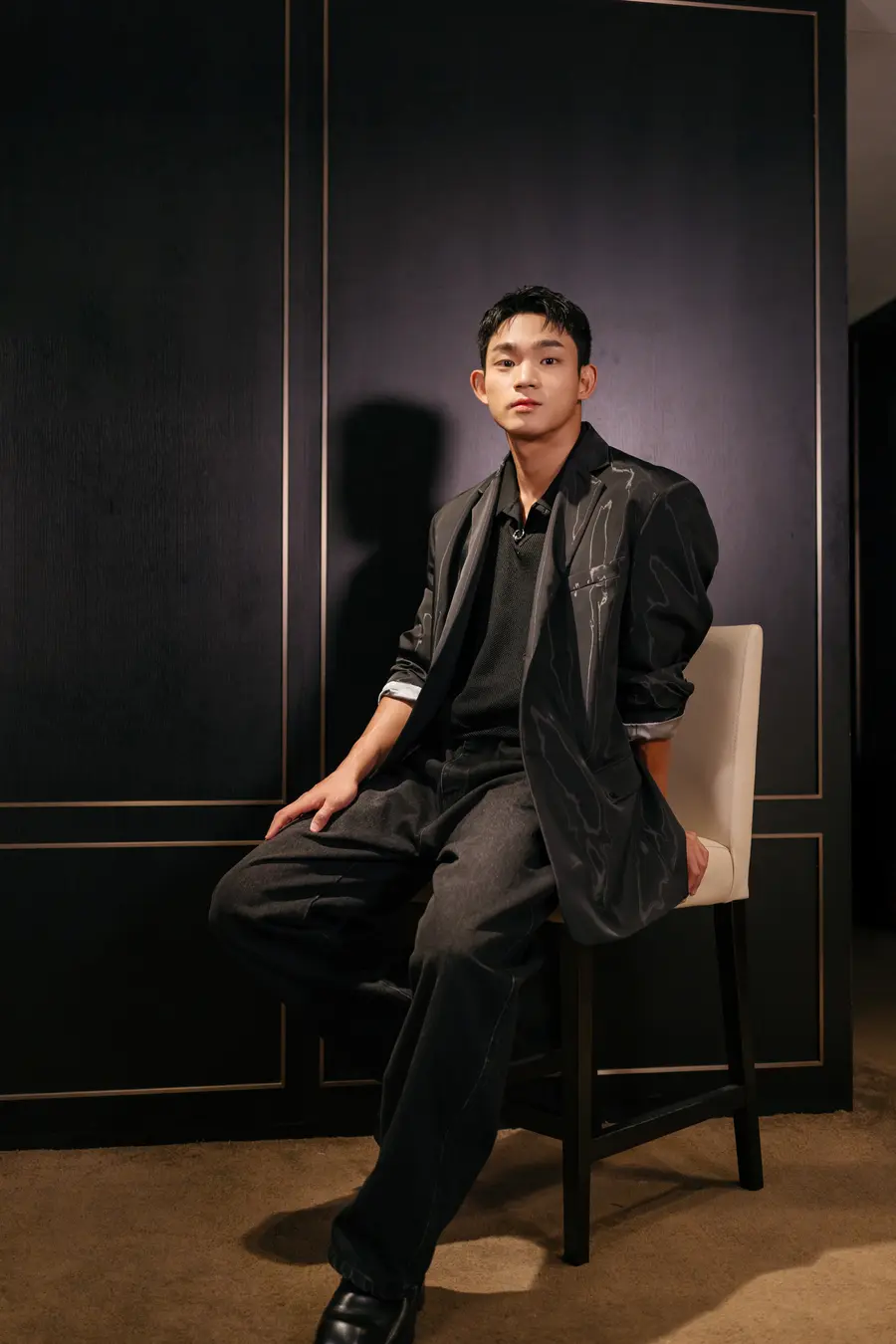
Park Jun-ho Casting the character of Young-jun was not easy. He appears bright and lively on the outside, but he has a complex and dark side within. Each line carries hidden emotions. I held many auditions, but Hyun-mok naturally captured those aspects. Hyun-mok has a lively and playful image, loved by everyone, but when he is expressionless, he looks deep in thought and can appear chillingly cold. He matched exactly with the Young-jun I envisioned while writing.
The point that continues from the short film 〈Eun-seo〉 is the identity struggles of people on the border, focusing on North Korean defectors, but this time the protagonist experiences dual walls as a sexual minority. Where did the material and theme originate?
Park Jun-ho I am from Yeosu, and I often wondered why I couldn't eat raw fish. (laughs) I had many thoughts about whether I was a director who couldn't go to film festivals. In fact, I had never been to a major film festival with my previous short works. So I always thought, "Am I lacking something? Why can't my stories reach anyone?" I often felt that I was not adapting well to this society, which is why I am drawn to issues of border dwellers, migrants, and sexual minorities. Personally, I met North Korean defectors when I volunteered for about three years, teaching English and reviewing self-introductions for young defectors. I thought they were solid young people. The image I saw in the bright-eyed students greatly influenced the character of Cheol-jun.
In the lineage of Korean queer cinema, we also need to examine the position of this work. As a generation that grew up watching existing queer films, what unique perspective did you want to show through this work?
Park Jun-ho I believe that the senior directors have paved the way for us, which has been a great help. Not only in feature films but also in documentaries like 〈Miracle of Jongno〉, which is a significant legacy. However, as you mentioned, while making this film, I wanted to try something a bit different. In many queer films, the protagonist spends a lot of time contemplating whether they are a minority or not, but I omitted that struggle. Being queer is acknowledged from the start. Another aspect is that characters who oppose and hate queer individuals often appear as antagonists in conflict structures, but there are no such characters in this film. I thought that reproducing that hatred, capturing it in my film, would show another form of hatred. Instead, I limited the perspective to within the community. While it is a universal love story, documenting the culture of the Korean gay community was an important goal of this film.
There are increasingly more attempts to address realistic living beyond identity struggles, and this is the first time a queer community has been portrayed in such detail. I think it was a kind of challenge.
Park Jun-ho I had already conceived this item while writing 〈Eun-seo〉, but I thought, "I can't make this; I might get buried in the queer community." Back then, if someone filmed Jongno 3-ga and posted, "This is the street where gay people walk," it would have caused an uproar. They would demand it be taken down immediately, questioning why such things were being posted. It was a climate of using it for views. I didn't want to take the lead, so I kept this story to myself for a long time. Of course, there are still cautious aspects, but I feel that times have changed a lot. However, looking at the recent political situation, LGBTQ+ issues are still at a standstill. The significant trigger was the death of Sergeant Byeon Hee-soo. After that incident, I felt a determination to do something. Of course, there are still divided opinions within the community. Some people say, "Let's just live quietly among ourselves," while others argue, "No, we need to be open and recognized." I understand both positions, but I believe that as an artist, we should push a little further. That's why I decided to make this film.
※ The interview with director Park Jun-ho, Jo Yu-hyun, and Kim Hyun-mok of 〈3670〉 continues in the related article.

![[Interview] '3670' Director Park Jun-ho, Actors Jo Yoo-hyun, Kim Hyun-mok,](https://cdn.www.cineplay.co.kr/w160/q75/article-images/2025-09-05/fd6a0fbc-1d06-4ee2-9cc9-0d07187f9953.jpg)
![[Kim Ji-yeon's Jewel Box] The Actor Whose Sincere Heart is Most Felt, '3670' Jo Yoo-hyun](https://cdn.www.cineplay.co.kr/w160/q75/article-images/2025-09-05/e74f414b-cf1d-41ac-8d2c-1a51573e5b4b.jpg)
댓글 (0)
댓글 작성
댓글을 작성하려면 로그인이 필요합니다.
로그인하기