


Cineplay Guest Reporter Lee Hwa-jung
※ The interview with Director Park Jun-ho, Actors Jo Yoo-hyun, and Kim Hyun-mok for 〈3670〉 continues from the first related article.
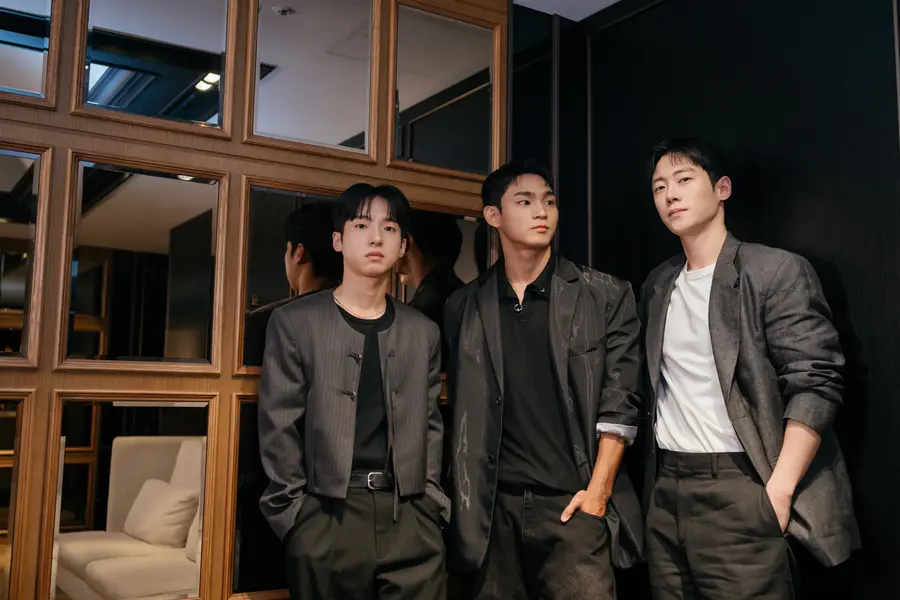
The main filming locations of the movie are real places. It seems like the actors' preparations were based on that reality. How did experiencing the actual locations help?
Jo Yoo-hyun Visiting the actual filming locations during the pre-production period was really helpful. Since the locations were actual operating places like clubs and restaurants, experiencing them beforehand allowed for a more natural immersion on set.
Kim Hyun-mok I've filmed a few queer movies before, but most were set shoots or slightly modified everyday spaces. This time, using the actual locations in Jongno made the situations feel very different as an actor. Visiting the locations with the director beforehand helped me immerse in the character by feeling the atmosphere.
Park Jun-ho I was worried about not getting cooperation for filming, but surprisingly, we were never refused. Everyone readily agreed when contacted. Especially for the club scene, where a 'dark room' was essential, such spaces are very limited in Korea. I was cautious, but they were very supportive, which was surprising. It made me realize how much times have changed.
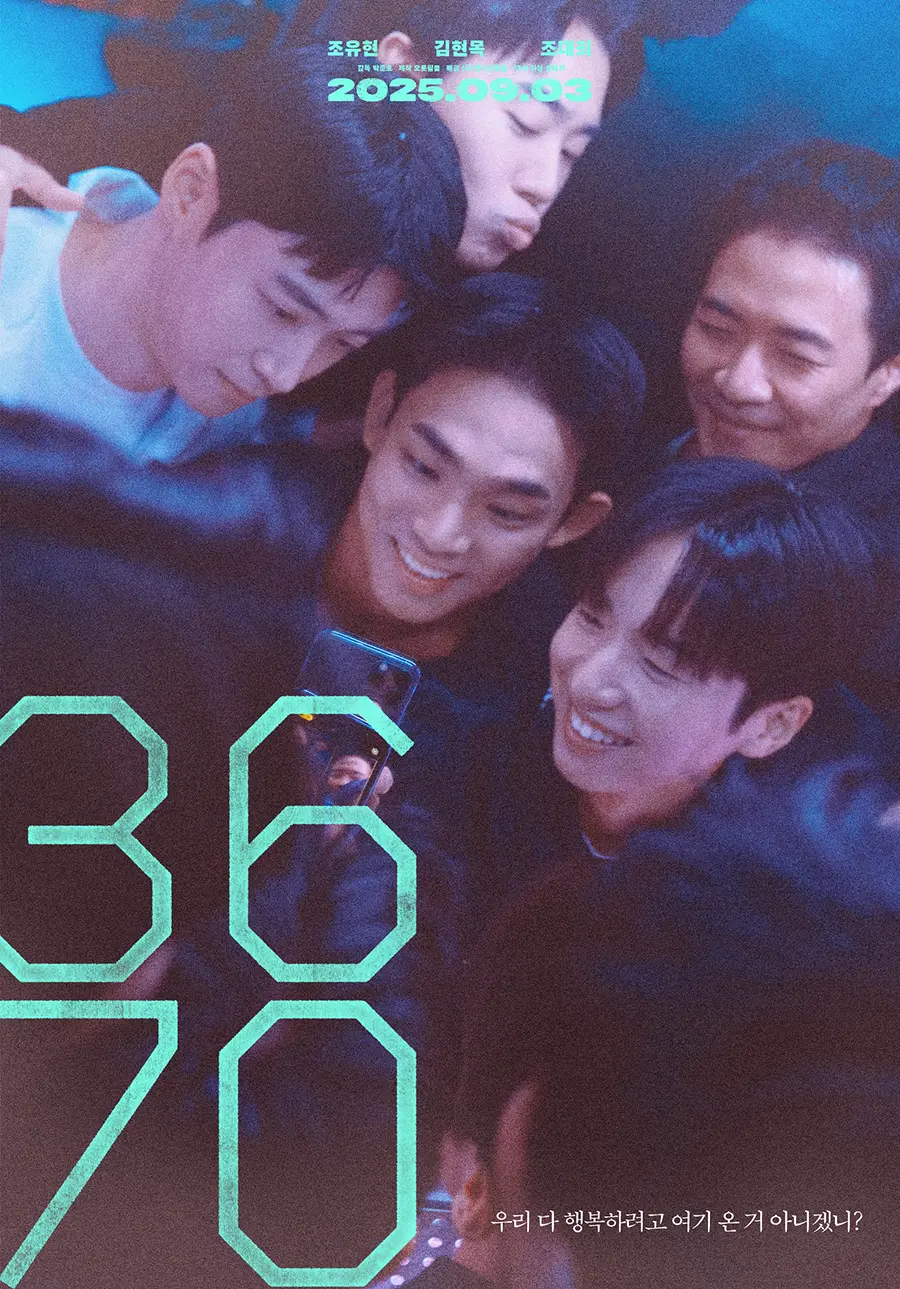
By showing the real landscape within the community in detail, their concerns are revealed in a detailed manner, securing empathy and universality. It also captures the struggles of the MZ generation regarding employment, romance, and the future within their network.
Park Jun-ho In modern society, it's becoming increasingly difficult to express sincerity. The gay community, in particular, has a narrow and tight-knit network, so once things go awry, it can be awkward for life. I wanted to capture those ambiguous emotions and the blurred lines between friends and lovers. It wasn't just about changing the gender in a heterosexual romance to make it a queer romance; I aimed to capture both the community's uniqueness and the universal emotions of youth.
Jo Yoo-hyun Cheol-jun was a type of character I had never encountered before, so it was challenging. Initially, I approached it with my own prejudices and biases, which made the acting difficult. So I constantly asked the director how he viewed Cheol-jun and what he thought. I realized that instead of starting from differences, I should start from commonalities. Changing my perspective allowed me to see the character more clearly. Although Cheol-jun is a minority within a minority as a North Korean defector and gay, I believed the essence of his emotions was not different from mine.
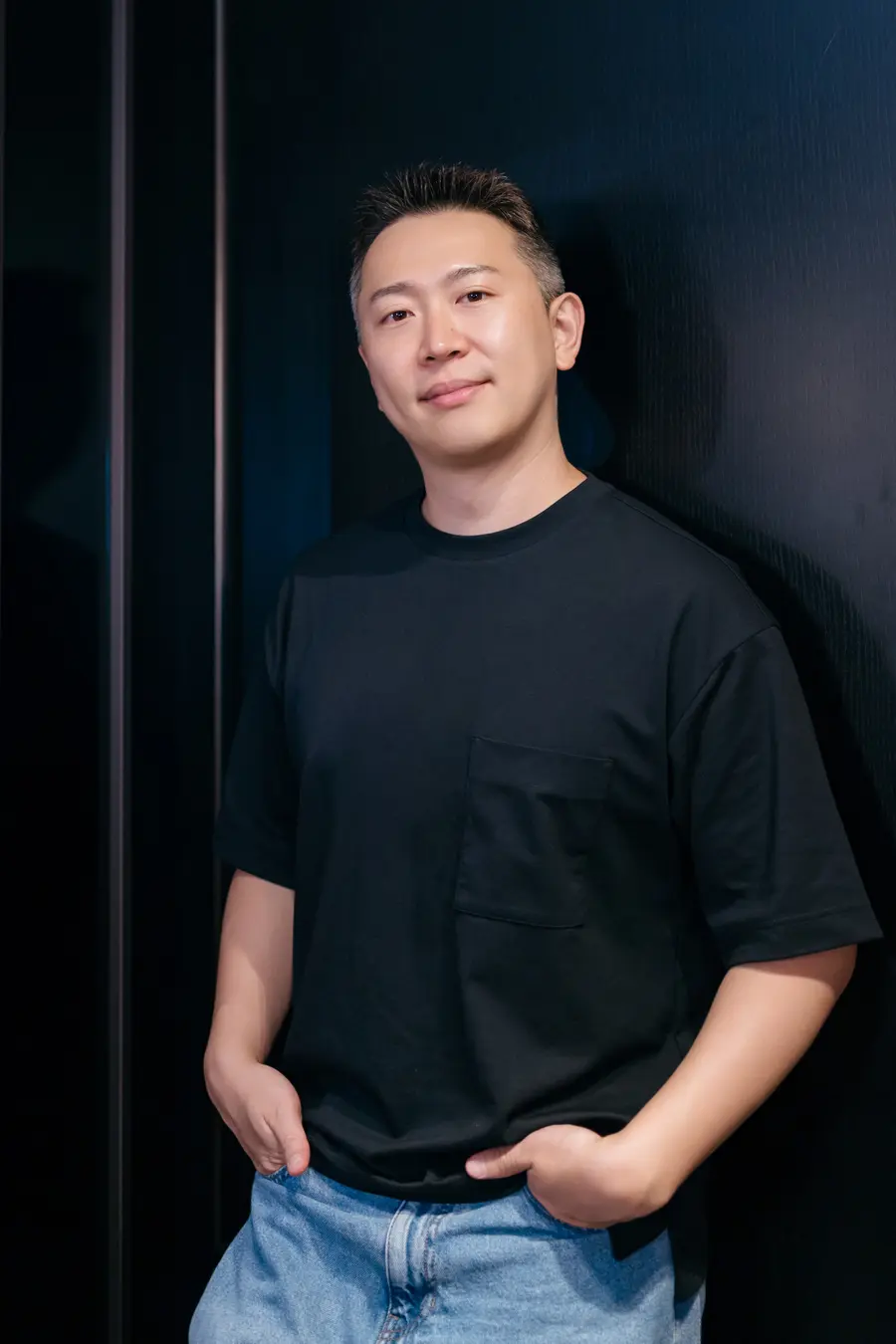
How did you approach the external aspects like speech and gestures? Did you have any references?
Jo Yoo-hyun I met with a North Korean friend for study, but I realized language lessons alone were insufficient. I needed someone who could share deeper North Korean stories. Through an acquaintance, I was introduced to a friend from Chongjin, North Hamgyong Province, and we had many conversations. The friend worked at a large company, and having lived in South Korea for a long time, their speech was interesting. It was a mix of North Korean and South Korean tones. I thought Cheol-jun would try to hide his North Korean accent as much as possible when with Young-jun. I recorded our conversations and tried to incorporate that nuance into my acting.
Young-jun appears as an ordinary young man in his 20s. Just as Cheol-jun tries to hide his North Korean origin but it shows, it seems important how Young-jun's identity as a sexual minority is portrayed.
Kim Hyun-mok Young-jun emphasizes similarities with others, saying things like, "We're the same age, from the same neighborhood, smoke the same cigarettes, even go to the same church." This repetitive speech helps define Young-jun. However, Young-jun also has an exclusive side. He stubbornly says, "I don't want to hear others," while wearing earphones, and when talking about Hyun-taek, he says, "Why is he always doing well? I feel uncomfortable." It's a kind of inferiority complex. Actors experience similar moments. Even though we've walked the same path and were close, when someone suddenly succeeds, it creates distance and makes conversations difficult. I understood Young-jun's psychology.
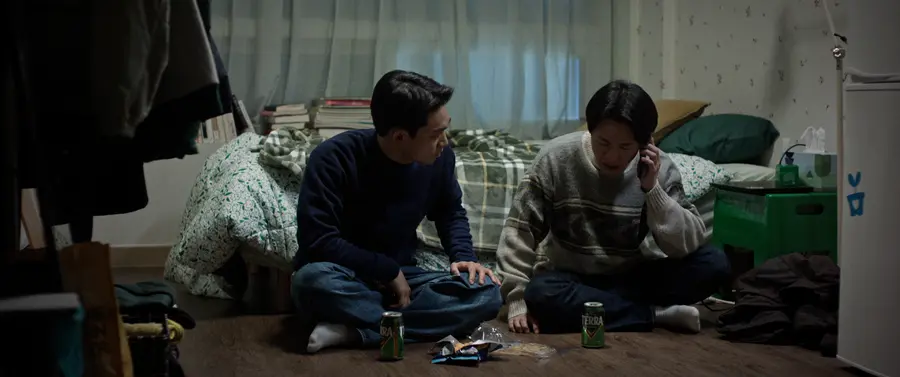
The director mentioned avoiding exaggerated 'gayness' shown in media when building the character, which seems well-reflected in Young-jun's character. It must have been an important hint for your expression as well.
Kim Hyun-mok Yes, initially, I looked up queer-related content on YouTube. I thought about referencing the speech and actions of famous people. But I realized it wasn't very helpful in preparing for Young-jun. Instead, reading more, discussing with the actor playing Cheol-jun and the director, and pondering the nuances of the dialogue were much more effective. So I stopped referencing videos and focused on exploring the character's inner self.
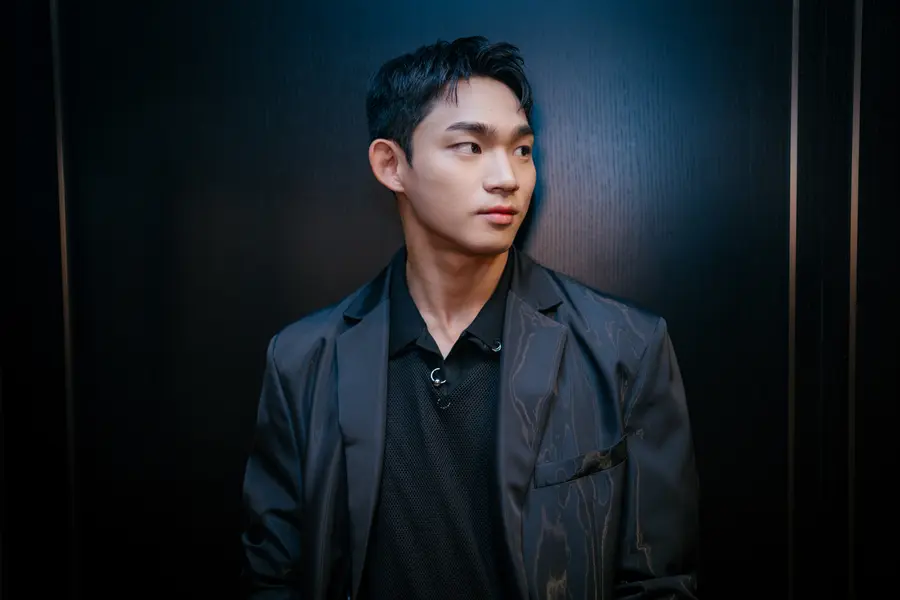
The first scene is quite a realistic bed scene. It starts without euphemistically addressing the fact that they are sexual minorities. Additionally, the depiction of the dark room, a secretive space in the club, seems like a necessary scene for conveying reality. What was your intention?
Park Jun-ho I thought it was absolutely necessary. Even when circulating the script, some people didn't see it as a queer film despite the presence of sex scenes. Some just read it as a "friendship story." There were still misunderstandings and controversies about the genre of queer films. So I decided to make it clear from the start. "This is a love story about gay men," so no one could deny it. I didn't want to leave room for confusion about the protagonist Cheol-jun's identity or for the audience to be confused.
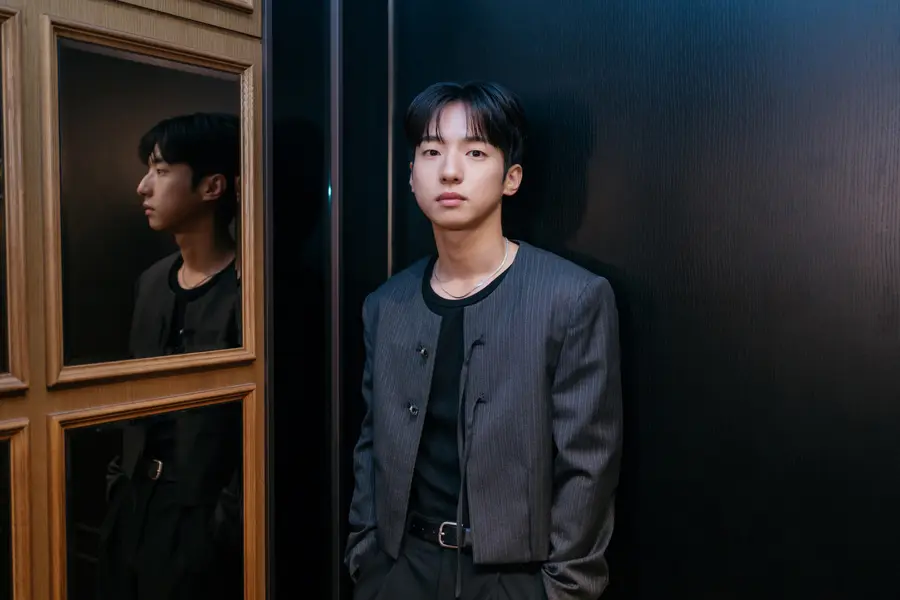
The way the bed scene is expressed was also important. Instead of indulging or creating beautiful scenes, it focuses on portraying realistic sex scenes.
Park Jun-ho There was a lot of thought about the filming method. We could have shown sex in a very provocative way, but I didn't think it matched the tone of the film. Instead of glamorizing or beautifying it, I thought it was right to present it plainly. It was about showing "there are people like this, and there is a world like this" as it is. So the lighting was handled simply, and faces were not clearly shown.
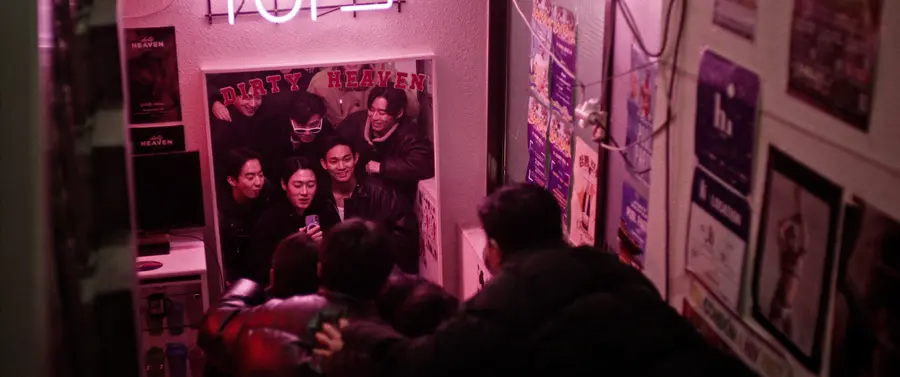
It must have been a burden for the actors to perform in such high-intensity scenes.
Jo Yoo-hyun Having to perform bed scenes and kiss scenes from the first scene was certainly a burden, but the flow was all laid out in the script, so I could understand and act it out. The dark room scene was a moment of mixed curiosity and fear experienced in the club, so it wasn't about exaggerating or trying to appear attractive, but just accepting it as it was. I focused on the complex emotions of tension, curiosity, and fear. Fortunately, the director clearly suggested a "plain" approach, allowing me to act without wavering.
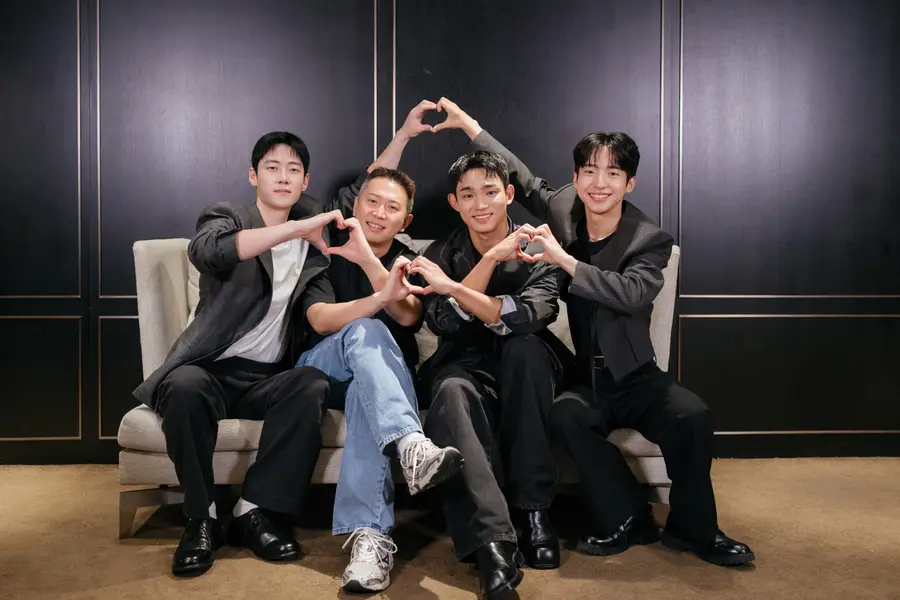
Finally, all three of you have passed a significant milestone with this film. As the release on September 3 approaches, please say a word to the audience.
Park Jun-ho What I felt while attending film festivals is that being a film director is truly a "dopamine-releasing job." (laughs) I didn't realize how grateful and joyful it is to show my film to the audience and see their reactions. Following Cheol-jun's journey will remind everyone of their own first moments. I hope the audience recalls such memories within themselves and can warmly embrace someone else taking their first step.
Jo Yoo-hyun This work being my debut film will remain a great pride for me. I was able to show various aspects of myself through the character Cheol-jun, making it a more special work. It also gave me the courage to think that I should and can continue more active work as an actor.
Kim Hyun-mok For me, 〈3670〉 is like a pinnacle when looking back at the past 10 years of living as an actor. In the endlessly repetitive life and similar patterns, there were times when I felt lonely and exhausted. I wondered, "Am I just going to repeat this endlessly? Is this right?" But meeting this work allowed me to temporarily escape that cycle and experience something new as an actor, which is very valuable and I'm grateful for.

![[Interview] Director Park Jun-ho of '3670', Actors Jo Yu-hyun and Kim Hyun-mok,](https://cdn.www.cineplay.co.kr/w160/q75/article-images/2025-09-05/e4177d5b-94c6-4cd1-bd29-138a6eb3f55b.jpg)
![[Kim Ji-yeon's Jewel Box] The Actor Whose Sincere Heart is Most Felt, '3670' Jo Yoo-hyun](https://cdn.www.cineplay.co.kr/w160/q75/article-images/2025-09-05/e74f414b-cf1d-41ac-8d2c-1a51573e5b4b.jpg)
댓글 (0)
댓글 작성
댓글을 작성하려면 로그인이 필요합니다.
로그인하기