



![Netflix 〈BTS: The Return〉 poster [Courtesy of Netflix]](https://cdn.www.cineplay.co.kr/w900/q75/article-images/2026-03-17/f958cc86-b1c6-4732-8288-9b32df61cdcc.jpg)
On March 21, ‘BTS Comeback Live: Arirang’ took place. The live broadcast—made in collaboration between BTS (Bangtan Sonyeondan), which helped kick-start the K-pop phenomenon, and global OTT platform Netflix—ranked No. 1 in 77 countries, and it also landed within the top three across all other service countries, according to the March 23 figures. The cultural impact of both brands therefore feels very real. But the collaboration between the two doesn’t end there. On Friday, March 27 at 4:00 PM, Netflix will release the documentary 〈BTS: The Return〉. What ripple effects will this documentary—capturing the process of BTS preparing for a full-group comeback with a new album—bring next? On March 20, we shared our first impressions from a screening at Cinecube Gwanghwamun, along with behind-the-scenes stories from the production team.
Director Bao Nguyen, who helmed the film, said, “(The timing of when we shot 〈BTS: The Return〉) I think it’s a really special moment in BTS’s long career. As a director, I felt lucky that I could share that special, unique moment.” Director Bao described it as “a moment that captured BTS’s brotherhood,” adding, “I looked at it almost from a mythic perspective. When I watched their last concert before enlistment, I felt like it was an odyssey when I saw the reactions the ARMY (BTS’s fandom name) showed. It’s almost like the fans are Penelope.”
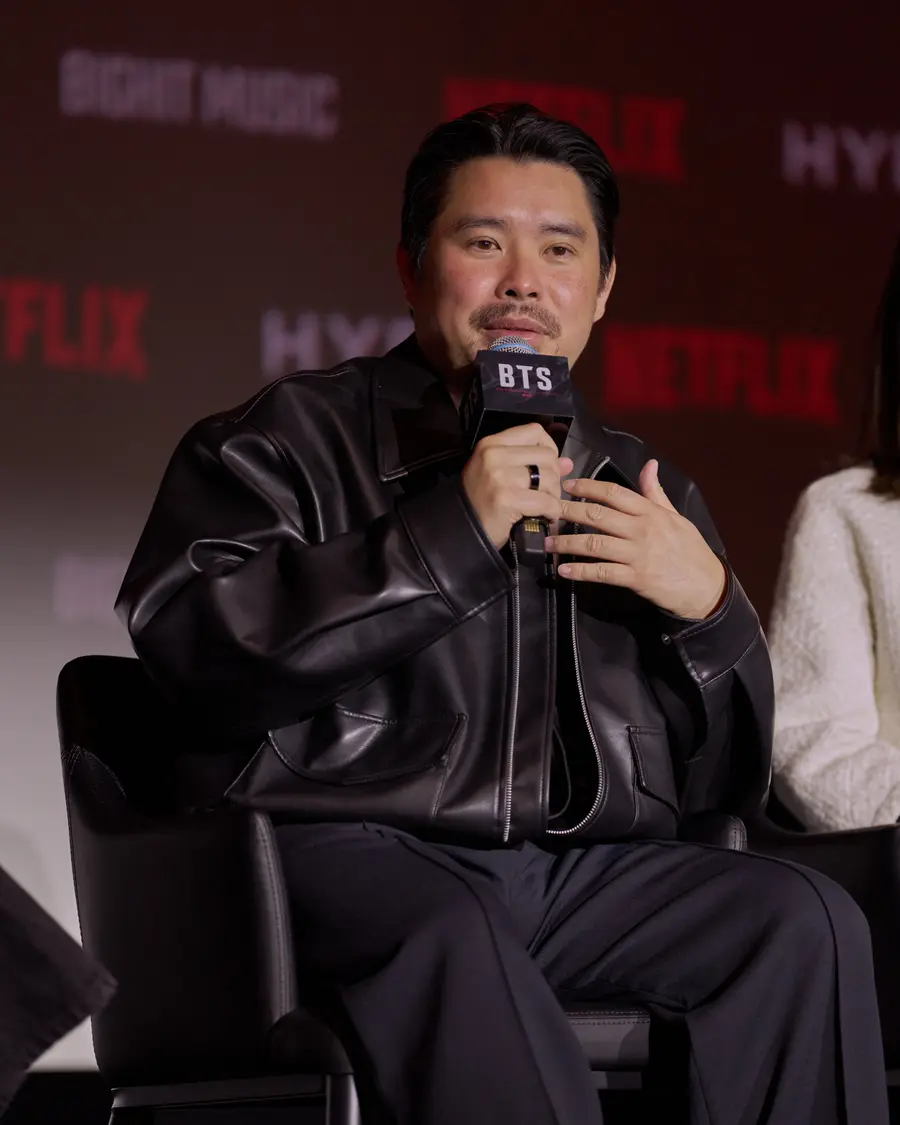
Director Bao said, “I’ve worked on many documentaries, including ones that cover the beginning or the peak of a career, but a documentary that focuses on the middle point of a career is really rare. So this project feels even more special.” Big Hit Music VP Hyunjeong Kim also added, “It was special that we were able to capture everyone coming together again after a long gap—working together for the first time in a while—while setting new directions and thinking through them together as we went.”
In many parts of the documentary, some retro-style footage was shot by the BTS members themselves. Director Bao explained why he included this kind of content: “We couldn’t spend all the time they were in LA together. But I wanted to capture moments of closeness that feel like a family among them. So I wanted to let the members try old-style camcorders and capture as many moments as possible. It has the feeling of home videos. Since BTS is such a family-like presence—and it’s hard to film this kind of footage externally—it’s special that it captured a certain intimacy among the members.” He also said, “Of course, it could interfere with the work, and it might be difficult to keep filming continuously. But the members also wanted to create new visuals, so they cooperated a lot. I’m very grateful to the BTS members for that.”
Director Bao also said that getting closer to BTS meant he had to find new directions that differed from the original plan. He said, “Because the BTS members are so talented, I thought it wouldn’t be difficult to capture their creative process. But after spending a few days together, I realized the members were under tremendous pressure. So I thought the direction would change from what I first imagined. In the work, the members also describe each other as a ‘second family,’ so I realized I’d be capturing what it looks like to be a second family. As BTS, there are difficulties, but the documentary also shows that, since all seven are together, they can push through.”
About capturing BTS as they truly are, Director Bao said, “No matter what kind of project it is, I don’t want to get involved in shaping the flow of what’s happening. Even though the BTS members have a lot of experience filming documentaries, it was still important to let them forget about the camera and reveal their weaker points. I also understand the feeling an artist has when the work is interrupted, and I tried not to become an additional burden on the pressure the members were feeling. So I aimed more toward shooting with tripods than sticking close with handhelds.”
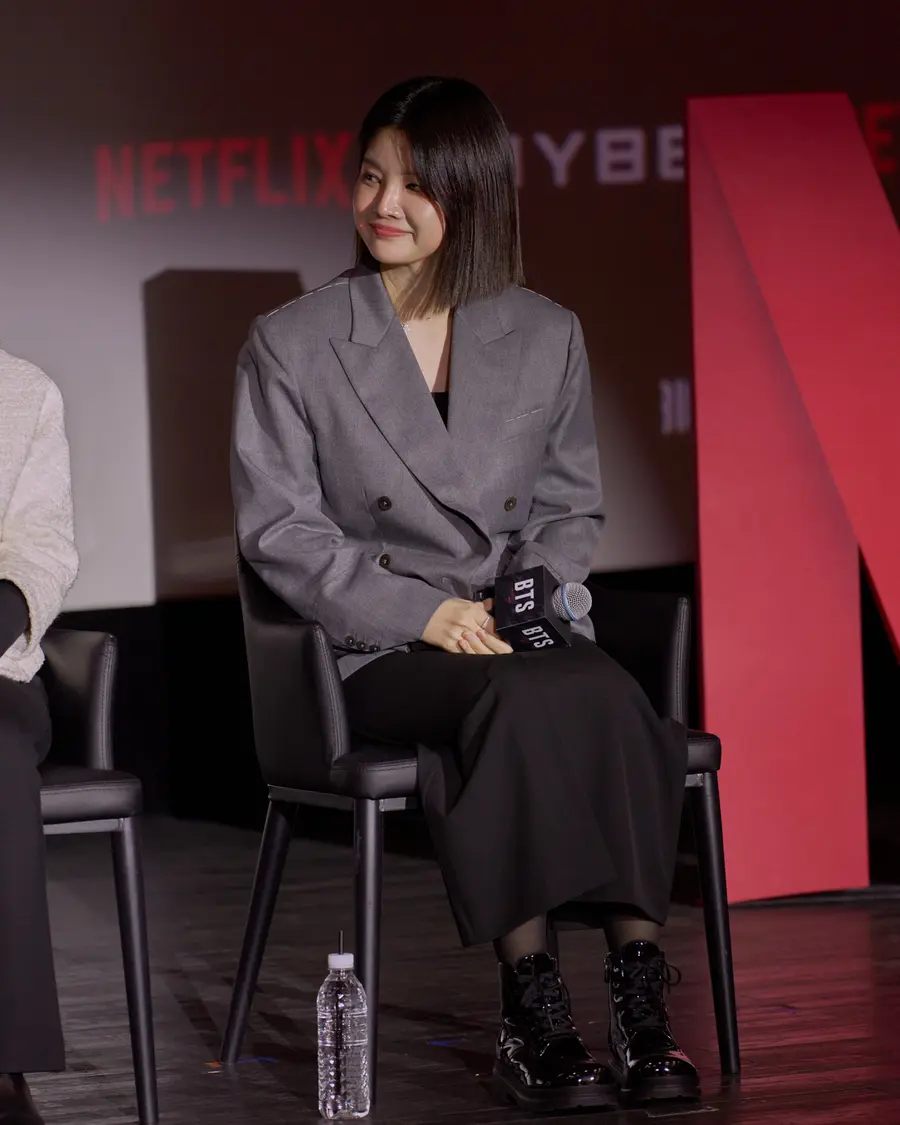
VP Hyunjeong Kim said, “I didn’t even get the chance to see these precious moments preparing for the album on my own.” She added, “Starting with this ‘ARIRANG’ album, BTS will open the next chapter, and I thought it would be great if parts of the process of preparing that chapter were something fans and the general public could watch and connect with. I also think it’s meaningful that the members went through the process of discussing those directions together,” explaining how they ended up featuring the album-preparation process through 〈BTS: The Return〉.
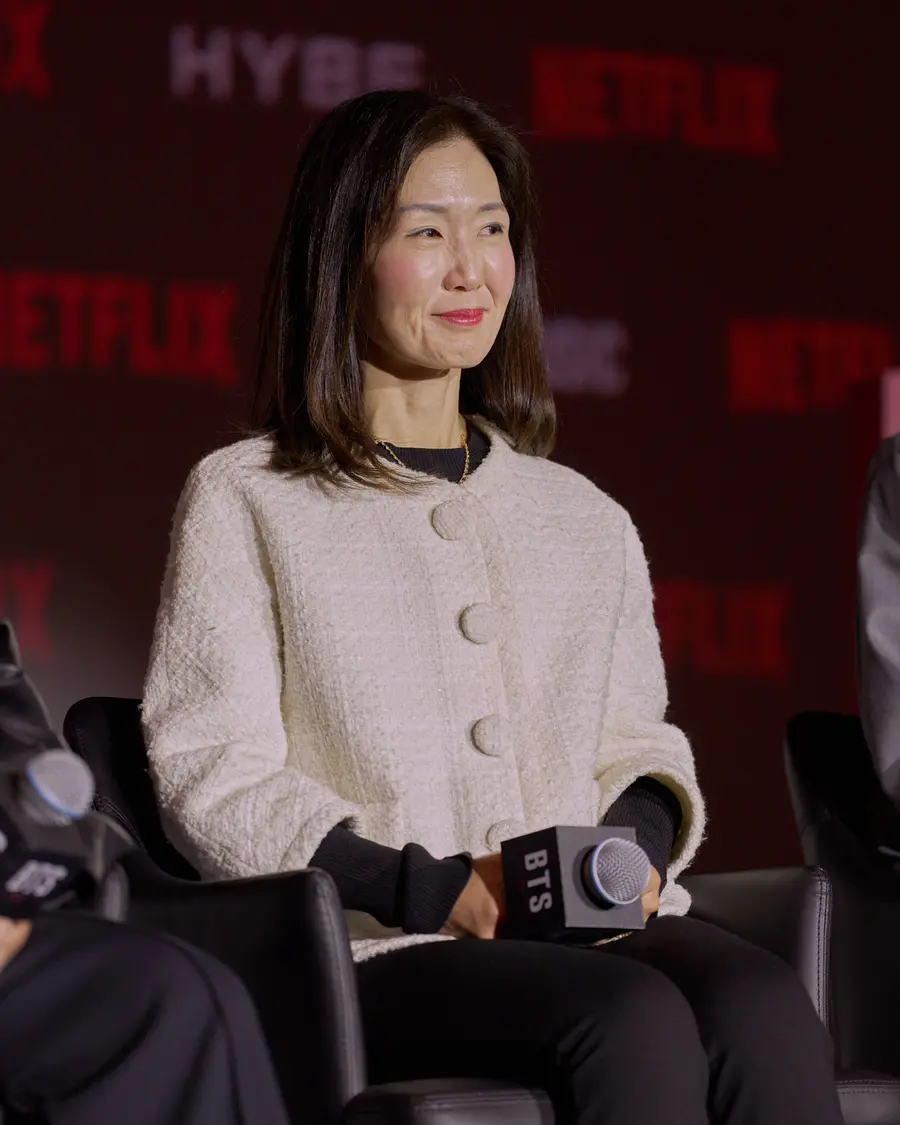
Executive Producer Jane Cha began by saying that the most important thing about this project—where Netflix, HYBE, and Big Hit Music collaborated—was “everyone working together as a team,” and that they set out with the goal of everyone sharing good stories. She continued, “You might get angry if you hear something like this, but originally it wasn’t ‘ARMY.’” She added, “Because it was like that, it gave the project objectivity. I could understand which parts were genuinely fun and which parts had BTS’s human, real-life feel,” recalling the time during production.
She also thanked the fans who had been waiting for the documentary, saying that she and the team worked under a very tight deadline and that “once we got everything done, it was something to be proud of.” She went on, “We worked hard because we had so many editors who could speak Korean attached to the project. I believe it’s meaningful to share BTS—who are at such an important moment in this collaboration—with viewers. I hope this becomes a gift for fans, and also for anyone who is just getting to know BTS, so I hope it feels like a present for you. VP Hyunjeong Kim also added, “When the album comes out, people typically listen to it within less than an hour. But there is a very long process behind making an album that runs under an hour, and throughout that process, many staff, freelancers, and artists create a shared teamwork. It feels like a project with a great deal of meaning because we were able to show that process alongside the album.”
Finally, Director Bao left a comment saying that just like how the members enjoy watching past footage in 〈BTS: The Return〉, “I hope that 10 years from now, the members will watch this documentary with those affectionate eyes.” The documentary 〈BTS: The Return〉, which captures BTS preparing for a full-group return after about three years, will be released on Netflix on March 27 at 4:00 PM.



![[Culture&] BTS Members Answering Questions, Korea's 'Arirang'... The Sincerity Captured in the Title Track 'Swim'](https://cdn.www.cineplay.co.kr/w160/q75/article-images/2026-03-20/d5da5bfd-6801-4063-be1e-f0955349b7c7.jpg)


![[Photo&] BTS, a Gwanghwamun concert bathed in violet light…“Arirang” delivered to the world](https://cdn.www.cineplay.co.kr/w160/q75/article-images/2026-03-23/d94b9907-88b9-41bb-9fb0-73808e232708.jpg)
댓글 (0)
댓글 작성
댓글을 작성하려면 로그인이 필요합니다.
로그인하기