



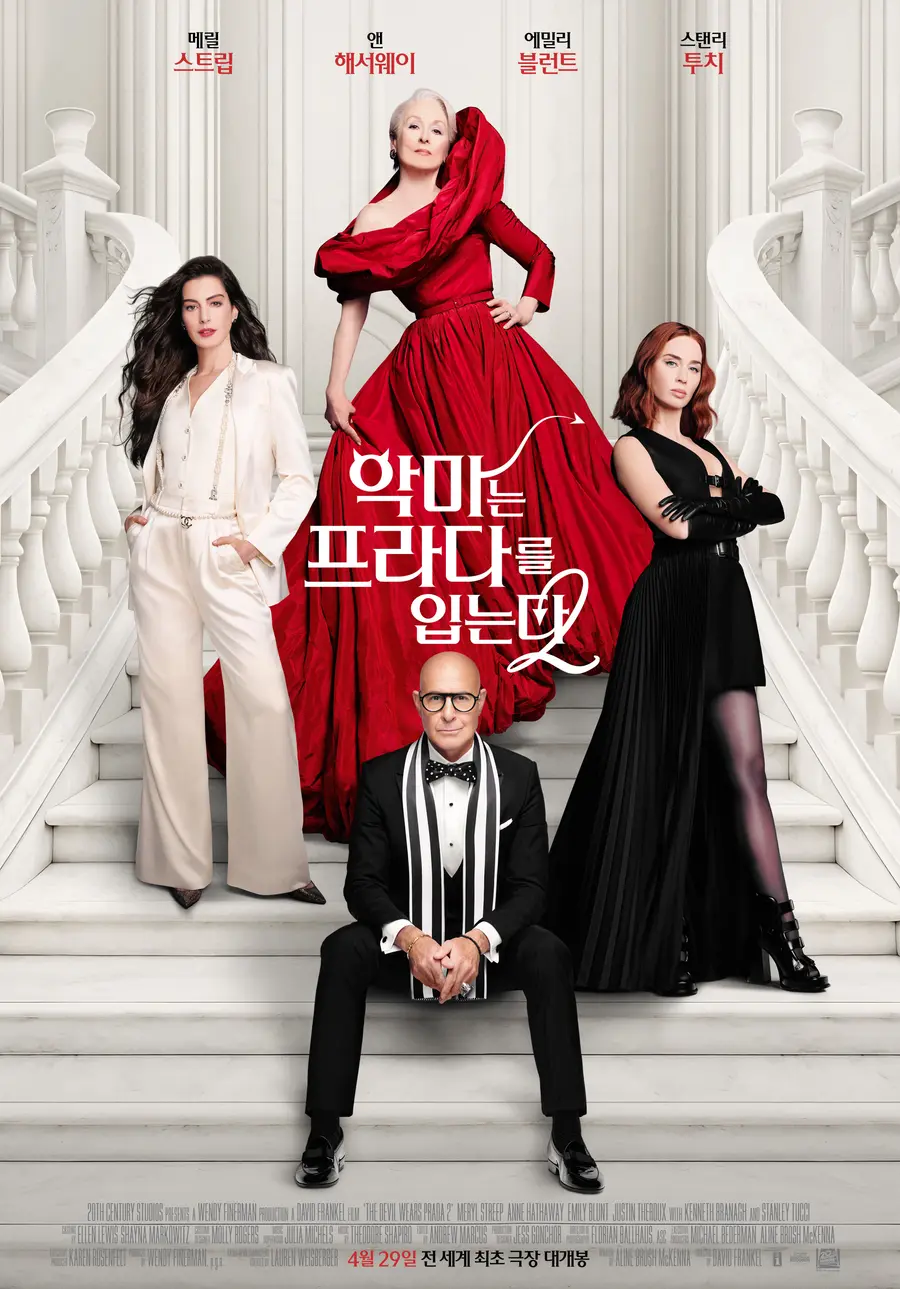
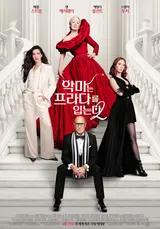
Wow. The 20-year gap doesn’t feel like a gap at all. In 2006, Andy (Anne Hathaway) and Miranda (Meryl Streep) thrilled the world with 〈The Devil Wears Prada〉, and now they reunite once more through a strangely fated, love-hate bond. Their reunion drew attention—the trailer released in 2025 notched the highest view count among trailers unveiled that year—and, finally, on April 29 you can see Andy and Miranda reunite in theaters. 〈The Devil Wears Prada 2〉 tells the story of editor Miranda, who still projects an overwhelming presence 20 years later, and Andy, who returns to Runway as a journalist. Will Andy and Miranda once again display that trademark 'love-hate' chemistry? Here is an early review from the press screening held on April 27, two days before release.
If You Want the Position, Prove Yourself… The Appeal of the Recreated Power Dynamic
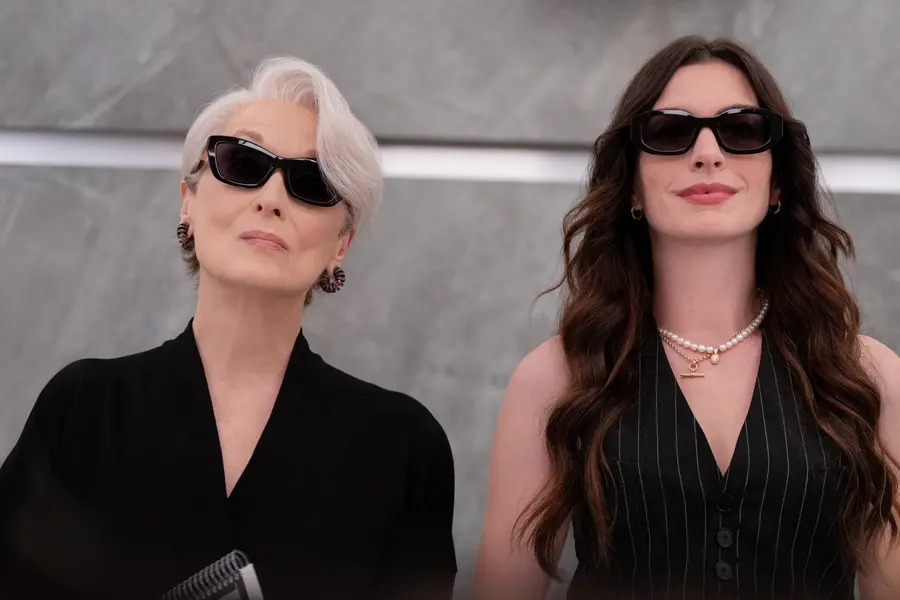
If there’s a core pleasure to 〈The Devil Wears Prada〉, it’s watching Andy get pushed around and grow under Miranda’s untouchable aura. For Andy—who had told herself she’d only last a year—editor Miranda was a terrifying presence. Yet working with her, Andy slowly learns how to be a professional and how to behave as a working professional. Though they’re boss and subordinate, they sometimes resemble mentor and mentee, and at other times a duo who just click perfectly. How that dynamic would be recreated 20 years later was surely the key question for 〈The Devil Wears Prada 2〉. How will Miranda treat Andy now that Andy is fully established as a professional?
This aspect is portrayed sensibly in line with the times. Though Andy earned recognition as a journalist, she was ultimately pushed out when her company folded; she returns to Runway after catching the eye of the magazine’s owner. Andy, naturally assuming she was reinstated by Miranda’s choice, cheerfully faces her—but Miranda didn’t even know Andy was coming back. Thus Andy must once again prove her abilities and standing to Miranda, creating a setup very similar to the first film. Though circumstances differ, the opening maintains a similar power dynamic that draws the audience in.
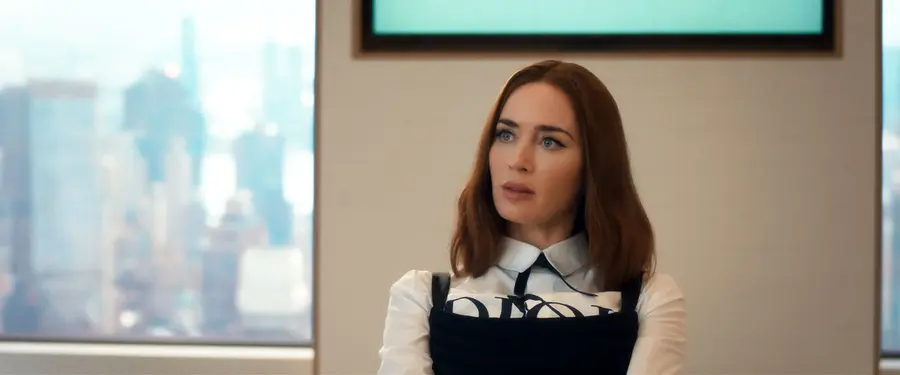
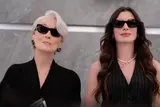
What follows isn’t drastically different from the first film. Andy is in a somewhat better position now: she demonstrates her skills at Runway while occasionally taking breathers through a romance subplot. Miranda still runs the company with firm control and embodies the peak of a career woman, but she’s also shown as more worn down by changing times and the pressure to be promoted. Characters from the first film rejoin the story—Emily (Emily Blunt), who left Runway for Dior, and Nigel (Stanley Tucci), who for years has served as Miranda’s shield and steadfast support—evoking audience nostalgia.
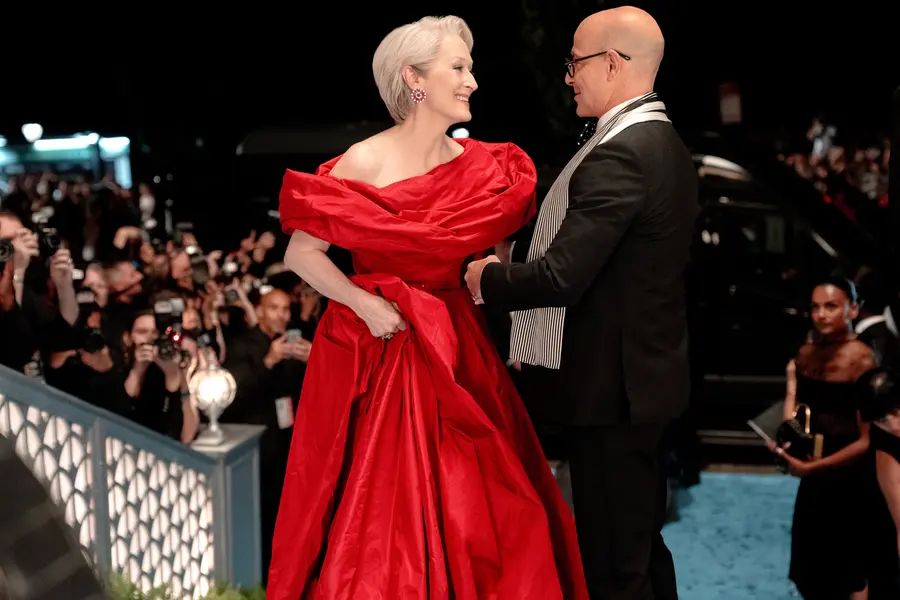
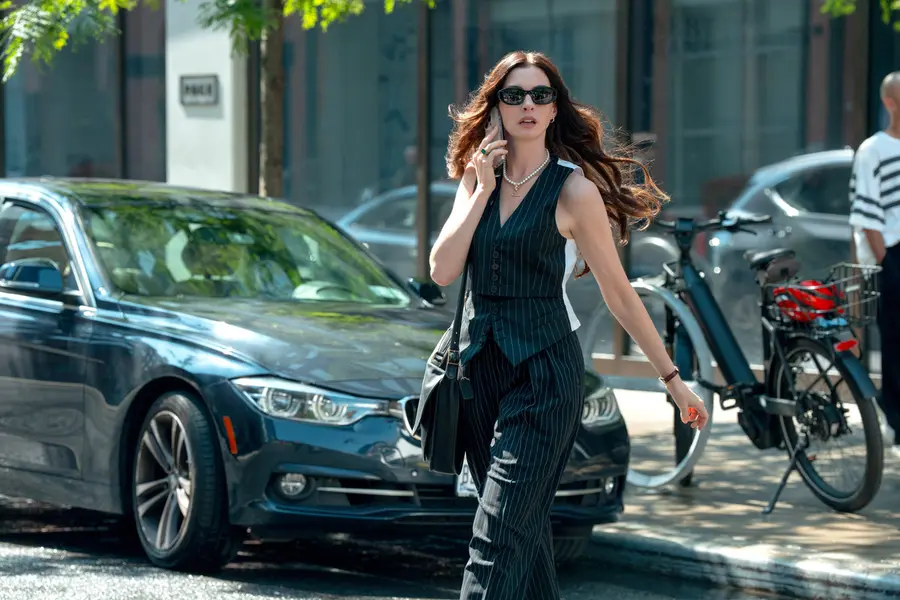
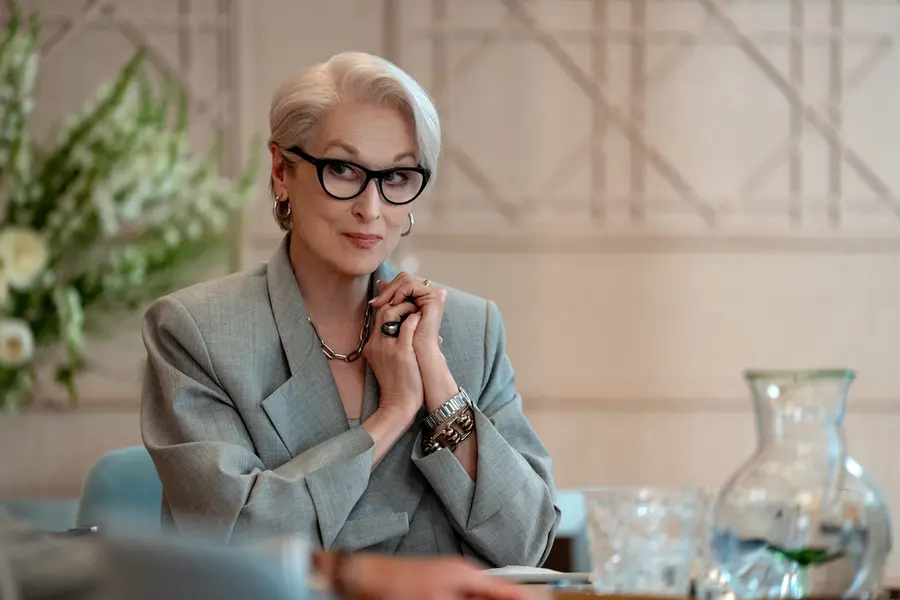
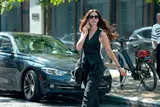
One thing not to miss is Anne Hathaway’s fashion. Reportedly wearing 47 outfits during filming, Hathaway still delivers every look flawlessly and fills the screen. Unlike the first film, where Andy began as a novice lacking fashion sense, she now appears as a settled career woman with a more elegant, refined everyday style. Miranda, in Meryl Streep’s regal portrayal, still exudes an aura worthy of the original, but the film’s fashions tend to highlight Andy’s presence even more.
TMF (Too Much Fashion) Beyond TMI
That said, compared with the first film, 〈The Devil Wears Prada 2〉 feels somewhat grandiose. It’s understandable that a successful film releasing a sequel after a long time would want to show more. But when you consider what made the first film charming, the sequel should have put down the burden that comes with being a sequel. The first film centered on Andy and Miranda’s relationship and Andy’s growth, with the fashion world as a seasoning; this installment overexposes the world of fashion and celebrity. If that had been perfectly integrated into the story, it might have worked, but with a sluggish plot, sudden cuts to Fashion Week scenes and celebrity spectacle break immersion. I get the desire to give fan service to audiences who waited 20 years, but I missed the precise satisfaction of the original, where the evolving relationship between the two clicked so neatly.
This trajectory especially departs from the film’s earlier reflections on the influence of capital and legacy media being pushed aside by changing times. After presenting Runway’s pages as having become useless because they no longer generated revenue and no one paid attention to them, the film then paradoxically unveils a spectacle decked out in celebrities and lavish fashion. Maybe that bitter note was intentional, but even so, compared with the first film’s concise storytelling, the sequel feels scattered.
Of course, as mentioned, there’s abundant spectacle and returning characters like Andy and Miranda remain lovable. But the film’s ambition to surpass the first stays mostly at the visual level, leaving 〈The Devil Wears Prada 2〉 less mature than the Andy who has grown over 20 years. I wish the film had steered its narrative more around the midfilm themes of societal change and the decline of journalism. 〈The Devil Wears Prada 2〉 opens on April 29.
* A controversy arose over an Asian character named 'Jin Chao' in the film. The role isn’t particularly large and is sometimes comic and sometimes capable. There’s nothing overtly offensive in the depiction, but it seems unnecessary to set the character as Asian. It’s troubling that they chose an Asian woman to be someone who admires white women. My guess is they forced the inclusion in the name of political correctness (PC) to avoid criticism of being a ‘white film,’ and in doing so made a misstep.


댓글 (0)
댓글 작성
댓글을 작성하려면 로그인이 필요합니다.
로그인하기