



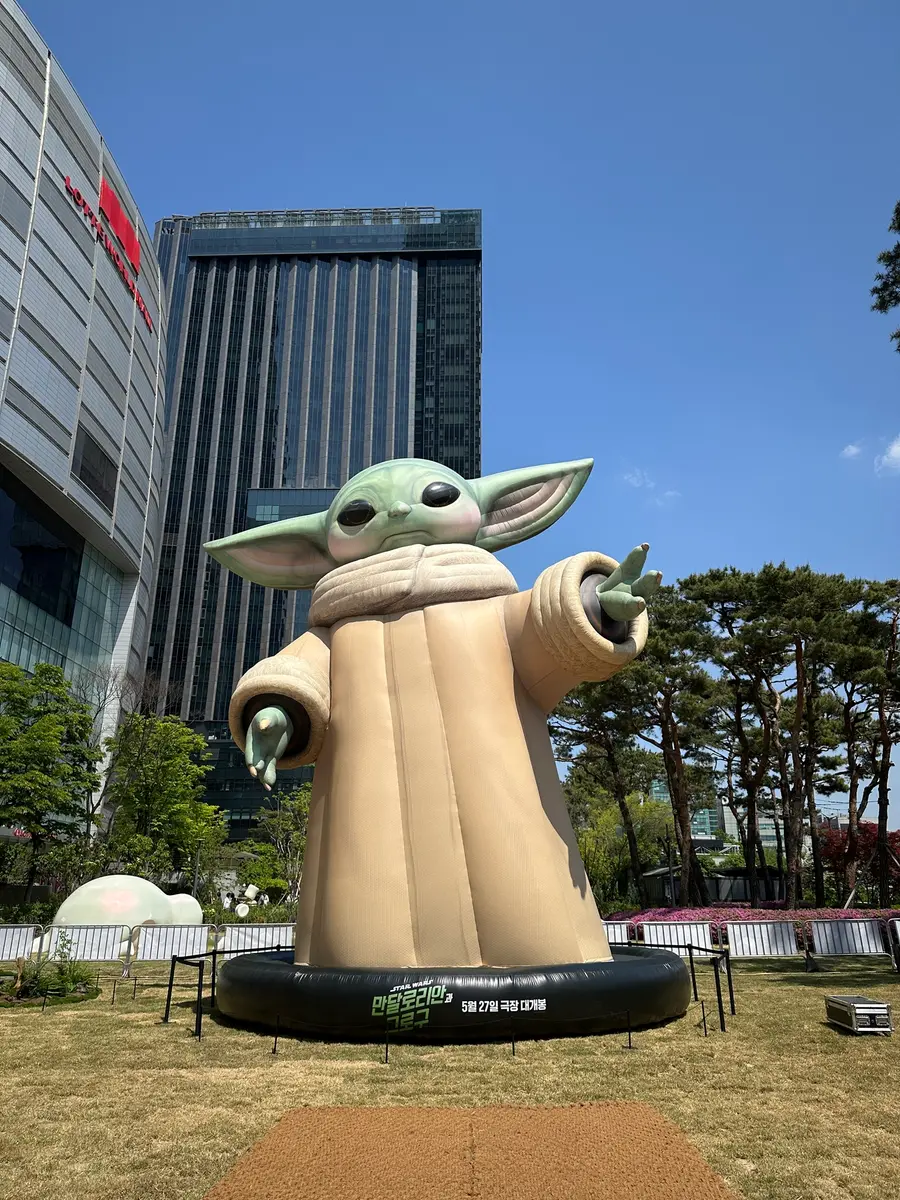
It's 'super big, super cute.' For Star Wars Day (May 4) 2026, Star Wars rolled out Grogu, the mascot of the May release 〈The Mandalorian and Grogu〉. It's the 10-meter-tall 'Giant Grogu.' Making the already-adorable Grogu enormous—the ultimate 'so huge, so cute' move—shows how much thought went into it. Of course, this isn't just about cuteness. Big things have long attracted attention and have been used as an effective way to promote new releases. Here are marketing examples that stand out because they're so big, impossible to miss, like this Giant Grogu.
〈House of the Dragon〉 Why a dragon was summoned to the Empire State Building
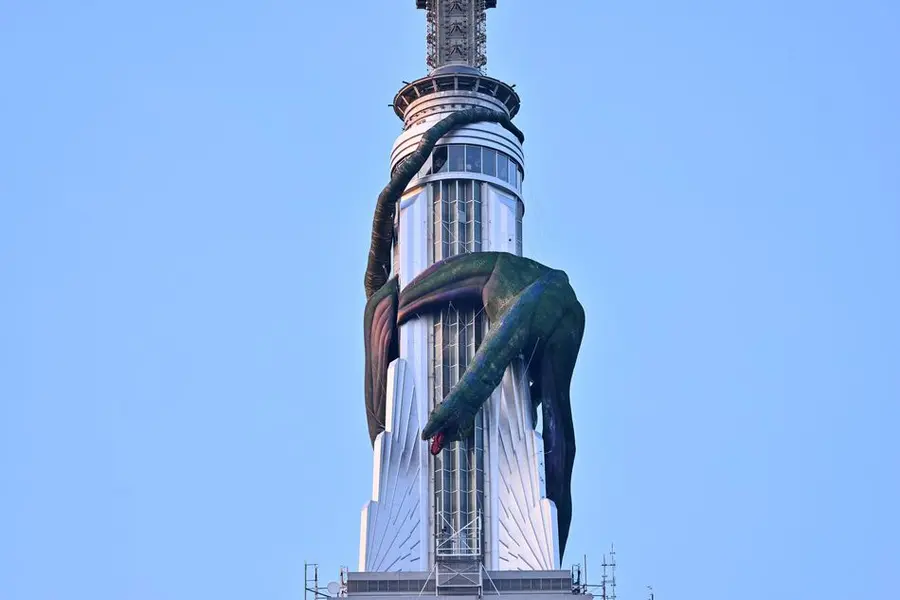
Major studios and hit series operate on a different scale. To promote a new season, they even installed a giant dragon on the Empire State Building in New York. In 2024, HBO installed an 82-meter Vhagar on the Empire State Building's spire ahead of 〈House of the Dragon〉 Season 2. 〈House of the Dragon〉 is a spin-off of 〈Game of Thrones〉 that covers the Targaryen civil war that occurred 200 years before the original. The dragon Vhagar, a symbol of the Greens who supported Aegon II (Tom Glynn-Carney)'s claim to the throne, is one of the most powerful dragons of the era. As described in the original novel, the sight of the gigantic Vhagar wrapping around the Empire State Building captured global attention.
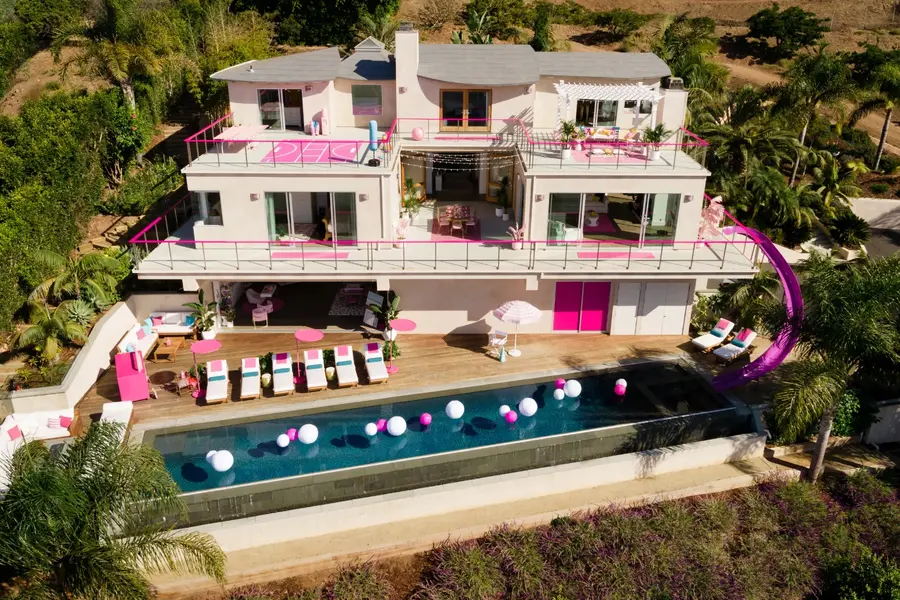
〈Barbie〉 The Dream House was offered for free because Ken can't even count
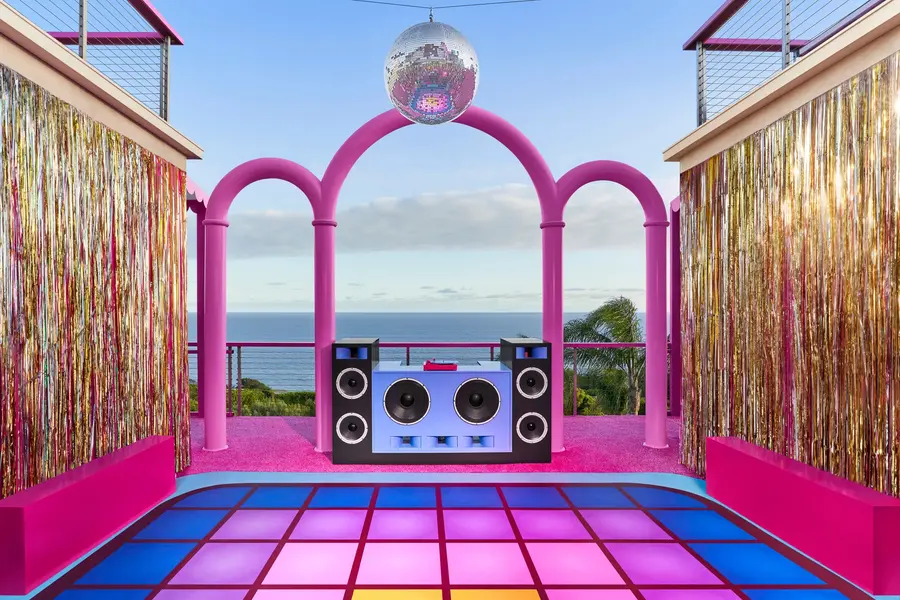
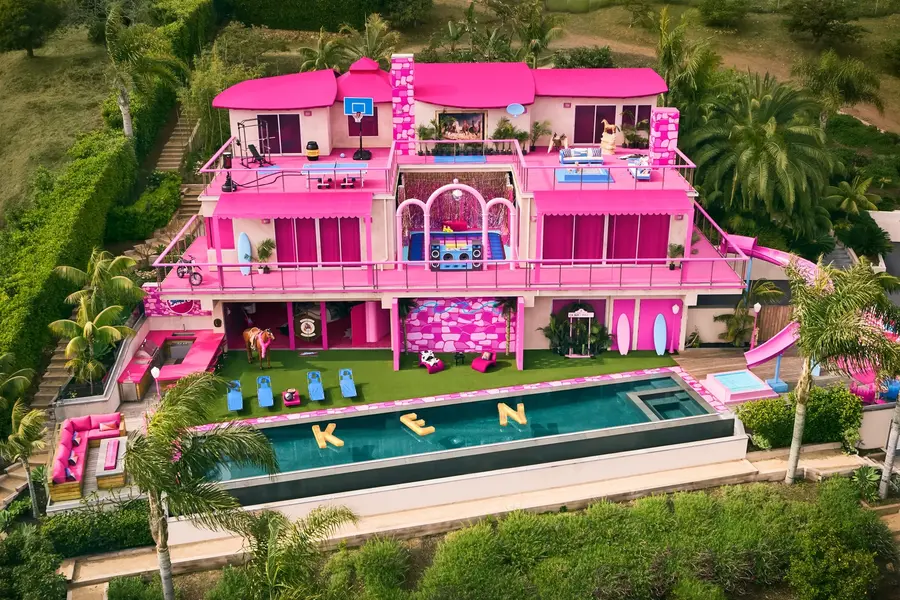
The 2023 blockbuster 〈Barbie〉 used a very bold marketing tactic, as if it already knew how successful it would be. They built a livable 'Barbie House.' Although a similar promotion was held in 2019, this time the house was much pinker to match the film's design. The 'Barbie's Dream House' built in Malibu, California, offered overnight stays for two people at a time, with only four guests total. The event was offered for free because "Ken — who knows better than anyone how to have a great time at the beach — is hopeless with numbers and couldn't decide how much to charge for the stay." From a distance the Dream House looks exactly like Barbie's and looks incredibly appealing, but the intense pink interior can be a bit overwhelming.
〈Ghostbusters〉 The terrifying Stay Puft Marshmallow Man!
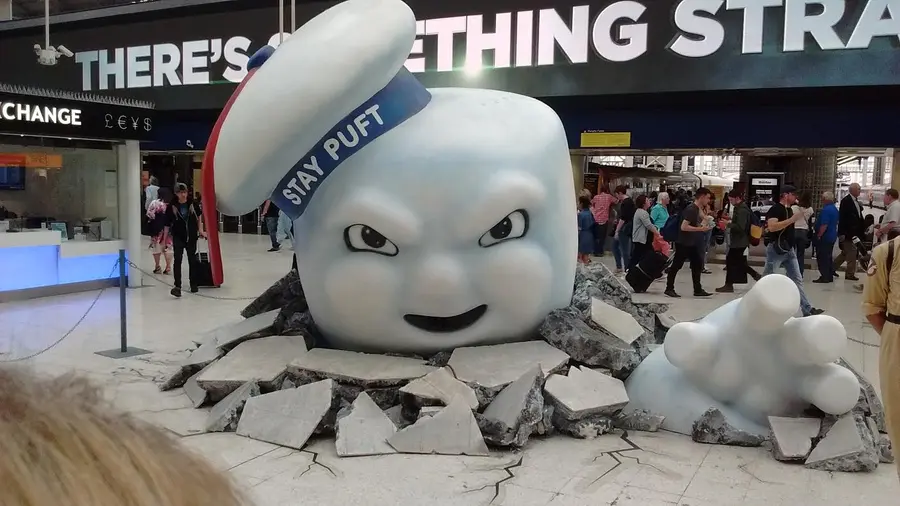
A well-made mascot can take on a life beyond the work itself. The 〈Ghostbusters〉 series' icon, the Stay Puft Marshmallow Man, is exactly that. First appearing in the 1984 film 〈Ghostbusters〉, the Marshmallow Man has continued to appear in reboots and has shown the true power of a mascot. So when the 2016 reboot of 〈Ghostbusters〉, which was completely different from the original, was released, they again used the Marshmallow Man for promotion, installing a gigantic Marshmallow Man face sculpture that looked like it was bursting out of the ground at London Waterloo station. Although the Marshmallow Man looks quite cute, the immense, scowling face is undeniably imposing. Unfortunately the character had limited screen time in the actual film, but using it as a marketing tool drove home who the franchise's true mascot is.
〈Kong: Skull Island〉 The 'Kong skull' revealed to match the title
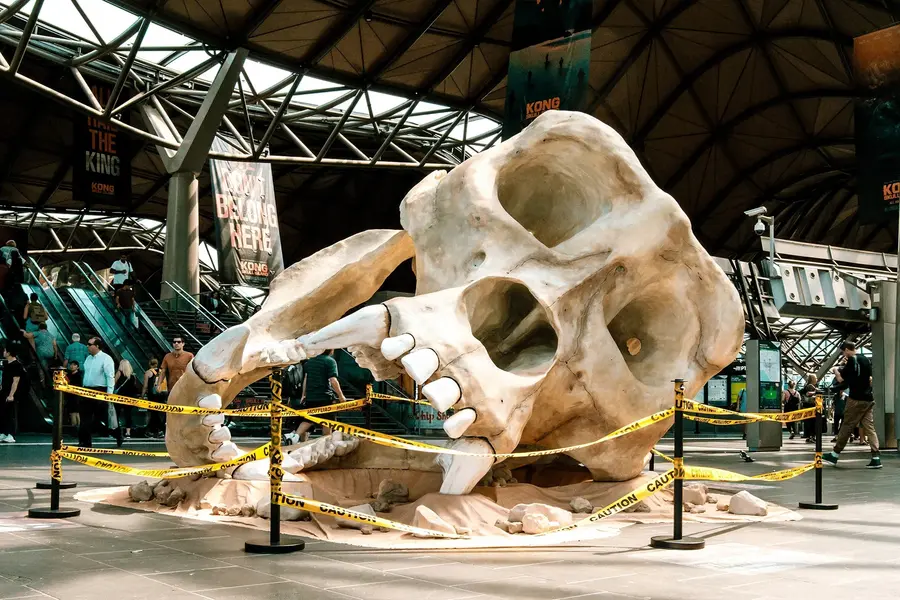
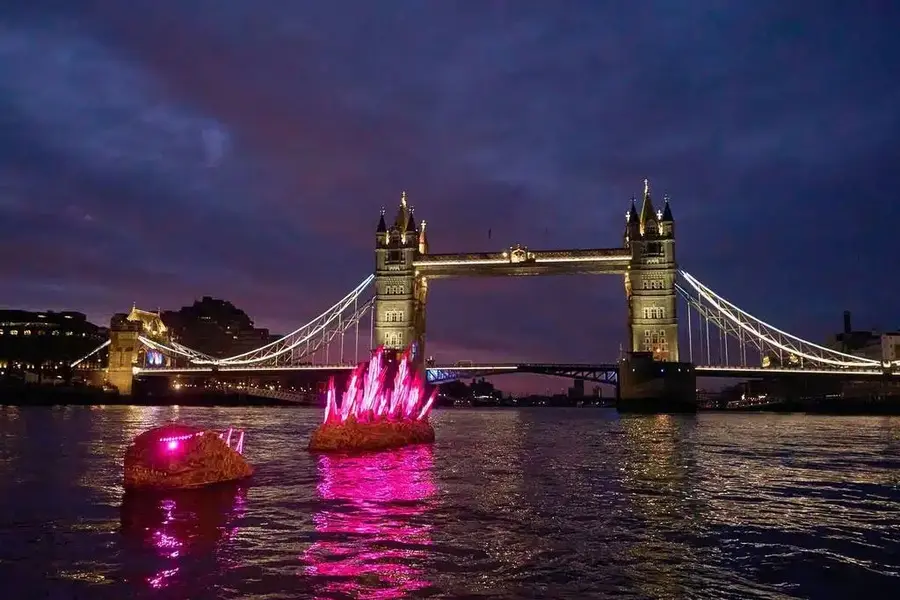
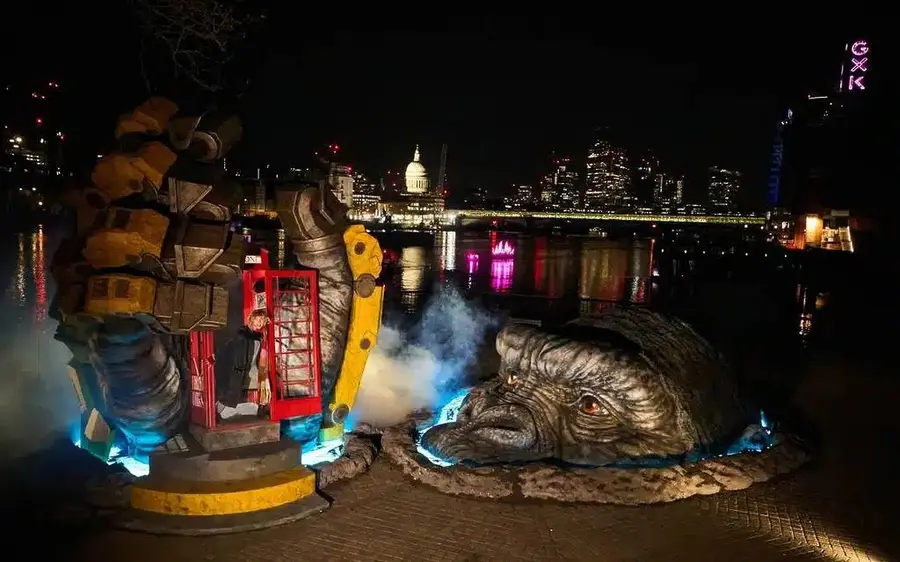
The second film in the long-running MonsterVerse franchise, now marking its 11th anniversary, 〈Kong: Skull Island〉, was well received for depicting humans encountering Kong and various monstrous lifeforms on Skull Island, showing it was more than just a simple monster movie. The film's marketing leaned heavily into that sense of supernatural, uncontrollable beings. Before the Melbourne premiere of 〈Kong: Skull Island〉, a giant skull was placed at Melbourne's Southern Cross station. The massive skull of Kong alone grabbed public attention, and it was especially striking that the skull evoked both 'Kong' and 'Skull Island.' The MonsterVerse has continued to showcase marketing unique to monster movies: before the release of 〈Godzilla x Kong: The New Empire〉, a dorsal fin of Godzilla was installed in the Thames while Southbank featured a gigantic Kong hand and face.




![[Photo &] Discussion on “Holdback” in the Film Industry Heats Up…Minister Choi Hwi-young Formalizes Establishment of a Public-Private Consultation Body This Month](https://cdn.www.cineplay.co.kr/w160/q75/article-images/2026-05-06/4775ce29-3328-43c1-8c85-9240dd5fd6b9.jpg)




댓글 (0)
댓글 작성
댓글을 작성하려면 로그인이 필요합니다.
로그인하기