


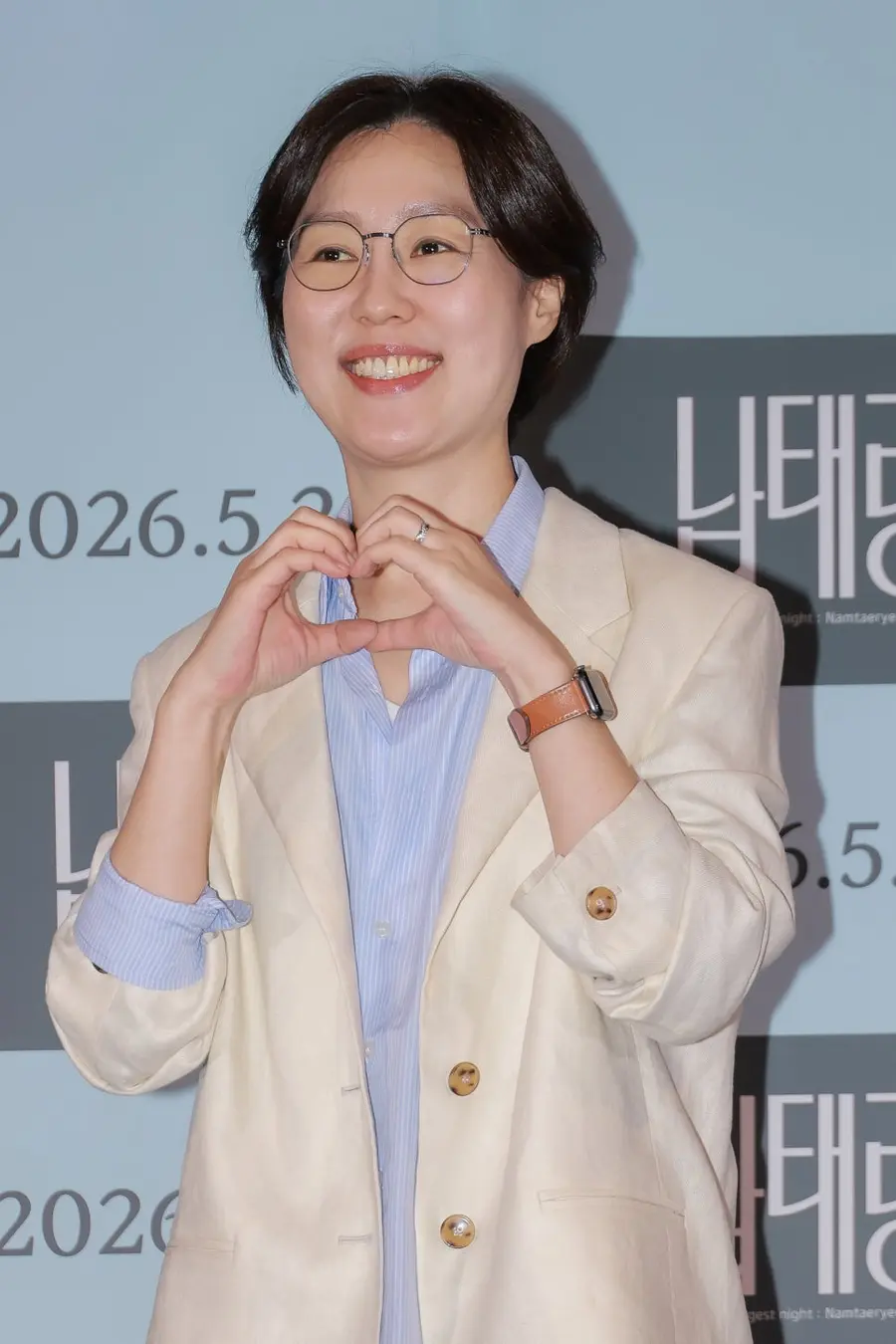
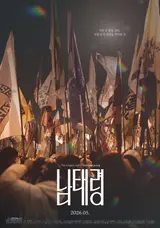
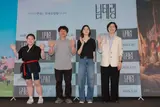
▶ 〈Namtaeryeong〉 The interview with Director Hyunji Kim continues from Part 1.
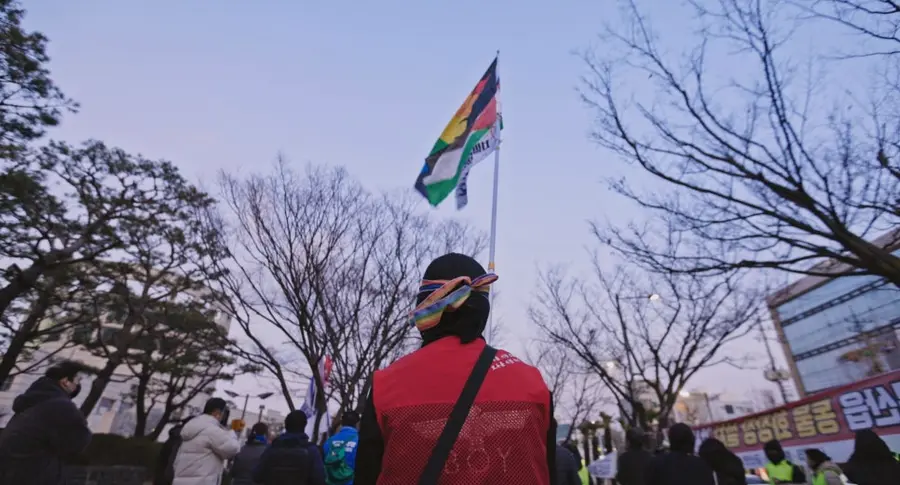
I think you must have been thinking hard about the title. I also feel that the title 〈Namtaeryeong〉 has a tone that isn’t so different from 〈Adult Gimjangha〉.
When I said, “I’m going to make the title Namtaeryeong,” everyone told me, “You should come up with the title more thoughtfully.” But I wanted Namtaeryeong to become a name in its own right—a proper noun. It was my wish that Namtaeryeong would become a brand based on an attitude of recognizing each other’s differences and starting a new story from here. And no, it’s not because I was being careless.(laugh)
Quite a large number of the protest participants who stood by and protected Namtaeryeong that night in support of the farmers were women in their 20s and 30s. Through feminism, youth employment insecurity, and the like, it seemed like the democratic “muscles” they had built up over the years came out into the plaza and helped them endure—even in the bitter cold of below-freezing temperatures. Reacting to the women gathered at Namtaeryeong just by saying, “How amazing,” became another language of bias that undermined and diminished their participation. And they also proved it themselves through their agenda and their serious engagement. When you meet them in person, I’m sure the director also felt a lot about this.
That’s right. A 2030 women Vlogger, Ms. Hanji In, said that women in their 20s and 30s were already people trained for the plaza—starting from events like the murder on Gangnam Station, and through things like the People’s Mass Rally. Because they knew how to show up and what to say, they came out more and, it seemed, earlier too. I didn’t think there were no men in the plaza; I also learned that it wasn’t simply “women and men,” either. I learned that through Namtaeryeong. Some people are “passed over” as just women in their 20s and 30s, but there were also many people who aren’t women. There were also non-binary people like Ms. Yongju. So I learned that if you praise them with, “Those 2030 women were so amazing,” it can also hurt them. It’s not a way of speaking that I’m used to—it’s a categorization—and yet, I learned through Namtaeryeong that it exists, and that I should learn to understand it. In a new democracy and a new kind of plaza, I think it’s right for these people to come forward as seniors and approach as those who want to learn.
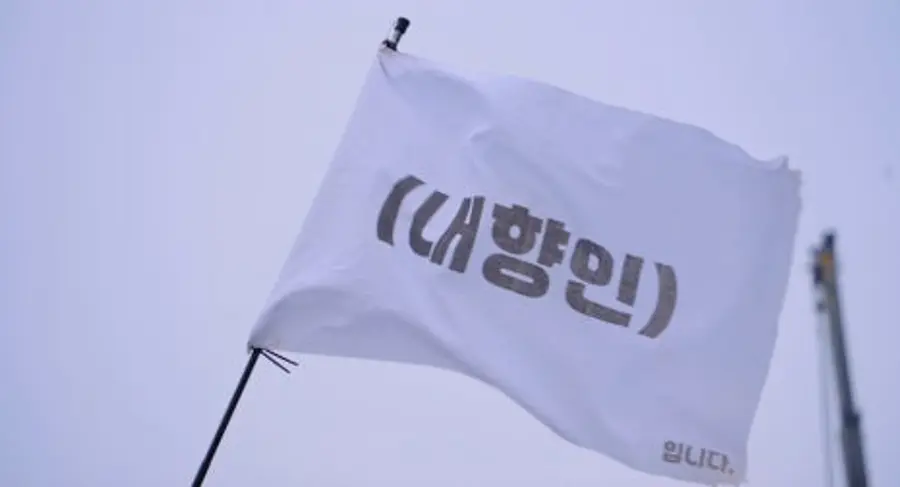
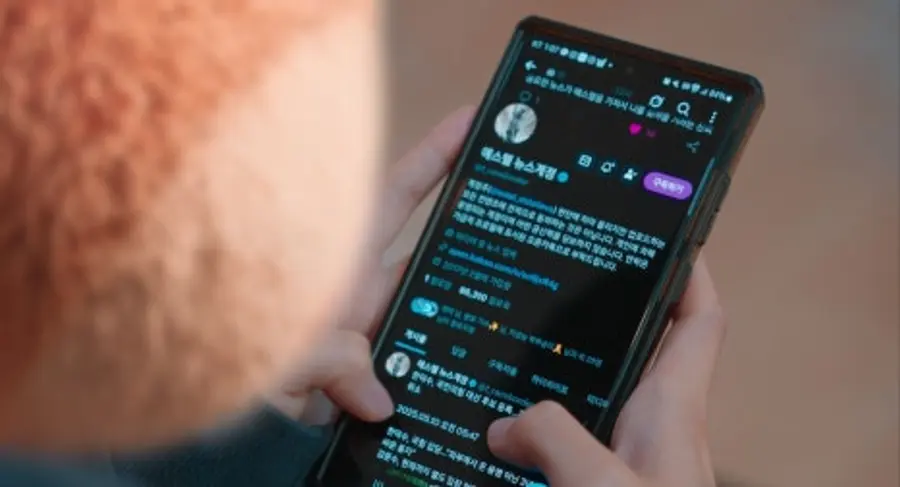
I think it’s a form of the plaza that has evolved. In particular, the fact that a new generation optimized for using SNS stepped to the front also contributed to the change. Previously, the older generations used the offline world as their main stage and relied on the online side; now, it’s the opposite—based on online, actively utilizing the offline plaza, and maximizing its advantages. Namtaeryeong was also the space where this shift was realized most dramatically.
SNS is a part of everyday life. I think if you take SNS away from them, they would feel an enormous sense of loss. But everyone also knows well how dangerous a tool it can be. They’ve experienced cyberbullying, and the fear is really huge. So it’s like they came to realize that it can’t be done with SNS alone, and it can’t be done with only offline either. The way SNS can do well—making issues, building buzz, and sparking things—was something they used effectively. At the same time, through Namtaeryeong and the plaza, they seemed to understand that offline is also necessary. And anyone who went to the现场 to see it in person would probably think about the hard work of the people who keep the offline space running. The activists continuously operating and maintaining the organization—that’s really a kind of extraordinary care. I think Namtaeryeong confirmed just how immense care work really is.
The fact that everyone participated so readily probably means their feelings of achievement from what they experienced at Namtaeryeong didn’t just stay there—they likely had a big desire to share it with even more people going forward.
That’s right. There was a sense of achievement, and remembering a victory is important for Namtaeryeong as well. But for each individual, it also meant something precious: “I contributed something, and I was accepted by society.” Ms. Yongju said that if things were like usual, she wouldn’t have told a man in his 50s or 60s, “She isn’t my daughter.” But at Namtaeryeong, the feeling of the space was that everything was being received, and it was an atmosphere where you could speak. That’s why she could say it. I was happy to hear that Ms. Yongju said, “Because of that memory, I was able to summon even greater courage elsewhere too.”
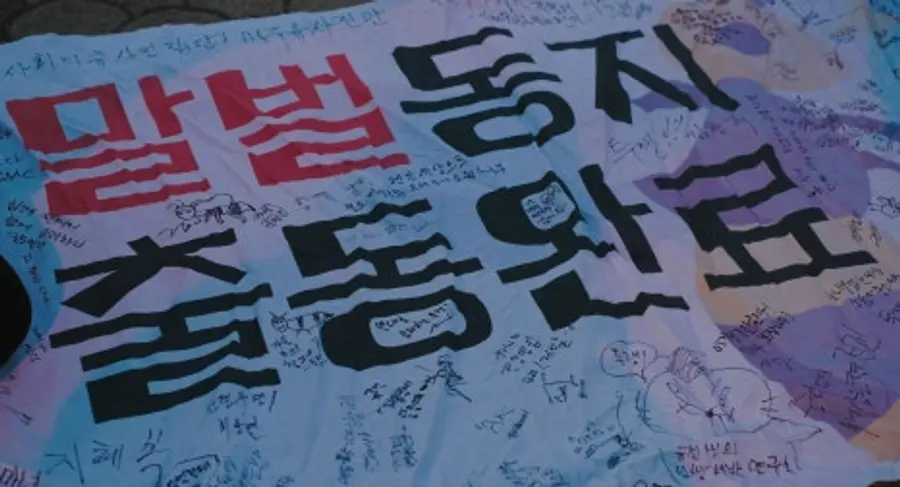
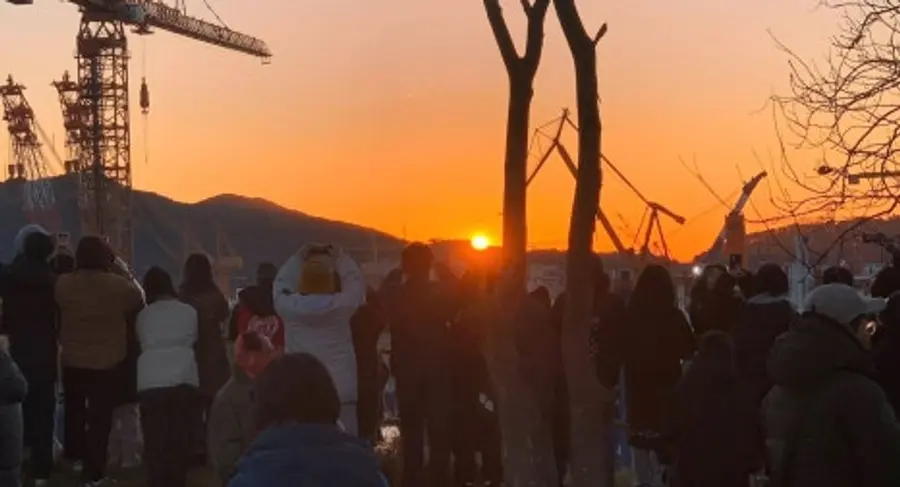
At the end of the film, I felt like it presented an even greater value. I thought that the direction and the location the film wanted to reach would be here. In the end, Namtaeryeong won’t just be a one-night myth—it will become a sustainable plaza culture and a forum for social discourse. And in the end, the meeting of the Namtaeryeong rally participants at the queer parade makes that visible.
Even at the beginning, when we wrote our planning documents in February and March, we had already scattered rainbow rice cakes at Jeonam-dong Market Square—because you told us that we would take part in the queer parade. So I thought the final scene had to become the queer parade. I made a reporting plan because I believed it connected perfectly in a cinematic way. But even then, I think I was kind of naive. I thought that by around this time, all the issues caused by the forces of the insurrection would be cleared up, and that everyone would be happy at the queer parade. But many things still haven’t been resolved. That’s why we needed those interviews after that to come in a lot.
What was the turning point that shaped the direction of the second half?
I interviewed Professor Hwanjoo Jeon (Secretary General, Jeon Guk Farmers’ Association Yeongnam Federation) in the spring. We had said we’d go back when we harvested again. But the harvest ended up failing—our farming didn’t go well. We were in a situation where we had to give up half of it. And Professor Jeon said, “It can’t be helped.” He also wasn’t going to set the field on fire or abandon the field and leave. He said, in any case, we harvest. If next year goes a little better, then it will be fine. It meant not giving up. That taught me something. We’re done—so what do we do next? Namtaeryeong’s myth won’t be repeated every day. So how do we live? That’s when, as Professor Jeon said, we can keep farming. It felt like if we plant the seeds of Namtaeryeong in our everyday lives, even if only a portion sprouts, then that means half has sprouted—so we can keep farming. After I made that kind of structure, suddenly I thought of 〈Adult Gimjangha〉. 〈Adult Gimjangha〉 is the story of a single enormous superhuman who takes care of an entire city over his lifetime. But after the film came out, I worried that people would only end with, “What an amazing person! I respect you,” as if that were the end. Then the teacher would remain a lonely hero all by himself, and if we go back to living only for ourselves again, the world will be hard until another Gimjangha appears. But when the teacher said, “The world is sustained by ordinary people,” that’s the ordinary people I met at Namtaeryeong. Namtaeryeong was possible because those people cared for one another. I thought, “So that’s it. That’s what the teacher meant.”
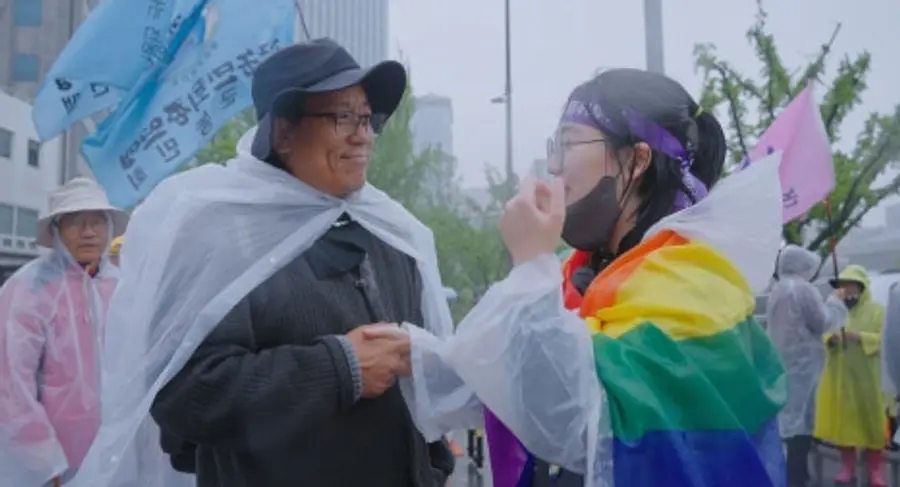
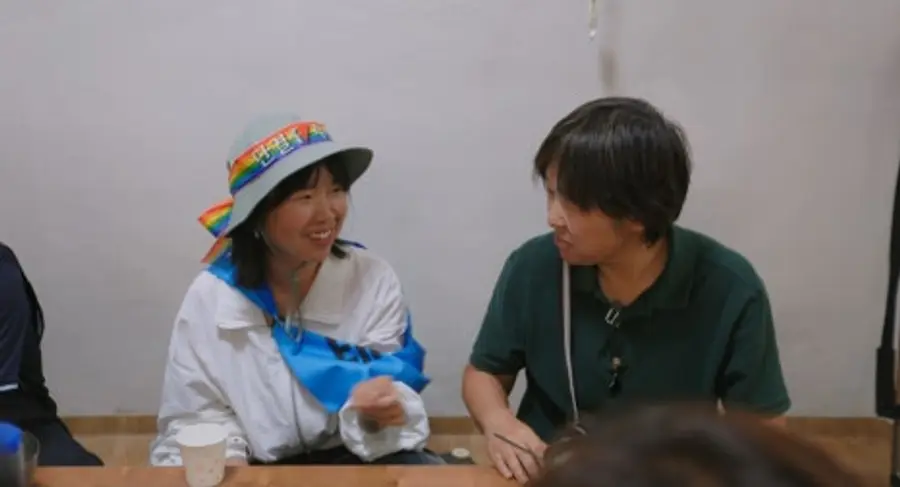
Also, it’s important that it connects back to Mr. Gimjangha. After all, it’s currently Namtaeryeong, but it’s a story about the possibility that a plaza can open anywhere—and it adds meaning as a place for connection between people.
That’s right. Anywhere. In our workplace, in school—anywhere. I don’t mean that we don’t have differences. It’s more like, “You and I are totally different people, but we’re here together in the same place. So we have to sit together and talk, and we can do that.” You can’t suddenly turn everyone into an angel and accept and take in everything about the other person just by saying “we’re united.” But I think it would be enough just to be able to start a conversation—to recognize that it’s impossible to have the desire to eliminate you by killing you. And I hope you’ll enjoy it. (laugh) Maybe that’s where the real conversations will begin in earnest.
Cineplay, Lee Hwa-jung, Guest Reporter
![[Interview] “In the Flow of the December 3 Coup Attempt, the Most Decisive Moment Is Namtaeryeong.” Director Kim Hyun-ji of ‘Namtaeryeong’ ①](https://cdn.www.cineplay.co.kr/w160/q75/article-images/2026-05-19/bdbc0f08-d905-4eb9-b7a7-94c9d02657f9.jpg)
댓글 (0)
댓글 작성
댓글을 작성하려면 로그인이 필요합니다.
로그인하기