




Opening June 24, 〈Supergirl〉 is the second theatrical outing in James Gunn's DC Universe and a loose follow-up to 2025's 〈Superman〉. With the DCU's No. 2 batter stepping up to the plate, the film poses the question of whether it can properly continue the DCU's momentum. The movie follows Supergirl (Millie Alcock), who left with Krypto in the previous film, and centers on her encounter with Lucy (Eve Ridley), who vows revenge. Lucy says she will give the heirloom sword her father left to anyone who helps her track down "Krem of the Yellow Hill" (Matthias Schoenaerts), the man who massacred her family. Kara initially refuses to help, but when Krem poisons her companion dog Krypto, she helps Lucy pursue him to obtain an antidote. Seen in advance at a press screening, this is an early review based on a press preview held before the film's release.
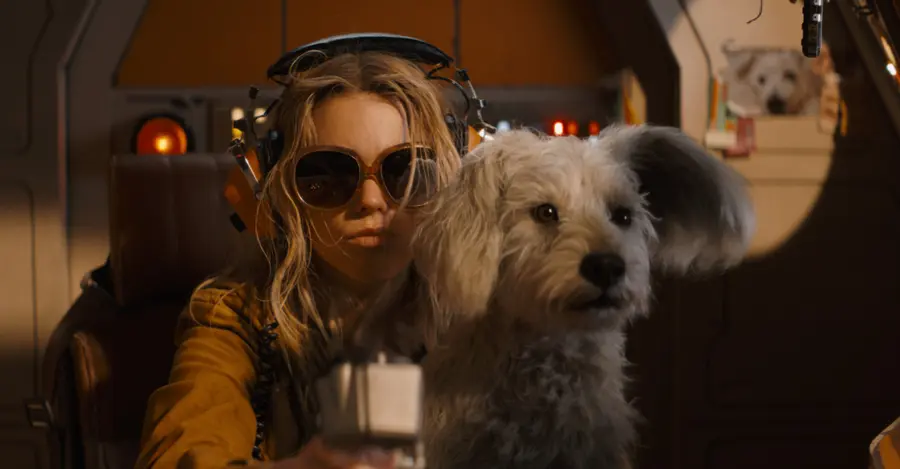
〈Supergirl〉 opens by showing Kara Zor-El's life after 〈Superman〉. "Life," as the earlier film noted, mostly consists of drinking under a red sun to feel like a normal person. Perpetually half-drunk, Kara is approached by a girl who calls herself Lucy. Lucy says she will give the heirloom sword her father left to anyone who helps her track down "Krem of the Yellow Hill" (Matthias Schoenaerts), the man who massacred her family. Kara at first refuses to help, but when Krem poisons her companion dog Krypto, she pursues him to obtain an antidote.
〈Supergirl〉 is a standalone film you can watch without any prior DCU knowledge. The movie explains Supergirl's past traumas within its own story. At the same time, it also serves the universe well: the film more clearly depicts how Kara came to Earth and what Krypton looks like within the DCU. 〈Supergirl〉 therefore works as a loose companion piece to 〈Superman〉 while also helping to solidify the DCU. Where 〈Superman〉 paid homage to earlier films by portraying the hero as a "fully formed" figure, this film traces how an exceptional person strives to be good again, delivering the familiar pleasures of a character-growth superhero movie.
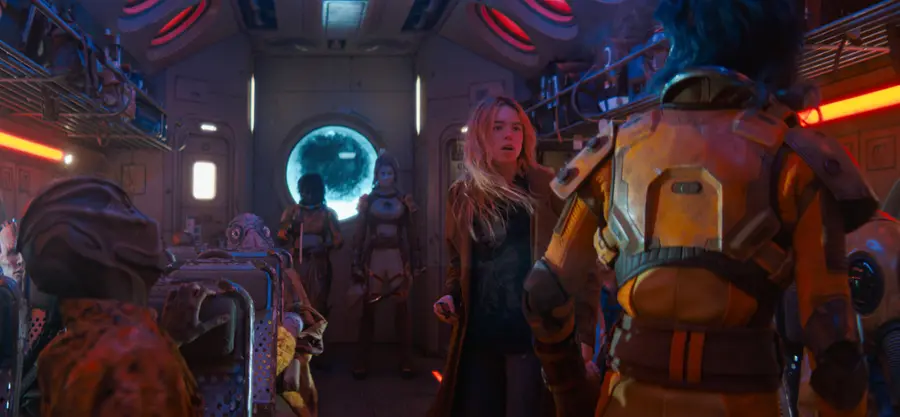
A clear difference from 〈Superman〉 is that this film is set in space. It introduces a large number of aliens and, since the protagonist is a drinker, features space taverns—elements that often evoke 〈Star Wars〉. Because the story moves across planets, it can also be viewed as a space opera. The universe in 〈Supergirl〉 leans less toward presenting a completely new world than toward stimulating nostalgia for existing science-fiction films.
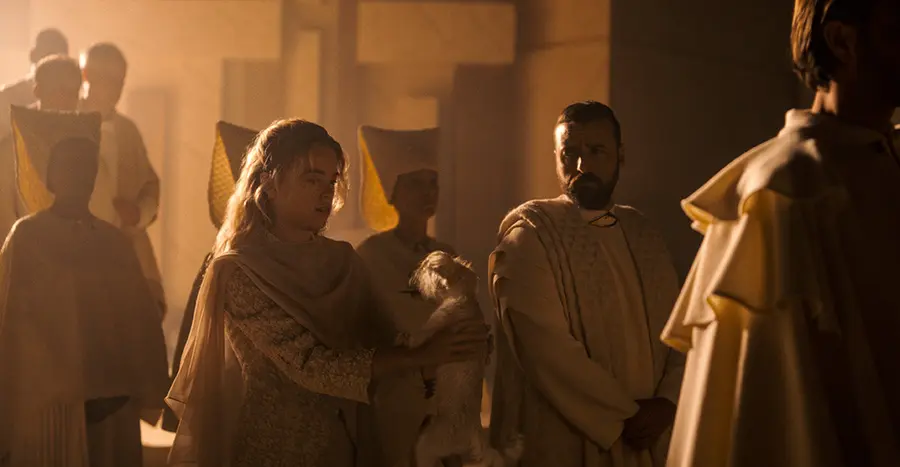
As a film built for a larger shared universe, it rewards viewers who have followed the other entries. But as a standalone movie it has shortcomings, the biggest being that the action is somewhat bland. 〈Superman〉 also drew criticism from fans accustomed to the DCEU for its action, and this film can feel the same. The creativity and scale of the action are not poor. The problem is that some action sequences lack visual clarity; even when they are brisk and expansive, they fail to deliver the visceral thrill to the audience.
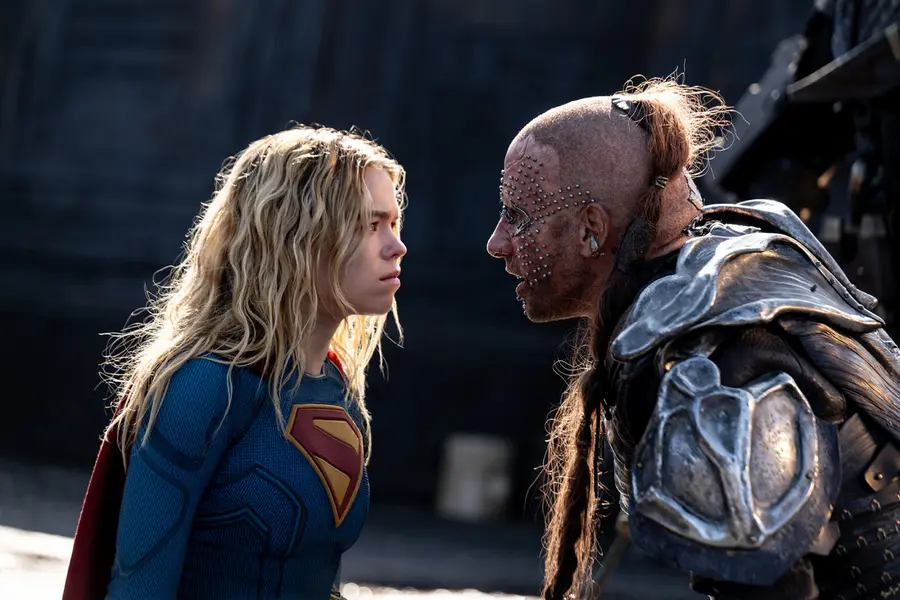
The film's crises and resolutions also feel somewhat ordinary. It is true that Supergirl is such a powerful character that there are limits to how you set up jeopardy. However, what appears to be the film's biggest crisis is resolved too conveniently, instantly dissipating the overall tension. In that process, the main villain—Krem of the Yellow Hill—becomes somewhat muddled. Although the film depicts Krem as someone who could "defeat a thousand," he initially acts like a strategist who quickly identifies Supergirl's weaknesses and prepares accordingly, yet the ultimate means to defeat her is left inexplicably loose, which undermines the character's overall appeal.
〈Supergirl〉 is appealing both as a standalone piece and as a foothold for expanding the DCU. Craig Gillespie and Millie Alcock give this version of Kara Zor-El a distinct identity, and her future in the DCU looks promising. Still, the lack of a single, powerful knockout moment is disappointing. Just as 〈Superman〉 offered a clear vision in reinterpreting the nobility of the classic Superman, one wishes 〈Supergirl〉 had left a stronger, lingering image after the credits. 〈Supergirl〉 is a commendable answer for viewers who crave a hero, but those expecting a blockbuster superhero film may feel the absence of a more forceful punch.
※ There are no post-credits scenes.







댓글 (0)
댓글 작성
댓글을 작성하려면 로그인이 필요합니다.
로그인하기