



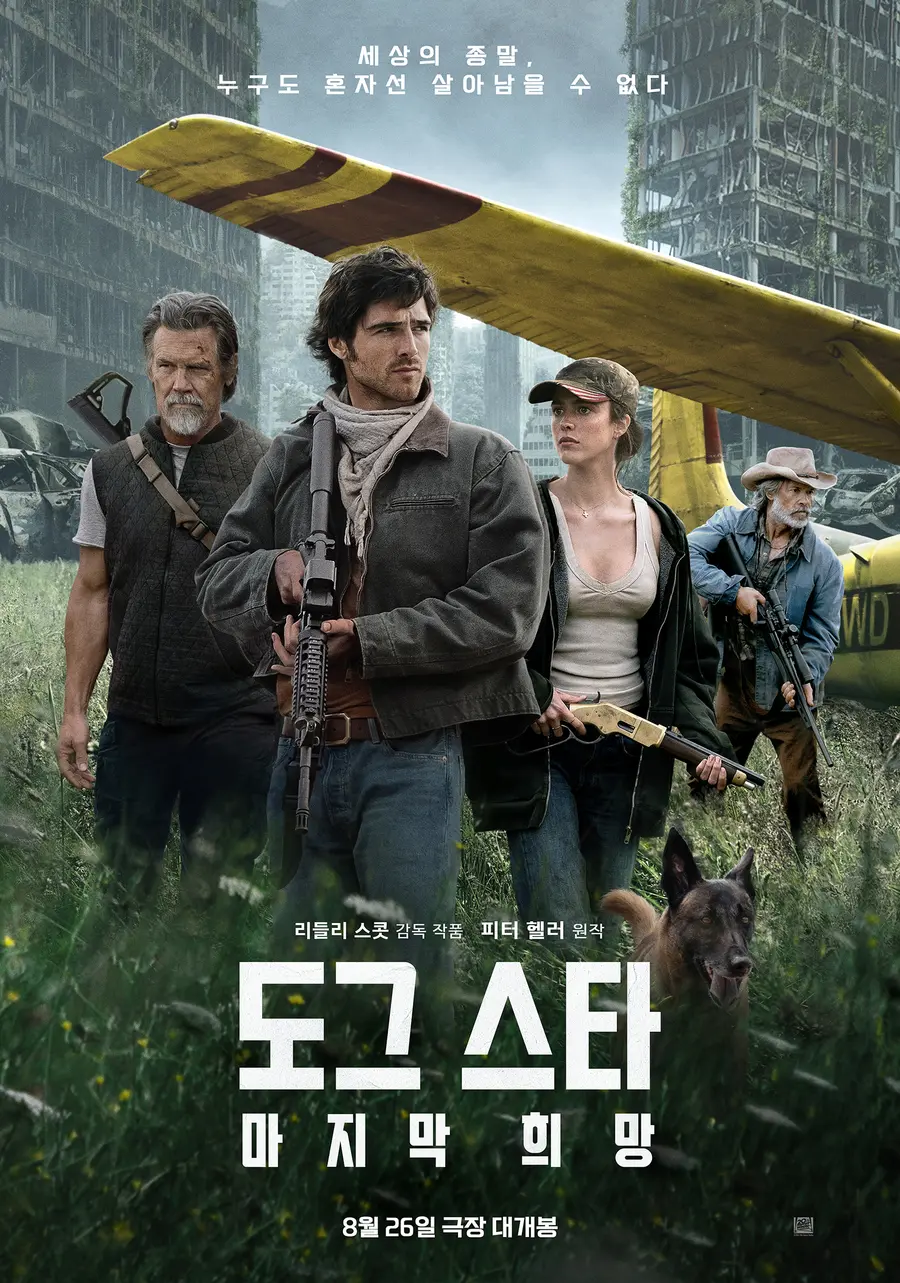
Ridley Scott's 〈Dog Star: Last Hope〉, adapted from Peter Heller's novel, imagines a virus-ravaged 2035 as both post-apocalyptic drama and road movie — with striking visuals but uneven dramatic payoff. At 88 and still energetically directing on set, Scott adapts the novel into a film about a man's journey in a world where civilization collapsed because of a virus. On August 25, a day before its release, I attended a press distribution screening of 〈Dog Star: Last Hope〉 (hereafter 〈Dog Star〉) and offer the following review.
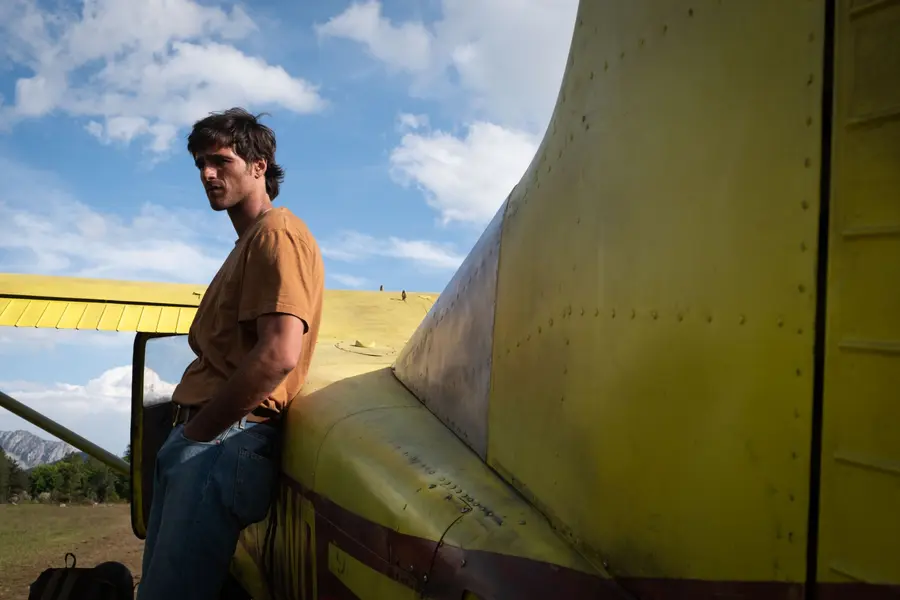
Hig (Jacob Elordi) survives in a world where civilization has collapsed from a virus alongside his neighbor Bangley (Josh Brolin) and his dog Jasper. Flying a small plane to fetch supplies and scout for intruders, Hig lives a routine life until one day he picks up a mysterious radio transmission from "Grand Junction." He has no clear idea who sent it or whether it came from an actual person, but the broadcast sends him on the road.
「Dog Star」 operates within the familiar framework of the post-apocalyptic genre, a setting where civilization has disappeared after some catastrophe. People must keep moving to survive and constantly defend themselves. Even so, 〈Dog Star〉 dismantles many of the genre's archetypal post-apocalyptic images. Unlike works that try to form makeshift communities, Hig cares for those around him but forms no deep attachments beyond Jasper. As a result, the film's opening offers a string of pastoral vistas that are unusual for the genre. The ruined city remains present, of course, but the landscapes Hig surveys from the air feel refreshingly like a nature documentary rather than a typical genre picture.
In that way, the post-apocalyptic setting in 〈Dog Star〉 functions more as a backdrop; the story's core is closer to a road movie. Hig's experiences as he leaves Bangley and heads to Grand Junction are central to the film. After an emergency landing caused by a plane malfunction, Hig ends up at a farm run by Pops (Guy Pearce) and Sima (Margaret Qualley). The time he spends with them plays the largest role in conveying Hig's emotional state and transformation. In these scenes, Hig begins to recover the emotional fullness missing from life with Bangley, who always prioritized survival, and that change gives him the resolve to set out for Grand Junction again.
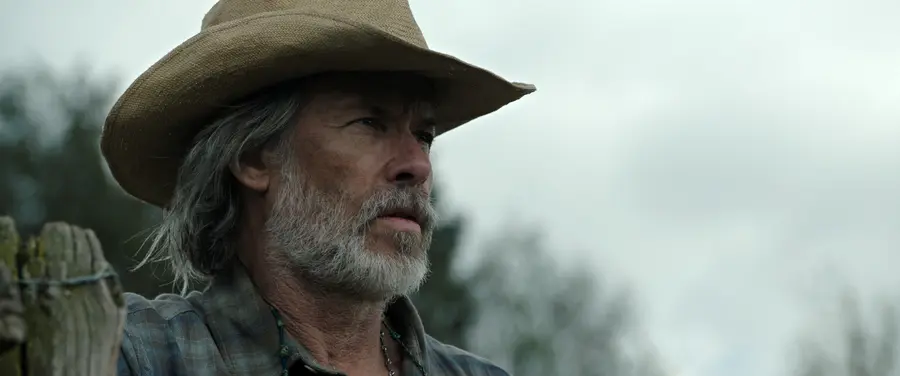
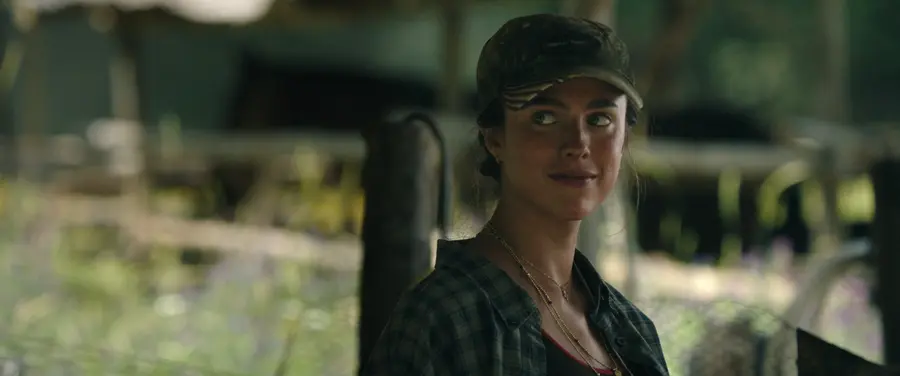
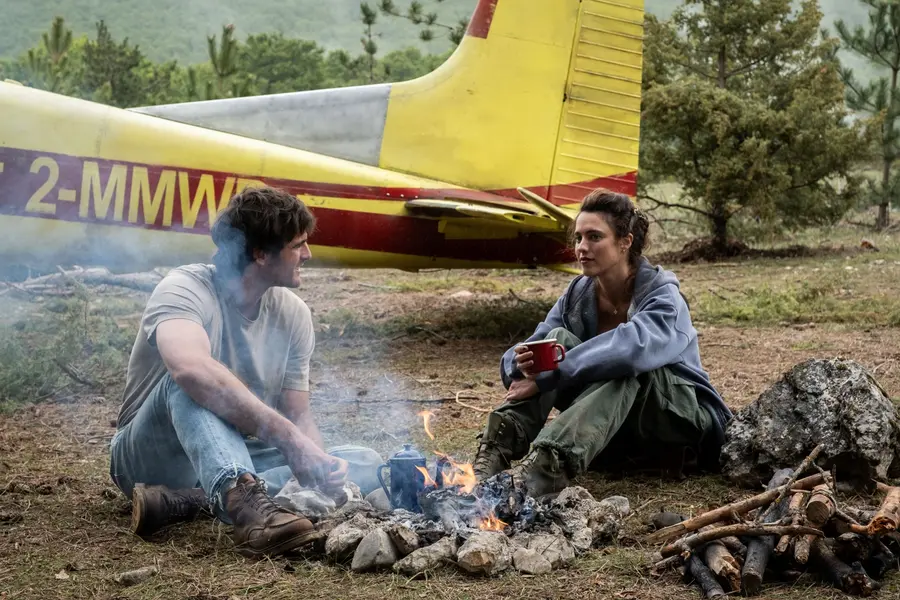
〈Dog Star〉 reorganizes its world around human beings who must continue living even after civilization falls, rather than foregrounding the thrill of the post-apocalyptic genre. To translate that visually, the film relies on cinematography that highlights the landscape, music that naturally draws the audience in and heightens the scenes' emotions, and committed performances that together evoke the quiet of a de-civilized world. At the same time, several elements suggest the film is also a metaphor for American history and desire. Its pastoral landscapes evoke an image of "home" long cherished by Americans, while the varied forms taken by the raiders recall communities that have represented different eras across popular culture. Grand Junction becomes the point where that idea comes into focus. Ridley Scott appears to be aiming not only to depict human relationships and hope, but also to channel desires many people have long pursued without ever fully achieving.
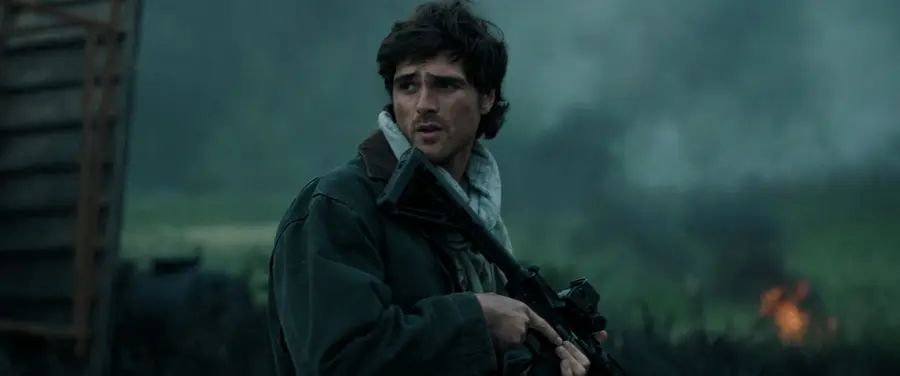
However, whether 〈Dog Star〉 is a great film—or a satisfying one even if it subverts expectations—remains an open question. The film largely tries to distinguish itself through a lyrical tone and pastoral imagery. The problem is that its rhythm is too slow for many viewers. Opting for breathing room over dense exposition aims to convey Hig's loneliness and sense of loss, but even considering that, the film takes too long to get underway. Because so much care is lavished on the opening, the back half picks up pace to an almost excessive degree, leaving little time for the audience to feel catharsis despite the film's attention to character. Nor is the story especially poignant. The novel's strength—its deep first-person look into Hig's interior life and its praised portrayal of humanity in a post-apocalyptic setting—does not fully translate to the screen, leaving the film to rely on familiar human-drama and post-apocalyptic tropes that feel somewhat bland. To be sure, bold action and chase moments occasionally blow away those story clichés, but overall, viewers expecting a genre picture will likely find it insufficient.
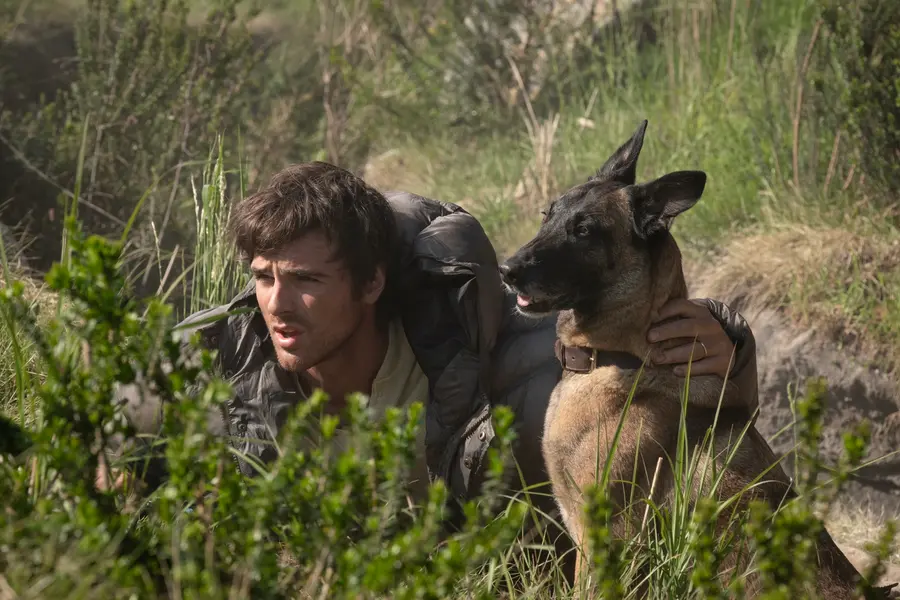
In the end, 〈Dog Star〉 never fully capitalizes on the strengths of either the post-apocalyptic film or the road movie. It is too lyrical to read primarily as the former, and the protagonist's transformation along the journey does not land with sufficient dramatic force for the latter. Of course, with Ridley Scott at the helm, the film's visual design and tension-building direction are clearly above average. Still, audiences drawn by the name "Ridley Scott" are likely to have higher expectations, and it is hard to shake the sense that the film is a bit underwhelming. 〈Dog Star: Last Hope〉 opens on August 26.

![[On the Ground at BIFF] “It Wasn’t Your Birth Mother’s Fault”: ‘Home Sick’ Director Sørensen’s First Confession Reveals Truth Behind 56 Falsified Adoptions](https://cdn.www.cineplay.co.kr/w300/q75/article-images/2026-10-10/6dca361c-d923-44a5-9b83-86299ab17f64.jpg)

![[Interview] Gong Hyo-jin on the laugh-and-cry power of 'Gyeongju Trip' (1)](https://cdn.www.cineplay.co.kr/w160/q75/article-images/2026-08-21/a6201ecb-56d9-4bd7-a2f1-fe4d93a1bfdd.jpg)




댓글 (0)
댓글 작성
댓글을 작성하려면 로그인이 필요합니다.
로그인하기