



Names matter, and titles are just as important in popular entertainment. A title has to be instantly recognizable, memorable and true to the work if it is going to stick with audiences. Yet some series have ended up with two names. Here’s a look at works known by different titles in Korea and abroad, including two series that have just released new entries.
「Meonjakkwi」 = 〈Chiikawa〉
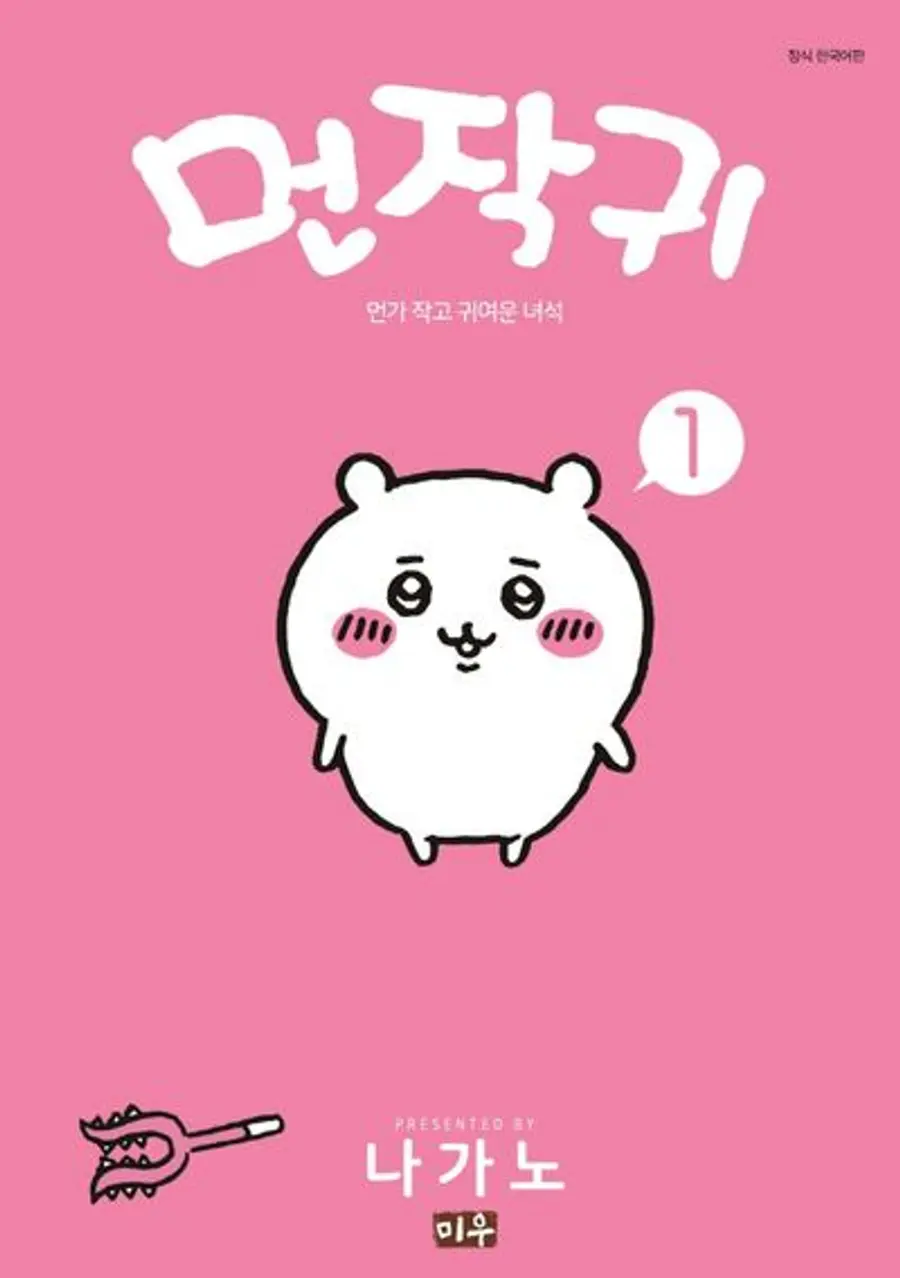
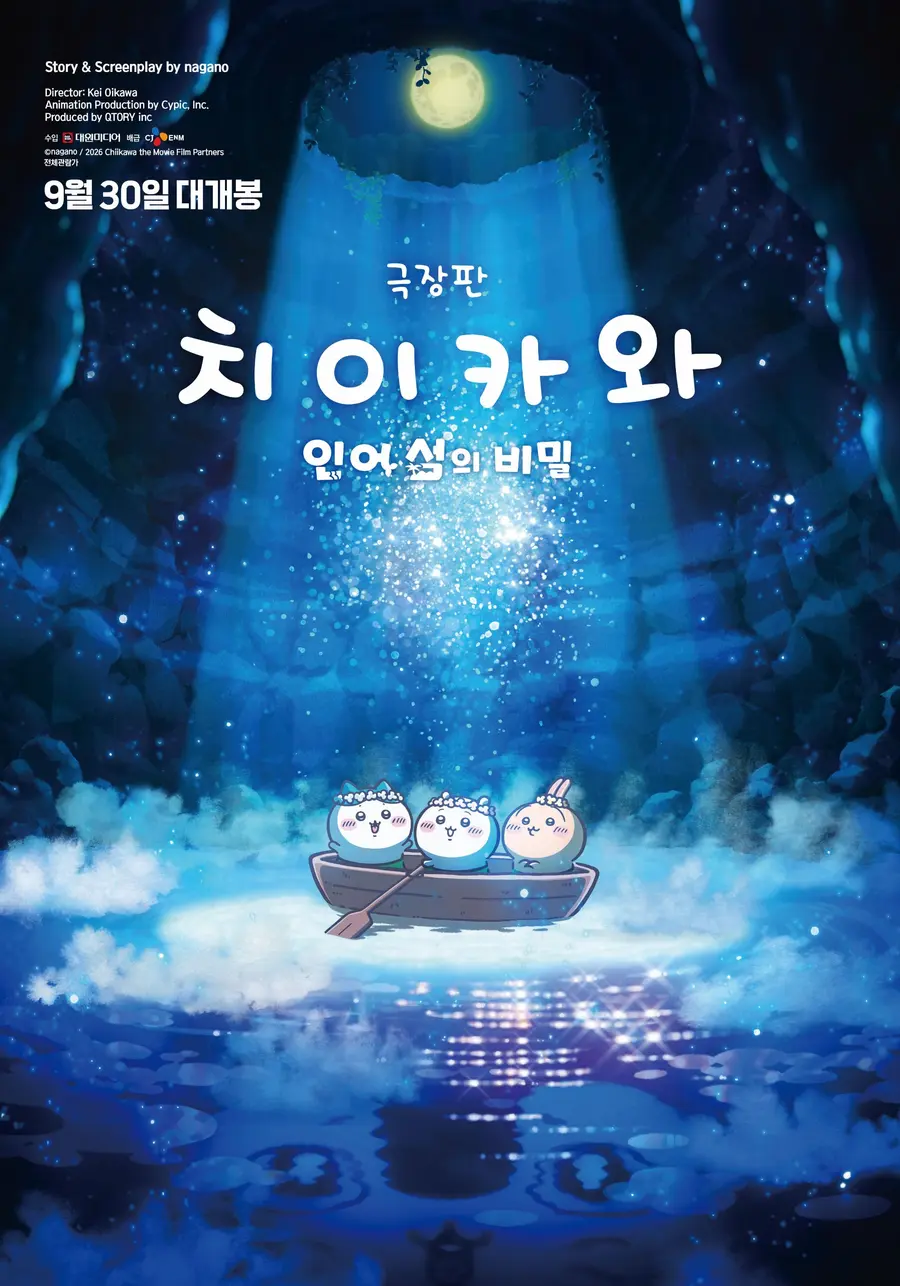
South Korean theaters have seen an unexpected animated box-office hit almost every year in recent years, and 2026 looks set to hand that crown to 〈Chiikawa the Movie: The Secret of Mermaid Island〉. After opening on Sept. 30, the film drew 740,000 viewers within a week, a reminder of the twenty‑first‑century adage that "cuteness saves the world." The film is based on a comic of the same name — and ironically, no comic by that title exists in Korea, because the comic was published there under the localized title 「Meonjakkwi」, a Korean-market title whose literal meaning is "something small and cute."
「Meonjakkwi」 is the localized Korean title; it literally means "something small and cute." You might question whether colloquial shorthand belongs in a title, but this turns out to be a faithful rendering of the original. The original title, Chiikawa, is itself a contraction of the Japanese phrase Nanika chiisakute kawaii yatsu (何か小さくてかわいいやつ) — "something small and cute" — shortened to Chiikawa. In that sense the Korean title is essentially a literal translation of the original. That said, the original is eponymous — the protagonist’s name is the title — while the Korean edition’s title does not match the character’s name, which some fans find regrettable.


As the series grew popular in Korea and character recognition outpaced awareness of the original work, the Japanese title Chiikawa began to be used more often. Not only the recent film but also pop-up stores and permanent shops have been promoting the name Chiikawa rather than 「Meonjakkwi」, so except when referring explicitly to the original comic, most public materials now use Chiikawa.
Resident Evil = Biohazard
Which is more familiar: Resident Evil or Biohazard? The answer is often a quick tell: movie buffs tend to say Resident Evil, while gamers are more likely to say Biohazard. 〈Resident Evil: Night Zero〉, which opened on Sept. 17, is a reboot of the live-action Resident Evil film series. The Resident Evil films familiar to Koreans were released beginning in 2002 and, through 2016, amounted to six films. Starring Milla Jovovich, that series drew criticism for being very different from the source material but won popularity by pushing action to the extreme. After the series concluded, a 2021 film, 〈Resident Evil: Welcome to Raccoon City〉, adapted a story closer to the original game. When that film produced lukewarm results, the franchise moved to something between a faithful adaptation and an original story with 〈Resident Evil: Night Zero〉.
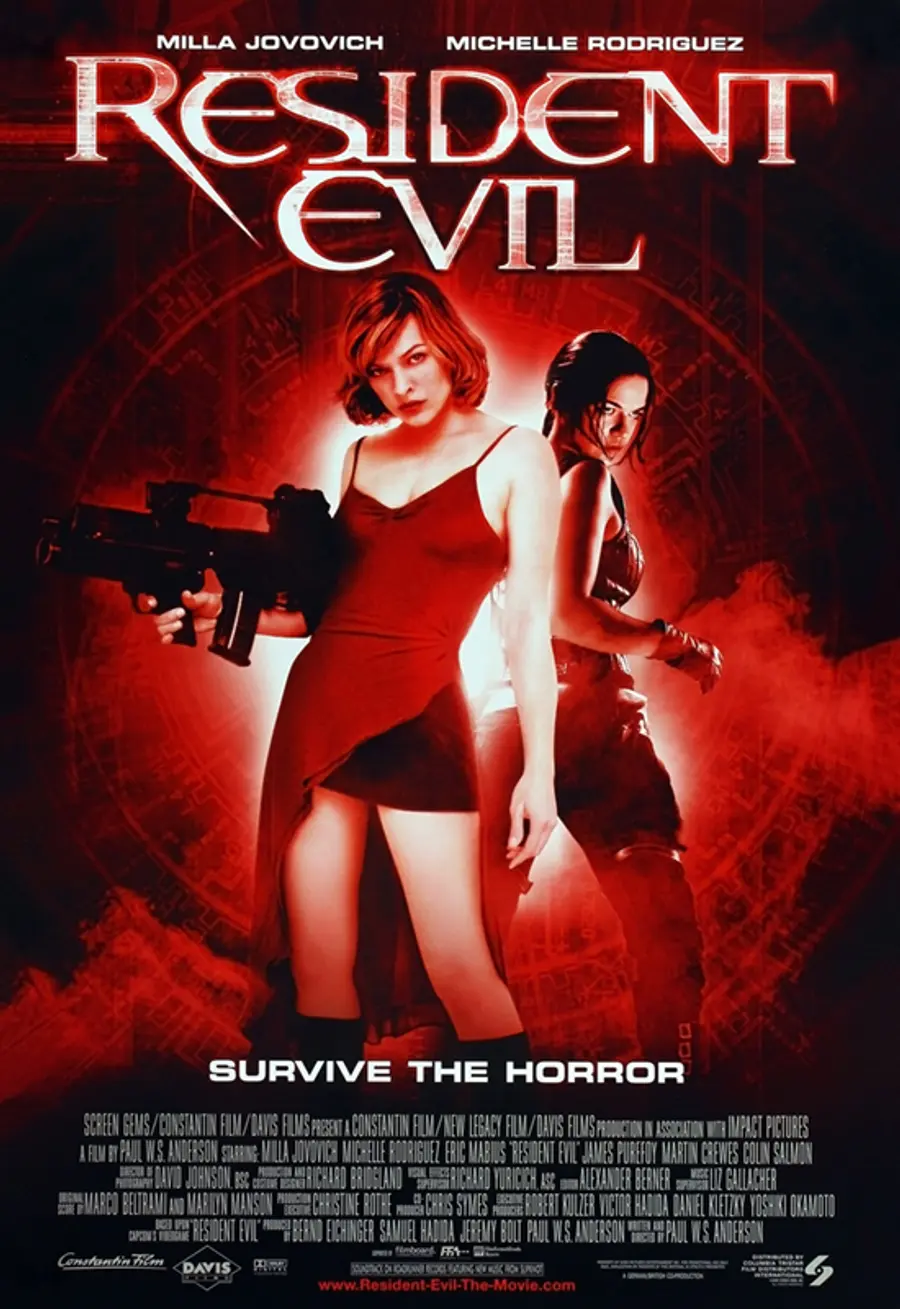
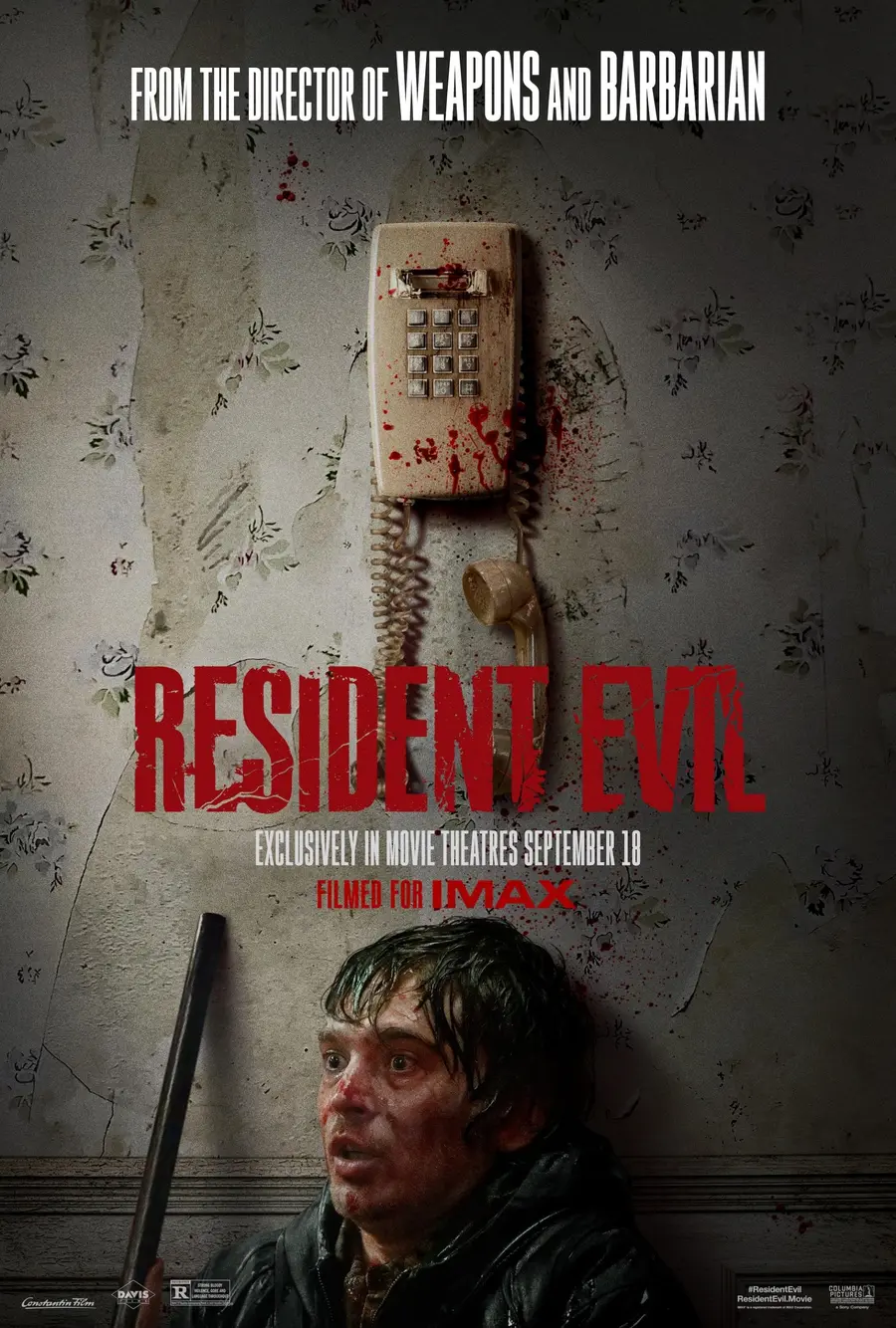
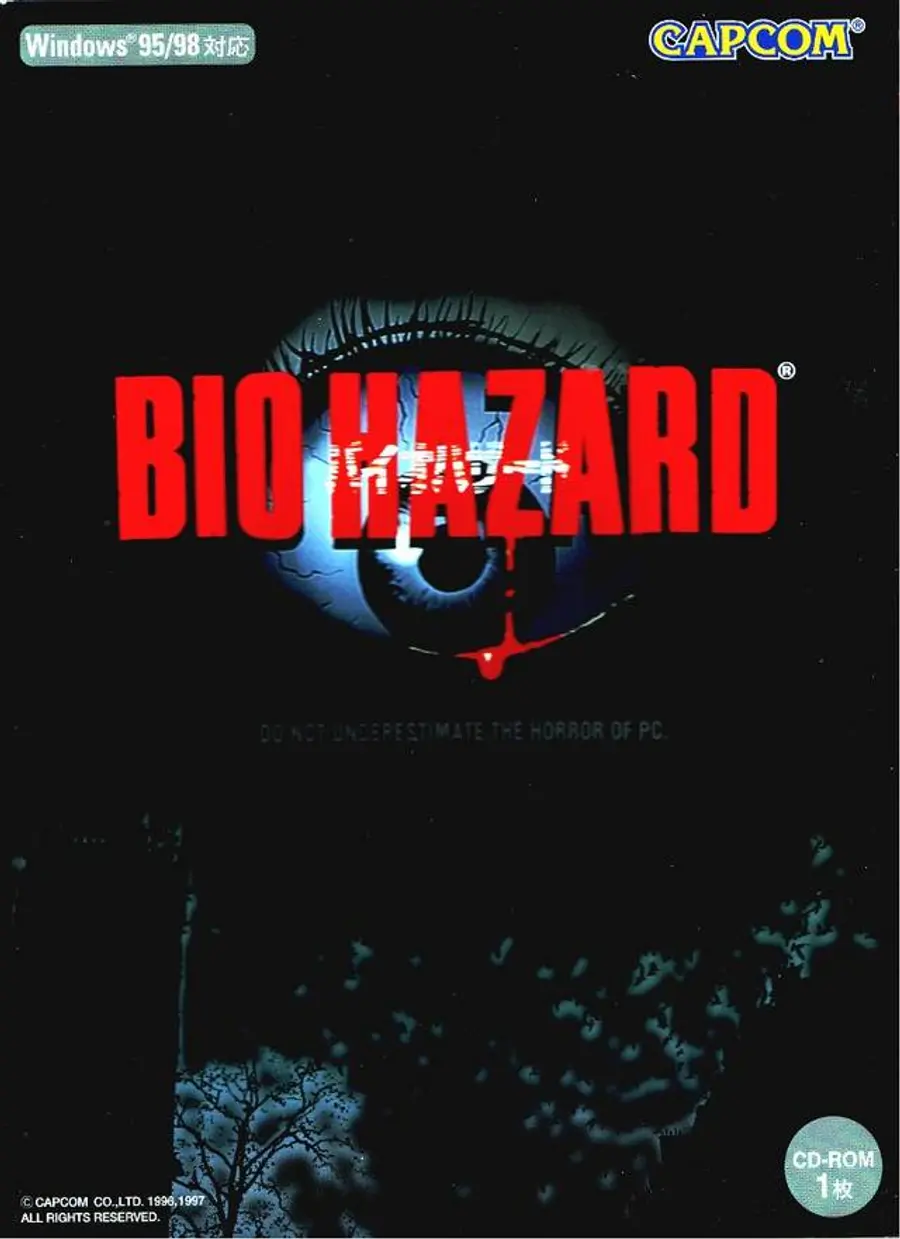
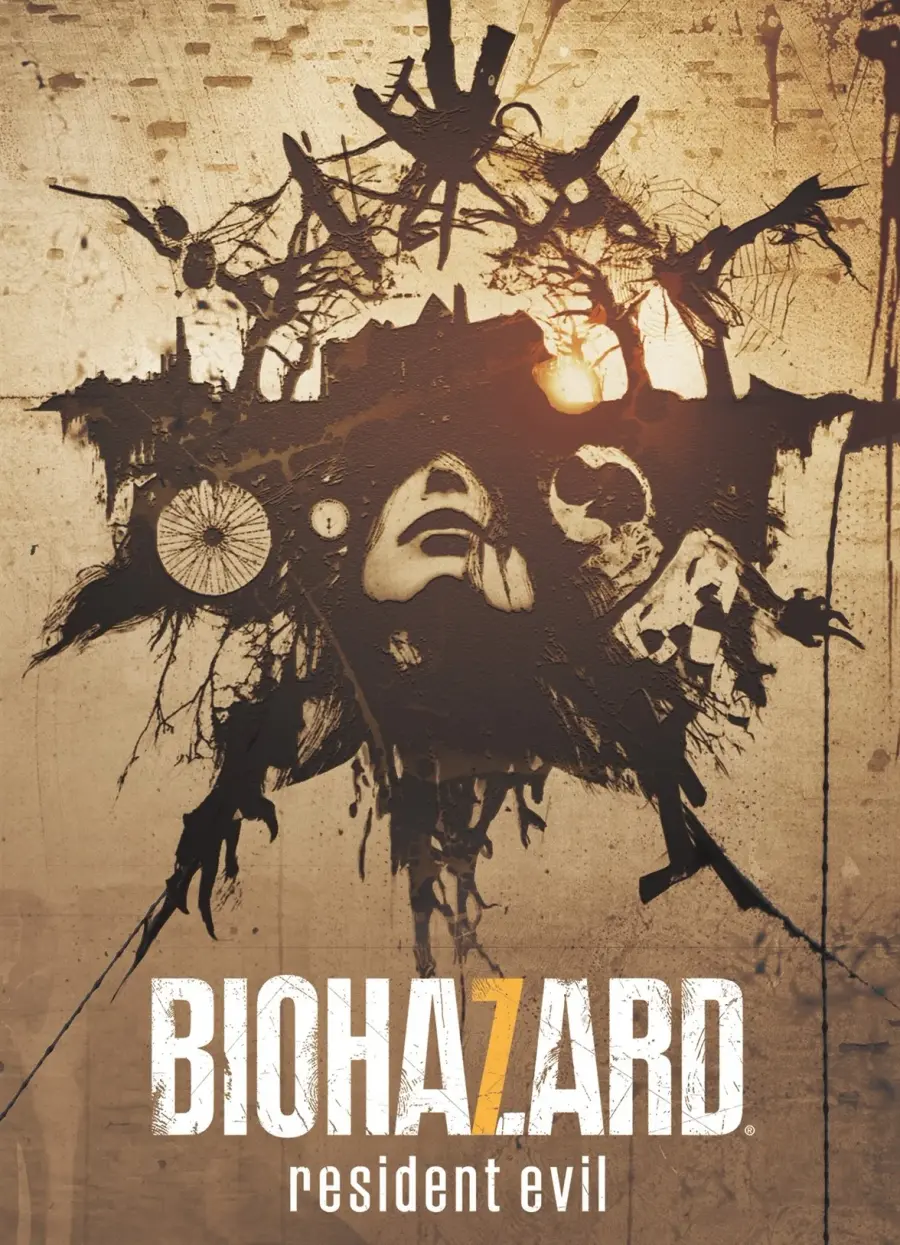
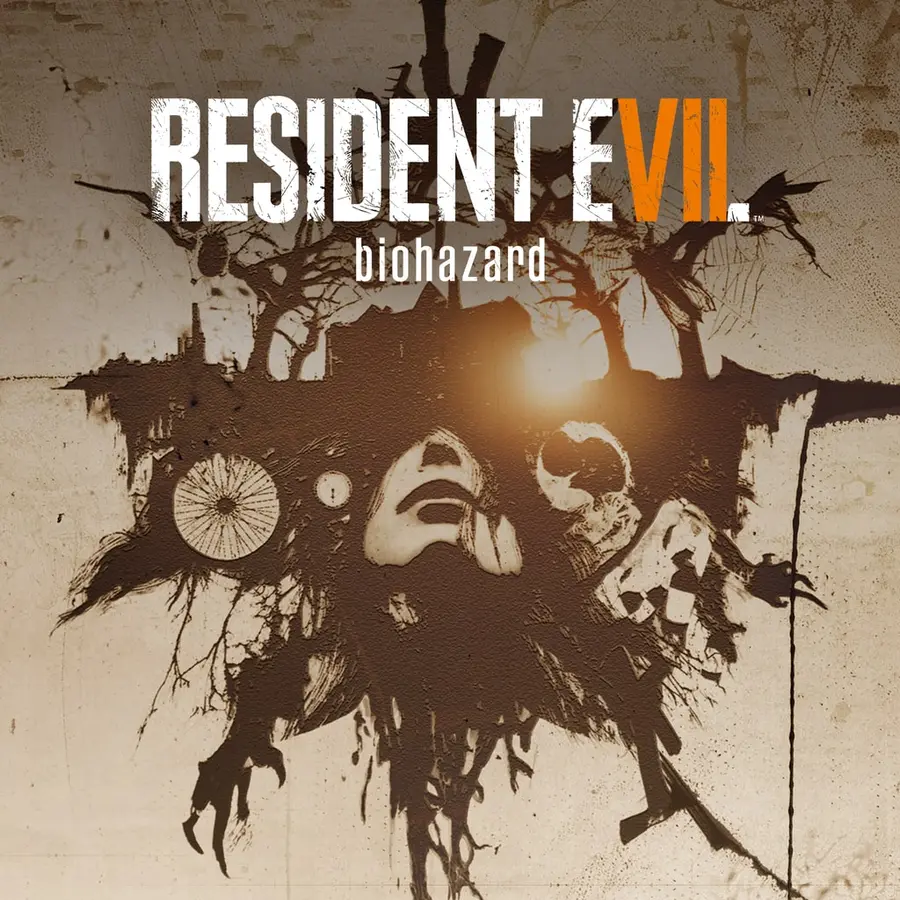
If you are not well versed in the franchise’s origins, you might wonder what "Resident Evil" actually refers to — because there is no title by that name in Korea. In fact, the original title behind "Resident Evil" is "Biohazard." Capcom’s flagship series Biohazard debuted in 1996 and has grown into a long-running hit with nine mainline entries, four remakes and roughly ten spin-offs. The reason Biohazard became Resident Evil in the U.S. comes down to trademark law: when the game was released in the U.S., a band had already registered the Biohazard trademark, so Capcom released the game there as Resident Evil and continued to use that name for releases outside Japan, which led the series to be known by that title globally. Korea, which did not have a conflicting trademark, received the games under the original Biohazard name, which is why people who discovered the franchise through gaming are more likely to know it as Biohazard. Conversely, those who came in through the films typically know it as Resident Evil.
Zootopia = Zootropolis
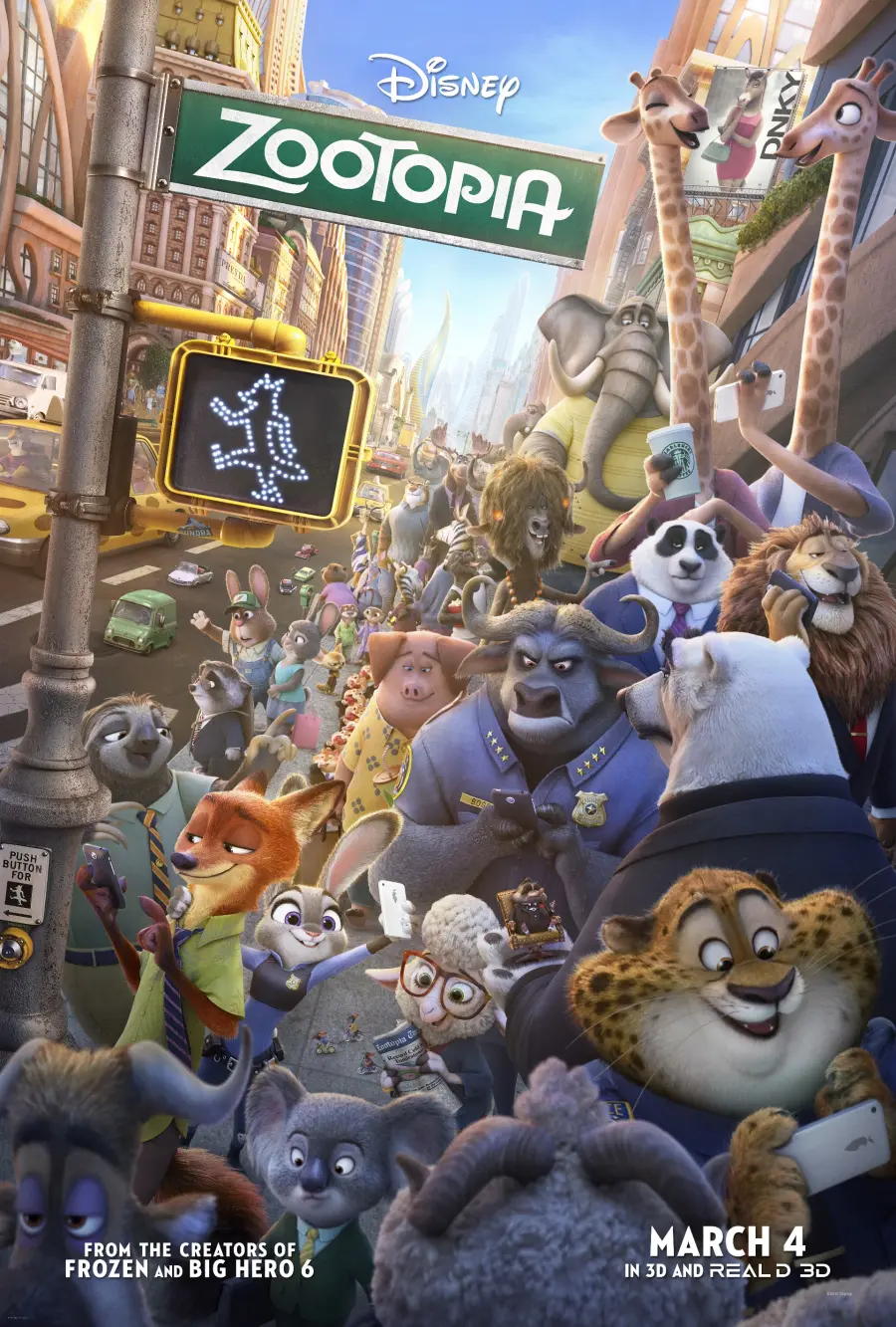
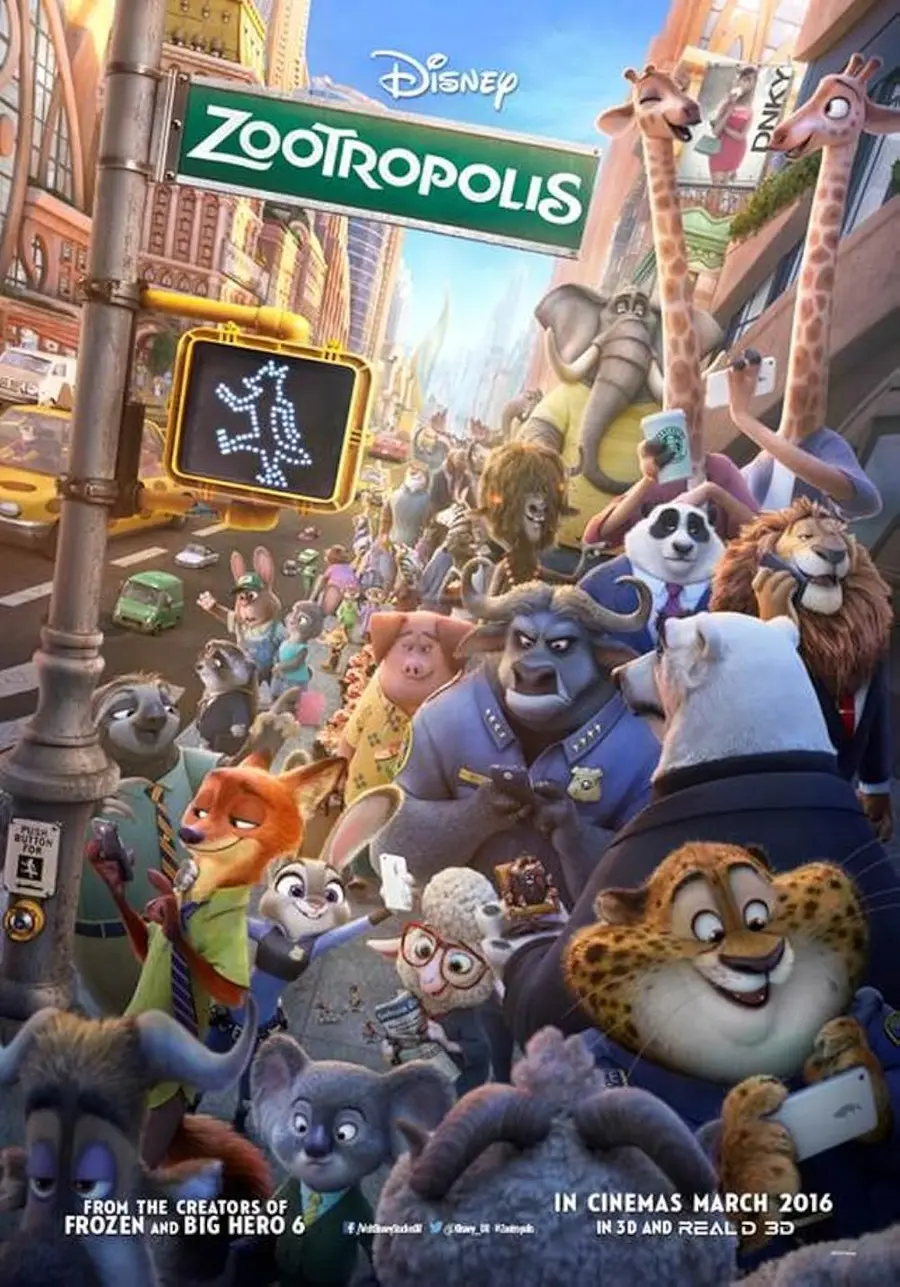
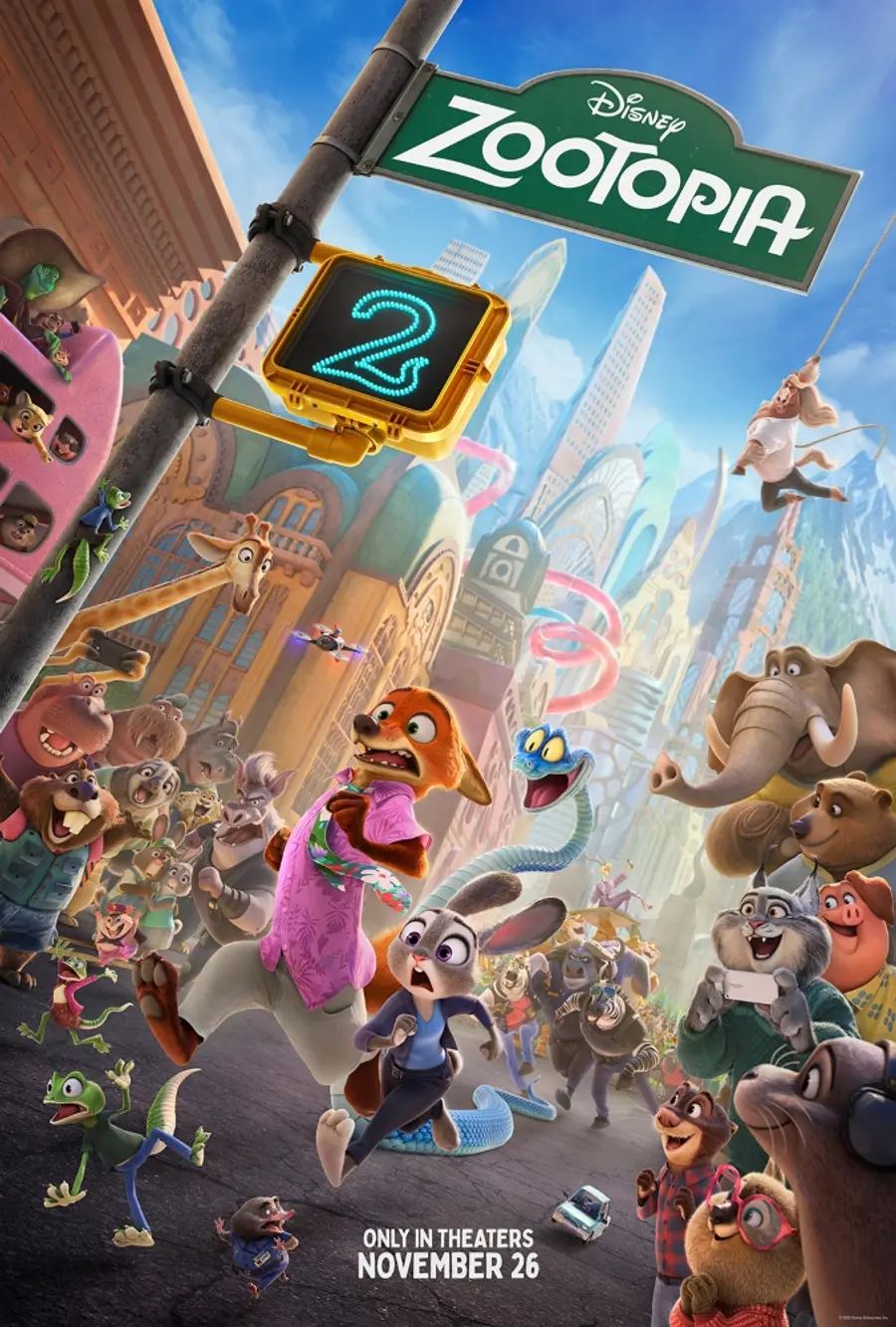
Capcom is not the only party to face trademark setbacks. A more recent example involves Disney’s 〈Zootopia〉. The title combines "zoo" with the utopian "utopia" to succinctly express the concept of a civilization of animals living within a society. After its release the film was a global hit and the coined term quickly became a proper noun.
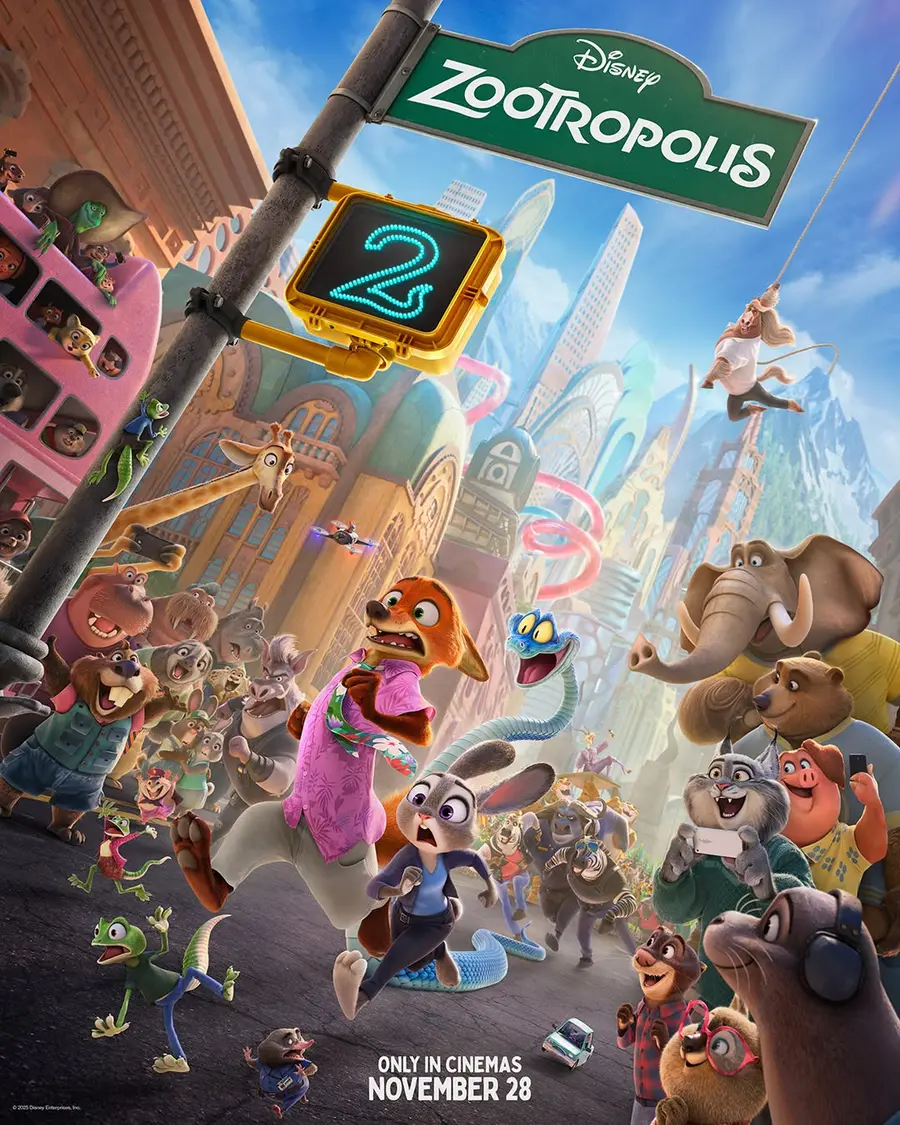
But Zootopia did not become a universally available term: in some countries the name had already been trademarked, forcing the film to open under a different title. In parts of Europe, including the U.K., where 'Zootopia' could not be used, the film was released as 'Zootropolis' — a blend of "zoo" and the city‑denoting "metropolis." If Zootopia captured the idea of a civilization of socialized animals, Zootropolis emphasizes events unfolding in a big‑city setting, so the alternate title is also apt. If you are looking for 〈Zootopia〉 in Europe, search for 〈Zootropolis〉.



![[Written Interview] 'Street Fighter' ④ Kalina Liang on playing Chun-Li: “Everything you see in the film is my real body.”](https://cdn.www.cineplay.co.kr/w160/q75/article-images/2026-10-02/7fd4c035-0c83-4ec8-96fd-635edef2a9a7.jpg)


![[Kim Ji-yeon's Gem Box] 38-Year 'Rookie' Actor Nam Kwon-a of 'Tazza: The Song of Belzebub' and 'Gyeongju Trip'](https://cdn.www.cineplay.co.kr/w160/q75/article-images/2026-10-06/a02643a4-5810-431d-a65f-d9f0165c85cd.jpg)
![[Busan International Film Festival] Grand opening draws Michelle Yeoh, Hyun Bin and other stars as 93 world premieres are unveiled](https://cdn.www.cineplay.co.kr/w160/q75/article-images/2026-10-07/604fc059-c33f-4cd2-bd17-672eb66f4839.jpg)
댓글 (0)
댓글 작성
댓글을 작성하려면 로그인이 필요합니다.
로그인하기