



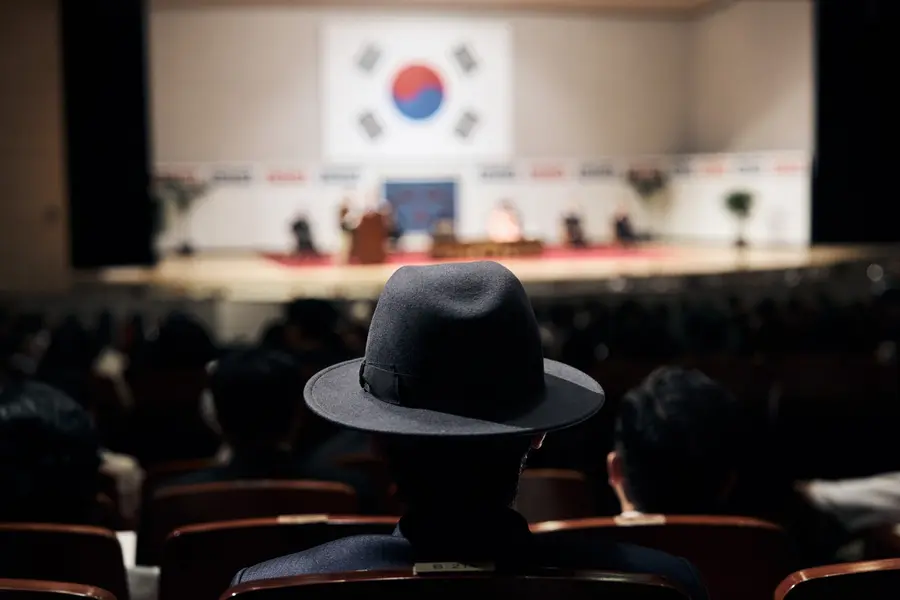
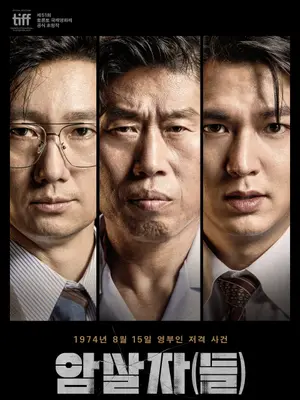
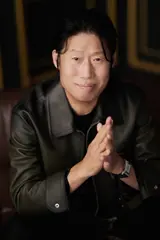
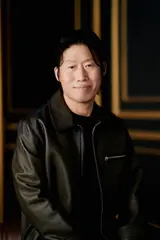
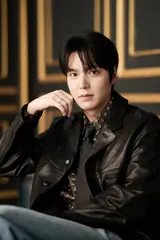
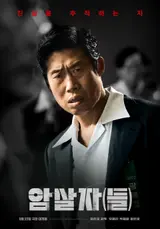
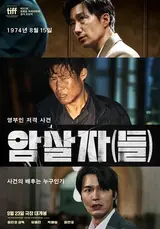
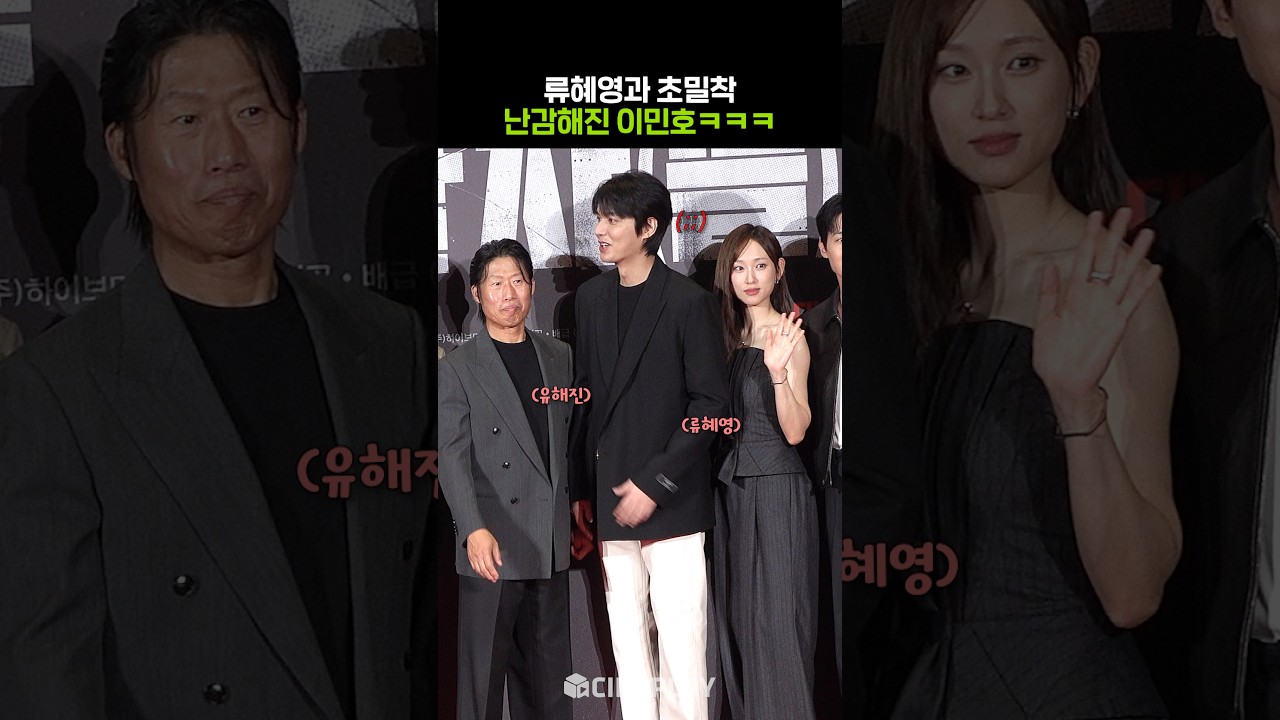
〈Assassins〉 has canceled all events tied to the Busan International Film Festival, which opens today, Oct. 6. The cancellations began with actor Lee Min-ho's absence from Actors' House, a program that brings actors together with audiences, and were followed by the cancellation of one stage greeting after another. Yoo Hae-jin, who stars in 〈The Man Who Lives with the King〉, is a nominee for best actor at the annual Buil Film Awards, held during the Busan International Film Festival, making his attendance another major point of interest. 〈Assassins〉, which has drawn 2.23 million viewers and is the highest-grossing Korean film released over the Chuseok holiday, is on track to become the top-grossing Korean film released in the second half of the year.
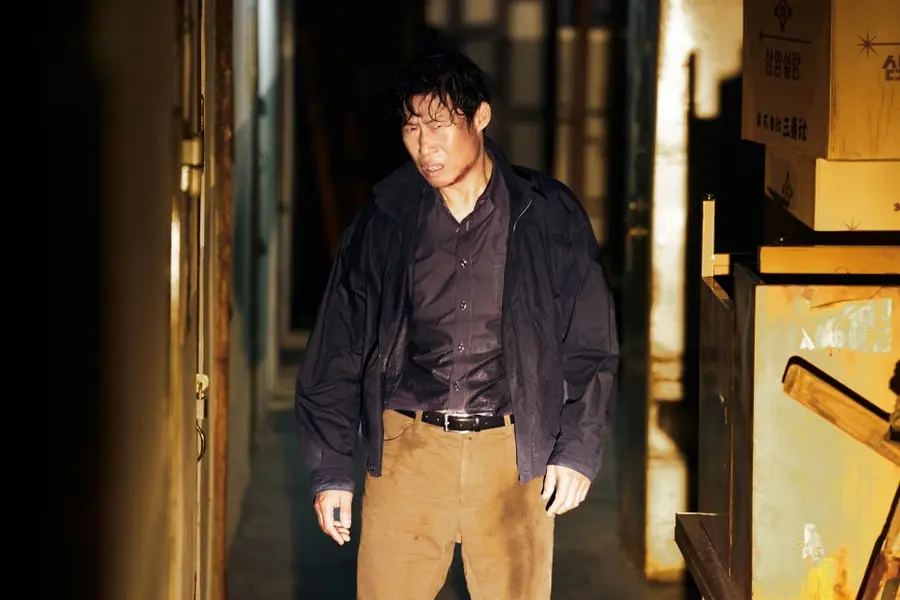
The film has become embroiled in controversy after far-right online communities launched an indiscriminate campaign of review bombing and abusive comments against it. One far-right group has even said it will hold a rally outside the home of lead actor Yoo Hae-jin for an entire month, raising serious concerns. VAST Entertainment, Yoo's agency, said, "We take very seriously all acts involving the creation and distribution of false information about our actors, malicious personal attacks and insults, as well as invasions of an actor's privacy, threats to his safety and defamation." The agency added, "We will take every possible measure to protect our actor's rights and safety from illegal acts."
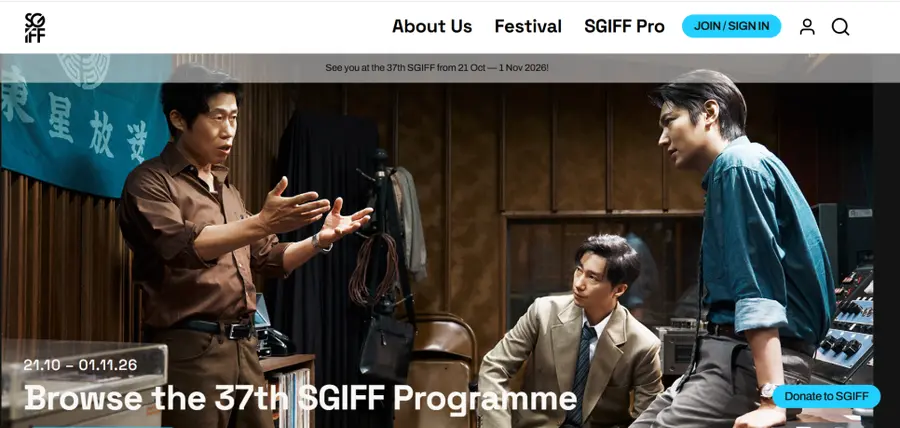
Against this backdrop, the People Power Party is going a step further: its leader, Jang Dong-hyuk, plans to visit the birthplace of the late Yook Young-soo in Okcheon County, North Chungcheong province. Last year, Jang watched 〈The Birth of Korea 2〉 (2025), which portrayed the April 3 uprising as a communist riot without offering any particular evidence. The Korean Film Council refused to approve the movie as an independent film, saying it was excessively biased and lacking in quality without presenting any meaningful evidence. Yet Jang has said of 〈The Birth of Korea 2〉, "Historical facts can be subject to new verification and new records." I wonder why the same standard cannot be applied to 〈Assassins〉. Lawmaker Joo Jin-woo, who has supported that view, even left a personal-attack comment calling actor Yoo Hae-jin "North Korean-looking" during an exchange with internet users. He neither withdrew the remark nor apologized after criticism mounted. He has even called his comment an exercise of "freedom of expression" and intensified the controversy by sending a letter asking the Singapore International Film Festival, which opens Oct. 21, to reconsider screening 〈Assassins〉 as its opening film. Joo also appears to use "freedom of expression" selectively. If so, can 〈Assassins〉 really be said to have, as its critics claim, "distorted historical fact by portraying former President Park Chung-hee as if he had been involved in his wife's death"?
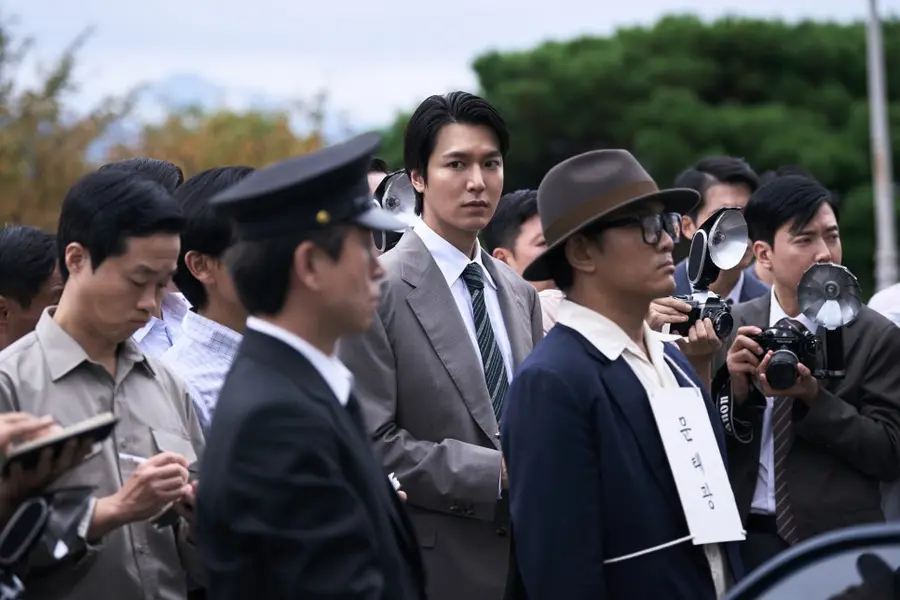
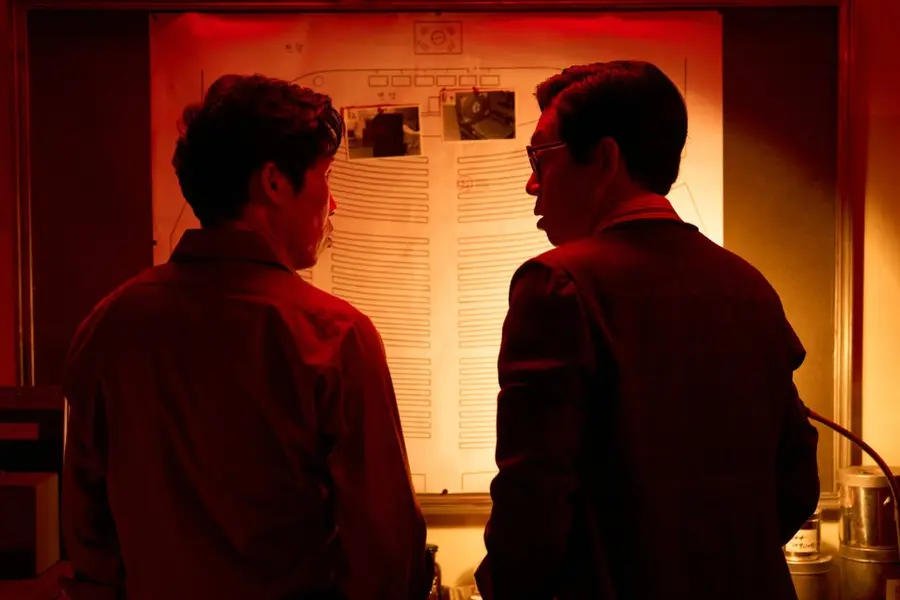
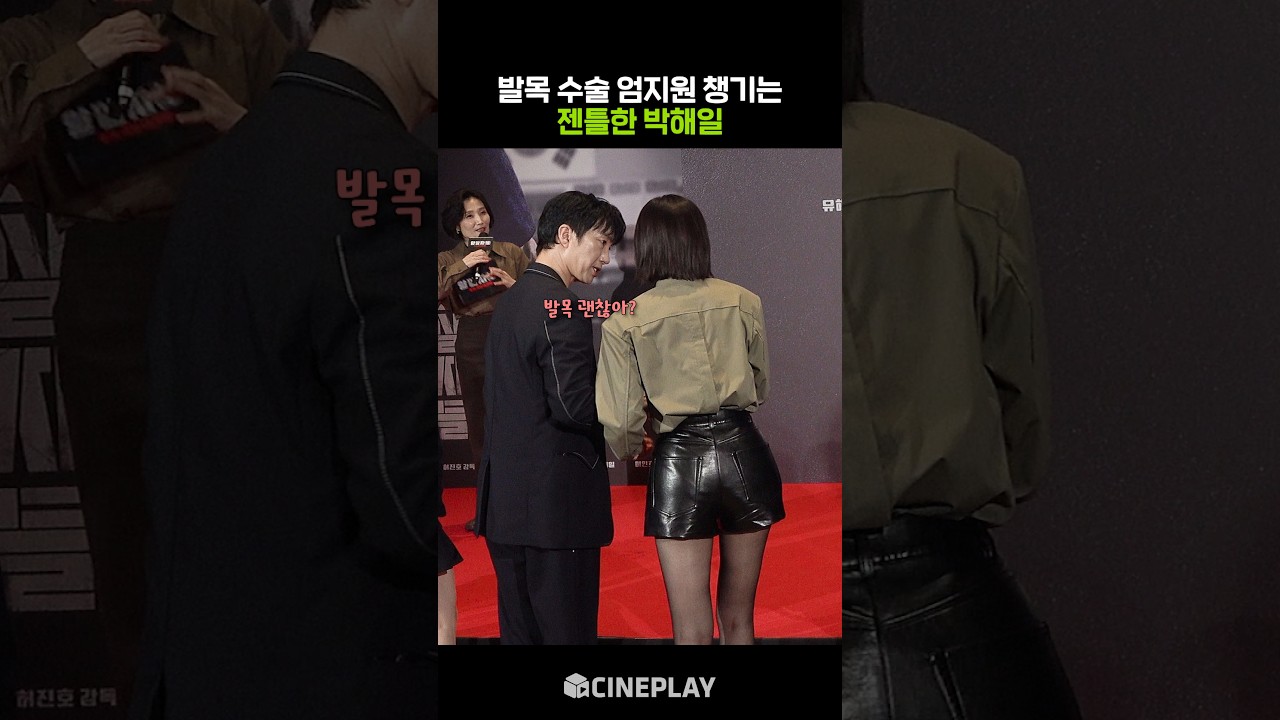
The Aug. 15, 1974, shooting of Yook Young-soo is an incident I have long wanted to see made into a film. The video from the scene contains more than one puzzling detail. It is difficult to understand how the gunman, Moon Se-kwang, managed to enter a national-event venue with a gun. The speech continued even after the shooting, and some security guards actually moved backward rather than stepping forward to protect Yook Young-soo after the gunshots. Every aspect of the case raised questions. 〈Assassins〉 brilliantly recreates the Aug. 15 commemorative event held at the National Theater of Korea in Jangchung-dong. Rather than simply reproducing the view from the audience seen in familiar footage of the incident, it carefully depicts what the scene might have looked like from inside the auditorium. In particular, it captures Moon Se-kwang accidentally shooting himself in the thigh with his first bullet — perhaps the most absurd moment in the history of assassination attempts worldwide. When I first heard that 〈Assassins〉 was being made and learned what it would be about, I was eager to see how the filmmakers would portray that scene. I also appreciated the imaginative additions: the circumstances that left police officer Cheol-gu (Yoo Hae-jin) no choice but to let Moon Tae-kwang (Park Jung-min) into the venue, and the story of Jang Bong-hwa, a high school sophomore who died tragically. That is why audiences go to theaters to watch fictional films based on true stories they already know.
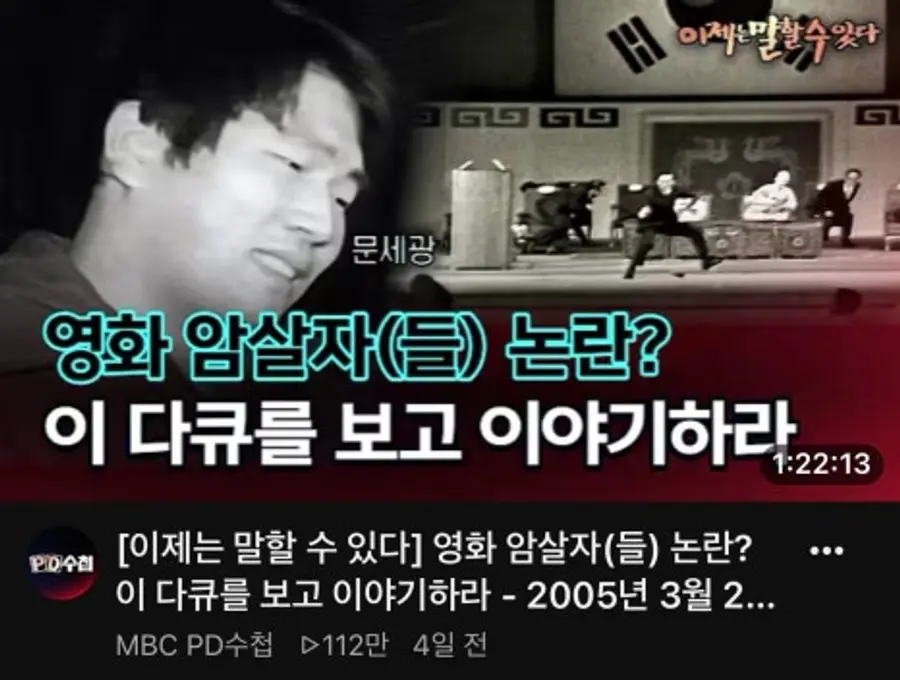
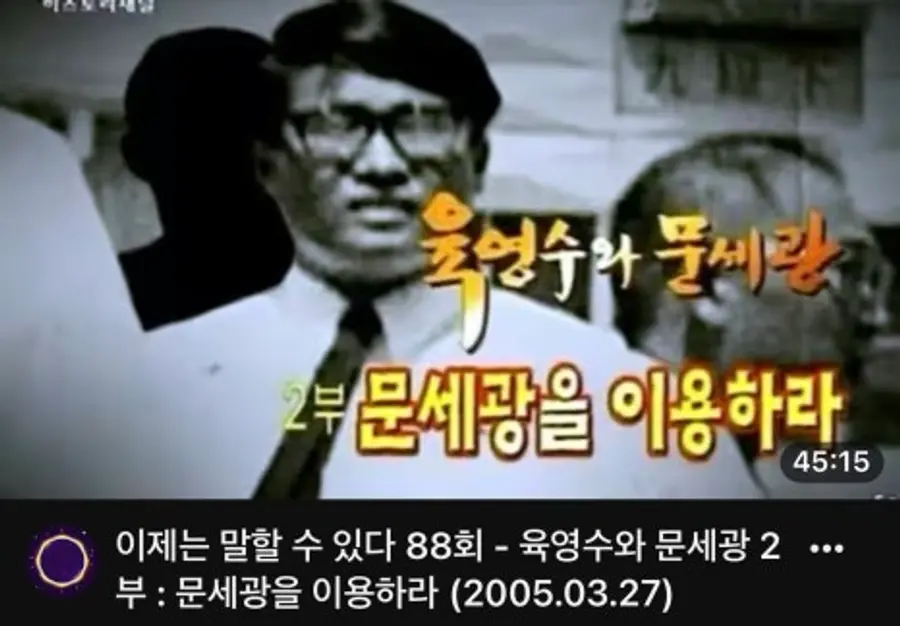
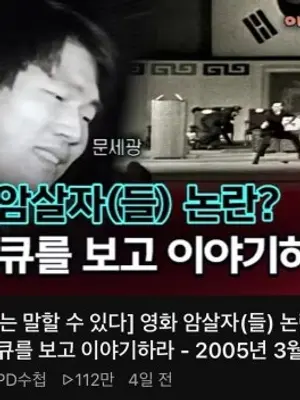
To dispel the controversy surrounding 〈Assassins〉, watch on YouTube MBC's March 2005 documentary series 'Now We Can Speak,' specifically the episode 'Yook Young-soo and Moon Se-kwang,' which consists of Part 1, 'The Central Intelligence Agency Knew About Moon Se-kwang,' and Part 2, 'Use Moon Se-kwang.' I understand that 〈Assassins〉 also grew out of this documentary. Compared with it, the film is so forceful that it could almost be described as taking a more cautious approach. Of course, it is forceful because it is grounded in facts, including reporting conducted in Japan. The documentary caused a major stir when it aired. Its reporting and interviews were so meticulous that Park Geun-hye, then a Grand National Party lawmaker, could offer no rebuttal. More recently, perhaps buoyed by the far right's campaign to shape public opinion, Park's side released a handwritten letter. To put it plainly, that letter has virtually nothing to do with the substance of the case.
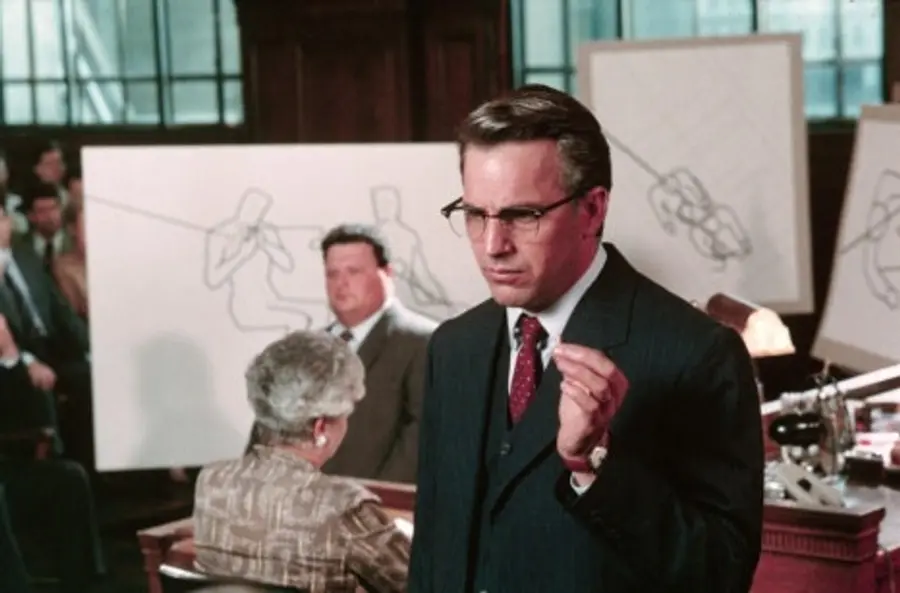
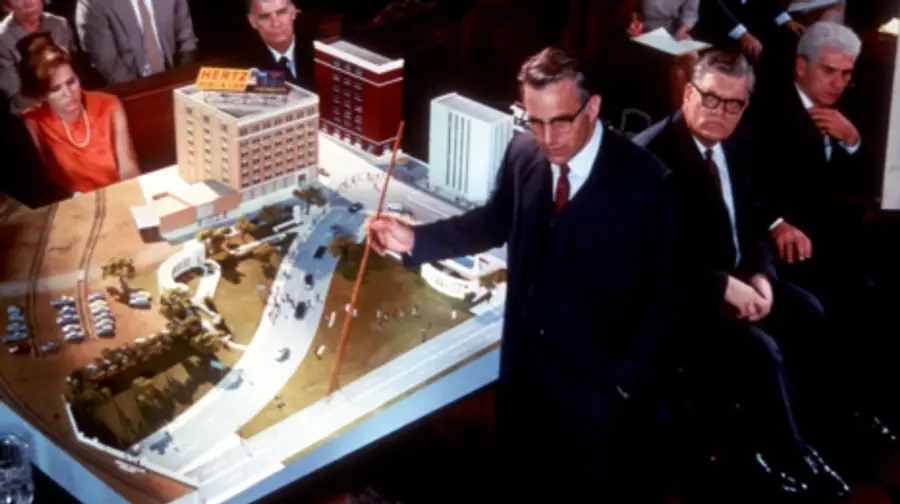
〈Assassins〉 was compared with Oliver Stone's 〈JFK〉 (1991) as soon as it was released. The film's plot resembles that of the investigation led by Jim Garrison, the prosecutor played by Kevin Costner, in many respects: the mystery of multiple gunshots, the shoddy investigation and the manipulated official announcement. On Dec. 22, 1963, in Dallas, Texas, three bullets were fired at President Kennedy's convertible limousine. The first bullet struck Kennedy (Steve Reed), passed through him and hit the Texas governor seated in the front. Another bullet missed its target and struck the road, sending shrapnel into the cheek of a bystander. When the slowly moving car reached a spot with wooden planks, another powerful bullet struck him in the head and pushed the president's body backward. Less than two hours after the shooting, a 24-year-old white man was arrested. Lee Harvey Oswald (Gary Oldman), a former Marine, had once defected to the Soviet Union and had supported the pro-Castro movement that summer. During a 23-hour investigation, Oswald repeatedly insisted, "I didn't shoot anybody." Two days later, while being escorted through the police station on live television, Oswald was shot and killed. His killer was Jack Ruby (Brian Doyle-Murray), a bar owner who ran a strip club. Ruby himself soon died under mysterious circumstances in prison. President Johnson, who had succeeded Kennedy, quickly convened a commission to investigate the case. Despite all the questions, it concluded that Oswald had acted alone.
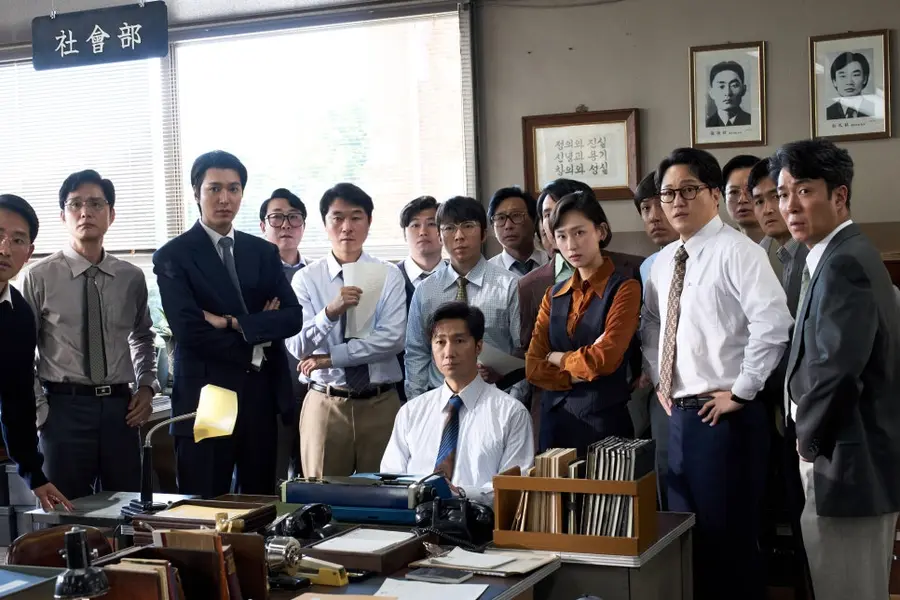
The two films are strikingly similar in their treatment of Moon Se-kwang's relationship with the General Association of Korean Residents in Japan, his denials of the crime and the process by which the case was hastily resolved and the suspect who might have known the full story was swiftly eliminated through execution. 〈JFK〉 was also criticized upon its release for pointing toward the forces behind the assassination, and director Oliver Stone never declared it to be a "true story." Even though countless suspicions pointed in one direction, both Moon Se-kwang and Oswald were dead, leaving no choice but to draw a line there. Instead, Stone said everything through the opening title card: "To Sin By Silence When We Should Protest Makes Cowards Out Of Men." Those were the first two lines of Ella Wheeler Wilcox's poem "Protest." Isn't that the feeling carried throughout by the film's police officer Cheol-gu, as well as the two reporters, Jae-hwan (Park Hae-il) and Young-il (Lee Min-ho), as they pursue the truth? 〈Assassins〉 argues that this feeling and attitude are what matter.
P.S. I have encountered Ella Wheeler Wilcox's poetry in another Korean film. In Park Chan-wook's 〈Oldboy〉 (2003), the poem inscribed in a frame reads, "Laugh, and the world laughs with you. Weep, and you weep alone." Those are also the first two lines of a poem, "Solitude," by Ella Wheeler Wilcox.
Starting with 'Joo Sung-chul's Locker,' which assigns excessive meaning to objects in movies; 'Kim Ji-yeon's Jewelry Box,' a user's guide to actors poised for a breakout; 'Chua Young's Music Box,' a listening room for film scores that have moved me; and 'Sung Chan-eol's Comics,' a buying diary from a dealer in subculture oddities, the Cineplay reporters are beginning a biweekly series reflecting their individual tastes and perspectives.
![[Joo Seong-cheol's Locker] The Black Speaker of 'Sirat' and the Monolith of '2001: A Space Odyssey'](https://cdn.www.cineplay.co.kr/w400/q75/article-images/2026-02-23/01816f3a-b433-4072-887b-e760357e6cc7.jpg)
![[Joo Seong-cheol's Locker] The 'Canned Cart Camera' that Changed the History of World Cinema with 'Nouvelle Vague'](https://cdn.www.cineplay.co.kr/w400/q75/article-images/2026-01-27/563f1a4c-20b8-460b-8523-f31511911bd5.jpg)
![[Joo Sung-cheol's Locker] Ahn Sung-ki is Born, I am Ahn Sung-ki](https://cdn.www.cineplay.co.kr/w400/q75/article-images/2026-01-13/362be897-34af-4524-9a57-6b9935666a0a.jpg)
![[Jusungcheol’s Locker] Odyssey’s one-eyed giant Cyclops and Ray Harryhausen’s “The Seventh Voyage of Sinbad”](https://cdn.www.cineplay.co.kr/w400/q75/article-images/2026-08-10/5faf400e-cf0b-466c-a3d7-31a8bbb38075.jpg)
![[Joo Seong-cheol’s Locker] See ‘Hope’ Again Through the Driver-Grade Cap Joo Seong-cheol Wears While Racing Across Seong-gi Bridge in ‘The Yellow Sea’ and ‘Goksung’](https://cdn.www.cineplay.co.kr/w400/q75/article-images/2026-07-28/7bf74e36-337d-4fd0-8cec-b890f5604345.jpg)
![[Joo Sung-cheol’s Locker] Watching “Marty Supreme,” Recalling Yoon Nam-gyu’s Penholder Table Tennis Racket](https://cdn.www.cineplay.co.kr/w400/q75/article-images/2026-06-29/0dc02383-0dc9-4ea1-9de5-f1eaffbeb9b9.jpg)
![[Joo Seong-cheol's Locker] The Aesthetics of Jongmyo That Captivated Masters of Martial Arts from Ho Kim-jun to John Woo, Jackie Chan, and Sammo Hung](https://cdn.www.cineplay.co.kr/w400/q75/article-images/2025-12-16/4d8670a7-ef95-4635-8d0c-34313f13dd52.jpg)
![[Joo Seong-cheol's Locker] The King Lear of Korea and Japan, Lee Soon-jae and Nakadai Tatsuya, Two Masters Rest](https://cdn.www.cineplay.co.kr/w400/q75/article-images/2025-12-01/3e753af3-e8d5-41df-83cf-00e9ddfdaae7.jpg)
![[Joo Seong-cheol's Locker] When Trees Comfort Trees, the Cello of 'The Moment the Bell Rings' and 'Can't Help It'](https://cdn.www.cineplay.co.kr/w400/q75/article-images/2025-11-18/52034c54-93dc-4b4c-ac9f-5f9b7946fb23.jpg)
![[Joo Seong-cheol's Locker] What Beer Did Sergio (Benicio Del Toro) Always Carry in 'One Battle After Another'?](https://cdn.www.cineplay.co.kr/w400/q75/article-images/2025-11-04/0794fe08-e847-46a1-ba4c-445f814803a8.jpg)
![[Joo Seong-cheol’s Locker] Do You Know the Origin of Woody in “Toy Story”?](https://cdn.www.cineplay.co.kr/w400/q75/article-images/2026-06-16/eb2c5055-d2de-4464-b9e2-eceeca8c7759.jpg)
![[Joo Sung-chul's Locker] What Are the Improvised Explosive Devices (IEDs) in 'Warfare' and 'The Hurt Locker'?](https://cdn.www.cineplay.co.kr/w400/q75/article-images/2026-08-24/ae200e60-2be9-478e-8ab4-72a860903979.jpg)
![[Joo Seong-cheol's Locker] Tony Leung Sometimes Wants to Hold an Ashtray.](https://cdn.www.cineplay.co.kr/w400/q75/article-images/2026-02-09/8b9ac9f0-6899-4ce2-a562-5594a5b06d61.jpg)
![[Joo Seong-cheol’s Locker] Zombie Things That Don’t Flinch Even When Shot: Korea’s First Zombie Film, “Kwe-si” (1981)](https://cdn.www.cineplay.co.kr/w400/q75/article-images/2026-06-01/26c56ce7-1ddb-46bd-ae67-f71a1ba9e276.jpg)
![[Joo Seong-cheol’s Lockers] The Great Dancer Turned Film Director Summoned by “Michael”: Bob Fosse’s “All That Jazz”](https://cdn.www.cineplay.co.kr/w400/q75/article-images/2026-05-18/922af142-be9f-4f1c-98d1-4a7a6667943c.jpg)
![[Joo Seong-cheol’s Lockers] Lee Cronin’s The Mummy and Murderous People Season 2 — and a Scorpion Jacket That Feels Like the Rise of Drive](https://cdn.www.cineplay.co.kr/w400/q75/article-images/2026-04-20/1df79cf4-44ef-48e4-a6b4-46f6e35c4eb5.jpg)
![[Joo Seong-cheol’s Locker] David’s Stone That Took Down Goliath, “David” All the Way Through](https://cdn.www.cineplay.co.kr/w400/q75/article-images/2026-07-13/524bb041-0e4e-4f59-824b-21d2f7df60a9.jpg)
![[Chu Sung-cheol’s Lockers] Who Spat on Leslie Cheung in “Farewell My Concubine”?](https://cdn.www.cineplay.co.kr/w400/q75/article-images/2026-04-06/7b608cd9-af6c-4c1d-8e87-38c2d2619d55.jpg)
![[Joo Sung-chul's Locker] If it's hard to visit Cheongnyeongpo of Deposed King Danjong, head to Geumseongdang of Prince Geumseong!](https://cdn.www.cineplay.co.kr/w400/q75/article-images/2026-03-10/7ddd3634-6a13-4eef-870c-e4e6dbcdac04.jpg)




![[Chuseok Holiday Box Office] Yoo Hae-jin and Park Hae-il's 'Assassins' and 'Tazza 4' knock out 'The Odyssey,' draw 130,000 on opening day for No. 1](https://cdn.www.cineplay.co.kr/w160/q75/article-images/2026-09-21/4e8e5a87-9661-4669-9afe-ba1df097176c.jpg)
![[Weekend Box Office] 'Assassins' regains No. 1, surpassing 1.82 million viewers despite controversy](https://cdn.www.cineplay.co.kr/w160/q75/article-images/2026-10-02/5c5215f0-603d-4144-8d00-be6f219a736a.jpg)
댓글 (0)
댓글 작성
댓글을 작성하려면 로그인이 필요합니다.
로그인하기