



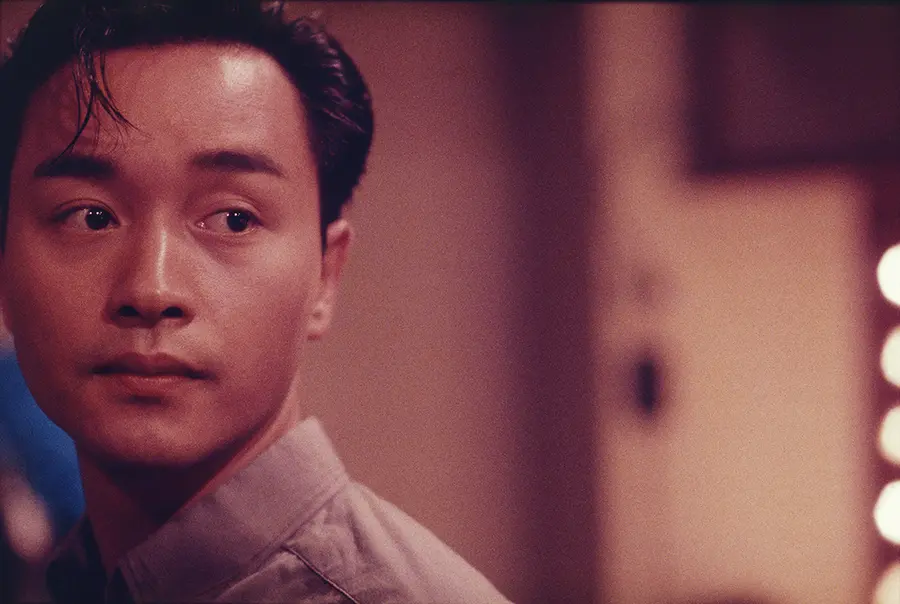
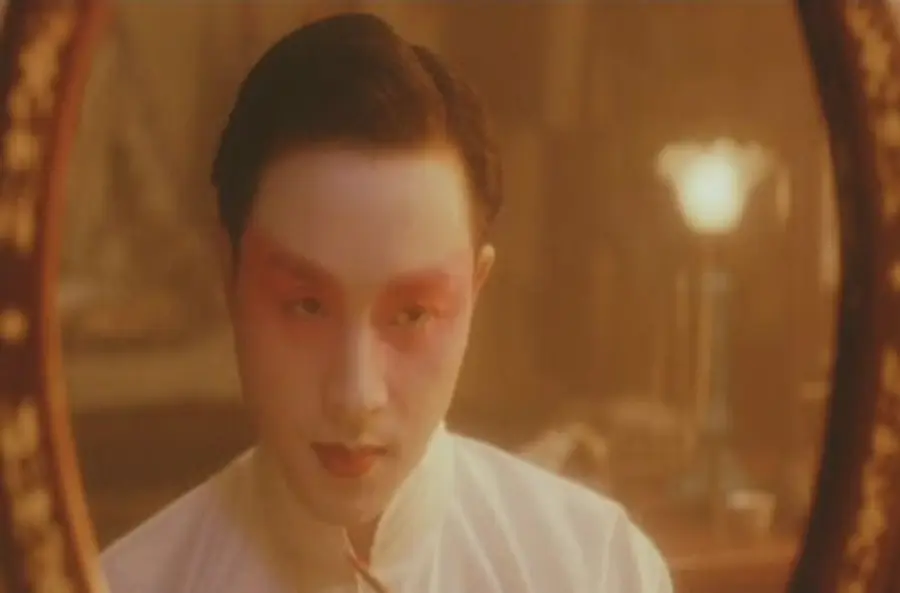
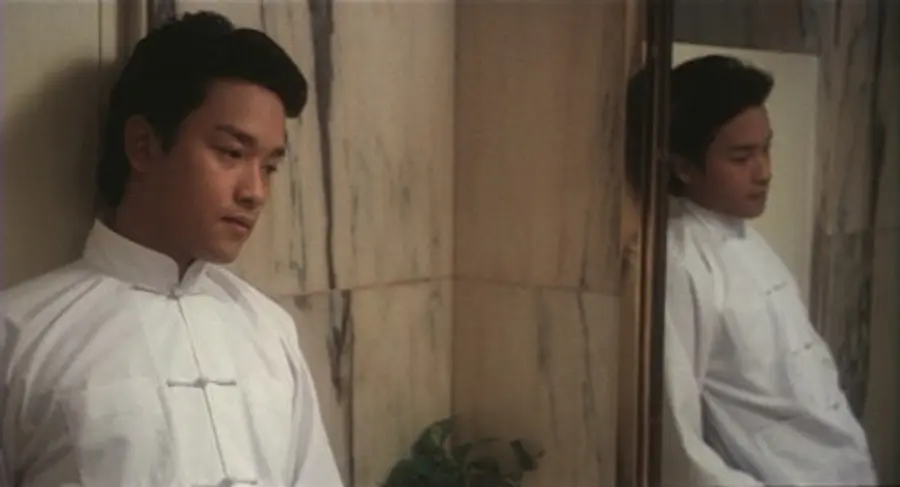
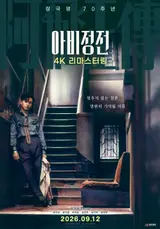
What exactly was I watching? The image that has stayed with me throughout 〈Days of Being Wild〉, recently re-released in 4K, is Yuddy (Leslie Cheung) looking at himself in a mirror. The same goes for the opening, when he flashes his handsome face and says, “Would you look at my watch with me for just one minute? On April 16, 1960, at 3 p.m., we were together for one minute.” He stares intently at Su Li-zhen (Maggie Cheung), and their relationship begins. When they first met, days before he delivered that iconic line, Yuddy didn’t even look at Su Li-zhen as he said, “You’ll meet me in your dreams tonight.” The next day, when she tells him, “I didn’t see you in my dream,” Yuddy delivers a gem: “Of course not. You couldn’t sleep because you were thinking about me.”
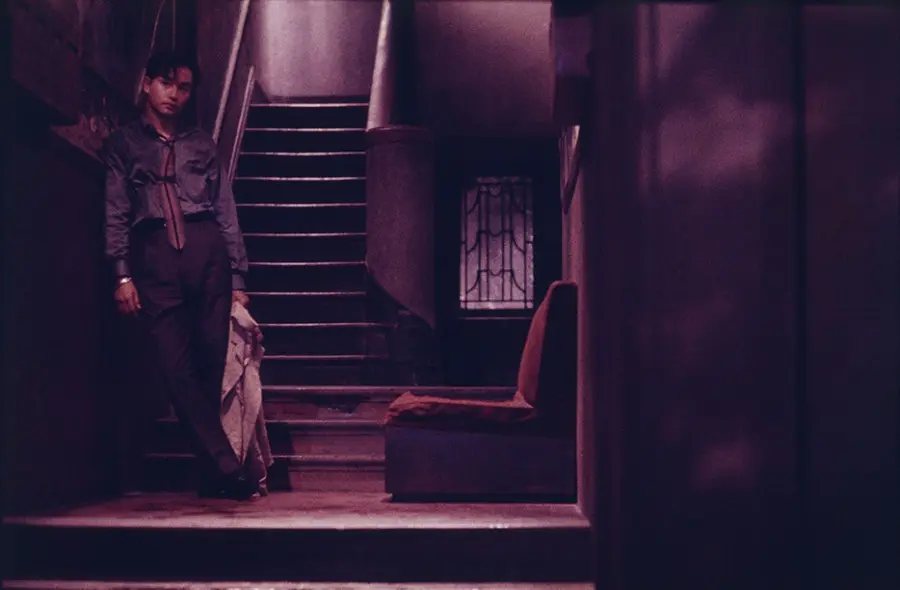
How many actors could deliver lines that shamelessly smooth and make them feel natural? Those lines could only come alive when spoken by someone with Leslie Cheung’s looks. After that, Cheung appears at 3 p.m. every day, says only, “See you again,” and disappears—three times in all. He also fires off flirtatious lines like, “You look a little different today. Why are your ears so red?” When Su Li-zhen asks what he wants, he just grins and says, “I just want us to be friends.” That is the rakish, Casanova-like character Wong Kar-wai drew from the Latin American literature he was immersed in at the time.
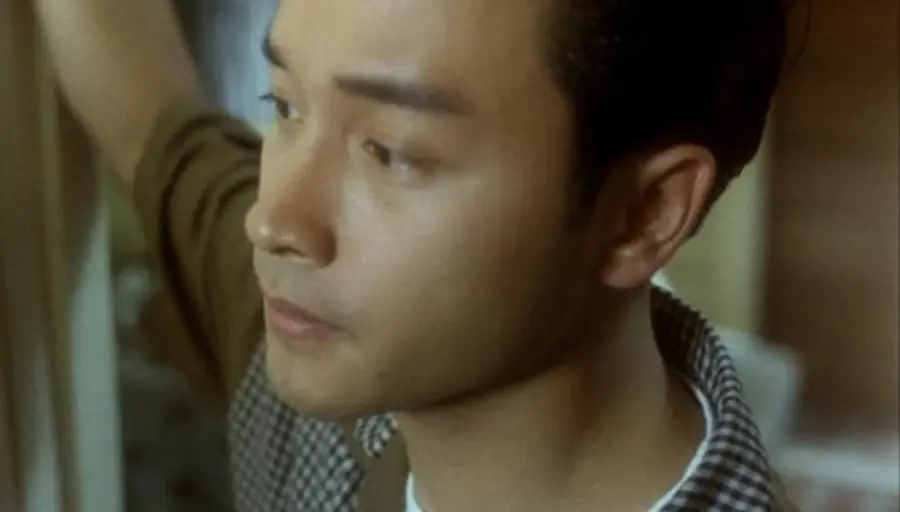
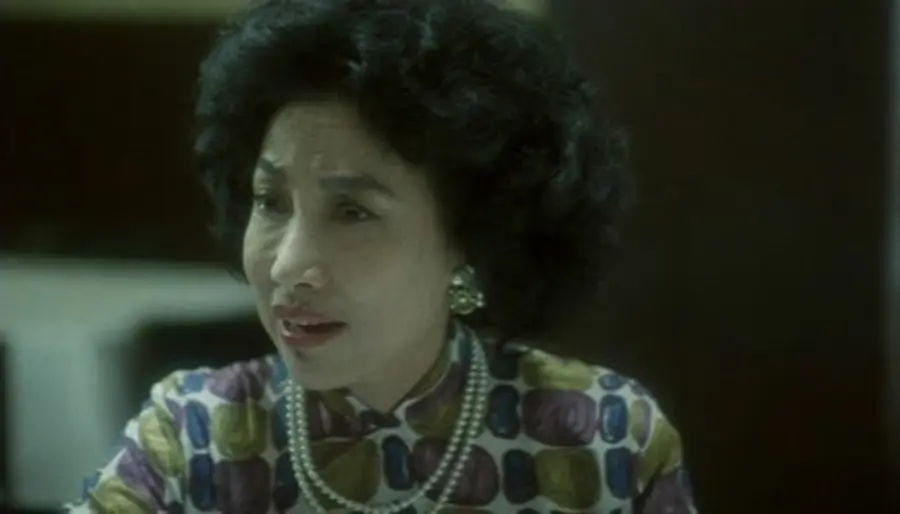
Yuddy first meets another woman in his life, his foster mother (Rebecca Pan), when he carries her drunk self to her room and lays her down. She even burps, and Yuddy wipes the vomit from the corner of her mouth. Her irritated expression—“I’m so sick of this”—is heartbreaking. In 〈Days of Being Wild〉, the absence of a mother explains everything about Yuddy’s eccentric behavior. He had grown up without hardship when, one day, the woman he had always believed was his mother confessed that she wasn’t his biological mother and told him about his birth mother. “The day I left the hospital, I felt free. I didn’t have to go hungry anymore. I’d receive 50 U.S. dollars every month until the child turned 18.” For reasons never explained, his biological mother handed Yuddy over to his foster mother immediately after giving birth. She readily agreed on the condition that she would receive money every month. Perhaps she thought it meant she could leave her miserable life in the red-light district behind.
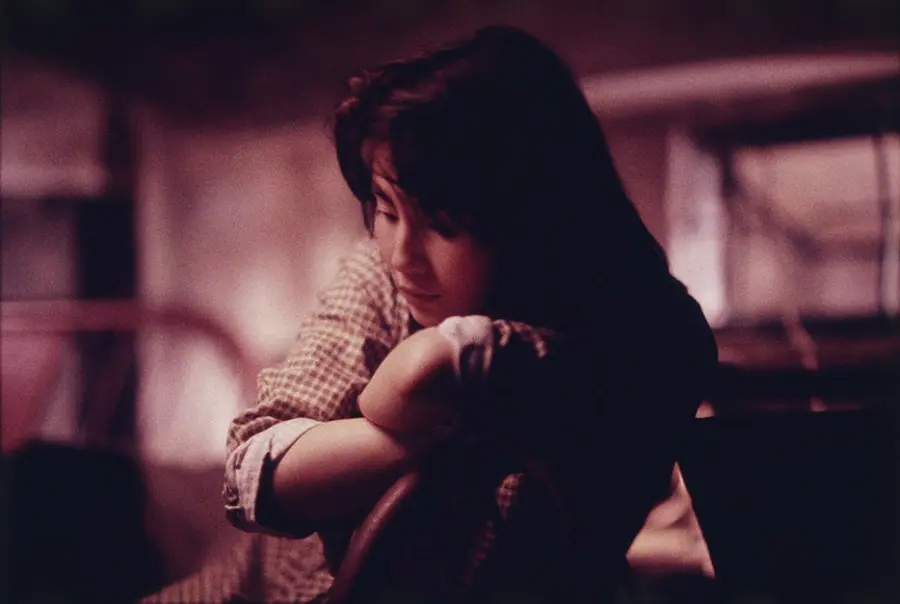
But Yuddy and his foster mother only fought, wearing each other down emotionally, while being afraid to truly part. She needed a son she “couldn’t stand but could count on” to beat up the men who approached her with ulterior motives. Yuddy, for his part, said he would leave Hong Kong to find his birth mother, but had never taken care of anything himself or lived away from home. They were the people each hated most in the world—and also the people neither could do without. Though she never knew when her son might leave, his foster mother asked, “When I’m old, will you take care of me? How could you?” He replied, “If we can’t, we can die together. Isn’t that what you always wanted?” Neither could bring themselves to say they should part.
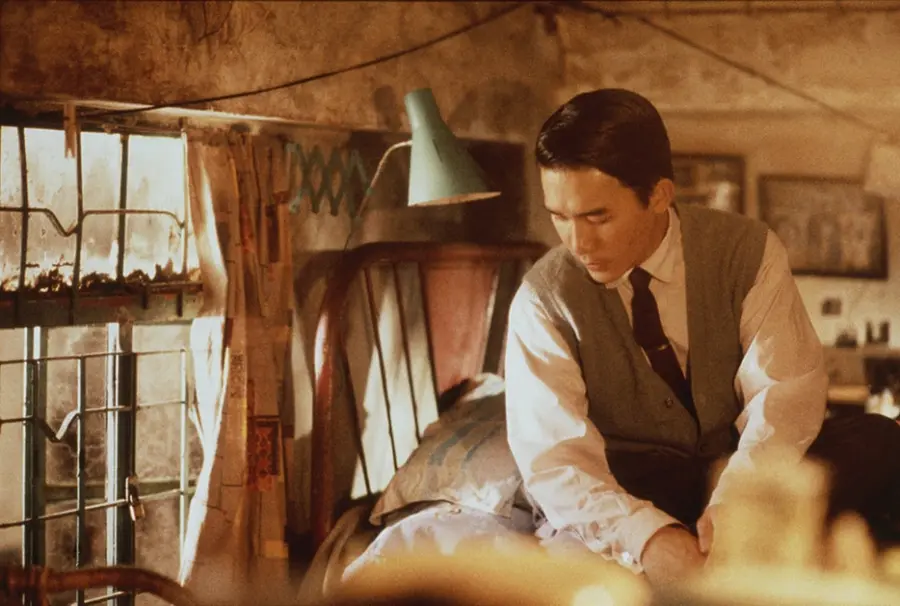
On April 12, 1961, Yuddy finally arrives at his birth mother’s home in the Philippines, but she refuses to see him. “The housekeeper said there was no one home, but as I was leaving, I could feel someone watching me from behind. I’ll never come here again. I wanted to see my birth mother’s face just once, but if she doesn’t want that, I won’t give her the chance to see mine either.” He walks away from the mansion, resolute. In that scene, his retreating figure slowly emerges in a high-speed Steadicam shot. Wong Kar-wai said, “I wanted to evoke the feeling of a bird that wants to fly but is utterly exhausted.” What’s interesting is that Wong insists on showing his birth mother’s face. Perhaps she was a Filipina who worked in Hong Kong’s red-light district and likely abandoned her son when she left Hong Kong. The film never reveals why. In any case, this is the moment that establishes Yuddy in 〈Days of Being Wild〉 as mixed-race. That may be Wong Kar-wai’s vision of Hong Kong.
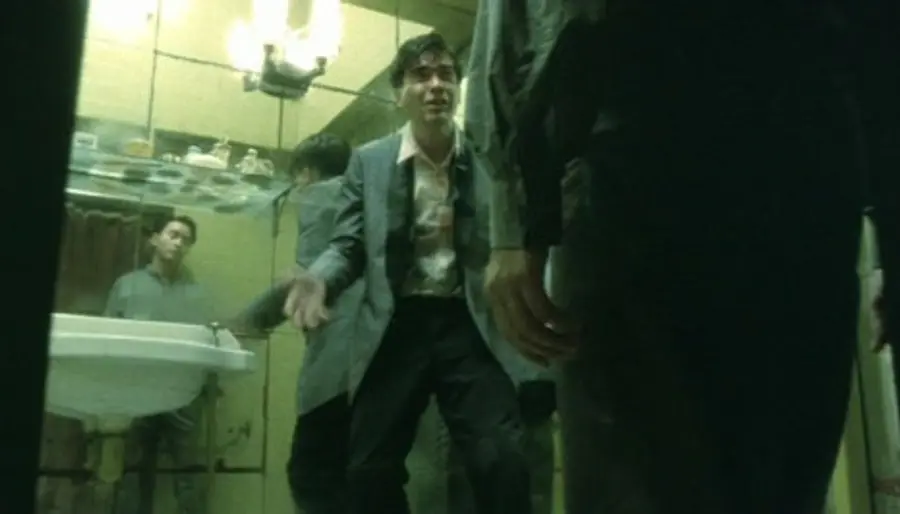
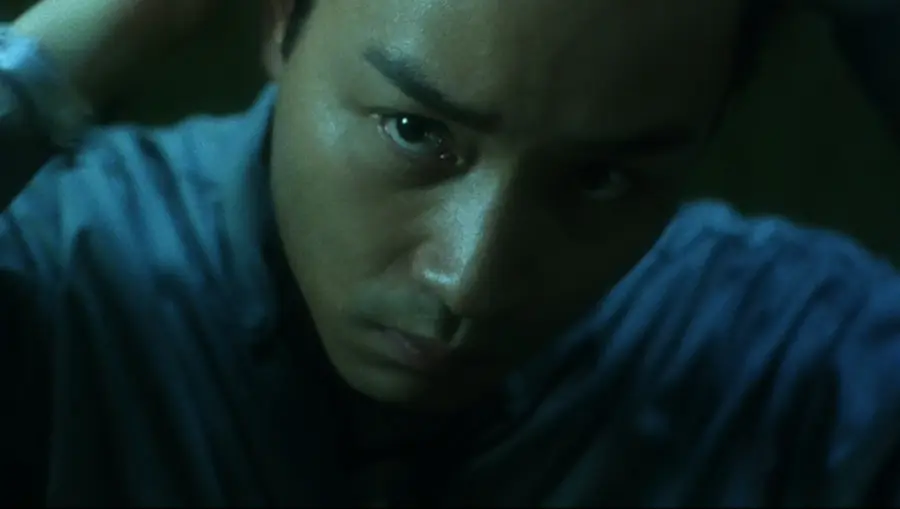
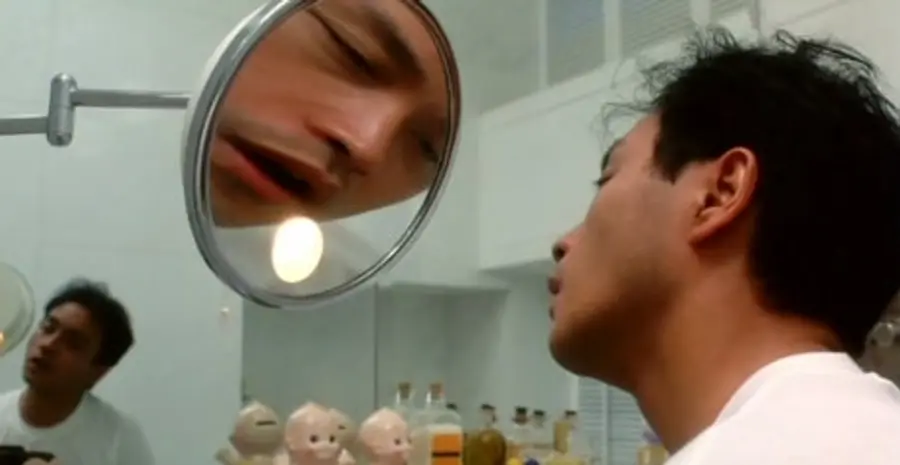
The first person who comes to mind is the foster mother’s younger boyfriend, whom Yuddy viciously beat up near the beginning of the film. But he seems more like a “gigolo” after her money. Furious, Yuddy threatens him with a hammer and shouts, “You think it’s that easy? What did you say? Speak up! Louder! Don’t ever see my mother again!” He eventually smashes the washbasin with the hammer. The man also appears to be mixed-race, and Yuddy seems particularly disgusted and embarrassed that his mother is involved with a mixed-race gigolo. His mother yells at him, “Have you ever made me happy, even once? He makes me happy, even if he is a gigolo.” In the end, the person Yuddy wanted to beat to death with the hammer was himself. Yuddy, who has no job or income of his own, may one day lead a life no different from that mixed-race gigolo’s. In him, Yuddy sees the future he wants to reject with every fiber of his being. Then he looks in the mirror and combs his hair back. That’s not me! I’d rather die than live like that!
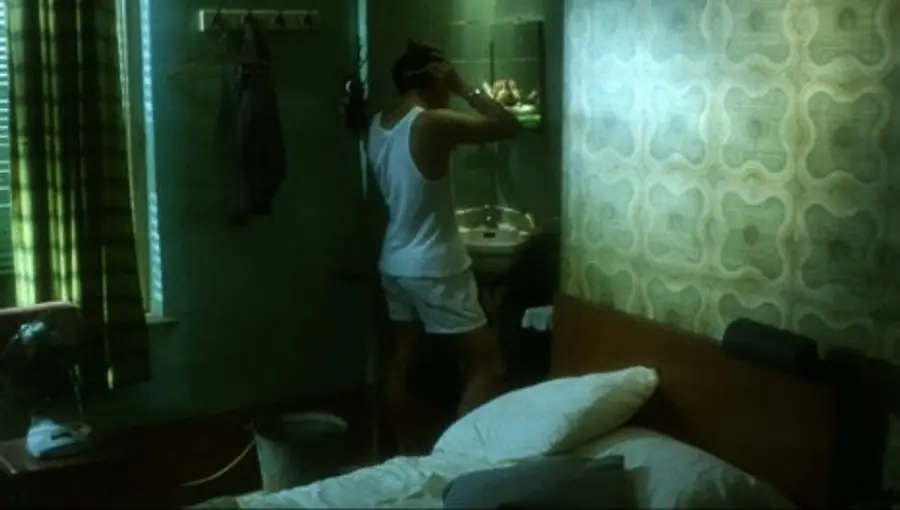
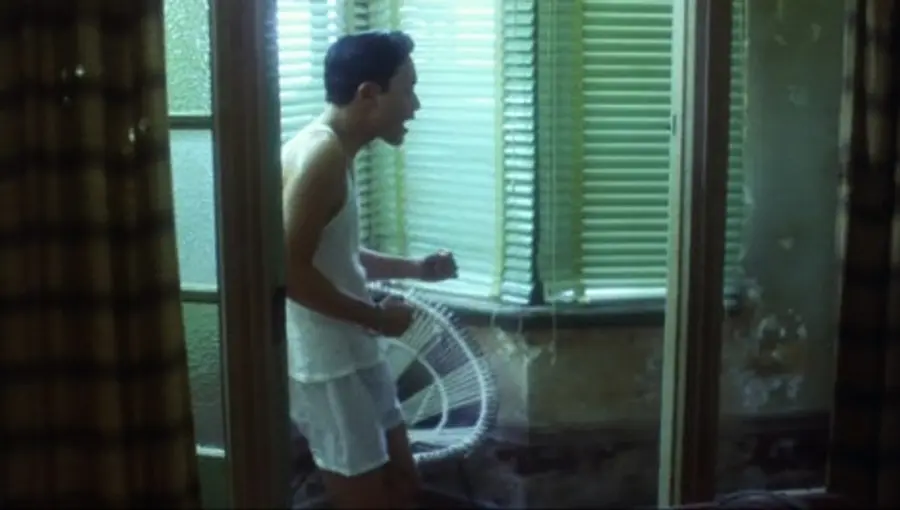
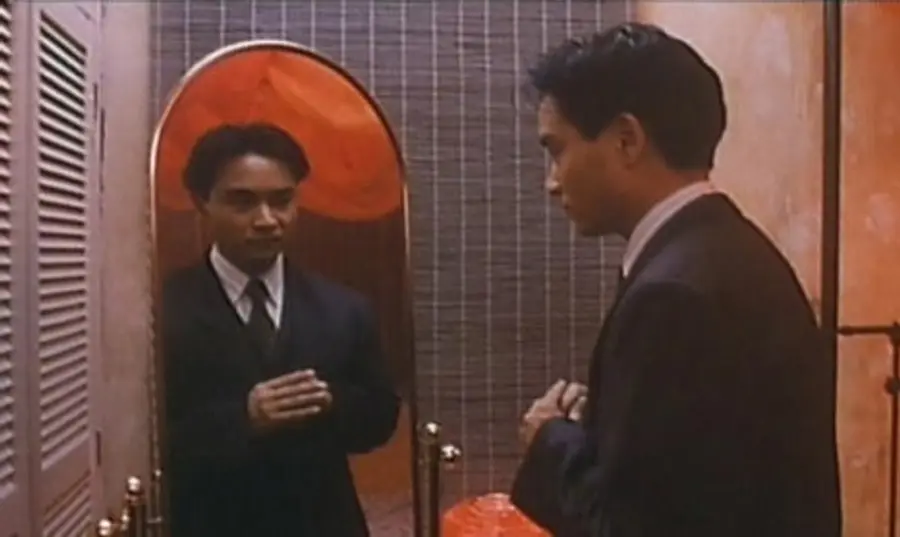
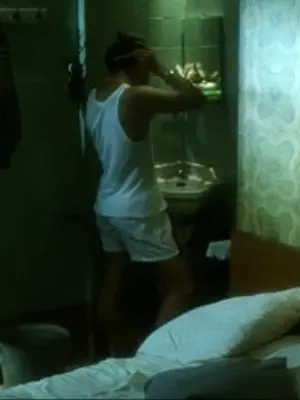
Watch the famous mambo dance scene in 〈Days of Being Wild〉 again, and your attention goes not to the dancing itself but to the mirror. The way Yuddy’s innate sense of deprivation seems fated is soothed by his narcissism. Is it the thought, “It’s all because I’m so great”? As he looks in the mirror, he suddenly begins to dance. Then he circles back to the mirror and ends the dance in front of it. That is why 〈Days of Being Wild〉, which was originally planned in two parts—with Leslie Cheung starring in the first and Tony Leung in the second—was effectively completed with only the first part. (But because the contract required Tony Leung’s scenes to be included, the final scene, in which he silently gets ready to go out, became what we see today.)
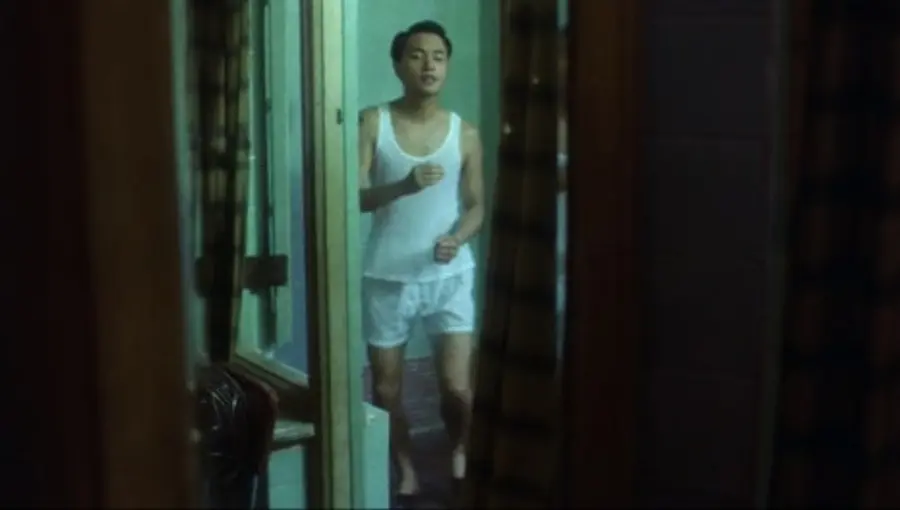
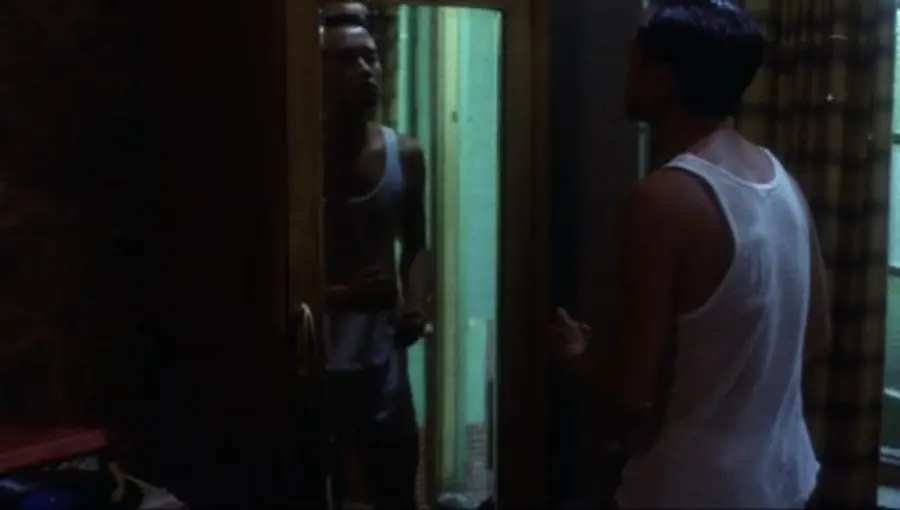
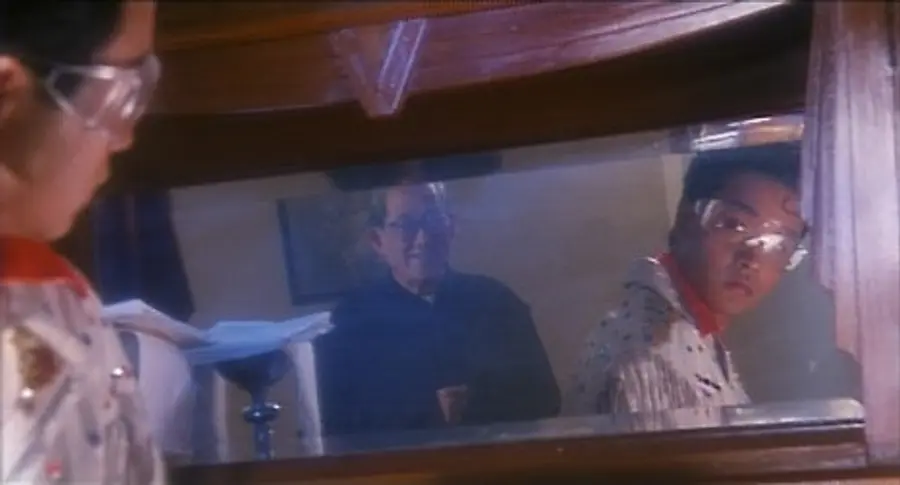
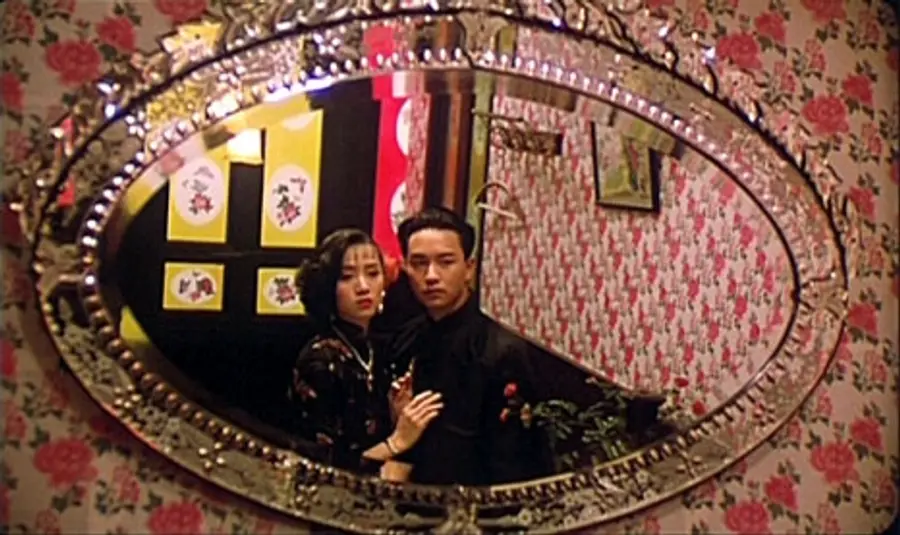
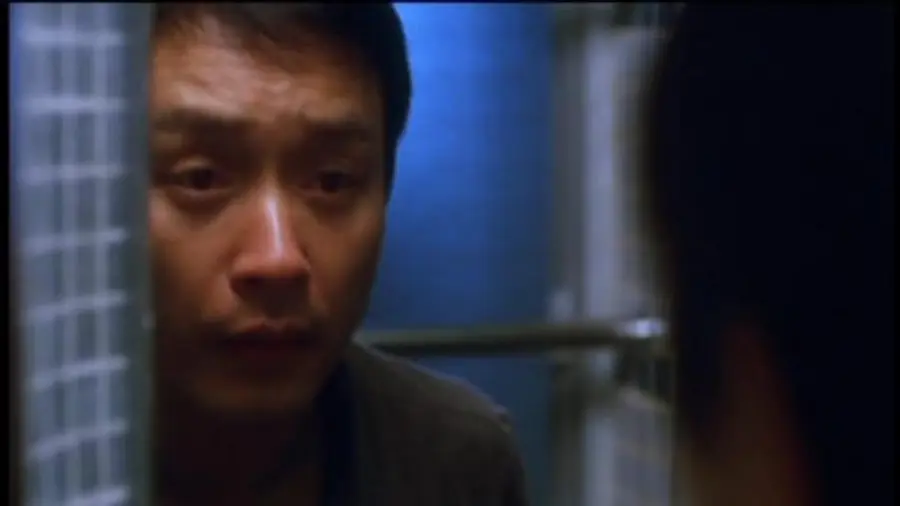
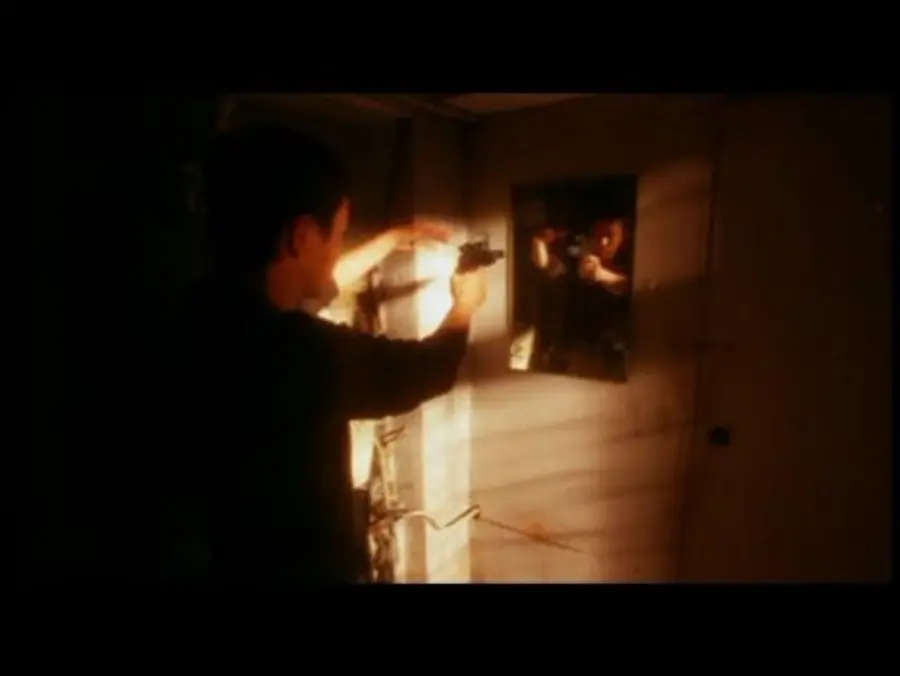
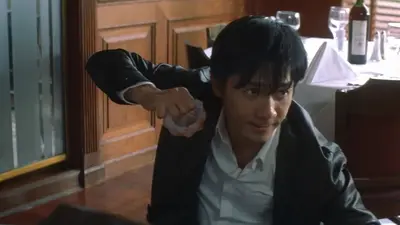
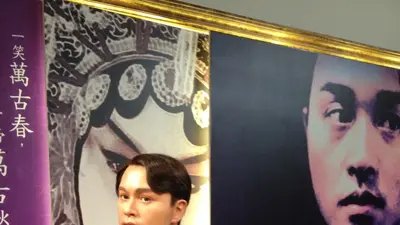
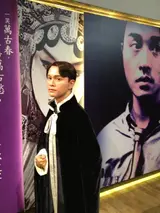
The mambo dance scene seems to drift into the film like a spell, seemingly unrelated to the narrative before or after it. Leslie Cheung is entranced by his reflection, and director Wong Kar-wai is entranced by Cheung. The scene also feels like a fantasy. Like a bird with no feet landing on the ground and meeting its death, it is as if Leslie Cheung steps out of the mirror into the world for a moment, then goes back inside it. Come to think of it, no actor seems to have as many mirror scenes in their films as Leslie Cheung. Perhaps all those countless mirror scenes were confessions by the many filmmakers who were captivated by him. Finally, to mark the 70th anniversary of Leslie Cheung’s birth this year, I’ve gathered images of him standing in front of mirrors.
From “Joo Sung-chul’s Locker,” which reads too much into objects in movies, to “Kim Ji-yeon’s Jewel Box,” a guide to actors poised for a breakout, “Choo A-young’s Music Box,” a listening room for film scores that moved me, and “Sung Chan-eol’s Comic Book,” a buyer’s diary from a subculture shopkeeper, Cineplay’s reporters are launching a biweekly series, each exploring their own tastes and perspectives.




댓글 (0)
댓글 작성
댓글을 작성하려면 로그인이 필요합니다.
로그인하기