



This week's Joo Sung-chul's Locker article has been changed to a building locker. I couldn't just pass by the 25th Korean film to reach 10 million viewers, 〈The Man Who Lives with the King〉. Last weekend, 〈The Man Who Lives with the King〉 surpassed 11.17 million cumulative viewers. The pace is fast. On March 1st, Independence Movement Day, the daily audience was a whopping 817,000, and on March 2nd, just 27 days after its release, it surpassed 9 million viewers. During this time, the sales of historical books related to the Joseon royal family with the keyword 'Danjong' increased by a staggering 2,565% compared to the previous year, and the number of tourists to Cheongnyeongpo, the place of exile for Danjong in Yeongwol, Gangwon-do, increased more than fivefold. On the 33rd day of its release, it surpassed 11 million, breaking the 40-day record of 〈The Grave Robbers〉 and the 36-day record of 〈Spring in Seoul〉. Ultimately, 〈The Grave Robbers〉 attracted 11.91 million viewers, and 〈Spring in Seoul〉 attracted 13.12 million, so it can be predicted that 〈The Man Who Lives with the King〉 will easily surpass 13 million viewers at this rate. It's a phenomenon that can be called the 'Danjong craze.'
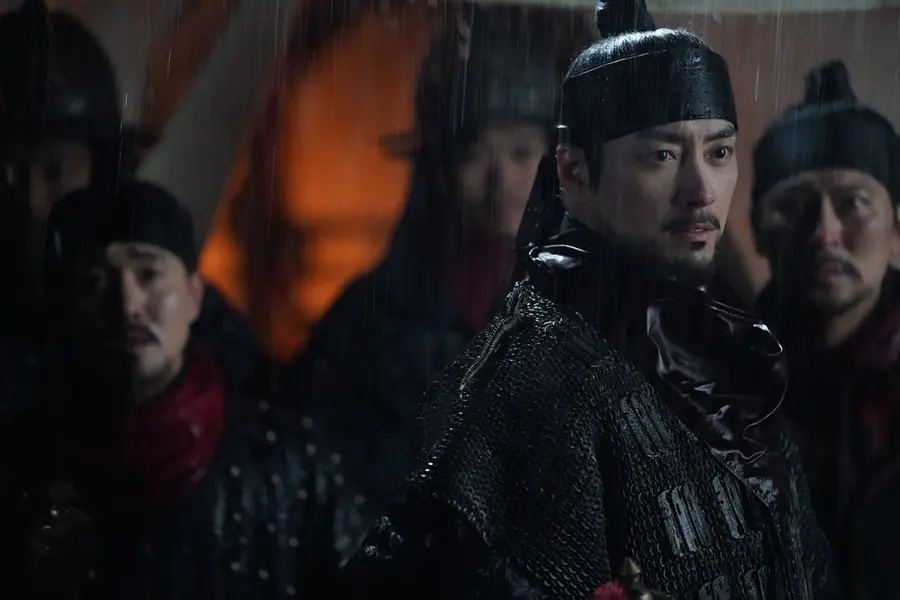
〈The Man Who Lives with the King〉 depicts the story of the deposed King Danjong, Lee Hong-wi (Park Ji-hoon), spending the last period of his life mingling with the village people, including the village chief Eom Heung-do (Yoo Hae-jin), at his place of exile in Yeongwol, Gangwon-do. In the movie, the characters who received as much attention as Danjong and Eom Heung-do are Han Myeong-hoe (Yoo Ji-tae) and Prince Geumseong (Lee Jun-hyuk). While Han Myeong-hoe plays the villain with a leading role, Prince Geumseong, though not to the same extent, is deeply imprinted with a righteous image throughout the film. Just as in 〈Spring in Seoul〉, where we cheer for General Lee Tae-shin (Jung Woo-sung) to stop the martial law army despite knowing it will fail, we also cheer for Prince Geumseong's movement to restore Danjong with the same heart.
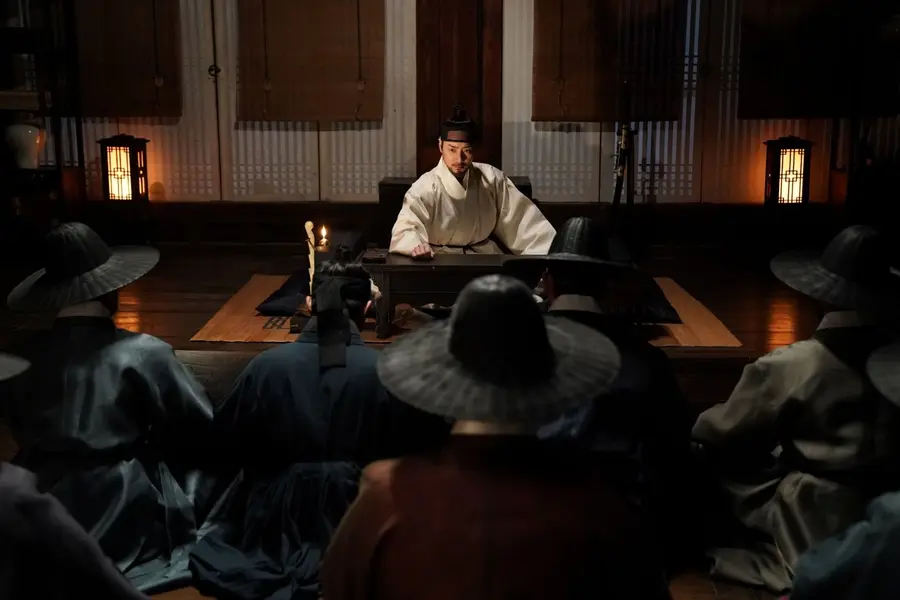
Prince Geumseong was the sixth son of King Sejong and the uncle of Danjong. As depicted in the movie, after the failure of the Danjong restoration movement in 1457 (the 3rd year of King Sejo's reign), he met a tragic death at the age of 32. In actual history, he conspired with Sunheung Governor Lee Bo-heum to restore Danjong but failed. In the movie, this is dramatized to show him preparing to march to Hanyang with an army before failing. When Grand Prince Suyang, with ambitions to seize power, allied with Han Myeong-hoe, Shin Suk-ju, and others to purge Grand Prince Anpyeong and eliminate Danjong's regent Kim Jong-seo, Prince Geumseong opposed his brother's actions and decided to protect his nephew. He cherished his nephew Danjong so much that he must have found his brother, Grand Prince Suyang, who usurped the throne, hateful and detestable. After King Sejo's accession in 1455 (the 1st year of King Sejo's reign), Danjong once stayed at Prince Geumseong's house in Sunheung, Gyeongsang-do (now Yeongju, Gyeongsangbuk-do), which led to the confiscation of his property and slaves. Among King Sejong's many sons, other grand princes and illegitimate sons sided with King Sejo to enjoy worldly power, but Prince Geumseong, with his upright character and great loyalty, upheld the will of his father, King Sejong, and his eldest brother, King Munjong, to protect the brilliant and young Danjong they loved, ultimately meeting a tragic end.
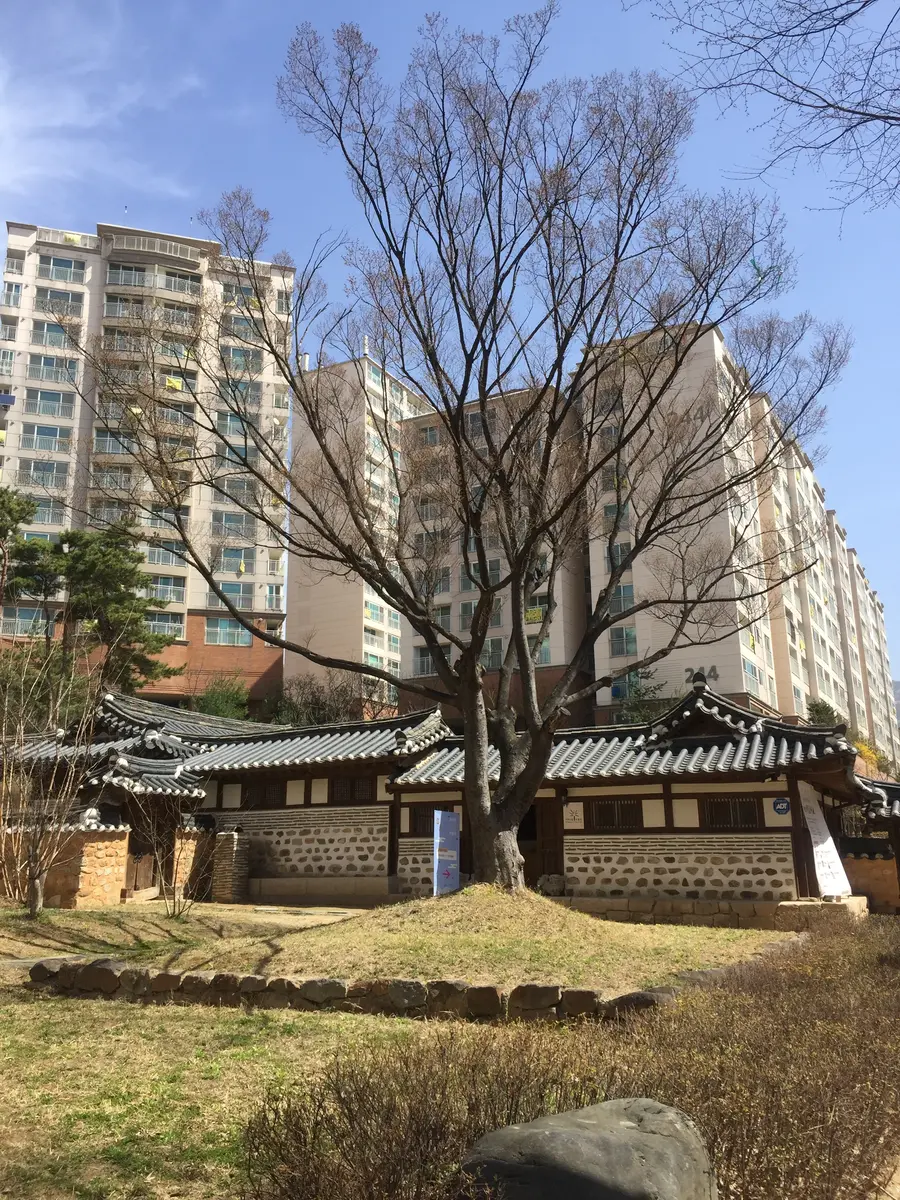
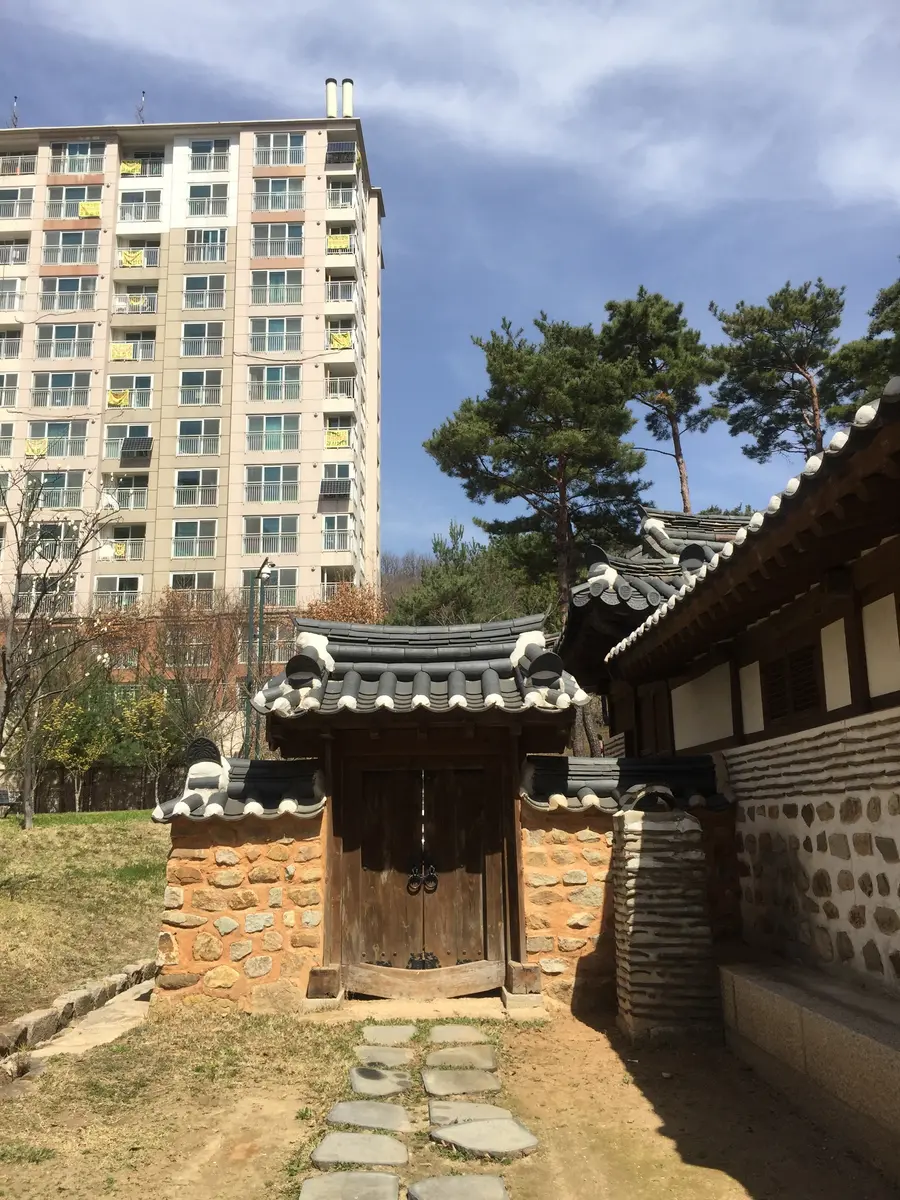
For those who want to tour 〈The Man Who Lives with the King〉 but find it difficult to head to Cheongnyeongpo in Yeongwol, Gangwon-do, due to the distance and long wait times for the ferry, I recommend Geumseongdang in Jingwan-dong, Eunpyeong-gu, Seoul. The tragic and righteous death of Prince Geumseong was deified thanks to the unique personality god culture of shamanism, and one of the shrines dedicated to the deified Prince Geumseong is Seoul's Geumseongdang. Geumseongdang, a shrine dedicated to Prince Geumseong as the main deity, is estimated to have been built in the late 19th century and is designated as National Important Folklore Material No. 258. Geumseongdang offers permanent experiences and exhibits the shaman paintings owned by Geumseongdang, and the Eunpyeong History Hanok Museum holds special exhibitions planned by Geumseongdang. During my visit in 2019, it was also operated as a shamanism museum, but since the agreement between Eunpyeong-gu and the shamanism museum ended in 2024, Geumseongdang is now operated independently. The shamanism museum has since moved to the front of Kookmin University (47 Jeongneung-ro 6-gil).
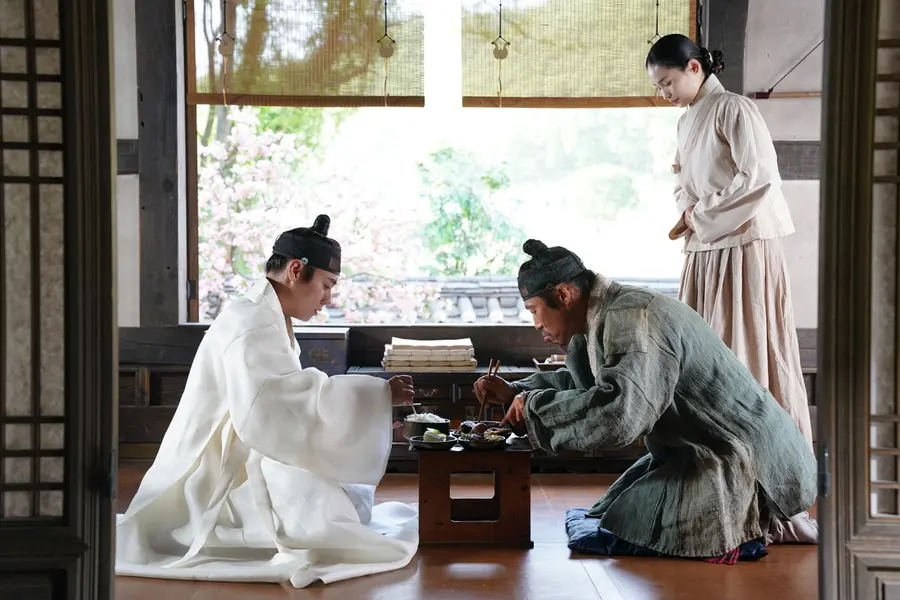
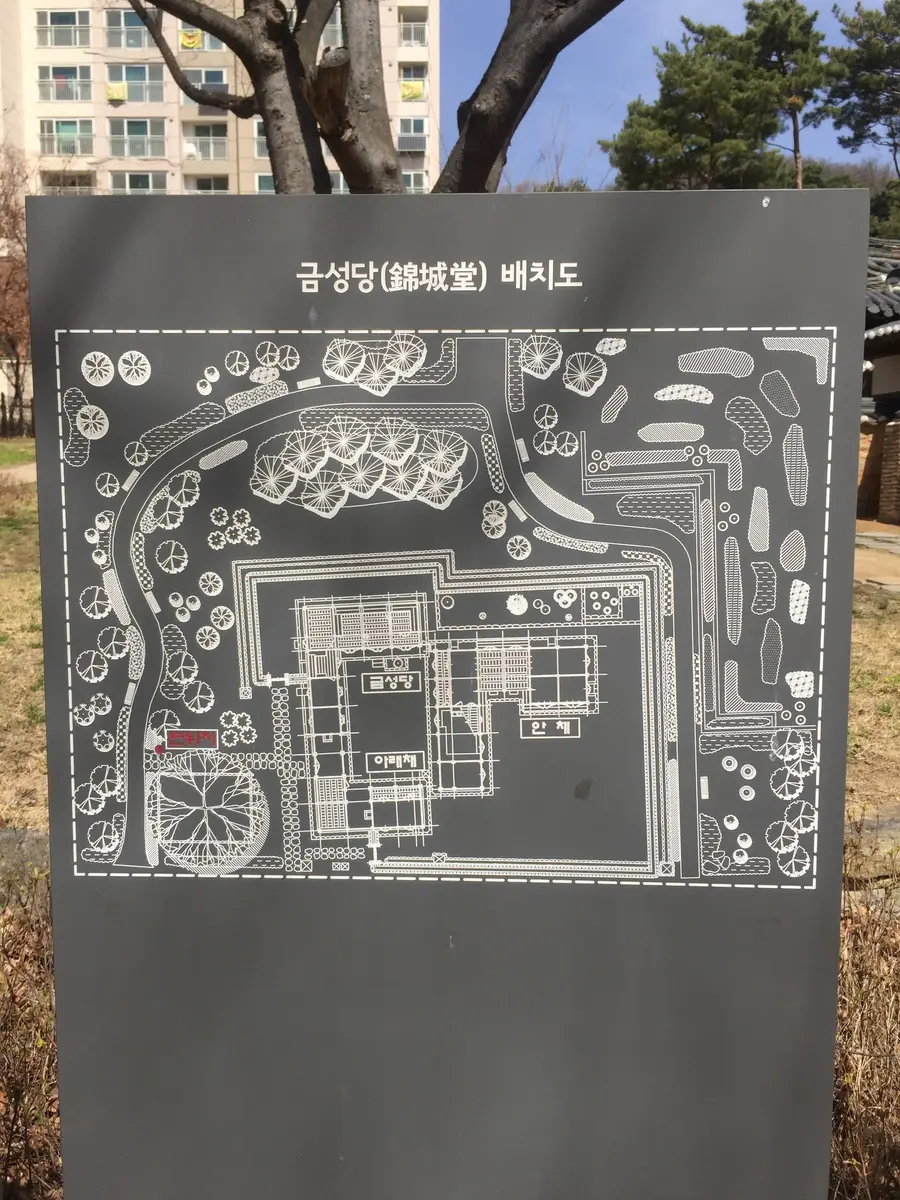
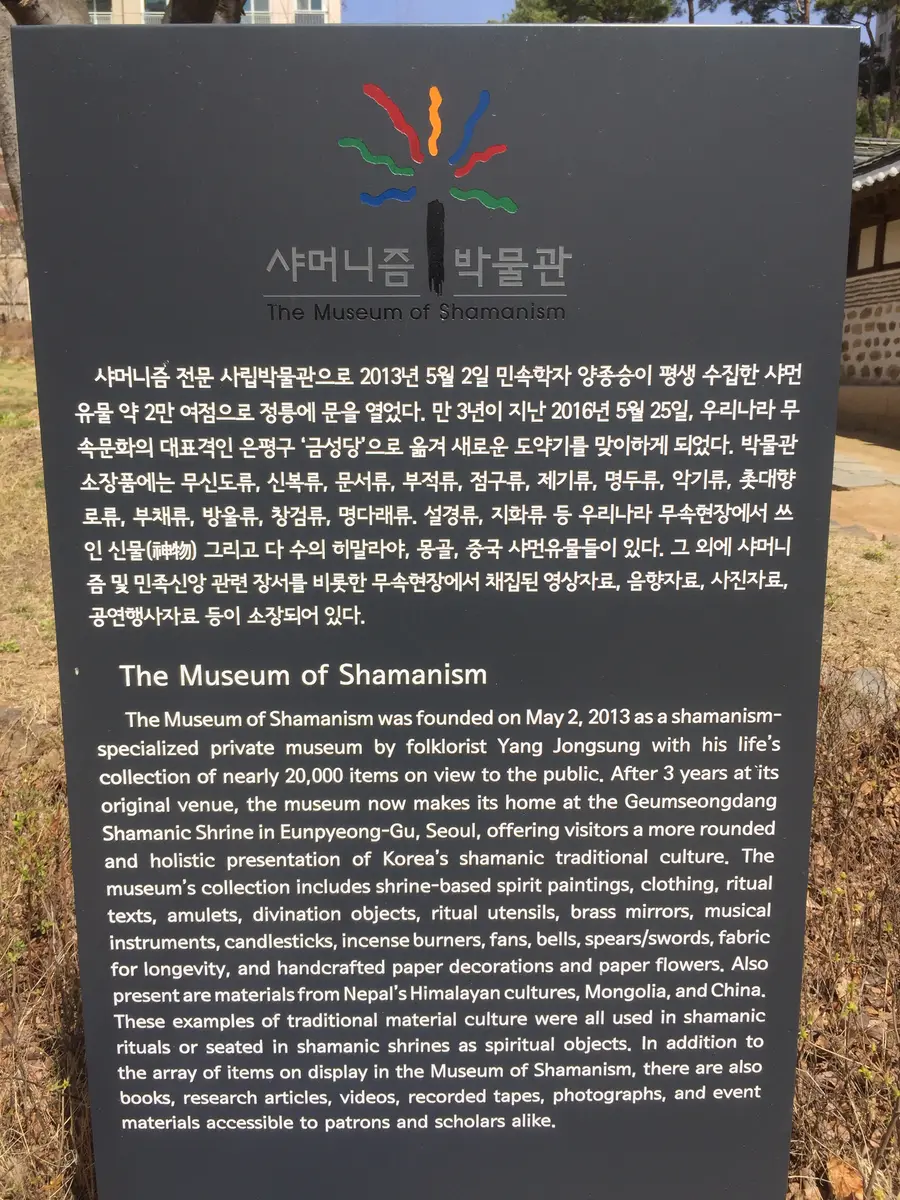
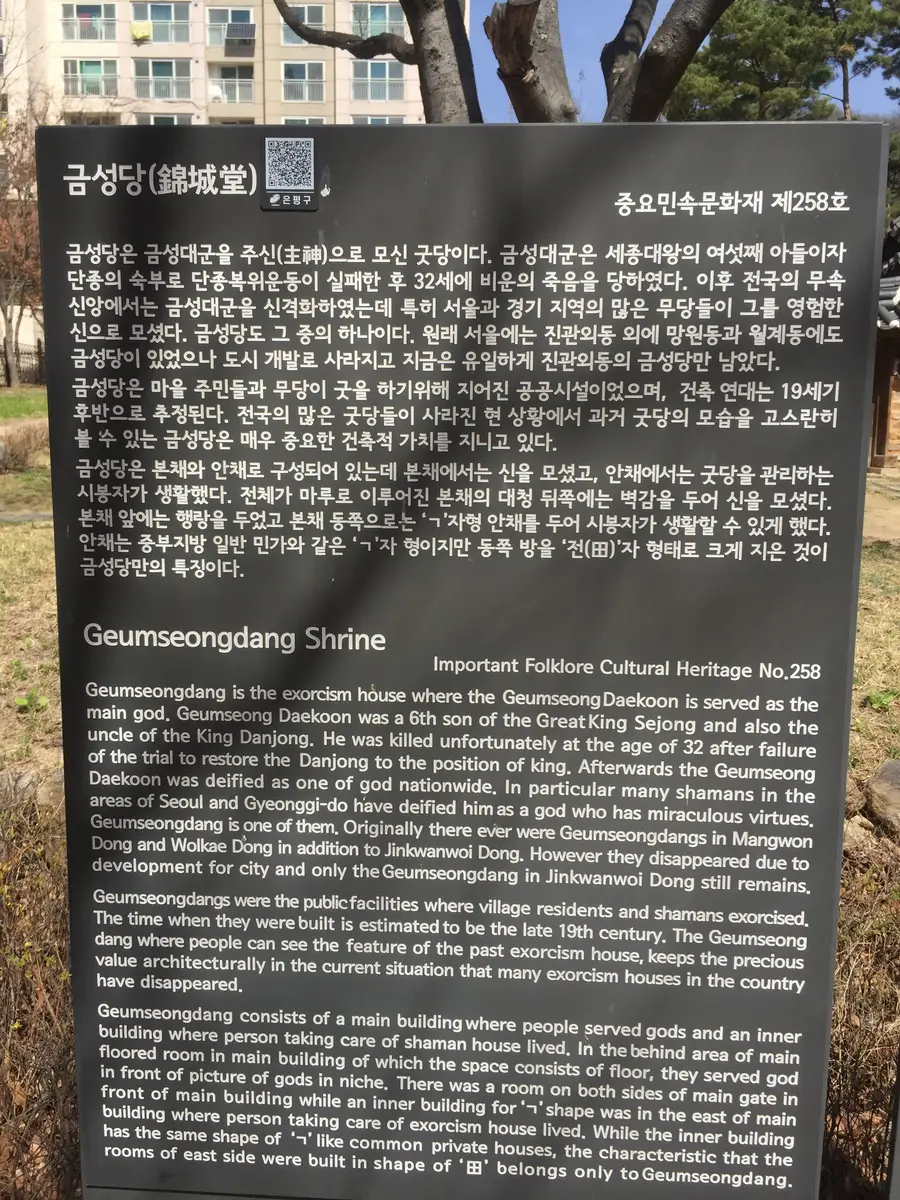
In the 2010s, as Eunpyeong New Town was being constructed, there was consideration to relocate Geumseongdang, which was located within the construction area, outside the New Town project site. However, it was ultimately decided to preserve it in its original location, harmonizing with the newly developed apartment complex. During this process, the Shamanism Museum, a private museum specializing in shamanism that opened in Jeongneung with about 20,000 shaman relics collected by folklorist Yang Jong-seung throughout his life, moved to Geumseongdang in 2016. In the current situation where many shrines across the country have disappeared, Geumseongdang, which retains the appearance of past shrines, holds significant architectural value.
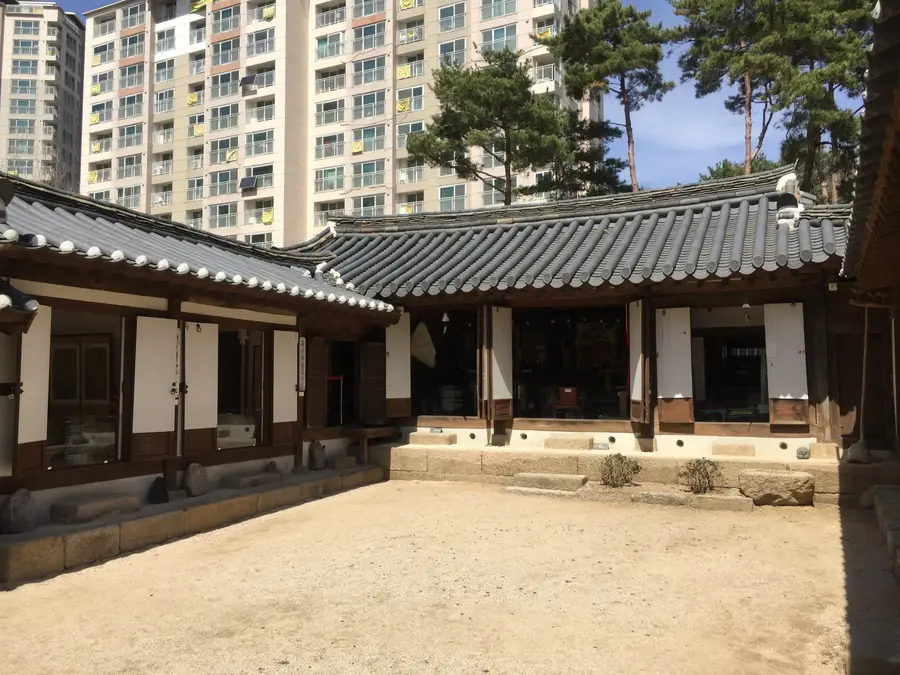
It was indeed in 2019. I have relatives living in Japan, and to briefly explain, my grandfather's brother went to Japan, forming a family that, in the 2000s, reunited with the help of a Japanese businessman, much like a 'Korea-Japan separated family reunion' in a Pachinko-like manner. Anyway, I have relatives I call Japanese uncle, Japanese aunt, and younger aunt. Some have naturalized to Japan, and some live as part of the Chongryon community, but they still get along well. Since then, we have been traveling between Korea and Japan once or twice a year, and in 2019, my younger Japanese aunt, who is deeply into Korean dramas, especially from MBC's 〈Annals of the Joseon Dynasty〉 to her favorite drama 〈Dong Yi〉, contacted me out of the blue (I don't know which drama she was watching) saying, "Danjong is so pitiful, and especially Prince Geumseong is so cool and handsome (emphasis here), and while searching for materials, I found that there is a shrine dedicated to Prince Geumseong in Seoul. Can you take me there?" She said the map seemed strange, and it looked like Geumseongdang was in the middle of an apartment complex, making it hard to find, so she asked me to accompany her.
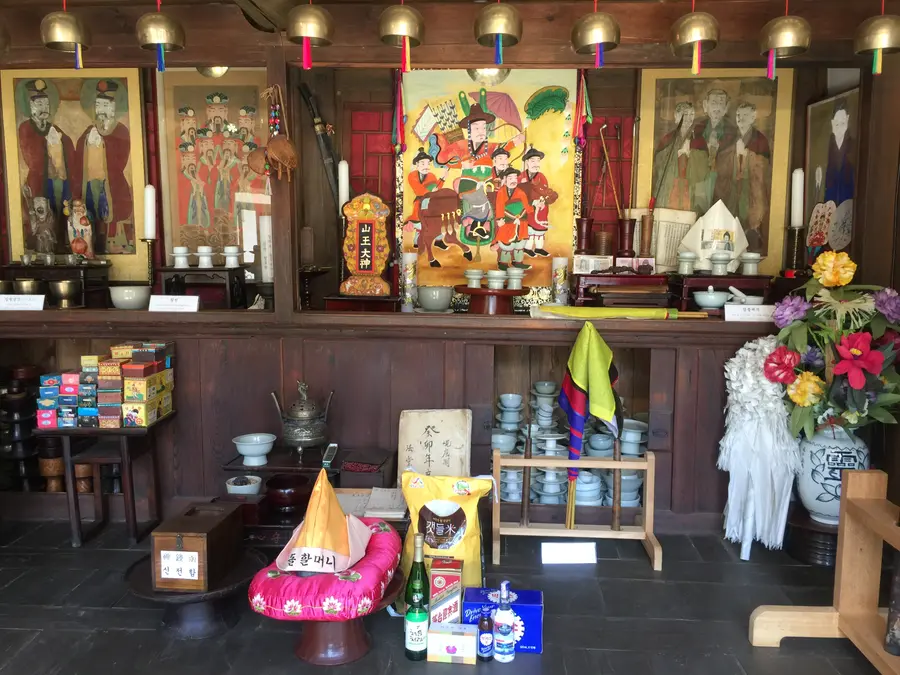
As mentioned earlier, during the construction of Eunpyeong New Town, Geumseongdang was preserved, and the shamanism museum was added, remaining as seen in the photos. Geumseongdang consists of a main building and an annex. The main building housed the deity, and the annex was where the caretaker of the shrine lived. The main building, entirely made of wooden floors, had a niche at the back of the main hall to house the deity. The annex is in the shape of a 'ㄱ' like a typical house in the central region, but the east room is built in a large '田' shape, which is a unique feature of Geumseongdang. Hearing the story of someone coming all the way from Japan to Geumseongdang to pay tribute to Prince Geumseong, the director at the time was very proud and explained everything in detail, almost like a personal curator.
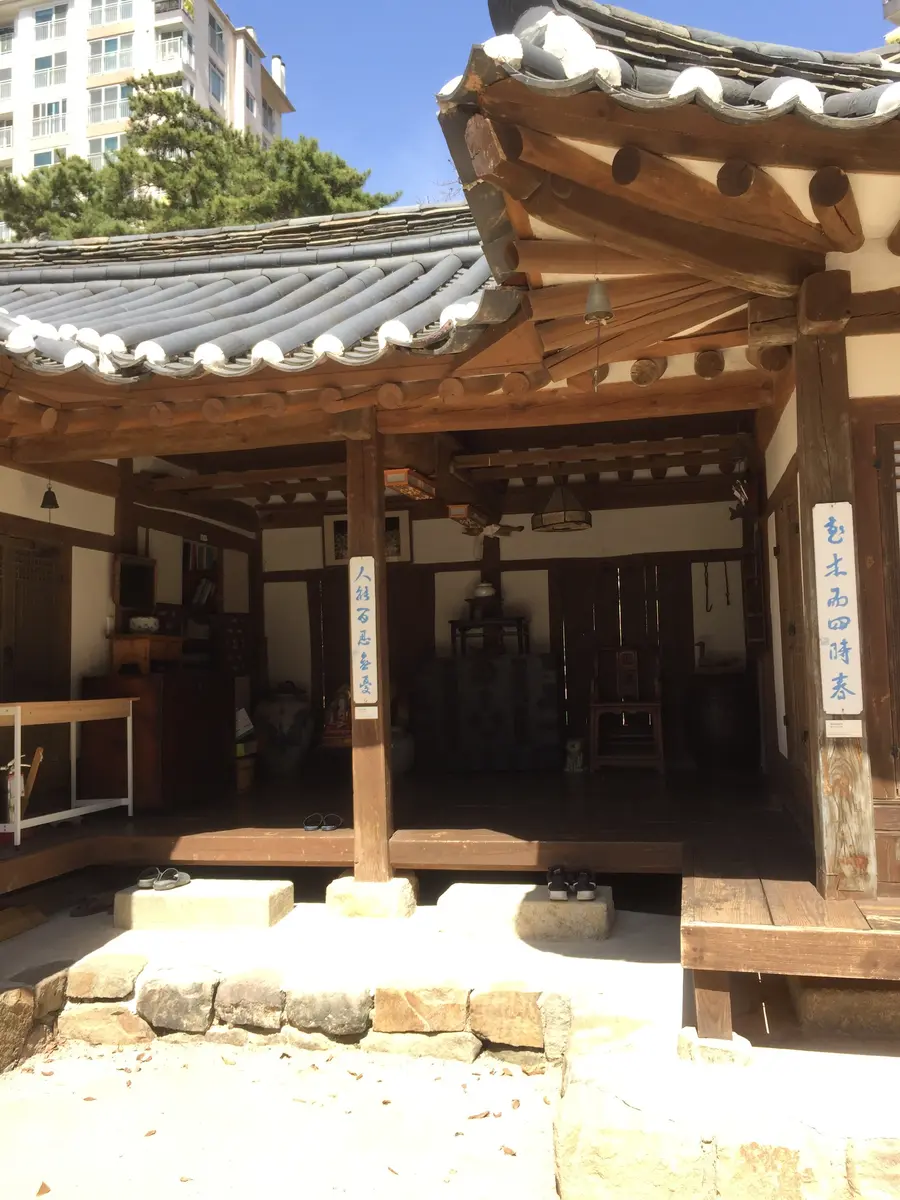
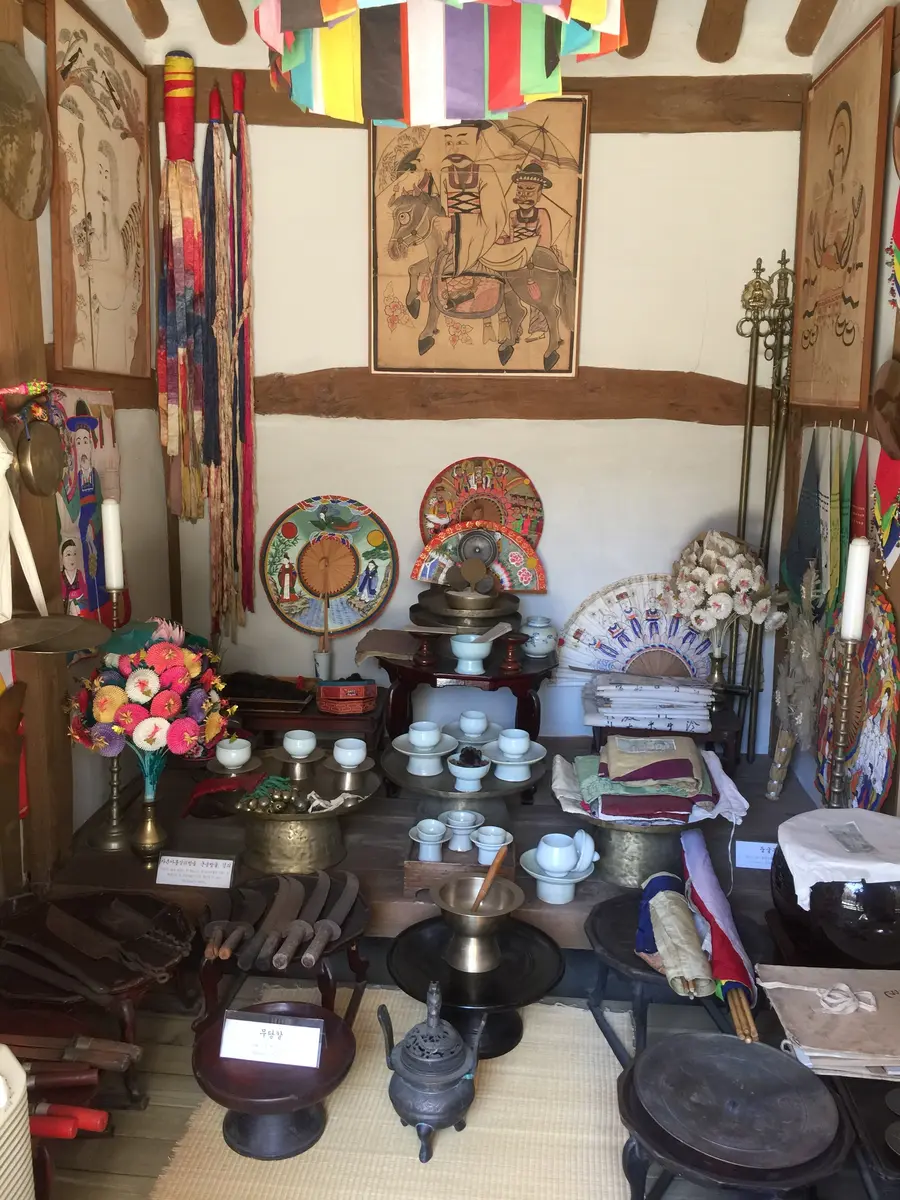
In addition to Geumseongdang, there were several rooms and various items where you could check different shamanistic styles from all over Korea, which were impressive. You could see sacred objects used in Korean shamanistic practices, such as shaman paintings, documents, talismans, ritual vessels, instruments, candlesticks, fans, spears, and swords, as well as many shaman relics from the Himalayas, Mongolia, and China. It was then that I truly learned about the existence of Prince Geumseong, and since actor Lee Jun-hyuk played Prince Geumseong in 〈The Man Who Lives with the King〉, I think my younger Japanese aunt would be very satisfied, and I plan to visit Geumseongdang again soon.
![[Joo Seong-cheol's Locker] The Black Speaker of 'Sirat' and the Monolith of '2001: A Space Odyssey'](https://cdn.www.cineplay.co.kr/w400/q75/article-images/2026-02-23/01816f3a-b433-4072-887b-e760357e6cc7.jpg)
![[Joo Seong-cheol's Locker] The 'Canned Cart Camera' that Changed the History of World Cinema with 'Nouvelle Vague'](https://cdn.www.cineplay.co.kr/w400/q75/article-images/2026-01-27/563f1a4c-20b8-460b-8523-f31511911bd5.jpg)
![[Joo Sung-cheol's Locker] Ahn Sung-ki is Born, I am Ahn Sung-ki](https://cdn.www.cineplay.co.kr/w400/q75/article-images/2026-01-13/362be897-34af-4524-9a57-6b9935666a0a.jpg)
![[Jusungcheol’s Locker] Odyssey’s one-eyed giant Cyclops and Ray Harryhausen’s “The Seventh Voyage of Sinbad”](https://cdn.www.cineplay.co.kr/w400/q75/article-images/2026-08-10/5faf400e-cf0b-466c-a3d7-31a8bbb38075.jpg)
![[Joo Seong-cheol’s Locker] See ‘Hope’ Again Through the Driver-Grade Cap Joo Seong-cheol Wears While Racing Across Seong-gi Bridge in ‘The Yellow Sea’ and ‘Goksung’](https://cdn.www.cineplay.co.kr/w400/q75/article-images/2026-07-28/7bf74e36-337d-4fd0-8cec-b890f5604345.jpg)
![[Joo Sung-cheol’s Locker] Watching “Marty Supreme,” Recalling Yoon Nam-gyu’s Penholder Table Tennis Racket](https://cdn.www.cineplay.co.kr/w400/q75/article-images/2026-06-29/0dc02383-0dc9-4ea1-9de5-f1eaffbeb9b9.jpg)
![[Joo Seong-cheol's Locker] The Aesthetics of Jongmyo That Captivated Masters of Martial Arts from Ho Kim-jun to John Woo, Jackie Chan, and Sammo Hung](https://cdn.www.cineplay.co.kr/w400/q75/article-images/2025-12-16/4d8670a7-ef95-4635-8d0c-34313f13dd52.jpg)
![[Joo Seong-cheol's Locker] The King Lear of Korea and Japan, Lee Soon-jae and Nakadai Tatsuya, Two Masters Rest](https://cdn.www.cineplay.co.kr/w400/q75/article-images/2025-12-01/3e753af3-e8d5-41df-83cf-00e9ddfdaae7.jpg)
![[Joo Seong-cheol's Locker] When Trees Comfort Trees, the Cello of 'The Moment the Bell Rings' and 'Can't Help It'](https://cdn.www.cineplay.co.kr/w400/q75/article-images/2025-11-18/52034c54-93dc-4b4c-ac9f-5f9b7946fb23.jpg)
![[Joo Seong-cheol's Locker] What Beer Did Sergio (Benicio Del Toro) Always Carry in 'One Battle After Another'?](https://cdn.www.cineplay.co.kr/w400/q75/article-images/2025-11-04/0794fe08-e847-46a1-ba4c-445f814803a8.jpg)
![[Joo Seong-cheol’s Locker] Do You Know the Origin of Woody in “Toy Story”?](https://cdn.www.cineplay.co.kr/w400/q75/article-images/2026-06-16/eb2c5055-d2de-4464-b9e2-eceeca8c7759.jpg)
![[Joo Seong-cheol's Locker] Tony Leung Sometimes Wants to Hold an Ashtray.](https://cdn.www.cineplay.co.kr/w400/q75/article-images/2026-02-09/8b9ac9f0-6899-4ce2-a562-5594a5b06d61.jpg)
![[Joo Sung-chul’s Locker] The Still-Enchanting Mambo Dance in the 4K Re-release of *Days of Being Wild*—Leslie Cheung and the Mirror](https://cdn.www.cineplay.co.kr/w400/q75/article-images/2026-10-20/5aada822-27d2-4109-bf79-e39610f84941.jpg)
![[Chu Sung-cheol’s Lockers] Who Spat on Leslie Cheung in “Farewell My Concubine”?](https://cdn.www.cineplay.co.kr/w400/q75/article-images/2026-04-06/7b608cd9-af6c-4c1d-8e87-38c2d2619d55.jpg)
![[Joo Sung-chul's Locker] What Are the Improvised Explosive Devices (IEDs) in 'Warfare' and 'The Hurt Locker'?](https://cdn.www.cineplay.co.kr/w400/q75/article-images/2026-08-24/ae200e60-2be9-478e-8ab4-72a860903979.jpg)
![[Joo Seong-cheol’s Locker] Zombie Things That Don’t Flinch Even When Shot: Korea’s First Zombie Film, “Kwe-si” (1981)](https://cdn.www.cineplay.co.kr/w400/q75/article-images/2026-06-01/26c56ce7-1ddb-46bd-ae67-f71a1ba9e276.jpg)
![[Joo Seong-cheol’s Locker] David’s Stone That Took Down Goliath, “David” All the Way Through](https://cdn.www.cineplay.co.kr/w400/q75/article-images/2026-07-13/524bb041-0e4e-4f59-824b-21d2f7df60a9.jpg)
![[Joo Seong-cheol’s Lockers] The Great Dancer Turned Film Director Summoned by “Michael”: Bob Fosse’s “All That Jazz”](https://cdn.www.cineplay.co.kr/w400/q75/article-images/2026-05-18/922af142-be9f-4f1c-98d1-4a7a6667943c.jpg)
![[Joo Seong-cheol’s Lockers] Lee Cronin’s The Mummy and Murderous People Season 2 — and a Scorpion Jacket That Feels Like the Rise of Drive](https://cdn.www.cineplay.co.kr/w400/q75/article-images/2026-04-20/1df79cf4-44ef-48e4-a6b4-46f6e35c4eb5.jpg)

![[Interview] A Love Letter to Life, Humanity and Korea: ‘Journey There’ Star Justin H. Min, Part 2](https://cdn.www.cineplay.co.kr/w300/q75/article-images/2026-10-22/f97b0baf-32b0-4b5c-983b-df3166e84990.jpg)

![[First Reactions] 'The King and the Man' Cineplay Reporter Star Rating](https://cdn.www.cineplay.co.kr/w160/q75/article-images/2026-01-22/66352098-ec4e-443d-be31-8eea2db359e0.jpg)





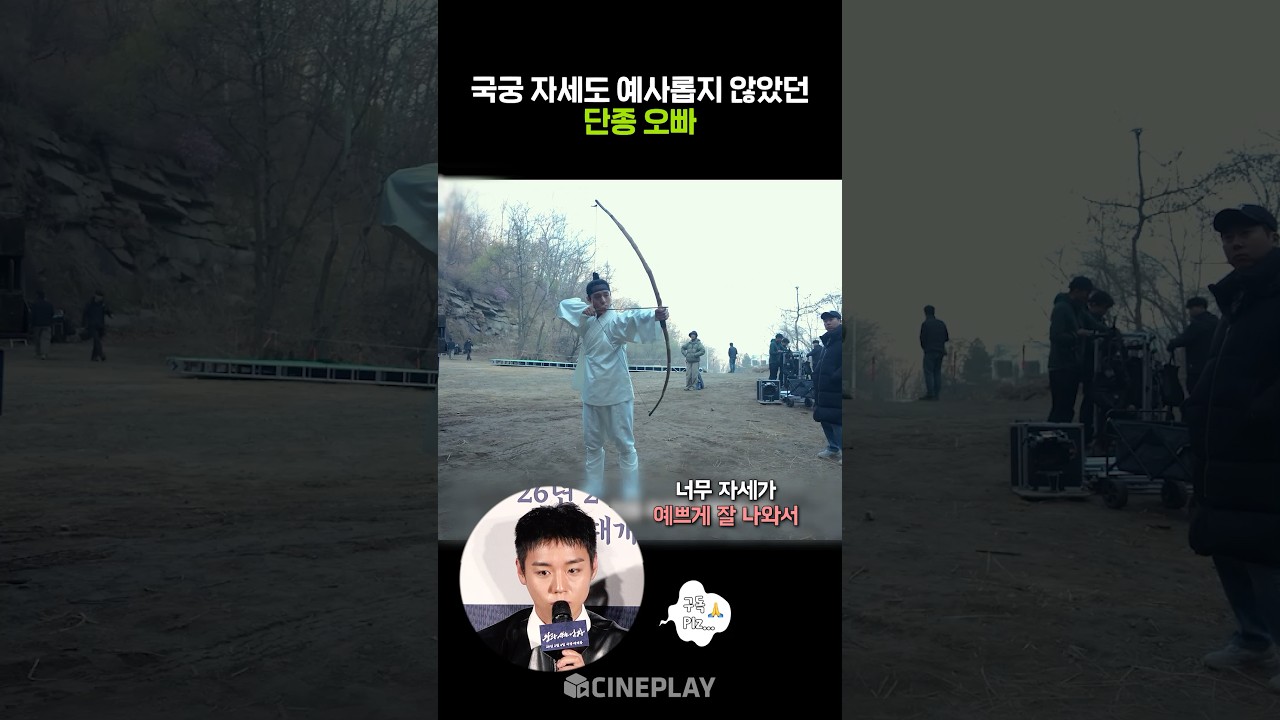

![[Culture&] 'The King’s Affection' Surges Tourist Numbers by 5 Times...Emergency Safety Inspection at Cheongryeongpo](https://cdn.www.cineplay.co.kr/w160/q75/article-images/2026-03-06/3c1dd4bf-6960-4125-bd0d-aae2a4f5272c.jpg)


![[4K] The Chemistry of Yoo Hae-jin and Park Ji-hoon That Moved Ten Million People #TheKingswarden #parkjihoon #Yoohaijin](https://img.youtube.com/vi/ez5w9YwBR7o/maxresdefault.jpg)

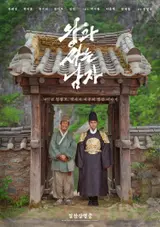
![[Photo&] 'The Man Living in the Palace' Surpasses 'The Drug King', Breaks 12 Million Viewer Record](https://cdn.www.cineplay.co.kr/w160/q75/article-images/2026-03-11/e806001a-44b0-45e6-8e56-036c3ce66f0b.png)
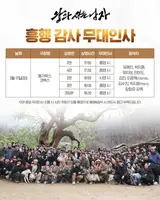
![[Photo &] Jang Hang-jun's 'The King and the Man' Surpasses 12 Million in Seoul's Fan Service... A Historic Coffee Truck Event](https://cdn.www.cineplay.co.kr/w160/q75/article-images/2026-03-12/27cf704e-757a-4a8b-8c78-a5c4e2cbae7e.jpg)
![[Seongchan Eol's Comic Book] Read This When You're Feeling Down, A Middle Schooler's Innocent First Love 「The Girl I Like Forgot Her Glasses」](https://cdn.www.cineplay.co.kr/w160/q75/article-images/2026-03-12/b03d1348-3958-4296-8a0b-2bf4f2d3db57.jpg)
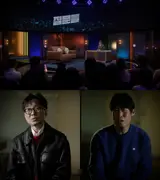
![[Photo &] Breaking 13.6 Million - 'The Man Who Lives with the King' Yoo Hae-jin, Park Ji-hoon, Jang Hang-jun: A Grateful Stage Greeting Filled with Emotion!](https://cdn.www.cineplay.co.kr/w160/q75/article-images/2026-03-18/0c4b45f4-6b56-4901-9509-290fd52e660b.jpg)
![[Culture&] 'Yeongwol' Business District Revival! Following the success of the movie '왕과 사는 남자', 상동광산 reopens after 32 years with core mineral tungsten](https://cdn.www.cineplay.co.kr/w160/q75/article-images/2026-03-19/83b585ea-0ac4-4ad6-926e-d8226adc6e81.jpg)
![[Culture&] 14 Million 'King's Affection' Park Ji-hoon Syndrome…Previous Works and Webtoons Also Making a Comeback](https://cdn.www.cineplay.co.kr/w160/q75/article-images/2026-03-20/bb4aa096-6622-4055-ad63-9acb532666c2.jpg)
![[Weekend Box Office Clash] 'The Man Who Survives With the King' Hits 15 Million, Reservation-Rate Swing Reverses 'Miracle'](https://cdn.www.cineplay.co.kr/w160/q75/article-images/2026-03-26/26ebdfeb-0053-41cb-a719-2ef3a47a0379.jpg)

댓글 (0)
댓글 작성
댓글을 작성하려면 로그인이 필요합니다.
로그인하기