


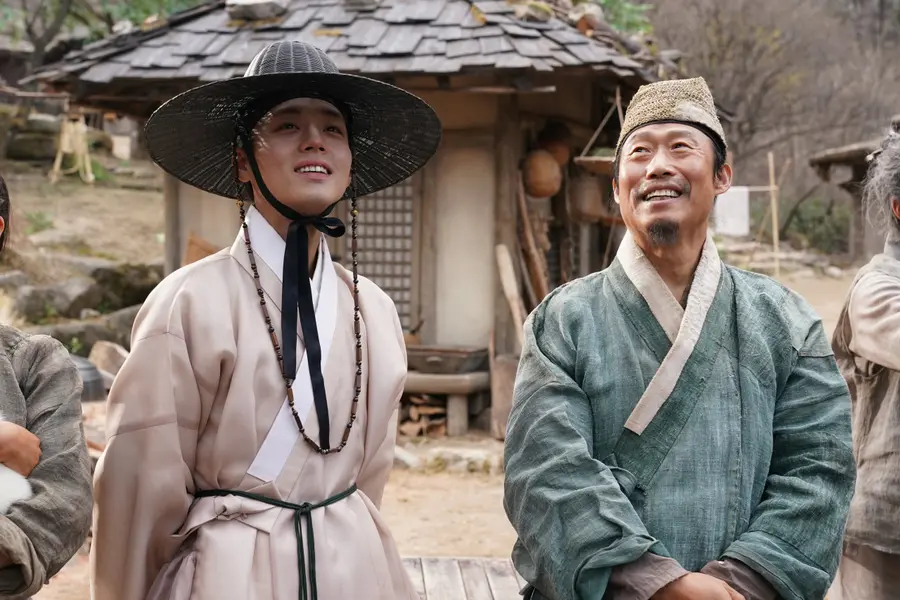
〈The Man Living in the Palace〉 is on the verge of surpassing 10 million viewers. After 〈The Outlaws 4〉 (2024), it will be the 25th 10 million Korean film. According to the integrated computer network of the Korean Film Council on March 6, 〈The Man Living in the Palace〉 attracted 180,548 viewers on the 5th, ranking first at the box office. The current cumulative audience is 9,778,000. It is expected to surpass 10 million viewers as early as today, or at the latest, this weekend. On March 1, which is Independence Day, the daily audience reached a staggering 817,000, and on March 2, just 27 days after its release, it surpassed 9 million viewers. During this time, the sales of historical books related to the Joseon royal family with the keyword 'Dan Jong' surged by an astonishing 2,565% compared to the previous year, and the number of tourists to Cheongnyeongpo in Yeongwol, Gangwon Province, where Dan Jong was exiled, skyrocketed more than fivefold. 〈The Man Living in the Palace〉 will hold a box office appreciation event on March 12 at 12 PM at the Seoul Newspaper Company Square in Jung-gu, Seoul, where director Jang Hang-jun will personally visit and conduct a coffee truck event. It can be said that this is a phenomenon that can be called the 'Dan Jong craze.' The secret to the success of 〈The Man Living in the Palace〉 can be found in the scenes that the audience loved the most. Cineplay reporters have each selected their favorite scenes. What is your favorite scene?
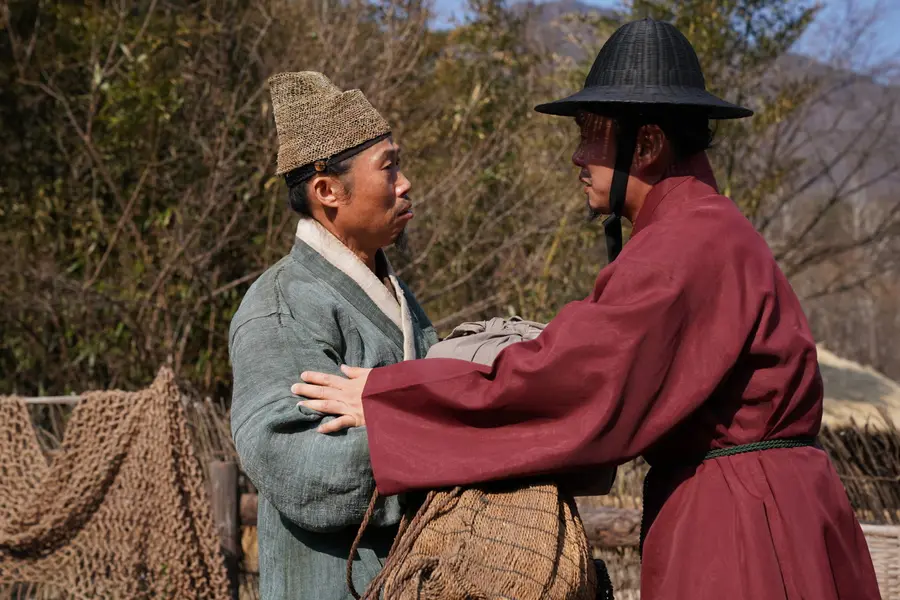
Reporter Kim Ji-yeon's Favorite Scene / Noru-gol Village Chief vs. Gwangcheon-gol Village Chief's Bickering
This scene showcases Jang Hang-jun's wit. Director Jang Hang-jun filled the one-line record stating, 'When Lord Noh Sang-gun (Dan Jong) passed away, Eom Heung-do mourned and performed a song, then held a funeral,' with his unique humor and warmth. 〈The Man Living in the Palace〉 combines comedy and emotional narrative to make the audience laugh and cry, which sometimes gives the impression that the comedy in the first half and the drama in the second half are distinctly separated. However, this aspect drove the film's success. The numerous simple and rough humor placed in the first half by the director served as a device to emphasize the 'humanity' of the Gwangcheon-gol people, and their 'humanity' ultimately supported the explosive resonance of the drama in the second half with the audience. For example, the scene where the Noru-gol Village Chief (Ahn Jae-hong) and the Gwangcheon-gol Village Chief (Yoo Hae-jin) argue over the selection of the place of exile is also the starting point for building the humanity of Gwangcheon-gol Village Chief Eom Heung-do. In this scene, Eom Heung-do is portrayed as an 'ordinary person' who wants to keep Lee Hong-wi (Park Ji-hoon) in the village for his own benefit. The Eom Heung-do imagined by director Jang Hang-jun was not merely altruistic and just, and because of that, it gained a destructive power that a noble character's story could never have had from the beginning. The drama in the second half, where Eom Heung-do puts aside his own interests and forms a bond with Lee Hong-wi, ultimately fulfilling his last request, was able to resonate even more deeply due to the human humor and warmth laid out in the front.
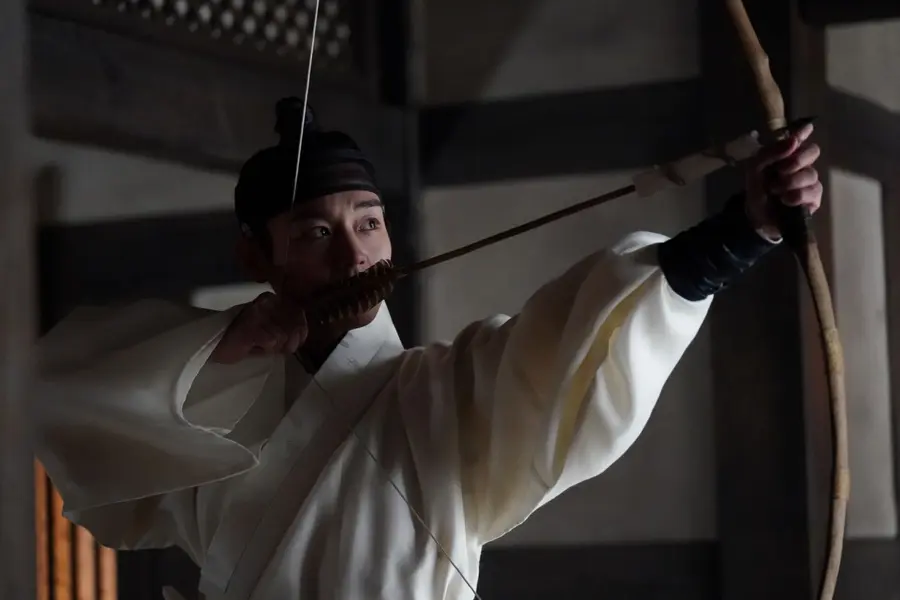
Reporter Seong Chan-eol's Favorite Scene / I am the King, even the tiger flinches at my roar
Among the viewers of 〈The Man Living in the Palace〉, not a single person fails to mention the 'tiger.' It is likely due to the disappointing CG quality in the film. However, even that quality did not bother me much, and I really like the scene where Lee Hong-wi (Park Ji-hoon) faces the tiger. The reason is simple. From that scene onward, this fragile Lee Hong-wi begins to look like a true 'king.' Although he appears in a royal robe from his first appearance, Hong-wi is incredibly weak. After all, how can a king who has already lost power and witnessed the deaths of many loyal subjects show authority? Then, at the moment when a citizen's life is about to be taken before Hong-wi's eyes, he reveals his dignity as a king, as if representing his entire life. With this one scene where he shows his spirit to the tiger, the audience realizes that Hong-wi is not just a frustrated human, but a leader who values his people, and that he is a king who has lived his life as royalty. Of course, it is indeed an excessive fantasy. It cannot be denied that there are criticisms of overly beautifying Lee Hong-wi. But isn't it a movie? Especially for Dan Jong, who ascended to the throne at such a young age, was deposed, and could do nothing in the grip of power, giving him this level of spirit feels more like a catharsis than beautification. This scene precisely shows what the audience desires. The ideal image of a leader we want. Even if it is a fantasy, it shows that such a person existed, perhaps a moment that could change our history, which is why the audience could not help but fall in love with 〈The Man Living in the Palace〉.
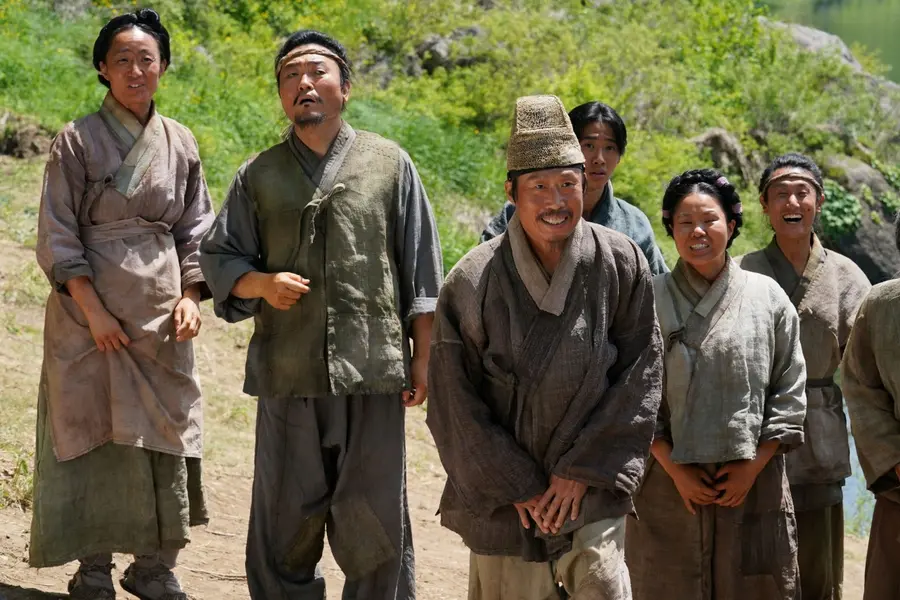
Editor Joo Seong-cheol's Favorite Scene / The Fantasy of Dan Jong and the Gwangcheon-gol People Dining Together
In 〈The Man Living in the Palace〉, the moments without the villain Han Myeong-hoe (Yoo Ji-tae) are incredibly peaceful. Long ago, Jeong Jin played Han Myeong-hoe in the MBC drama 〈The Five Hundred Years of Joseon Dynasty: Snow Flower〉 (1984), and in the KBS drama 〈Han Myeong-hoe〉 (1994), Lee Deok-hwa created ears like Spock (Leonard Nimoy) from the 〈Star Trek〉 series to portray Han Myeong-hoe, and in the film 〈The Face Reader〉 (2013), Kim Eui-sung, who played Han Myeong-hoe, appeared wearing a mask, making him a symbol of smallness and treachery. However, in 〈The Man Living in the Palace〉, Han Myeong-hoe appears as a 'tall and imposing' villain thanks to Yoo Ji-tae's physicality. Jeong Jin also appeared as Toyotomi Hideyoshi, a symbol of ugliness, in the MBC drama 〈The Five Hundred Years of Joseon Dynasty: The Imjin War〉 (1986), so his image has changed significantly. The intimidation of Han Myeong-hoe, played by Yoo Ji-tae, is truly immense. Therefore, the scenes where Dan Jong (Park Ji-hoon) eats with the villagers, showing a completely opposite sentiment, stand out.
As one of director Jang Hang-jun's favorite films, the line “Are you eating well?” is the most Korean way to ask about someone's well-being and check their status. The term 'sikgu' (食口), meaning 'people who live together and share meals,' also reflects this. As Dan Jong begins to regain his strength, he eats with all the people of Gwangcheon-gol, starting with Eom Heung-do (Yoo Hae-jin), and for that moment, the villagers also enjoy warm white rice and discuss any grievances they may have, creating a rare scene of 'dining together' with the king. It can be called the first and best 'welfare' that has come to the Gwangcheon-gol people. Director Jang Hang-jun does not treat each meal scene with special emphasis, but rather handles it as a montage sequence where the dining partners change continuously without special lines. Its simplicity makes it feel more affectionate and heartfelt. If a survey were conducted among the 10 million viewers of 〈The Man Living in the Palace〉, this moment would likely be ranked as the number one favorite scene.
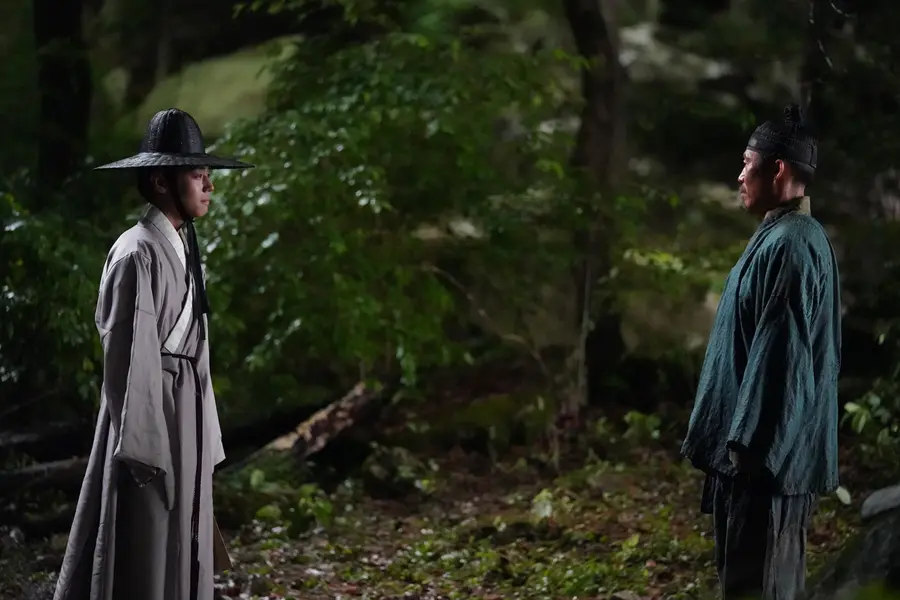
Reporter Choo Ah-young's Favorite Scene / Eom Heung-do Blocking the Way and Dan Jong Trying to Leave, the Peak of Bromance
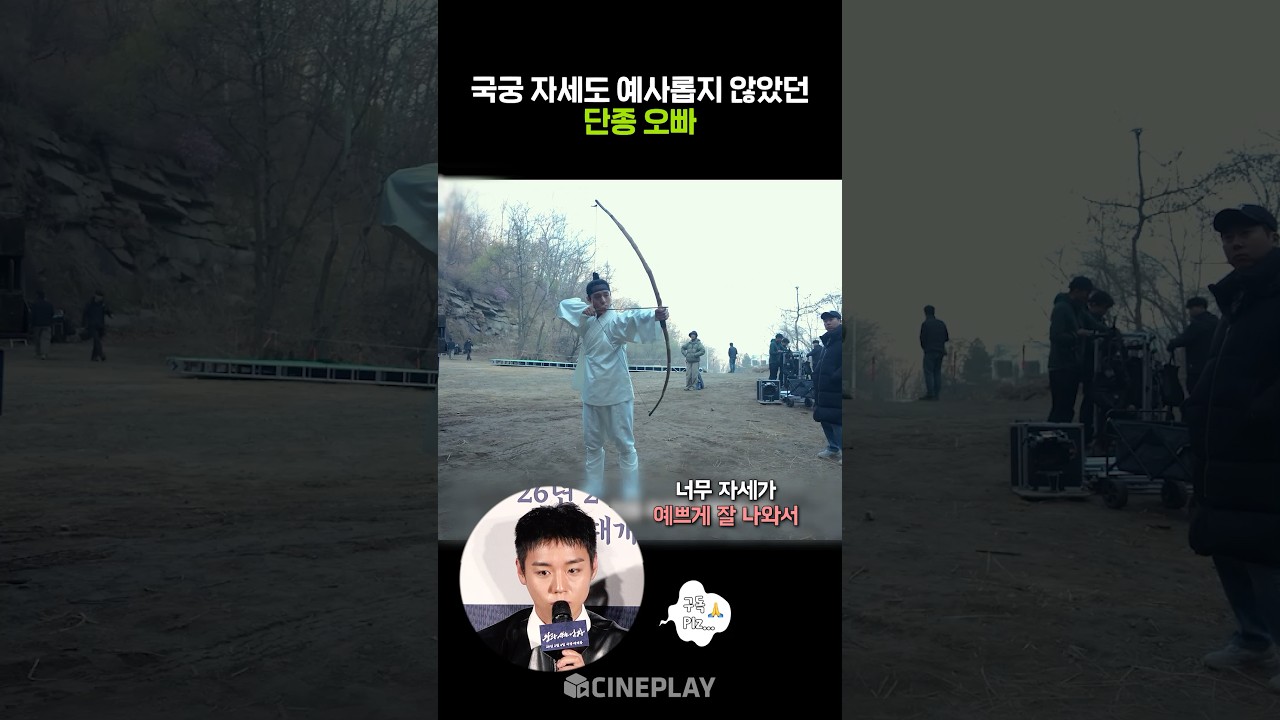
Lee Hong-wi (Park Ji-hoon) suffers as he hears the screams of the loyal subjects who protected him in the palace. The helplessness of not being able to protect the people by his side and the fear that he too could end up like them constantly overwhelm him, and he gradually loses himself to these emotions. This scene, which appears in the early part of the film, is perfectly reversed in the latter half. Hong-wi, who is trying to throw off his fear for the sake of Eom Heung-do (Yoo Hae-jin), the villagers of Cheongnyeongpo, and the people, attempts to go to Geumseongdaegun (Lee Joon-hyuk) with the support of Eom Heung-do. Eom Heung-do ultimately blocks his path, and Hong-wi looks at Heung-do with a longing gaze and says, “I no longer want to lose the people I cherish and love because of me.” Upon hearing his words, Eom Heung-do realizes that he cannot stand in his way. And he says, “Am I also included in that?” And the following words between them. “Aren't you?” “Why wouldn't I be?” This scene showcases the poignant emotional line between Hong-wi and Heung-do that the film has gradually built up, reaching the peak of their bromance. Because an irreversible tragic history looms before them, this scene resonates even more deeply. It also successfully completes Hong-wi's character arc of overcoming fear and regaining his true spirit from a fragile boy king.
The bromance between Dan Jong and Eom Heung-do contributes significantly to the film's success by soothing the sorrow that remains for us who know the tragic history, addressing the unresolved collective guilt. Dan Jong's tragic life is already well-known to Koreans through history education, media, and works. Dan Jong is imprinted as an icon of misfortune for Koreans, touching on the Korean national identity. In our minds, there is a sense of pity for Dan Jong, who was unjustly sacrificed, a guilt for not being able to correct the injustices, and an apology for not being able to protect him. This collective guilt of Koreans is somewhat alleviated by the character of Eom Heung-do, who represents the ordinary people. The audience wishes for Dan Jong's last moments to be peaceful and warm, allowing him to experience the happiness that was taken from him through Eom Heung-do's position.





![[Culture&] 'The King’s Affection' Surges Tourist Numbers by 5 Times...Emergency Safety Inspection at Cheongryeongpo](https://cdn.www.cineplay.co.kr/w160/q75/article-images/2026-03-06/3c1dd4bf-6960-4125-bd0d-aae2a4f5272c.jpg)
댓글 (0)
댓글 작성
댓글을 작성하려면 로그인이 필요합니다.
로그인하기