


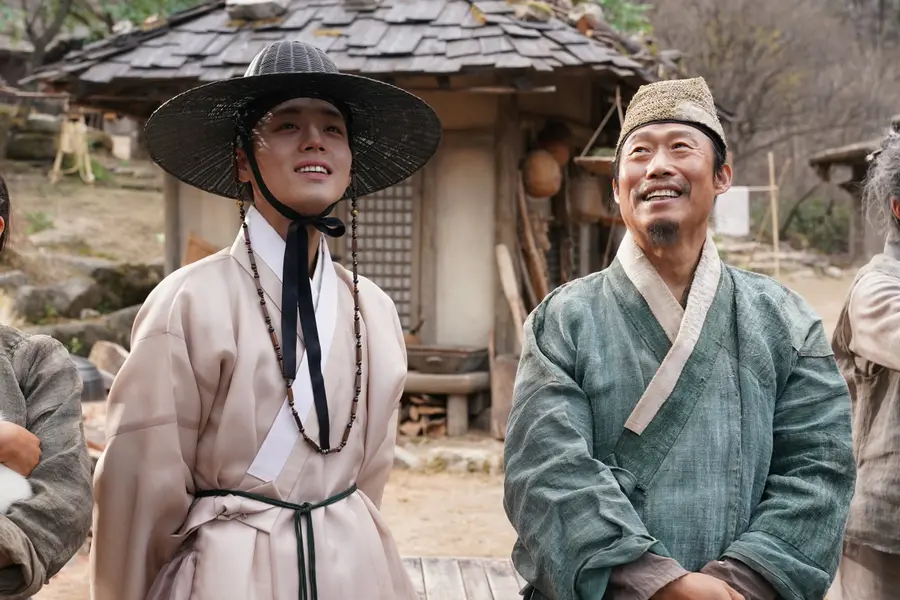
History is usually left as the sentences of the winners. The lives of the losers are condensed into a few lines of records. Danjong has also been remembered that way. The deposed young king, the exiled boy, the unfortunate monarch who ultimately perished.
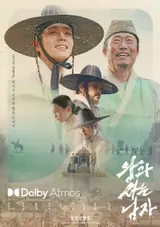
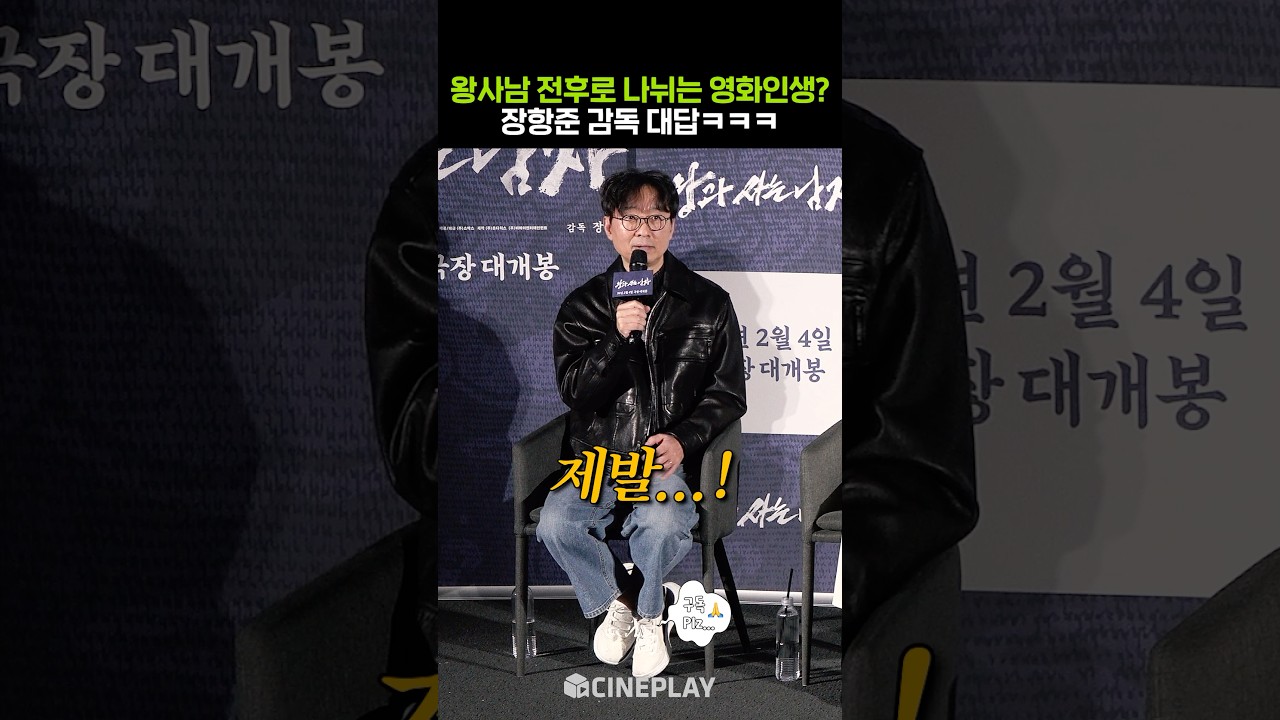
Jang Hang-jun's 〈The King and the Man〉 touches precisely the outside of those sentences in history books. It imaginatively restores the time when he shone as a human being, as the most kingly existence after losing everything. What is restored is the vivid face of the loser that could not be contained in history, the moments of life that were clearly given to the defeated, and the forgotten voices of those who once breathed together around that life. As later audiences, we all know the ending. The legitimate heir is ousted from the throne by his uncle, exiled, and tragically ends his life. What captures the audience's heart is not the ending, but the process leading up to it. In the time compressed into a single line of public record, the questions are how someone breathed, what words were exchanged, how kind they were, and how brightly they smiled. This process and these questions resonate more deeply than the sentences in history. 〈The King and the Man〉 walks directly toward that question. The Danjong depicted in the film no longer remains a tragic boy king. He is reborn as a being who once clearly lived, a boy, a human, and a possibility that changed a community.
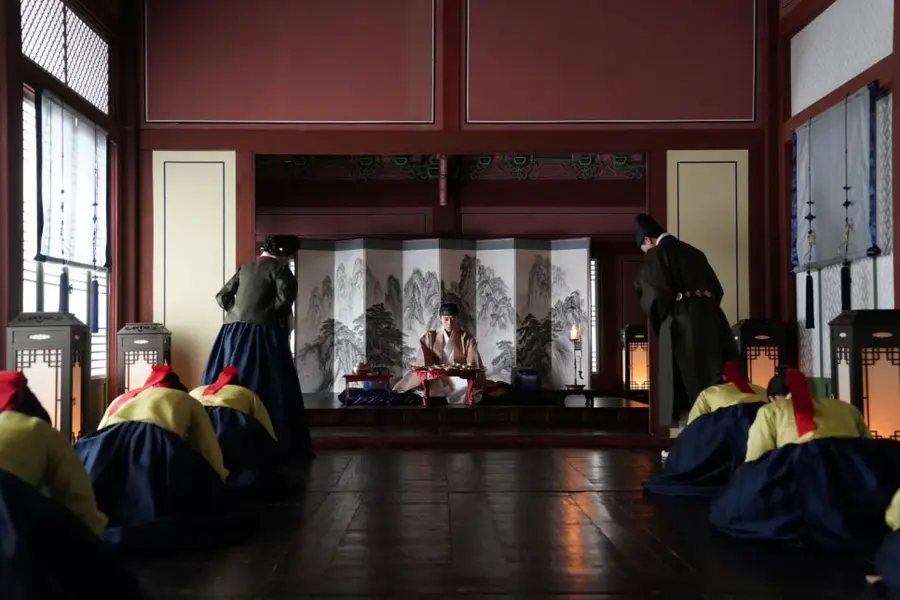
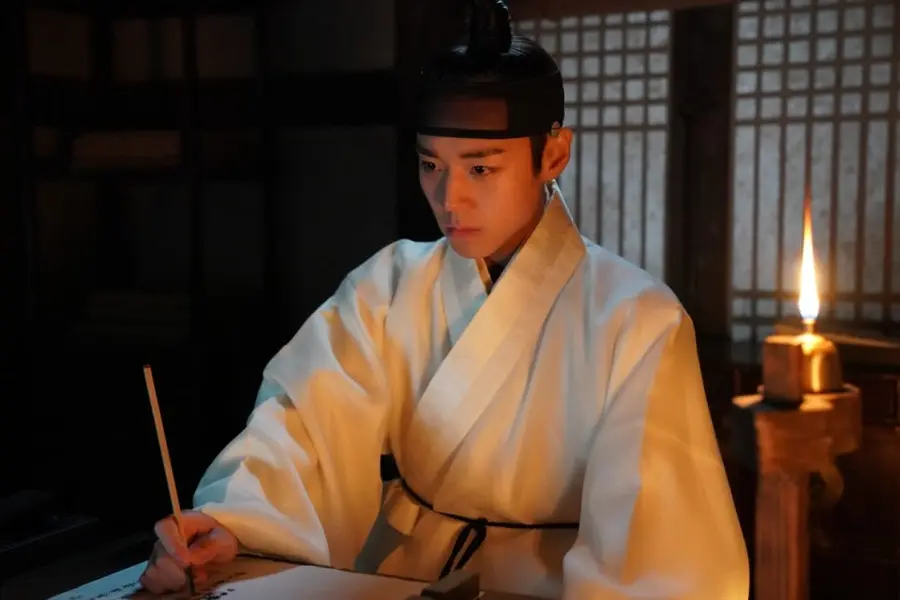
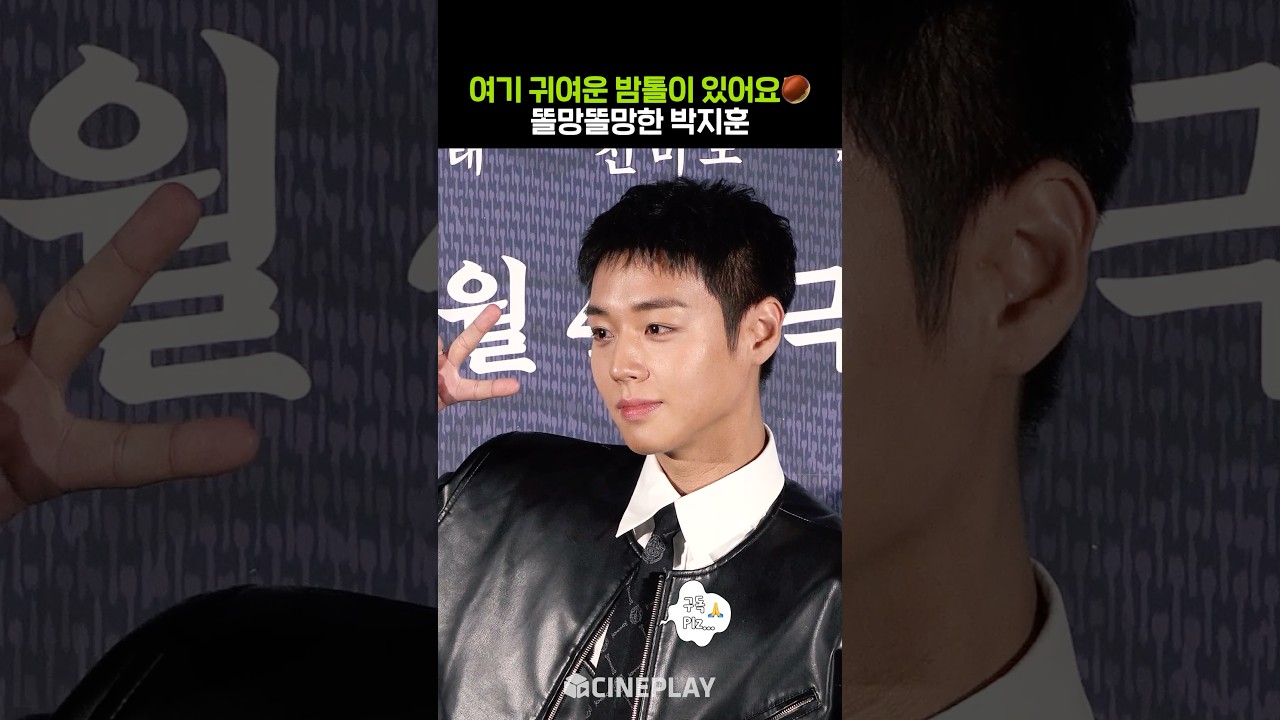
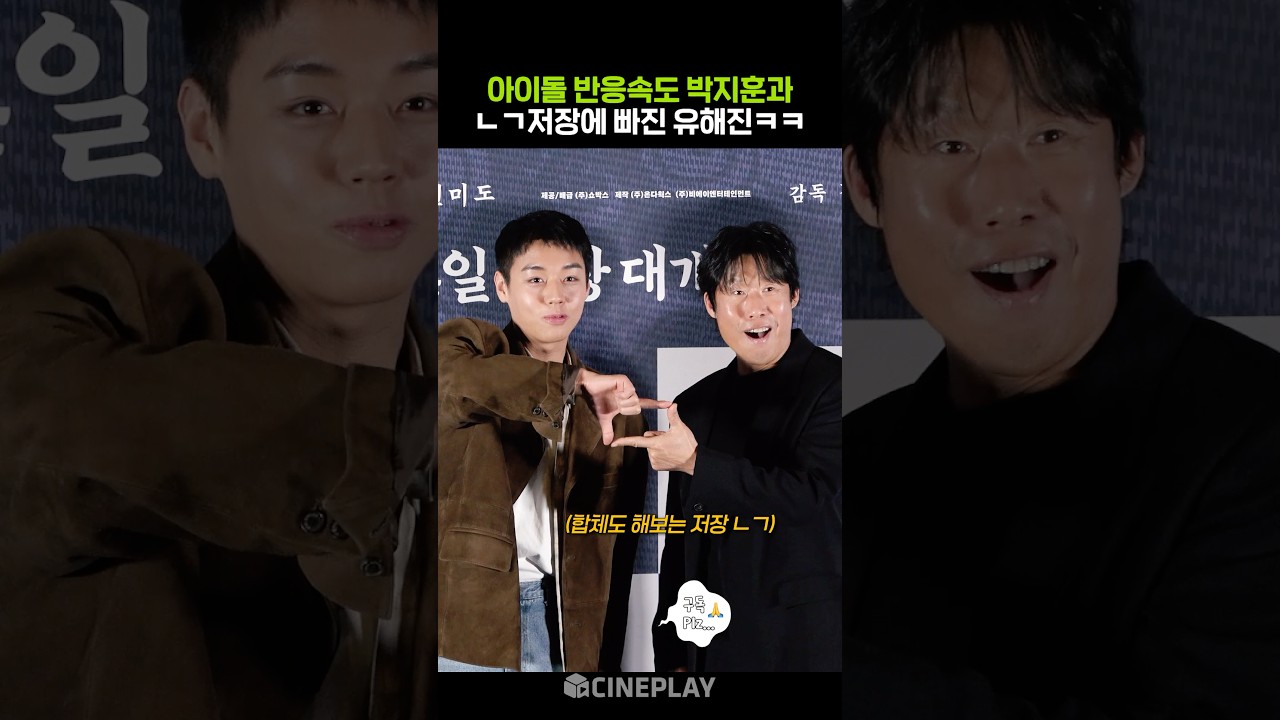
When Danjong (Park Ji-hoon), who was demoted to Nonsan-gun, arrived at Cheongnyeongpo, he seemed to have lost all light. All the institutional symbols he enjoyed as a king were stripped away. Even Eom Heung-do did not recognize his identity for a while, even when facing him directly. In Yeongwol, there are no dragon robes, no palaces, no ceremonies, and no authority. What remains is only loss and a sense of defeat. However, the film focuses on the moment after that deprivation when Danjong begins to return as a king. Only after losing everything does he reveal who he is. The essential attitude of the monarch that was hidden while sitting on the throne. Listening to others, the dignity of sharing what is given to him, and the sense of welcoming those in lower positions into his world without hesitation. A kind of human dignity, entirely different from overwhelming power, paradoxically emerges clearly in the barren place of Cheongnyeongpo.
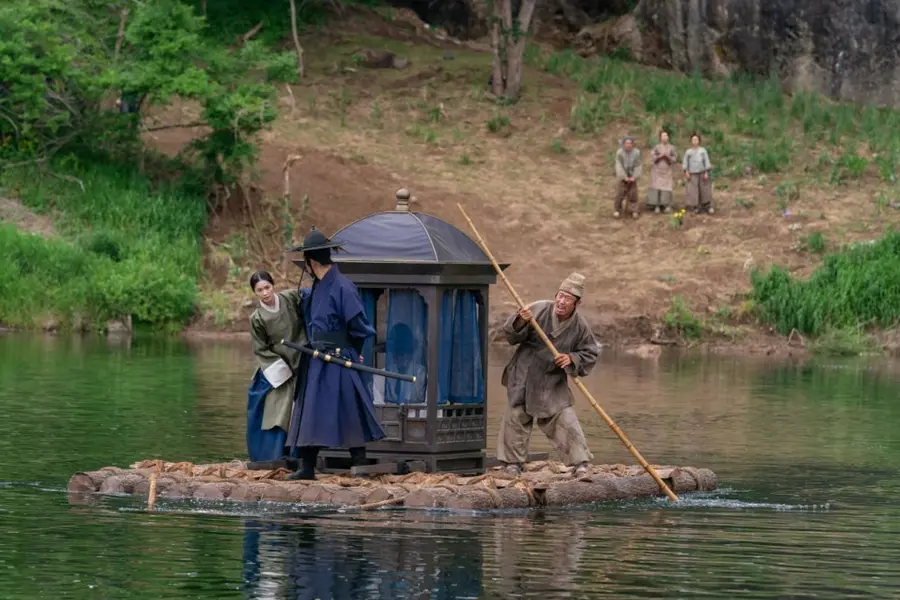
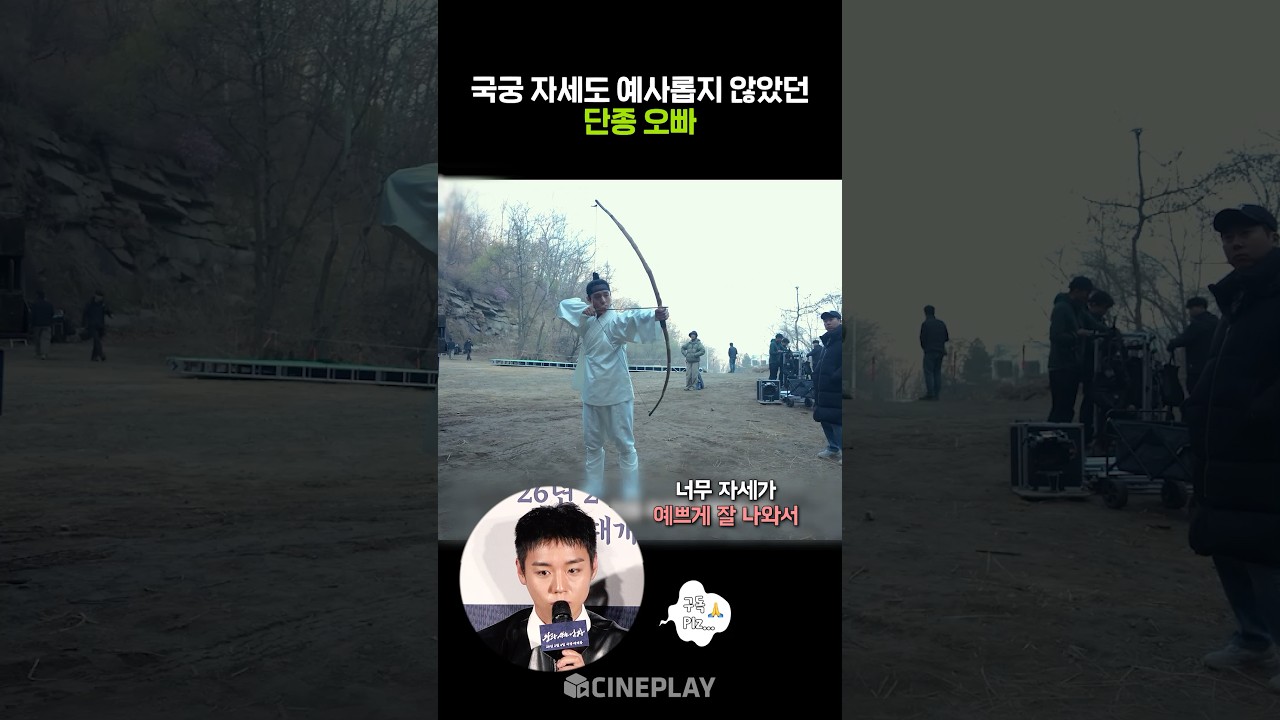
The charm of Danjong that the audience encounters does not stem from the sentiment of the 'unfortunate king.' The camera shows how much potential he had as a legitimate royal heir. The boldness to subdue a tiger in an instant, the marksmanship that hits the target as shot, and the depth and proficiency in scholarship. However, what is truly emphasized is not just talent. The deeper emotion comes from the way those talents are revealed alongside Danjong's character. The camera lingers on the moment when Danjong presents the food brought for himself to the villagers, saying, "This is yours." That gaze is not a one-sided benevolence. It is a belief in a world where sharing and caring are natural. Danjong's kindness was not a technique of governance but perhaps a habitual attitude of existence. After being unable to exercise power, this kindness is revealed as the most kingly aspect beside the people of Gwangcheon-gol. The royal authority may have disappeared, but the kingliness begins at that moment.
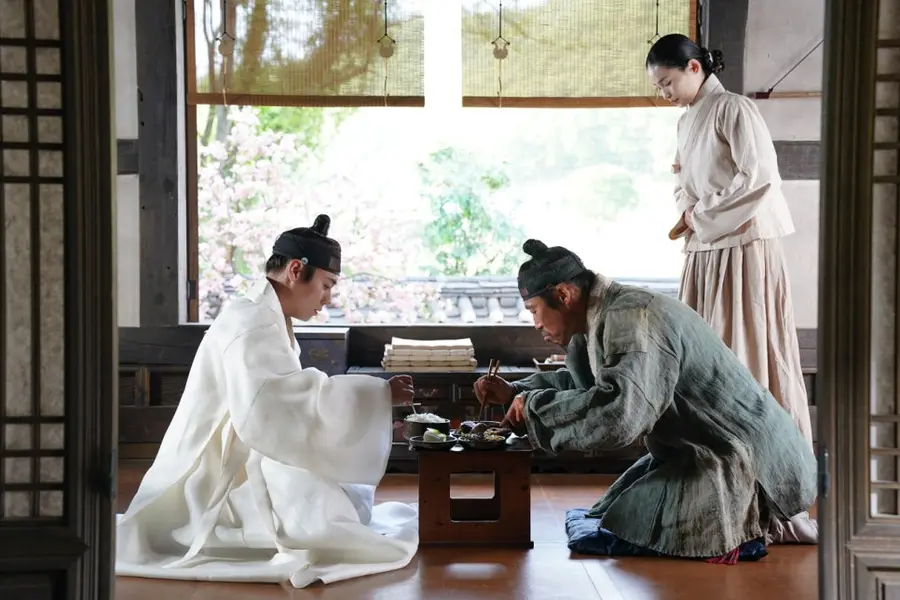
What a cruel and poignant paradox this is. Here, Danjong does not remain merely an object of mourning. He is not mummified as the 'pitiful king.' He meets the audience as a possibility of 'how great a monarch he could have been.' Because of this possibility, the tragedy deepens. What we mourn is not the fact that he died. It is how many future possibilities vanished with that death. After the Gyeoyu Jeongnan, legitimacy and hierarchy collapsed, the logic of rebellion triumphed, and a world where order was overturned took hold. Danjong's downfall is not just the catastrophe of one individual. It includes the possibilities of another Joseon, another politics, and another community that have also disappeared. The film does not overtly preach that lost possibility. It allows the audience to feel it through Danjong's gaze and gestures, the way he interacts with people, and the gradual changes in those surrounding him. 〈The King and the Man〉 swallows the tragedy loudly instead of shouting it out, leaving a deeper aftertaste of sorrow by not boiling over.
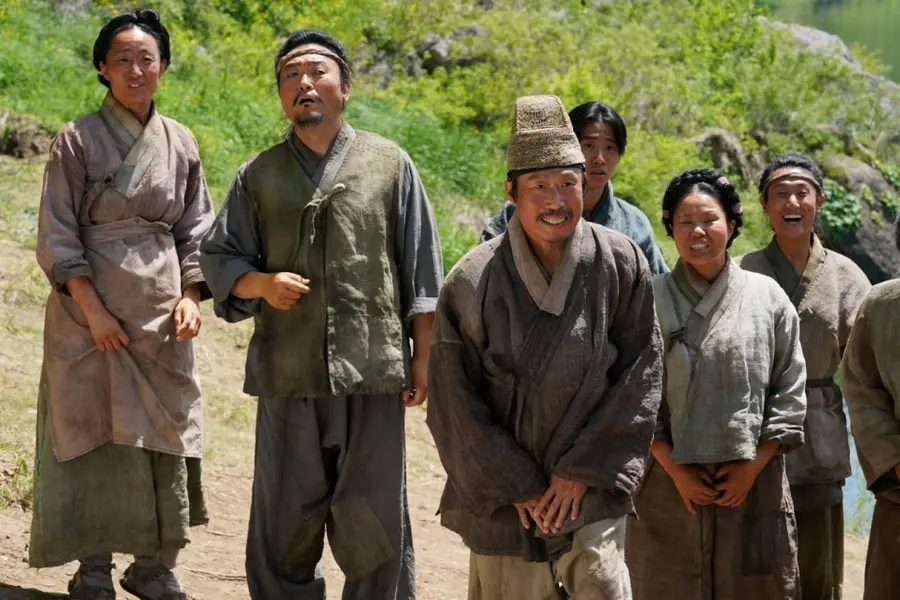
What warms the temperature of the film is the people of Gwangcheon-gol, who fill the center of that tragedy with comedy. Eom Heung-do and the villagers did not accept Danjong from the beginning to practice a noble cause. Their starting point was humble, wanting to catch up with the prosperity and wealth of neighboring villages, and thus desperate. They wanted to eat white rice and meat soup without restraint. They wanted to hope for a slightly better life in the face of survival. This desire is extremely realistic and fundamental, and therefore the most human. Jang Hang-jun's excellence lies in not despising that lowly desire and humanity. Humans feel hunger before ideals. They ponder survival before realizing ideals. 〈The King and the Man〉 shows how the most realistic desires gradually transform into a different form of dream when they encounter the dignity possessed by Danjong, the first legitimate heir of the Joseon dynasty, with a touch of comedy and fantastical imagination.
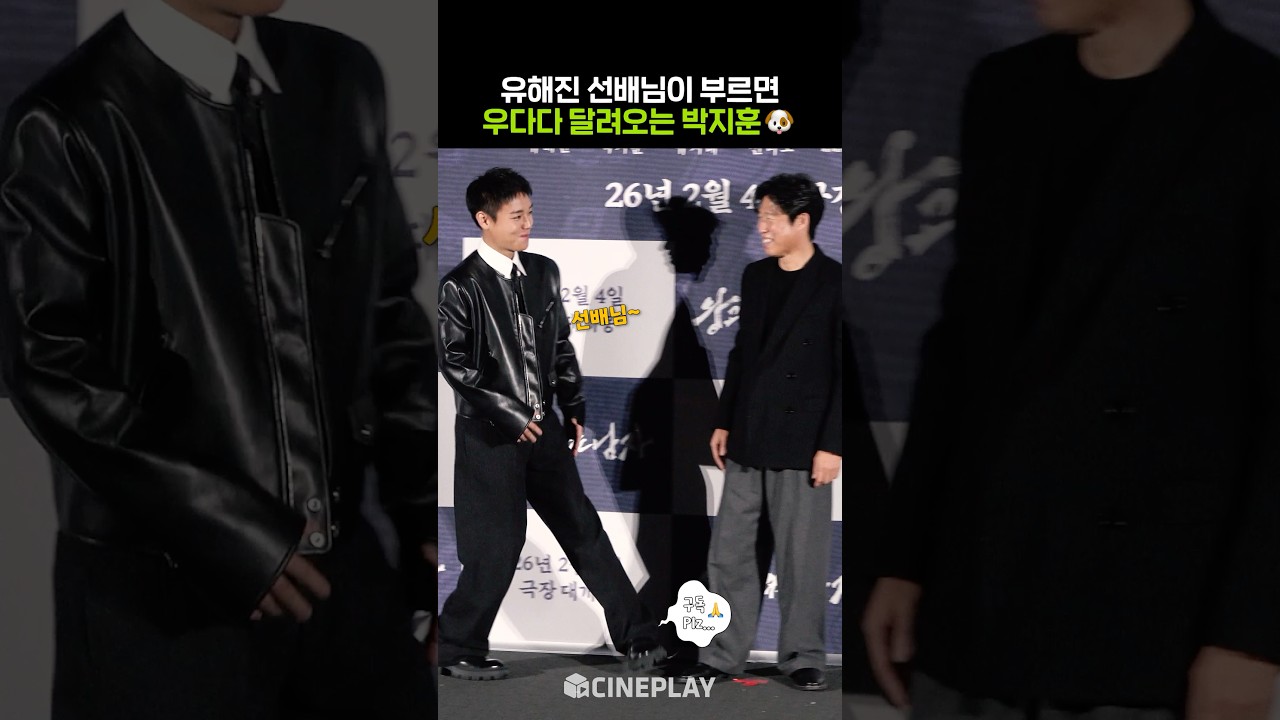
Eom Heung-do, played by Yoo Hae-jin, is not simply a good man or a greedy village chief. He is a person who has endured the weight of life with his whole body. His performance, muttering to himself incessantly, seems noisy but is not. The internal changes experienced by a human being are clearly visible, like the moment he stops running to the government office and runs toward Danjong. Starting from the disappointment and confusion of meeting the young-faced Danjong for the first time, he gradually recognizes his talents and qualities as a monarch, and finally reaches the point where he cares for him more than his own son. Eom Heung-do's son, Taesan, who could not dream of preparing for the state examination without books or a teacher, begins to study with Danjong and harbors the desire to go out into the world and change something. The children of Gwangcheon-gol also learn to write and even write letters to Danjong. These changes do not remain a simple narrative of growth. Moments where the goodness and dignity of one being change the desire structure of the entire community sparkle everywhere. The lives of the common people, which started from the issue of survival, gradually expand into the language of learning, future, thought, and possibility. Danjong does not ascend to the throne again. However, his existence leaves seeds of another time within the villagers. The monarch who lost his throne makes people dream of changing the world. It quietly testifies that political defeat is never the same as human defeat.
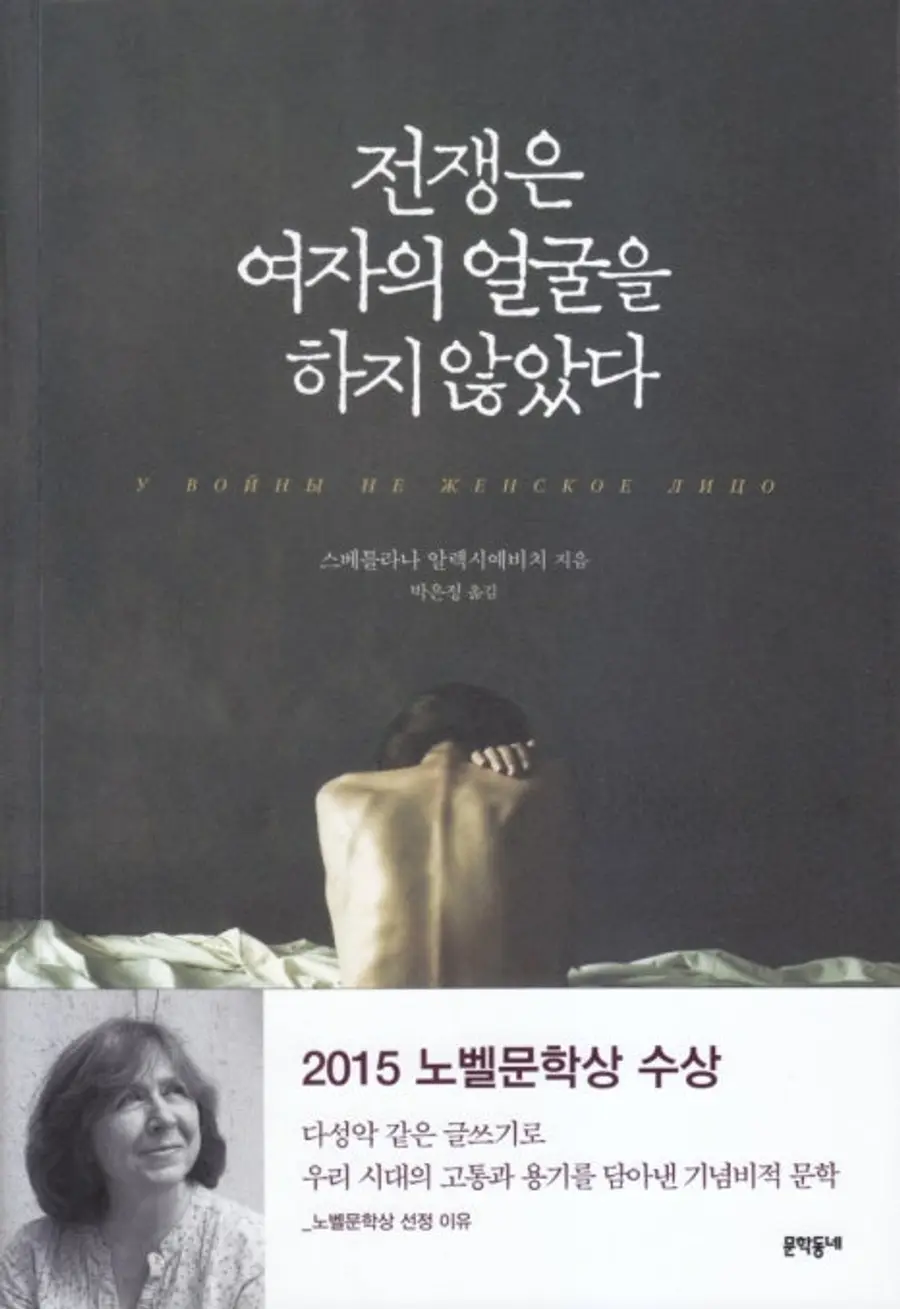
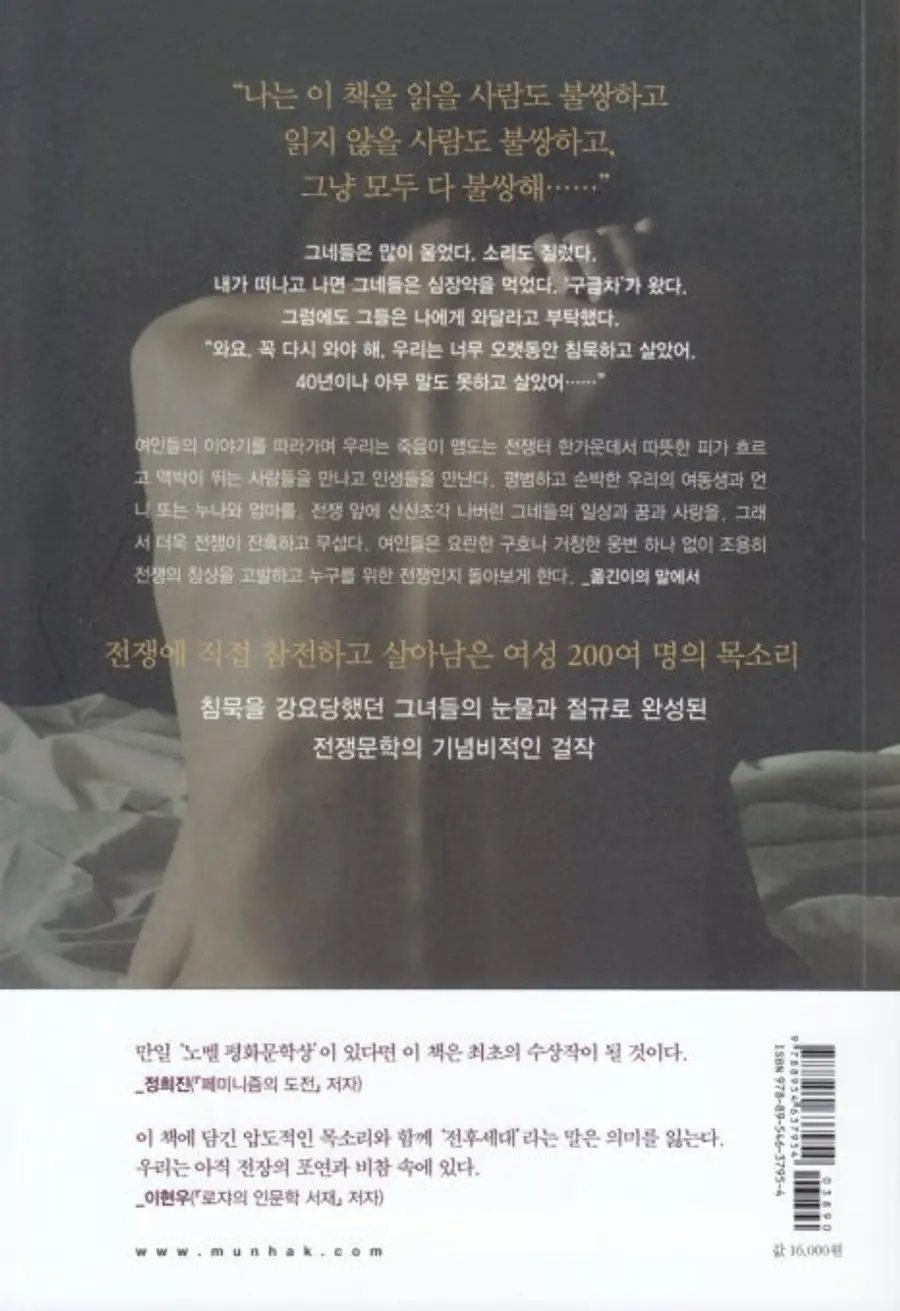
After watching the film, naturally, I was reminded of Svetlana Alexievich's 「War Does Not Have a Woman's Face」, the 2015 Nobel Prize in Literature winner. Not because of formal similarities, but because the way of reaching the truth of history is essentially similar. What Alexievich showed was that the essence of a huge event does not only emerge within the official narrative of the state. Wars are recorded in the language of victory and defeat, strategy and front lines, heroes and nations. However, the true horrors and weight of that war, the human truths, are revealed in the trembling voices of nameless women, in labor and wounds, in shame and silence, and in the remnants of memories buried for a long time. What she did was not just 'speak of war from a different perspective.' She dug up the emotional sediment layers that the sentences of the winners had erased. She proved that the truth of history remains not in the refined records of the center but in the voices of the periphery. Alexievich's work was not an innovation of literary form that oscillates between fiction and non-fiction, but a renewal of the ethics of approaching the truth.
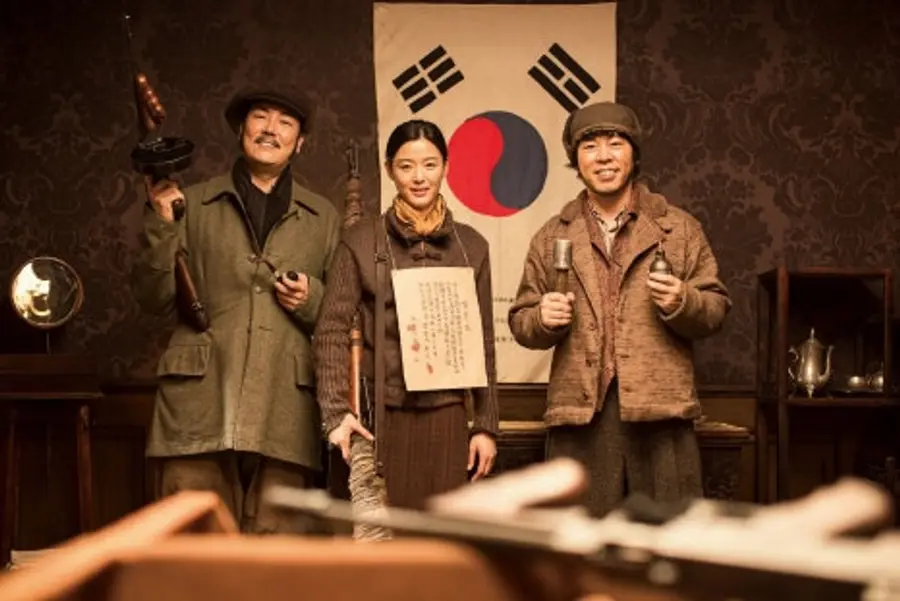
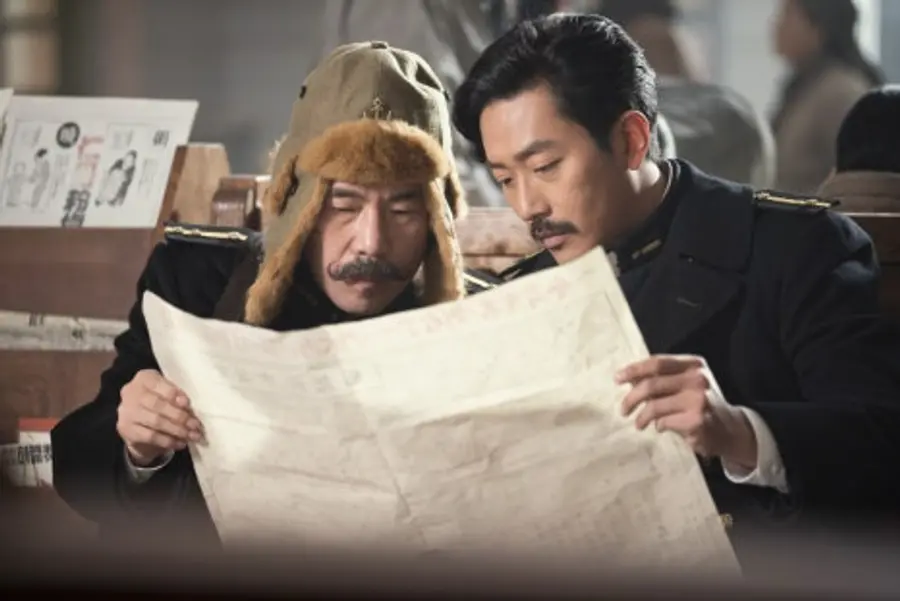
This kind of ethics has already been showcased in Korean cinema. Choi Dong-hoon's 〈Assassination〉 (2015) dealt with the history of the independence movement during the colonial era while bringing fictional characters to the forefront, testifying to the existence of countless nameless anti-Japanese fighters who disappeared without records. The reason 〈Assassination〉 gained popular sympathy is that the way it restored those erased voices touched the hearts of the audience. All these works stand on the same ethics in that they seek the truth outside the neat records of the winners. Alexievich's nameless women, the fictional characters of 〈Assassination〉, and Eom Heung-do and the people of Gwangcheon-gol. They clearly existed but remained anonymous. It is precisely because of that anonymity that today, everyone’s story could become one. Because they were erased from history without specific faces, we can easily project our own faces onto them.
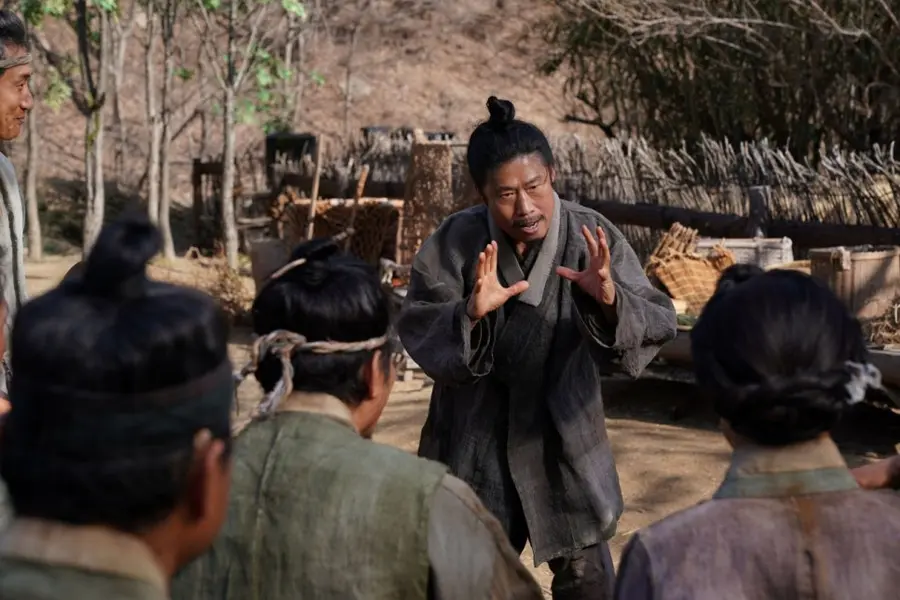
〈The King and the Man〉 captures things that are more important than the fact that 'Danjong was deposed.' It imaginatively unravels what emotions might have passed, what voices might have existed, and what relationships might have briefly bloomed during the chaotic times of rebellion, deposition, and exile. History records the end of Nonsan-gun in a single line. The film restores the characters who lived in that gap and the emotions that were vividly swaying, their body heat.
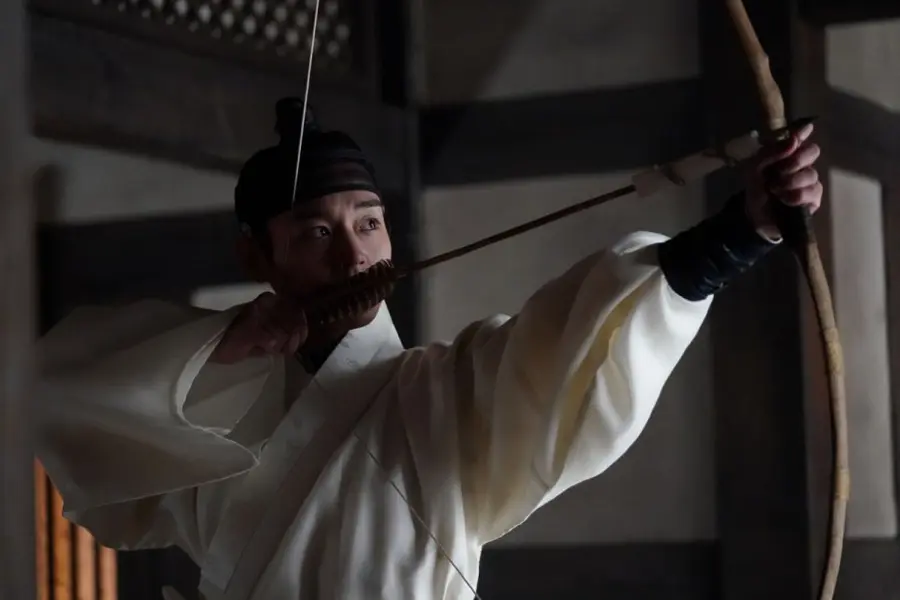
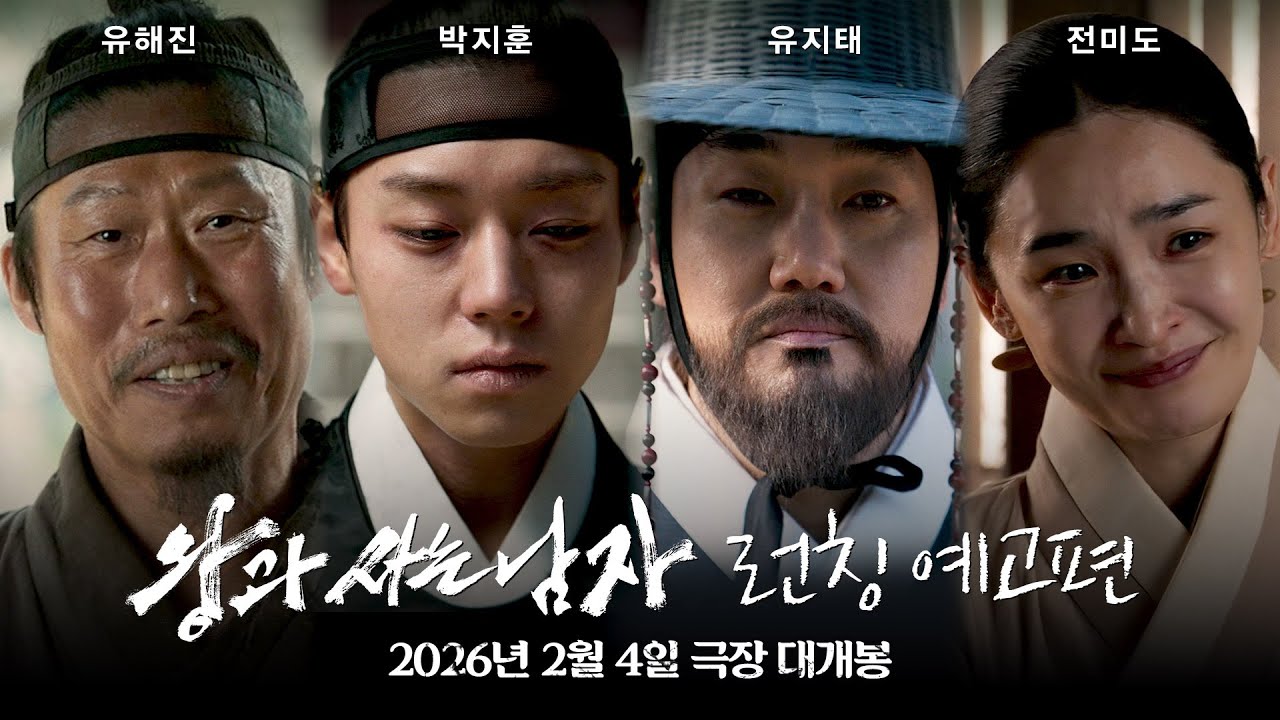
Eom Heung-do's humble desires gain new meaning through Danjong's existence. The moment his son Taesan begins to study seems like the birth of a worldview beyond learning itself. The scene of mountain children learning letters approaches like the moment the word 'future' is first pronounced in the most remote part of Joseon. Danjong, who used to eat the same food, shares a meal with them, listens to their stories, and willingly shares what is given to him, revealing a kind of truth that cannot be captured in the sentences of the annals. It is the truth of memories that remain among the people, not institutional records. What brings this truth to life is the ensemble of the actors. From Yoo Hae-jin, Park Ji-hoon, Yoo Ji-tae, Jeon Mi-do, Lee Joon-hyuk, Oh Dal-soo, Kim Min, Jung Jin-woon, to Ahn Jae-hong, the voices of actors with solid acting skills fill in the small gaps and shortcomings of the narrative and direction.
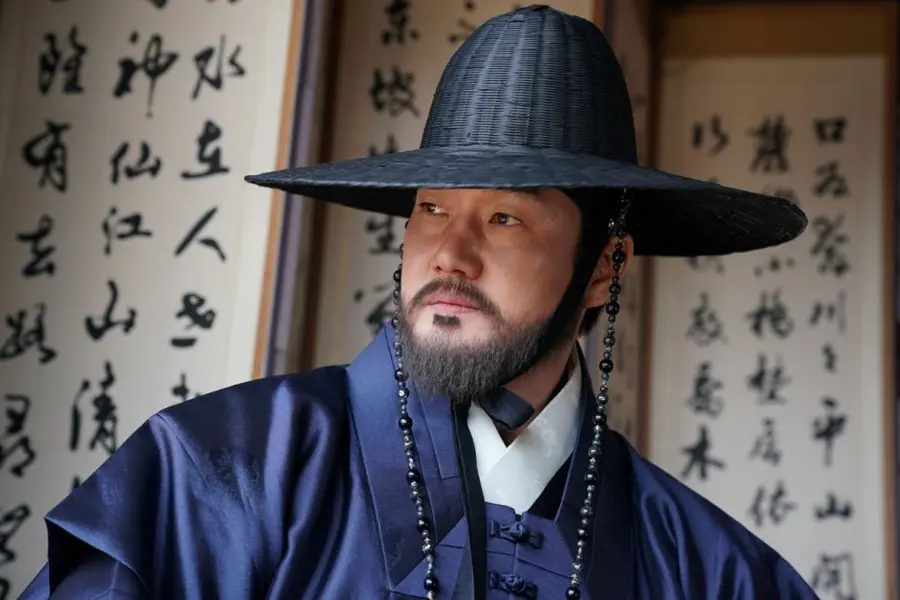
Director Jang Hang-jun does not directly show Danjong's death. The camera stays outside the door until the end and shows only a small part. Through Eom Heung-do's gaze, we too can only look at that closed door. This choice clearly reveals the ethical stance taken by this film. Danjong's horrific death is not displayed as a spectacle. By not closely examining the final pain, the camera preserves Danjong's dignity until the end. The sorrow remains not outside the door but beyond it, in a place that can never be fully revealed. What 〈The King and the Man〉 seeks to show is not the horrific end of Danjong, who was choked by a bowstring. It is the sorrow of the people of Gwangcheon-gol who wept and wailed outside the door, and the memory they will cherish for a long time. Therefore, the comfort this film offers the audience is different from common narrative rewards. There is no satisfying conclusion where justice is triumphantly restored, no fantasy where twisted history is miraculously corrected, and no easy consolation of a fallen king returning to the throne. Strangely enough, it is precisely because of this that the comfort of this film is much deeper. What the film allows the audience is just one thing. The possibility that "at least he may have lived so warmly and brilliantly for just one season in the deep mountains." The film cannot return the power taken from Danjong. However, it briefly turns back the time that was taken away. It is not simply the passing of time. It is the time spent sharing warm meals with someone, looking into each other's eyes, learning and teaching, sitting together and breathing at the same temperature. It is the fundamental time in which humans can exist most humanely.
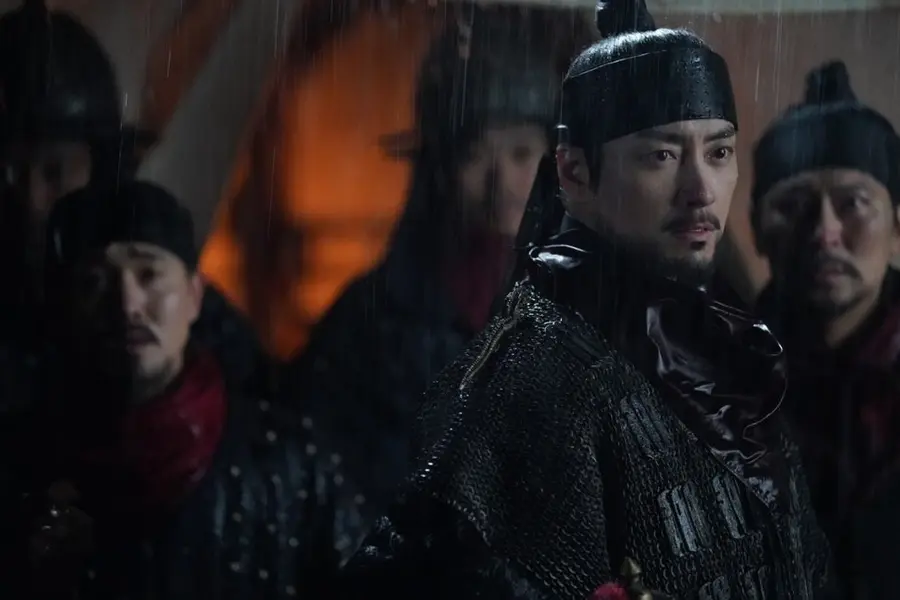
Therefore, the dazzling time in 〈The King and the Man〉 is infinitely kind yet cruel. We know that this time will not last long, that a horrific ending awaits. The time the people of Gwangcheon-gol shared happiness with Danjong, laughing and chatting, is as dazzling as the film's ending, and their wailing and lamentation are even deeper and more intense. The film can only temporarily suspend the tragedy. If audiences watch it again knowing the ending, it is not because they want to change the ending, but because they want to confirm the light of that short and dazzling time once more. Ultimately, 〈The King and the Man〉 is not a film that reinterprets Danjong's death. It is a work that reopens the last brilliant moments of a life that was closed too early by history. It is a time of warmth, sharing, learning, and dreams that briefly bloomed amidst all that catastrophe. Moments that were humanly full, barely surviving outside the records of the winners.
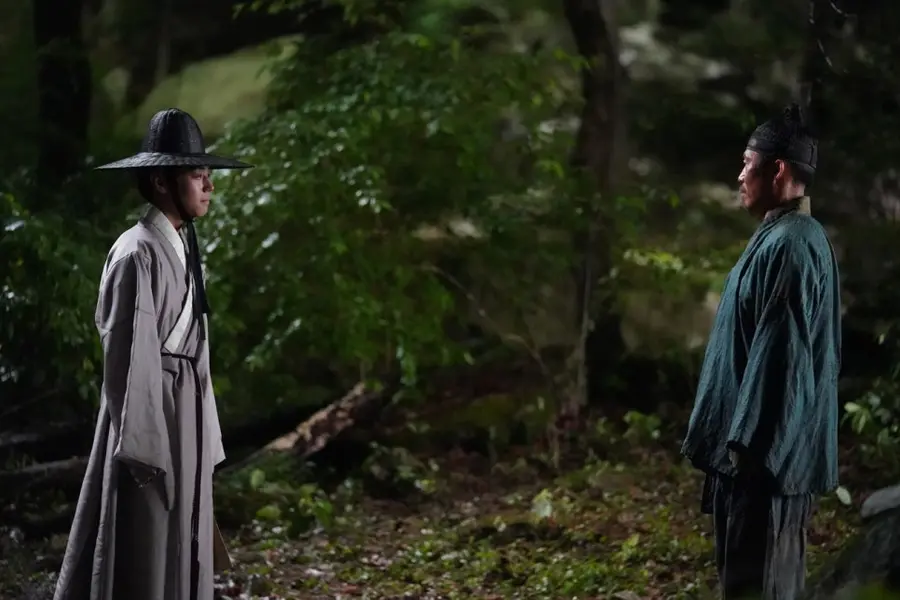
Because we can imagine how brilliantly Danjong could have lived, this film resonates with everyone's heart and leaves one question. The deepest historical truth does not remain in the concise sentences of history books, but rather in those who were nameless, thus could become everyone's name, in the weak voices that shared each other's meals, listened to each other, and held each other in their shabby daily lives.
Kim Na-hee, Cultural Critic




![[First Reactions] 'The King and the Man' Cineplay Reporter Star Rating](https://cdn.www.cineplay.co.kr/w160/q75/article-images/2026-01-22/66352098-ec4e-443d-be31-8eea2db359e0.jpg)








댓글 (0)
댓글 작성
댓글을 작성하려면 로그인이 필요합니다.
로그인하기