



▶ 〈The King's Warden〉 Director Jang Hang-jun's interview continues in Part 1.
※ It is specified that descriptions related to the climax of 〈The King's Warden〉 have been narrated.
Additionally, in the film, Lee Hong-wi is referred to by his military title 'Noh San-gun', but for the convenience of the interview, it will be unified under the posthumous title 'Dan Jong'.
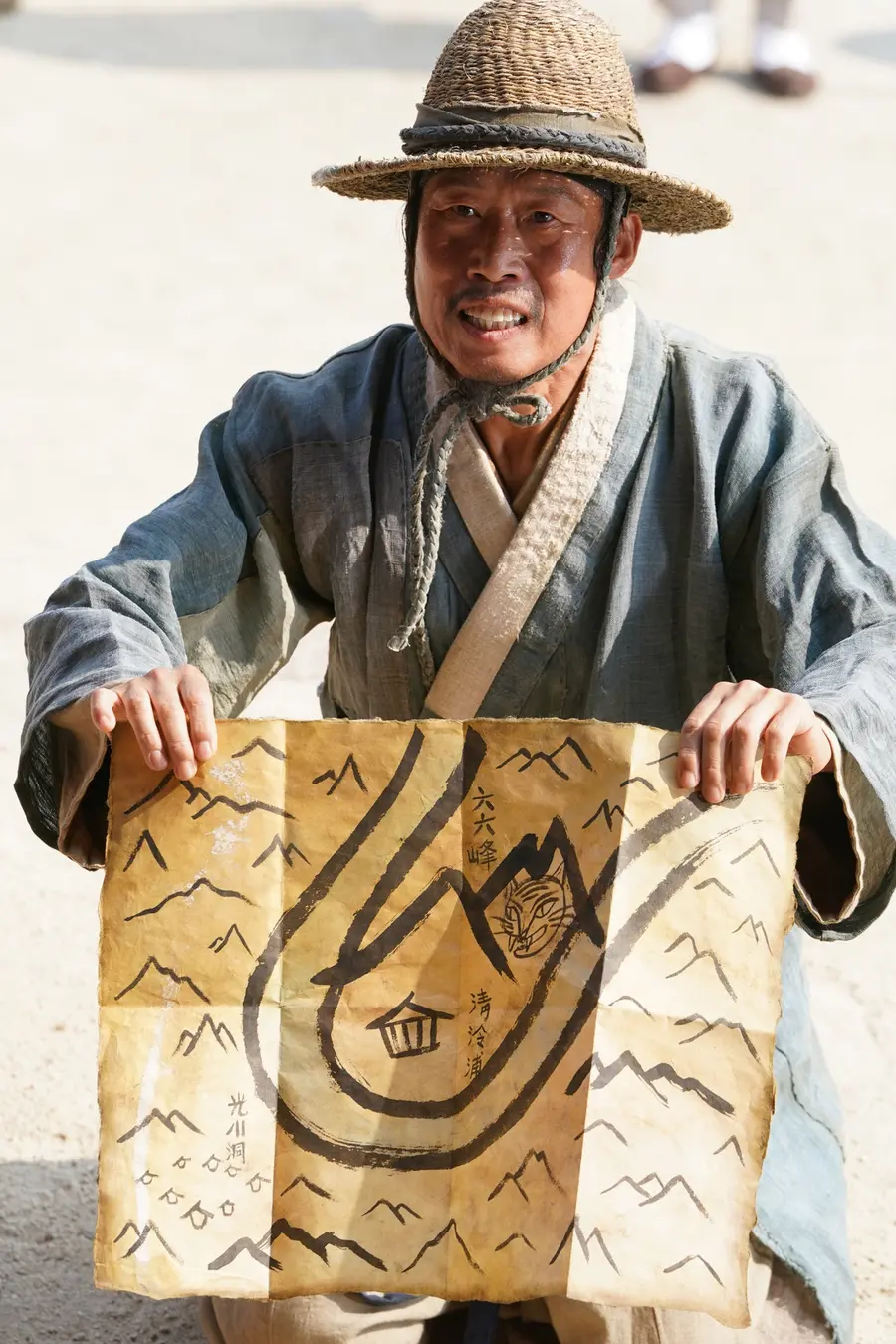
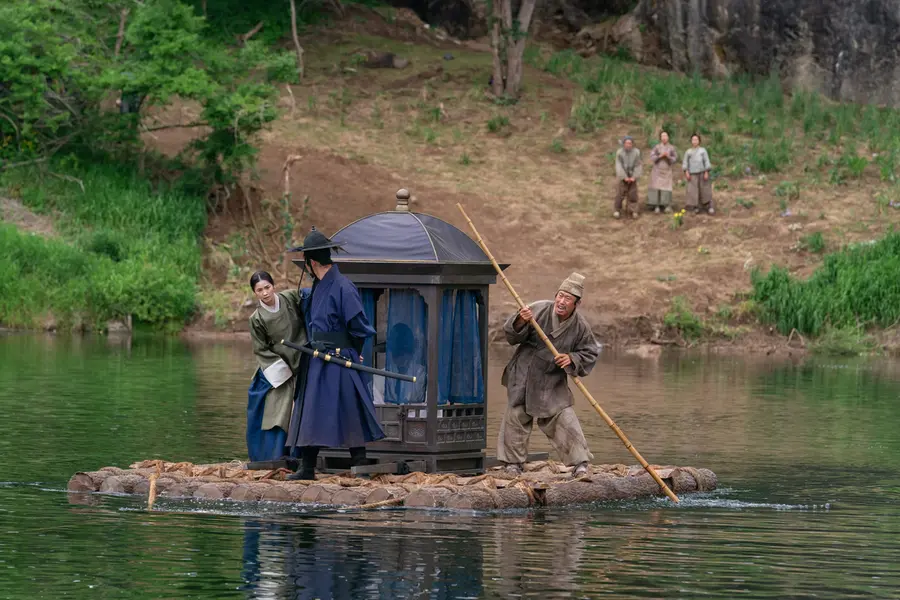
What was the actual filming location of Cheongnyeongpo like?
Cheongnyeongpo has now become a tourist spot, so we couldn't shoot there. Therefore, we found another tributary of the Donggang River in Yeongwol. The production team worked really hard for a long time to find it, and there were about a dozen candidate locations. But the mountain terrain was really good, yet there were no roads. I went into the mountains wearing padding, and after a month or two, I would come out with grass and leaves in my pockets. (laughs) First of all, Gangwon-do was important. I thought it had to be Yeongwol because that’s where the events took place. The moment you enter Gangwon-do, the mountain terrain changes. The terrain in Jeolla-do is different, and the terrain in Gyeongsang-do is also different, but especially the terrain in Gangwon-do is unique. I have my favorite mountain terrain in Gangwon-do, and there are unrefined terrains, but the terrain in Yeongwol has the Donggang flowing between the mountains. To put it simply, it flows in a circular shape and then exits back out, round... There aren't many rivers like that. The Yeongsan River just bends straight, or the Han River stretches straight. This is a river shape that can only come from here. So we decided to find it in Yeongwol as much as possible. We found it in that tributary of the Donggang, and it’s not that far from the actual Cheongnyeongpo. Since there were no paths, we had to create a path and do civil engineering work to shoot. Because there was no way for people to stand there. We also needed a parking lot, but there was none. We got permission to use a field that a resident had cultivated for farming but was not being farmed, and we flattened it to use as a parking lot. Of course, we paid when we came and restored it to its original state. The mayor of Yeongwol came by briefly during the shoot. He said it was great and thanked us. But when I said, "Mayor, we have to restore it to its original state before we leave," he said it was too regrettable. (laughs) However, if we didn’t restore it, there would be problems because maintenance costs would have to be incurred continuously... We also thought that the scenery there was really beautiful, and the filming location was built very sturdily. However, if left as is, safety accidents would occur, and since we had made a parking lot, many people would definitely come here, so for safety reasons, it had to be restored to its original state, and so we did. The mayor was also very regretful about the demolition.
Is the exiled place depicted in the film the same as the actual recorded exile site?
Yes, Cheongnyeongpo has that kind of terrain. But now there is a memorial hall there, so if you go now, it has changed a lot from back then. Hundreds of years have passed. However, the river did not flow right in front of the place where the base was. The river was arranged that way primarily for the meaning of confinement. Secondly, this king's goal is to cross that river and return to life, right? So it becomes the goal to go back to Hanyang. But in the end, the soul died and crossed the river, while the body could not escape that river and was carried away. According to historical records, it is said that when Sejo (Suyang Daegun) recovered Lee Hong-wi's body, he would annihilate the three clans, so it floated in the Donggang for over ten days in a decayed state. At that time, a person named Eom Heung-do went in, risking his life to recover the body and conduct the funeral, living in hiding for the rest of his life. Until he died, no one knew where he passed away or how he died. It just remains that he lived in hiding.
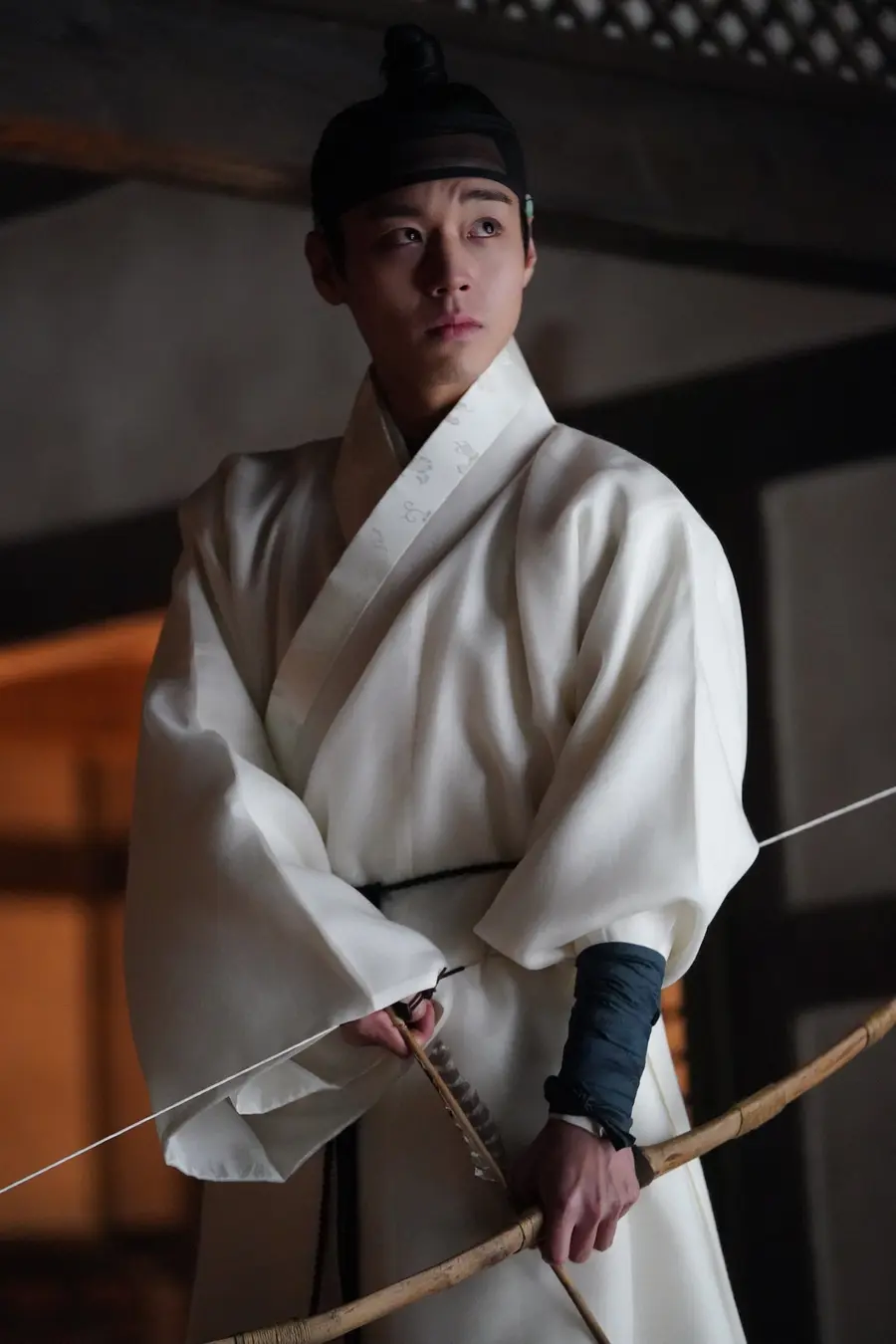
The last image of Heung-do recalling Hong-wi was impressive as it was different from a typical recollection. That scene, where it seemed like they were playing with water, was the first to appear at that time. Was there a reason for using that scene?
Originally, that scene was not in the script. The access road to the site was narrow, so the makeup truck couldn't get in. So we parked the makeup truck about 2 km away, and the actors would come by small cars or walk after getting their makeup done. Most of them walked. The mountain terrain was good. There was also the Donggang flowing in front of the makeup truck. Before Park Ji-hoon got his makeup done, he was playing with water like that, and our makeup team filmed it. They accidentally took that photo, and it somehow spread. They didn’t mention who it was, but it spread with people saying, "Isn't this Park Ji-hoon?" Yoo Hae-jin saw it. So he showed it to me, and I thought, 'Wow, this is interesting.' Yoo Hae-jin said, "Director, seeing this photo makes my heart ache, what if we filmed this?" So I said, "Sure, let’s film it!" (Everyone laughs) There was a camera and people, so what couldn’t we film? So I quickly talked to the cinematographer, made a storyboard, and we shot it. At that time, I didn’t think about where to put it.
That scene could be a moment from the past or a fantasy. That’s what makes that scene really good. 'He was a boy, right?' Later, when I talked to Park Ji-hoon, he said that he wasn’t playing with water in front of the makeup truck but was washing something off his hands. (laughs) No matter how he goes, he can get to Seoul. Until the end, we debated whether to keep this scene or not, and if we did, where to put it, but PD Park Yoon-ho suggested, "How about putting it here?" and we edited it in there. If it weren’t for Yoo Hae-jin’s suggestion, we probably wouldn’t have filmed it.
While the story of Dan Jong and Eom Heung-do is interesting, is there a reason you brought it up again at this point?
I think Eom Heung-do is a person who, regardless of status, keeps what should be kept and maintains his beliefs. There are things we particularly emphasize in history regarding beliefs. 'Should successful injustices be recognized and applauded?' There are too many examples in our history of successful injustices. Then, 'Is it okay to forget unfulfilled justice?' I think that is the most important function of history. Remembering unfulfilled justice, remembering the victims, and not forgetting the injustices behind success. In that sense, the reason this era (Gye-yu Jeongnan) has been made into many films and dramas might be...
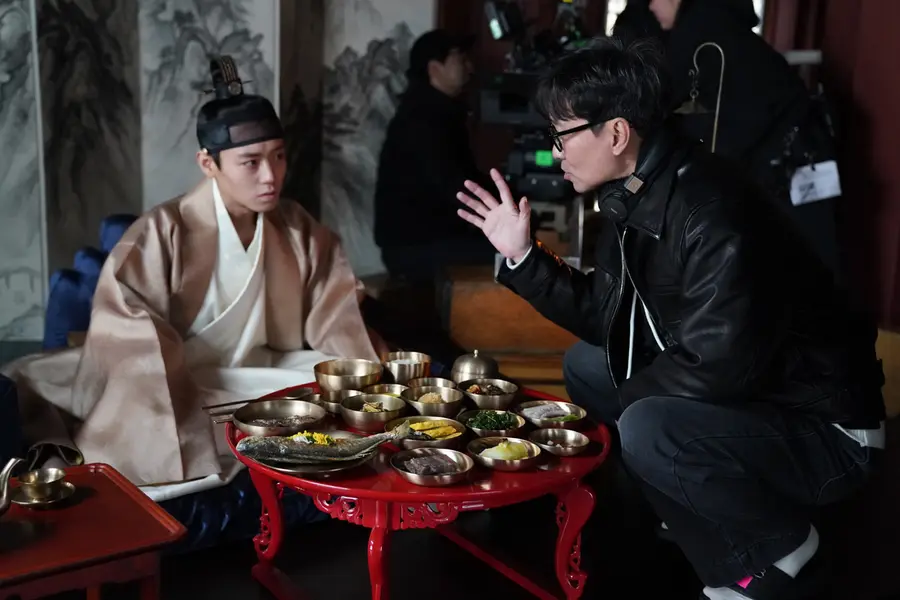
What was it like working with actor Park Ji-hoon?
In the film, Lee Hong-wi is around 17 years old, and Park Ji-hoon was probably 27 at the time. There’s about a 10-year age difference, but 17 is a very ambiguous age. Not quite an adult, not quite a child. The 17-year-olds we know are high school students, but thinking of today’s kids, it’s not quite that either. Park Ji-hoon looks very young for his age and has great skin. In fact, I didn’t really watch the competition program, so I didn’t even know Ji-hoon was on 〈Produce 101〉. I knew the program was popular, though. And since I had seen 〈Weak Hero Class 1〉 first, I had the impression of him as 'an actor who used to be an idol'. Later, when I watched the program, I was surprised by the line “Saved in my heart~”. I was a bit shocked. On set, he shyly greeted the staff with "Hello". So on set, it wasn’t like 'Idol Park Ji-hoon', it was more like 'Lee Hong-wi, Hong-wi'.
Park Ji-hoon doesn’t get overly excited or anything. I can’t tell if he’s happy, sad, full, or funny today. He’s very serious. So he always says, "Yes, yes, I understand. Yes, yes" and that’s about it. So I thought, 'Ah, even if he becomes a much bigger star, he won’t change.' Because people with big fluctuations tend to change a lot. So I felt that Park Ji-hoon is a solid 20-something. He has qualities that seem like he won’t easily be shaken, which I think is an advantage both as an actor and as a person, and I think that Yoo Hae-jin also liked that part of him the most. Yoo Hae-jin doesn’t like it when people say, "Oh, senior" or "What did you eat, senior?" (laughs) Ji-hoon is not that kind of style at all... For example, if I say, "Hey, Ji-hoon, do you want to grab a drink tonight?" usually an actor would say, "Of course!" Even if they’re not feeling well, they’d say, "Director, I’m fine, let’s go, sounds good!" But he just smiles and doesn’t come. (laughs) When I or Hae-jin ask, "What do you want to do? How about it?" Ji-hoon would (imitate shyly smiling Park Ji-hoon) and that means he’s not coming. It’s not that it feels bad or anything, everyone knows Ji-hoon, so they just think he won’t come. He has a unique charm for a male actor in his 20s. Personally as well.
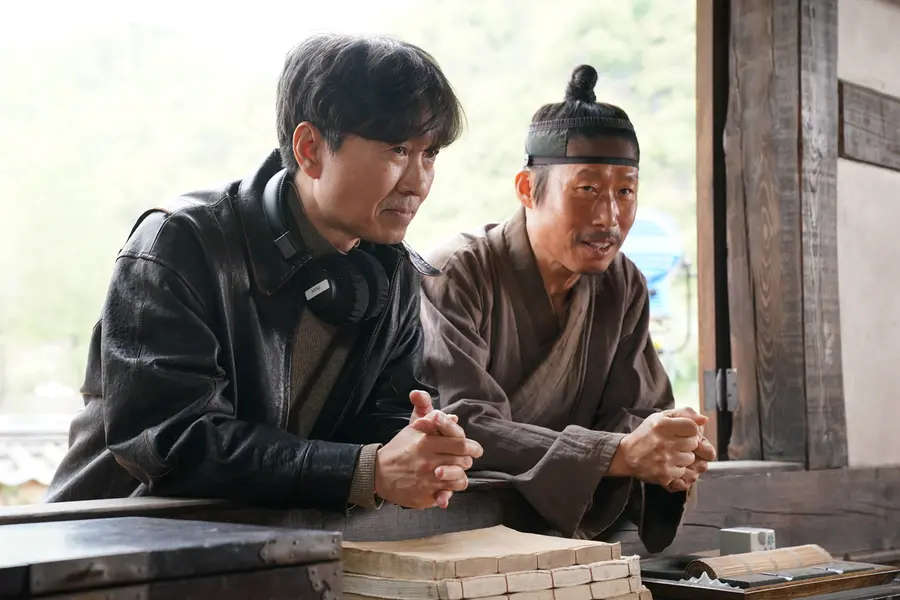
I heard that the role of Eom Heung-do was written with Yoo Hae-jin in mind. Is it because you two are close that you imagined him for the role?
We are friends. We met on 〈Turn on the Light〉 and became friends, and we’ve been friends for over 20 years. However, it wasn’t because of our friendship that I had him in mind for Eom Heung-do. It just naturally became Yoo Hae-jin as I revised the first draft of the script. So as I wrote the lines, it became Yoo Hae-jin... Then when the script was somewhat on track, I showed it to Yoo Hae-jin, and he really liked the script.
I have felt that before. When I saw the early Heung-do, I thought at some point, 'Isn’t my speech a bit similar?' and our staff said, "Didn’t you know?" So I said, "Is that so?" But Eom Heung-do is very different from Yoo Hae-jin’s actual personality. Yoo Hae-jin is not a person who jokes around like that. So when I proposed the casting, I didn’t think he would do it this well. I thought he would do well to some extent because he is Yoo Hae-jin, but I didn’t expect him to show the acting ability to naturally mix between hot and cold.
I think the reason why I consider Song Kang-ho to be an incredibly great actor in Korean film history is that even when he goes back and forth between hot and cold within a single work, the audience doesn’t feel it’s strange. But Yoo Hae-jin did that. And in this film, he almost does a one-man show. I think there are only a few actors in our country who can carry that.
What was the reason for handling Hong-wi's death metaphorically instead of depicting it directly?
First of all, I hope no one looks closely at that inside. I hope no one looks closely at Hong-wi's end. So the sadness is outside. I thought it was beyond the door, beyond the paper door. And our audience is also beyond that door. The appearance of Hong-wi inside was minimized. The more it is shown, the less I think it’s good, so there were no shots of different sizes from the beginning. The script and storyboard were set up that way.
What part did you borrow in the description that suggests Eom Heung-do is involved in Hong-wi's death?
That is not a fact. It is recorded in a book called 〈Records of the Royal History〉. It is one of the seven or eight tales regarding Dan Jong's death, where the Tongin (government messenger) claimed responsibility himself... This film starts from the imagination of if these two, the owner of the exile site and the Tongin, were the same person. If they were the same person, there must have been a tremendous bond between them, and then they should have been very close as the Tongin and the overseer (the one providing and monitoring the exile site) and should have walked that path together until the end. In a way, filling in the gaps of history, the erased parts of history, and at the same time raising the tension was very important for us.
Was the body floating in the river in the last scene a prop that was made?
It was a dummy, made to match Park Ji-hoon's actual weight. It was quite strange. It didn’t sink in the water. Even though it was made to match that weight, it didn’t sink. I thought, "Shouldn’t it sink more?" and even added more weight, but it still didn’t sink. In thriller movies, they usually tie stones to the bodies, right? Otherwise, they float. But then again, thinking about it, Dan Jong's body was thrown into the Donggang, and everyone would have seen it for those ten days. But since it was said that it shouldn’t be recovered, it wouldn’t have sunk. That thought crossed my mind.
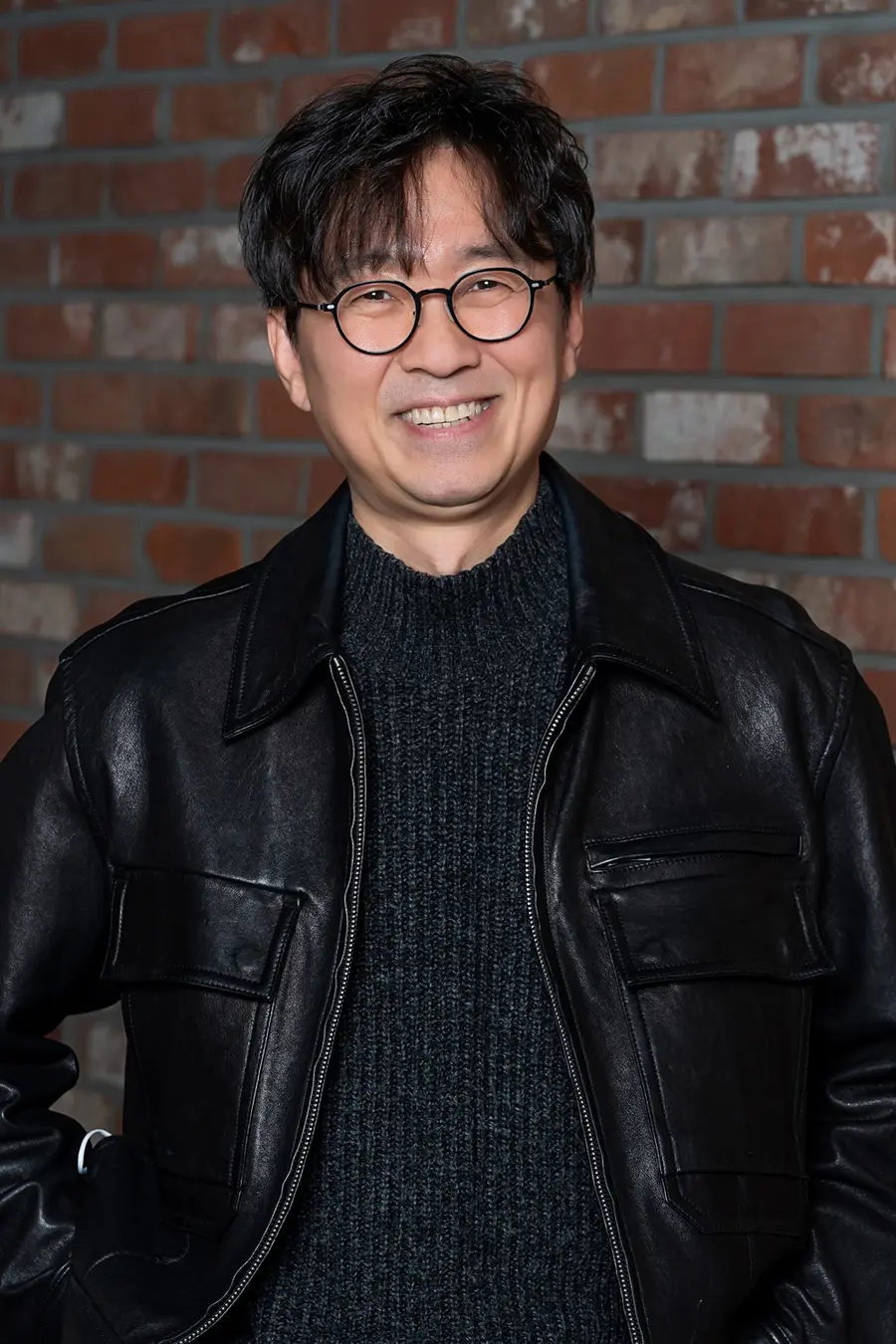
Many people cried while watching the movie. As a director, who did you hope the audience would cry for?
At first, I didn’t know, but I realized that he is such a good person, someone who should live. If I realized at the last moment that he is better than any saint I have met and more valuable than anyone... In a way, this film shows Hong-wi from Heung-do's perspective. I think our attitude towards unfulfilled justice, the justice we couldn’t protect, is represented by the people outside that door in that scene. To put it simply, it shares the mourning and sadness. That’s the most important thing and signifies not forgetting.
Since the ending is a predetermined true story, I imagine you had a lot of regret from the script stage.
At first, I didn’t want to do this project because the end of the story is predetermined and it’s not even bright. I wished I could change it, hoping it would be different. I wished that he could go up to Hanyang and pull down Su-yang and put Dan Jong back on the throne, and that a real donkey would come into Gwangcheon-gol. (laughs) I even thought for a moment about executing Han Myung-hoe. But to do that, I would need about 10 billion more. (laughs) Of course, there are people who have realized such things. Quentin Tarantino, in 〈Inglourious Basterds〉, kills Hitler. You need that level of audacity... Anyway, the identity of history, what we need to feel and not forget in this history, meant that I couldn’t change the ending. In fact, I thought, 'This movie might not get investment' because of the predetermined tragic ending. Everyone knows how it flows. But at some point, my thoughts changed. It might be possible. It was 〈The Spring of Seoul〉. Everyone knows that they couldn’t stop the coup and how tragically it ended (but it was a hit)... Recently, I had a chance to drink with director Kim Sung-soo, who directed 〈The Spring of Seoul〉, and he said, "Brother, it was really because of 〈The Spring of Seoul〉 that I just pushed this through." He was very pleased. (Everyone laughs) It must have been a good thing because it positively influenced junior actors, junior directors, and junior works.
What is your final goal for the audience count?
I hope it surpasses the break-even point and everyone can smile. Then we can go to Yeongwol and have a party, a party. (laughs)


![[First Reactions] 'The King and the Man' Cineplay Reporter Star Rating](https://cdn.www.cineplay.co.kr/w160/q75/article-images/2026-01-22/66352098-ec4e-443d-be31-8eea2db359e0.jpg)

댓글 (0)
댓글 작성
댓글을 작성하려면 로그인이 필요합니다.
로그인하기