



Everyone remembers March as a time of excitement or anxiety. During school days, when a new semester began, you had to walk into the unknown, wondering which friends you would be in the same class with and if you could become close to them. Especially during such times, sitting next to someone could be a life-changing experience. Fujichika Koume's 「The Girl I Like Forgot Her Glasses」 tells the story of middle school students who experience such moments.
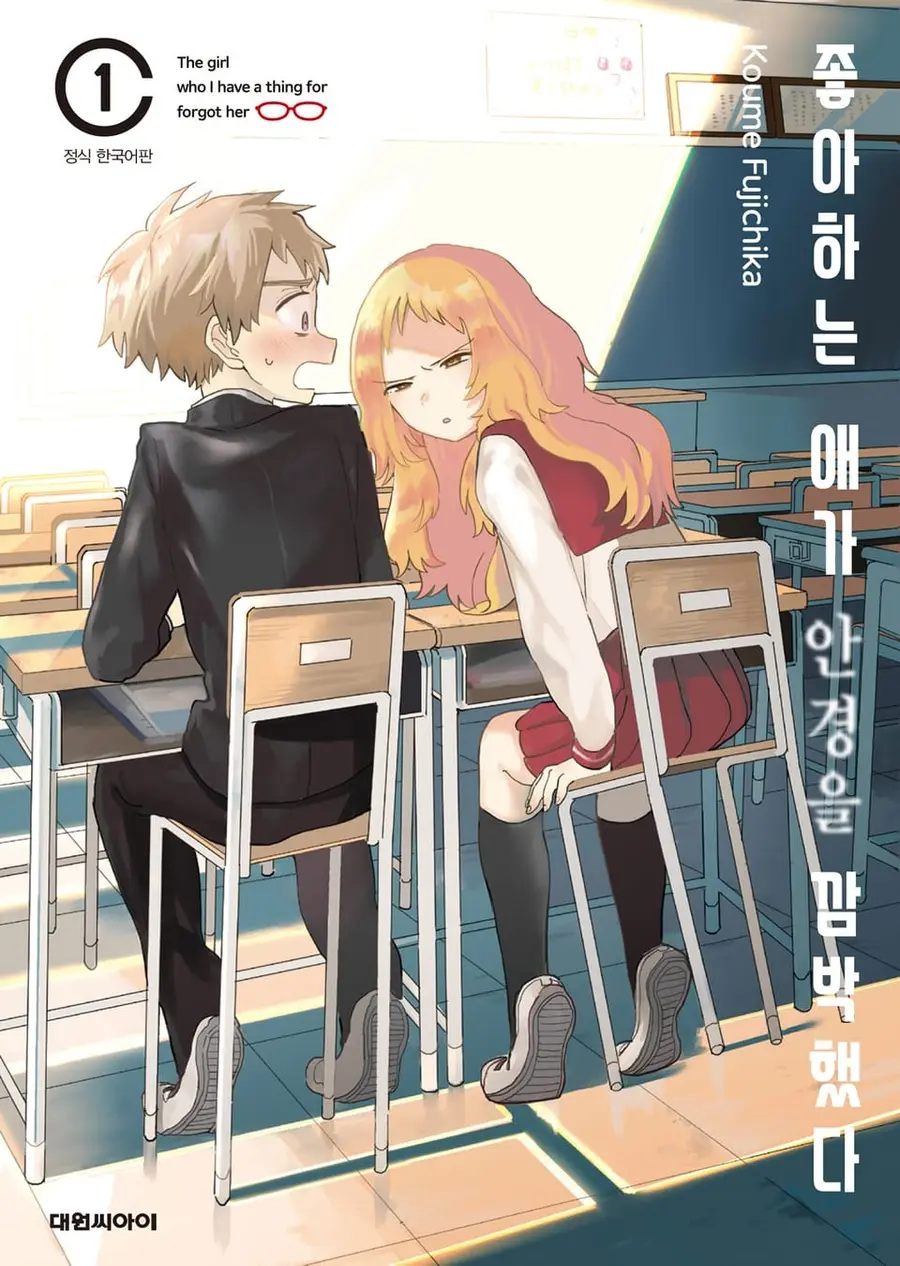
「The Girl I Like Forgot Her Glasses」, commonly known as 'Glasses Forgetting', was serialized from 2018 to 2024. It falls under the genres of romance and comedy, but as the story progresses, the former takes precedence. The ordinary middle school student Komura Kaede finds himself sitting next to the girl Mie Ai in his second year. Mie Ai is a girl with poor eyesight who wears glasses, but due to her sleepy and clumsy nature, she often forgets her glasses. Komura helps Mie when she forgets her glasses, and his feelings for her begin to grow.
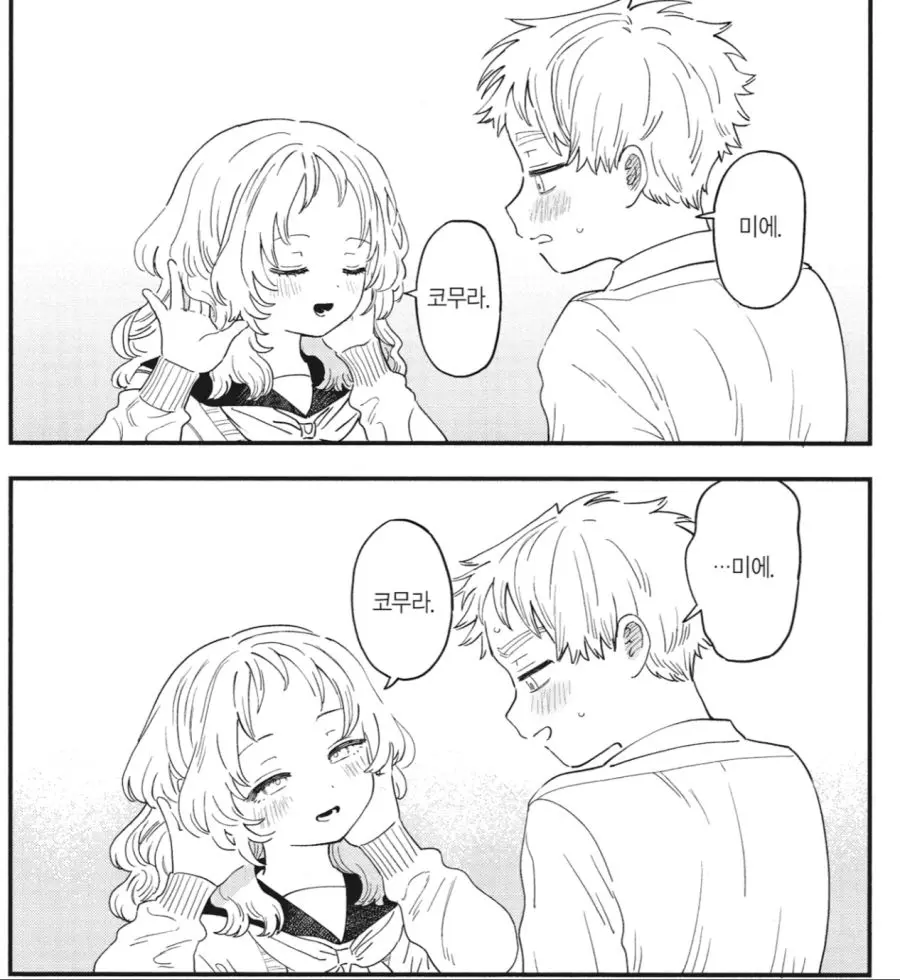
The charm of 'Glasses Forgetting' among numerous youth romances lies in its pure essence. Starting with the playful Takagi-san, 'Glasses Forgetting' delicately portrays the process of two people accidentally getting closer and realizing their feelings for each other, all framed within the theme of first love. In the early serialization, the pattern of 'Komura helping Mie when she forgets her glasses' repeated so often that I worried it might end prematurely, but from the moment Mie realizes her feelings for Komura, the work begins to carefully and sensitively capture the psychology of two middle school students experiencing love for the first time. From this point on, unlike other youth stories that often feature provocative developments or complex character compositions, 'Glasses Forgetting' focuses solely on the relationship between Komura and Mie, capturing the sensibility of first love.
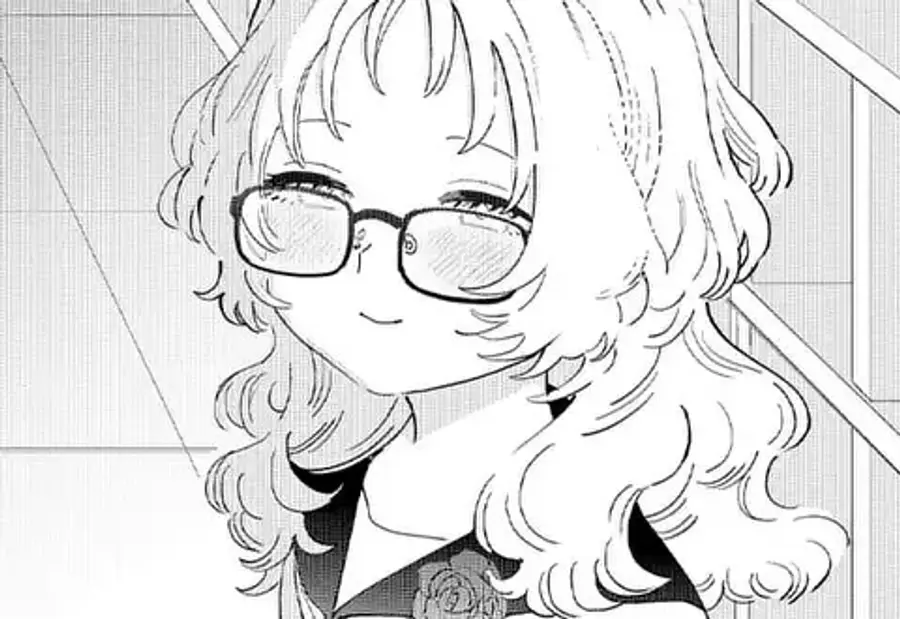
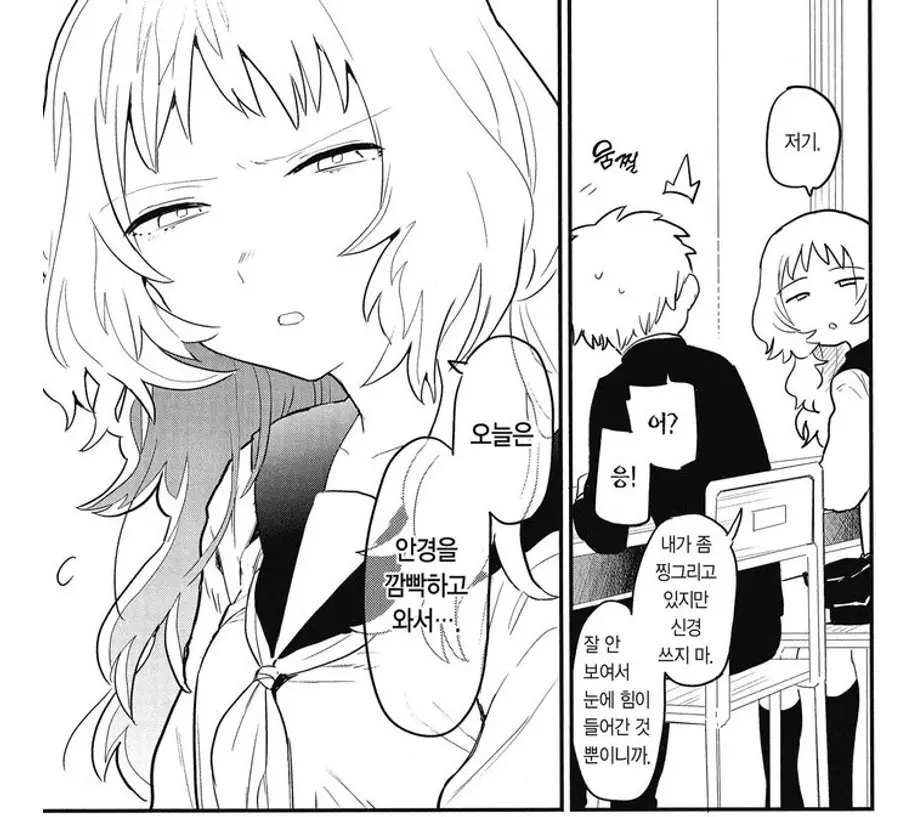
The sweetness of 'Glasses Forgetting' is greatly enhanced by Fujichika Koume's artwork. His drawing style tends to depict characters in a round manner, which fits well with the genre of 'Glasses Forgetting'. While the round art style might seem simple, the attention to detail in the background space and character outfits shows that he is a skilled artist who does not overlook the nuances. However, the characters are drawn in a unique style rather than realistic expressions, creating a coexistence of realistic sensations and the work's own fluffy emotions. Contrary to the impression that it might have been sketched quickly, the expression of the characters is outstanding, especially the eyes, which are drawn with such care that it becomes easy to grasp their emotional lines.
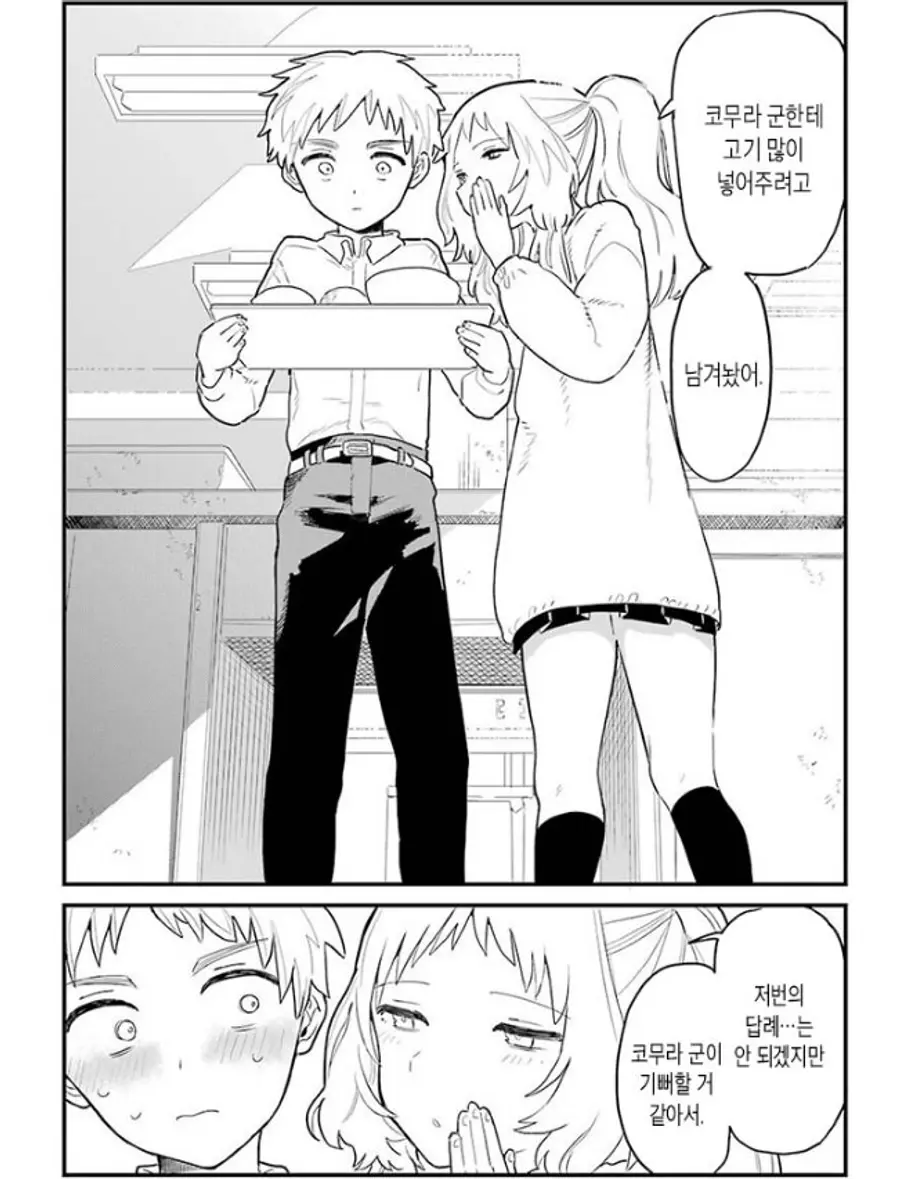
Unlike most romantic comedies, another characteristic of this manga is that it does not feature an imbalanced romance. Typically, contrasting elements such as popular/introverted, handsome/ordinary, and model student/delinquent are emphasized to convey the charm of their connection, but 'Glasses Forgetting' provides a sense of stability to readers by portraying both protagonists as ordinary students who earnestly engage in school life. Of course, this means that compared to other works, the dopamine rush may be lacking, but conversely, the immersion and relatability are far superior. Komura's view of himself as lacking, despite his feelings for Mie, and Mie's gradual realization of her feelings for him, are all depicted in their daily lives, amplifying the fresh charm of a middle school first love.
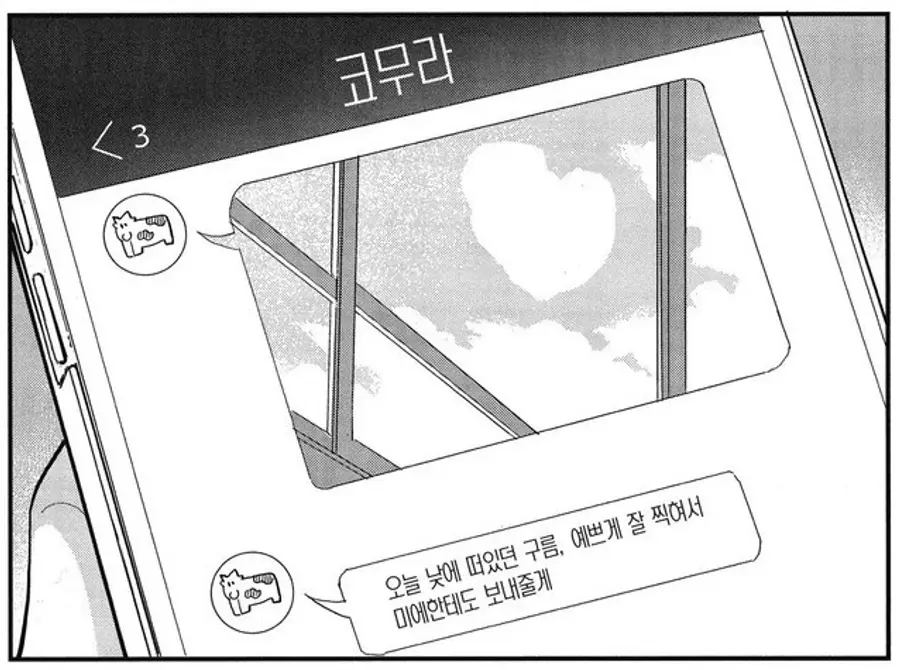
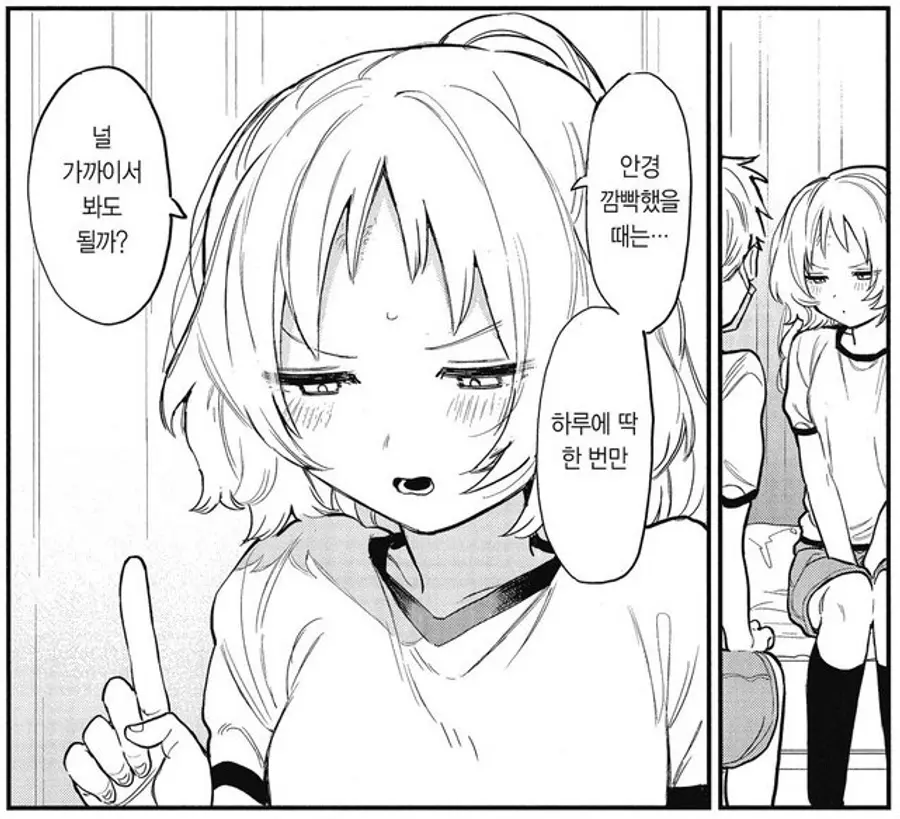
Completed in 2024, 「The Girl I Like Forgot Her Glasses」 was published in a total of 12 volumes by Daewon C.I. in our country. The romance that begins with the simple antics of Komura and Mie is sweet and pure enough to be enjoyed even when you're feeling down. Taking a moment to turn away from the numerous dopamine-pumping contents and enjoying the subtle first love of these young boys and girls with a gentle smile is a joy suitable for spring. Oh, by the way, it was adapted into an anime that aired in 2023. However, it received mixed reactions from fans due to the sharp art style that was completely different from Fujichika Koume's. I can't make a judgment since I haven't seen it, but given how attractive Fujichika Koume's artwork is, I recommend watching it as the original comic as much as possible.
Starting with the excessive significance placed on objects in movies, 'Jo Seong-cheol's Locker', followed by the actor's user manual 'Kim Ji-yeon's Jewelry Box', the movie music appreciation room that moved my heart 'Choo Ah-young's Music Box', and the subculture merchant's purchase diary 'Seongchan Eol's Comic Book', Cineplay reporters will begin bi-weekly serialization with their own tastes and perspectives.


![[Sungchan Eol's Comic Book] Did I, Who Became a Pigeon Overnight, End Up Living with My Classmate?! 「Seongbuk-gu Pigeon Lee Heon-seo」](https://cdn.www.cineplay.co.kr/w160/q75/article-images/2026-02-13/b0ebaaa7-a2ae-4018-af58-52b9a410845c.jpg)
![[Seongchan Eol's Comic Book] Capture the 'Yokai' Beauty that Destroys the Country and Establish a New Dynasty 「Fengshen Yanyi」](https://cdn.www.cineplay.co.kr/w160/q75/article-images/2026-02-27/ef695b39-0776-4d2d-9d1b-cc20500c3ac0.jpg)
![[Joo Sung-chul's Locker] If it's hard to visit Cheongnyeongpo of Deposed King Danjong, head to Geumseongdang of Prince Geumseong!](https://cdn.www.cineplay.co.kr/w160/q75/article-images/2026-03-09/eb9a512d-c03c-42b1-afc5-268239b8653e.jpg)
![[Lee E-dam's Jewelry Box] Unpretentious Simplicity, 'Can This Love Be Translated?' 'The Art of Sarah' 'Pavane' Lee E-dam](https://cdn.www.cineplay.co.kr/w160/q75/article-images/2026-03-10/bc755995-3123-41a8-be66-502d5d5ec9d0.jpg)
![[Chua-young's Music Box] May Madness Reign on This Land! '28 Years Later: The Bone Temple' and 'The Number of the Beast'](https://cdn.www.cineplay.co.kr/w160/q75/article-images/2026-03-11/92b7a9a0-2aaa-4892-9836-8c2d9dd06d5b.jpg)
댓글 (0)
댓글 작성
댓글을 작성하려면 로그인이 필요합니다.
로그인하기