



When director Jingle Bao-rui’s 〈Kowloon Walled City: The Untold Stories〉 (hereinafter 〈Kowloon Walled City〉, 2024) hit theaters in Hong Kong in 2024, it set a record for the biggest box-office success in Hong Kong history. It may be an understatement to say that pulling in the legacy of Hong Kong genre films from the 1980s was the goal from the start. In fact, the very space called “Kowloon Walled City” (九龍城寨) — a place that has essentially disappeared — has become a symbol of that mission. The last scene of director Wong Kar-wai’s 〈Days of Being Wild〉 (1990), in which Tony Leung, cigarette in mouth, prepares to head out from a rundown home, was shot in the Kowloon Walled City. The place where the protagonists, trapped in an inescapable maze, met their end was also the Kowloon Walled City in director Mak Tin-wong’s 〈The Deadly Hunt〉 (1984), which dramatized the tragedy of friends from mainland China who crossed into Hong Kong and turned to armed bank robberies. It is well known that director Luc Besson, a devoted fan of Hong Kong genre cinema, drew inspiration from the final action sequence of 〈The Deadly Hunt〉 to stage the climactic apartment escape scene in 〈Léon〉 (1994). Director and actor Stephen Chow also created “Pigsty Village,” the main set of 〈Kung Fu Hustle〉 (2004), inspired by the Kowloon Walled City.
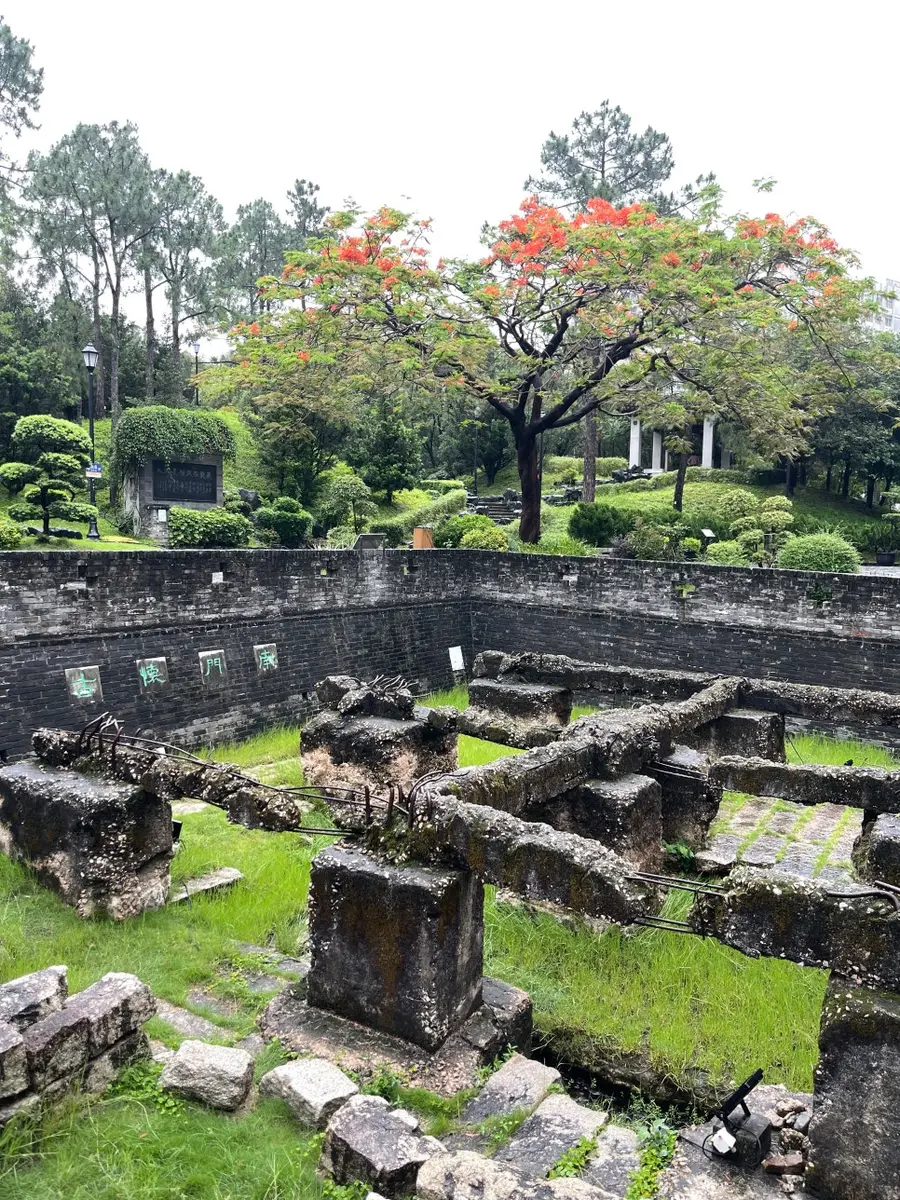
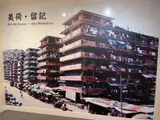
Beginning in 1993, the Kowloon Walled City entered forced redevelopment and now remains as “Kowloon Walled City Park.” At the time, it was a bleak illegal residential area where no sliver of sunlight ever came through. Tracing its history back to the Qing dynasty, the place became a de facto extraterritorial lawless zone in which neither Britain nor China’s rule had any effect after Hong Kong became a British colony, with outsiders and triad gangs plentiful. After the 1984 Sino-British Joint Declaration was signed and the return of Hong Kong to the People’s Republic of China was decided, even the Kowloon Walled City—thought it would be extraterritorial forever—moved into a phase of demolition. In 1986, the British Hong Kong government mobilized police with the government of China, the original owner, giving tacit consent, to sweep up criminals. It was a surrender extracted from the triads who held their ground with weapons. The British Hong Kong government paid compensation to about 33,000 residents living in the Kowloon Walled City, and residents were forcibly relocated across 1991 and 1992. Demolition work began in 1993 and was completed in April 1994. With news of the demolition reaching him, director Wong Kar-wai went into the Kowloon Walled City and shot 〈Days of Being Wild〉 there.
After that, the Kowloon Walled City became a space that was completely forgotten in cinematic terms, before it revived in the Hong Kong film world again starting with the 〈Dragon’s Fury〉 series, starring Andy Lau and Donnie Yen (2017). Then, was the meeting between director Jingle Bao-rui and the Kowloon Walled City inevitable? Jingle Bao-rui, known for a distinct style when it came to “dark action,” including 〈Bodyguards and Assassins〉 (2006) and 〈Warriors of the Dawn〉 (2007), may have simply turned the Kowloon Walled City—perhaps you could call it the ultimate “darkness end boss”—into a stage for 〈Kowloon Walled City〉. The film also began with an invitation to the Cannes Film Festival’s Midnight Screening section, and was later selected as the closing film of the 2024 Bucheon International Fantastic Film Festival.
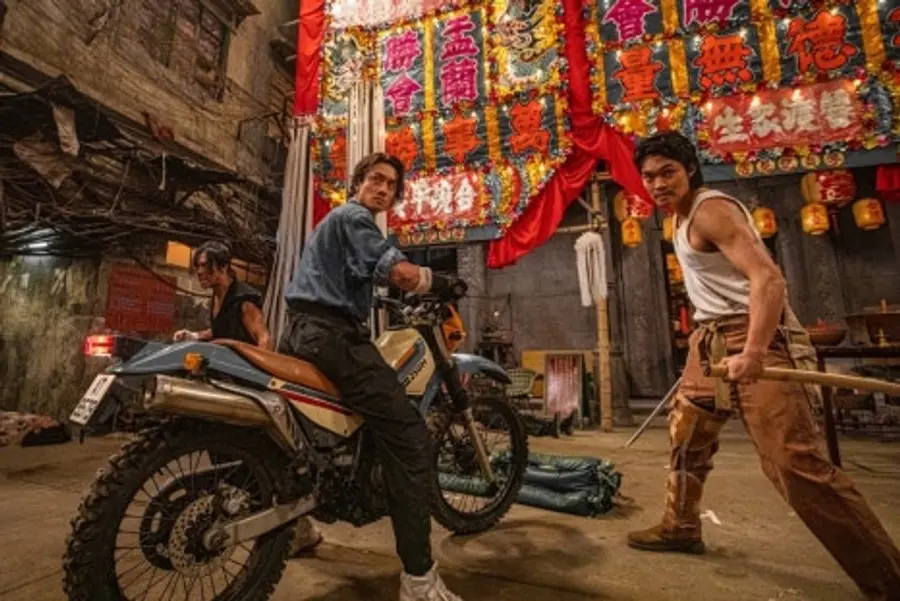
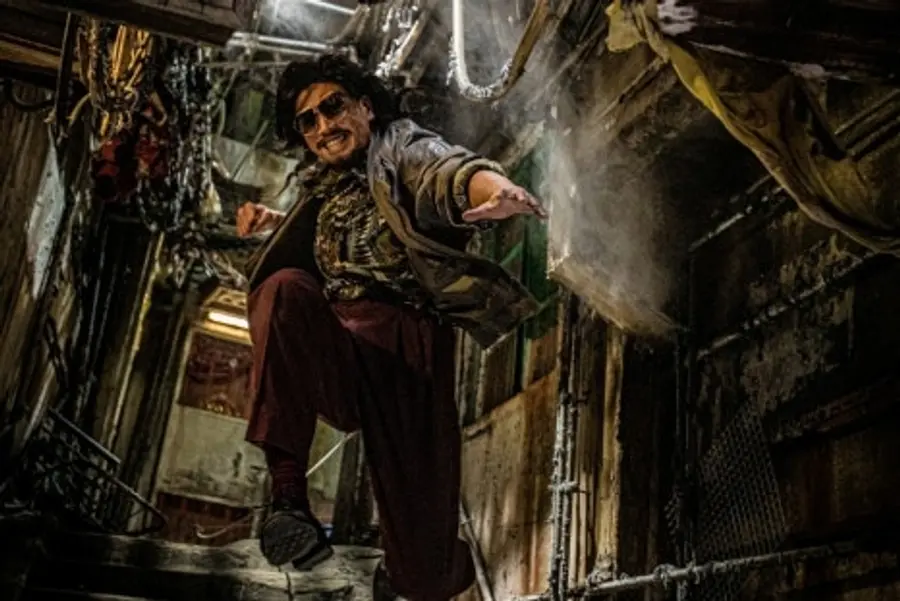
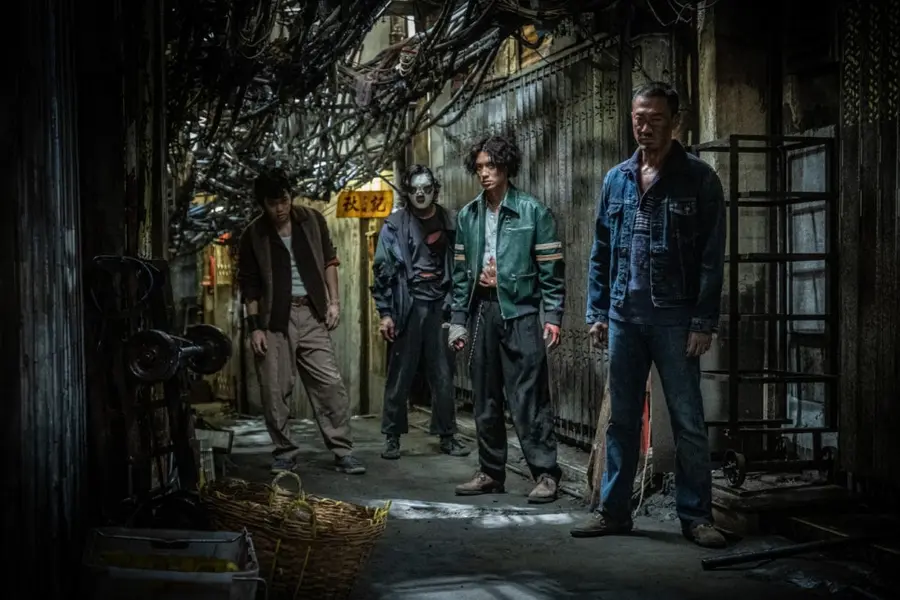
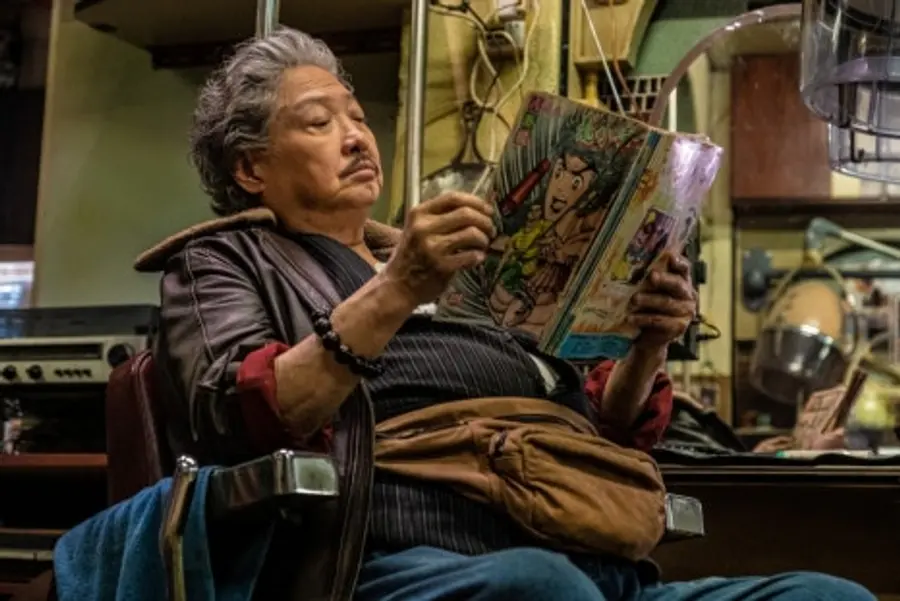
Set in Hong Kong in the 1980s, as it was rising as an economic powerhouse while also enduring social and economic chaos, the story follows Chan Lung-kwun (Lam Fung), who, while being chased by a gang led by Big Boss (Wong Kam-hong), ends up taking refuge in the Kowloon Walled City by chance. The Kowloon Walled City is ruled by three men’s organizations: the Cyclone (Kuo Tien-lok) and three men who support him—Shen Yee (Liu Jun-gin), Shih-yi Soo (Ho Jui-sung), and AV (Jean Murray). Without their permission, no one can set foot in the Kowloon Walled City. With their help, Chan Lung-kwun adapts to life there, but threats from villains trying to enter the Kowloon Walled City to catch him grow increasingly fierce.
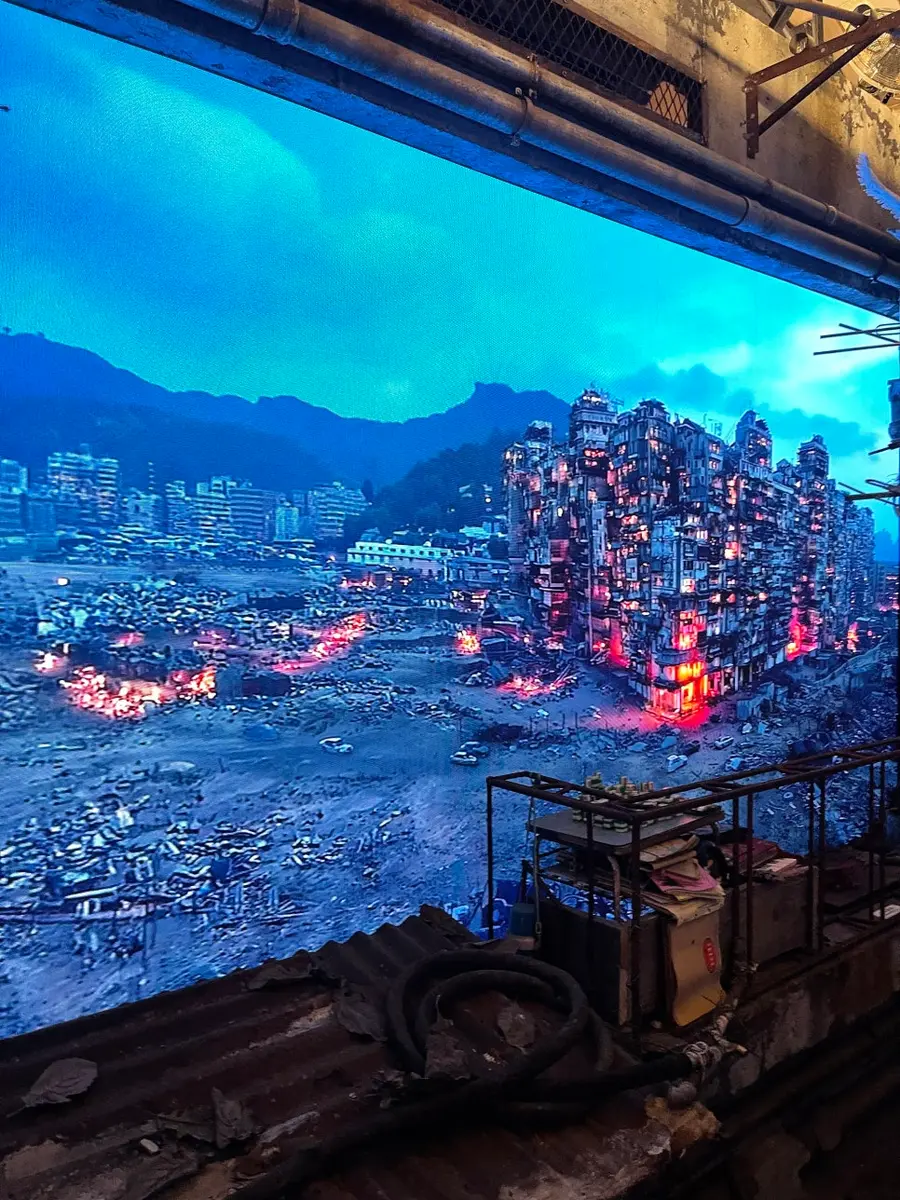
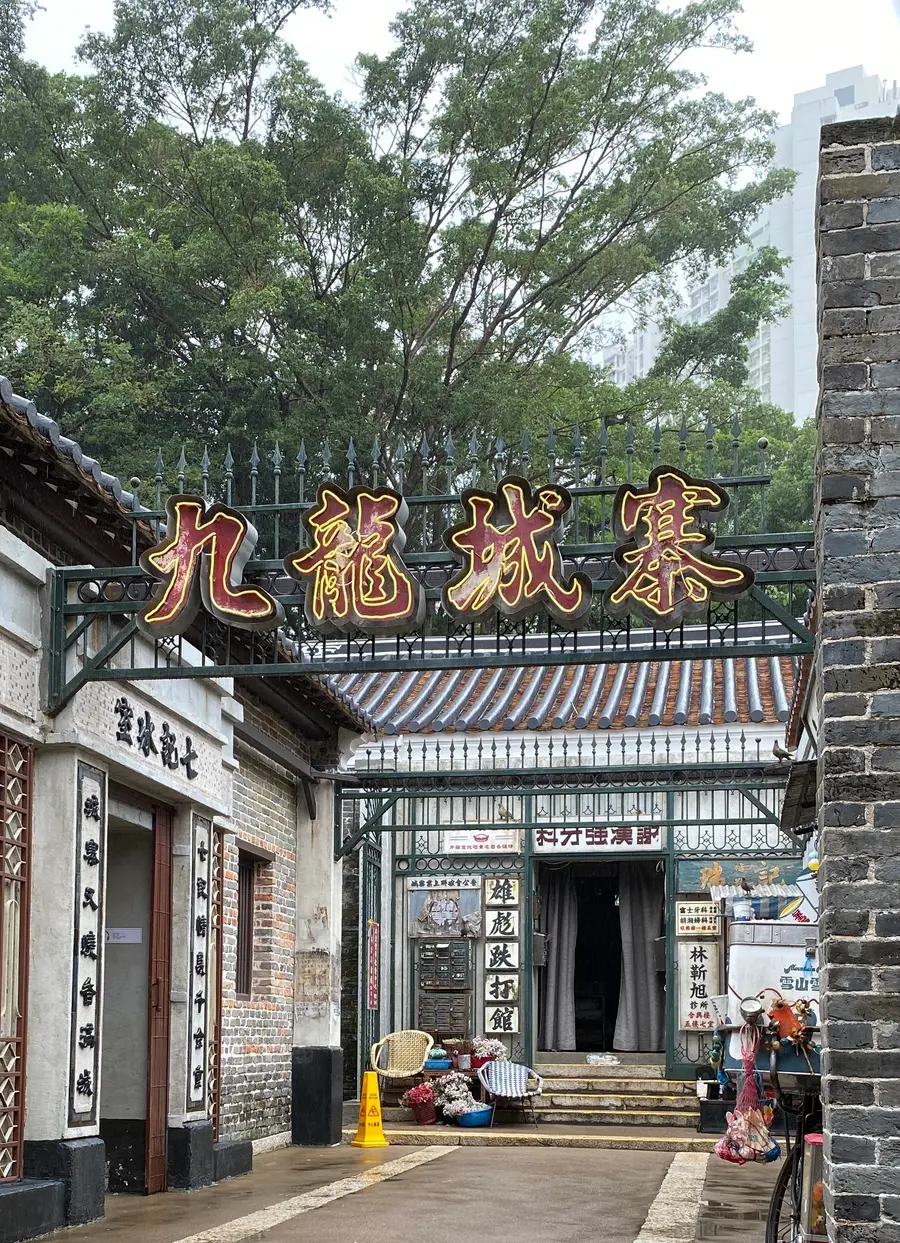
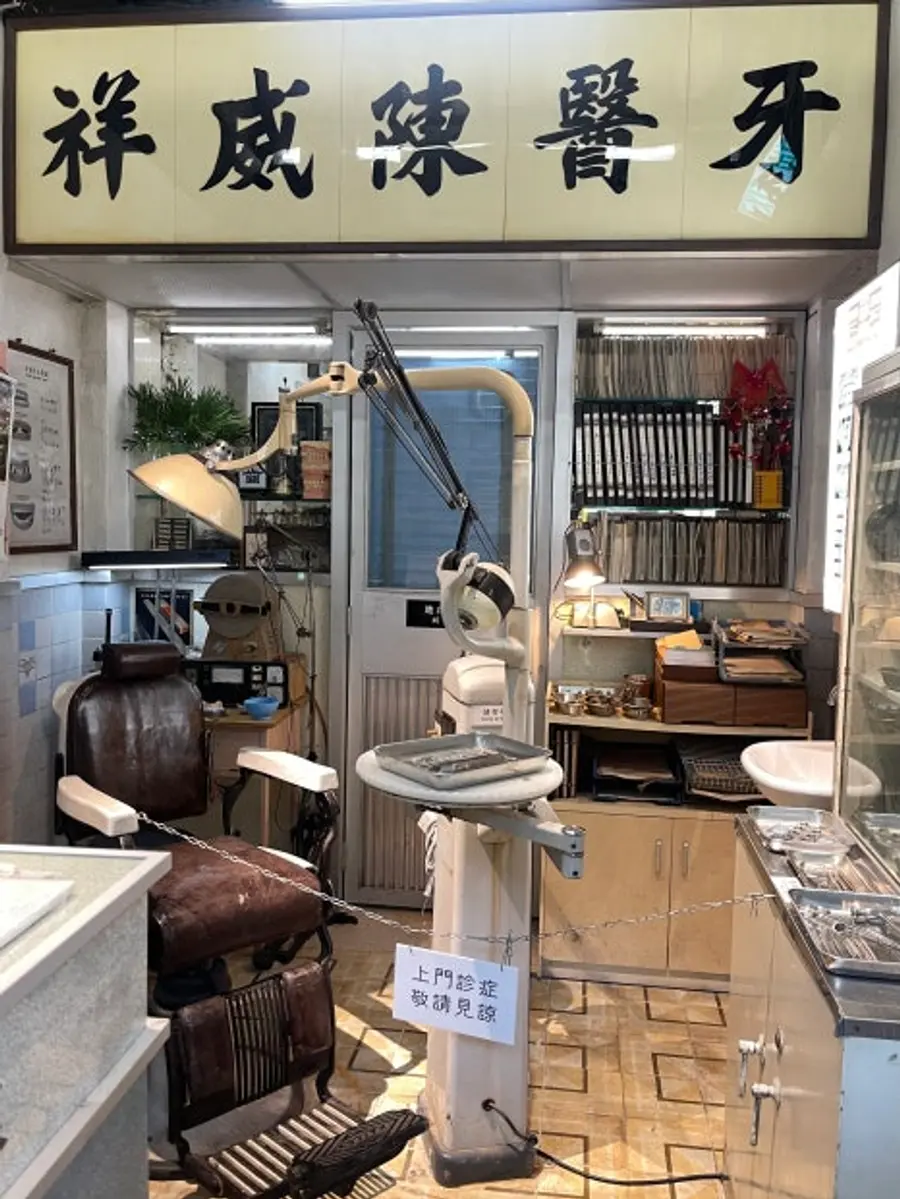
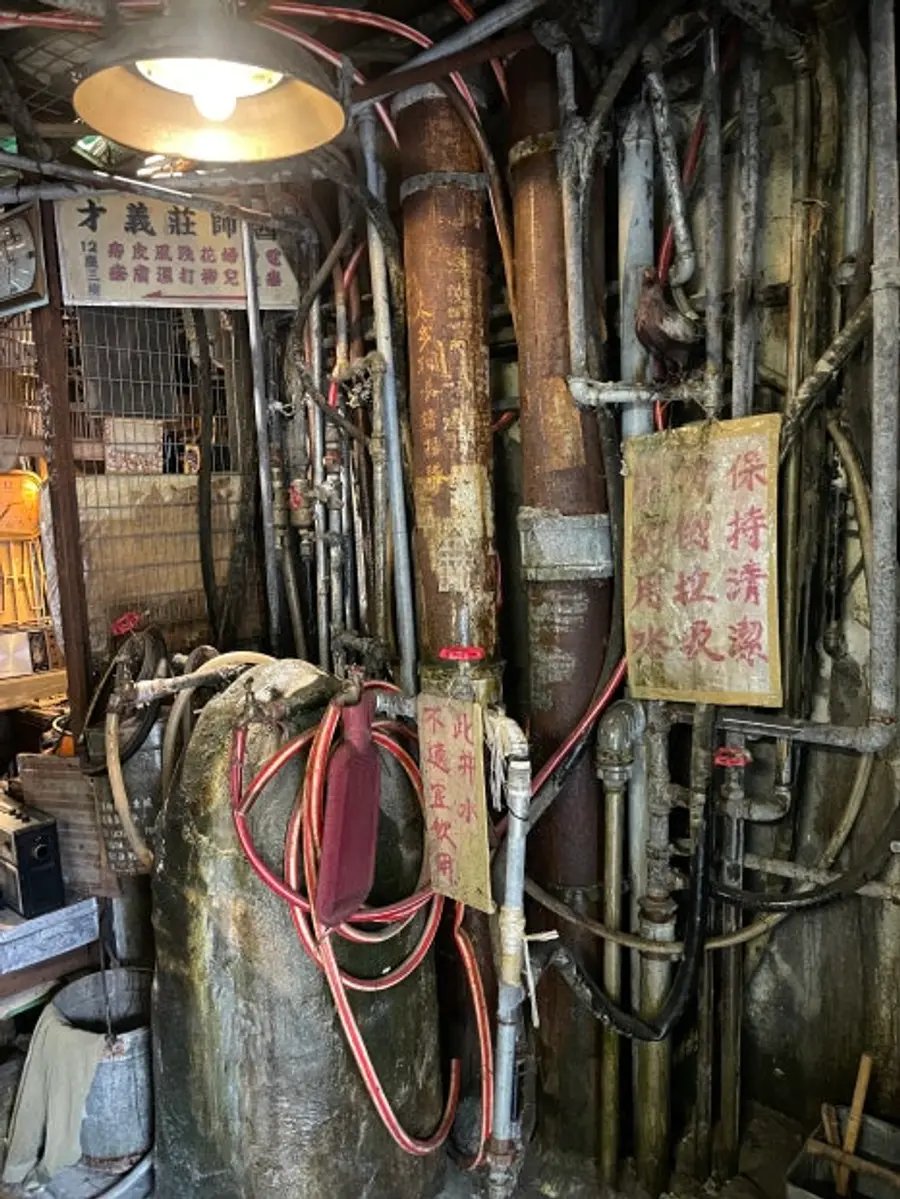
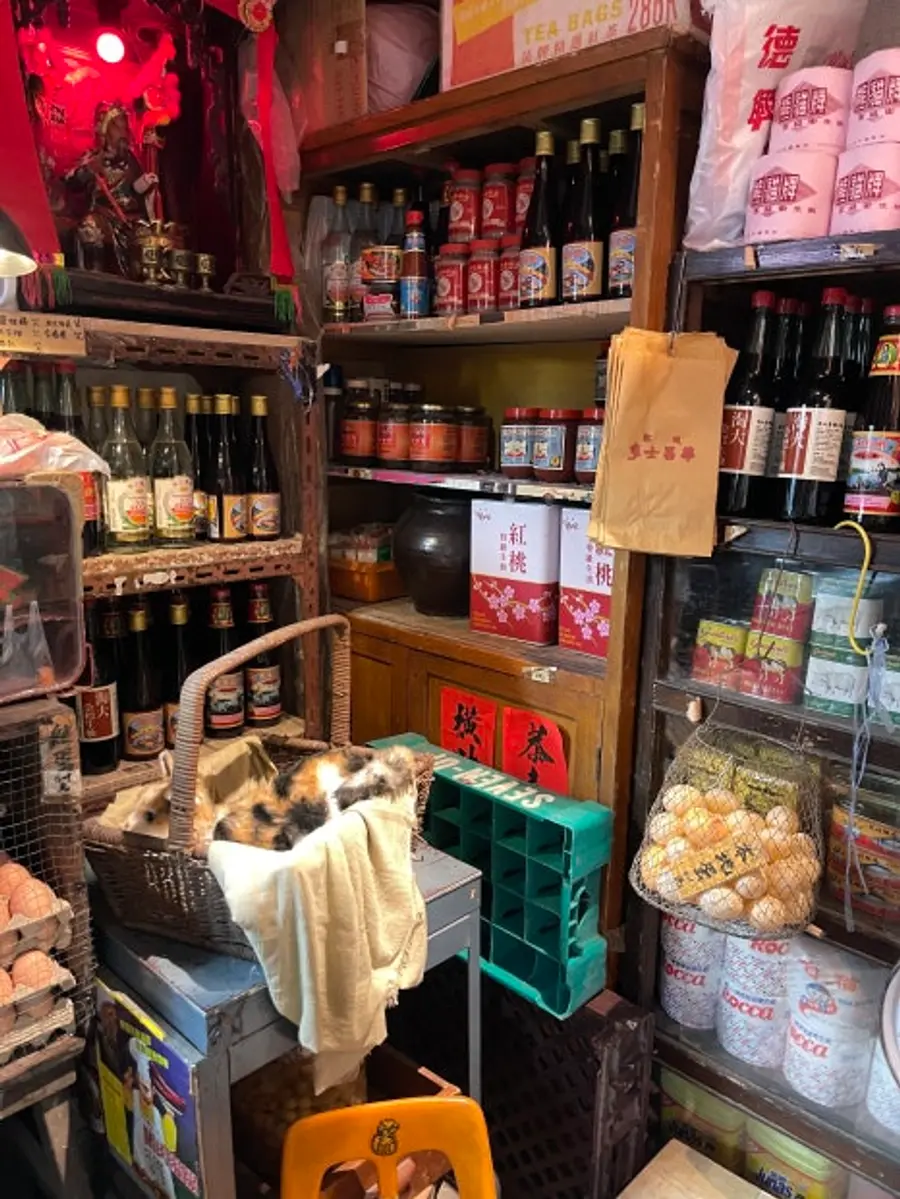
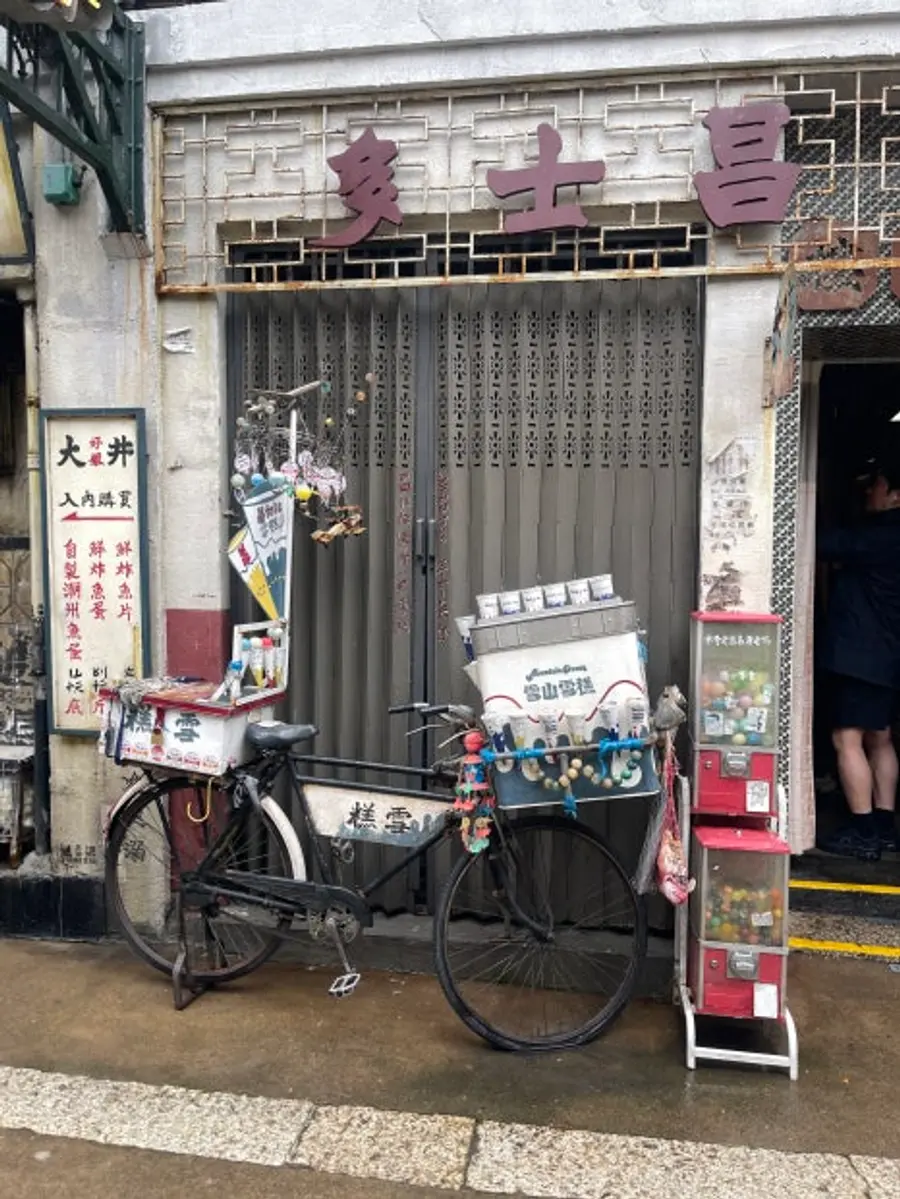
Driven by the film’s success at the box office, a 〈Kowloon Walled City〉 set has been set up at this Kowloon Walled City Park. It recreates the astonishing production design seen in the film and delivers a landscape that is hard to believe. From wires filling the ceiling to water taps to wallpaper, everything matches how it appears in the movie. It is so impressive in every corner that even the claim that half the production budget went into investing in the film’s art direction doesn’t seem far off. Even though the films shot here were not made at this location, it fits perfectly because this place can preserve the movie’s mood in full. You can also see traces of the old Kowloon Walled City that were left behind during the demolition.
For fans of Hong Kong movies, 〈Kowloon Walled City〉 delivers both a “resurrection” and a sense of nostalgia for Hong Kong action films. It’s true even in the way the film uses the Kowloon Walled City as its backdrop—starting from Stephen Chow, Andy Lau, Jackie Chan, Hong Jinbao, and Bruce Lee, it makes Hong Kong movie fans press the memory button in an instant. The action choreography is even more astonishing. Rather than repeating the trial-and-error struggles of Hong Kong films from the past that got bogged down in special effects and lost sight of fundamentals, it minimizes that approach and detonates dopamine through an unending chain of relentless action. Unlike Hong Kong genre films after the 2000s, which were led by special effects, that kind of analog idea carries a strong dose of nostalgia for earlier Hong Kong genre cinema. From making the most of every nook and cranny inside the Kowloon Walled City to going beyond bare-fisted action to a wide range of weapons, it overflows with the energy of Hong Kong genre films at their peak in the 1980s. It describes the Kowloon Walled City like a “martial-arts world” or “jianghu,” where countless masters crowd together as a real arena for action.
The film is the kind of work that immediately convinces you of the assessment that it is a “glorious comeback for Hong Kong action cinema,” but director Jingle Bao-rui’s ultimate goal is to stir up emotion. Through a depiction of the Kowloon Walled City, which you could call a miniature version of Hong Kong, the film ultimately warmly portrays the “people of Hong Kong” who quietly filled that place and lived there. The Kowloon Walled City wasn’t home only to triad members. The lingering feeling from the film’s ending scene remains long: it shows that in those days, the Kowloon Walled City had people living there who, every morning, kneaded noodle dough, made egg tarts, and boiled pork.
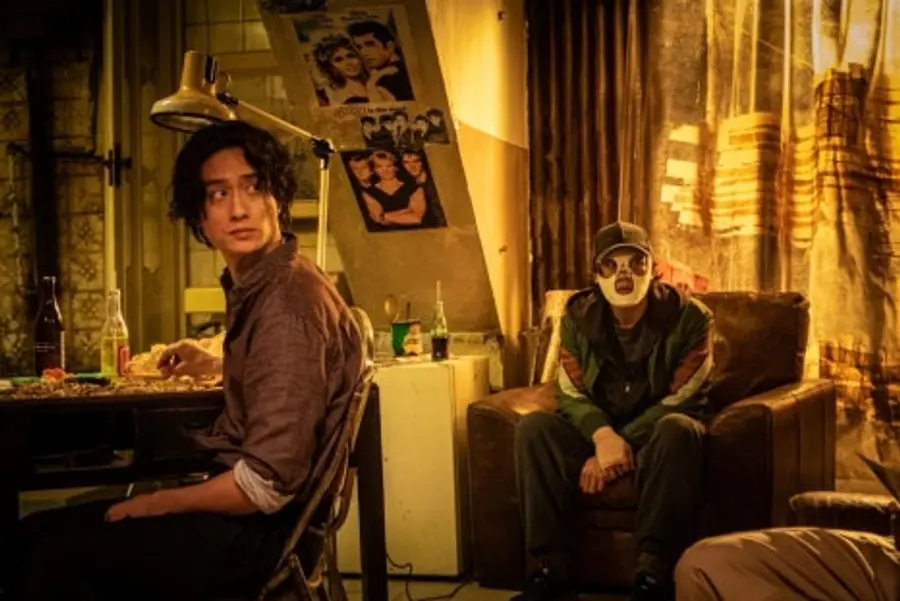
At the 2024 28th Bucheon International Fantastic Film Festival, director Jingle Bao-rui, who held a time for conversation with audiences (GV), said the following about that ending scene. “I didn’t want to focus only on the dark side of the Kowloon Walled City—an area that remained extraterritorial in Hong Kong in the 1980s. It was a place where many crimes happened, but on the other hand, it was also a place where ordinary people lived and where memories were kept. I wanted to show that aspect as something important. I spent close to half of the production budget on production design costs for creating the Kowloon Walled City set, and I met and talked with the original residents who lived there directly while preparing the work. I wanted to put my unwavering love for Hong Kong into 〈Kowloon Walled City〉.” The place where you can fully feel that love is none other than the 〈Kowloon Walled City〉 set area at Kowloon Walled City Park.


![[First Reaction] ‘Family Trip’ Cineplay Reporter Star Rating](https://cdn.www.cineplay.co.kr/w300/q75/article-images/2026-09-16/084269eb-f40e-4e00-a301-dfb9b6caf8e7.jpg)
댓글 (0)
댓글 작성
댓글을 작성하려면 로그인이 필요합니다.
로그인하기