



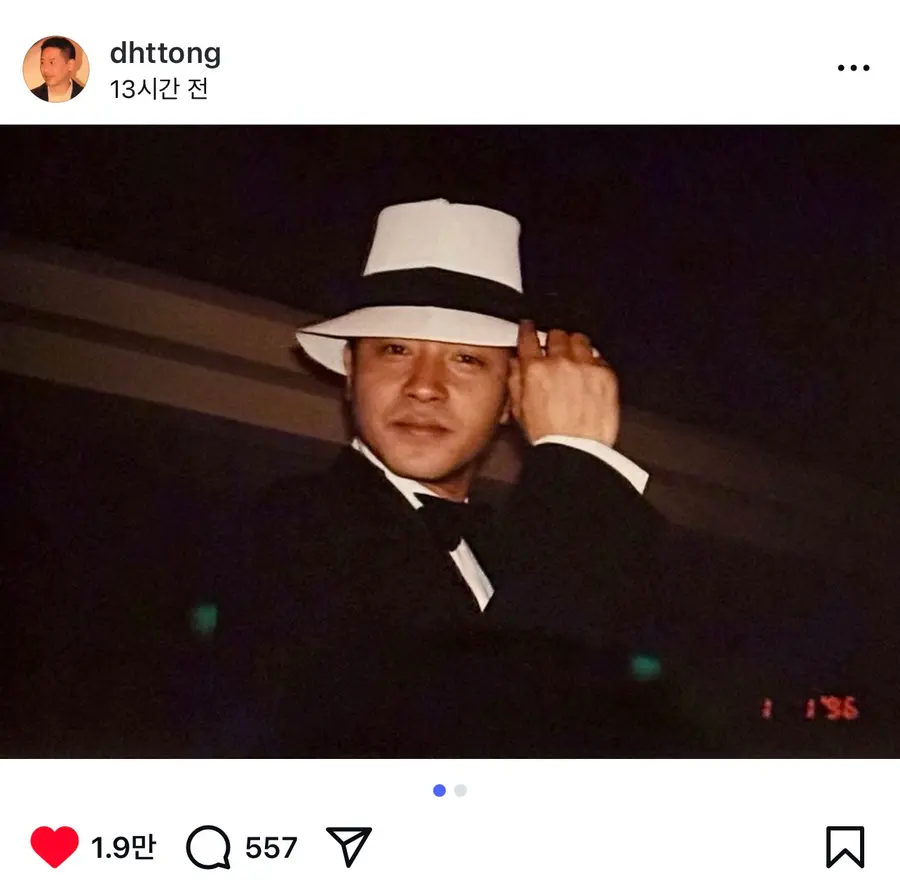
A new photo of Hong Kong film icon Leslie Cheung has been released. It was Dang Hok-Tak—Leslie Cheung’s manager and lover during his lifetime—who posted the photo to mark New Year’s Day. Usually, he uploaded previously unseen photos of Leslie Cheung on social media around April 1 (Leslie Cheung’s death anniversary) and September 12 (his birthday). He would occasionally also post photos from Leslie Cheung’s life on Christmas Eve or New Year’s Day. For 2026, in the bottom-right corner of the posted photo, a timer on an analog film camera reads “January 1, 1996,” letting you know that it is a photo taken a whopping 30 years ago.
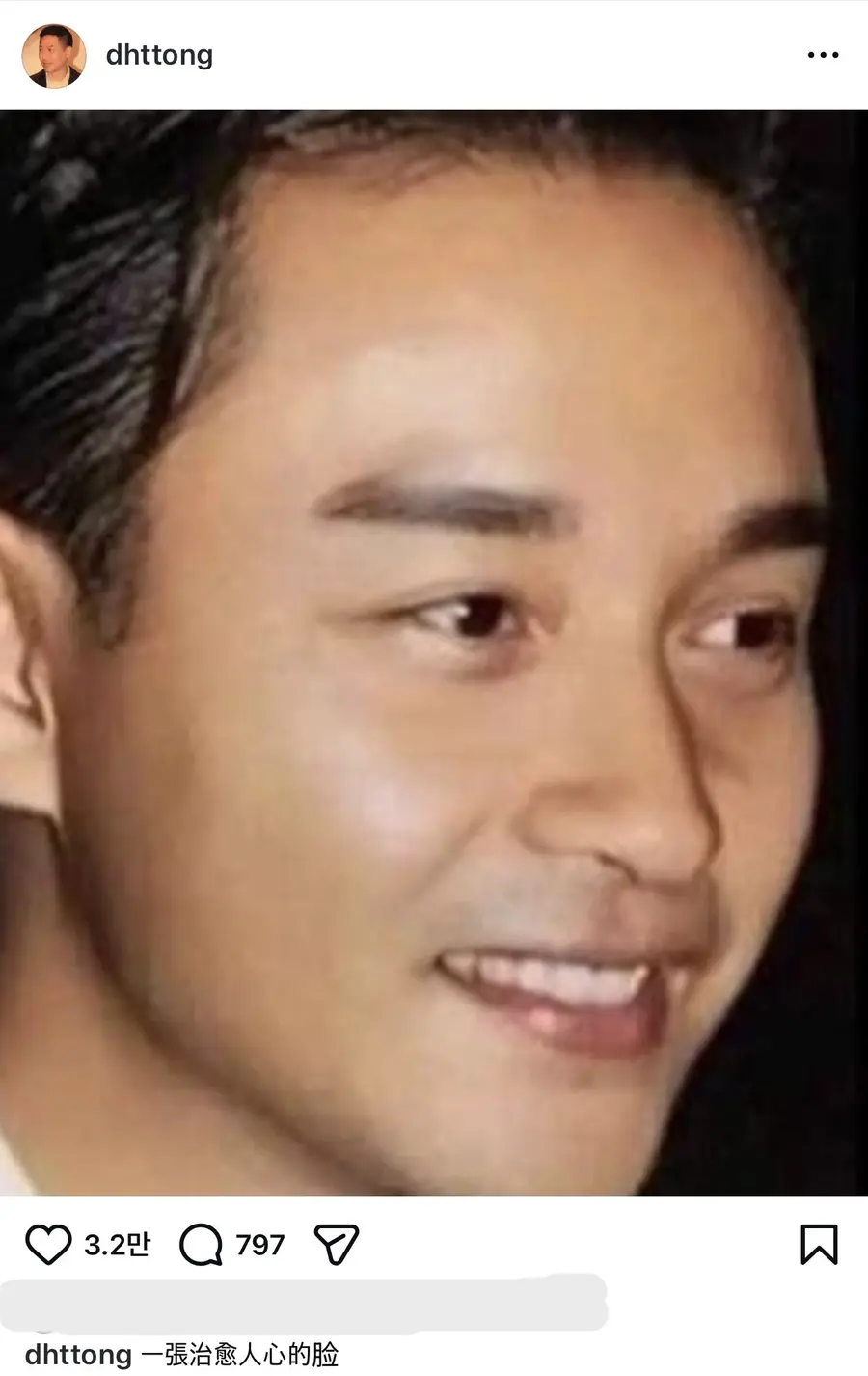
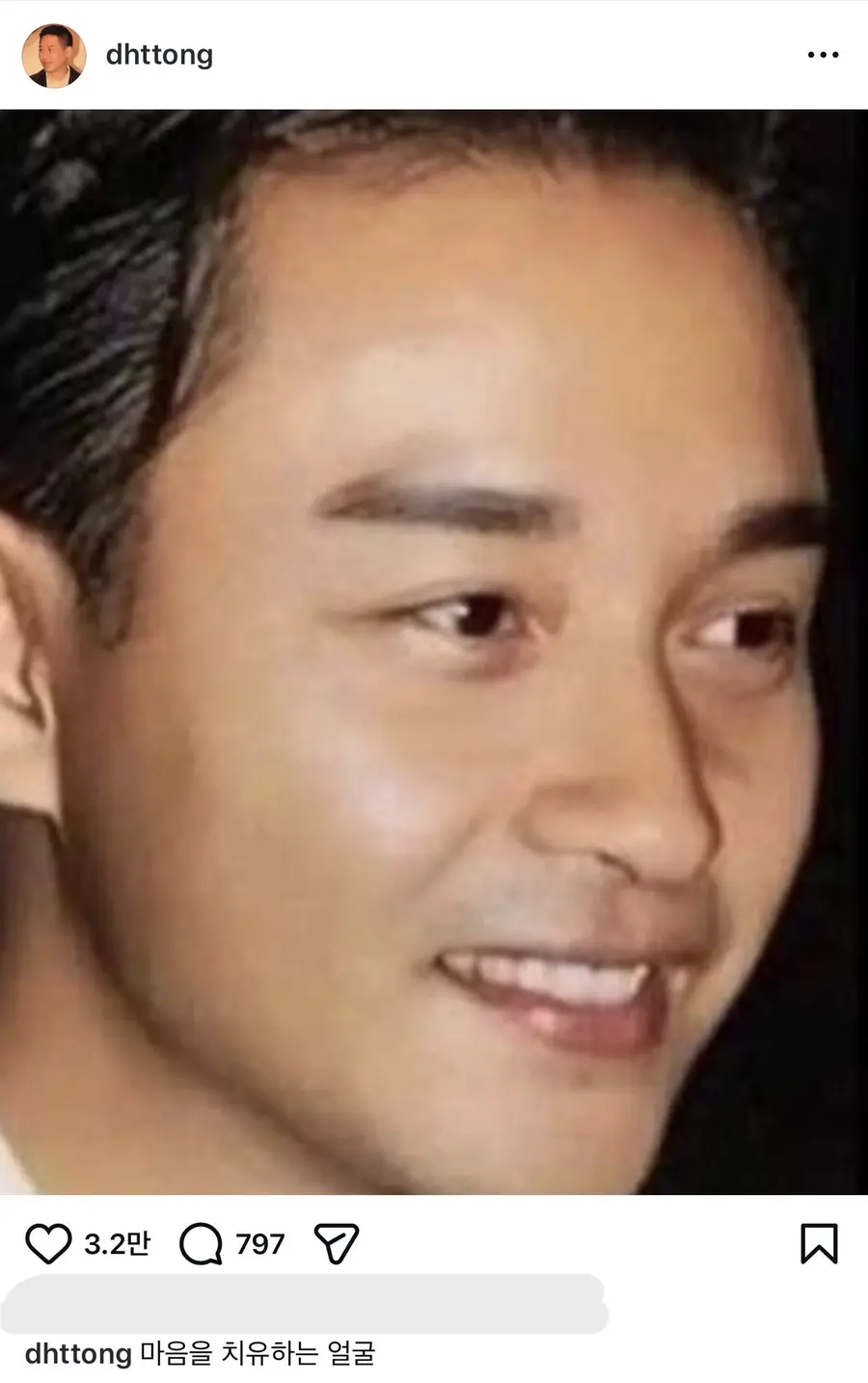
After Leslie Cheung passed away on April 1, 2003, Dang Hok-Tak’s SNS was almost the only place where you could see Leslie Cheung’s previously unseen photos. And among those moments, the most heartbreaking one was November 27, 2024. As mentioned above, since he shared Leslie Cheung’s photos only on so-called “special days,” maybe he didn’t want to post on “any day” that had nothing to do with him—or maybe he simply wanted to avoid posting photos of him. The days roll by all 365 days a year, and you start thinking of Leslie Cheung every day—so how could you forget the day when you suddenly miss him so much it’s unbearable? On November 27, which was also Bruce Lee’s birthday, Dang Hok-Tak posted a photo of Leslie Cheung—one that had not been released before—and added a single line. The moment people hit “Translate,” countless fans were overcome with emotion. It was the phrase “an expression that heals the heart.” Why can’t fans seem to forget him even now?
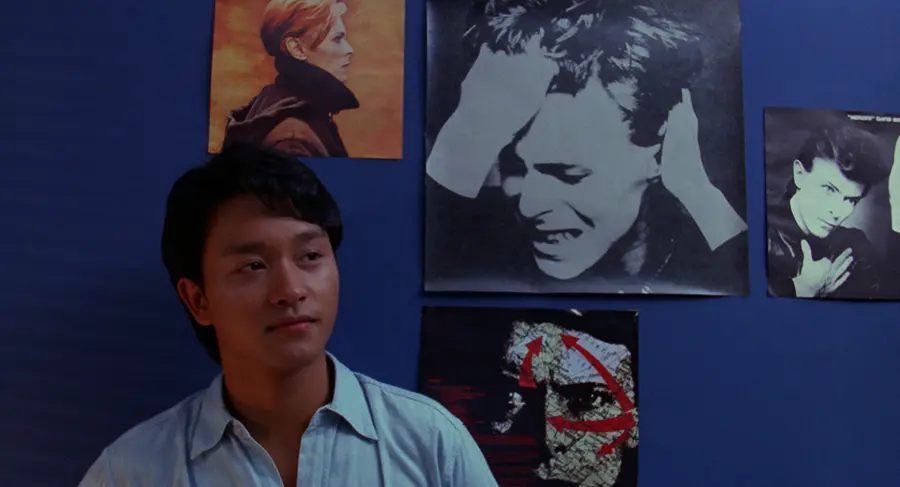
Famous Hong Kong screenwriter Yiu Kwong described Leslie Cheung’s face as mei mu ru hua (眉目如畵), meaning “beautiful as if the eyes and eyebrows have been painted.” Let’s start with his life first. Born on September 12, 1956—under the Monkey zodiac sign—Leslie Cheung was a Virgo, and also the youngest of no fewer than ten siblings. His childhood, spent living like an “island” within a large group of ten siblings, had a major impact on his life and the kind of persona he developed. Meanwhile, his third older brother, his fourth older sister, and the person just above him—his ninth brother—passed away when he was young. So in reality, you could say he was one of seven siblings. Coincidentally, since his ninth brother’s death date fell on his own birthday, the family always believed that the brother’s spirit returned and Leslie Cheung was born. With such a huge age gap, he didn’t really have happy memories of playing with his siblings. He was separated from the oldest sister by 18 years, and he was 8 years younger than the closest sibling, the eighth brother. After attending Rosaryhill School in Hong Kong, he left for the University of Leeds in the UK at age 13 to study textiles, influenced by his father, a well-known tailor. From age 13 onward, being away from the family meant living alone—very much like it was his own situation. Meanwhile, Rosaryhill School also closed down last year. Places you could remember Leslie Cheung keep disappearing.
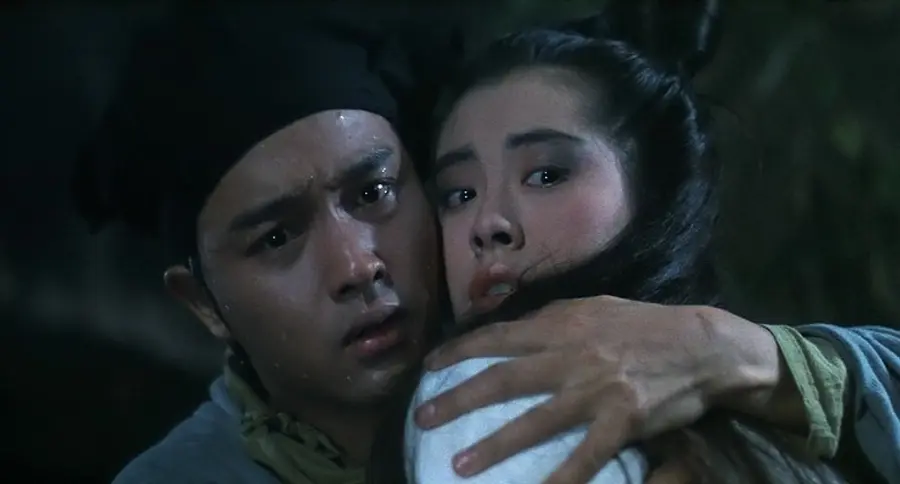
Studying in the UK became an important turning point in his life. Looking at the glamorous environment, meeting groups like Glambrock—along with David Bowie—and experiencing a dazzling stage made him finally “open his eyes” to music in the UK. And at that time, rather than being drawn to the Clark Gable image that many people might associate with old Hollywood, Leslie Cheung was actually captivated by the gentle male character Ashley, played by Leslie Howard—whom Vivien Leigh (who played Scarlett) liked—so he also adopted the English name Leslie. In addition, Leslie Cheung had an affectionate nickname: “Kok-go.” It comes from the Cantonese pronunciation of the Chinese character 哥哥, which means “older brother.” Some people also call him “Geg-ge,” but “Kok-go” sounds cuter. It’s generally believed that the nickname began when Wong Dynasty actress Wang Zuxian called him “Kok-go” during the making of 〈A Chinese Odyssey〉. It doesn’t really sound like a natural relationship, but calling Wang Zuxian—who was 11 years younger than Leslie Cheung—“uncle” feels awkward. And because she was also comfortable and familiar, like a friend, calling her “older brother” somehow stuck as an affectionate nickname.
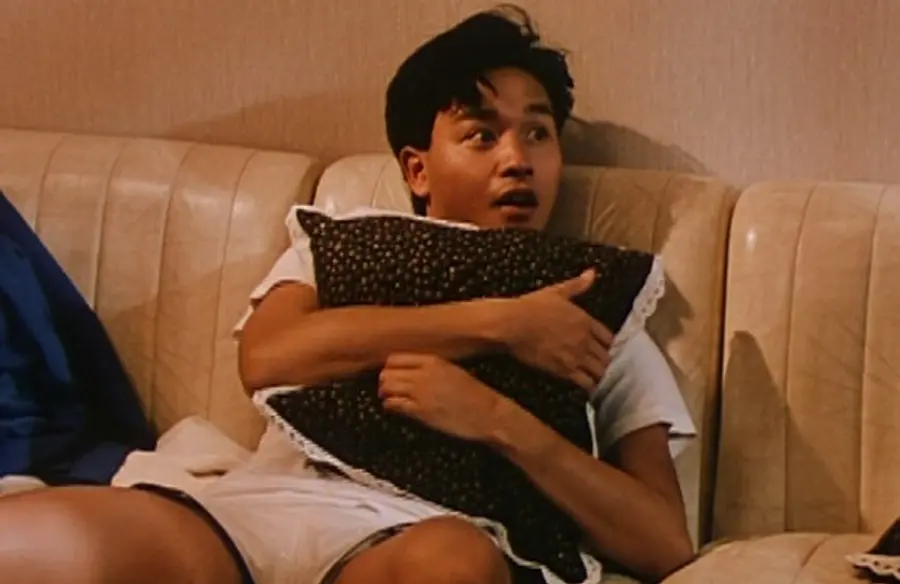
At the Hong Kong ATV Asian Music Contest in 1977, Leslie Cheung sang Don McLean’s “American Pie” and took second place, starting him off on the path as a singer in earnest. At the time, just like most Hong Kong entertainment stars, after debuting as a singer, he also ventured into acting. After his debut work 〈The Red Sleeve, the Red Thumbs〉 (1978), and even in 〈All the Cheers〉 (1980), where he appeared in a supporting role, he still leaned on his popularity as a singer and played a role as a singing hopeful. It summed up his image as a handsome rebellious youth star. In other words, from then on, he was “Ah Fei.” In his first major megahit as an actor, 〈A Better Tomorrow〉 (1985), he plays the man who meets a gentle woman by chance, is immediately drawn to her, and—without thinking too much—gets on the same bus and chases after her. The same pattern continued in later hits like 〈A Moment of Romance〉 (1984) and 〈Justice, My Foot!〉 (1988).
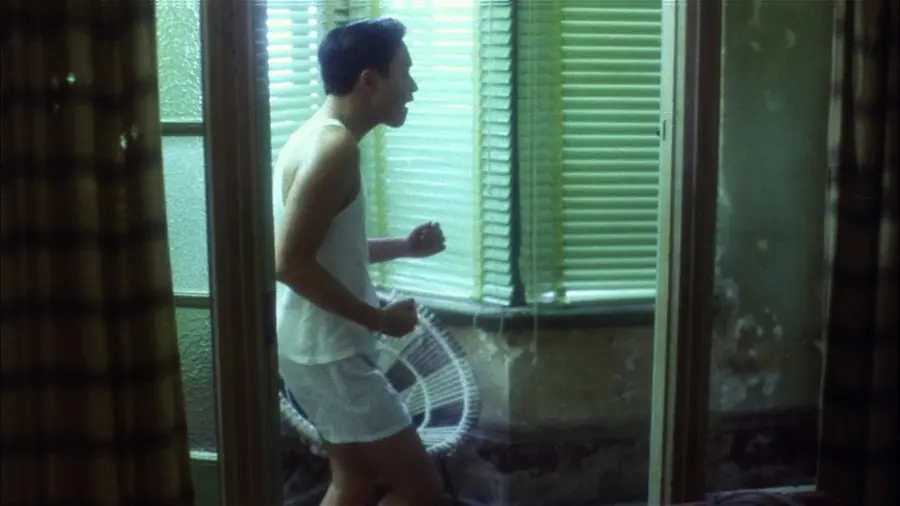
Looking back, the opening scene of 〈Farewell My Concubine〉 (1990) is no different. Ah Fei (Leslie Cheung) walks straight up to Su Li-chen (Maggie Cheung) and tells her to watch his watch together for just one minute, then says, “At 3:00 PM on April 16, 1960, we were together for one minute. I’ll remember that one minute.” At first glance, the setup seems like nothing more than another Leslie Cheung film. But 〈Farewell My Concubine__ became a crucial turning point for actor Leslie Cheung through the character of Ah Fei, who carries deeper loneliness and emptiness. Moreover, because 〈Farewell My Concubine__ was the first Hong Kong film shot with synchronized sound, the immersion in the character and the acting rhythm were also essential. Back then, Hong Kong films were fiercely competitive to recruit stars, so it was common for busy actors to start filming without fully memorizing the script, then do post-dubbing later. In that context, 〈Farewell My Concubine__ was truly a massive challenge. It’s as if you can feel Leslie Cheung’s deep artistic longing—his desire to become a true actor by fully inhabiting Ah Fei. That challenge also marked the beginning of Wong Kar-wai’s new era with Leslie Cheung—his second film after 〈Fatal Destiny〉 (1988), again teaming up with Leslie Cheung, the older brother and a big star who was two years older.
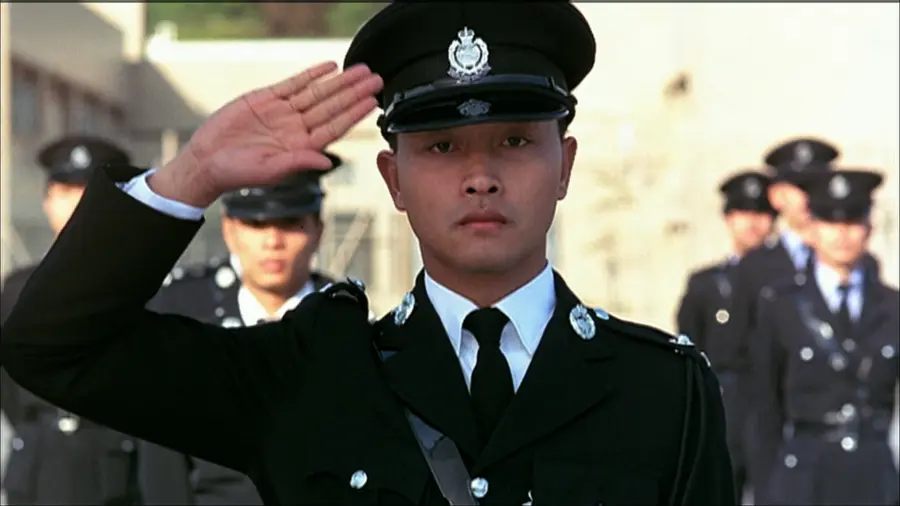
From there, Leslie Cheung’s dazzling prime began—no need to mention how popular he was at home. Just one year after 〈Hero?〉 was released, 〈A Better Tomorrow 2〉—released on July 22, 1988—filled theaters from the very first day. Across the 〈Hero?〉 series that went on to make up to three installments, there are plenty of iconic scenes, but many fans specifically point to a moment in 〈Hero? 2〉: with Leslie Cheung’s song “Fengxiang Weilai Rizhe” (分香未來日子) playing in the background, Leslie Cheung is held in Chow Yun-fat’s arms as he talks on the phone with his wife, who has just given birth to a child, while dying. The following year, in 1989, he enjoyed top popularity in Korea through the “TuYou” chocolate commercial CF. At the time, it was still extremely rare for overseas stars to film domestic advertisements.
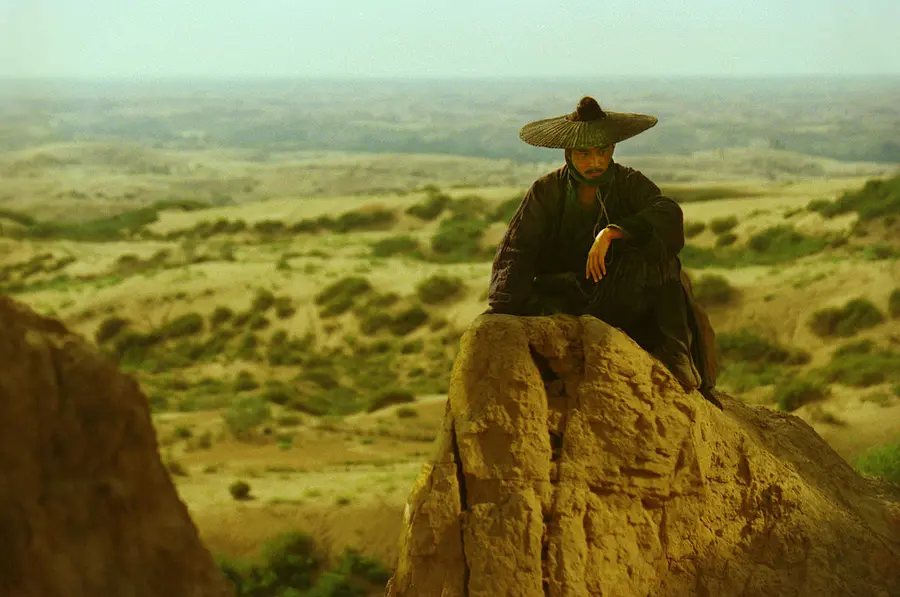
Since almost all of his post-debut years were his prime as both an actor and a singer, it might be pointless to say this—but especially starting with 〈Farewell My Concubine〉, the works he made together by becoming Wong Kar-wai’s “persona,” such as 〈In the Mood for Love〉 (1994) and 〈Happy Together〉 (1997), are masterpieces that will remain in the history of world cinema forever. In addition, thanks to relentless effort, he transformed into a Beijing opera actor and showed exceptional artistic pride—winning the Palme d’Or at the Cannes Film Festival with 〈Farewell My Concubine〉 (1993). He reunited again with actress Qin Hsing-ha for 〈Red Sorghum〉 (1993) after 〈In the Mood for Love〉. He also appeared as a music producer in the modern romantic comedy 〈Golden Jade〉 (1994). He was remembered for the song “A Thousand Dreams Of You” in 〈Yabanjiashen〉 (1995). He even played a poor film director and showed a new side in 〈The Sexy One and the Sexy Man〉 (1996). Through all of these, he became an immortal actor.
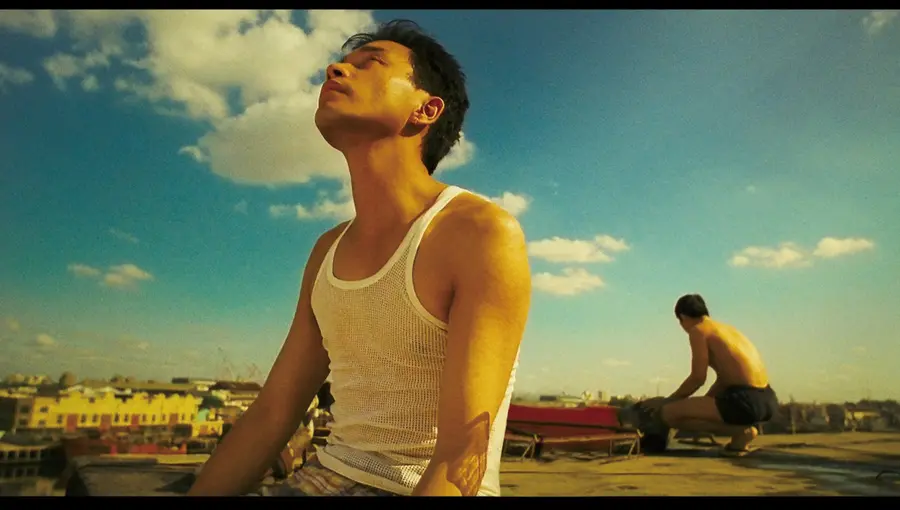
The film that brought Leslie Cheung back to people’s minds was none other than 〈Perfect Days〉 (2023), which won Japanese actor Yakusho Koji the Best Actor award at the Cannes Film Festival. Since Leslie Cheung and Yakusho Koji were born in the same year—both in 1956—the two met once when, at the age of forty, in 1997, 〈Happy Together〉 and 〈Unagi〉 were both invited to the Cannes Film Festival’s competition section. The former won the Best Director award, and the latter won the Palme d’Or—each reaching their peak as actors. And it was that movie, 〈Perfect Days〉, which seemed to have no connection at all, that oddly made him think of Leslie Cheung. Maybe it was a kind of over-attachment syndrome—an obsession with thinking of Leslie Cheung in every moment, somehow.













댓글 (0)
댓글 작성
댓글을 작성하려면 로그인이 필요합니다.
로그인하기