



“Michelle Yeoh often got hurt on set. She was a good dancer, but the action was so intense. Once, she injured her ankle and it developed an infection, but she said she was fine and kept filming. It must have hurt terribly, but she threw herself into the work so completely that everyone on set couldn’t help but adore her. She also asked me about various taekwondo moves, and I taught her a lot. To be honest, I was pretty tired on set, but she kept asking me to teach her kicks, and she would follow along no matter what. I’d say, ‘That’s enough for now—go get some rest,’ and only then would she reluctantly take a break. The pain in her injured area felt worse when she stopped, so it was really heartbreaking to see her sitting there curled up. She was such a popular actor on set that, no matter how exhausted she was, she would make a point of hugging and greeting every last junior crew member. There were also lots of horseback-riding scenes in the movie, and I had my eye on one particular horse. She asked if she could ride it. It was an enormous horse, and I think she wanted to ride it because it would make her look dynamic. Since she was the lead, and she asked so earnestly, I let her. (Laughs) Anyway, it was obvious she was destined for great things.” (Hwang Jung-lee recalling the production of the 1987 film 〈The Heroine〉)
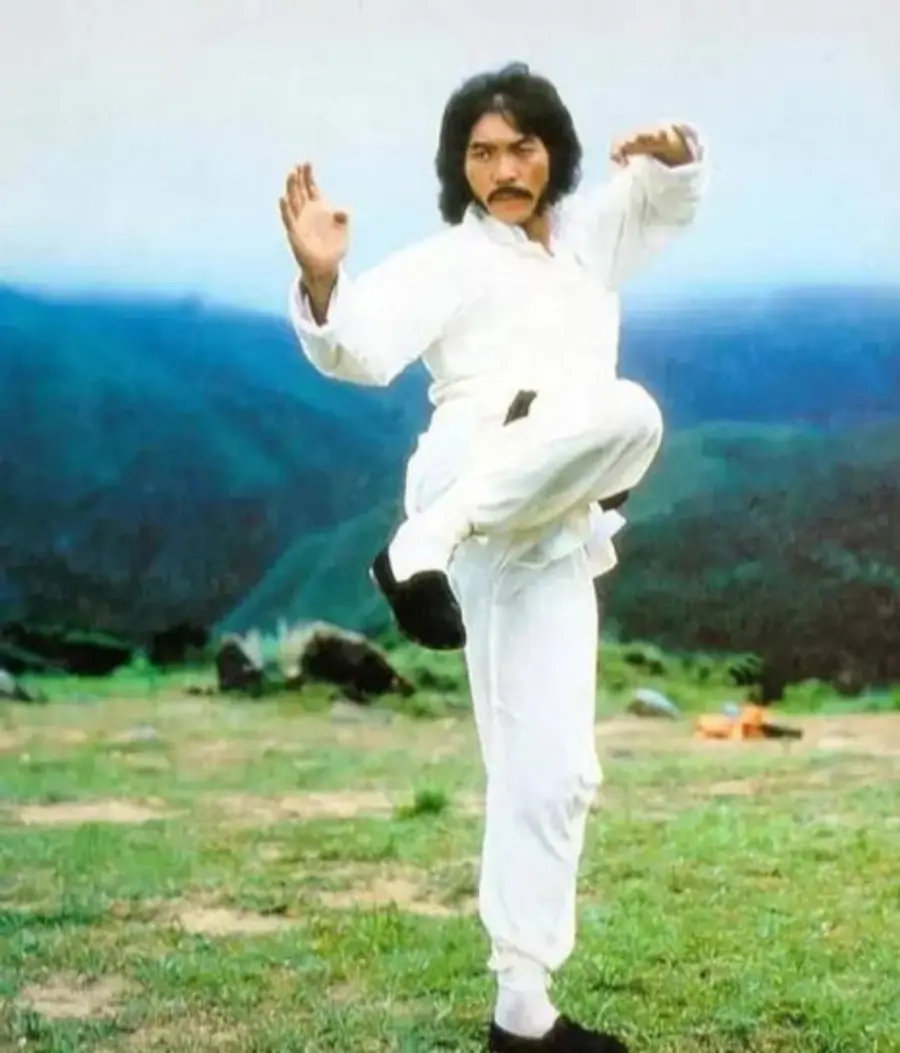
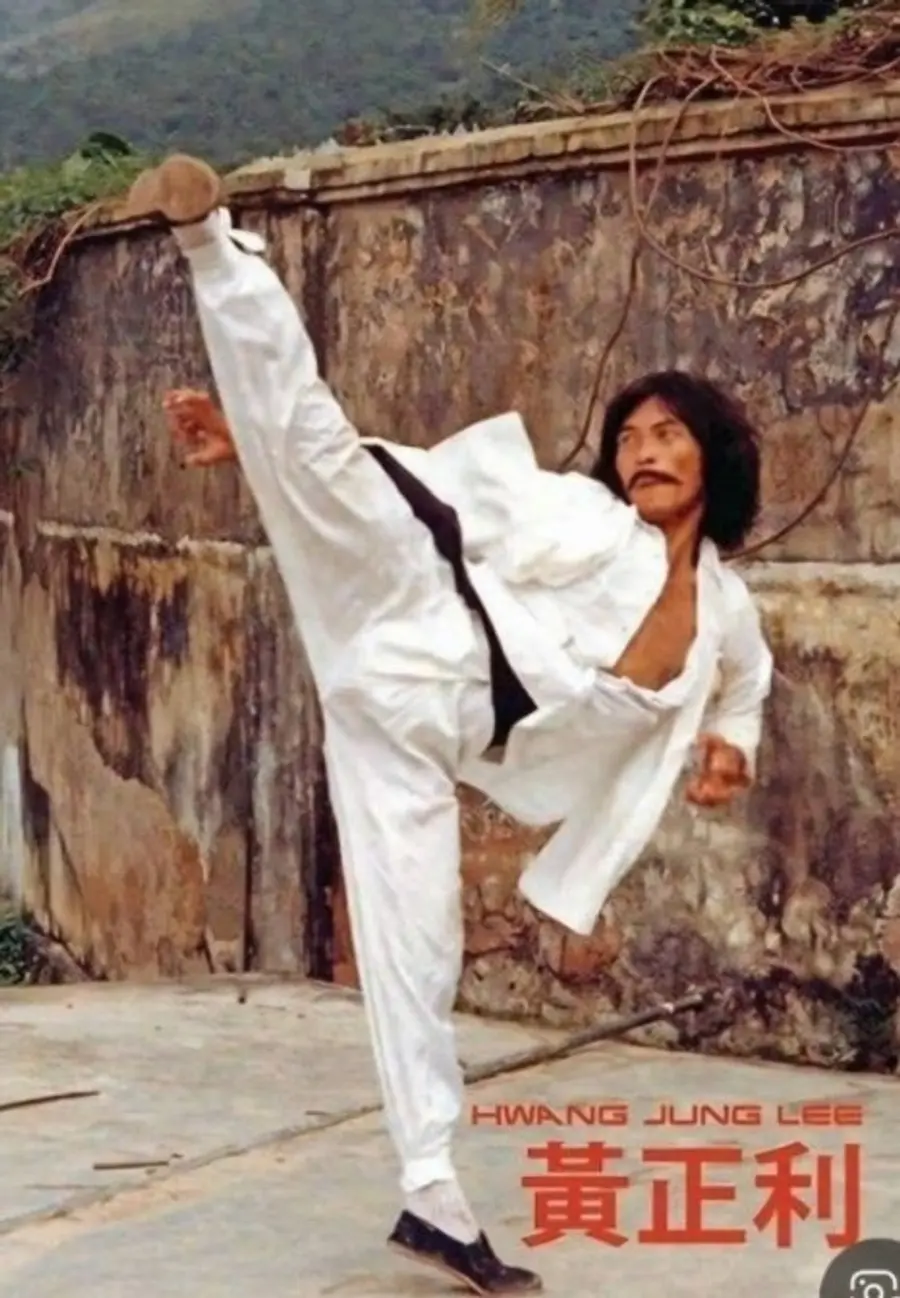
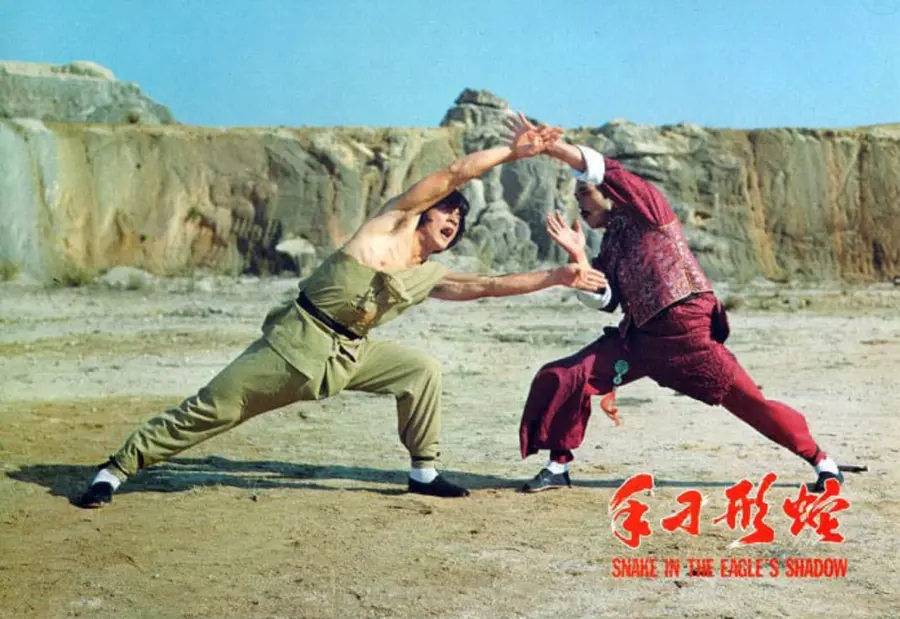
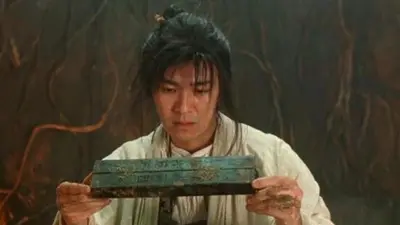
With apologies, it’s been a while, but this is “Joo Sung-cheol’s People Locker.” I’m returning to it to pay tribute to actor Hwang Jung-lee, who died on November 12 at the age of 82. Tributes have uniformly described him as “the Hwang Jung-lee of 〈Snake in the Eagle’s Shadow〉 (1978) and 〈Drunken Master〉 (1978),” but he was an action star who dominated an era, moving between Korea and Hong Kong. He appeared as the final villain in both films and had spectacular showdowns with Jackie Chan. I remember being astonished to learn later that the villain whose dazzling kicks had left Chan helpless was a Korean actor. For context, 〈Drunken Master〉, a massive box-office hit when it opened, held the record for the highest-grossing non-Hollywood film released in Korea for more than 20 years, until 〈Spirited Away〉 (2001) came out.
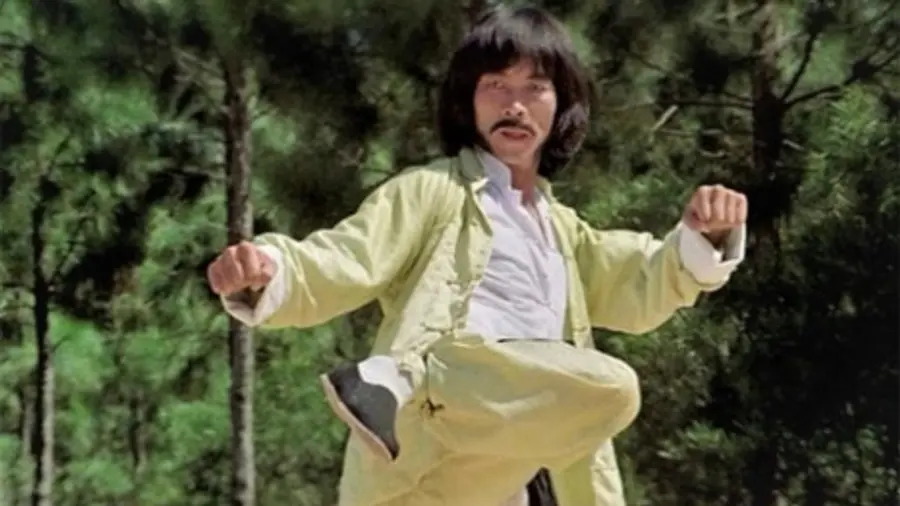
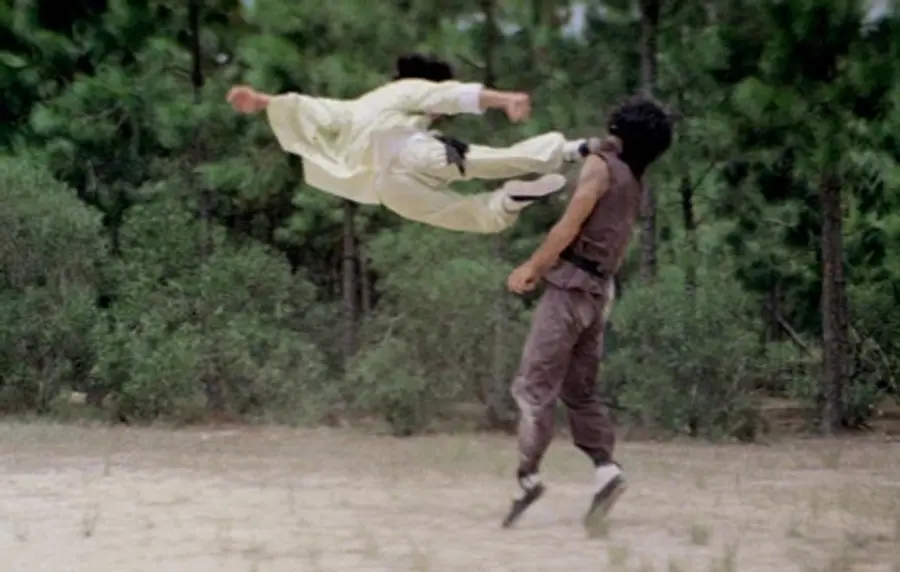
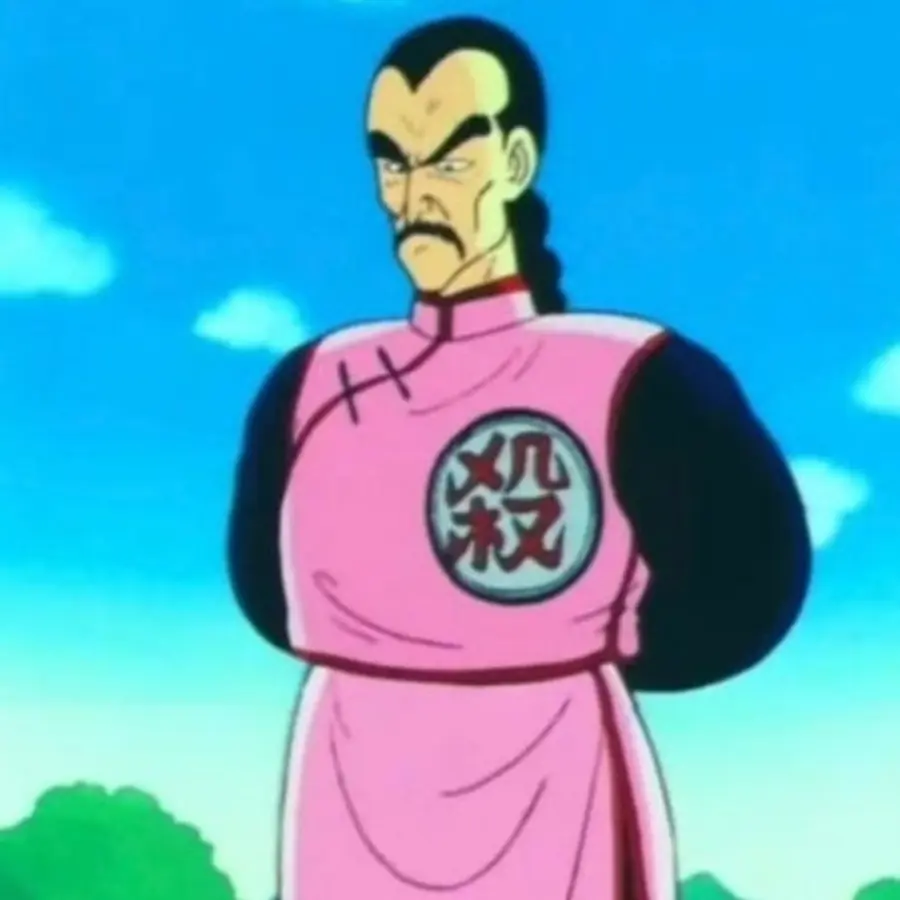
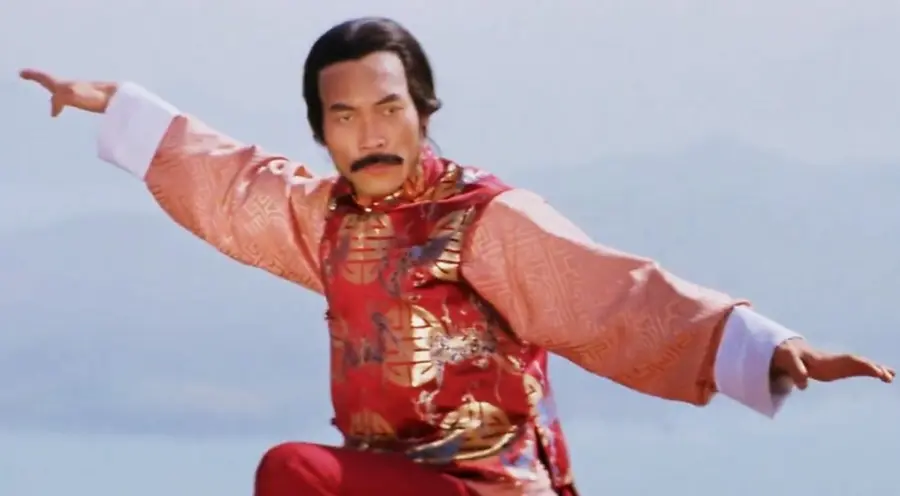
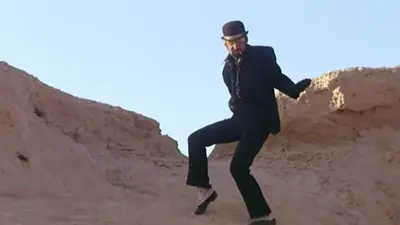
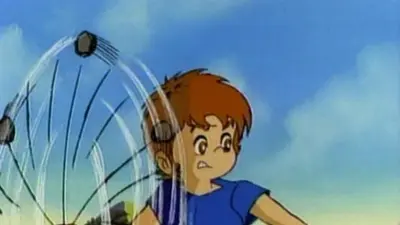
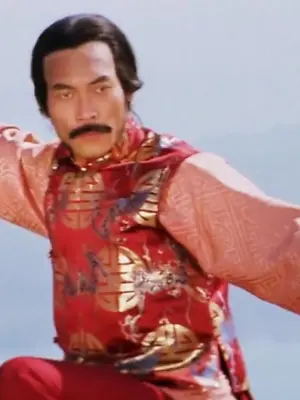
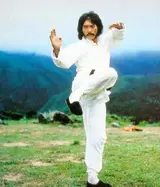
Born in Japan in 1944, Hwang Jung-lee began a new chapter in his life when he took up taekwondo. He worked as an instructor teaching taekwondo to U.S. servicemen and later ran a taekwondo school. Then, at 30—considered a rather late age to begin an acting career at the time—director Lee Doo-yong cast him in 〈The Return of the One-Legged Man〉 (1974), his debut. Perhaps because of his striking presence, he made his mark on screen mainly as a villain who delivered powerful kicks. His signature move was to balance on his left leg and fire off a series of kicks with his right; his flying kicks were so swift and clean that “cutting through the wind” seemed an apt description. The person captivated by his image and talent was Hong Kong director Ng See-yuen. Hwang shot to stardom, starting with 〈The South and North Shaolin〉 (1976), then starring in 〈Snake in the Eagle’s Shadow〉 and 〈Drunken Master〉. Among those impressed by Hwang at the time was Japanese manga artist Akira Toriyama. Tao Pai Pai (桃白白), the assassin in 「Dragon Ball」 who is both Tien Shinhan and Chiaotzu’s senior disciple and master, was modeled on Hwang in 〈Snake in the Eagle’s Shadow〉. Tao’s look—his queue, mustache and outfit—came from Hwang in 〈Snake in the Eagle’s Shadow〉, while his characterization as a ruthless master came from Hwang in 〈Drunken Master〉.
He went on to appear in 〈Dance of the Drunken Mantis〉 (1979), 〈The Buddhist Fist〉 (1980), 〈Ninja in the Dragon’s Den〉 (1980), 〈Millionaire’s Express〉 (1986) and 〈Millionaire’s Express〉 (1986), establishing himself as a top hired gun and technician who shook up the Hong Kong film industry. He continued working in Korea as well, appearing in films including 〈Snake in the Eagle’s Shadow〉 (1983), which he directed and starred in and which tells the story of a Goryeo warrior who travels to China; Park Yun-gyo’s 〈Flying Fist〉 (1980); Lee Hyuk-soo’s 〈The Dragon and the Tiger’s Cousins〉 (1981); Lee Doo-yong’s 〈The Fixer〉 (1982); Kim Si-hyun’s 〈Thunder Fist〉 (1983); and Park Woo-sang’s 〈The Drunken Master of Guangdong〉 (1983). 〈The Drunken Master of Guangdong〉 also features a fresh-faced Won Jin, an actor who moved to Hong Kong, appeared in films such as 〈King of Beggars〉 (1992), and later worked extensively as a martial arts director in Korea.
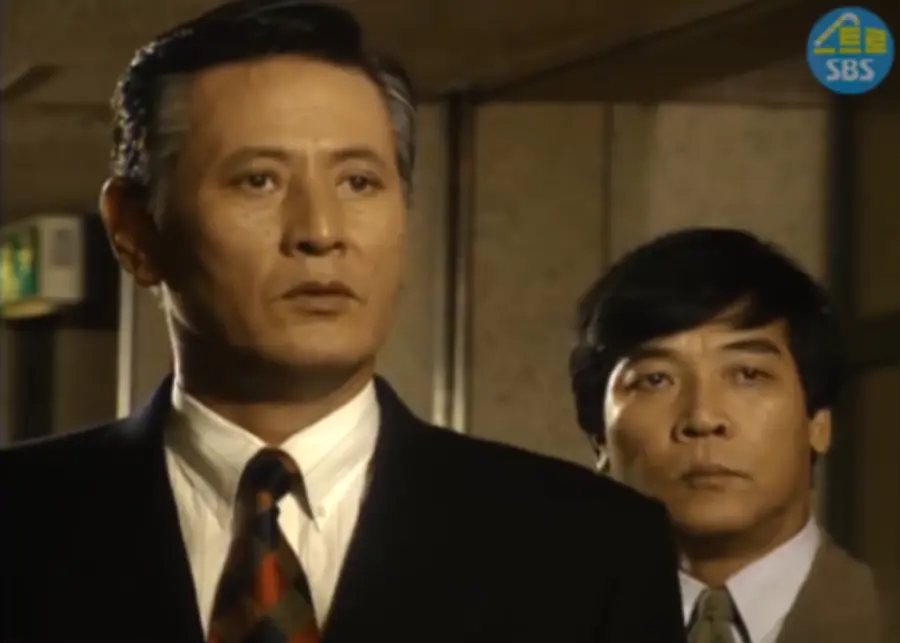
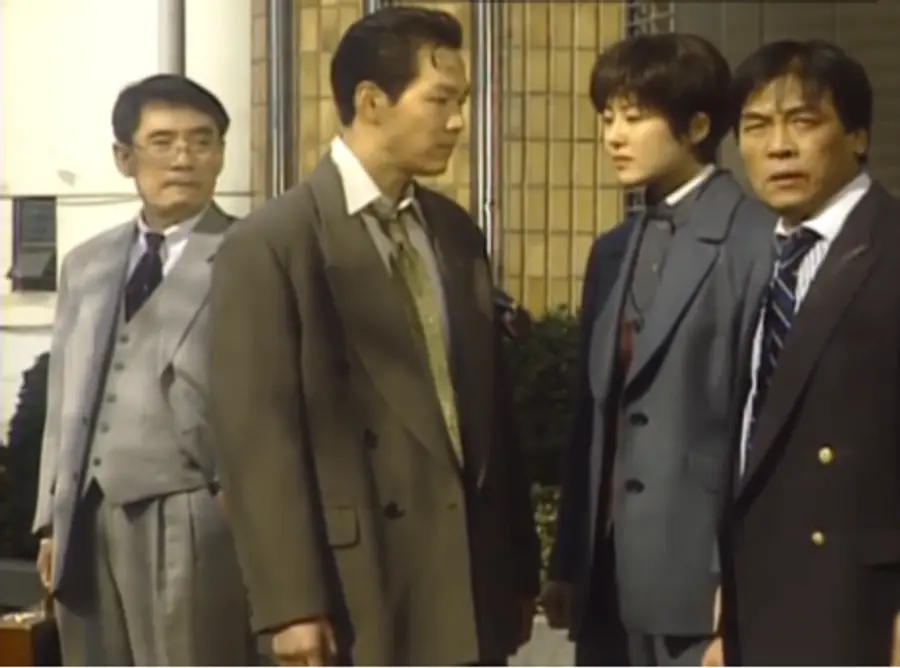
Another highlight was the 1995 TV drama 〈The Sandglass〉, where he worked as martial arts director after producer Kim Jong-hak pleaded with him three times to join the production. 〈The Sandglass〉, which was also released on Netflix last year, made headlines at the time for its exceptionally high level of action direction. Kim Jong-hak brought Hwang on board to raise the quality of a drama with a heavy emphasis on action from its very first episode. The opening episode began with Hwang’s kicks filling the screen. He also played Director Jang Geun-seop, the bodyguard and right-hand man of Chairman Yoon (Park Geun-hyung), a casino tycoon. Jang is the one who rescues Hye-rin (Ko Hyun-jung), the chairman’s young daughter. Later, as Hwang focused on his martial arts director duties, his role diminished and the character of Baek Jae-hee (Lee Jung-jae), the young bodyguard who quietly protects Hye-rin, came to the fore. That helped launch newcomer Lee Jung-jae’s meteoric rise.
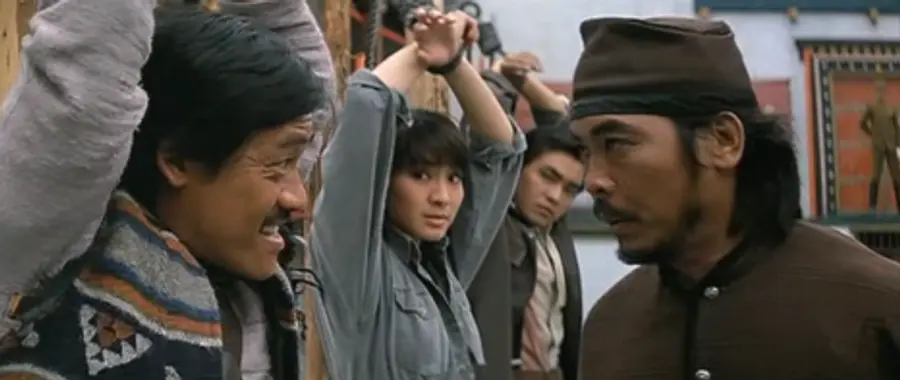
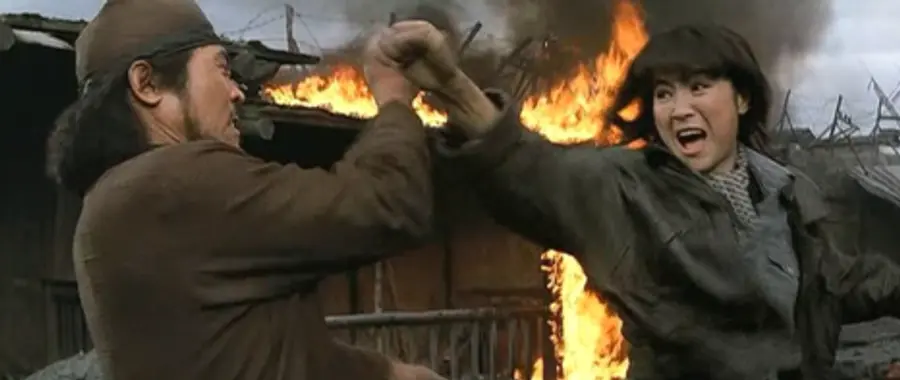
I once traveled to Jeju Island to interview Hwang Jung-lee in 2009, when he was running a business there. He had recently resumed acting after appearing in producer Hwang In-roe’s TV drama 〈Return of Iljimae〉 (2009). He played Miyamoto Musashi, who happens to meet Iljimae (Jung Il-woo) on Tsushima Island. It was only a cameo in episode seven, but his piercing gaze was just as sharp as ever. He was also considering a role in 〈Kwonbeop〉, which director Bae Jong was preparing as his second feature after 〈Welcome to Dongmakgol〉 (2005), though the project ultimately fell through. When we met, Hwang told me extensive stories about his time working between Hong Kong and Korea. One especially interesting recollection was about meeting Michelle Yeoh on the set of 〈The Heroine〉, released in Korea as 〈Yes, Madam 3〉 (1987), though it was unrelated to Yeoh’s 〈Yes, Madam〉 series. At the time, it was difficult to include his story that “I taught Michelle Yeoh taekwondo whenever we had time on set” as it was, and the article was already over length, so I had to cut a substantial portion. I was glad, then, to find the related passage in his autobiography, 「Hwang Jung-lee: My Life, My Martial Arts」, published in 2022.
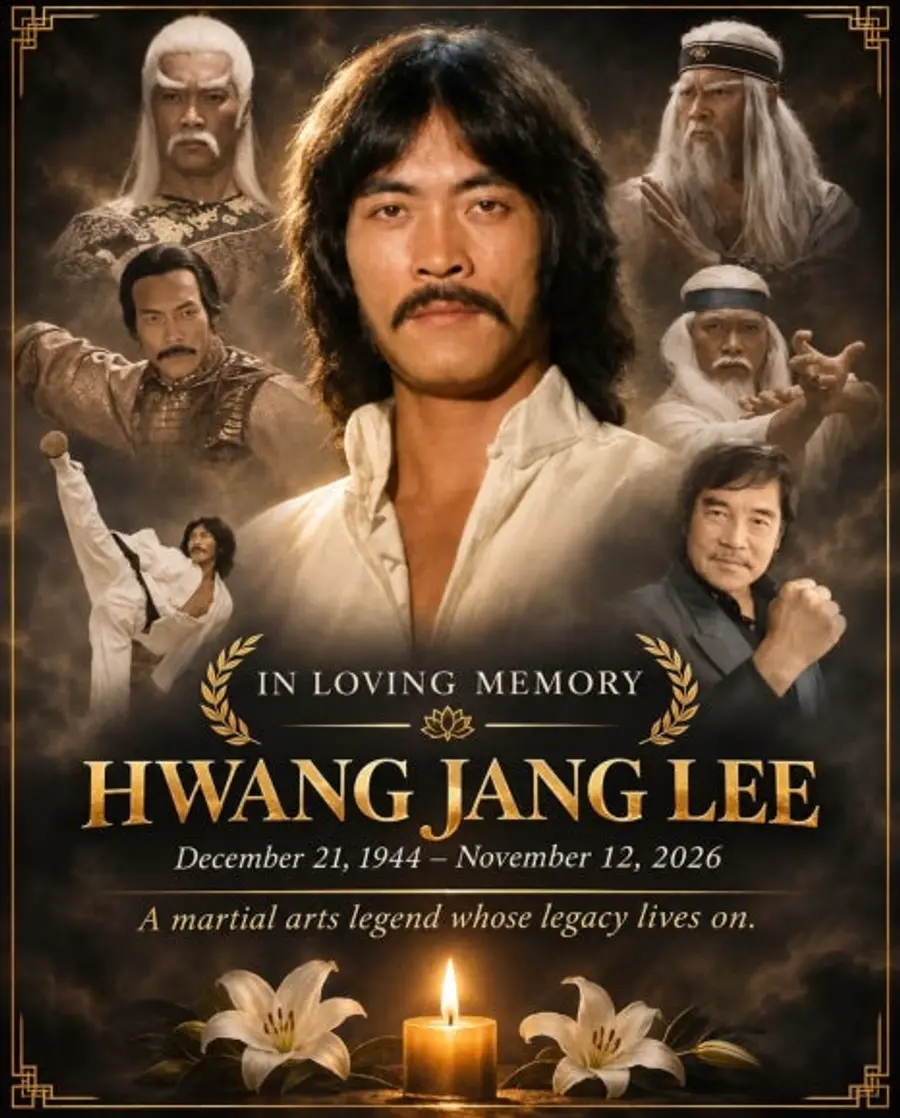
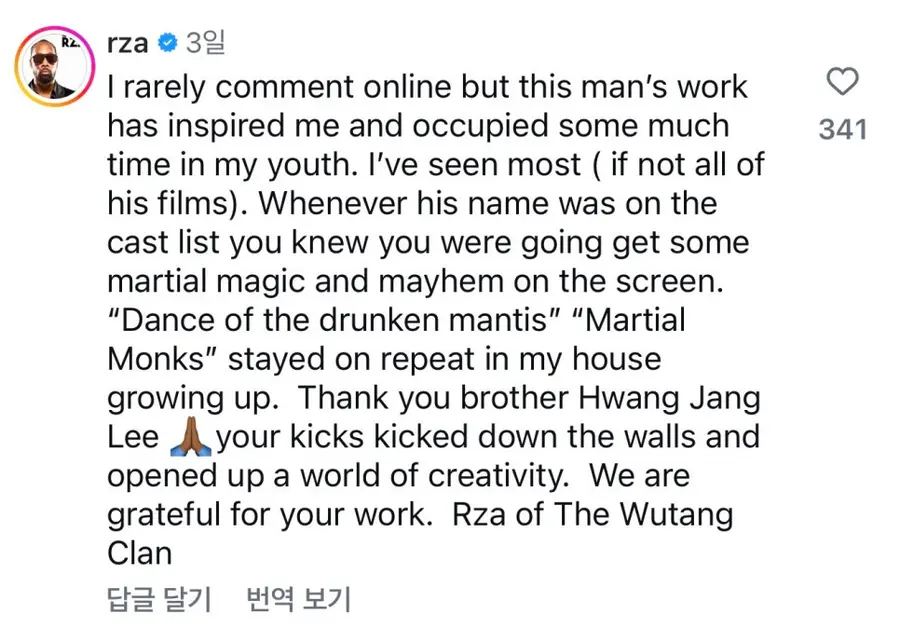
Recently, a tribute comment from RZA of the American hip-hop group Wu-Tang Clan drew attention after he responded to the news of Hwang Jung-lee’s death, announced on social media by Kim Jin-yong, former chairman of the Hwang Jung-lee World Martial Arts Federation (WFMA). RZA is so passionate about wuxia films that he even runs a Hong Kong cinema YouTube channel. “Hwang Jung-lee’s kicks were a huge inspiration to me. I’ve seen most of his films. Whenever I saw his name in the credits, I looked forward to what kind of scene would unfold,” he wrote. He singled out two films he had watched repeatedly: 〈Dance of the Drunken Mantis〉 (1979), which reunited him with producer Ng See-yuen and director Yuen Woo-ping after their work together on 〈Snake in the Eagle’s Shadow〉 and 〈Drunken Master〉, and the Korean film 〈Martial Monks of Shaolin Temple〉 (1983).
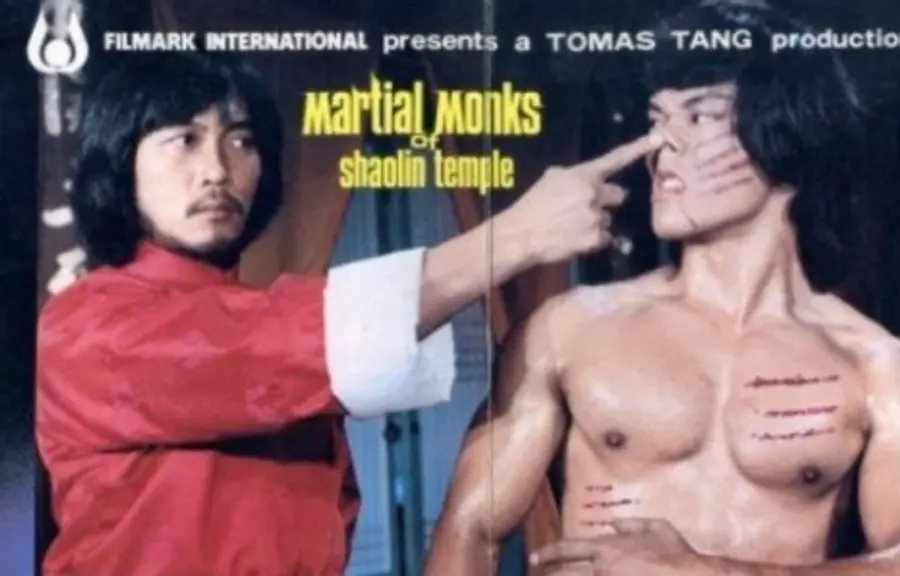
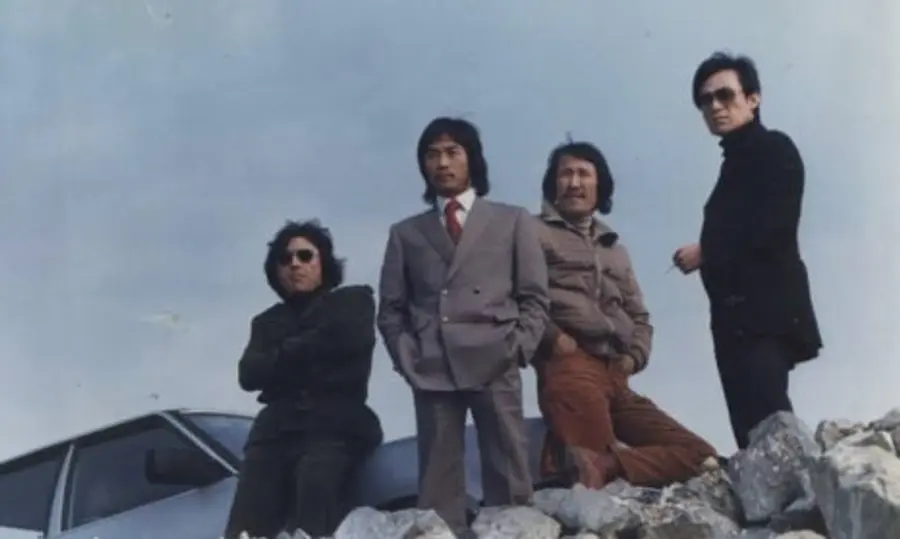
I was especially pleased that he named 〈Martial Monks of Shaolin Temple〉, which starred Korean actor Dragon Lee, who, like Hwang Jung-lee, worked between Korea and Hong Kong. My personal recommendation to add to his list is Lee Doo-yong’s 〈The Fixer〉 (1982). I bought a North American DVD release under the title 〈Secret Executioners〉. I understand that the Korean Film Archive has the same DVD, but that it isn’t available for viewing. In any case, I first learned about 〈The Fixer〉 through an essay by director Park Chan-wook, written long ago. “I remember it playing for only a week before it left the marquee. I was lucky enough to see it in a theater, but now it has become a film nobody remembers,” he wrote. “〈The Fixer〉 was packed with terrific fight scenes. They drag a villain into a public restroom, put a bar of soap in his mouth and give him a few punches, then shove his head into a toilet and flush. Those adorable little bubbles gurgling up! The unprecedentedly long fight sequence at a brick factory, Hwang Jung-lee’s dazzling footwork…” (from 「Park Chan-wook’s Homage」). Director Park Chan-wook, then, was just as captivated by Hwang Jung-lee’s kicks as RZA was.
From “Joo Sung-cheol’s Locker,” an over-the-top search for meaning in objects from movies, to “Kim Ji-yeon’s Jewel Box,” an actor’s guide to hoping for a meteoric rise; “Choo Ah-young’s Music Box,” a listening room for film scores that moved me; and “Sung Chan-eol’s Comic Books,” a subculture enthusiast’s buying journal—Cineplay reporters are beginning a series of columns every other week, each reflecting their own tastes and perspectives.



댓글 (0)
댓글 작성
댓글을 작성하려면 로그인이 필요합니다.
로그인하기