



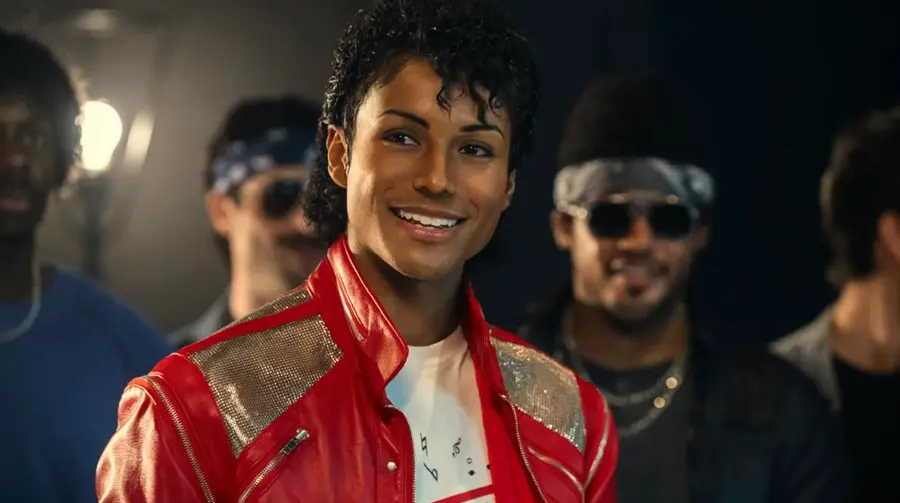
Everyone had been waiting. With the release of 〈Michael〉 on May 13, it shot to #1 at the weekend box office, instantly projecting a million viewers. Zafar Jackson, Michael Jackson’s real-life nephew, debuts as the youngest member of the ‘Jackson 5’ right away, drawing attention for his musical genius and star power. But he becomes deeply torn between conflicts with his father, his sense of responsibility to his family, and his own musical identity. The film 〈Michael〉 depicts his hard, solitary process of growing into a global superstar, while also taking us straight into the 1980s through familiar hits like ‘I Want You Back,’ ‘Thriller,’ ‘Billie Jean,’ and ‘Bad.’ Alongside the fact that Zafar Jackson—Michael’s actual nephew—plays Michael, there’s another person who has been in the spotlight lately thanks to the film’s popularity. Someone so inspiring when it comes to dance that you could almost say, “He’s practically the exact same as Michael Jackson’s dance moves!” And a man who became a film director with nothing but ‘dance’—that’s Bob Fosse. Just like that, this installment is also about “Joo Seong-cheol’s Person Locker.”
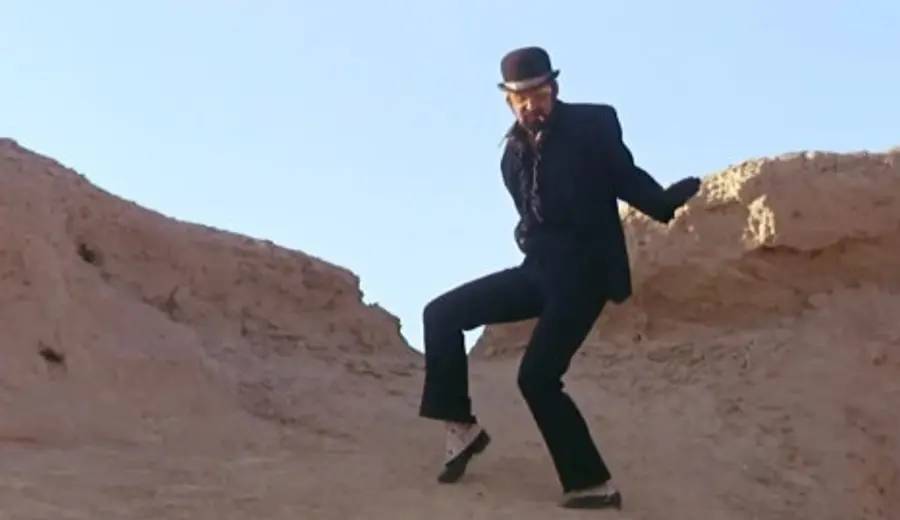
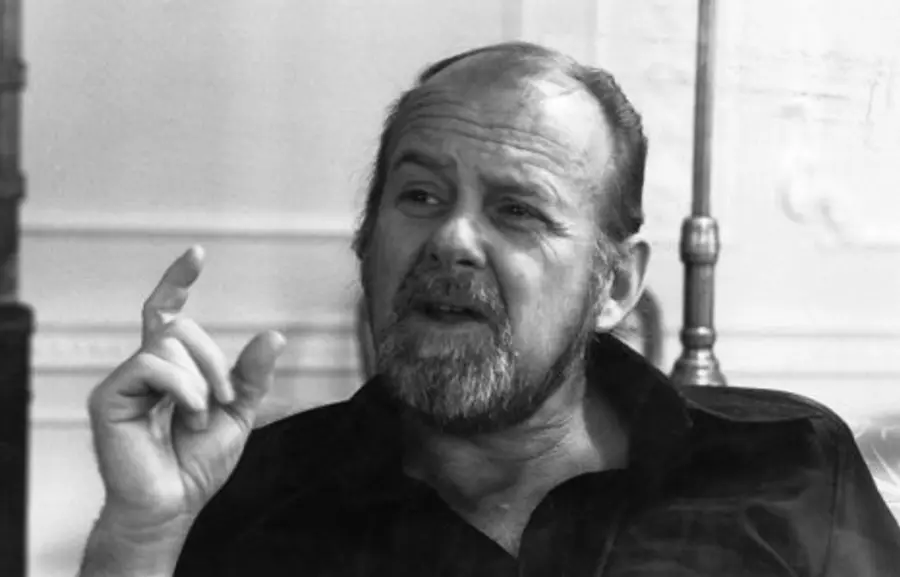
With sharp poses and finger-tip movements, as well as a rhythm that keeps cutting off short, Michael Jackson thoroughly studied the dance and movements in Bob Fosse’s films and recreated them in his own style. It’s well known that Bob Fosse openly earned a great deal of respect from him and had his influence acknowledged. There are actors who became film directors, singers who became film directors, and even stuntmen who became film directors—yet Bob Fosse can be said to be a dancer who became a film director. Even if his name may seem unfamiliar, his role was pivotal in giving life to the so-called special genre of “musical films,” just like 〈Chicago〉 (2003) and 〈Mamma Mia〉 (2008). So this is one of the people who showed that no matter what unusual path you take, if you have your own “expertise,” anyone can become a film director.
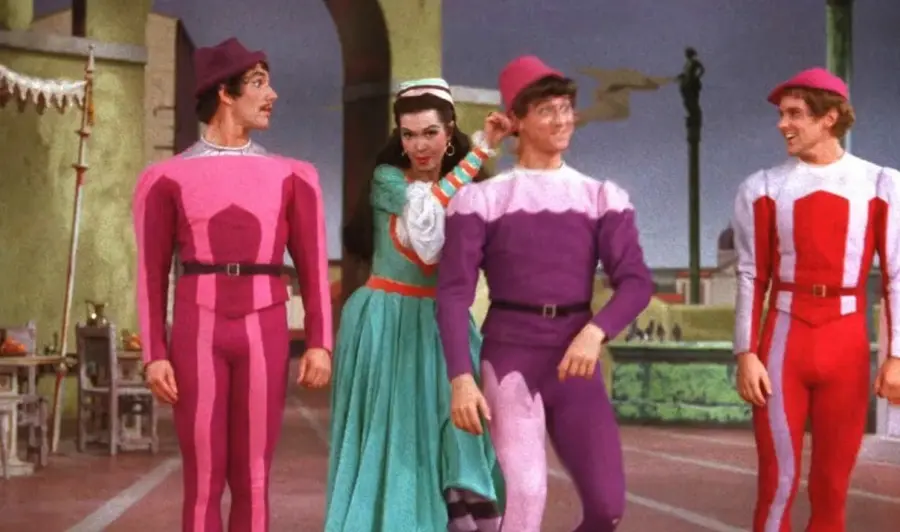
Born in 1927 in American Chicago, Bob Fosse was the son of a family that performed vaudeville, and he, too, began performing in vaudeville shows from a young age. Early on, after enrolling in the Frederick Weber Ballet School, at age 13 he worked at a dance club alongside another young dancer, Charles Gras, under the nickname The Riff Brothers. At 15, he worked as a host at small nightclubs and even started doing choreography. After graduating high school, he joined the Navy, where he was transferred to the entertainment division—an opportunity that let him acquire technical skills as a performer, choreographer, and director. After World War II, Fosse met his first wife, Mary Ann Niles, in a dance team, and he went on to thrive in nightclubs, TV, and stage musicals.
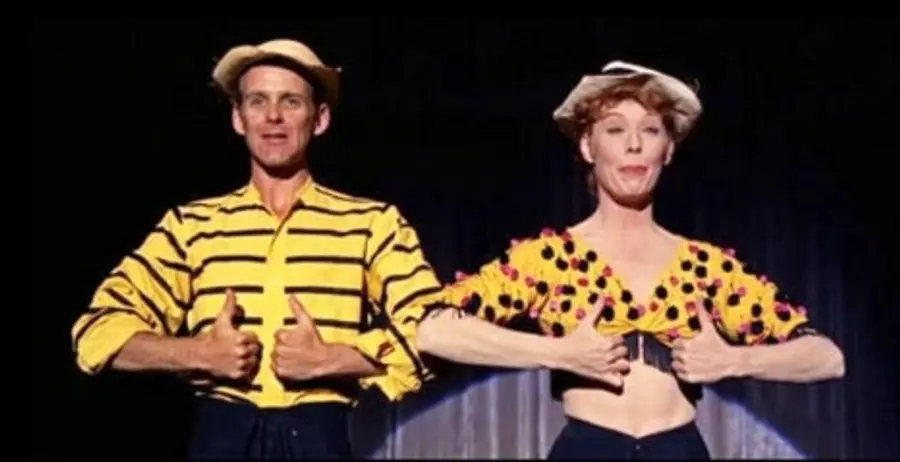
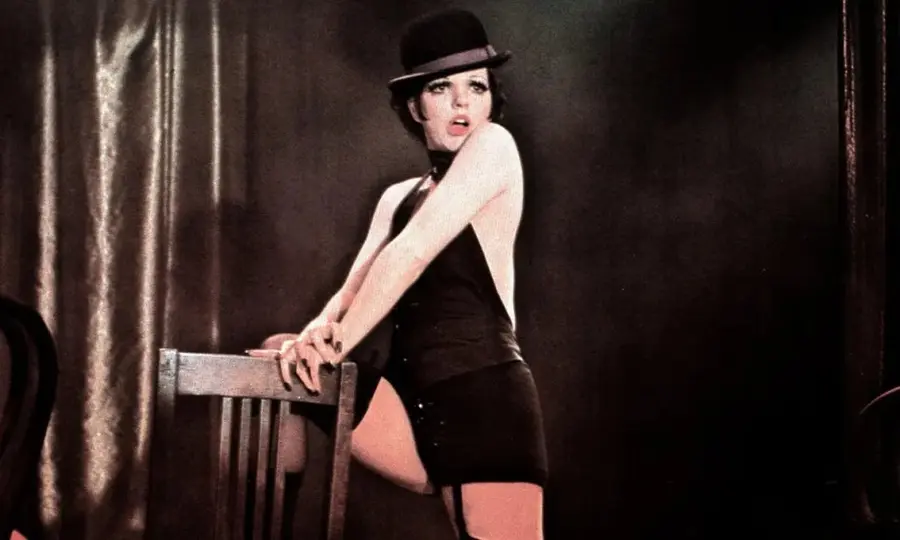
Along with the big success of 〈Damn Yankees!〉, which could be called his second turning point in life, he won a Tony Award for the first time. The following year, he won his second Tony Award with 〈Damn Yankees!〉 (1958), and through this work he met his third wife, Gwen Verdon. After that, the two often worked together and maintained the best kind of ensemble. In 1969, when the musical 〈Sweet Charity〉, featuring Gwen Verdon, was adapted into a film, Bob Fosse made his debut as a film director. However, it didn’t achieve particularly strong box-office results, and it wasn’t until 〈Cabaret〉 (1972), which starred Liza Minnelli and Joel Grey, that he was finally recognized as a truly talented film director. In the film, Liza Minnelli’s performance—wearing a bowler hat, black stockings, and a garter belt, using a chair as part of her act—emits a powerful pull, and afterward it was parodied endlessly in countless commercials and films. Meanwhile, 〈Cabaret〉 is also famous for sweeping the 1973 Academy Awards, defeating Coppola’s 〈The Godfather〉 (1972) in a major win. The director Bob Fosse and Liza Minnelli each earned the honors of Best Director and Best Actress, respectively. In addition, they won the Academy Awards in eight categories, including Best Supporting Actor and Best Music—or, more precisely, it says they took home Academy Awards across eight categories. And so, 〈The Godfather〉 ended up with nominations in nine categories, yet fell short, winning only three—including Best Actor (Marlon Brando).
Bob Fosse’s 〈All That Jazz〉 (1979), showcasing his greatest talent as a film director and as a musical choreographer, won the Golden Palm at the 1980 Cannes Film Festival. The popular Broadway stage director Joe Gideon (Roy Scheider) has exceptional talent, but he burns himself out through overwork, smoking, and habitual heavy drinking, and he keeps engaging in strange behavior that worries the people around him. Still, because he’s so consumed by his work, he eventually ends up in the hospital while preparing to mount a new production for the stage. Even after receiving a diagnosis of heart disease and undergoing surgery, all he can think about is his stopped stage work and his determination to finish the film. While he debates with himself in a hallucination, the life he has lived—and fragments of the work he’s been imagining—unfold brilliantly over the screen.
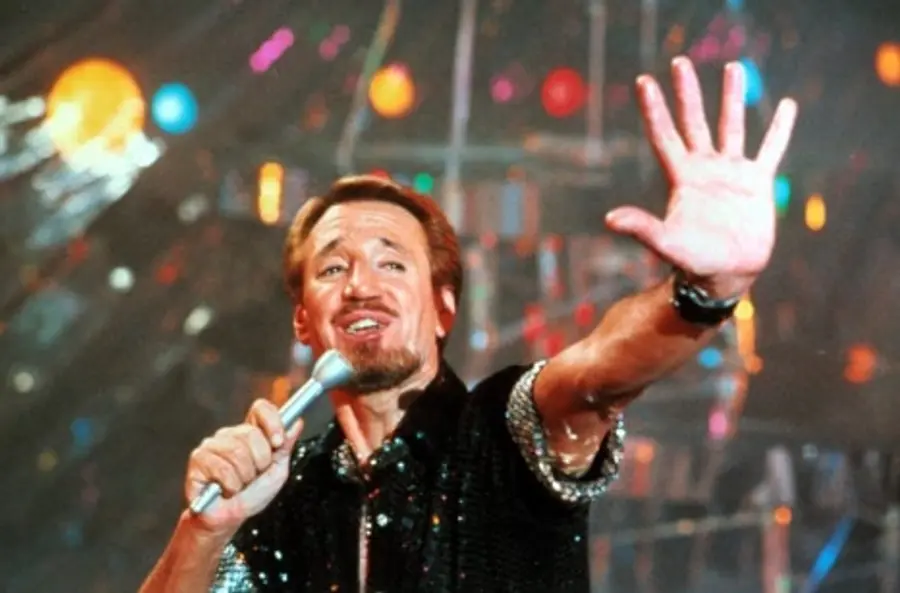
〈All That Jazz〉’s theme could be called “a portrait of an artist.” Joe Gideon is essentially director Bob Fosse’s alter ego. The dances he choreographs move toward a kind of sensuality that, under the threat to his health, goes beyond what society’s conventions would normally accept—and even those around him, including his wife and colleagues who worked with him for a long time, are left speechless by that daring choreography. He pushes past custom, driven by the energy to go beyond it, throwing his own body toward death. Even after catching an incurable illness, his body and mind never find a moment to rest. He wants to dance onstage, burn up all his energy, and die. To him, the most valuable life is the show on the stage.
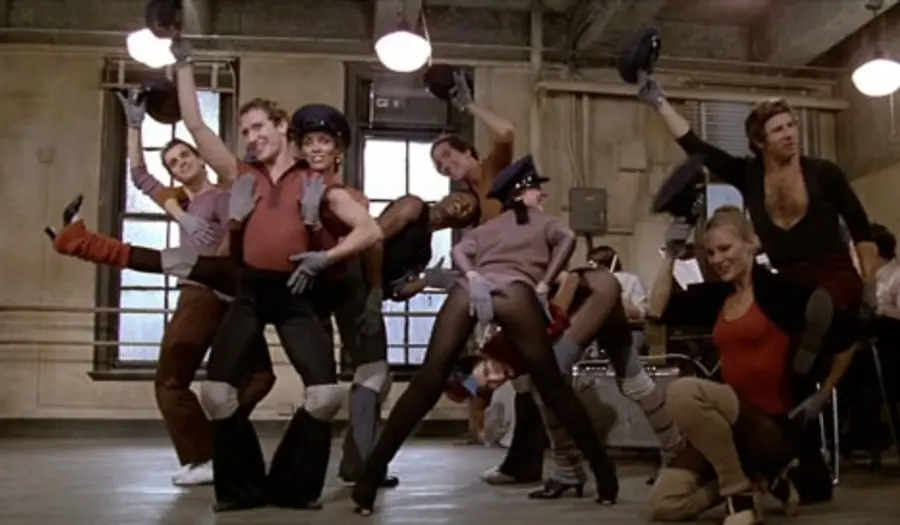
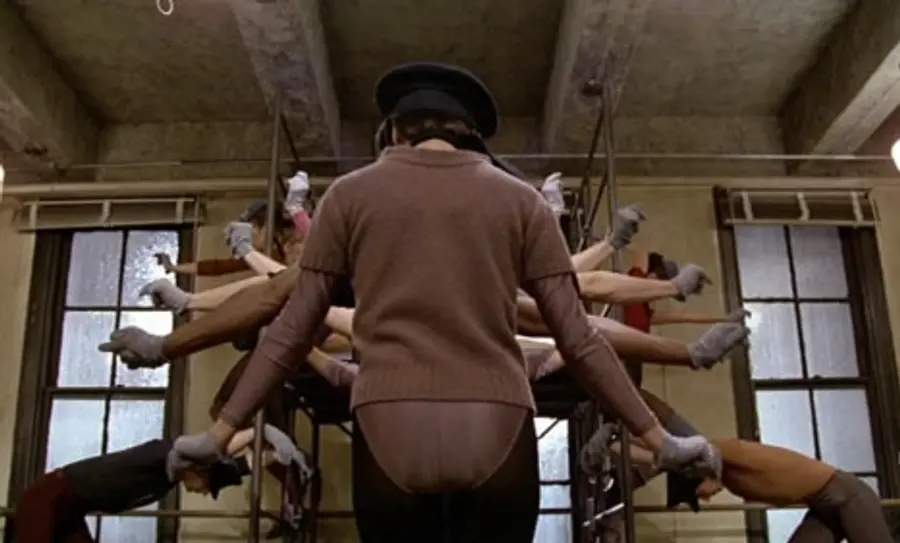
〈All That Jazz〉 can be called “Bob Fosse’s 〈8 1/2〉.” Joe slowly gets worn down by the harsh, tempting life in the musical industry—far removed from his artistic ambitions and ordinary, everyday existence. Like Federico Fellini’s 〈8 1/2〉 (1963), the film constantly moves back and forth between present, past, and fantasy. The protagonist mistreats his body as though he wants to cut his life short by even a single day. In the midst of it all, he repeatedly sees fantasies of a fairy appearing to him. Jessica Lange plays the part of the angel he ends up seeing in his fantasies. These fantasy scenes are one thing, but the many diverse musical scenes meticulously staged within the film are the real highlights. Bob Fosse captures choreography and direction that no one else can imitate on the movie screen.
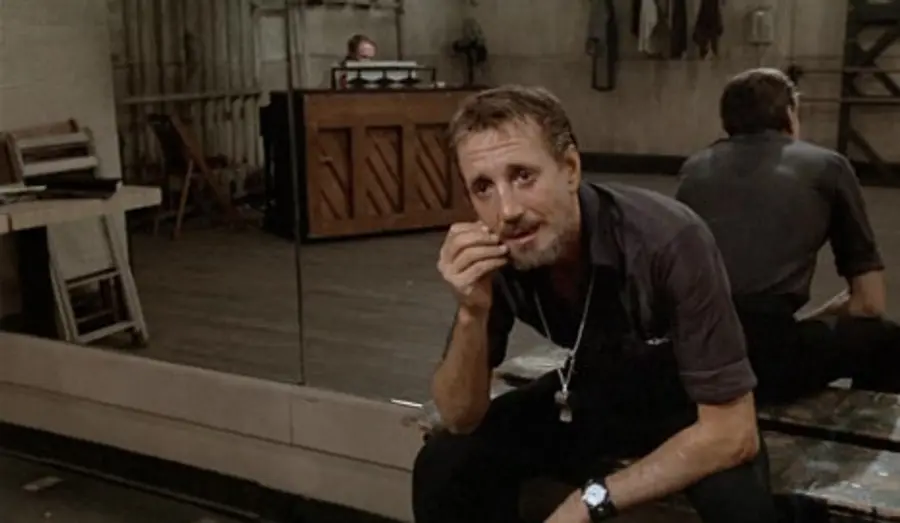
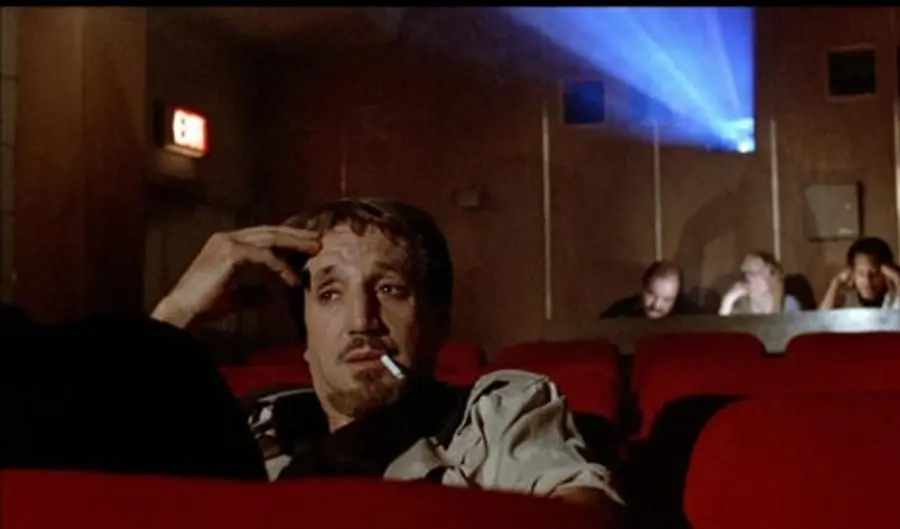
But the wish that the show would keep going soon hits the wall of reality. As his hospitalization drags on, the producers start calculating the risks and returns of the box office. When they conclude that if Joe dies and the show can’t proceed, the $500,000 payout would fall straight into their hands, they—coldly—put the production on hold. And that only makes Joe’s health even worse. The harsh reality that an artist’s talent and soul are, after all, not entirely separate from the logic of the business world is the same then as it is now. The angel in 〈All That Jazz〉 resembles the Peter Pan fantasy that Michael Jackson saw again and again in 〈Michael〉, whether he was happy or sad; and the unfeeling underside of the business world in 〈All That Jazz〉 brings to mind the “Victory Tour,” a part he had to take on in 〈Michael〉 due to his father’s pressure. Still, 〈Michael〉 stands on its own, even if it’s criticized for making a “Bad” decision. 〈Michael〉 is the opening act of that great myth.
![[Joo Seong-cheol's Locker] The Black Speaker of 'Sirat' and the Monolith of '2001: A Space Odyssey'](https://cdn.www.cineplay.co.kr/w400/q75/article-images/2026-02-23/01816f3a-b433-4072-887b-e760357e6cc7.jpg)
![[Joo Seong-cheol's Locker] The 'Canned Cart Camera' that Changed the History of World Cinema with 'Nouvelle Vague'](https://cdn.www.cineplay.co.kr/w400/q75/article-images/2026-01-27/563f1a4c-20b8-460b-8523-f31511911bd5.jpg)
![[Joo Sung-cheol's Locker] Ahn Sung-ki is Born, I am Ahn Sung-ki](https://cdn.www.cineplay.co.kr/w400/q75/article-images/2026-01-13/362be897-34af-4524-9a57-6b9935666a0a.jpg)
![[Jusungcheol’s Locker] Odyssey’s one-eyed giant Cyclops and Ray Harryhausen’s “The Seventh Voyage of Sinbad”](https://cdn.www.cineplay.co.kr/w400/q75/article-images/2026-08-10/5faf400e-cf0b-466c-a3d7-31a8bbb38075.jpg)
![[Joo Seong-cheol’s Locker] See ‘Hope’ Again Through the Driver-Grade Cap Joo Seong-cheol Wears While Racing Across Seong-gi Bridge in ‘The Yellow Sea’ and ‘Goksung’](https://cdn.www.cineplay.co.kr/w400/q75/article-images/2026-07-28/7bf74e36-337d-4fd0-8cec-b890f5604345.jpg)
![[Joo Sung-cheol’s Locker] Watching “Marty Supreme,” Recalling Yoon Nam-gyu’s Penholder Table Tennis Racket](https://cdn.www.cineplay.co.kr/w400/q75/article-images/2026-06-29/0dc02383-0dc9-4ea1-9de5-f1eaffbeb9b9.jpg)
![[Joo Seong-cheol's Locker] The Aesthetics of Jongmyo That Captivated Masters of Martial Arts from Ho Kim-jun to John Woo, Jackie Chan, and Sammo Hung](https://cdn.www.cineplay.co.kr/w400/q75/article-images/2025-12-16/4d8670a7-ef95-4635-8d0c-34313f13dd52.jpg)
![[Joo Seong-cheol's Locker] The King Lear of Korea and Japan, Lee Soon-jae and Nakadai Tatsuya, Two Masters Rest](https://cdn.www.cineplay.co.kr/w400/q75/article-images/2025-12-01/3e753af3-e8d5-41df-83cf-00e9ddfdaae7.jpg)
![[Joo Seong-cheol's Locker] When Trees Comfort Trees, the Cello of 'The Moment the Bell Rings' and 'Can't Help It'](https://cdn.www.cineplay.co.kr/w400/q75/article-images/2025-11-18/52034c54-93dc-4b4c-ac9f-5f9b7946fb23.jpg)
![[Joo Seong-cheol's Locker] What Beer Did Sergio (Benicio Del Toro) Always Carry in 'One Battle After Another'?](https://cdn.www.cineplay.co.kr/w400/q75/article-images/2025-11-04/0794fe08-e847-46a1-ba4c-445f814803a8.jpg)
![[Chu Sung-cheol’s Lockers] Who Spat on Leslie Cheung in “Farewell My Concubine”?](https://cdn.www.cineplay.co.kr/w400/q75/article-images/2026-04-06/7b608cd9-af6c-4c1d-8e87-38c2d2619d55.jpg)
![[Joo Seong-cheol’s Locker] Do You Know the Origin of Woody in “Toy Story”?](https://cdn.www.cineplay.co.kr/w400/q75/article-images/2026-06-16/eb2c5055-d2de-4464-b9e2-eceeca8c7759.jpg)
![[Joo Seong-cheol’s Lockers] Lee Cronin’s The Mummy and Murderous People Season 2 — and a Scorpion Jacket That Feels Like the Rise of Drive](https://cdn.www.cineplay.co.kr/w400/q75/article-images/2026-04-20/1df79cf4-44ef-48e4-a6b4-46f6e35c4eb5.jpg)
![[Joo Seong-cheol's Locker] Tony Leung Sometimes Wants to Hold an Ashtray.](https://cdn.www.cineplay.co.kr/w400/q75/article-images/2026-02-09/8b9ac9f0-6899-4ce2-a562-5594a5b06d61.jpg)
![[Joo Sung-chul's Locker] What Are the Improvised Explosive Devices (IEDs) in 'Warfare' and 'The Hurt Locker'?](https://cdn.www.cineplay.co.kr/w400/q75/article-images/2026-08-24/ae200e60-2be9-478e-8ab4-72a860903979.jpg)
![[Joo Seong-cheol’s Locker] Zombie Things That Don’t Flinch Even When Shot: Korea’s First Zombie Film, “Kwe-si” (1981)](https://cdn.www.cineplay.co.kr/w400/q75/article-images/2026-06-01/26c56ce7-1ddb-46bd-ae67-f71a1ba9e276.jpg)
![[Joo Seong-cheol’s Locker] David’s Stone That Took Down Goliath, “David” All the Way Through](https://cdn.www.cineplay.co.kr/w400/q75/article-images/2026-07-13/524bb041-0e4e-4f59-824b-21d2f7df60a9.jpg)
![[Joo Sung-chul's Locker] If it's hard to visit Cheongnyeongpo of Deposed King Danjong, head to Geumseongdang of Prince Geumseong!](https://cdn.www.cineplay.co.kr/w400/q75/article-images/2026-03-10/7ddd3634-6a13-4eef-870c-e4e6dbcdac04.jpg)



![[First Reactions] 'Michael' Cineplay reporters' star ratings](https://cdn.www.cineplay.co.kr/w160/q75/article-images/2026-04-30/e7e00cea-2a5c-4393-8612-daad8cba0e42.jpg)

![[Weekend Box Office] ‘Michael’ Takes #1 at the Weekend Theater… ‘Salmogji’ Sets a New Record for Korean Horror Box Office Hits](https://cdn.www.cineplay.co.kr/w160/q75/article-images/2026-04-23/54d7e202-2f61-4168-818d-9c05c569fd0c.jpg)
댓글 (0)
댓글 작성
댓글을 작성하려면 로그인이 필요합니다.
로그인하기