


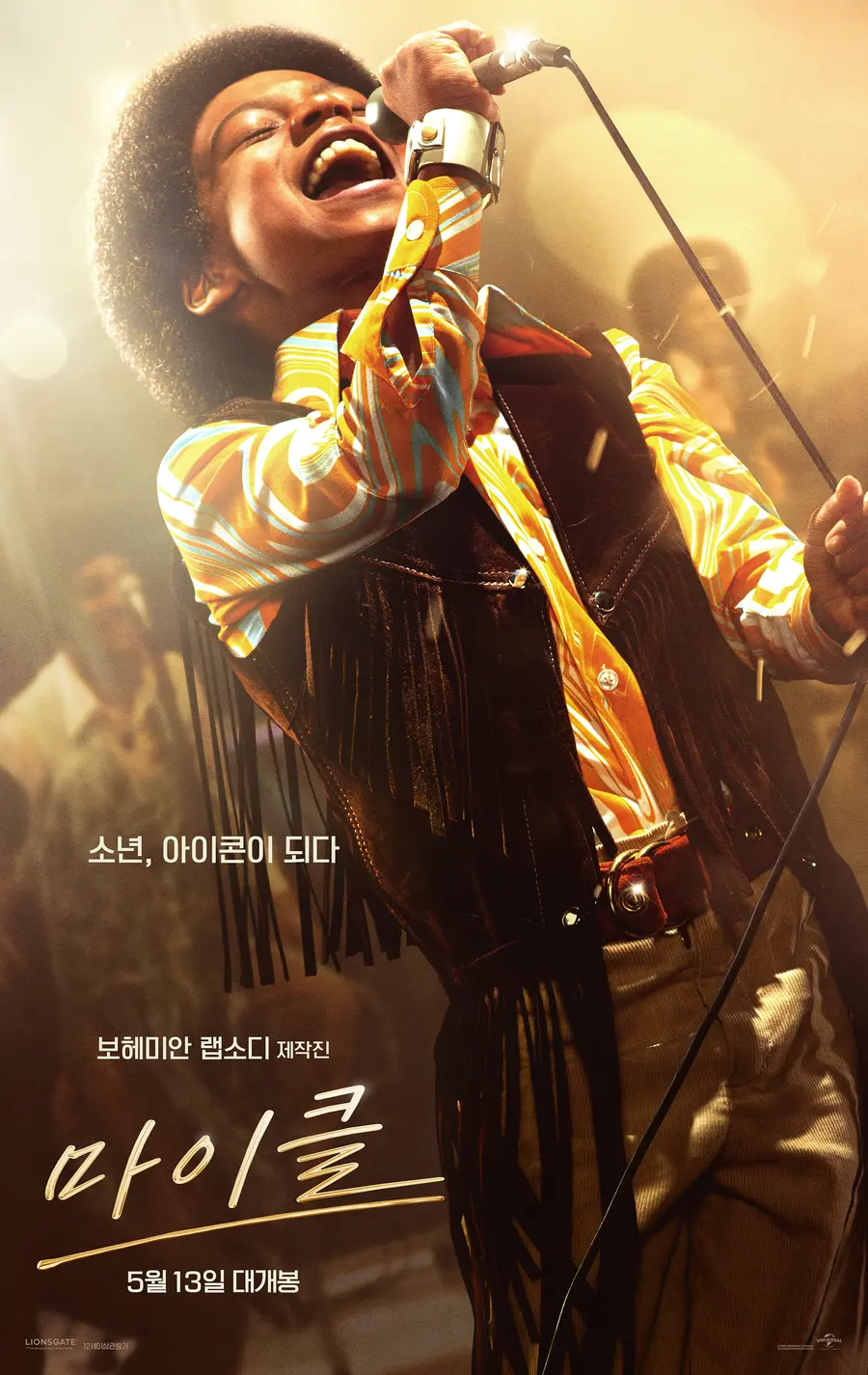

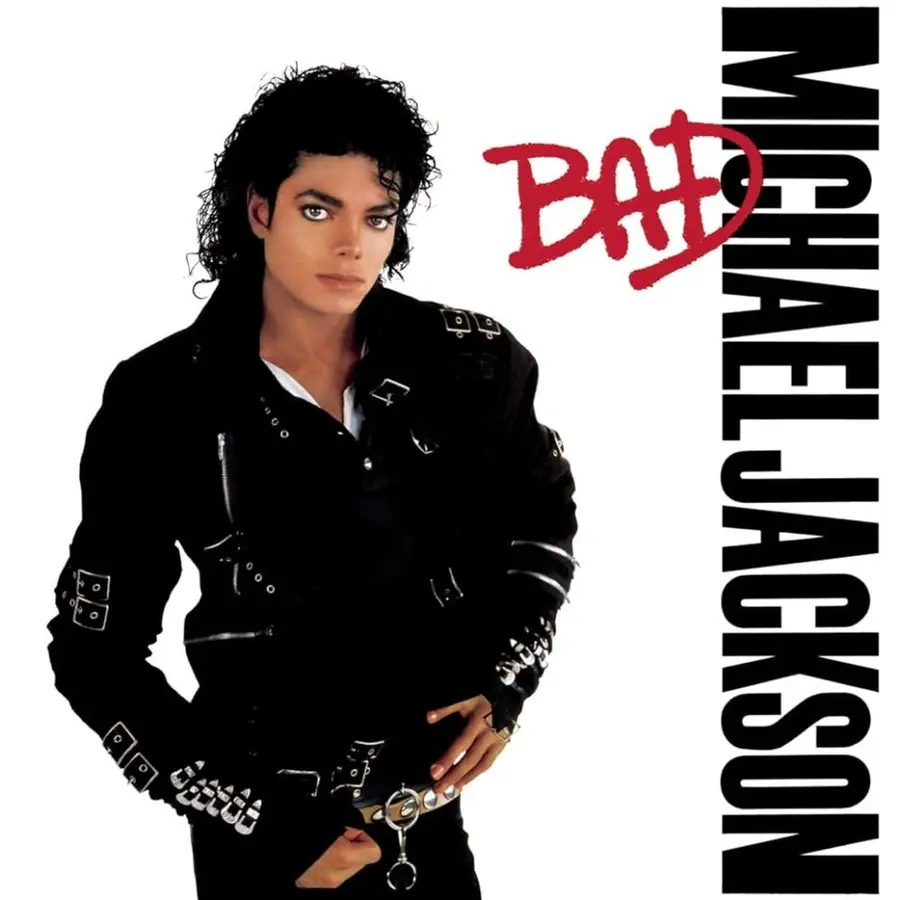
When I was about 11 years old, I was in the fourth grade. My father, whose job was corporate negotiator, would often travel abroad. The gifts he brought back were usually toys like LEGO. Then, one day, my father came home with an album as a present. I still vividly remember that moment—listening to, and listening to again, that record: Michael Jackson’s 1987 album 〈Bad〉. Of course, our house had far more LEGO than cassette tapes. Later, that LEGO disappeared without a trace, so I guess if we’d kept it, the value might’ve been quite high. It’s a lot like regretting after the stock goes up. You could say we’re all slaves to the past perfect subjunctive.
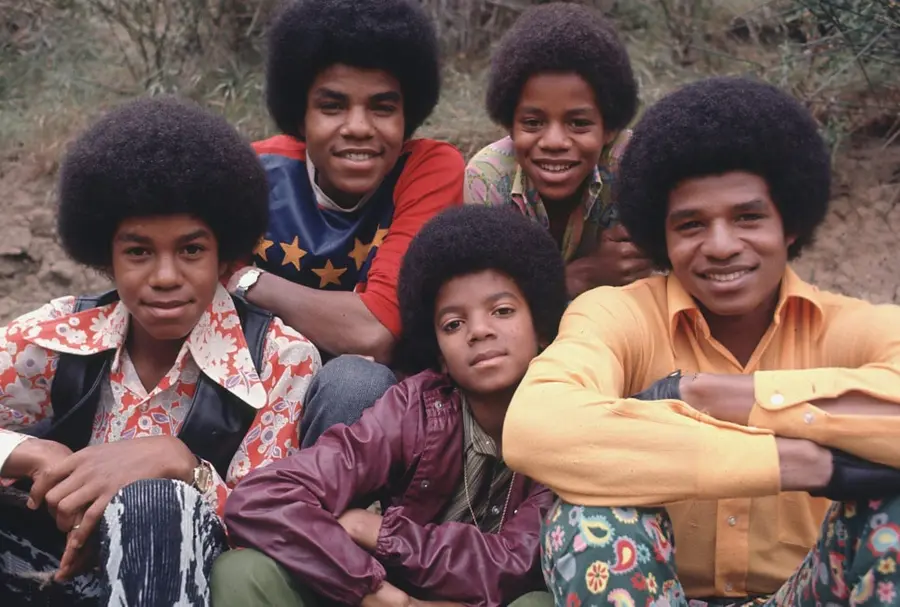
Back when I was 11, if it had been me, there would have been a person who “played with the world” from the age of 11. At the time, he was the youngest in the group and also the lead vocalist. According to the materials, it’s said that when he was only six years old, after moving past his four older brothers—Jackie, Tito, Jermaine, and Marlon—he stood at the very front, right in the center of the stage. Yes. It was the arrival of a genius—Michael Jackson.
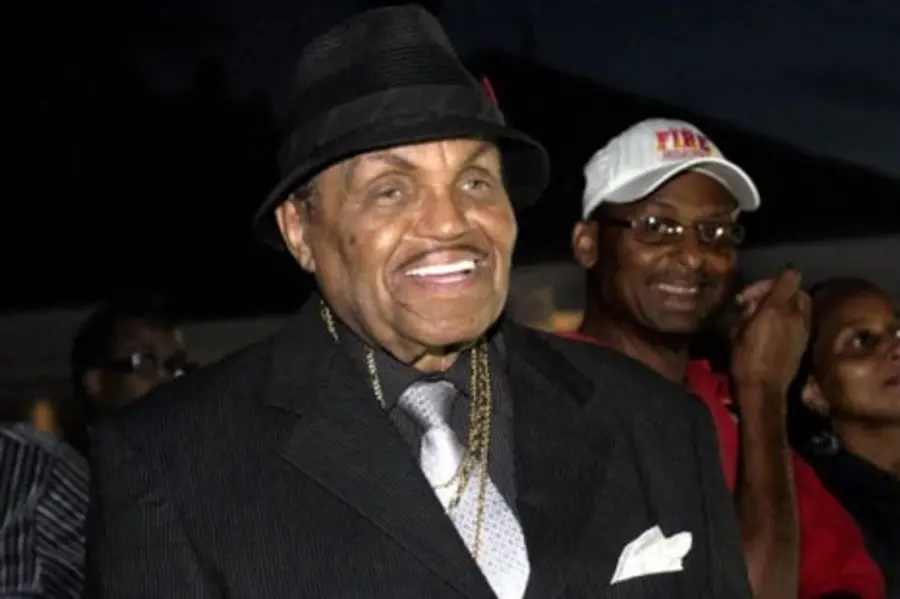
The manager was their father, Joe Jackson. After he spotted the spark of talent in the kids, he handled them with strictness. “No birthday parties, and no Christmas. Performance, performance, performance—recording, recording, recording. That was all.” Everyone would agree that, in today’s world, he’d have been charged with child abuse. Even more, Joe Jackson put the children on an adult stage, even though they were underage. This was called the Chitlin' Circuit.
The Chitlin' Circuit was a dedicated stage for Black people that had existed since the era of Black slavery. In other words, it was a place where they could safely enjoy comedy and music, free from the threat posed by white people. “Chitlin'” is a word that refers to pig intestines. Back then, enslaved people couldn’t eat meat, so they would fill their stomachs with food made from leftover organs. You can trace the origin of the name to that.
The Jackson 5, who signed with Motown—the top record company of that time—in 1968, rose to become the most popular group by releasing hit songs one after another. One of the songs that came out during this run was “I Want You Back.” As mentioned earlier, Michael Jackson was only 11 years old. Continuing with “ABC,” “The Love You Save,” and “I’ll Be There,” The Jackson 5 put four singles on top of the Billboard singles chart “in succession” across the span of 1970. It was the moment—so to speak—when the so-called “Black idol group” was born.
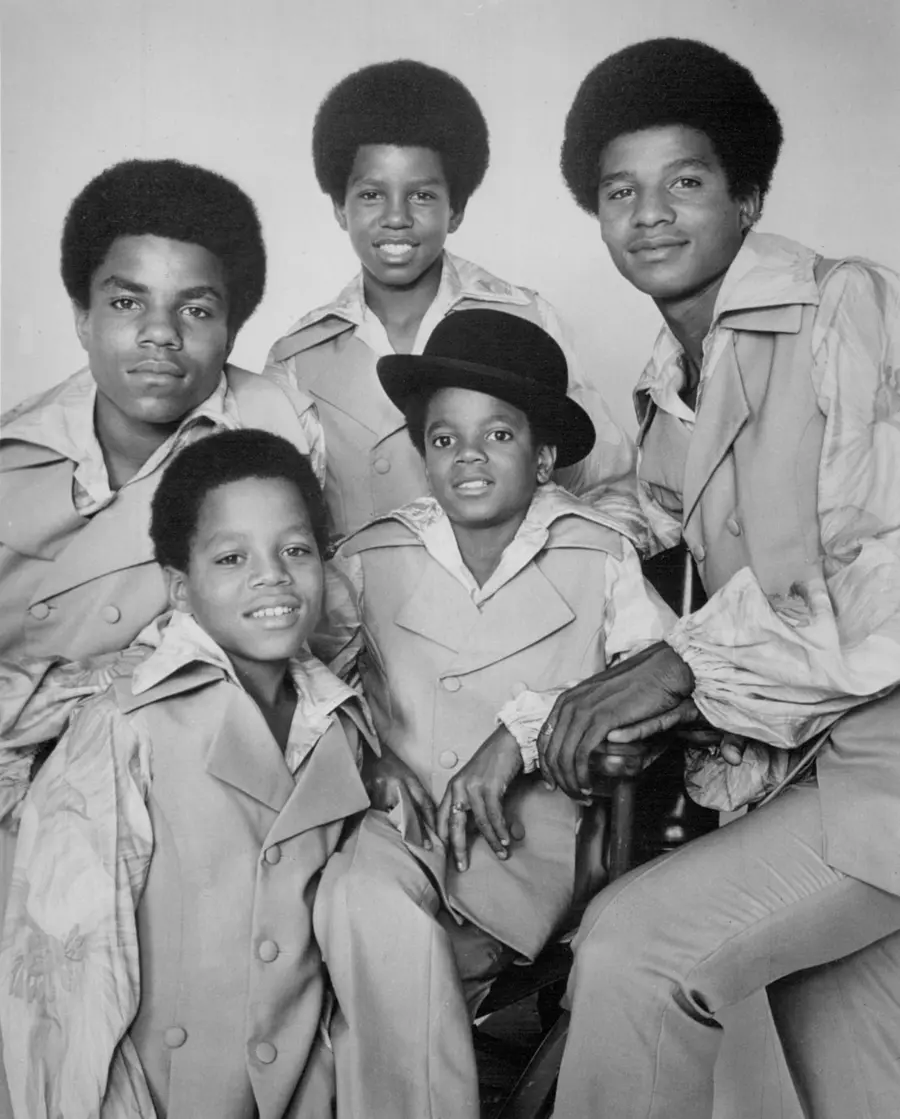
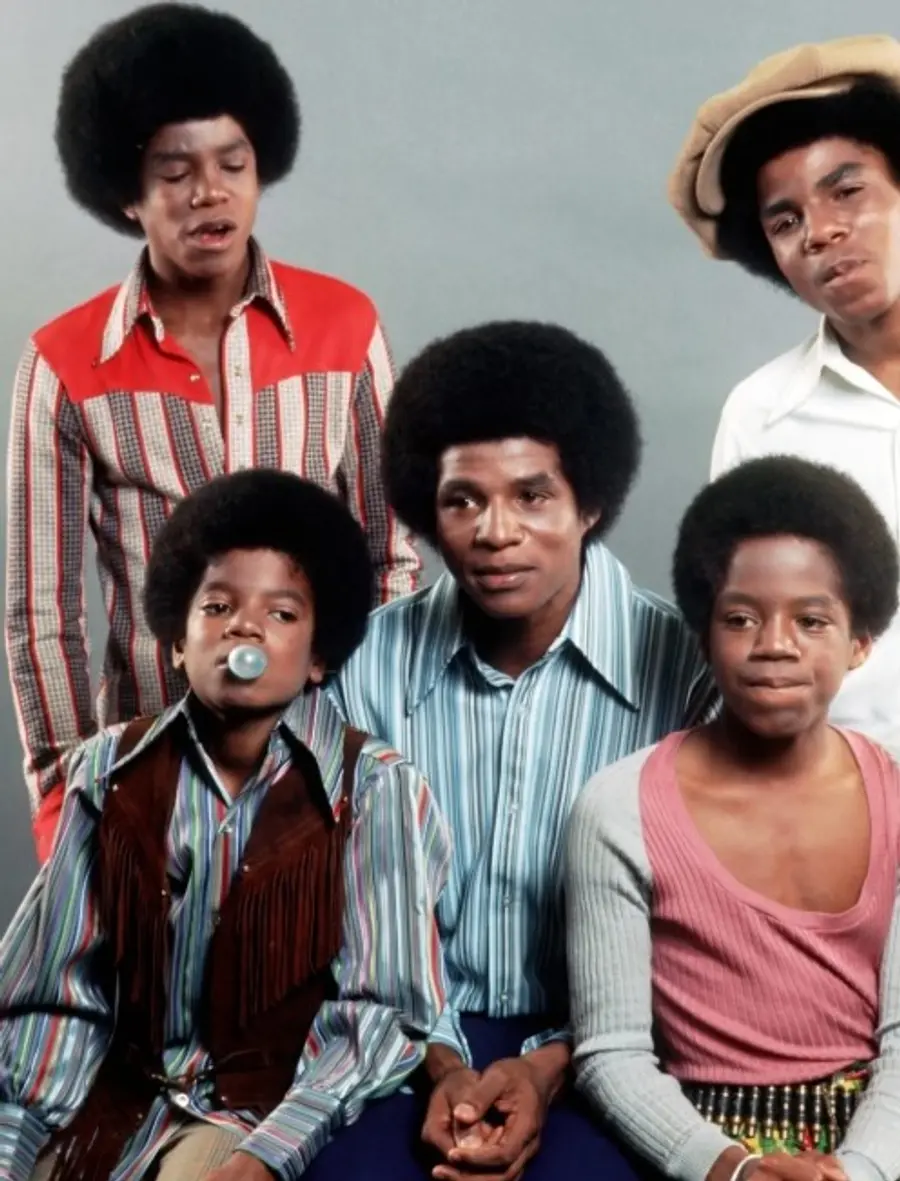
The appearance of The Jackson 5 is also historically important. In the late 1960s in the United States, tragic events kept happening one after another: the assassination of Martin Luther King, Jr (April 4, 1968), the murder of actress Sharon Tate (August 9, 1969) by a hippie group led by Charles Manson, the killing of a Black young man during a performance by The Rolling Stones (the Altamont tragedy), and so on. As a result, a blame narrative erupted: that because hippies preached love and peace, or wherever they gathered, crimes kept occurring.
And so, the spirit that had been dreaming of an ideal America in the 1960s started to collapse. Most of all, as drug abuse and all sorts of crimes overlapped, the hippie movement gradually lost strength. In that kind of despair, The Jackson 5 appeared and demonstrated that purity and bright energy hadn’t disappeared. In other words, through The Jackson 5, people found a kind of comfort—at least there was still hope left in the world.
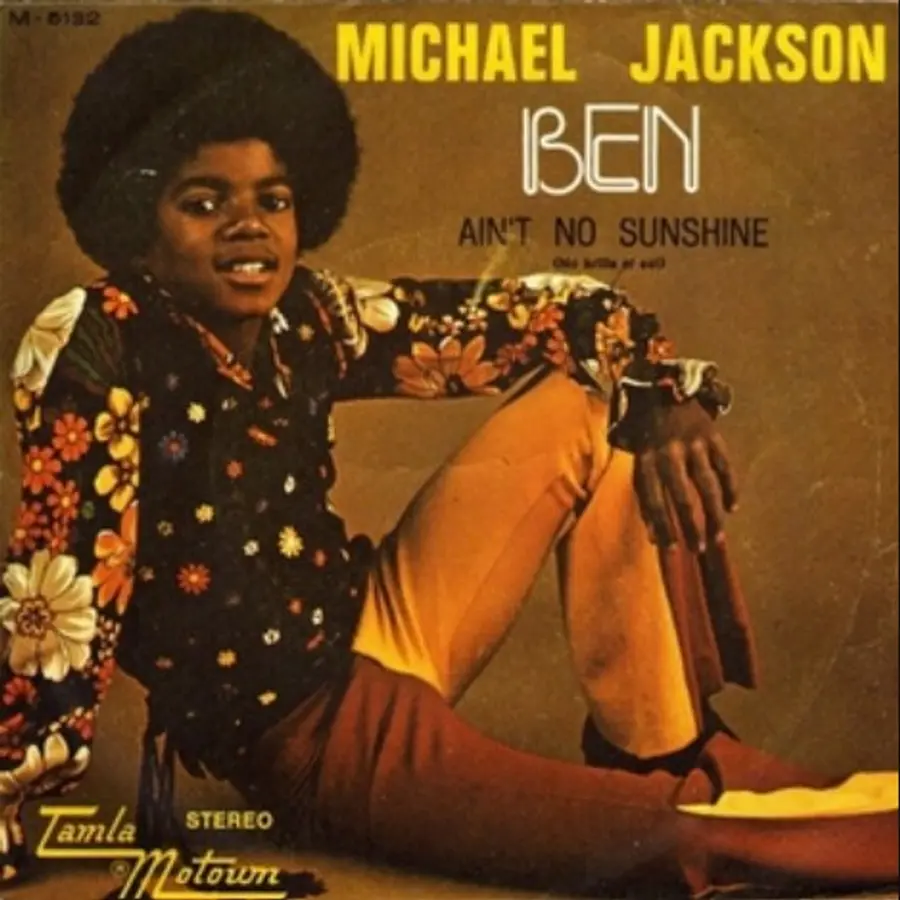
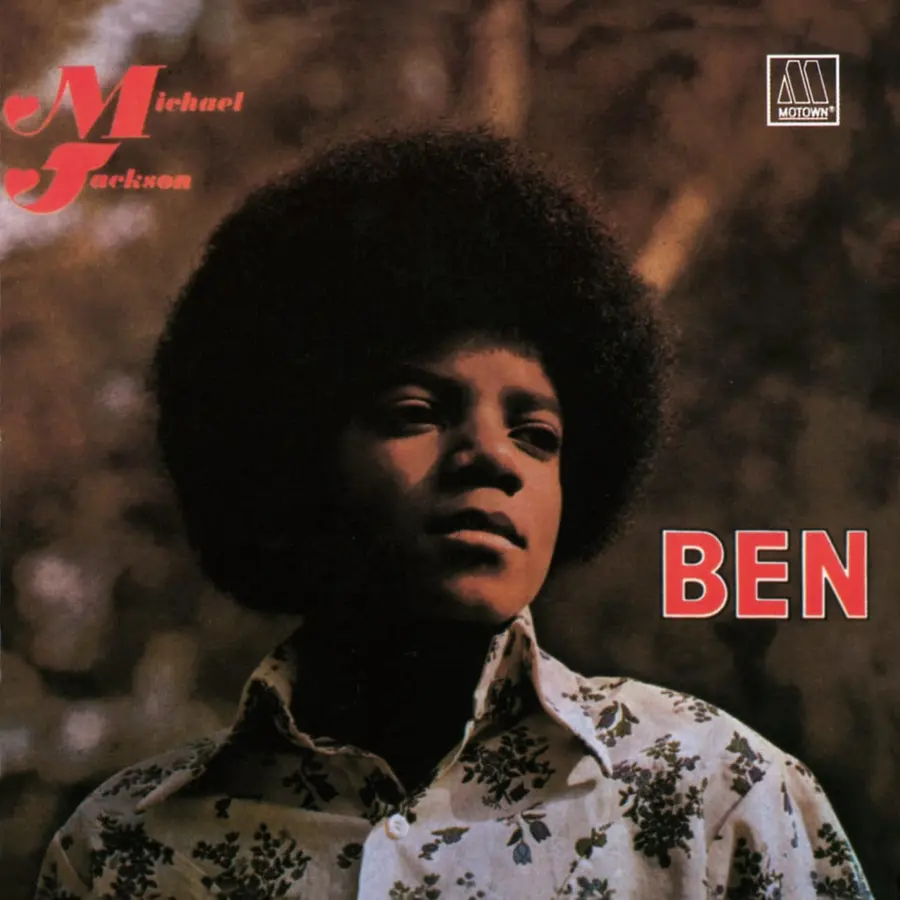
Of course, Michael Jackson also worked as a solo artist. The title of his second album, 〈Ben〉—“Ben” (1972)—became a major hit after reaching number one on the Billboard singles chart. But the truth is, aside from that song, he lacked a similarly strong one-two punch. Michael Jackson’s ambition was truly enormous. A memo he wrote in 1978 was discovered in 2013, and the gist of it is as follows.
“I’m going to turn the world upside down. I’m going to be fantastic. I’ll dig in deeply and keep digging. I’ll surpass what the greatest artists have accomplished.”
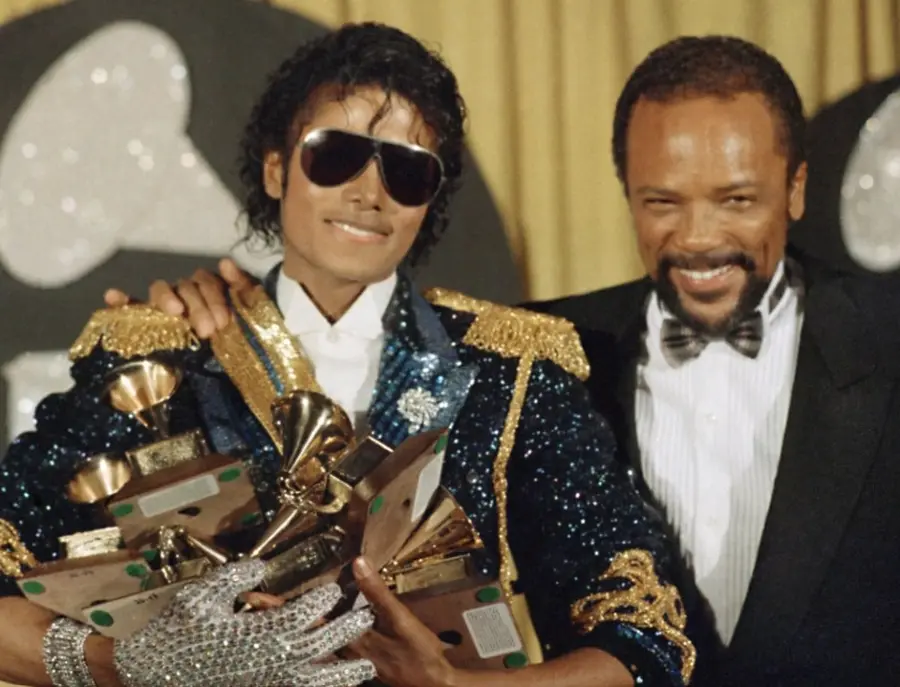
Around this time, Michael Jackson met a partner who would help make destiny real. Yes. Quincy Jones. At the time, he was filming as the Scarecrow in 〈The Wiz〉, the Black version of 〈The Wizard of Oz〉. Quincy Jones was also in charge of the film’s music. Starting out as a jazz musician, Quincy Jones moved to France in 1957 and studied under Nadia Boulanger (a female classical musician and educator). In the 1960s, he built a reputation as a composer, arranger, producer, and film music composer, and he even became one of the first Black people to hold an executive position at a record company. Under Quincy Jones’ direction, Michael Jackson released his fifth studio album across his career, 〈Off The Wall〉, in 1979, signaling the start of his solo legend as well. “Don’t Stop Till You Get Enough” and “Rock With You” brought him to number one on the Billboard singles chart, and the Grammys awarded him Best Male R&B Vocal Performance.
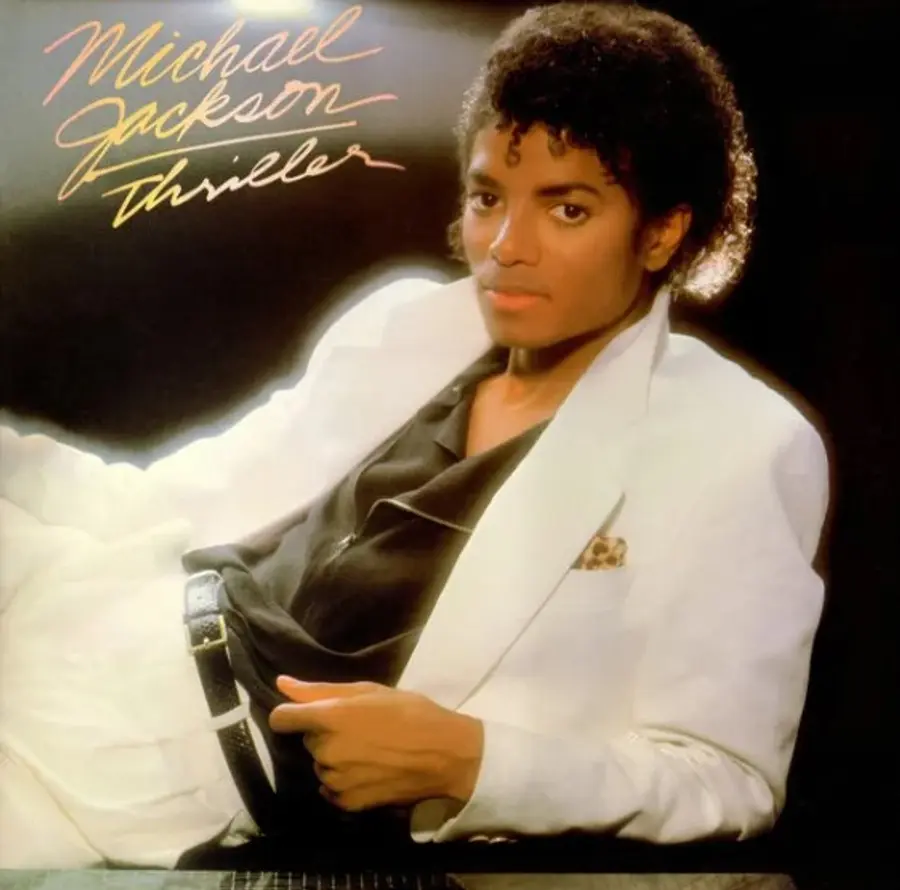
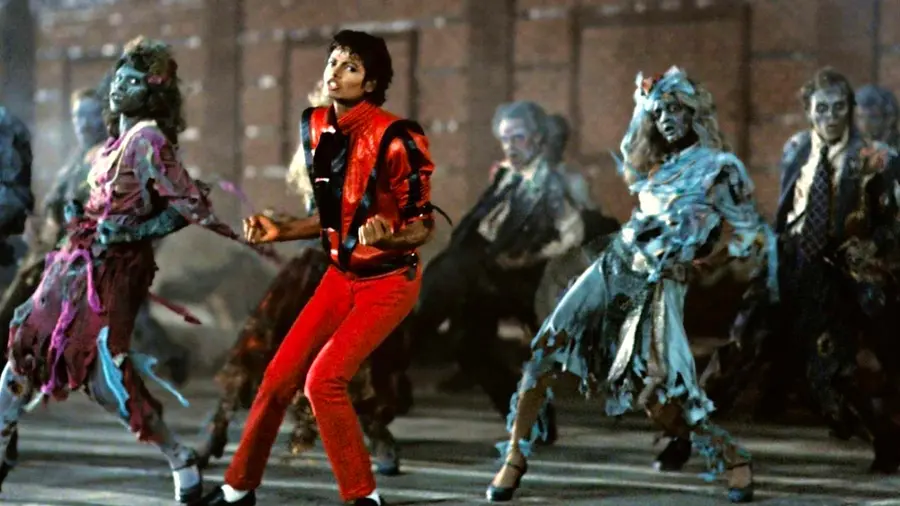
As widely known, all of this success was just a preview. In 1982, Michael Jackson released 〈Thriller〉, which is considered the greatest masterpiece in pop history. The album saved not only CBS, the label that had been struggling with management issues, but the entire U.S. record industry. Before the album’s production, Quincy Jones said in a meeting: “〈Off the Wall〉 sold around 8 million copies, right? This time, even if it only sells 6 million, it’ll still be a huge success.” Quincy Jones’ hope broke beautifully apart. 〈Thriller〉 sold more than 60 million copies even by conservative estimates. Some claims say it sold over 100 million. Thanks to this album, the U.S. record industry grew by 4.7% in 1983. In effect, it was like this one album grabbed everyone by the collar and hard-carried the whole industry.
▶ Bae Soontak’s article about Michael continues with the second installment.
Bae Soontak, music critic, and writer of “Bae Cheolsu’s Music Camp”


![[First Reaction] ‘Family Trip’ Cineplay Reporter Star Rating](https://cdn.www.cineplay.co.kr/w300/q75/article-images/2026-09-16/084269eb-f40e-4e00-a301-dfb9b6caf8e7.jpg)




![[First Reactions] 'Michael' Cineplay reporters' star ratings](https://cdn.www.cineplay.co.kr/w160/q75/article-images/2026-04-30/e7e00cea-2a5c-4393-8612-daad8cba0e42.jpg)
댓글 (0)
댓글 작성
댓글을 작성하려면 로그인이 필요합니다.
로그인하기