



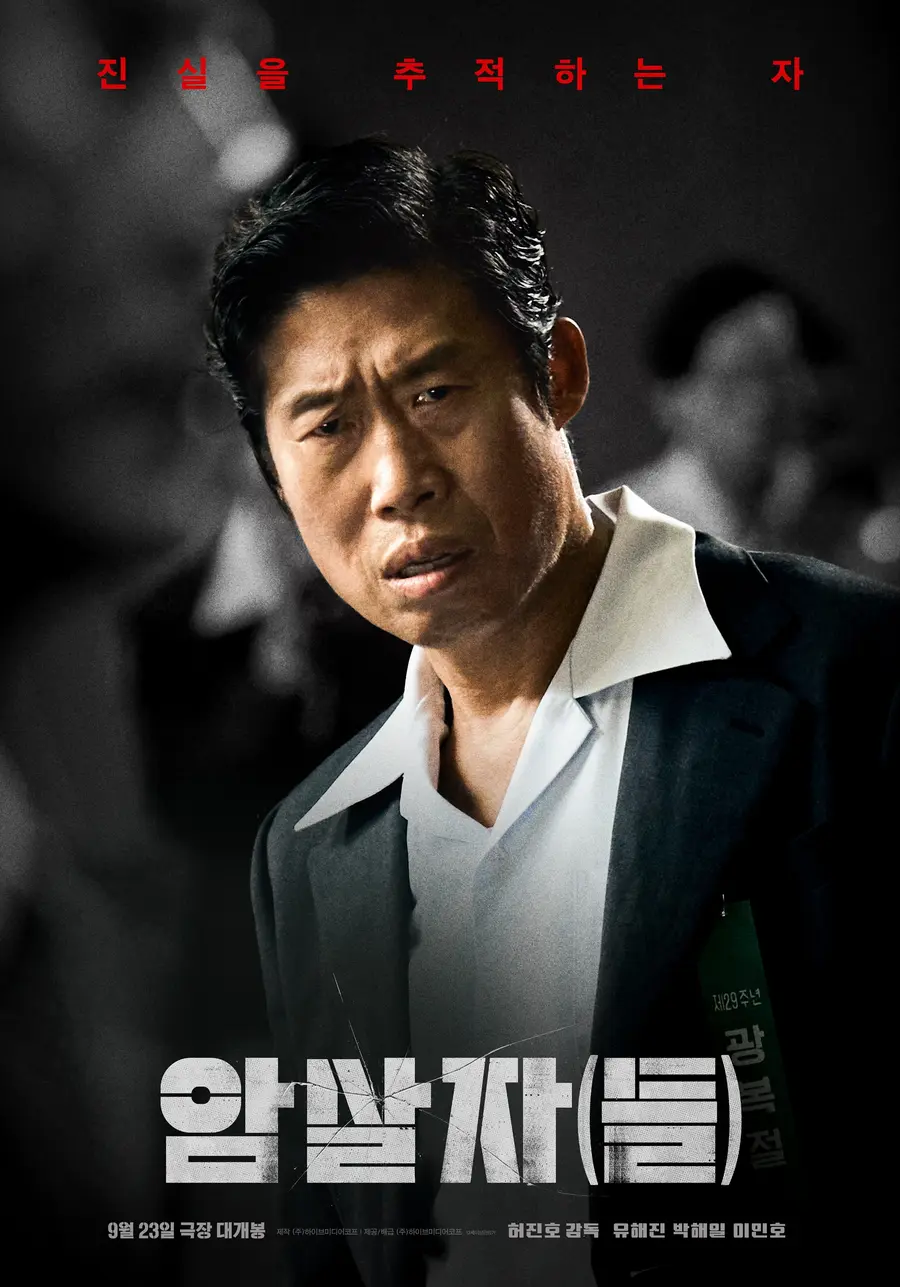
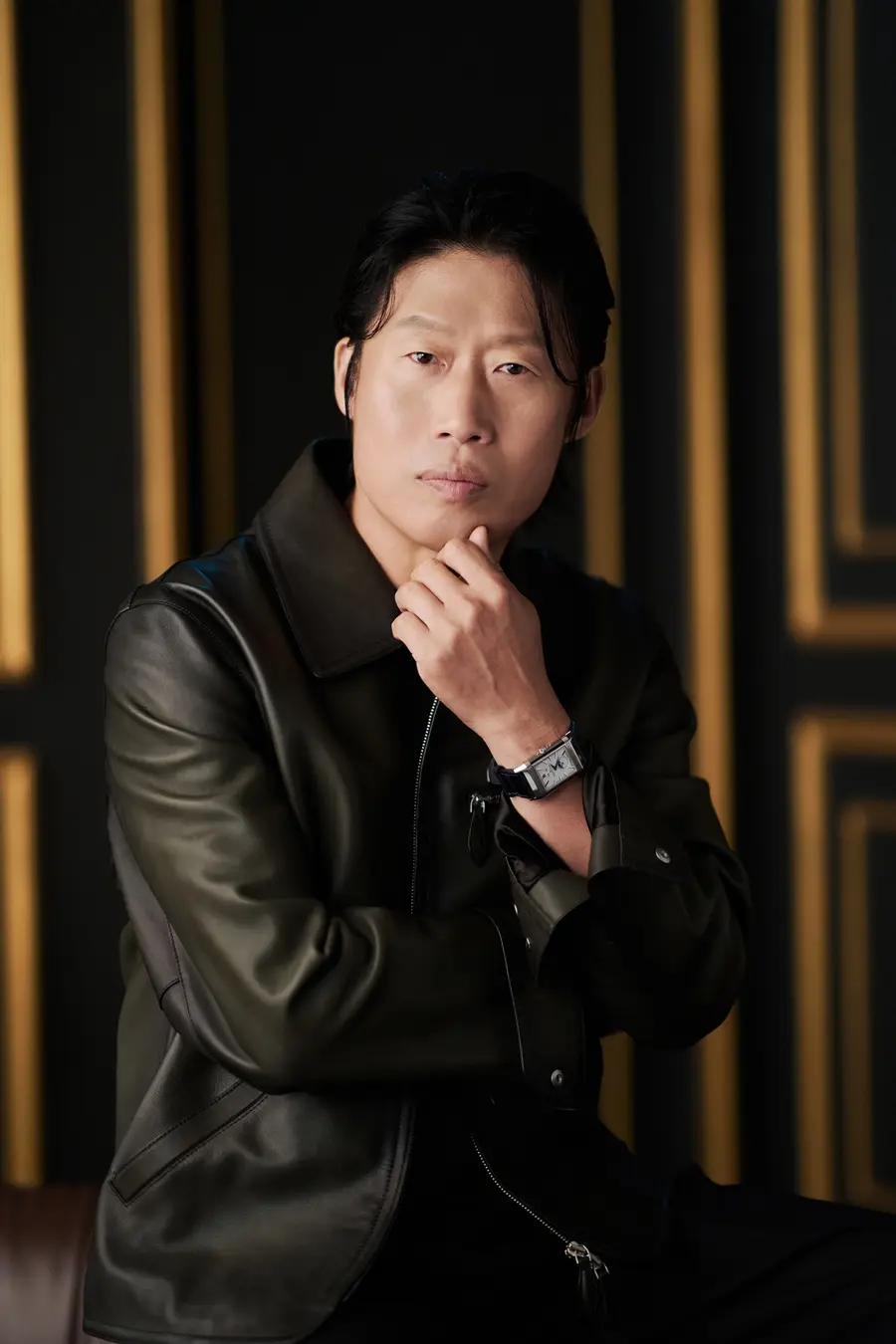
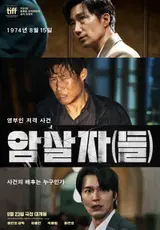
In 〈Assassin(s)〉, Yoo Hae-jin plays Cheol-gu, a deeply human detective whose life is overturned by the 1974 presidential assassination attempt that killed Yuk Young-soo. Cheol-gu is a family man, a dependable boss and a public servant anyone would respect. But his life unravels after the attack: Cheol-gu and his colleagues are blamed for letting a suspect in, and troubling questions linger even after the case is officially closed. To protect his colleagues and his family, Cheol-gu meets with Metro Desk chief Jae-hwan (Park Hae-il) and rookie reporter Young-il (Lee Min-ho), who witnessed the scene.
Yoo Hae-jin has shown many faces over a 30-year career, but Cheol-gu in 〈Assassin(s)〉 is a new turn. Cheol-gu is playful, observant and deeply committed to his work, and watching him unravel after a betrayal provides much of the film’s emotional force. Passing a group of reporters with laptops open, he quips, “Are you in exam season?” and lights up when co-star Yoon Kyung-ho is mentioned: “I thought he was such a great actor in 〈Intimate Strangers〉, and seeing him more often makes me happy.” He also demonstrated a conscientious memory for set details during the interview. In an interview on Sept. 11 in Seoul's Jongno District, Yoo Hae-jin spoke about the film and his co-stars. 〈Assassin(s)〉 opens on Sept. 23.
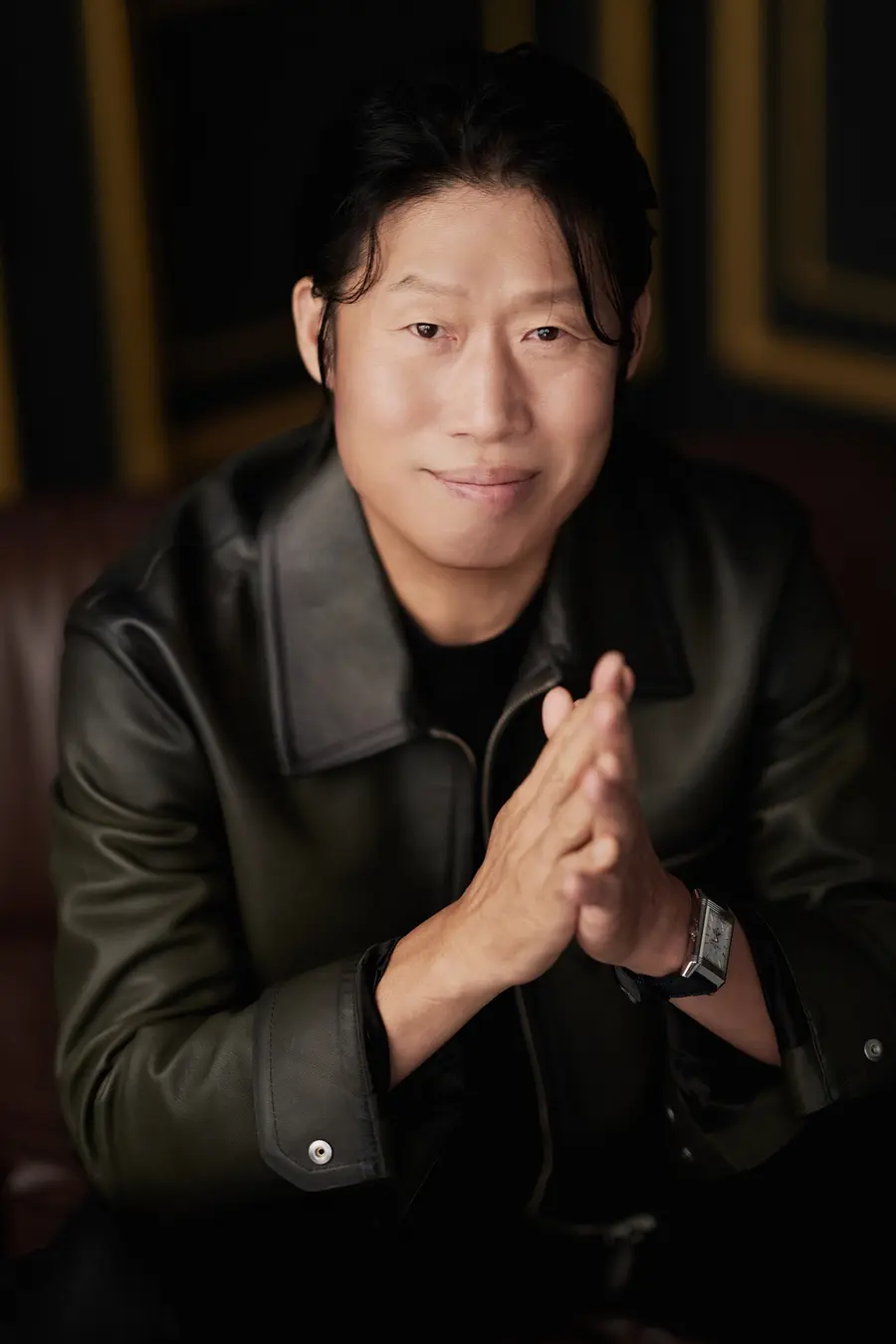
You've become the No. 1 actor by cumulative audience attendance. How have people around you reacted?
I’ve done that many. Before I knew it, I’d reached 60 films. I didn’t count them myself; someone running an event told me. “It’s been 30 years,” they said. When I received awards, so many people congratulated me, and because the films I’ve been in attracted big audiences, I’ve heard comments like that for a while. I was a bit anxious whether I’d keep hearing that kind of talk with 〈Assassin(s)〉.
〈Assassin(s)〉 is based on a real incident. How did you react when you first got the offer?
There was certainly a burden in it being based on a real incident. So I read it page by page very carefully. After reading, I talked concretely about my impressions. I spelled out which parts I enjoyed and which made me cautious. Those conversations were mainly with the director.
Because the film raises questions, I imagine it was hard to accept at first.
If I had received the very first draft, I wouldn’t have done it. But after several rounds of discussion and revisions to the script, I was able to do it. I raised concerns about certain sensitive parts and suggested caution, and they took a lot of that on board. Through revisions those parts became less direct and more open-ended. The incident itself is widely known, so I felt comfortable proceeding.
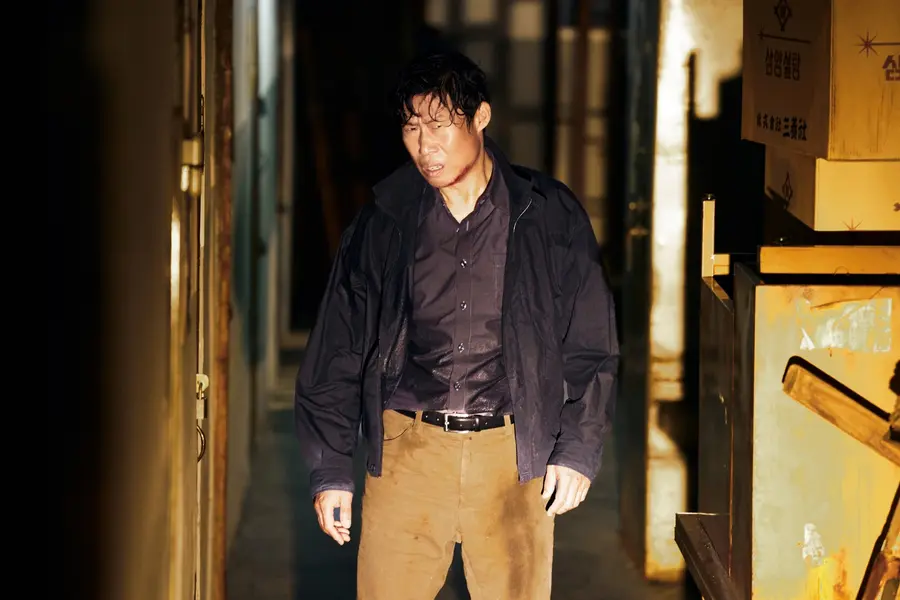
When you were shaping the character Cheol-gu, how did you blend the real historical background with cinematic imagination?
It’s the same with any project: I treat the work as its own piece, and I let the character move within that world. Figuring out how to express those emotions is my job. Aside from that, there wasn’t anything different.
You must have felt the weight of the material. What drew you in despite that burden?
I liked the density of the characters. Each one approaches the incident from their own position, chasing what the truth is, and the way the pieces came together felt almost like assembling a cube puzzle. Sharing and matching information with Jae-hwan (Park Hae-il) as we closed in on who was behind it gave the story a satisfying density.
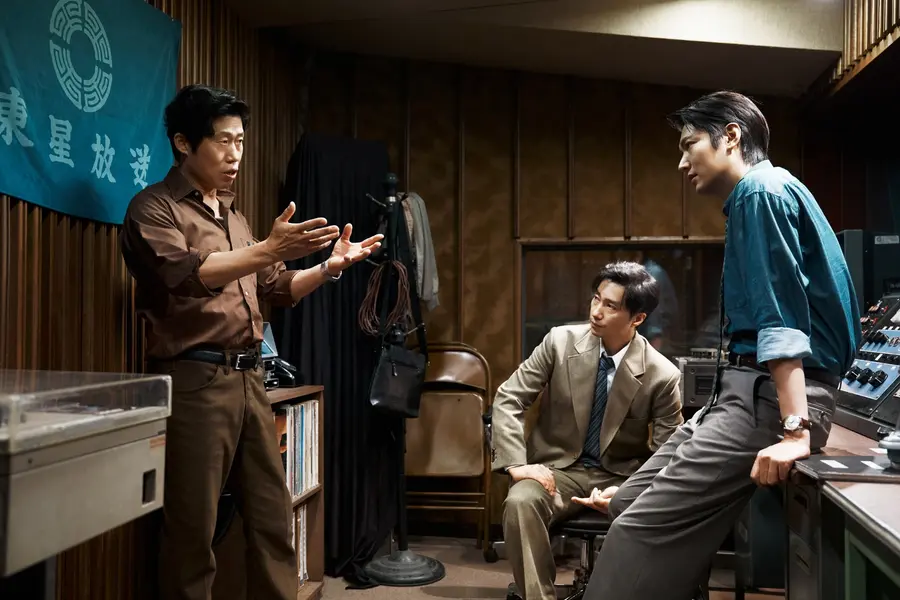
In the film, it’s suggested that Jae-hwan (Park Hae-il) and your character had various things in their past. What conversations did you have with Park Hae-il about that?
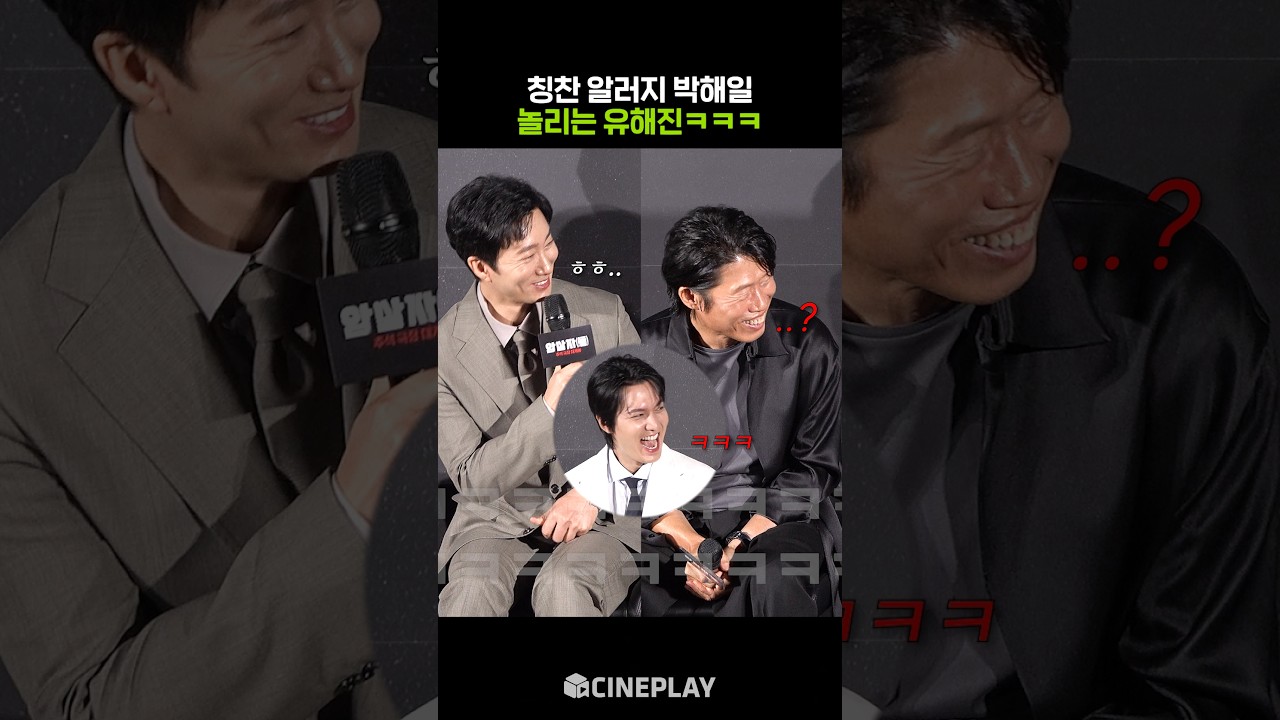
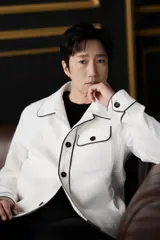
We didn’t exchange very specific back-and-forths. Park Hae-il is a very serious person. To put it simply: if you asked him, “Do you want jajang or jjamppong?” he’d pause for a long time and say, “Hmm... I don’t know... it’s a bit hot today…” (laughs). Hae-il always brings that seriousness. He approaches his work seriously, so when he asked for detail on a scene, I told him, “Just do it as it’s written. Isn’t it like a crocodile and the bird that rides it? Don’t push it further.” (laughs) I’ve seen that trait since 〈Moss〉, and it can be exasperating for me sometimes (laughs). Put kindly, it’s his seriousness. He’s always earnest. That’s a compliment: when you watch his films you see how seriously he approaches his roles. Not long ago I shot a light-hearted YouTube variety segment with Jang Do-yeon, and when she asked a casual question, Park Hae-il responded in that measured way: “Um... then Jang Do-yeon would…” It’s funny. It gives a sense of familiarity. Cute feels wrong to say. When we promote together, it’s fun.
To return to the earlier point, when we discussed that relationship setting, we agreed on the limits of what we needed to do and whether to push further. I heard he observed me a lot on set; he really did watch me closely. I remember him passing by and thinking, “So that’s how you do it.” Park Hae-il’s strength is that seriousness and the unwillingness to miss anything. At a press event I said I liked Hae-il’s eyes; he and Lee Byung-hun have looks I envy. I can’t do that naturally, so I don’t try to imitate; I think about how serious I can be and work from there. Watching the film, I thought of a spinning top: when it’s energized it stands straight. When it hits a wall it bounces and keeps spinning. Hae-il’s energy felt like a top. I was curious how that part with Hae-il and Lee Min-ho’s Young-il would turn out on film, and after seeing it I thought Hae-il’s energy was really good.
I used to think of Lee Min-ho as a TV star I’d never cross paths with—after all, I wasn’t part of F4. (laughs) So I thought of him only as a star. But after a screening of 〈The Man Who Lives with the King〉, Min-ho came up to me and warmly called me “senior.” I had thought of him as a star, but he came across as very human. He was great on set. Beyond the finished film, his warmth on set stood out. I thought, “He’s a good person. He’s a good actor.” He’s very sharp-eyed. There’s much more to him than his looks suggest. We talked about the future and he shared ideas I would never have imagined. I realized this grounded person thinks that far ahead. So I gradually came to see Min-ho differently. When we promote the film he’s genuinely warm. How to put it— a very handsome kid brother? (everyone laughs) He can’t just be my younger brother, so I joked. (laughs)
You've done many historical dramas. How was director Huh Jin-ho's approach to a period piece different?
I didn’t feel a particular difference because it was Huh Jin-ho, and I expected a softer kind of film from his earlier work, so I wondered if this would be similar. Fortunately, cinematographer Lee Mo-gae was on board, so I figured he would help a lot. I was curious how he would shape the film’s rhythm. Seeing the final product, I felt its speed and density. On set I had my doubts about how it would come together. Even when shooting action, Huh Jin-ho directs actors as if he’s capturing emotional performance, so during filming I thought, “How will this all stitch together?” “We probably need to move a bit faster here,” but the director was meticulously shaping details. When I saw the finished film, I was surprised at how that density and tempo emerged.
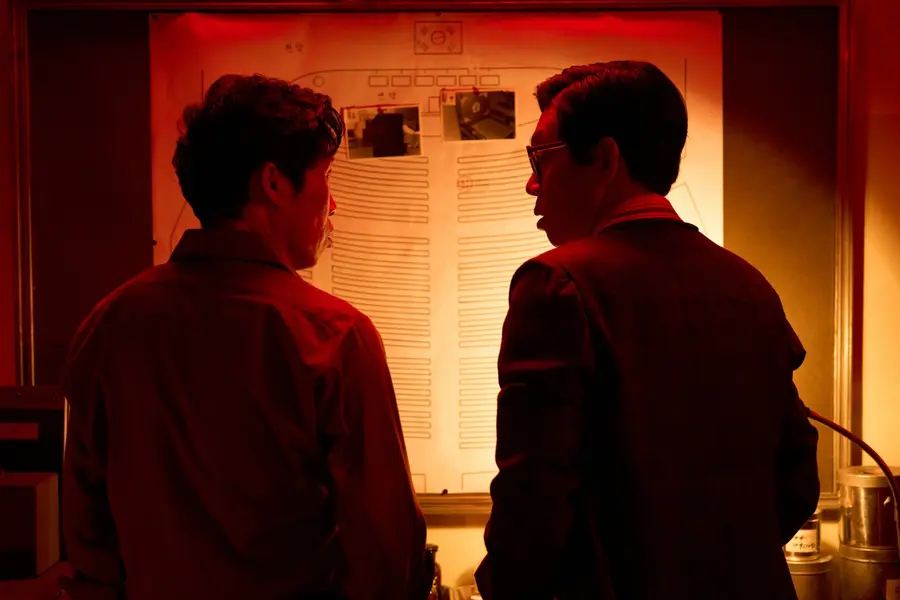
Your scene with Park Ji-hwan felt weighty, and the back-and-forth between you really stood out.
When Park Ji-hwan finished his look for that scene, I thought his appearance was striking. That scene is especially important—the bit about the missing bullet. So I was surprised by his outward look. In that scene, something wasn’t clicking; the details of the lines mattered and there were subtle differences. The three of us and the director stayed late, skipping dinner, hashing it out. I thought we had worked it out in advance, but once we were on set one part felt off and things got tangled. I remember how intense that was. Actors all do this work, but seeing Ji-hwan in glasses and so different from how I’d seen him in 〈The Man Who Lives with the King〉 reminded me again how transformative actors can be. That day with Ji-hwan was stressful but left a strong impression.
※ The interview with actor Yoo Hae-jin for 〈Assassin(s)〉 continues in Part 2.


댓글 (0)
댓글 작성
댓글을 작성하려면 로그인이 필요합니다.
로그인하기