



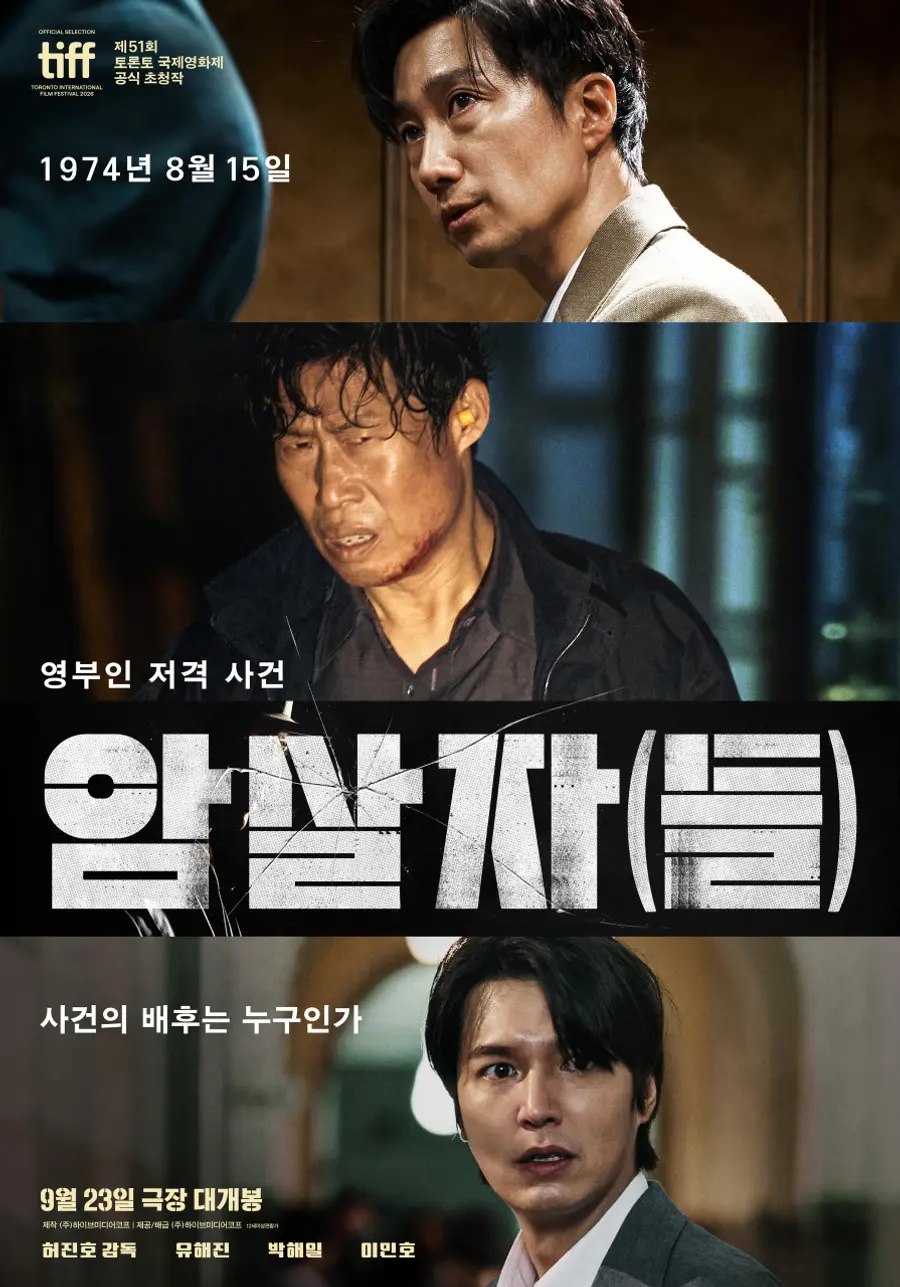
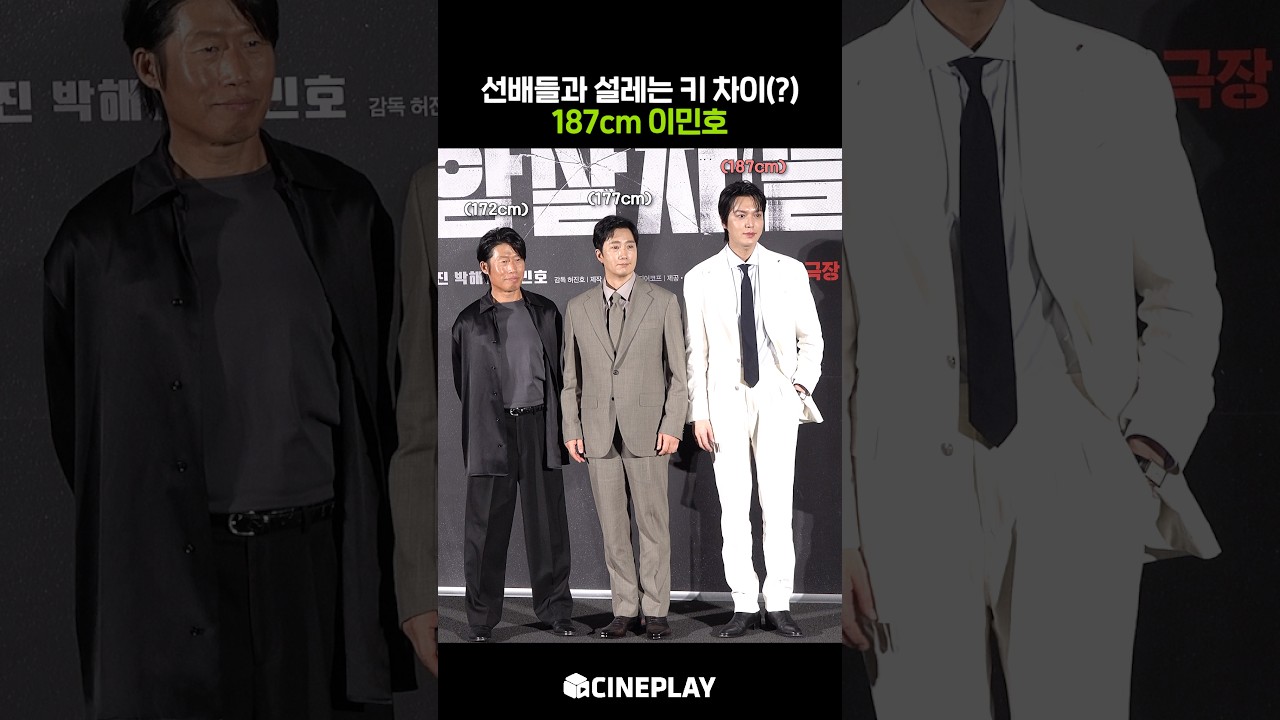
The first lady was shot. Yet the investigation is riddled with questions. If "the scene does not lie," who is lying? The film 〈Assassin(s)〉 reconstructs South Korea's social landscape around the 1974 assassination of First Lady Yuk Young-soo. The presidential assassination failed, but the killing of the first lady is portrayed on screen through the eyes of detective Park Cheol-gu (Yoo Hae-jin), rookie reporter Han Young-il (Lee Min-ho) and metro desk chief Kim Jae-hwan (Park Hae-il). At a Sept. 8 press screening and press conference at the Megabox COEX theater in Seoul's Gangnam district, director Heo Jin-ho and stars Yoo Hae-jin, Park Hae-il and Lee Min-ho introduced 〈Assassin(s)〉.
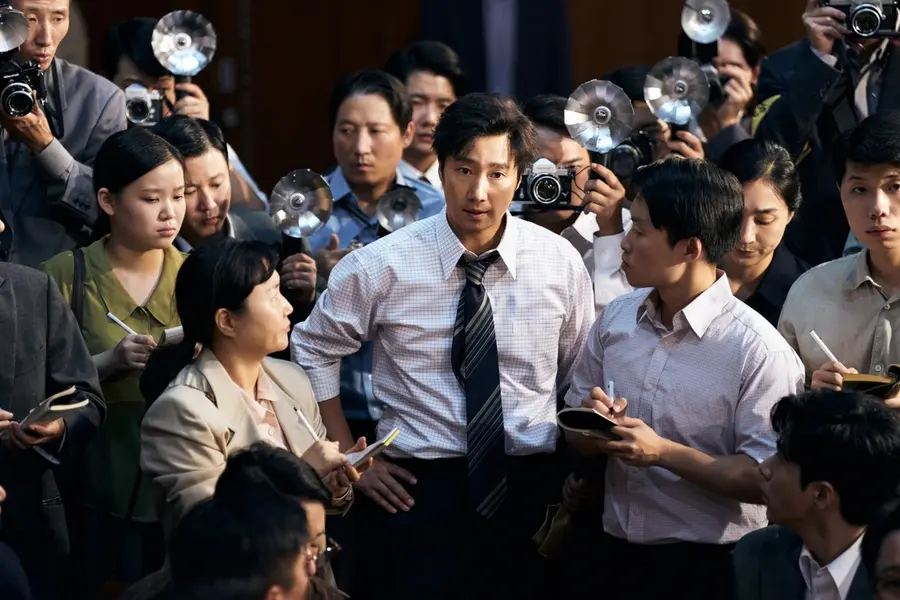
Seven years after 〈Cheonmun: Ask the Heavens〉, director Heo Jin-ho returned to the period drama and, following his previous film 〈A Normal Family〉, revisited the mystery genre. Through reimagined characters, he carefully retraces the lingering doubts left after the actual incident. As those pieces fall into place, the film contrasts the emblematic violence that dominated 1970s South Korean society with the upright figures who opposed it, recreating the era's atmosphere precisely while extending the concerns around the case into the present.
As a period piece, it delivers powerful energy; as a mystery-thriller, it sustains taut tension. By methodically pointing out problems that simply do not make logical sense and moving closer, bit by bit, to the forces behind the assassin, the film provokes a realistic fear that goes beyond mere conspiracy theory. Music director Jo Young-wook's delicate score steadfastly supports this process, and the cast’s ensemble performance pulls viewers deeper into the mystery.
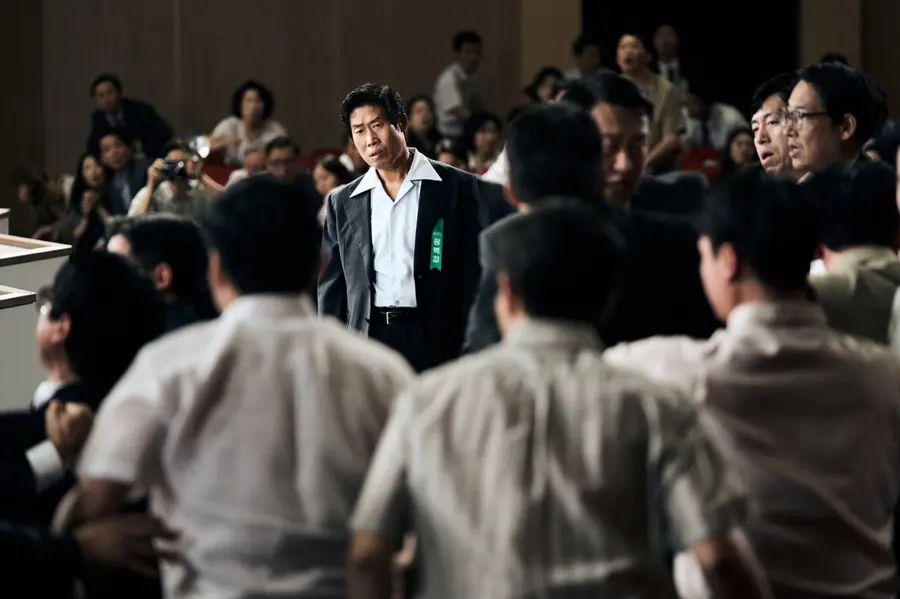
In doing so, 〈Assassin(s)〉 works both as a mystery thriller and as a period drama, making it one of the notable films for the Chuseok holiday. The story, driven by the convictions of a range of characters, evokes films like 〈1987〉, while the energy that carries a historical incident into the present calls to mind 〈Seoul Spring〉. Its final stretch is slightly awkward as it detours around truths that remain unresolved, but the film is still impressively well made.
“I wanted to bring the emotions of people who lived in that era into our time”
Heo Jin-ho
Director Heo Jin-ho said of the film, "I didn't set out to make a movie that draws a final conclusion," adding, "I wanted to express the emotions of people who lived through that era while tracing the investigation. To bring that into our time, I wove in an episode tied to the movement for press freedom." Heo also talked about casting Park Jung-min in the role of the assassin Moon Tae-gwang, saying Park "doesn't have a lot of lines or screen time, but he is a character that dominates the film from start to finish. I wondered who would be right for the role and Park Jung-min came to mind." He said he worried Park might not accept the role, but Park joined the film, perhaps because he liked the script.
“〈Assassin(s)〉, I hope it lives on healthily like 〈The Man Who Lives with the King〉”
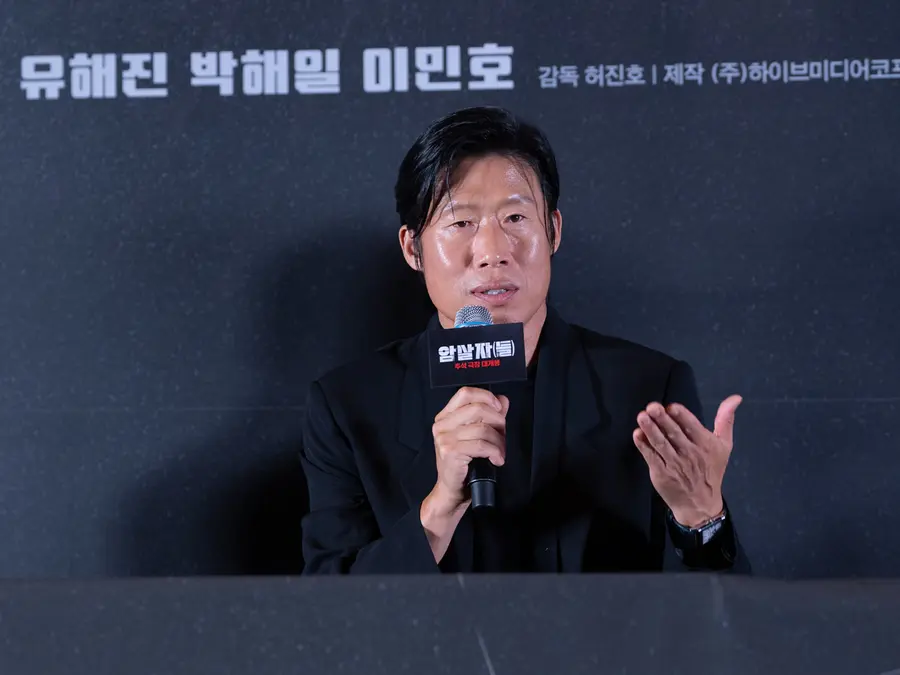
Yoo Hae-jin
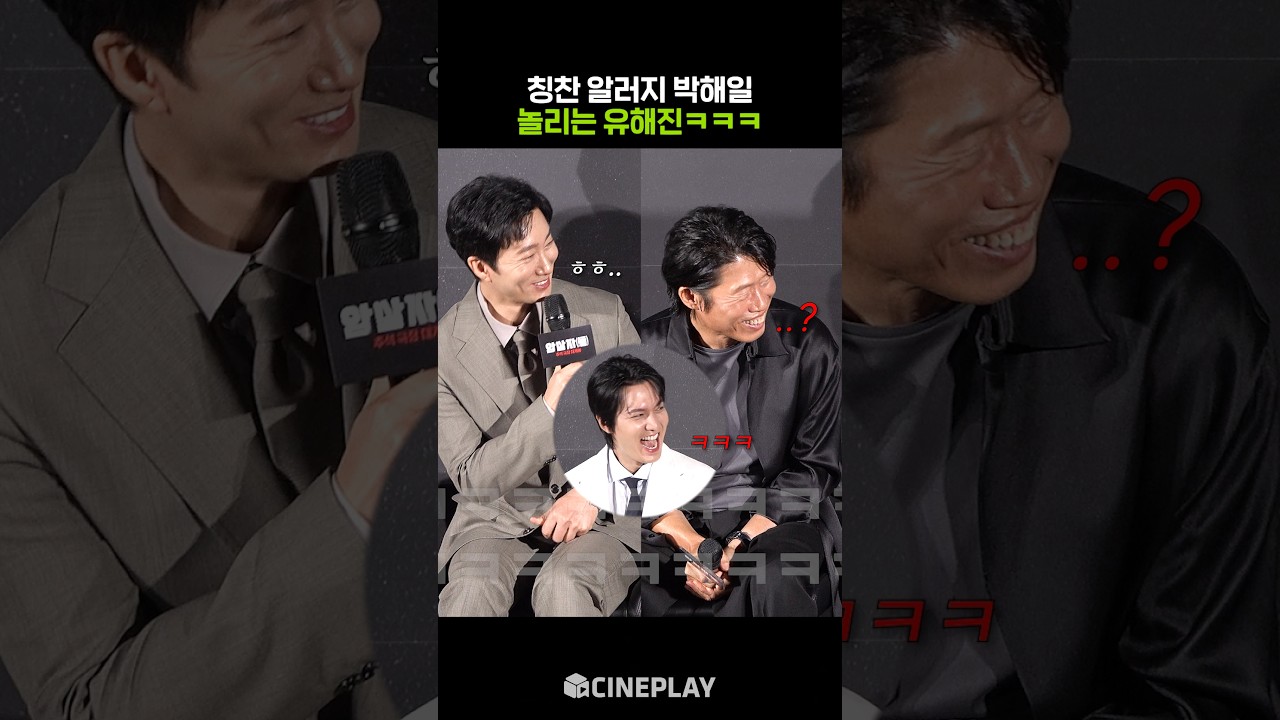
Yoo Hae-jin, who earlier this year starred in a film that surpassed 10 million admissions, began by expressing his gratitude: "This year has been so special. I'm truly grateful." He added, "Around the time of a press screening, you wish the film will survive as a living thing in theaters. I hope 〈Assassin(s)〉 also weathers the harsh world and lives on healthily." Meeting director Heo for the first time, Yoo said, "He would ask me about doubts I normally let pass—'Hae-jin, why do you think that?'—which made me always study and stay tense. In that way I think my acting improved for this film." He added with a laugh, "Still, I wanted to see him shout, 'Okay—great!' just once."
“I was curious about the journalist role drawn as a secondary element, and the part about pushing it all the way to the end”
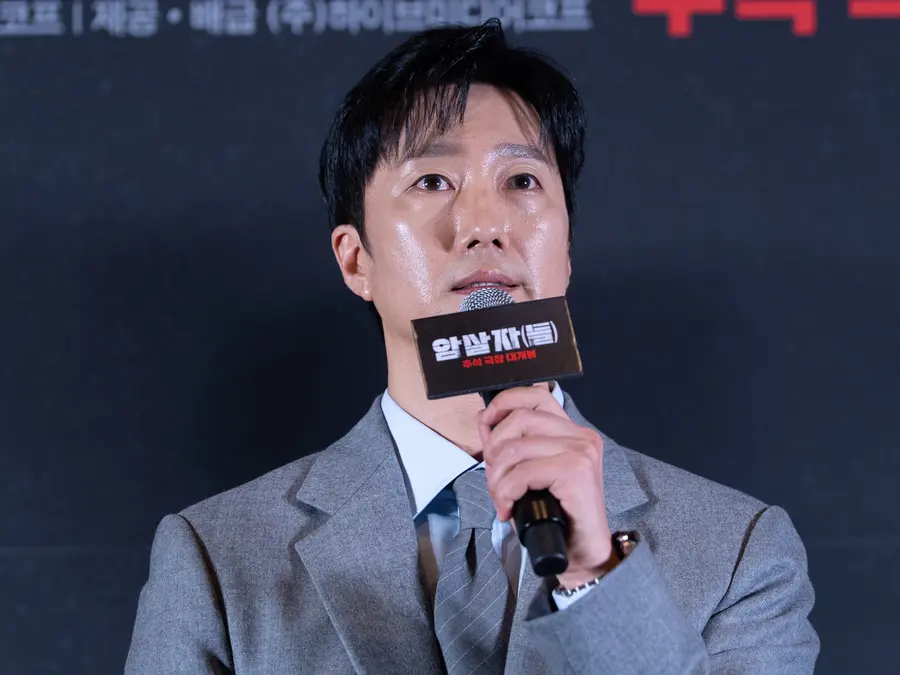
Park Hae-il
Park Hae-il, who plays the metro desk chief, said that in Korean film it is uncommon to have "a journalist role that becomes a theme and goes all the way to the end," and that the idea piqued his curiosity when the part was offered. He referenced his earlier film 〈War of the Arrows〉, noting, "It's similar to how an incidental element like archery became the main subject and sparked interest." He also praised the production design, saying, "When the art team had completed about 80 percent of the set, I went in early and moved along the planned paths, practiced typing and tried out lines. They set it up like magic." He singled out art director Kim Byung-han and the art team, as well as the cinematographer and lighting director, for their work.
“In an era when it’s hard to tell what’s true and what’s fake,
I find myself missing the conviction of people who pursue the truth”
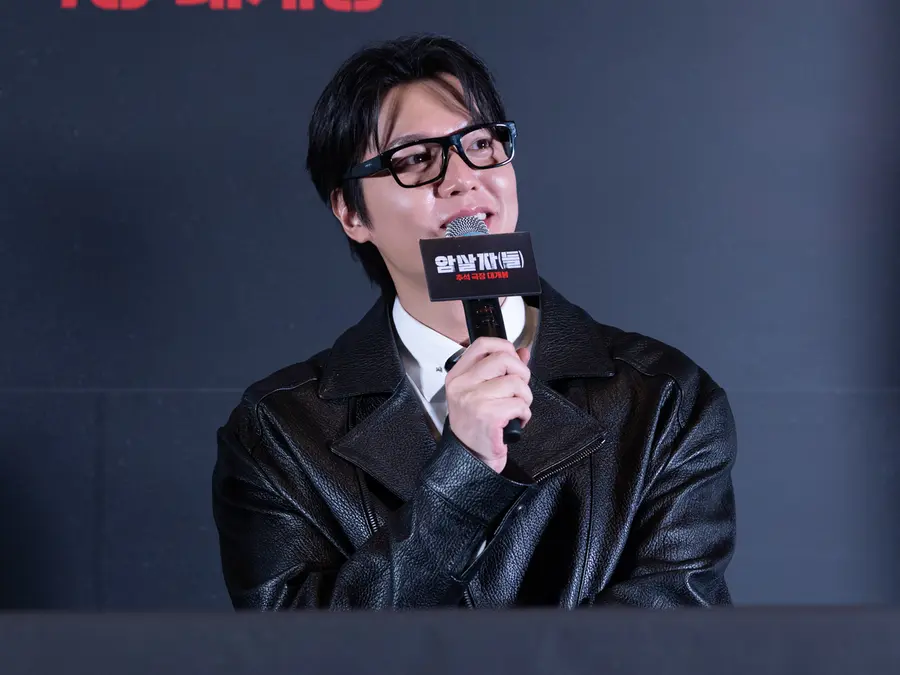
Lee Min-ho
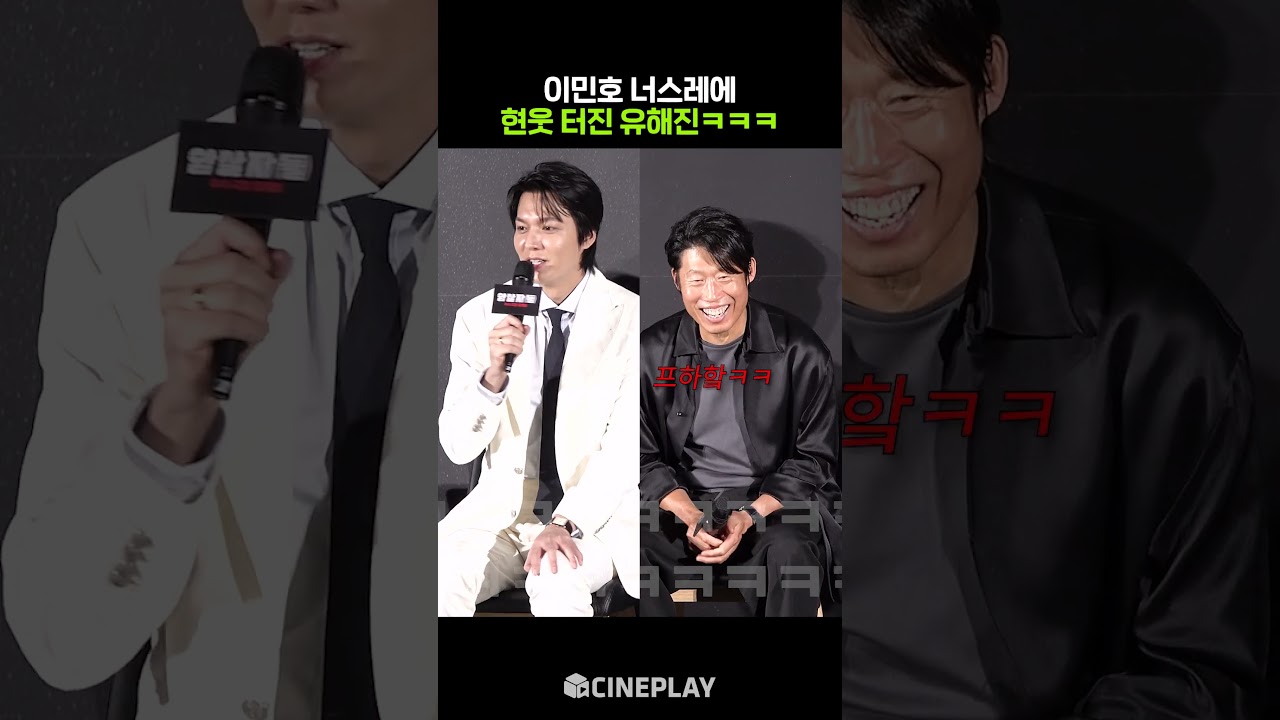
Lee Min-ho said he was drawn to 〈Assassin(s)〉 because "today a sensational headline often matters more than the truth. I think it's an era when it's hard to distinguish what is true and what is fake, so I found myself missing the convictions of people who pursued truth in a time I didn't live through." He added, "Becoming that kind of person is my aspiration." Lee explained his approach to the character, saying, "While Kim Jae-hwan (Park Hae-il) represents an inwardly dynamic character, Director and I discussed that Young-il should feel like a live fish—energetic and physical—so I prepared lots of movement for the blocking." He also worked with actress Shin Eun-kyung, who plays an interpreter between Korean and Japanese, and said, "She's shy, so we didn't share many private conversations, but she's an acting genius. Her nearly flawless performances stirred emotions in me just by watching."



댓글 (0)
댓글 작성
댓글을 작성하려면 로그인이 필요합니다.
로그인하기