



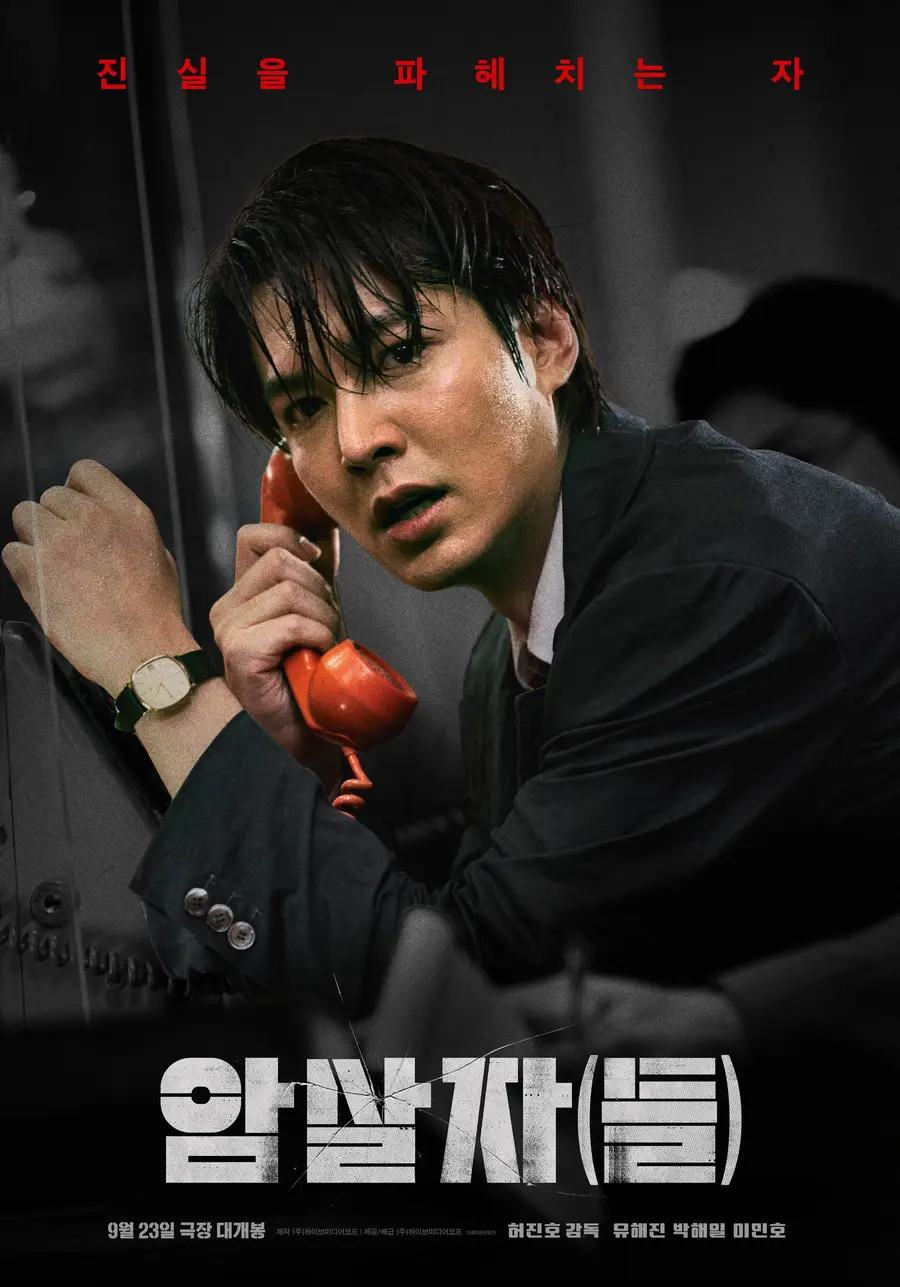
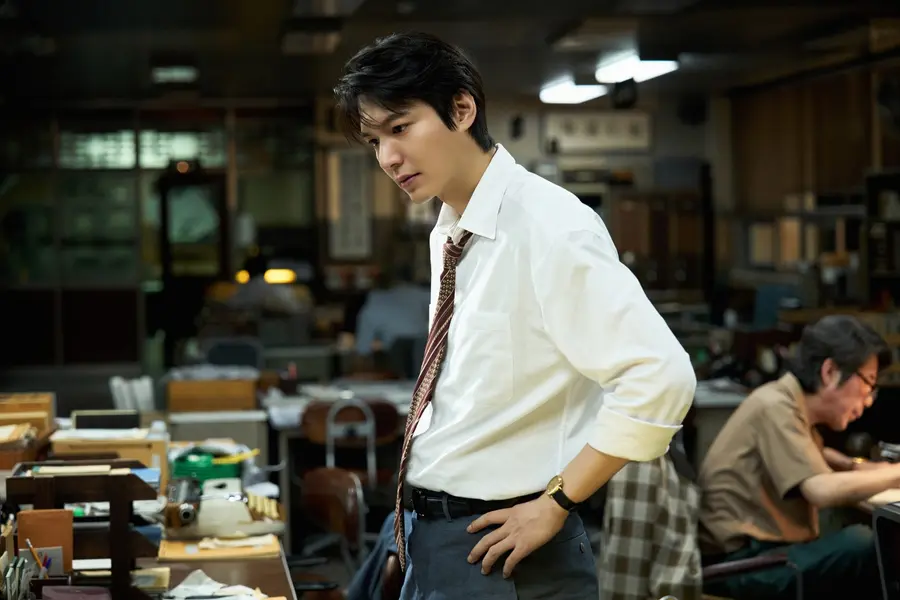
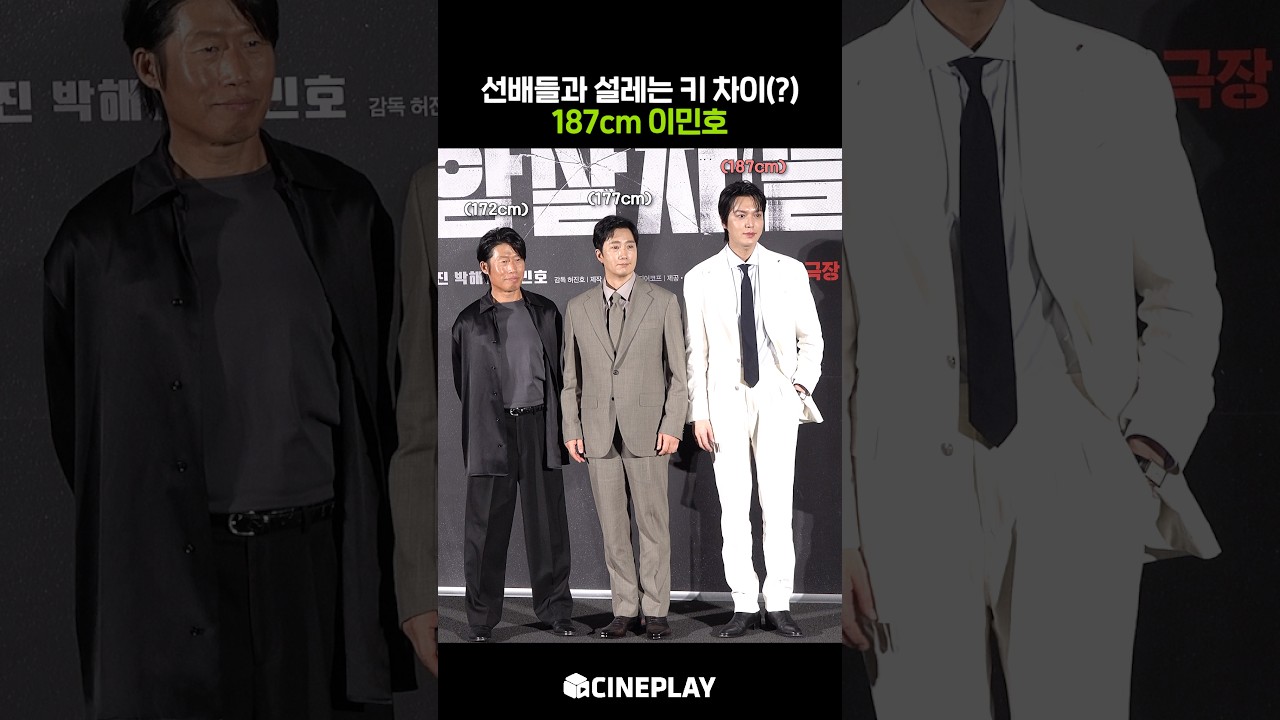
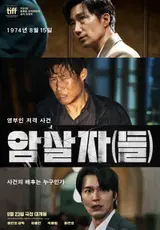
In 〈Assassins〉, rookie reporter Yeong-il, played by Lee Min-ho, emerges as the film’s driving force. A rookie reporter on the social affairs desk, he goes to cover the August 15, 1974 Liberation Day event and witnesses the deaths — first the first lady, and then the female student he had been speaking with just moments before. As a newcomer he might have been expected to be flustered, but Yeong-il immediately alerts his newspaper to the incident and takes charge of the reporting. Tireless in his work, Yeong-il is the youngest member of the trio leading 〈Assassins〉, and he never shirks digging into who is behind the events.
When 〈Assassins〉 was first announced, many wondered to what extent Lee Min-ho could contribute opposite two veteran actors. Lee Min-ho answers those doubts emphatically. As his two senior co-stars noted, the man some assume is merely a "star" supplies the film’s most energetic force, vividly evoking the freedom many longed for in that era. Lee Min-ho built the character with the social climate of the 1970s — and even parallels in today’s global landscape — in mind, and throughout the interview he presented himself plainly, saying people "tend not to know what I’m really like unless they’ve worked with me." We met Lee Min-ho, who will be in theaters this Chuseok, on September 18 somewhere in Seoul’s Jongno District. I can't put everything into print, but I hope readers can catch even a glimpse of Lee Min-ho the person, not the star. 〈Assassins〉 opens on September 23.
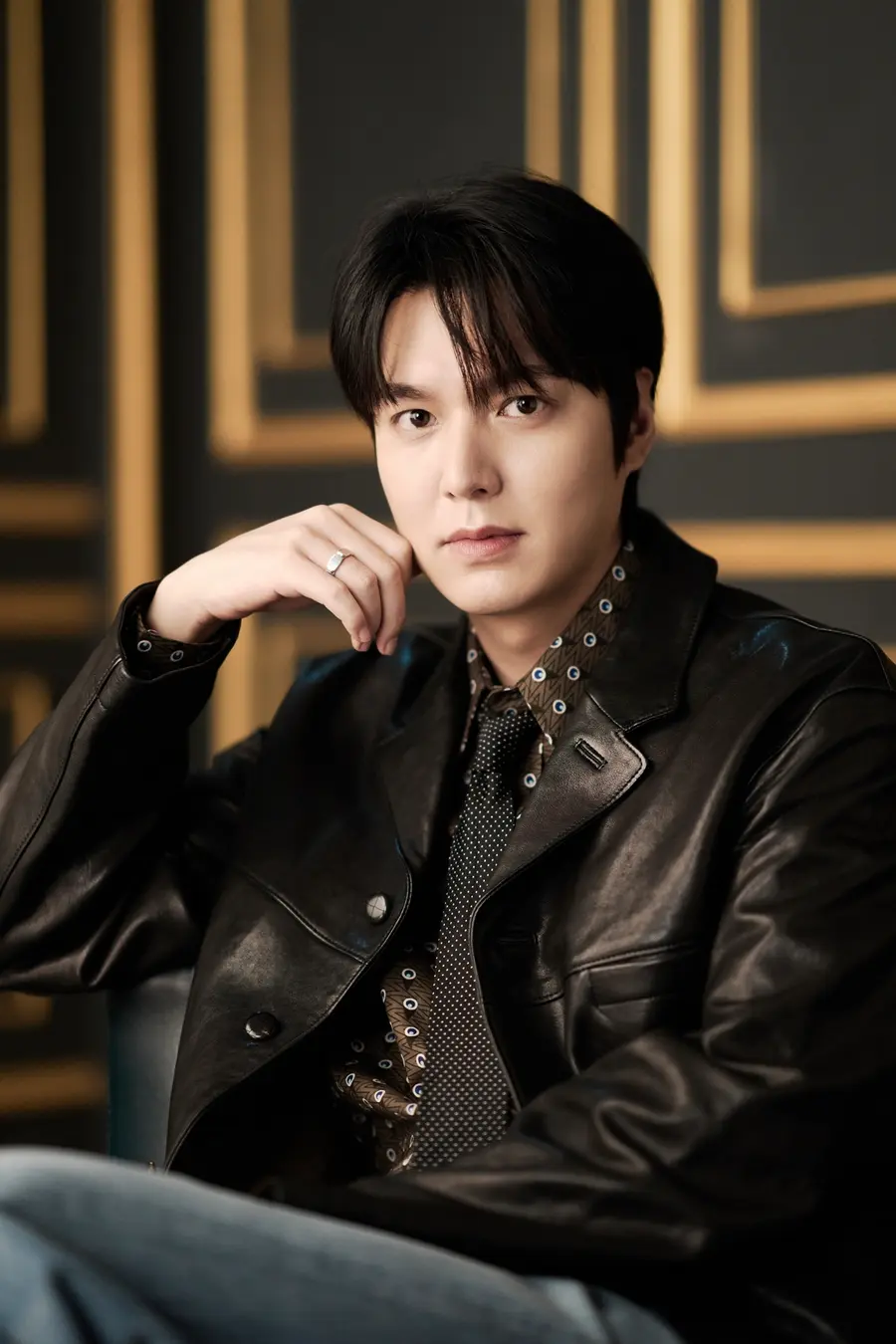
〈Assassins〉 is set to open — how are you feeling?
I'm deeply moved to be able to greet audiences over the holiday. I think I'm happiest when people see me in a film.
Your co-stars Park Hae-il and Yoo Hae-jin said you let a lot go and worked very hard. How was the shoot?
Apart from director Heo Jin-ho and the senior actors, the set was remarkably quiet, almost like a library. There was almost never any loud noise, and after a take everyone would gather and quietly discuss things. It was a set that felt comfortable rather than awkward, and that left a strong impression on me. I generally try to live life by letting things go, and I think people tend not to know what I'm really like unless they've worked with me. My biggest challenge was not to stand out between the two veteran actors and to blend believably as someone from that era. That was my main focus, and on set I stayed natural rather than forcing extra effort. To people who don't know me, that probably looked like I'd let go of a lot, which might be why they described it that way.
You referenced Yeong-il's aspirational ideal at the press conference. Could you elaborate on that?
As you live, your thinking and perspective change. For me, the conclusion I constantly come back to is to be a person with sincerity and honesty — that doesn't change. I felt the film's themes and my own core values aligned, and I wanted to express that through this project.
This was your first time playing a reporter. How did you prepare?
A reporter starts with collecting information about phenomena, situations and people, and delivering that information without distortion while setting aside personal bias — although some subjectivity inevitably creeps in. I also felt a personal fatigue with how relationships in society can become distorted, so there was a personal thirst in me for straightforward communication. There was a national incident that shook the country, and a victim who didn't receive attention; the coverage or mentions were minimized, which felt unequal. I think Yeong-il would have felt the same. I saw Yeong-il as someone committed to a more human kind of journalism.
Yeong-il is a reporter but his background is unusual. How did you interpret a character who might seem unrealistic and make him feel real?
People sometimes tell me I come across as refined even in private (laughs). That can create a preconceived notion, but I tend to have a vibe of not trying to draw attention no matter the situation. I thought that quality of mine could make the film's more exaggerated settings and moments feel restrained and believable. When I read the script I worried I might overdo it, so I thought about how to make the character convincing. I decided Yeong-il should be someone who knows how to actively use his background, and that helped make him feel freer on screen. Regarding the true case, I first encountered it on YouTube and spent a whole day watching materials that referenced it, like 'Kkokkomu (Kkoerie Kkoerieul Muneun Geunal Iyagi)' and other related content. The next year I received the screenplay. The case and material were genuinely fascinating to me, and I was attracted to how it reinterprets the events by following the timeline through its characters.
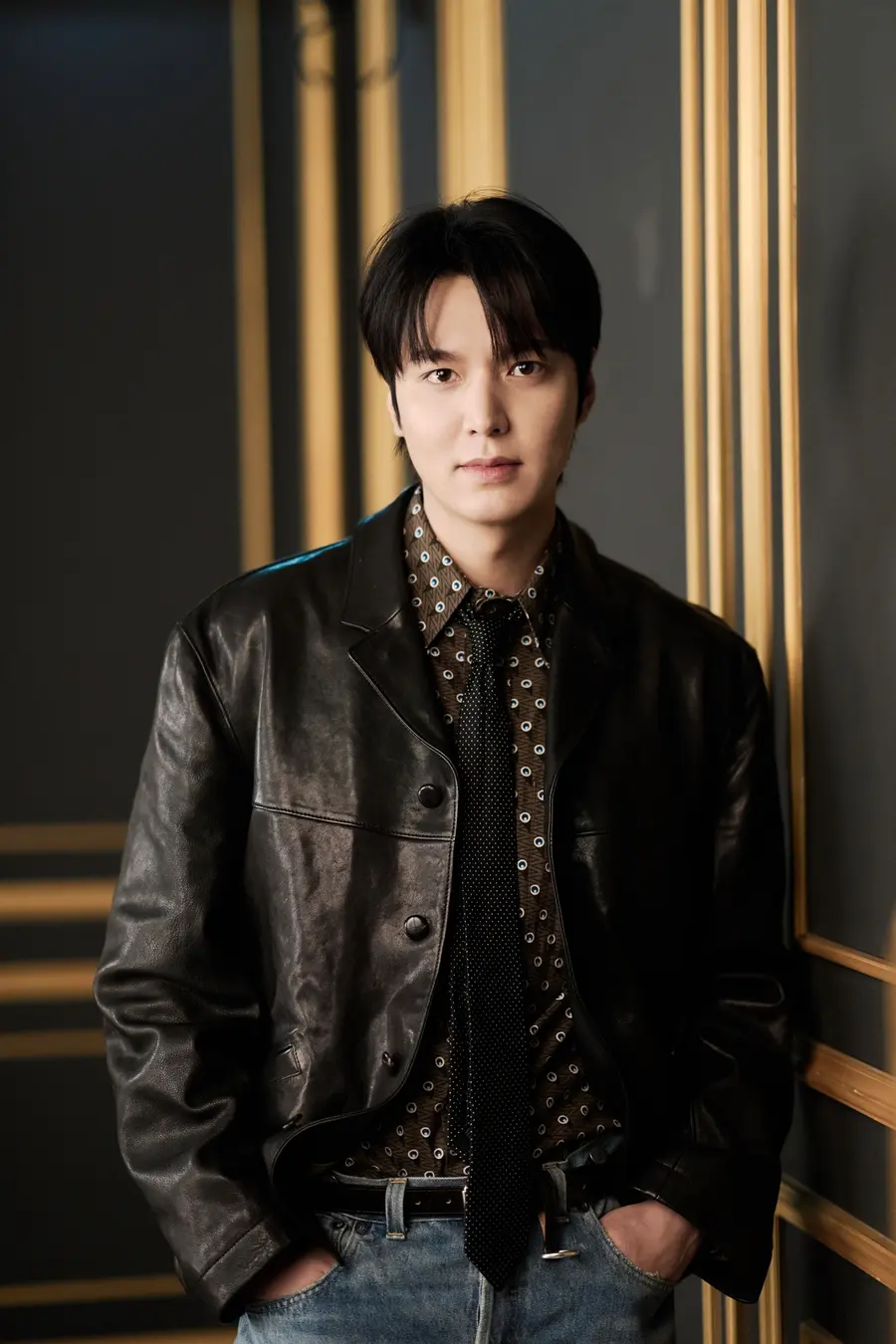
Park Hae-il said that when you show up on set fans from many countries appear, and he admired that you still came on days without shooting. Is that true?
Well, Park Hae-il also comes by even before the props and set are fully ready, almost like he's inspecting the place. Seeing him do that, I felt I couldn't not go (laughs). It wasn't the only reason — I was also curious about the emotional choices the senior actors made in key scenes where I wasn't present. Being on set makes me comfortable. It feels like being part of a family, so I found myself going more often.
There's a moment in the film where the line "Let's drink ssanghwa tea" is used to extract information; the director said that was your ad-lib. Is that true?
The line in the script was more explanatory. It was a long piece of dialogue that revealed the intent to obtain information, but I wanted to end it in one sentence, so I took a chance and performed it that way on the first take without telling anyone — and they liked it. Lines like that come from someone who knows he's handsome, don't they? I should apologize (laughs).
A lot of people have praised your appearance in the film. How would you rate your own appearance on screen?
This might be something only I notice, but my facial puffiness went back and forth during filming, and I worried about it. When I slim down for a drama, it can look like I'm trying too hard. I wasn't sure how slim I should be. On days when I used my body less I looked a bit puffy; on days I ran around more I looked slimmer. Even so, I tried not to obsess over external appearance.
You have many scenes with Park Hae-il — what was it like working closely with him?
What struck me most on set was that he’s the kind of actor who can deliver a scene’s central idea with remarkable clarity and restraint. That made me realize why he has long been loved and has remained at the center of major projects. When I deliver a story, my own color can sometimes show through, but watching him made me want to try expressing things in a more ambiguous, neutral way. I had a lot to learn and a senior to deeply respect.
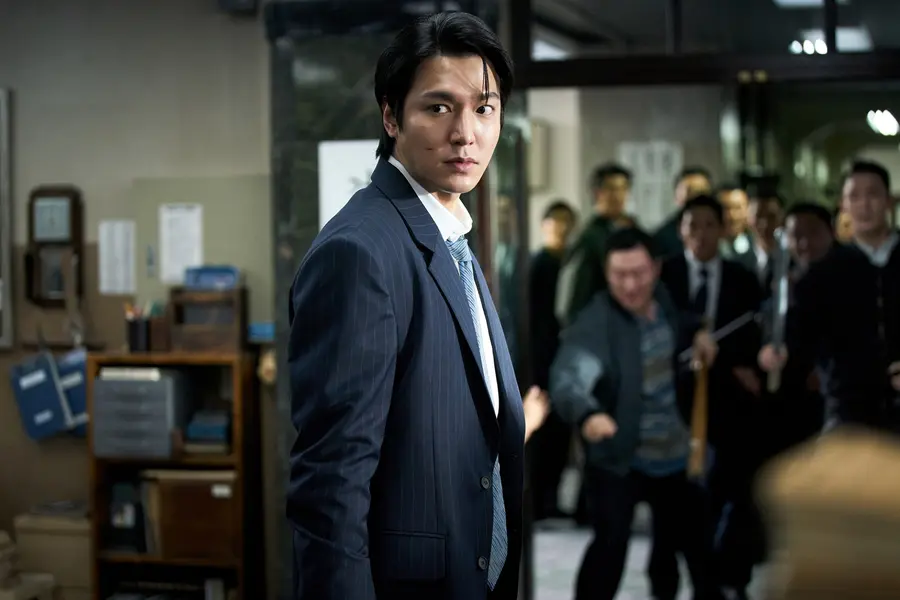
Yeong-il's background differs from a typical reporter's. How did you approach the character?
Yeong-il's opening felt almost like a cliché scene, so I imagined him as someone who pulls all-nighters to gather information and who presents as if he's been up all night. I understood that by then the anti-Yushin movement had begun actively on college campuses, so I thought Yeong-il might be someone who, in his own way, took responsibility for that movement for freedom and democratization. He could have gone out into the streets and physically joined the democratic movement, but I imagined he'd use his strengths in a smarter, more strategic way.
His drive for truth feels professional, yet his recklessness has a boyish quality. How did you bring that out?
That element ties back to family. I pictured him as someone raised in a well-protected, loving household. He would have inherited that upbringing and could have chosen a stable, compromising life. But everyone sometimes doubts the direction they're heading in; they want more freedom. Those desires feel youthful, and I thought Yeong-il's core question is "When do I feel alive?" Choosing journalism and meeting Jae-hwan may have been the first time he found an adult he respected. Even if there were elders in his family like the character played by Jung Woo-sung, that wasn't the direction he aspired to, and that created a thirst. Meeting Jae-hwan and being thrown into that life together, he likely felt freedom and lived passionately — which is where that youthful charm comes from.
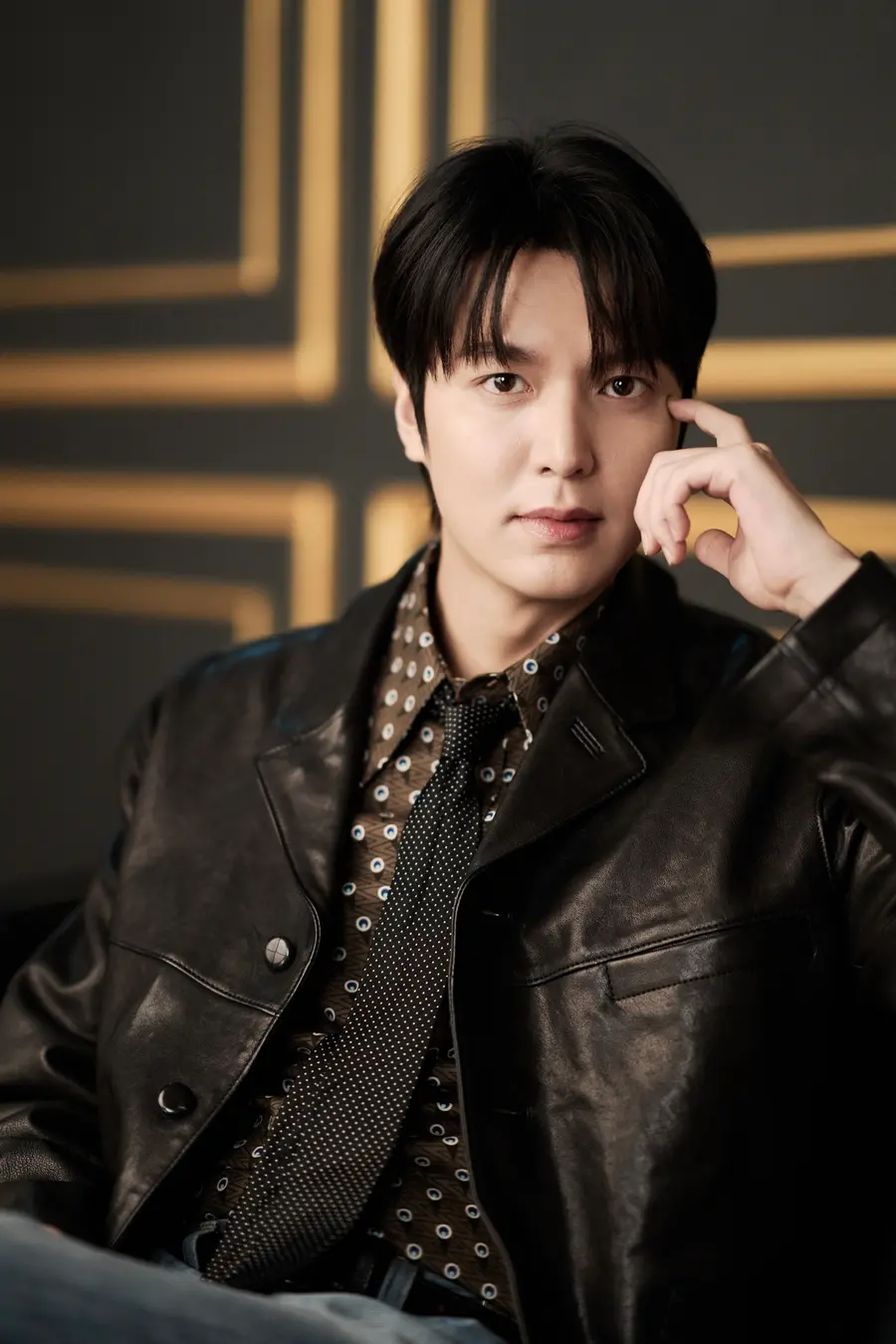
You say you generally live by letting go, but the world sees you as a star. How have you thought about that?
I received attention at a young age, but I didn't feel a lot of dissatisfaction or frustration about that. What I did feel was a kind of staleness when being trapped by that identity — as if becoming that image meant losing freshness. I'm someone who constantly seeks new things, and given my public profile there weren't many opportunities to try new experiences. When I'm not working I like to freely pursue things people my age want to do. I think I'm living in an era that suits my tendencies. As a hobby I spend about ten hours watching YouTube (laughs). YouTube opens up individual stories, and this feels like a time to view the world through those personal perspectives. Outside of work, I’ve been keeping in-person experiences to a minimum.
※ The interview with 〈Assassins〉 actor Lee Min-ho continues in Part 2.



댓글 (0)
댓글 작성
댓글을 작성하려면 로그인이 필요합니다.
로그인하기