


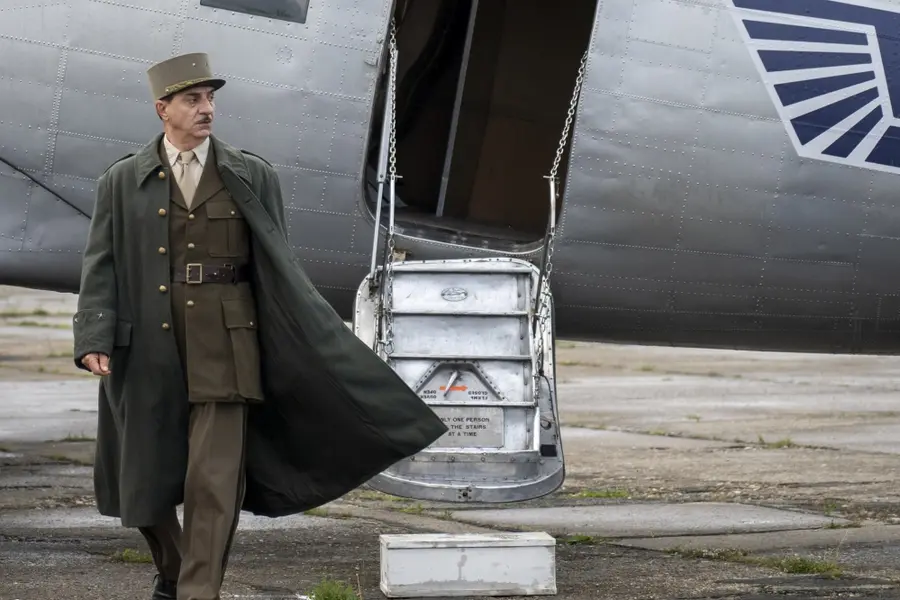
A spark of defiance ignites as all others surrender
The film ‘De Gaulle: Part I: Resistance’, chronicling the journey of the legendary French leader Charles de Gaulle, who led the fight to the bitter end against Nazi Germany’s invasion shortly after the outbreak of World War II, arrives in South Korean theaters on the 11th.
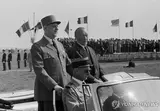
Born in 1890, de Gaulle died in 1970. He was an iconic figure of the Resistance, which helped free France from Nazi oppression. In 1959, after the war, he became the first president of the French Fifth Republic, serving for 10 years and laying the foundations of modern France.
The film squarely confronts the dark days when Nazi German forces devastated Belgium and the Netherlands and advanced to seize Paris. As defeat loomed after French leader Marshal Philippe Pétain declared a humiliating surrender, de Gaulle (played by Simon Abkarian), having made his way to London, took to the BBC microphone and delivered a historic speech urging the French people to resist with unwavering resolve.
The camera delicately captures the multifaceted humanity of de Gaulle as he wages a lonely struggle in a moment of mortal peril. It portrays him wielding steely resolve, standing motionless even as shells rain down on the front lines, while also showing, without glossing over, his recklessness in pushing ahead with plans despite opposition from all sides and his petty stubbornness. The result is a persuasive, unvarnished portrait of a hero.
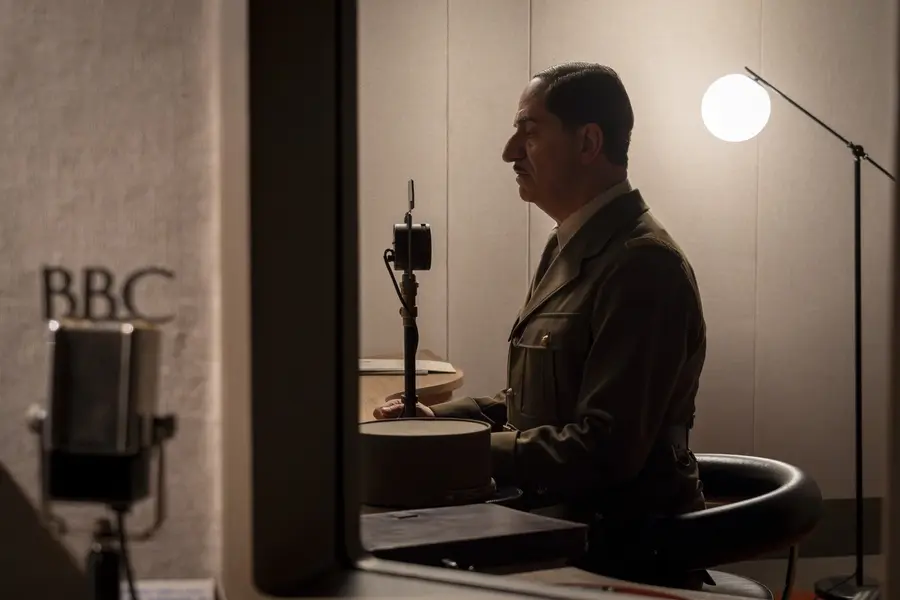
A two-part epic brought to life on a grand scale
De Gaulle’s tenacious resolve, which overcame cynicism and distrust, ultimately drives him to establish a government in exile in London and rally the Free French Forces. His actions—from intense diplomatic battles with Allied leaders to his presence on the front lines—help shape a major turning point in France’s liberation.
The film also looks beyond the leader’s decisions, giving significant attention to the sacrifices of ordinary citizens who became the true protagonists of the Resistance. Among them are Fernand (played by Florian Lesieur) and Livia (played by Anamaria Vartolomei), who, despite brutal repression, rushed into the square in front of the Arc de Triomphe in Paris and led a popular protest.
Completed as a two-part project, this massive war drama was made with a total production budget of about 150 billion won (approximately 100 million euros). It drew more than 6 million moviegoers upon its release in France, sparking a box-office sensation. It was also officially invited to the non-competition section of the 79th Cannes Film Festival, earning recognition for its artistic merit. The film was directed by Antonin Baudry, a former French diplomat, whose unusual background helped him bring the intricate diplomatic maneuvering behind the scenes and the spirit of the era vividly to the screen.
The sequel, ‘De Gaulle 2: The Age of Freedom’, which follows the breathless journey from the Casablanca Conference to the complete liberation of Paris, is set to open on the 25th.





댓글 (0)
댓글 작성
댓글을 작성하려면 로그인이 필요합니다.
로그인하기