



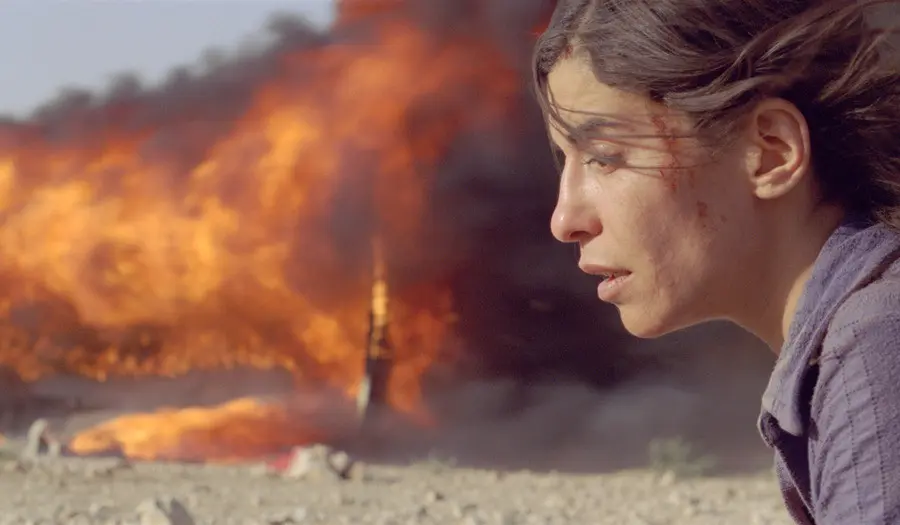
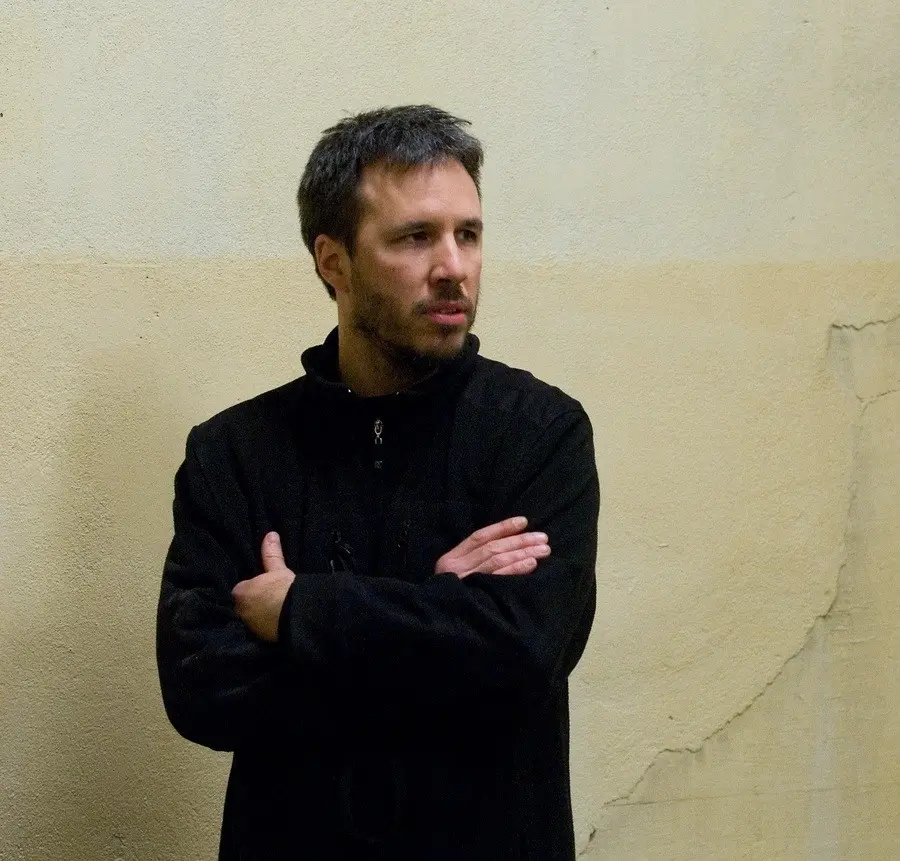
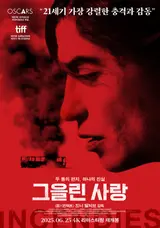
If you were to name a so-called 'major director' who is loved by cinephiles of the time, you cannot overlook Denis Villeneuve, the Canadian director known for his dark worldview and humanistic dramas, who directed films such as 〈Inception〉, 〈Dunkirk〉, 〈Phantom Thread〉, 〈Licorice Pizza〉, 〈Arrival〉 (2016), and 〈Blade Runner 2049〉 (2017). His first work that brought him global recognition was 〈Scorched〉 (original title: Incendies, 2010), which allowed him to enter Hollywood with the film 〈Prisoners〉 (2013) starring Hugh Jackman and Jake Gyllenhaal. Set against the backdrop of Lebanon, 〈Scorched〉 depicts the tragic secrets of a family stemming from religious conflicts between Islam and Christianity. The film, which was invited to the Busan International Film Festival in 2010 and subsequently released in theaters, has been re-released in a 4K remastered version on June 25, providing another opportunity to see the film's massive fire scenes on the big screen.
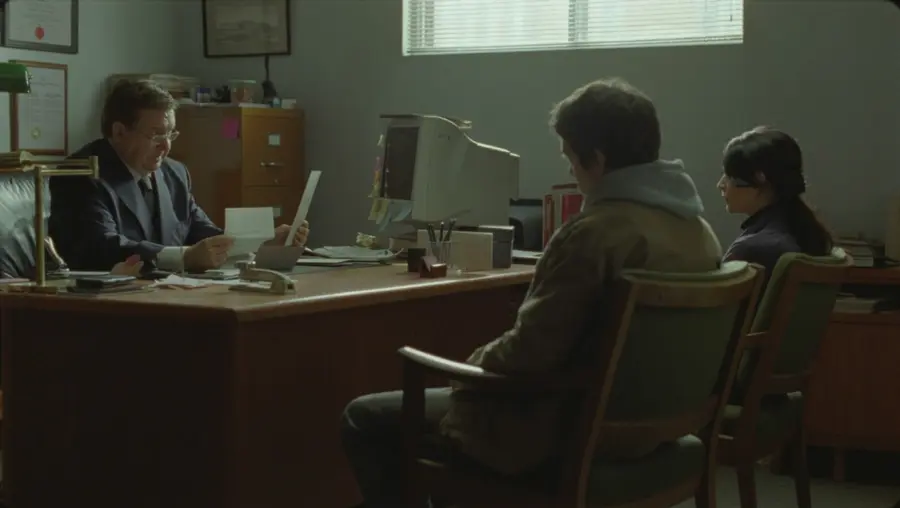
Twin siblings Jeanne (Mélissa Désormeaux-Poulin) and Simon (Maxim Gaudette) are shocked to hear their mother Nawal (Lubna Azabal)'s last will. She instructs them to deliver letters to their father, whom they thought was dead, and to a brother they never knew existed. The siblings embark on a journey to their mother's distant hometown to find their father and brother, uncovering dark truths hidden within their family. The truth is so unimaginable and unbearable that upon its release, 〈Scorched〉 was described among film fans as 'the most shocking ending in film history.' This film is a masterpiece that intertwines the experiences of pain, a twisted history, and the story of a broken family.
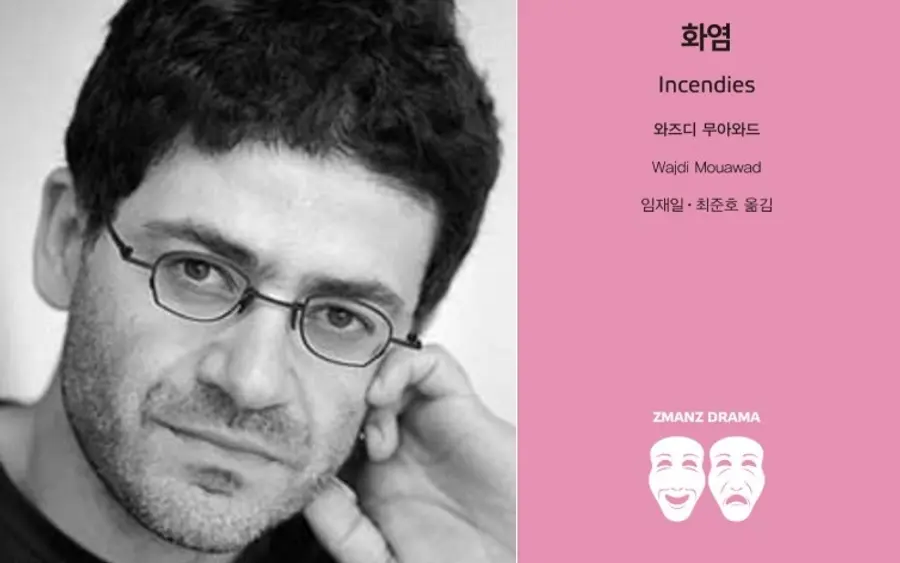
〈Scorched〉 and 〈Incendies〉, Wajdi Mouawad
In South Korea, after the film festival, it was released in theaters through an importing company under the title 〈Scorched〉, but the original play is titled 〈Incendies〉. 'Incendies' is the French title, while the English title is 'Scorched.' It was first released at the Busan International Film Festival under the title 〈Scorched〉, but for some reason, it was changed to 〈Scorched〉 during its theatrical release. The original play 「Incendies」 consists of four chapters, each representing a fire: Nawal's fire, the fire of her childhood, the fire that happened to Jeana, and the fire that happened to Sarwan. Here, the flames and fires refer to both actual fires and significant events that shook the characters' inner worlds and worldviews. Wajdi Mouawad, a Canadian playwright of Lebanese descent, depicted the hatred and anger caused by religious conflicts and the cycle of violence stemming from revenge during the Lebanese Civil War, which lasted from 1975 to 1990.
〈Scorched〉 is the second play in Wajdi Mouawad's tetralogy. Wajdi Mouawad was born in Beirut, Lebanon, in 1968 and moved to Paris at the age of seven to escape the civil war. In 1983, when he could no longer extend his French visa, he moved again to Quebec, Canada. Emerging as one of the most prominent writers in Quebec, he received an arts medal from the French government in 2002 and was appointed as the artistic director of the National Arts Centre (NAC) in 2007. In his acceptance speech as artistic director, he described his background as “one war, two exiles, and death.” It was a story about the unending conflicts between Christians and Muslims in Lebanon, which has not seen a day of peace since gaining independence from French rule in 1943, and the ongoing disputes and civil wars with neighboring countries.
About the Lebanese Civil War
〈Scorched〉 is set against the backdrop of the Lebanese Civil War, which lasted from 1975 to 1990. The 'Six-Day War' in 1967, which expelled 300,000 Palestinians in just six days, led to an influx of Palestinians into refugee camps that had been established in southern Lebanon since the 1948 Arab-Israeli War. In 1970, when the King of Jordan decided to expel the Palestine Liberation Organization (PLO) and the PLO headquarters was established in Beirut, even more refugees flowed into Lebanon. As Palestinians came to make up 15% of the total population, tensions between the Christian Maronite sect and Islamic factions escalated. In April 1975, an incident occurred where a man, presumed to be Palestinian, opened fire in front of a church where the far-right Lebanese leader Pierre Gemayel was attending a consecration ceremony, killing four people. On the same day, in retaliation, Christian militia attacked a bus carrying Palestinians, resulting in 27 deaths and 19 injuries.
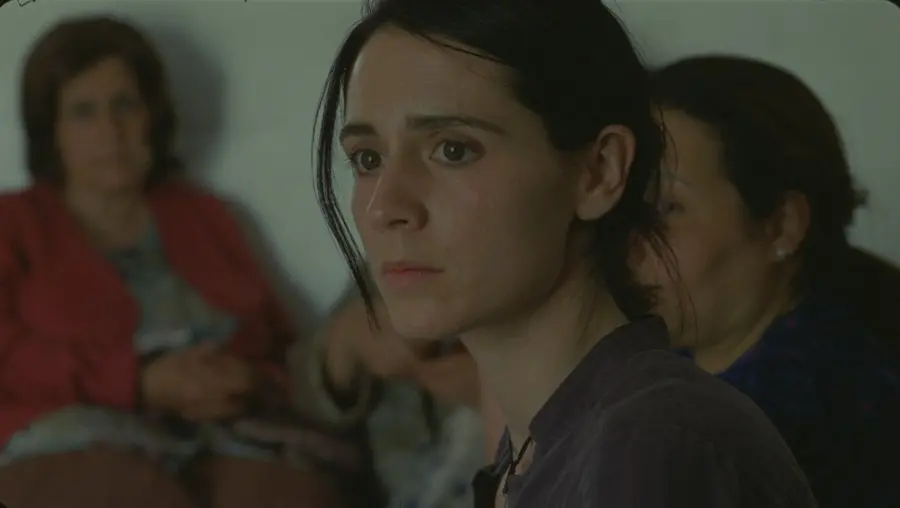
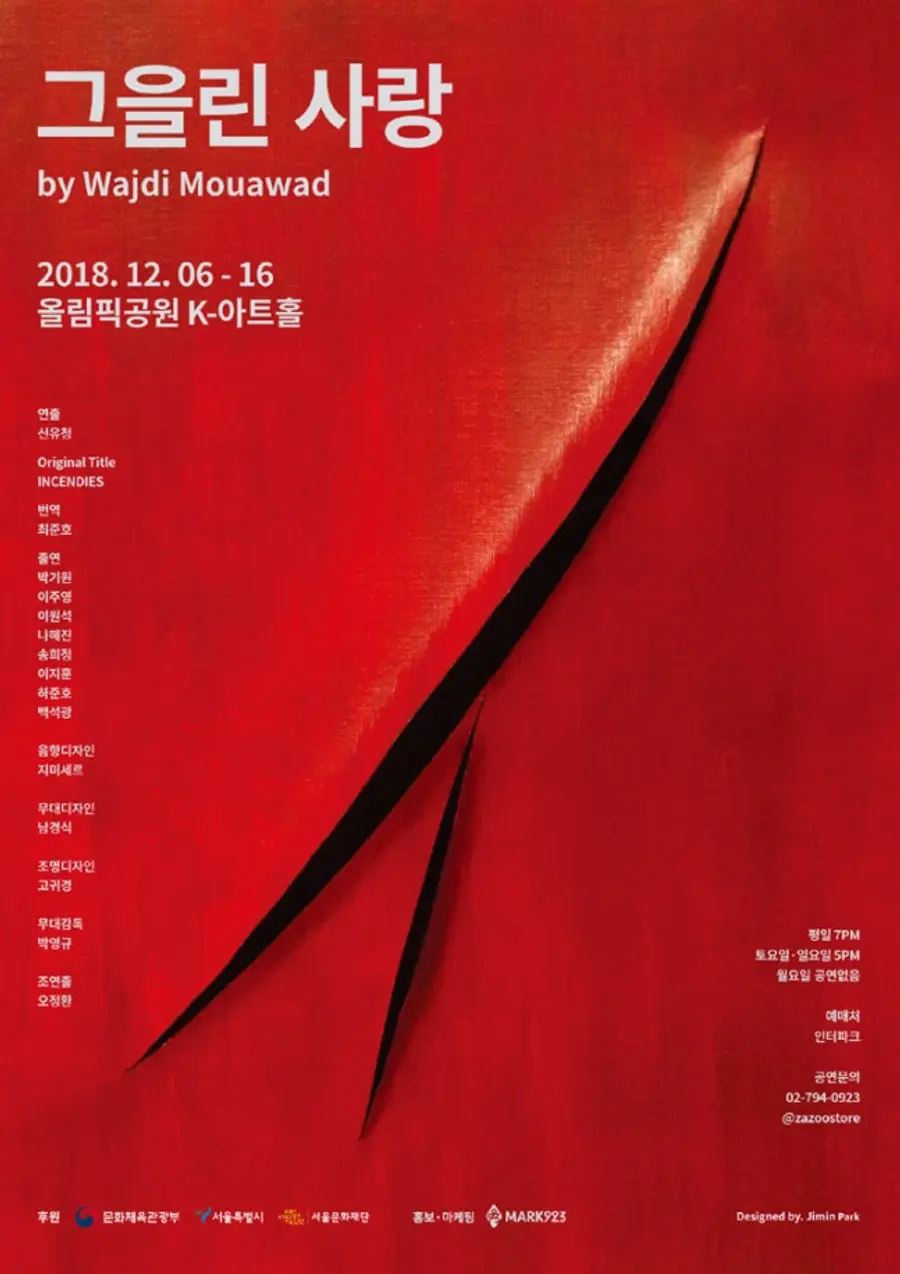
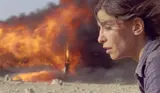
The title 'Incendies' comes from a bus terror incident in 1975, where a Christian armed group indiscriminately shot at a bus carrying Palestinian refugees in downtown Beirut, killing all 27 passengers. This moment marks a significant turning point in the protagonist Nawal's life and is also the poster image of the film 〈Scorched〉. Until the end of the civil war in 1990, over 100,000 people, including adults and children, lost their lives in Lebanon, and more than a million people fled their homeland. Meanwhile, the title 〈Scorched〉 has also influenced the play itself in South Korea. In 2018, a play titled 'Scorched' was performed at the K-Art Hall in Olympic Park, sponsored by the Ministry of Culture, Sports and Tourism, the Seoul Metropolitan Government, and the Seoul Foundation for Arts and Culture.
The Real-Life Figure that Inspired the Story,
The Warrior and 'Singing Woman' Souha Bechara
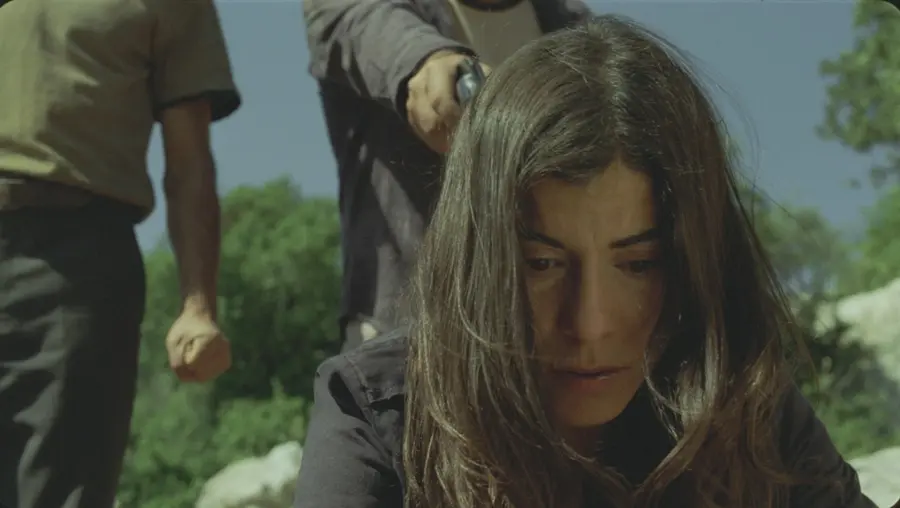
〈Scorched〉 is surprisingly based on a true story. The protagonist Nawal is modeled after a real-life figure named Souha Bechara. Like Nawal, Souha Bechara attempted to assassinate the Christian militia leader Antoine Lahad in 1988 but failed and was imprisoned in an underground prison for ten years. The bus massacre incident in the film transcends Nawal's personal desire to find her son, awakening her to the harsh realities she faces and transforming her into an activist and revolutionary. During her time in prison, she was nicknamed 'the singing woman' because she would always sing when her cellmate was being tortured or when she was taken for torture. Wajdi Mouawad, the author, met Souha Bechara, who lives in Paris, and interviewed her to incorporate her story into 「Incendies」. When asked what songs she mainly sang, she mentioned popular songs by 'ABBA.' Hearing this, Wajdi Mouawad was deeply moved, stating, "Souha Bechara was just an ordinary friend of ours before she became a prepared fighter or a revolutionary devoted to a specific ideology."
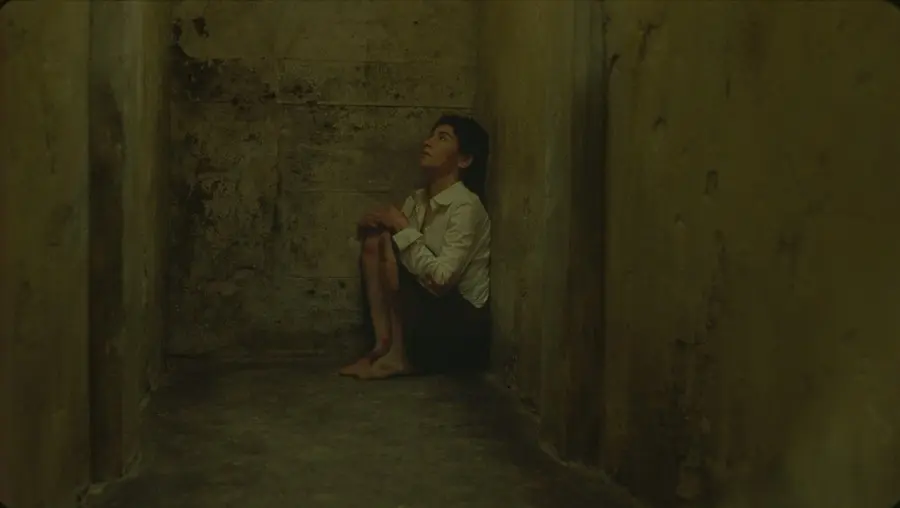
〈Scorched〉, like the play 「Incendies」, does not mention specific regions or places where events occur. This is to achieve a universal relevance beyond the specific story of Lebanon. What Denis Villeneuve resonated with most in the original work was precisely this point. It was also a desire to end the voices of hatred and anger that are prevalent worldwide. The greatest influence on Wajdi Mouawad was the 'Greek tragedy' that possesses 'timeless eternity.' In the face of tragedy, the background is not important. And since filming in Lebanon was impossible, it was actually shot in Jordan, and all the place names in the film are fictional. The film reconstructs only the events that actually occurred. The legacy of tragedy depicted in 〈Scorched〉 is not limited to the specific territory of Lebanon but serves as a warning that it can happen anywhere where human beings live, specifically in places where religious conflicts and violence continue. The director's words, "We have been trapped in anger for too long. We must break the cycle of anger that we may unknowingly inherit," encapsulate the film's theme.
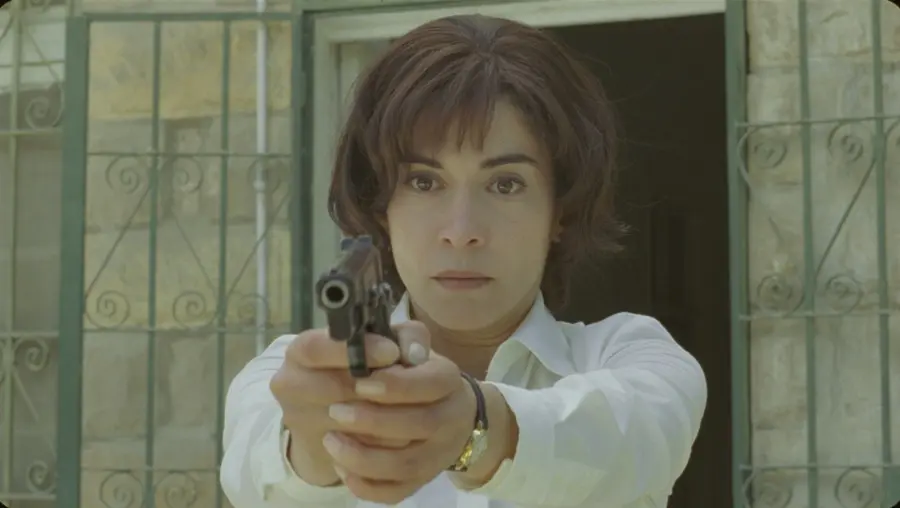
However, the cycle of anger was already deeply embedded. In the making-of video for 〈Scorched〉, there is an interview with the actress who played the grandmother who saved Nawal in the film. The content is shocking. In the film, she is portrayed as a kind grandmother who helps Nawal escape from her brothers who want to kill her after she falls in love with a refugee and becomes pregnant. However, in reality, the actress states, "If my daughter did such a thing, I would have to strangle her to death. I can't let her escape. I would strangle her to death and kill the baby too. She has brought shame to the family." Such tolerance and compassion for refugees were nowhere to be found in reality. What should we do about the 'inherited anger' that Denis Villeneuve and the original author Wajdi Mouawad spoke of?
The Sensory Use of the Soundtrack,
Radiohead's 'You and whose army'
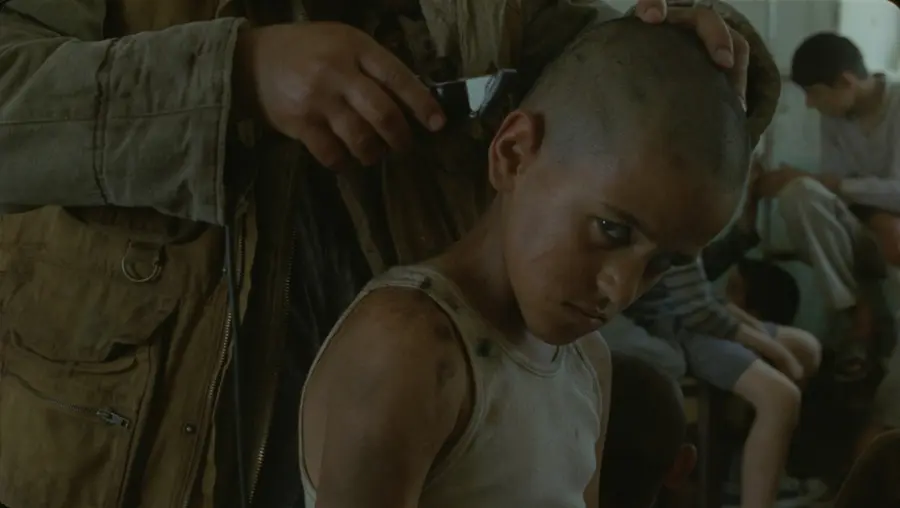
As the play was adapted into a film, Denis Villeneuve's sensory use of the soundtrack also stands out. The opening song 'You and whose army' is a track by Radiohead that criticizes and expresses disillusionment with those in power. The title can be interpreted as, "Do you have an army supporting you? What kind of backing do you think you have to act like that?" Specifically, it reflects criticism and disillusionment with the British Labour Party under Tony Blair at the time. In an interview, Radiohead's Thom Yorke stated that it was about the situation where someone who rose to power through public choice, like Tony Blair, ultimately shamelessly betrays the people who elected him. The song begins with the image of a boy getting his head shaved, showing the grim reality of a child who must pick up a gun before even establishing a 'worldview.' The entire song is used in the opening, and Denis Villeneuve reportedly listened to it continuously while writing the script and on set with headphones.
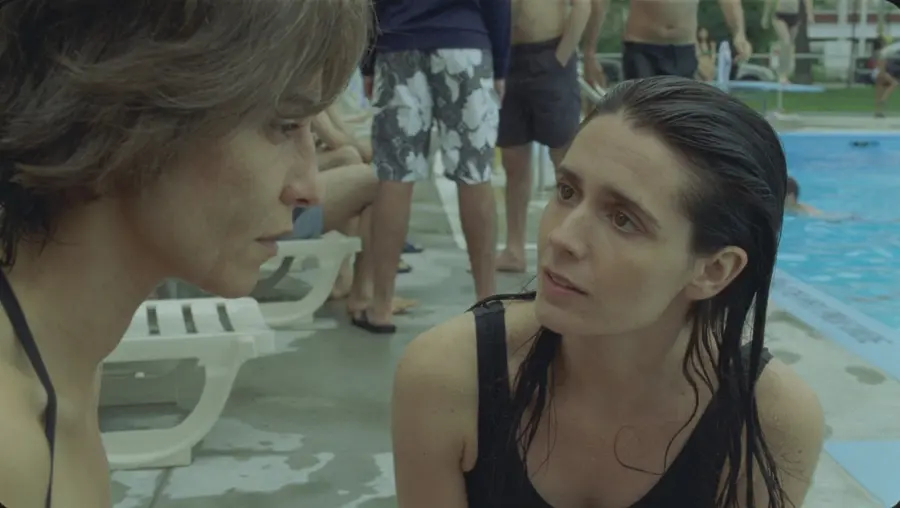
〈Scorched〉 is ultimately a film with a twist. The horrific events depicted in the film convey that 'nothing is impossible in war.' In fact, even worse things can happen. War is truly a time when humanity is annihilated. Therefore, the scene in the film where '1+1=1' reflects Denis Villeneuve's struggle to avoid directly expressing the events that actually occurred. The protagonist's profession as a mathematician is also significant. For him, who understands the events in the world as occurring strictly according to numbers and formulas, the war and the world are paradoxically shown to be entirely different. Thus, the characters had no choice but to remain silent. Wajdi Mouawad recalled his childhood in Lebanon as a 'beautiful house with a sunny garden,' yet he could not bear his parents' silence. Although he did not experience tragedies like those depicted in the film, he stated that he wrote to 'give a name to his parents' silence.' This silence is reflected through the character of 'Sauda,' a refugee woman who is Nawal's comrade and friend in the film. Why do people remain silent? Perhaps they desired oblivion instead.
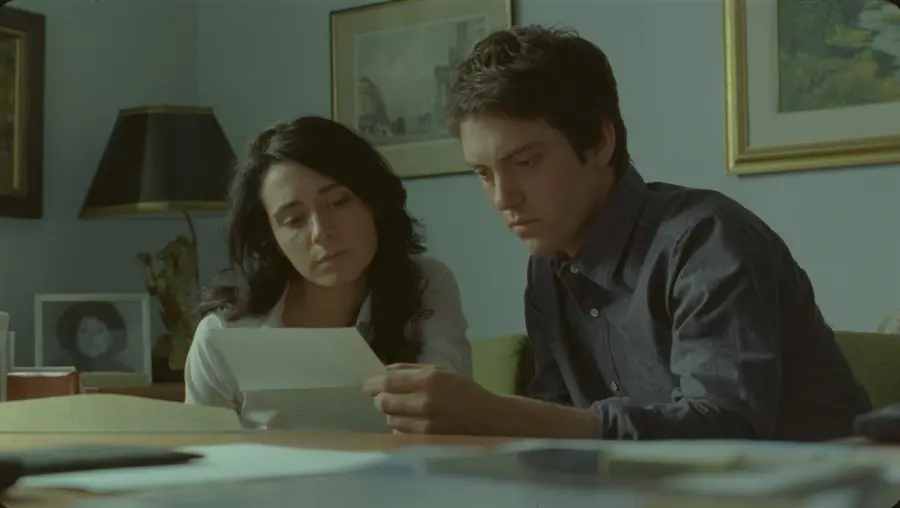
Recently, there was a tragic news coinciding with the re-release of 〈Scorched〉. Due to military clashes between Israel and Iran, a UN meeting that was supposed to discuss the recognition of Palestine as a state has been indefinitely postponed. Amid the ongoing retaliatory bombings between Israel and Iran, the Palestinian Authority delegation has been unable to even travel to New York, where the UN headquarters is located. Just as Denis Villeneuve perceives 〈Scorched〉 not merely as a story of the Lebanese Civil War but as a universal human situation, when will we be able to break the tragic cycle of flames that extends from Lebanon and Palestine to Syria and countless countries in Africa experiencing civil wars?



댓글 (0)
댓글 작성
댓글을 작성하려면 로그인이 필요합니다.
로그인하기