


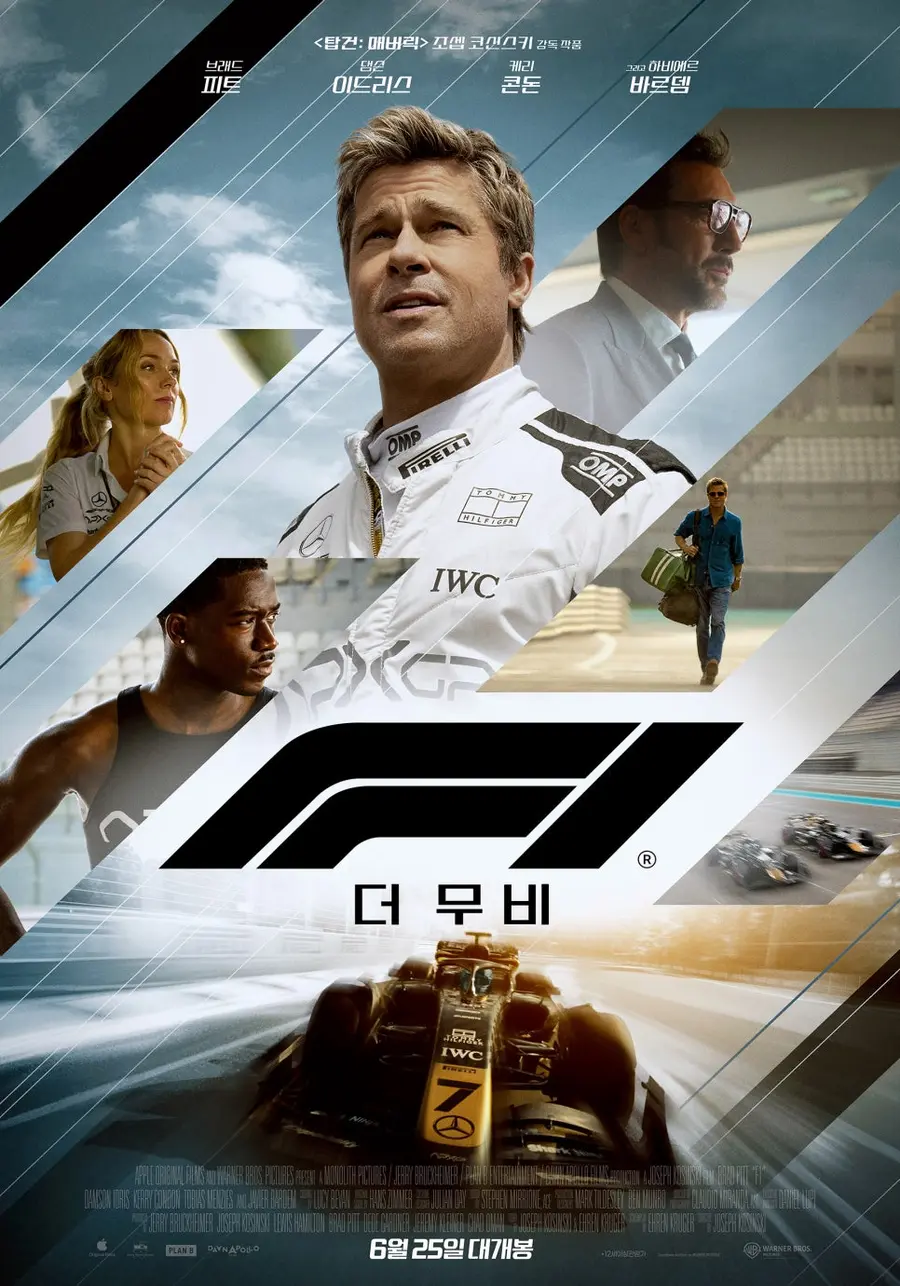
The reason I watched 〈F1 The Movie〉 in theaters twice was precisely because of the sound. The roaring sound of racing cars, the noise of the track, the cheers of the audience, the commentary from the casters, and the film music layered together to create an explosive thrill—how could one not enjoy that moment?
The successful combination of music, video, and sound in 〈F1 The Movie〉 excellently expresses the intersection of sports films and racing films. How did the auditory elements of 〈F1 The Movie〉 come to be? This article reconstructs the behind-the-scenes of the music work for 〈F1 The Movie〉 based on interviews with foreign media and official materials.
# 'Hybrid' Score Combining Orchestra and Electronic Music
F1 is a sport with dual characteristics. It is a unique discipline where the essence of 'pure speed competition' inherent in traditional sports merges with cutting-edge technology.
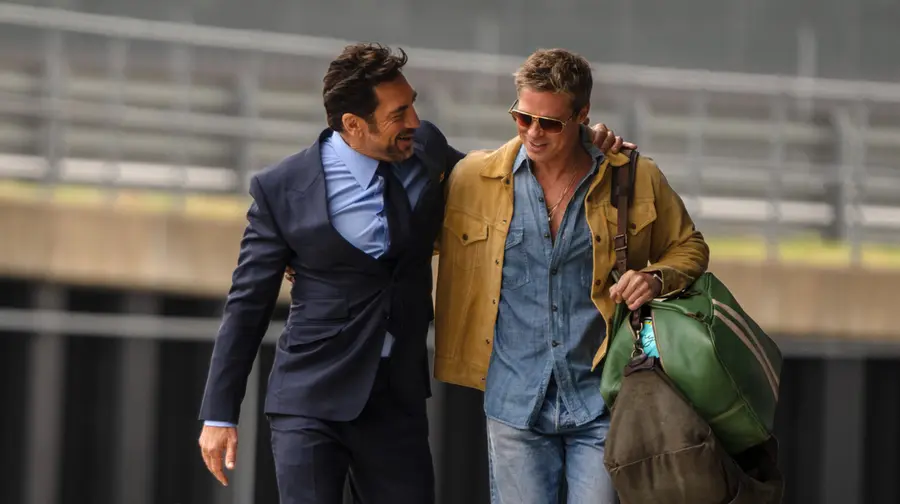
The production team, including Hans Zimmer, aimed to capture the musical identity of 〈F1 The Movie〉 as a sport that encompasses both the past and present, rich history, and state-of-the-art technology. Therefore, Hans Zimmer composed a 'hybrid' score that combines orchestra and electronic music, and Joseph Kosinski stated, "The sport of F1 encompasses both the past and the future. I asked Hans Zimmer to ensure that the film's music coexists with tradition and modernity."
Zimmer captured the dual identity of F1 by stating, "F1 is both science and art," conceptualizing the orchestra as 'humanity' and electronic music as 'machine' to compose the hybrid score. Additionally, Zimmer believed that electronic music resembles the unpredictability of racing. He remarked, "Synthesizers are similar to racing. You can never know exactly what will come next, so there is always an element of surprise inherent in it."
# The Secret of Realistic On-Site Sound
The reason I could experience an extreme sensation as if the theater had become the track and my seat had turned into the driver's seat of a racing car was precisely due to the 'real' racing sound.
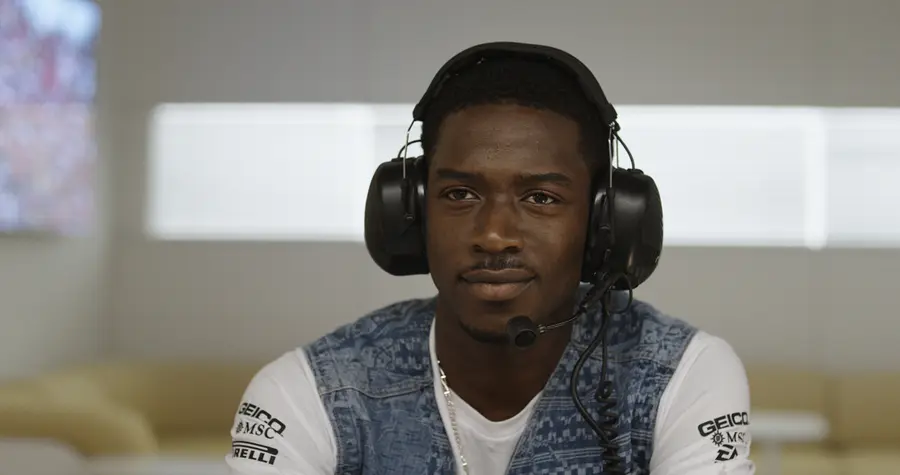
The most significant feature of the sound design in 〈F1 The Movie〉 is that the actual F1 on-site sounds were 'musicalized.' The sound team installed high-sensitivity microphones throughout the car body, including the track, pit line, and exhaust, recording the engine sounds, cornering sounds, track vibrations, audience cheers, and breaths. The collected sounds acted like 'instruments,' becoming important musical rhythms that transcended simple sound effects, resulting in a film that Joseph Kosinski had long desired, where the audience could feel as if they were inside the car.
As a side note, the scene where the production team faced the most difficulty in sound mixing was the Silverstone racing scene. This was because the Silverstone scene contained no music, only sound effects. The Silverstone scene was composed solely of on-site sounds, creating a density that made the audience feel as if they were inside the vehicle.
Meanwhile, the voice of the commentator was also an essential element in completing the realistic sound of 〈F1 The Movie〉. Actual F1 commentators Martin Brundle and David Croft provided impromptu commentary while watching the edited race of 〈F1 The Movie〉, allowing the film to deliver an exhilarating experience that made the audience feel as if they were watching a real race.
# Pre-Planned Important Musical Moments
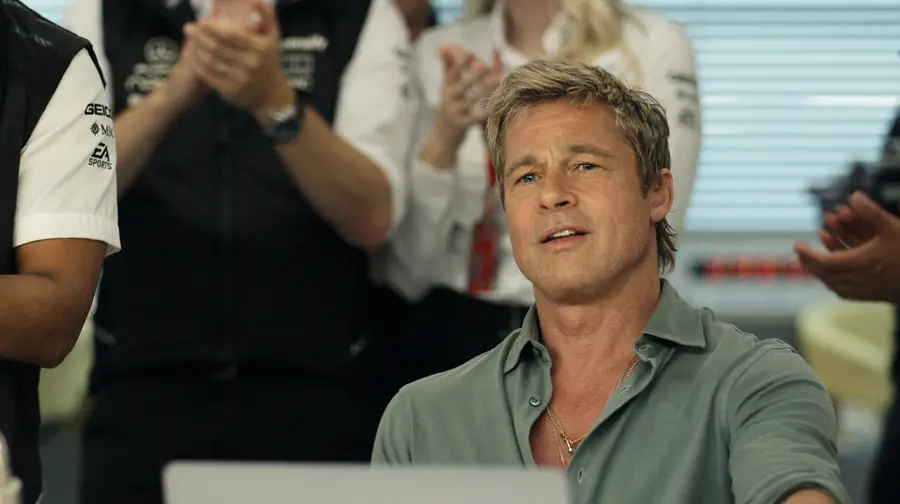
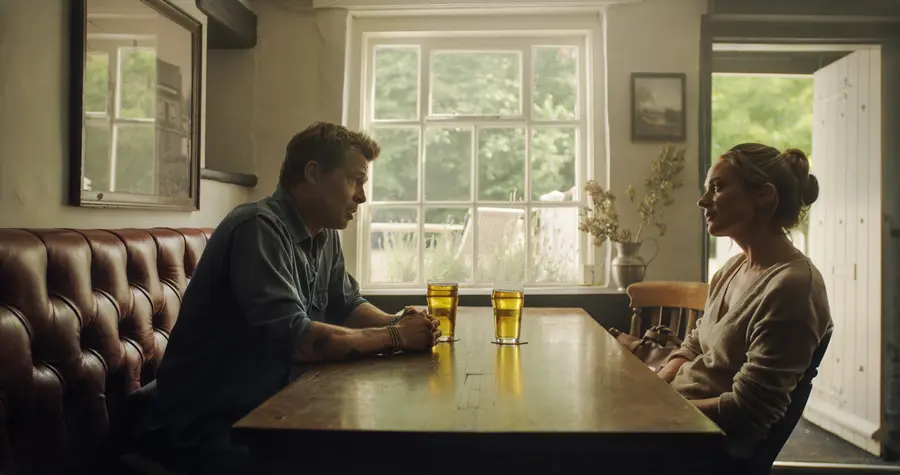
At this point, it should be clear how much effort Joseph Kosinski put into the music of 〈F1 The Movie〉. From the planning stage of the film, he had already mapped out 'important musical moments.' As a result, famous tracks like Queen's 'We Will Rock You' and dozens of original songs were used in the film.
However, this did not mean that a famous song was necessarily inserted into a specific scene. The production team prepared about ten songs tailored to specific sequences in the editing room, then selected the one that fit best. The film's producer stated, "It's not always the song that is expected to be the biggest hit or the one featuring the most famous artist that gets chosen."
# Editing to Match the Tempo
Hans Zimmer, the director, and the sound team constantly fine-tuned the tempo of the music and visuals under the principle that "if the music is too fast, the screen looks slow, and if the music is too slow, the tension dies." Therefore, they meticulously adjusted the speed of music, editing, and sound not only in racing scenes but also in everyday dialogue scenes.
Additionally, the film's producer and F1 World Champion Lewis Hamilton provided specific feedback while watching the film's cuts, such as, "This corner should be in fourth gear," which contributed to the creation of a film with even more realistic sound.
# Diverse Participation of Global Artists
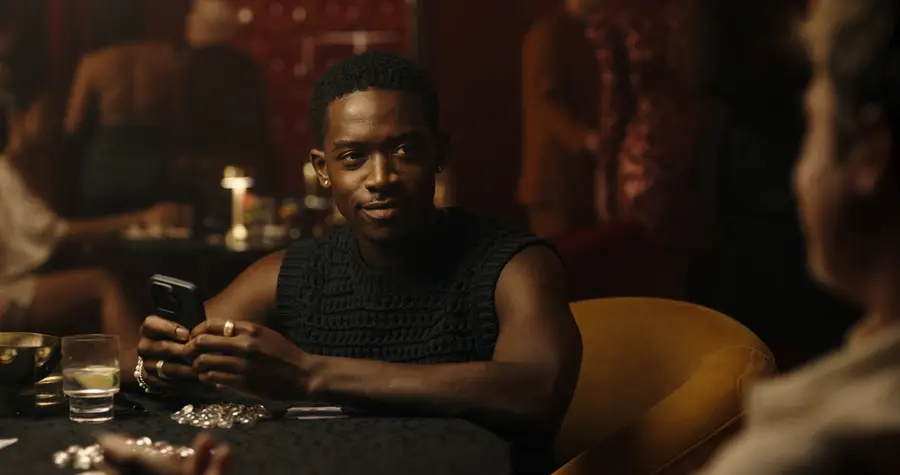
The production team aimed to capture the global essence of F1 in the soundtrack of 〈F1 The Movie〉. Just as the F1 racers visit tracks around the world, the nationalities and music genres of the artists participating in 〈F1 The Movie〉 are incredibly diverse. From country, hip-hop, to afrobeats, the soundtrack of 〈F1 The Movie〉 reflects diversity and dynamism.
Moreover, the global artists who participated in the soundtrack of 〈F1 The Movie〉 actively engaged with the film in various ways. For instance, Rosé, who sang and wrote 'Messy,' and Chris Stapleton, who sang, composed, and wrote 'Bad As I Used To Be,' created their tracks after watching the film's edit for inspiration. Additionally, the song 'Drive,' which plays during the film's ending credits, was sung and written by Ed Sheeran, for which Joseph Kosinski provided Ed Sheeran with ten phrases symbolizing 'Sonny Hayes' (played by Brad Pitt). This song symbolizes the peak of the Sonny Hayes character.
Meanwhile, a musician related to F1 also participated in the film. DJ Tiësto contributed to the track 'OMG!' and is an artist who has performed at F1 races multiple times. DJ Tiësto also made a cameo appearance in the Las Vegas club scene of 〈F1 The Movie〉.
# Character-Specific Theme Songs Revealing Personalities
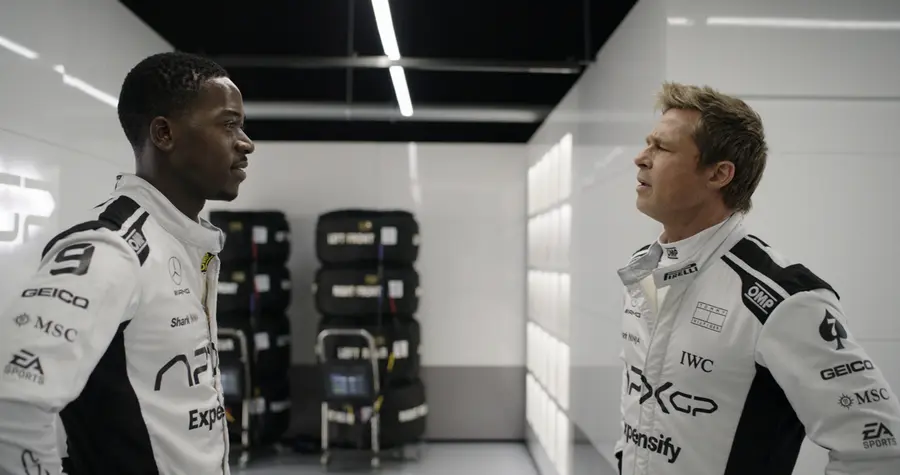
Differentiating the music genres according to the characters in the film was also an excellent aspect. Music director Hans Zimmer assigned a Western gunslinger-style theme song to 'Sonny Hayes,' played by Brad Pitt, revealing the recklessness, courage, and strength of Sonny Hayes, akin to a cowboy. Meanwhile, the young racer Joshua Pearce (Damson Idris) was given a theme song composed of electronic, rock, and dance elements to naturally express the tension and cooperation between generations in the film.

![[OTT Ratings] Cineplay reporter ratings for Netflix series 'Scandal'](https://cdn.www.cineplay.co.kr/w300/q75/article-images/2026-09-21/b3a9b606-46e0-40e8-9d5c-c054a0f03ba4.jpg)
 Cineplay Reporter Star Rating"" loading="lazy" />

댓글 (0)
댓글 작성
댓글을 작성하려면 로그인이 필요합니다.
로그인하기