



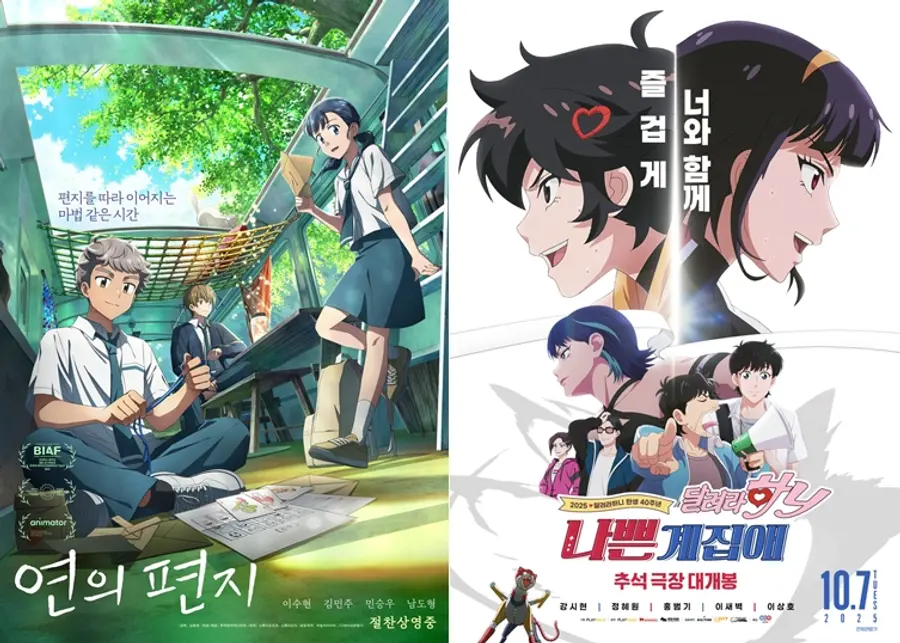
Japanese animation is dominating the Korean box office. The film 〈Demon Slayer: Mugen Train〉 released in August created a sensation, and now the film 〈Chainsaw Man: The Legend〉 released in September is following suit. I felt the need to introduce two animations that are struggling in this rare phenomenon. They are the domestic animations 〈Your Letter〉 and 〈Run, Hani, Bad Girl〉. Both films, released on October 1 and October 7 respectively, may seem modest compared to the previously mentioned animations, but they are works with distinct advantages. Rather than simply embodying the spirit of 'local is best', both films have elements that are worth watching, and I hope to introduce them together. If you think, 'There’s nothing but Japanese cartoons to watch in theaters these days,' I humbly wish for you to remember these two films.
〈Your Letter〉
The Power of Small Kindness
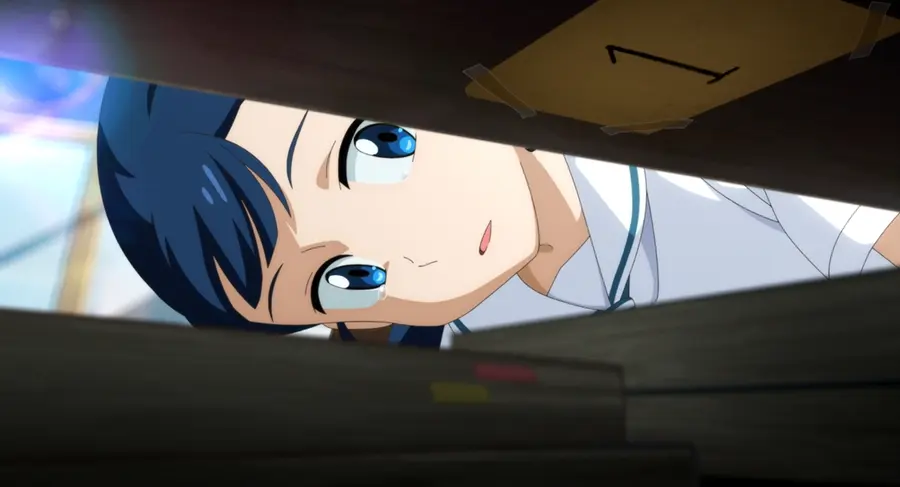
〈Your Letter〉 is based on the webtoon of the same name by author Jo Hyun-a, serialized on Naver in 2018. It depicts the events that unfold when Lee So-ri, who returns to her hometown after being bullied, discovers a letter in her place. The webtoon is quite short for a 10-episode series, but the story development is solid and substantial. The newly released film adaptation has retained the original's framework almost intact.
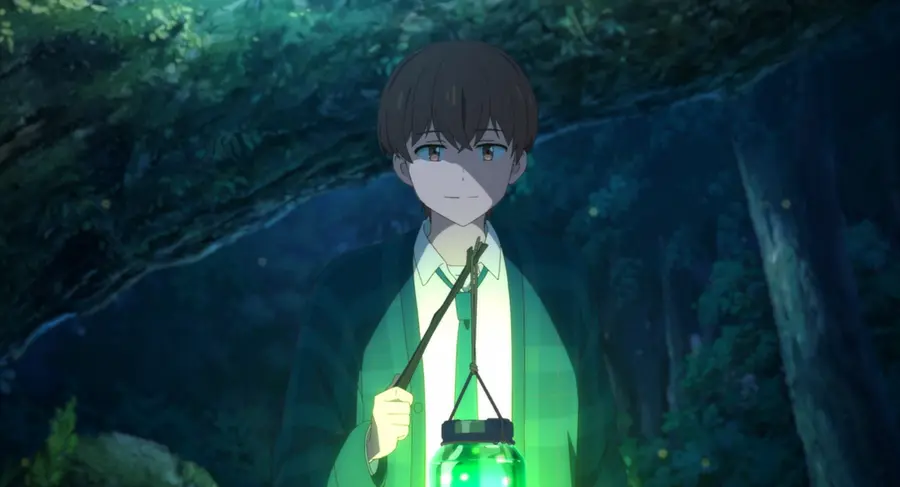
The story poses a mystery about who the child that left the letter discovered by So-ri (Lee Soo-hyun) is, and where the letter left by that child is. However, it is not just a tale of riddles; it closely follows So-ri as she meets a child named Park Dong-soon (Kim Min-ju) and begins to form attachments around the school, depicting her process of overcoming trauma in a coming-of-age drama. The warm yet lonely art style, characterized by somewhat thick pen lines, round designs, low saturation, and watercolor-like backgrounds, is particularly impressive as it resonates with the genres of mystery and coming-of-age drama. Recently, as the animation was released, an epilogue featuring the three main characters was unveiled after a long time. If you have only seen the animation, I recommend catching up on this.
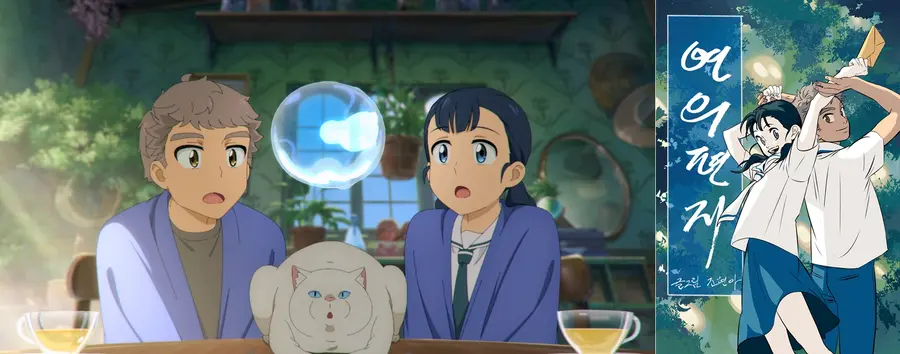
One downside is that the animation seems to have focused more on the 'coming-of-age drama' aspect, making several changes. The most noticeable change is in the animation style. Overall, the colors and character designs have been sharpened. While the viewing pleasure has increased compared to the original, which had a lot of blank space, the mysteriousness and dreamlike qualities of the original have somewhat diminished. The inclusion of several vocal songs with lyrics may also be a point of contention. However, considering that animation is an audiovisual medium, it is a disappointment but not a flaw.
〈Run, Hani, Bad Girl〉
The Transformation into a Double Protagonist Growing Together
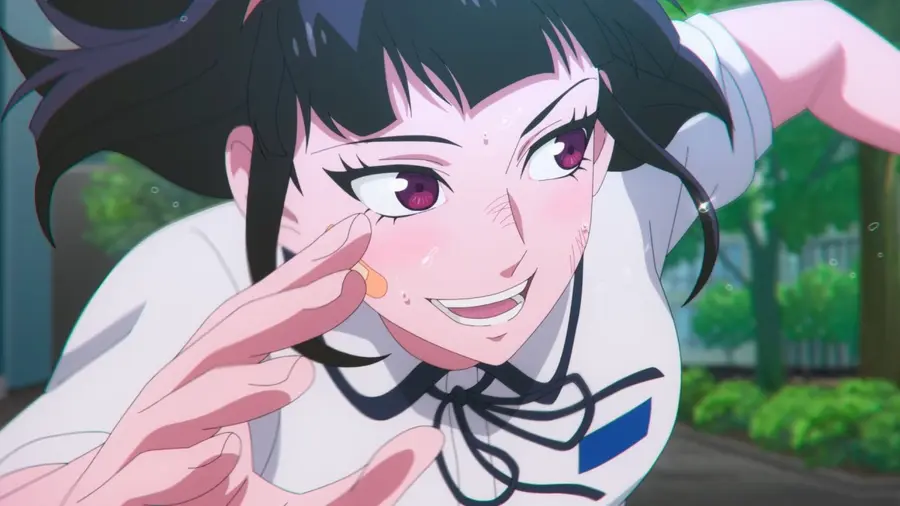
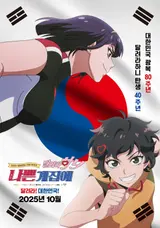
〈Run, Hani, Bad Girl〉 is a 40th-anniversary work of author Lee Jin-joo's 「Run, Hani」 and is a sequel to the 1988 broadcast of 〈Run, Hani〉. 〈Run, Hani〉 was a 13-episode animation that became the first domestically produced animation to be regularly scheduled in Korean broadcasting history, creating a significant buzz. Especially, it led to the Hani syndrome coinciding with the momentum of the 1988 Seoul Olympics. Even after 40 years, the theme song sung by Lee Sun-hee and elements from the series are still frequently mentioned, so no further explanation is needed.
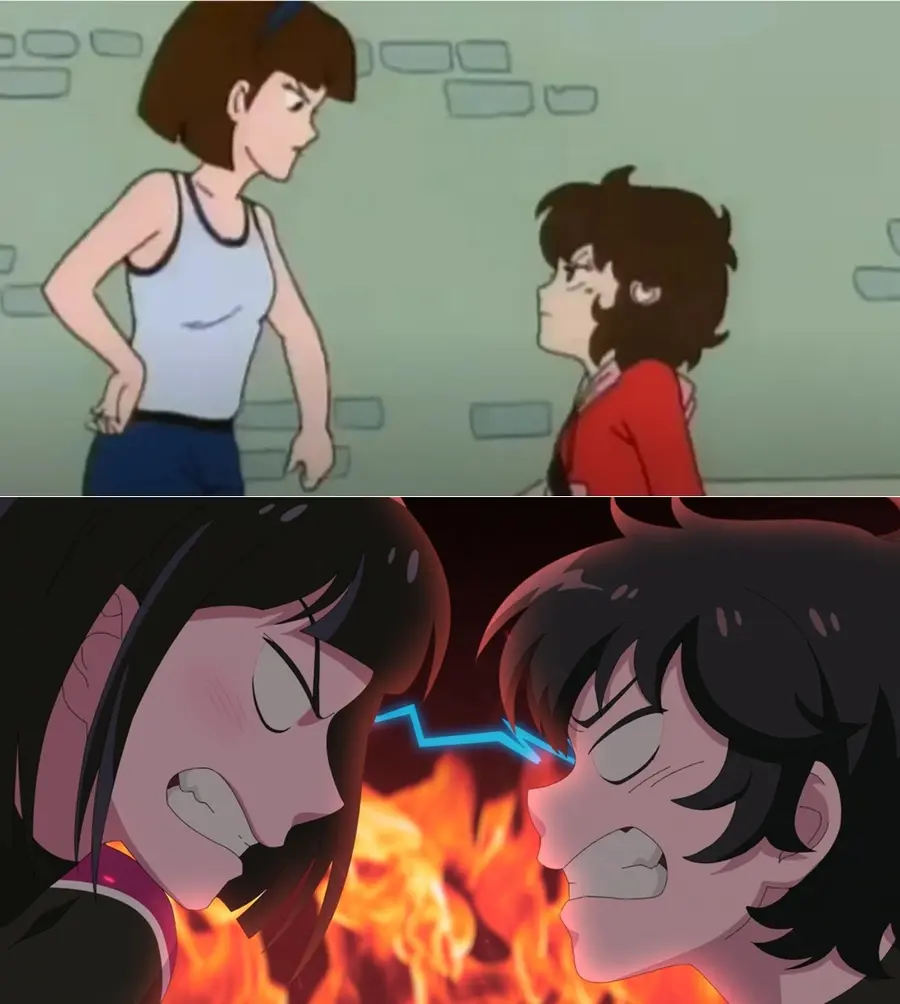
〈Run, Hani〉 tells the story of Hani, who is left alone after losing her mother and her father remarrying, as she challenges herself in athletics. This film adaptation depicts the reunion of Na Ae-ri (Kang Si-hyun), who lost to Hani (Jung Hye-won) in that earlier competition, as she transfers to the high school Hani attends, and they participate in 'S-run' (a street running style sport in the story) as a duo against a new rival, Joo Na-bi (Lee Sae-byeok). The title 'Run, Hani' is adopted as a subtitle, encapsulating the essence of the work, with Na Ae-ri, symbolized as 'bad girl', set as the main character. The narrative revolves around Na Ae-ri's perspective, exploring how she, already a 'complete athlete', makes another leap. In this process, Hani and Na Ae-ri evolve from mere rivals to true partners, and 'Run, Hani' transforms into a double protagonist system. The original characters, Coach Hong Duk-gae (Hong Beom-ki), Chang-soo (Lee Sang-ho), and others also join in.
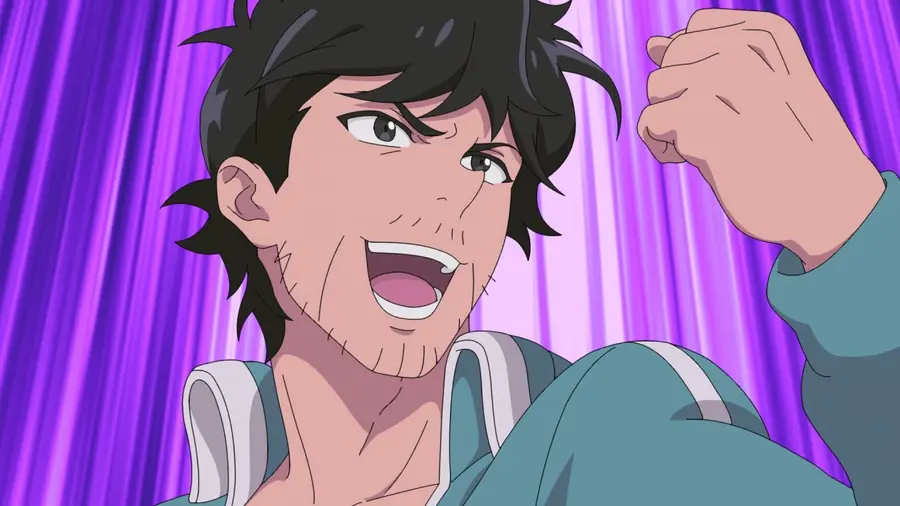
While it is not a flawless work, it is a bit more refined in animation style, and unlike the current trend of 'revisiting villains', the comedy within the work remains stagnant. Most of the comedy is filled with the characters' antics or overreactions, and while considering that this is the first film adaptation, it would have been nice if it had been supplemented as a modern sequel. As a 40th-anniversary work, there may be more viewers who only remember the characters rather than the original, and this aspect will likely divide opinions.





댓글 (0)
댓글 작성
댓글을 작성하려면 로그인이 필요합니다.
로그인하기