


In a fiercely competitive world where only 0.1 percent of aspiring artists debut, and among them, only 0.001 percent can succeed. The joy of dreaming of becoming a trainee as the destination of dreams does not last long. To meet the conditions of the agency, each artist erases their individuality, and within the 'Korean-style training' system, their uniqueness is quickly depleted. In a sense of becoming like a 'robot', the expectations they had when starting music also fade away.
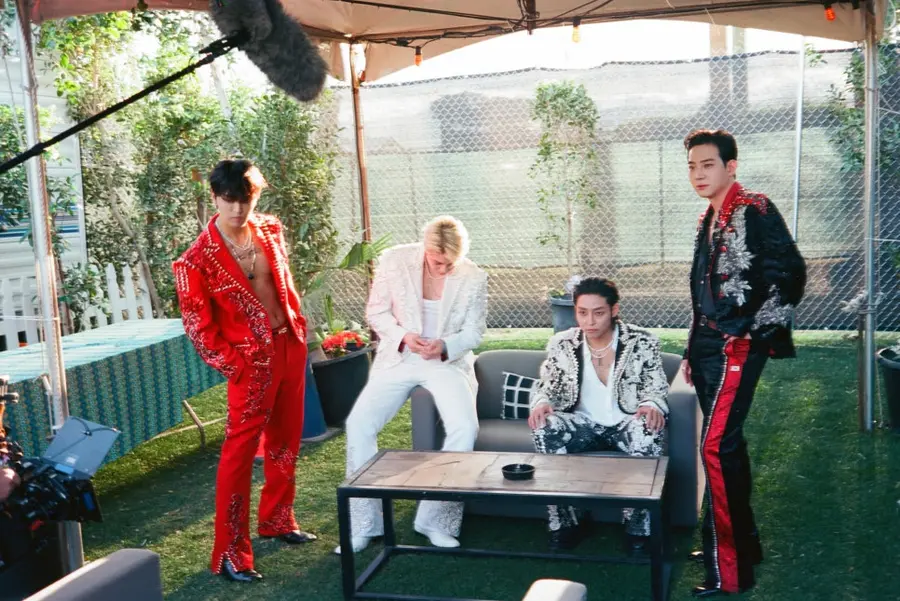
This is the dark side of the K-pop phenomenon sweeping the globe. Is there only one way to succeed and communicate through music? There is a band that has found answers to their music with challenges and questions that break away from the established formula. 'The Rose' is a four-member band formed in 2017 by Kim Woosung, who is from the audition program 〈K-Pop Star〉, Park Do-joon and Lee Ha-jun, who honed their skills through busking in the streets of Hongdae, and Lee Tae-kyum, a former idol trainee. Without any system or support, they made it onto the Billboard charts and became the first Korean band to perform on the Coachella stage, making their start resemble that of the 'ugly duckling' when viewed through the lens of K-pop success formulas.
During a time when no one had expectations for them, it was the overseas fans from Europe and America who first recognized them, saying, “Let’s sing what we love, regardless of who listens.” Their solid performances, vocal abilities, and stage presence, along with their stylish image, broke down global barriers. Above all, their music, which captures the sense of pain, recovery, and solidarity, resonated with fans under the keyword 'healing'. Like the lyrics of 〈The Rose〉's 'Definition of Ugly Is', the members' belief that “being different and special is neither wrong nor incorrect” became an attitude of “even if everyone hates it, it’s alright, I really don’t belong,” and they have carved out their own path that is not even on the navigation.
The journey of a band that has strayed from the path is reminiscent of the busking scenes in the movie 〈Once〉 and the debut route depicted in 〈Begin Again〉. The Rose has proven that if you have talent, you can meet the world with your music outside the system, and they are undoubtedly a new type of global band nurtured by this era. Now in their eighth year since debut, they say they gather their thoughts by watching director John Carney's film 〈Sing Street〉 at the beginning of each year. “When doing music, I always imagine glamorous scenes in my head, but they don’t come easily. Most of the time, it’s moments of failure, but we don’t give up. The narrative of 〈The Rose〉 was like that,” says band leader Kim Woosung.
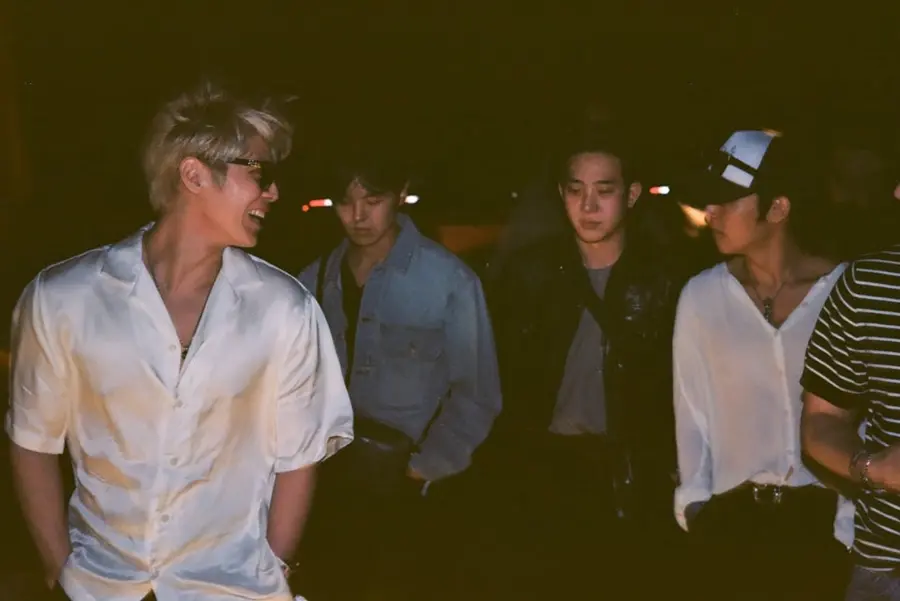
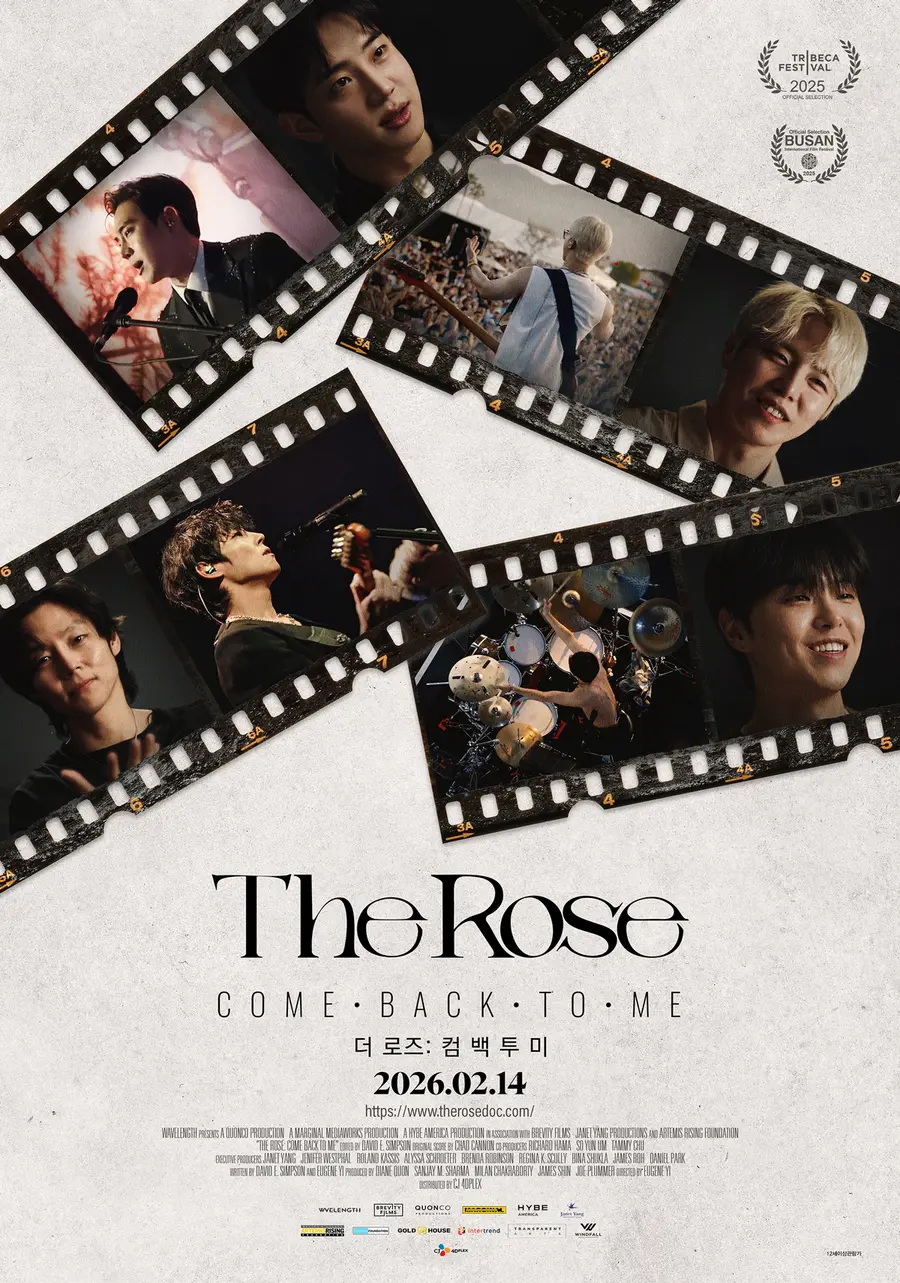
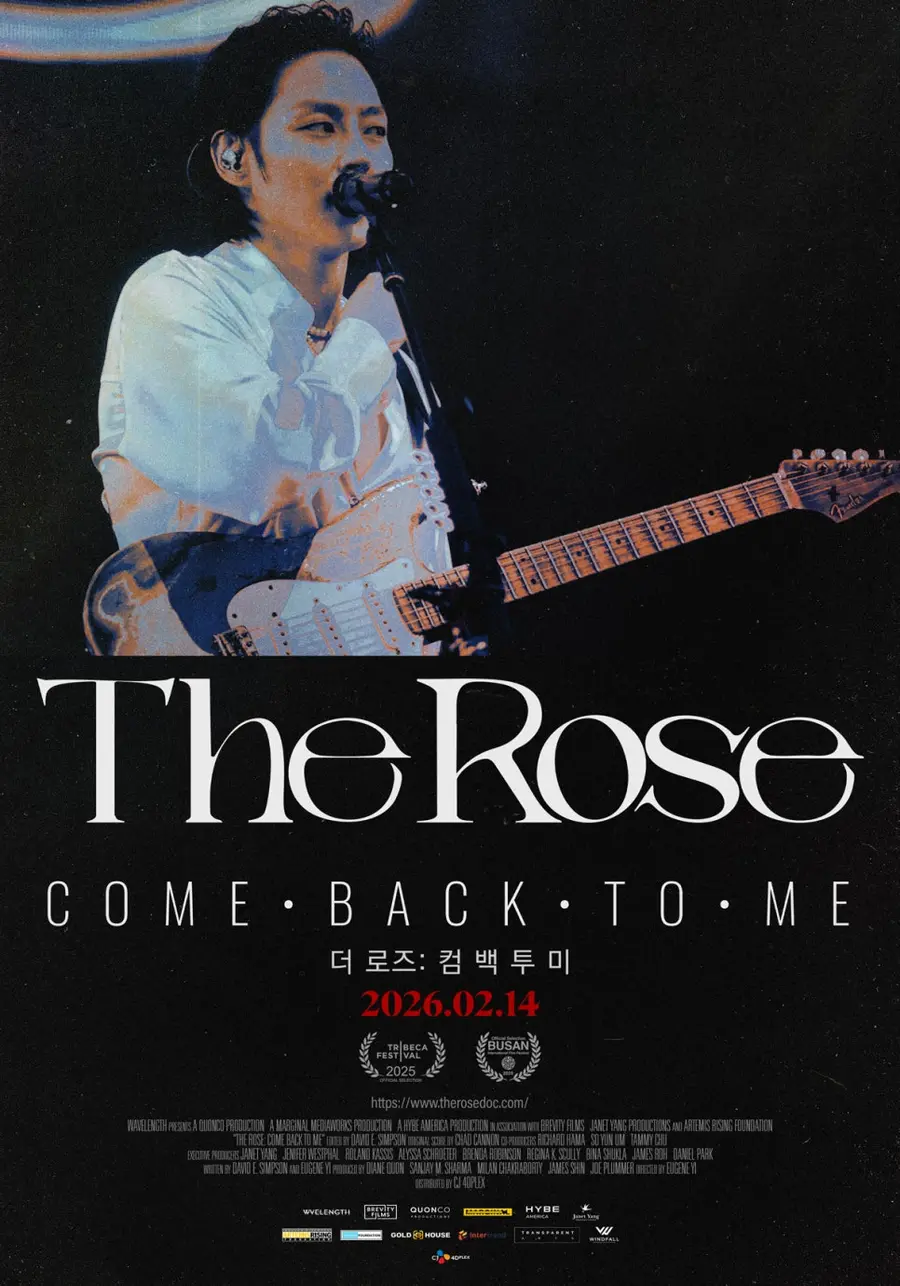
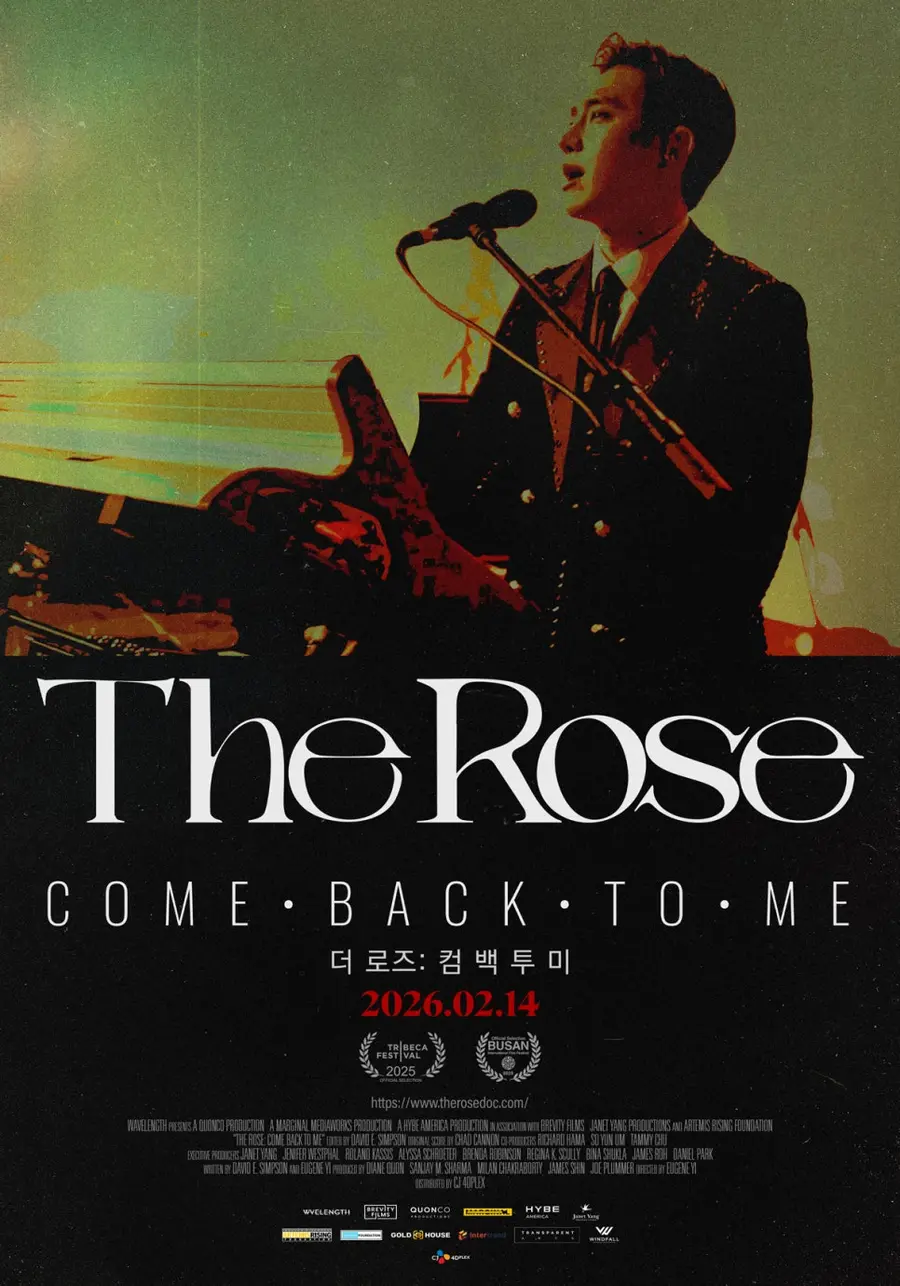
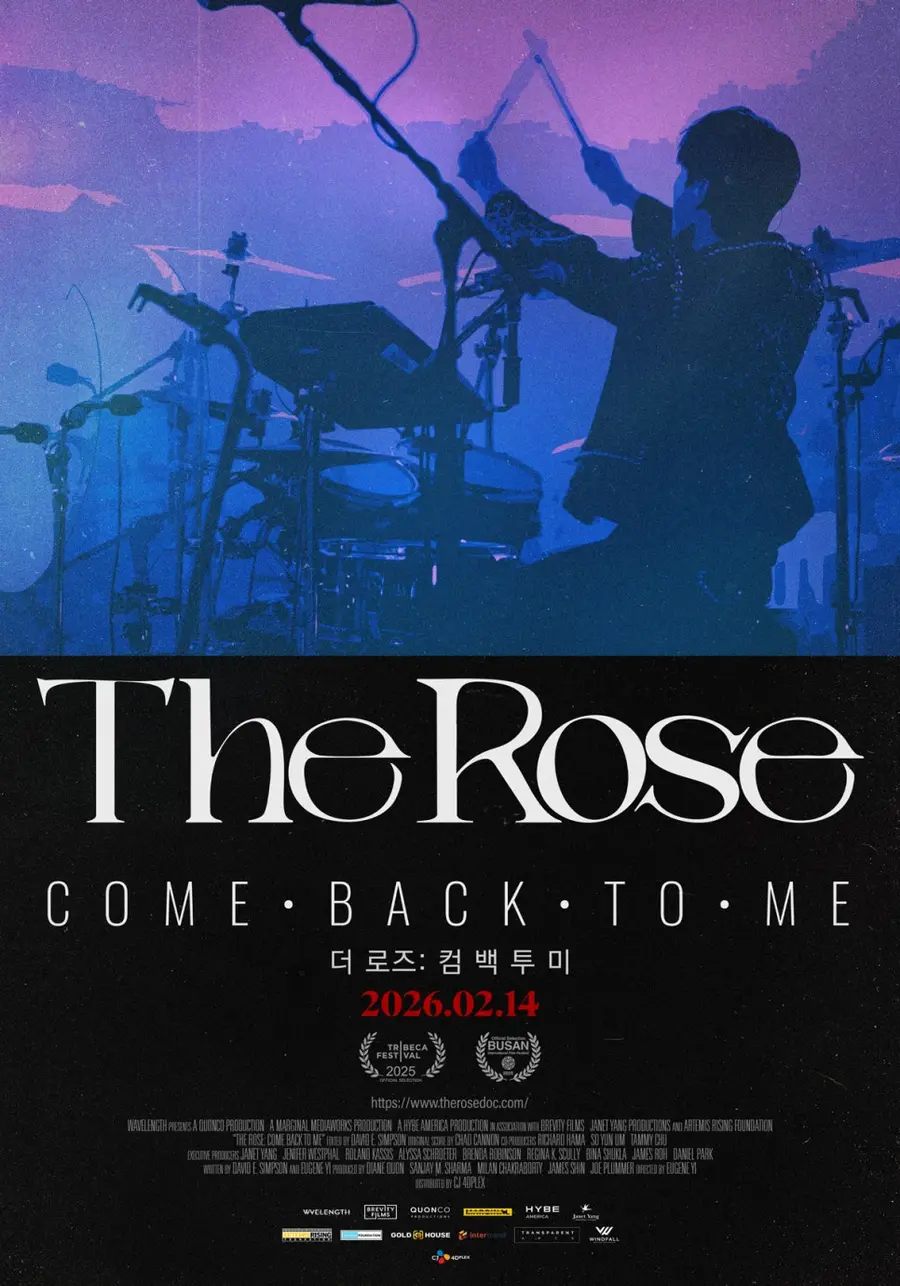
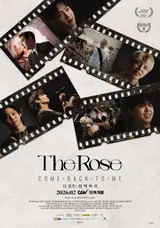
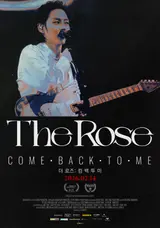
〈The Rose: Come Back to Me〉 is a documentary that captures the ongoing challenges of the band The Rose in their eighth year since debut. It features honest interviews with the members about the formation of the band, the crises they faced, and their current success. Interestingly, The Rose does not reduce their current success to a simple 'overcoming narrative'. The film asks what choices they had to make and what they had to give up to survive as artists within that structure, before praising the expansion of K-pop's outer boundaries. This is why the film that started with The Rose ultimately expands into an examination of today's music industry and the concerns and sensibilities of the younger generation.
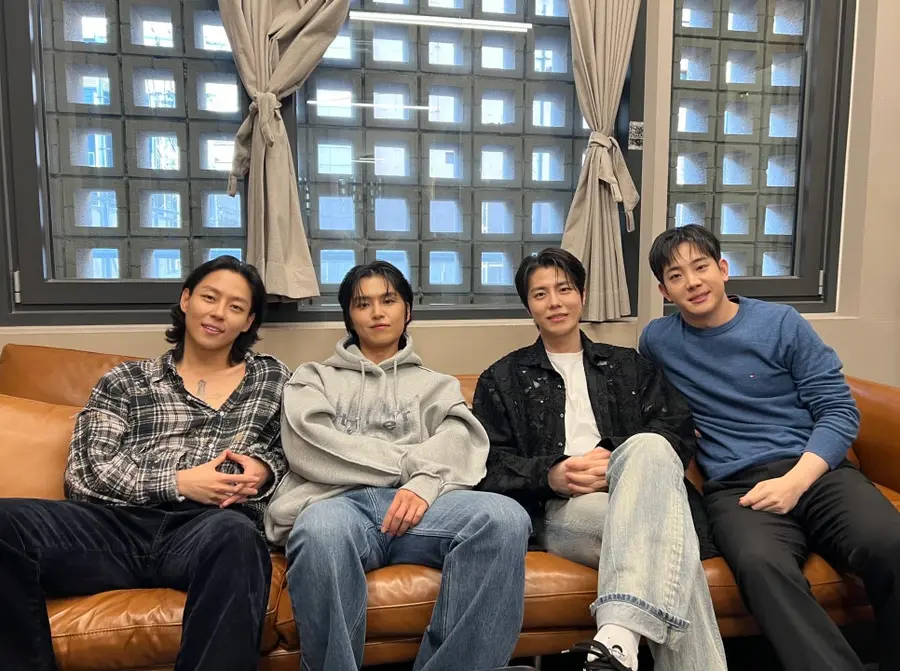
The next work of director Lee Joo-yoon, who gained attention at the Sundance Film Festival with the documentary 〈Pro Cheolsu Lee〉 (2023), which deals with the life of a Korean immigrant wrongfully accused of murder, poses valid questions not only to fans of The Rose but also to audiences encountering the band for the first time and to artists dreaming of becoming the next The Rose. Starting with last year's Tribeca Film Festival in the U.S., 〈The Rose: Come Back to Me〉 was released at the Busan International Film Festival to positive responses and is set to be released worldwide through CJ 4DPLEX's global network. Ahead of its domestic release on February 14, we met the members of The Rose in one place. The members conveyed their tension and excitement before the screen release, revealing a charisma that overwhelms the stage and another charm during the interview. Even if you didn’t know 〈The Rose〉, you can’t help but be drawn into the documentary, introducing the music of 〈The Rose〉 and the path they have walked.
It took 2 to 3 years to film the documentary. I imagine there were both expectations and worries about exposing your life in front of the camera instead of on stage.
Kim Woosung We asked the director to pick the most provocative moments. There’s so much content in the world. We thought we needed to create a reason for people to watch us. We told him to film everything, even if it’s the worst version of us.
Lee Ha-jun Let’s show not just our polished side but also our awkward moments. For example, I thought people would be curious about us not showering for a day or two while writing songs, but that was all cut out. (laughs)
Kim Woosung When I first saw the edited version, I protested to the director. (laughs) The director said that showing those things is dangerous. People don’t want to see that kind of stuff.
Park Do-joon When it came out on screen, I felt a bit worried. Would our honest selves be conveyed without misunderstanding? In that regard, we had many conversations with the director.
Lee Ha-jun I realized that showing what we want to express freely on stage is completely different from someone else pulling out my image as a subject.
Kim Woosung When we do music, we work with many professionals to shape our direction. I thought the same applies to film work. After seeing the final version, I told the director, 'Thank you.'
Lee Tae-kyum I really appreciate the director. We don’t seem like it on stage, but we are quite shy. We’ve never really opened up our true feelings. This project allowed us to reveal ourselves without any filters. Especially, it became an opportunity to explain our band in Korea, not just overseas.
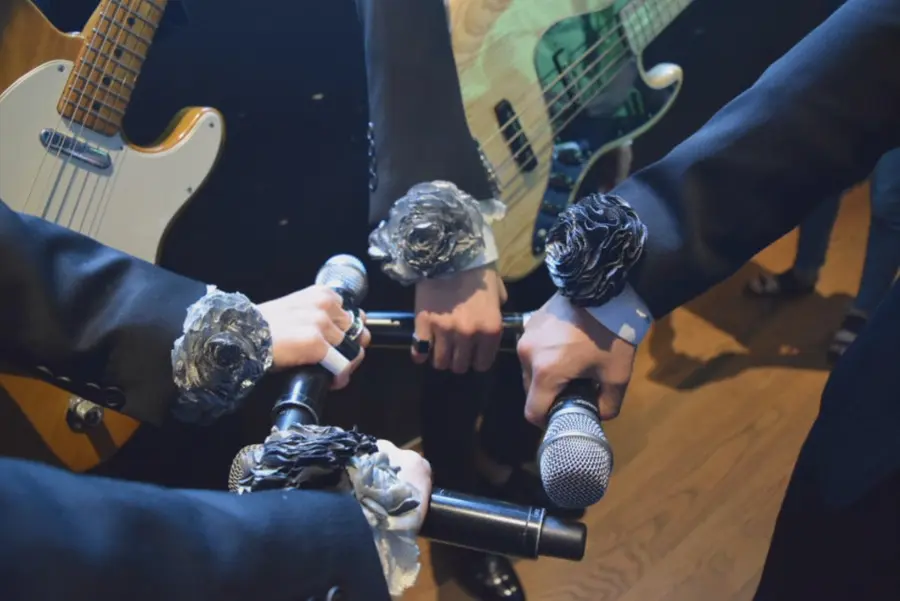
What was the experience of the interview like? I imagine there were stories that came out unknowingly in front of the camera.
Lee Tae-kyum The director asked questions that allowed me to express my true feelings. While sharing my story, I thought, 'Is it really worth crying this much?' But with one question, I found myself diving deeper. It felt like parts of me that I didn’t even know were resolved. I ended up crying when I saw myself crying on screen. (laughs)
Lee Ha-jun What was interesting was that we all did the interviews separately. Each of us spent almost over 4 hours. But when I watched the movie, I realized we were all saying similar things. We realized that we had been living as one without even knowing it.
Kim Woosung In 〈Ocean's Eleven〉, experts from each part come together to form the best team. We had many stories when the four of us came together, but we became one band called 'The Rose'. So we joked, 'We are totally the Avengers.' (laughs) I think the process of combining the passion we had when we were full of ambition into one band is all captured in this work.
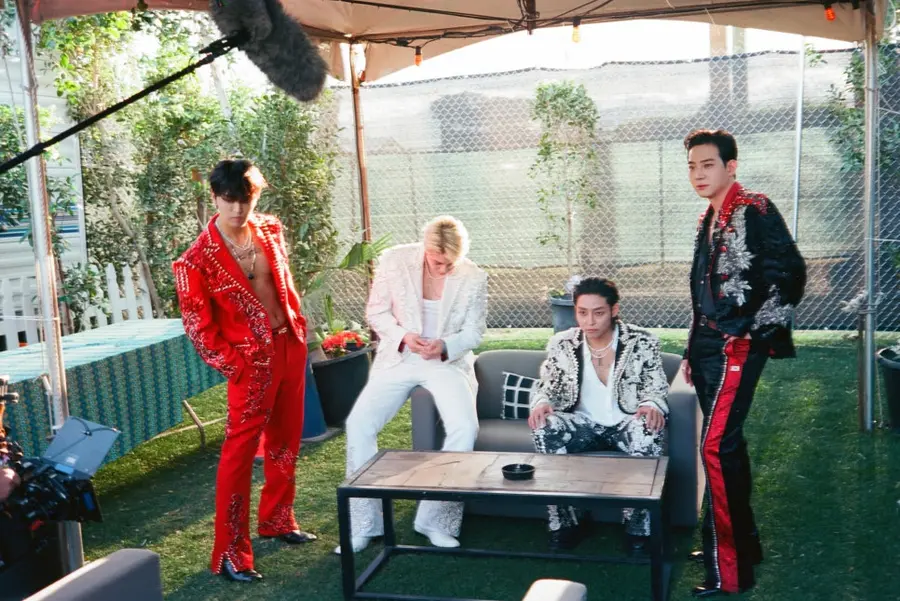
As we follow each member's history, we also catch glimpses of criticism towards the K-pop system and the mechanisms of audition programs.
Kim Woosung The song we love is 〈Definition of Ugly Is〉. Our hearts, which lived like ugly ducklings as outsiders, are naturally embedded in that song. Over the past 7 to 8 years, we have thought a lot about how to accept and overcome this system and navigate it in a way that suits us. We are still contemplating how to make music freely. I think that feeling is reflected in our work.
Park Do-joon In Korean society, not just in music but in other fields as well, the system is very clear. Breaking through this means, 'I am going to live a hard life from now on,' and sometimes I thought it might not be bad to just follow what the system says. K-pop has now created a structure where experts from each field work together and can create songs stably, allowing artists to focus entirely on the stage. Nevertheless, we started with a rebellious spirit and have come this far.
Kim Woosung The path that K-pop has paved is already solid and amazing. I also think that working within this system is not a bad way. However, we are people who cannot operate within the system. If someone tells us, 'Do this song,' we absolutely cannot do it. In that sense, the four of us understood each other. No matter what anyone says, we said we don’t want to do what we don’t want to do. I think what allowed us to push through was that we were not alone but four people. Because we had people we could trust, we were able to support each other.
Lee Ha-jun As much as we do music, we have shared all the tough times together. No matter what system it is, when people who resonate well with each other come together, there is definitely synergy that comes from that. What we experienced is that part.
I think this is a necessary message for juniors dreaming of another 〈The Rose〉.
Kim Woosung From the beginning, we heard the word 'you can’t do it' too many times. It was obviously unreasonable to form a band in Korea with members we hadn’t even practiced with. The first company we worked with didn’t believe in us, and friends advised us, 'Do you really have to be in a band in this situation? Just go solo.' But I still can’t forget the feeling when we first jammed together. When we wrote our debut song 〈Sorry〉, looking back now, all those feelings were right. It was a realization that said, 'You just have to go, you have to take this path.' I hope the path we have taken becomes hope and that those who follow us become even more amazing stars than us. However, I can’t recommend it. I want to say you have to be prepared. (laughs)
Park Do-joon Looking back on the past, there were many good times, but there were also many sad and difficult moments. It gives the feeling that it will just burst if we just hit it, but it only shows a little taste and then it doesn’t work out. This feeling of 'it might work' has continued for years. We have endured without giving up for years with the feeling that we just need to push a little more. Fortunately, now that I am over thirty, I am grateful that I can still do music and call myself a musician.
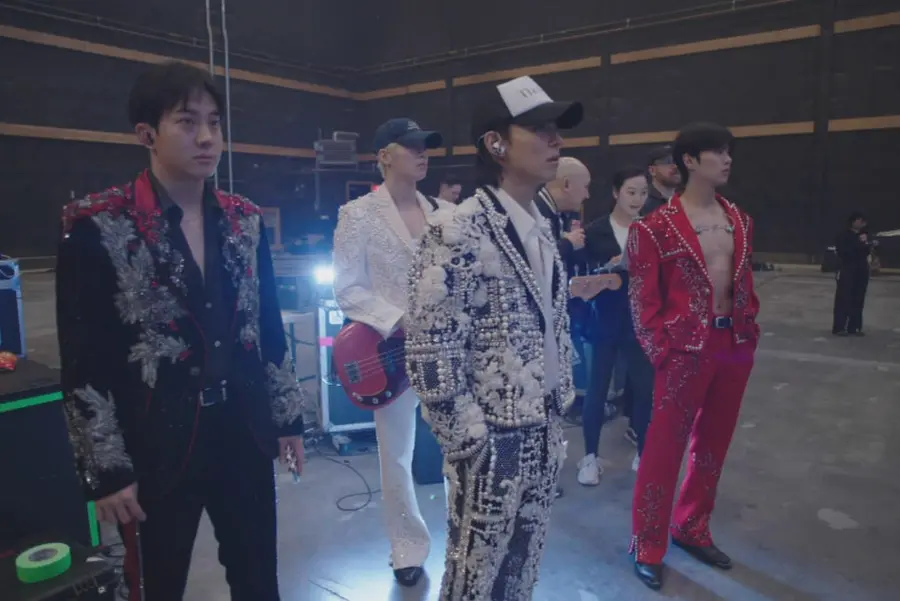
The moment we stood on the Coachella stage with the support of overseas fans was a performance that showcased the power of 〈The Rose〉. I imagine the feeling at that time was extraordinary.
Lee Ha-jun We stood on the Coachella stage in 2024, and at that time, we were on the poster with Le Sserafim, ATEEZ, and Peggy Gou, but we received no attention in Korea. Most people didn’t even know we were a Korean team. Out of 2,000 articles, we were mentioned in maybe one.
Kim Woosung We started in Korea. It’s really sad. (laughs) In fact, we went to Coachella very slowly, little by little. What we aimed for didn’t happen quickly. So when the moment we aimed for came, it didn’t feel surprising. Because we were slowly preparing, we were ready by then. So I was relieved. I was confident, but there was a lot of pressure to show well according to the name Coachella. The clothes were heavy. So I took them off! (laughs)
Lee Ha-jun Right. I took them off. (laughs) On the first day, I thought I had to show well, but on the second day, I thought, let’s just have fun and enjoy it. I think we changed our outfits spontaneously and performed freely.
Lee Tae-kyum That’s right. Before Coachella, we had a lot of festival experience. So we thought we would just go up naturally without any nervousness, but right before, my heart was racing. But once we started the first song, all the nerves disappeared. From that moment on, I started to enjoy the stage more. It was a fascinating experience.
Park Do-joon A year before we stood on stage, we were surprised to visit Coachella. We thought, when we stand on this stage someday, let’s do our best. That vague dream became a reality, but we weren’t too surprised. We had been preparing to sing in any environment while constantly torturing ourselves with hope. When the opportunity came, we thought we should seize it well.
While we have to go through difficult processes, on the other hand, the current environment allows us to appeal not only on the Korean stage but also on the 'global' stage. Writing English lyrics and communicating with fans in English has also played an important role in expanding the group.
Kim Woosung Dojoon and I grew up in the U.S., so English is natural for us. In fact, the band started in Hongdae. We had our first performance at Hongdae Rolling Hall. We gathered people by handing out candy on the street. It’s a venue that can hold about 200 people, but only 15 showed up, and 10 of them were friends. Back then, our goal was to fill half of the venue and to get into the Melon Top 100; we never imagined we would go overseas. Then we gained the support of overseas fans, went on tour, and ended up in Europe and the U.S. I had never even been to New York while living in the U.S. until then.
Park Do-joon In the early days of our debut, I said in an interview that I wanted to get into the Melon Top 100, and then I should dream of Billboard too. It was a dream. But I don’t know if it’s because we have people who speak English, but interestingly, we received responses from abroad first.
Kim Woosung It wasn’t just 'first'; we only received responses from abroad. (laughs) I am responsible for a lot of the lyrics, and there are words in Korean that can express emotions richly, but they can’t be translated into English, which was frustrating. Then, since more foreigners started listening to our songs, I thought I should convey them accurately in English from the beginning. Now we use both English and Korean, and that has become our color, and our fans have accepted it.
Park Do-joon In 2018, we went on a tour of five cities in Europe. A month or two after our first song came out, the audience was singing along to 〈Sorry〉. People who didn’t know Korean were singing our song perfectly from 1 to 100 in Korean. I was so surprised. That’s when I realized that music ultimately has no language barriers.
Lee Tae-kyum In fact, there are hardly any bands that have walked the same path as us, so people around us often ask how we did it. But there was no method. We didn’t say let’s speak English or target the U.S. market. Everything just flowed naturally. The older members originally spoke English, and now that we are naturally working with foreign companies, it has become natural for Hajun and me to speak English. That’s how the current system was created.
Thus, the music of 〈The Rose〉, which can be identified as 'healing', is communicating beyond language and borders. What plans do you have for the future?
Kim Woosung We are currently working on an album. This time, we are thinking about sharing a bit of our story.
Park Do-joon These days, I really feel that the times have changed. With the huge change of AI, every field, including film and broadcasting, is in a period of great transformation, and we are also undergoing transformation. The core won’t change, but in the end, we will adapt to the situation. Maybe because we have been tortured by hope until now, the more we want to do this or that, the more exhausted we become, and we realize that there are many regrets. I think I can say I have gained some insight. (laughs) Since we have worked hard until now, let’s continue to do so day by day. Let’s live like water flows.
Lee Ha-jun It seems like we are moving forward now, but there could also be times when things don’t go well or get blocked. Just because we decide doesn’t mean we can go 100%, so I think we are also contemplating contingency plans.
Lee Tae-kyum Until now, 〈The Rose〉 has been running forward while looking ahead. So I think it’s time to look back. Let’s think about the time we spent together. Above all, my biggest concern right now is that I hope we can come up with a good song.

댓글 (0)
댓글 작성
댓글을 작성하려면 로그인이 필요합니다.
로그인하기