


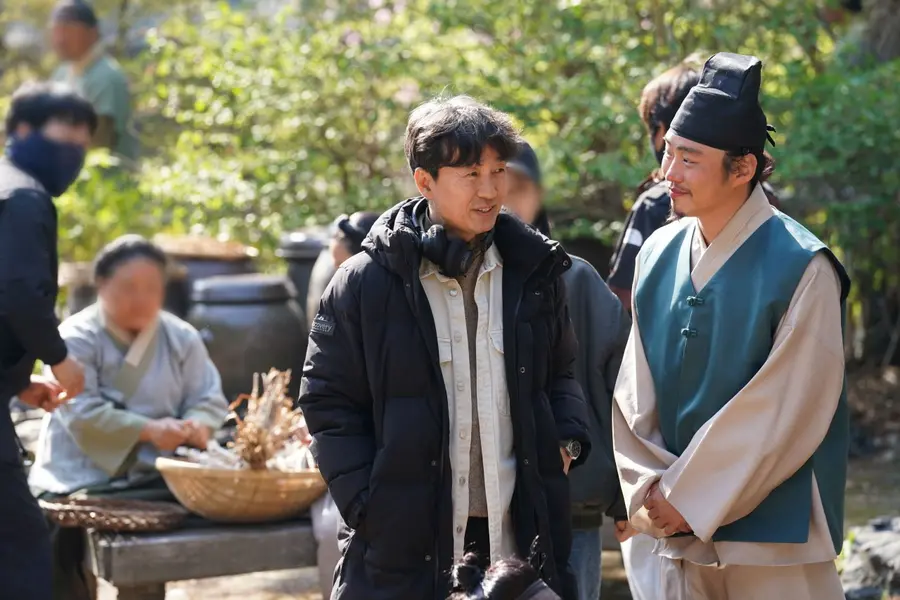
Finally, 〈Wang-gwa Saneun Namja〉 surpassed 15 million viewers on March 25 (Wed), its 50th day since release. 16 million, or even more, is well within sight.
We are truly in the era of 'Hang-jun thinking.' Many netizens call him a 'Maltese with no tear stains.' He is frank and unvarnished, and he does not dress himself up. Director Jang filled that space with cheerfulness and optimism instead of insecurity or posturing.
Director Jang Hang-jun's distinctive mindset is called 'Hang-jun thinking.' But before 'Hang-jun thinking' was fully formed, Jang went through many ups and downs and long periods of waiting. To the public he is often seen as a cheerful, lucky icon of positivity, but the waiting he endured before earning the label 'director of a 15-million-admission film' was by no means short.
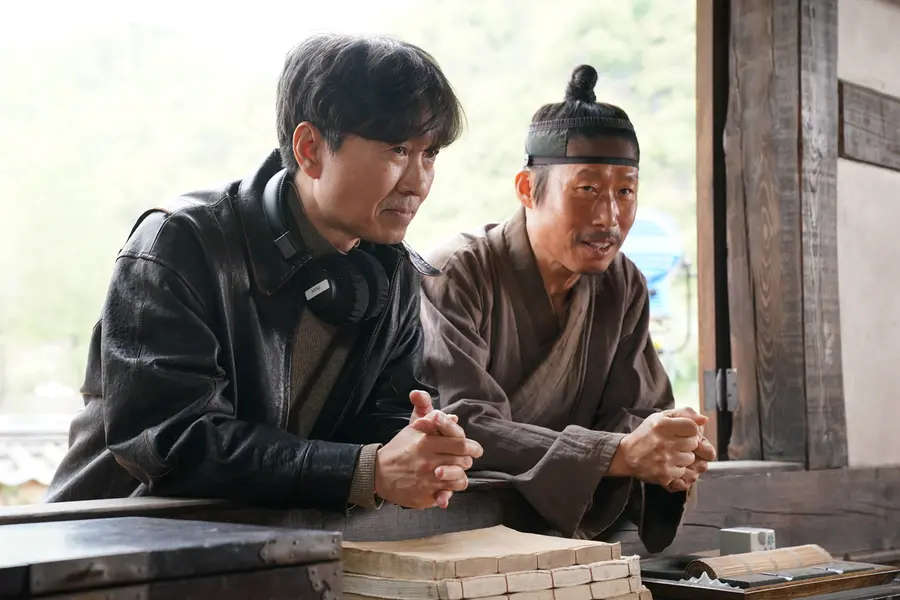
In 2023, when 〈Wang-gwa Saneun Namja〉 was in the planning stages and 〈Rebound〉 had been out for a few months, Cineplay met Director Jang Hang-jun for the 'Korean Cinema, Directors' interview project. That day, Jang opened up about everything from his 'moment of debut' to times of slump and adaptation, and his sincere attitude toward film and life. We compiled the quotes from that day reflecting his 'Hang-jun thinking.'
*The full interview video can be watched below. As one netizen commented, "After only seeing short-form Hang-jun, watching long-form Hang-jun — this is the real Hang-jun vibe," we recommend watching the full video to feel Director Jang Hang-jun's charm.
“I realized I'm the kind of person who would ruin my life whether I take the path people call safe or pursue what I want, so I figured I'd rather mess up my life doing what I want.”
Where did Director Jang Hang-jun's 'Hang-jun thinking' come from? At the center is the answer he found after weighing what he wanted to do against a safe path. Jang recognized early on that he was not someone drawn to a security-oriented life. He recalled the moment he decided to make films: in high school he went to the Heoriwood Theater and watched Summer Story (1988), and thought he wanted to make films like that. Riding the bus home and staring out the window, he wondered, "How many of the people here are doing what they truly want to do?" He concluded, "I'm the kind of person who'll mess up my life whether I take the safe path people recommend or do what I want, so I might as well mess up my life doing what I want." He still keeps the Summer Story ticket he saw that day neatly at home.
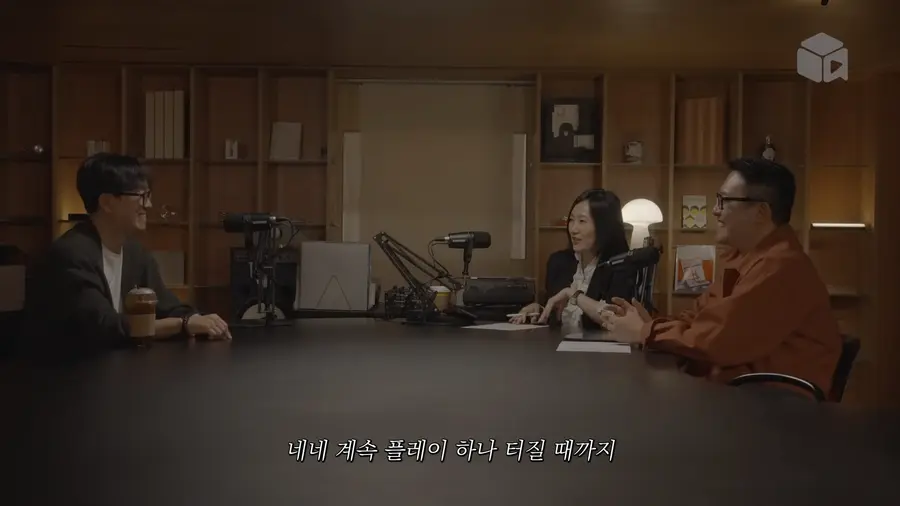
“In baseball terms, I don't know whether this moment is my ninth inning or my fifth. I keep working harder thinking this is the middle innings and that my ninth inning is still out there, so I keep stepping up to the plate.”
Jang compared his life to a baseball game. "I don't know how long I can keep doing this job," he said, adding, "In baseball terms, I don't know whether this moment is my ninth inning or my fifth." Still, Jang said, "So I consider this the middle innings. My ninth inning is still out there. That makes me feel I have to work even harder now—until something breaks through." In the end, with 〈Wang-gwa Saneun Namja〉 he hit a grand slam at the box office, so his turnaround now seems to be just beginning.
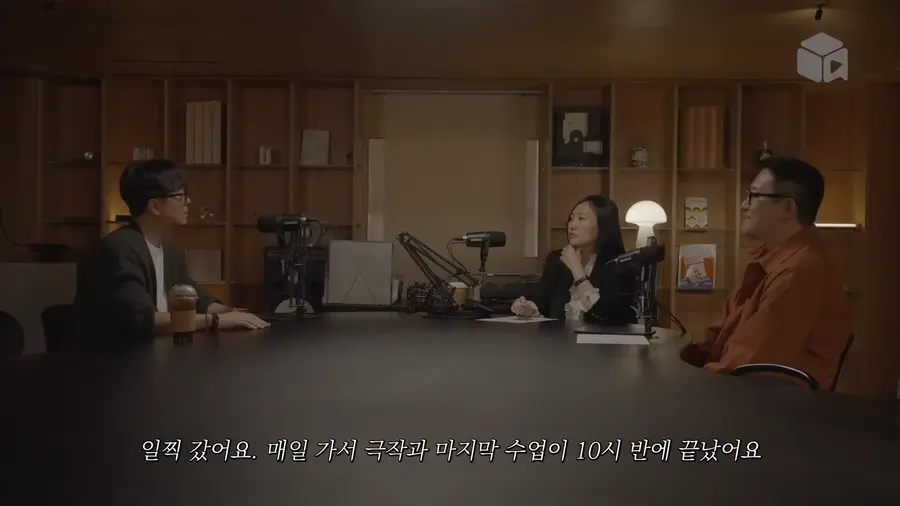
"God gave me a two-year opportunity, and if I don't put in the effort, I'll feel like I've let my life down."
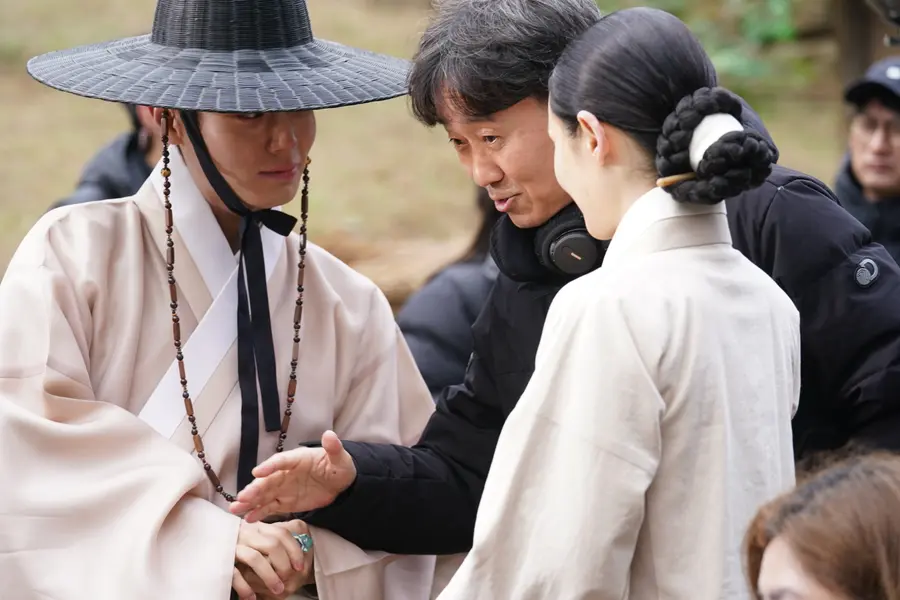
The explosive success of 〈Wang-gwa Saneun Namja〉 was not created by Jang's 'luck' alone. Behind his seemingly carefree face are traces of fierce effort. During his theater days at the Seoul Institute of the Arts, Jang was "busy Hang-jun." Even though he studied theater, he wanted to work in film, so he took classes in screenwriting, film directing, and production practice, often going to school at 9 a.m. and finishing classes at 10:30 p.m. He recalled, "I got in with difficulty, and God gave me a two-year chance; I felt I'd be letting my life down if I didn't work hard." Whenever he had time, Jang said he would go to the school's video library or the Korean Film Promotion Corporation across the street to watch films.
“The rougher the ground, the more likely you'll find oil.”
At the peak of his success as a broadcast writer, he quit lucrative work and announced he would stop writing to devote himself to writing his film-directing debut. Jang said, "It was when cable TV was just beginning. There were offers that would pay just for attending meetings, but I loved film overwhelmingly," explaining why he chose the path of film rather than remaining a broadcast writer. He compared it like this: "You can see a distant green field, but the rougher ground is more likely to yield oil." Right after switching to film completely, his income dropped to zero.
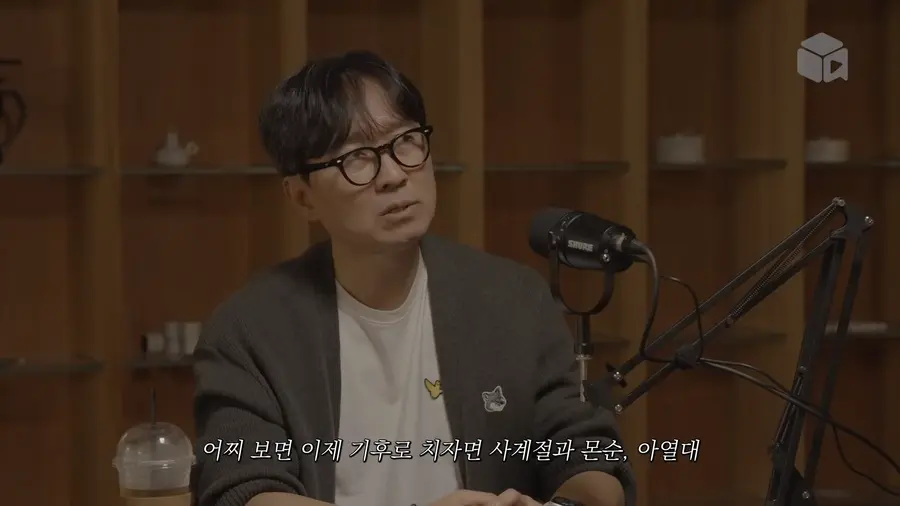
“You need endurance that works in all climates—four seasons, monsoons, subtropics and severe cold—able to run at the South Pole and at the equator.”
After directing his debut and second feature, Jang went about 15 years without directing another film. He said he experienced a severe slump before releasing Night of Memories (2017). During that directing gap he showcased his talents in other areas, such as adapting A Hard Day (2014) and writing the drama Sign (2011). Jang said one way to overcome a slump is to develop adaptability by trying other formats like drama even if you mainly want to do films. He compared it to climate: you need durability that encompasses four seasons, monsoons, subtropics and extreme cold—usefulness that lets you perform anywhere, from the Antarctic to the equator.
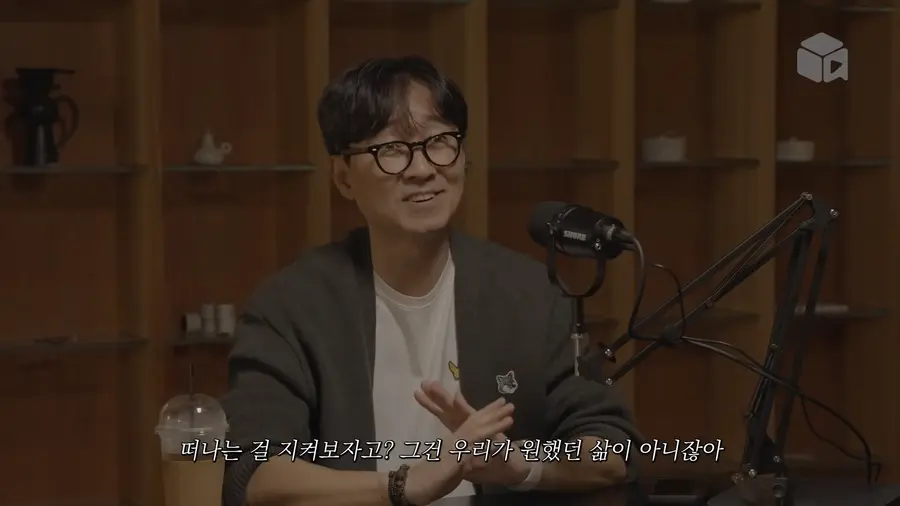
“Out of the 100 years you get to live once, a few years should be lived by your own will. As the representative of billions of sperm, as beings born human, that is our duty.”
To those torn between what they want to do and what they should do, Jang advises, "It's easy to give that advice to others, but if you truly want to do something, you should do it. Where is a truly stable path? Even employees at big companies can be laid off, departments can disappear, and mergers can lead to downsizing. There's no path that's truly secure or guaranteed to bring happiness." He added, "This world is a jungle. So during a 100-year lifespan, you should try living five years doing what you really love. If after five years the passion remains, do another five. Worrying about the future often leads people to choose neither path and live according to someone else's will as a habit."
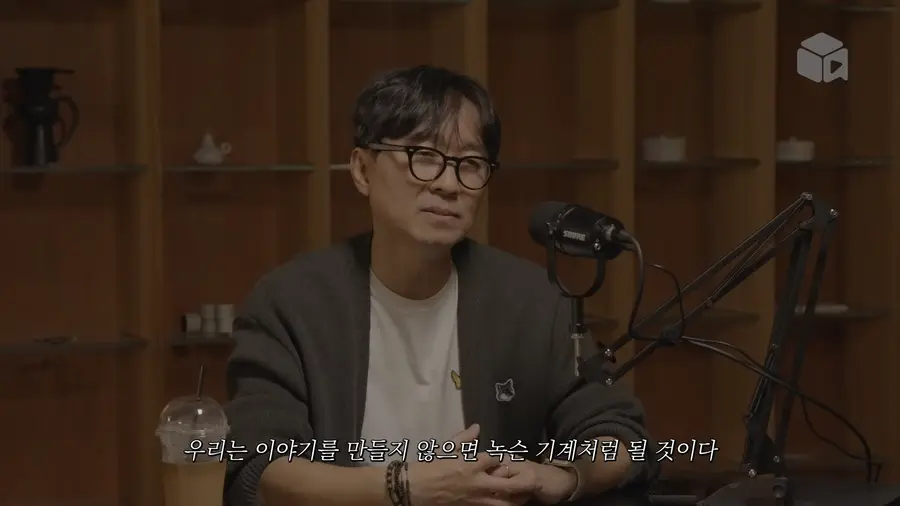
“If we don't create stories, we'll become rusty machines.”
He also urged the film industry, which is going through an ice age, to keep creating stories in new ways. Jang said, "Surviving the ice age is itself a great achievement and worthy of applause for filmmakers," and added, "We must constantly create stories in new ways. If we don't create stories, we'll become rusty machines. I hope we can reach a day that proves filmmakers are still alive and thriving." Jang said, "We want to try paths through forests we haven't walked before. That's why we chose this profession; if it were safe and certain, we wouldn't have picked it. Exploring side paths, pioneering new routes, and shouting, 'Here's a beautiful tree!' or 'Here's an amazing spring!'—isn't that our greatest joy?" showing his pride as a filmmaker.
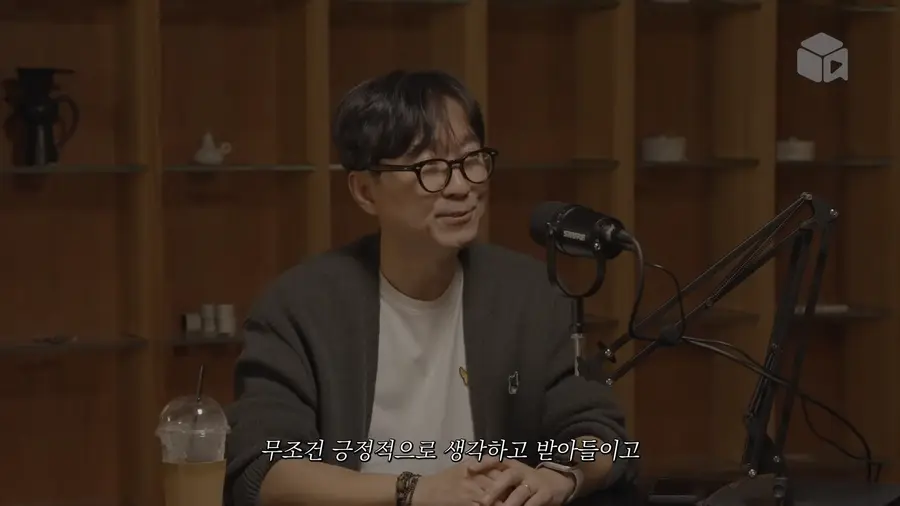
“Money and fame are just means. I have to be happy. Yet because of those means, we often forget the ultimate goal of happiness.”
Why does Director Jang seem so unpretentious? Perhaps because he knows how to distinguish between the ancillary and the ultimate in life. Jang said, "Happiness is truly important. Money and fame are merely means; when I'm comfortable and happy, my family and friends are comfortable and happy too." He added, "Having lived more than half my life, I've come to think this way: at no moment should we forget that happiness is the ultimate purpose of life."





댓글 (0)
댓글 작성
댓글을 작성하려면 로그인이 필요합니다.
로그인하기