



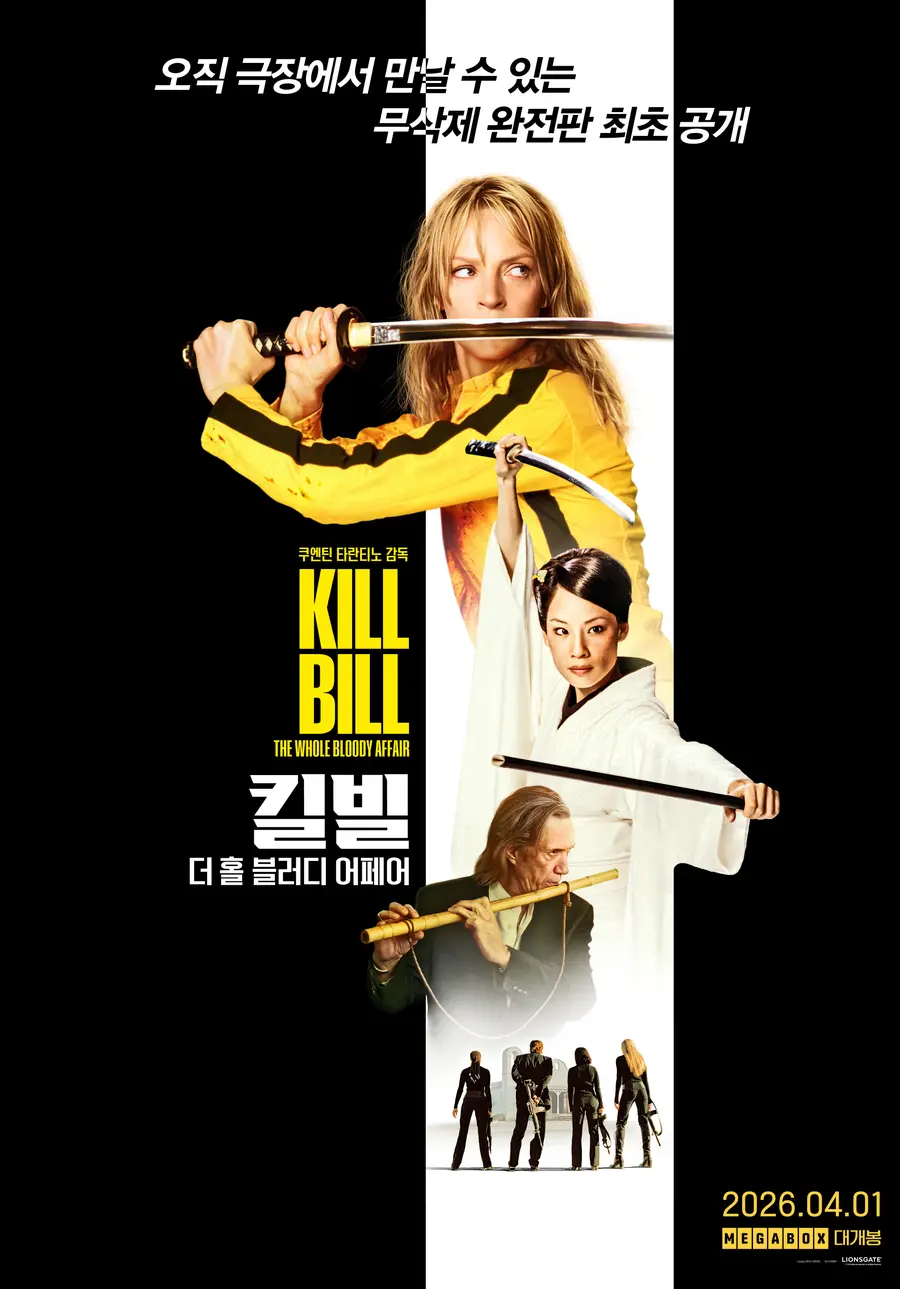
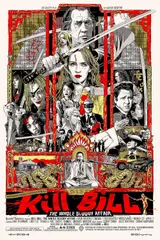
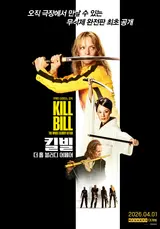
Is this a re-release, or the original? A movie that confuses audiences—yet, oddly enough, even that confusion feels like something to welcome—has finally found its way to theaters. Released on April 1, 〈Kill Bill: The Whole Bloody Affair〉 is a new version of the 〈Kill Bill〉 two-part saga originally released from 2003 to 2004. Essentially, it’s a “final edition” that merges Vol. 1 and Vol. 2 and reflects several other changes. After its North American debut toward the end of 2025, it has now arrived in South Korea just six months later, drawing cheers from fans. For viewers who are watching this 4 hours 35 minutes marathon for the first time—or for those returning after a long break—here’s an overview of how 〈Kill Bill: The Whole Bloody Affair〉 differs from the existing versions.
Turning the Two Parts into One Film
You might wonder, “Why not just binge 〈Kill Bill: Vol. 1〉 and 〈Kill Bill: Vol. 2〉?” But absolutely not. 〈Kill Bill: The Whole Bloody Affair〉 runs 4 hours 35 minutes—275 minutes. Even if you add up the entire 〈Kill Bill〉 saga in full, the total only comes to 4 hours 8 minutes. And even after removing the 15-minute intermission that’s inserted in this version, you still end up with about 12 minutes added. These extra scenes aren’t limited to just a few spots, either. For example, they insert additional shots into key moments—moments that were simplified earlier—helping to strengthen the atmosphere. They also put more emphasis on bringing out the characters’ emotions by extending the presentation of dialogue and actions.
Of course, it’s not only about drama-focused tweaks. Action scenes throughout have also been adjusted to dial in the intensity—though, honestly, you may question whether “intensity adjustment” is even a meaningful concept for 〈Kill Bill〉. And to restore cuts that were previously removed to keep the pacing—these additions bring out an even more vicious, bloodier edge. Some scenes go even further in amplifying the somewhat heightened sensibility that 〈Kill Bill〉 pursued. Also, unlike the original approach from the start—separate releases for Vol. 1 and Vol. 2—this version changes the climax of Vol. 1 and the opening of Vol. 2, making it feel even more complete as a single work.
Recovering Lost Color and Time
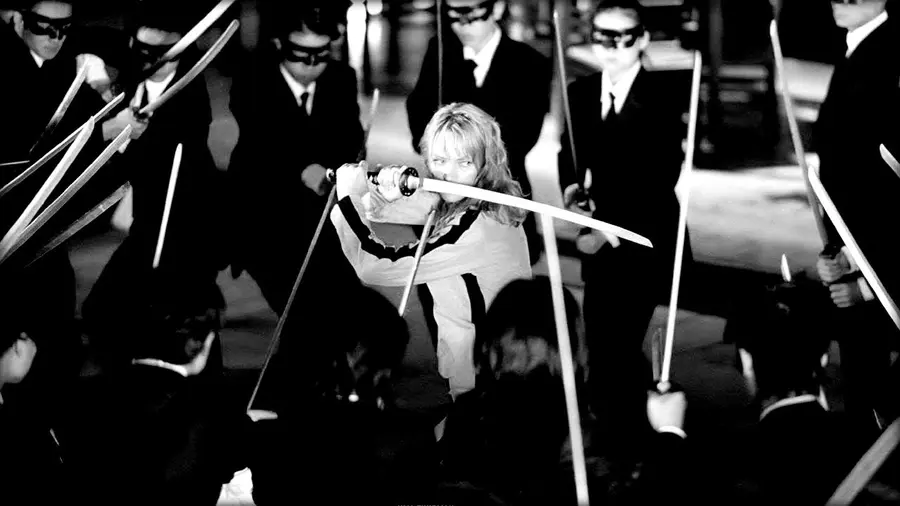
Even longtime viewers of the 〈Kill Bill〉 saga will notice that the biggest change in 〈Kill Bill: The Whole Bloody Affair〉 is the Nokyeopjeong sequence. In the sequence where the Bride (Uma Thurman) clashes with O-ren Ishii’s gang, “Crazy 88,” the film switches to black-and-white halfway through. There were also rumors that it was “an homage to 〈Samurai Fiction〉 like the earlier scenes.” In reality, some scenes were changed to black-and-white to avoid the NC-17 rating under U.S. local film review standards (a rating higher than R—similar in concept to South Korea’s “restricted screening”). In fact, in some countries such as Japan, it was shown in the original color format even from its theatrical release. In any case, for the official South Korean release version, 〈Kill Bill: The Whole Bloody Affair〉 presents the color of this sequence for the first time. Likewise, due to review standards, scenes that had been cut from the sequence are restored, delivering a more brutal yet more heightened kind of action. Beyond these changes, the film’s overall color palette has also been subtly adjusted. It’s not that the tone is completely changed—more that color is emphasized or toned down to match each scene’s mood.
A New Animation
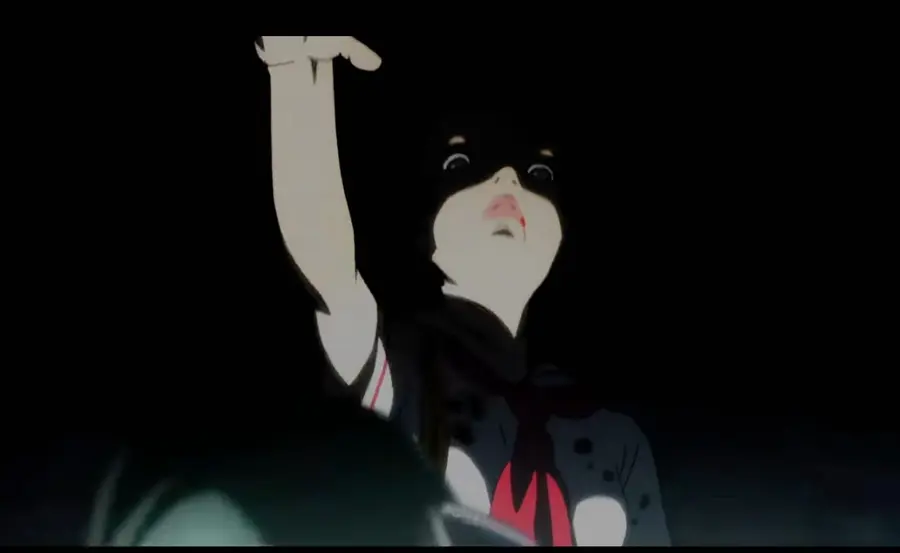
In fact, the biggest change in 〈Kill Bill: The Whole Bloody Affair〉 isn’t anything other than the animation segment. Quentin Tarantino previously unfolded O-ren Ishii’s past as animation in 〈Kill Bill: Vol. 1〉. He likely made this choice because it emphasizes the tragedy of the incident O-ren lived through—and because filming scenes involving children would be difficult. 〈Kill Bill: The Whole Bloody Affair〉 doesn’t just restore this sequence as originally intended; it also includes new scenes produced by Production I.G (Production I.G), the studio that made the animation. By inserting scenes showing O-ren Ishii eliminating another target who set her house on fire, the film underscores O-ren Ishii’s skill and determination even more than in the earlier version.
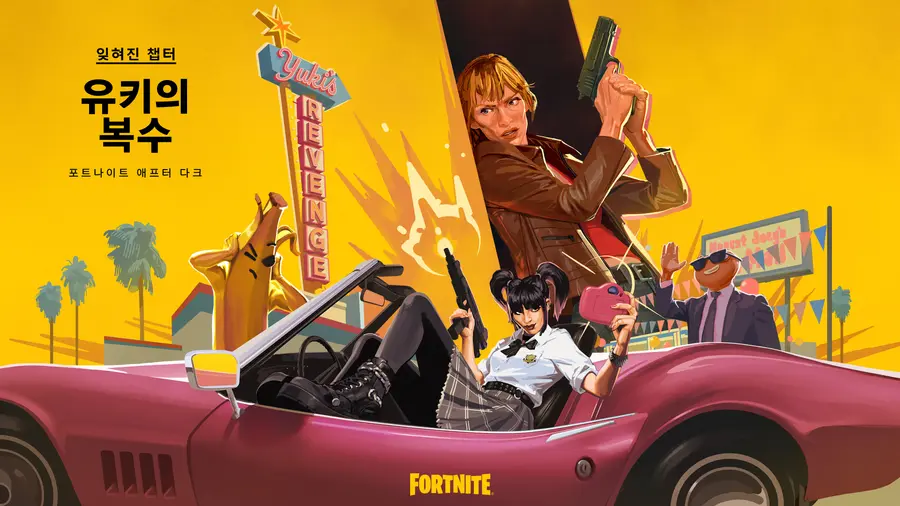
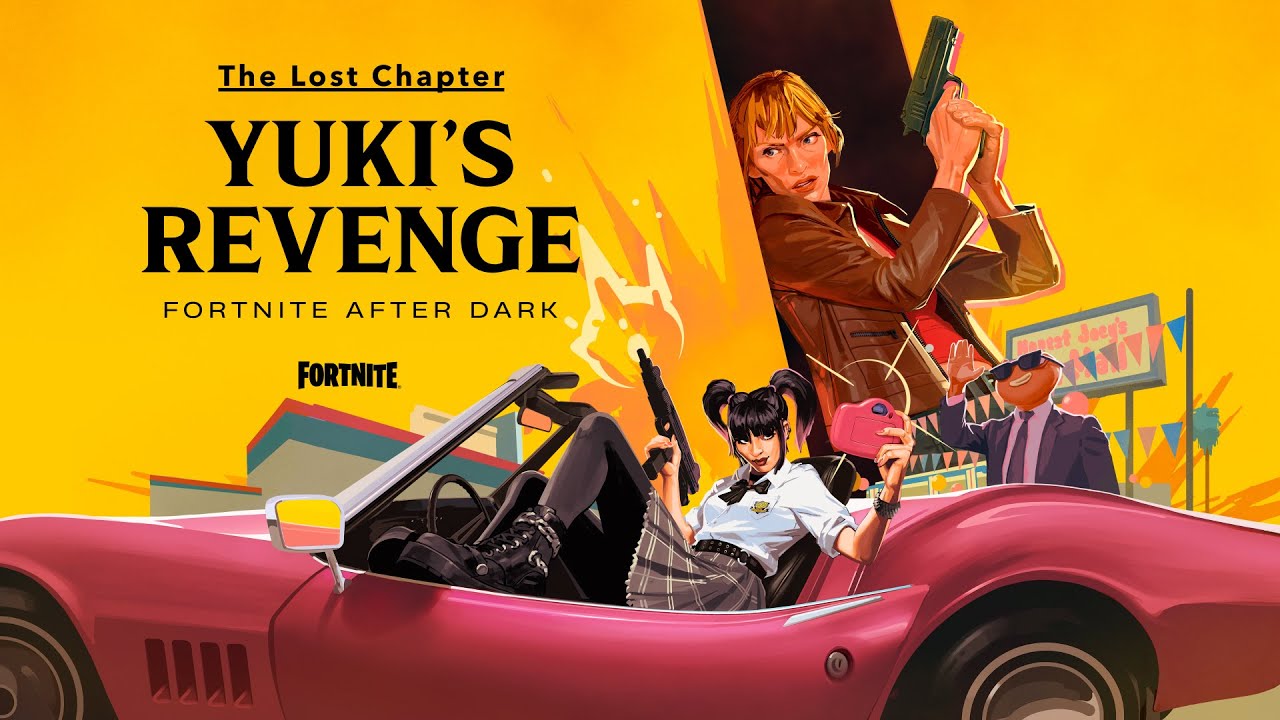
Also, although it’s technically a bonus concept, 〈Yuki’s Vengeance〉, which was released in 2025, is included in 〈Kill Bill: The Whole Bloody Affair〉 as well. 〈Yuki’s Vengeance〉 is an animation released in December 2025, before 〈Kill Bill: The Whole Bloody Affair〉 received its official release. It tells the story of Yukie Yubari (Chiaki Kuriyama), the older sister of Gogo Yubari—who is killed by the Bride in the film—planning revenge. Even at the time of its release, it didn’t receive the kind of response it was expected to. First, it was criticized for failing to capture the atmosphere of 〈Kill Bill〉. Second, because it was a collaboration with the game “Fortnite,” it included elements from that game. However, the story itself is something Quentin Tarantino originally wanted to put into the film but couldn’t film—so this version can be seen as an appendix that completes the idea of a fully realized, complete cut of 〈Kill Bill: The Whole Bloody Affair〉.



댓글 (0)
댓글 작성
댓글을 작성하려면 로그인이 필요합니다.
로그인하기