



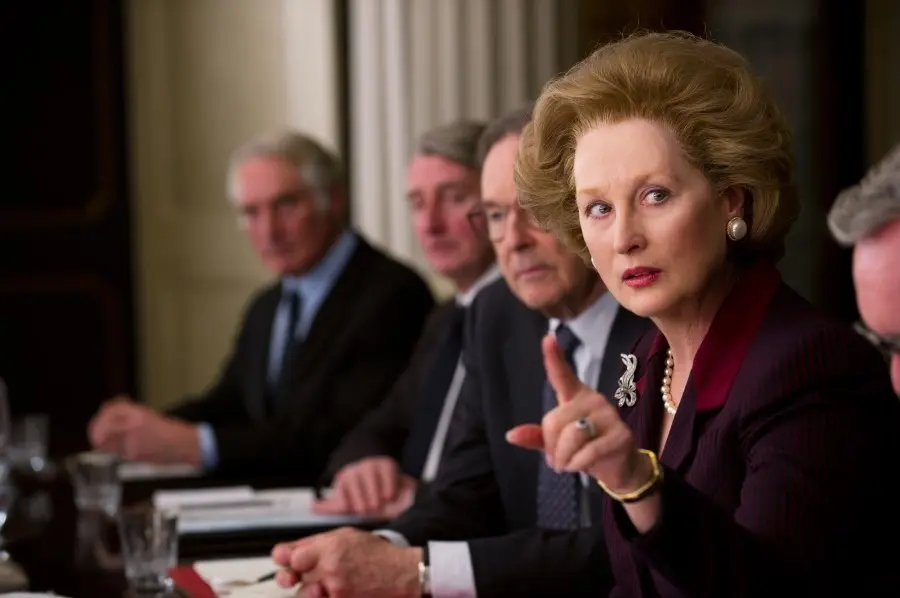
〈The Iron Lady〉
What It’s Like to Play a Controversial Female Politician
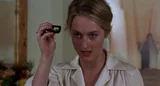
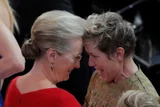
In that it centers on Margaret Thatcher, a controversial politician, 〈The Iron Lady〉(2011) essentially carries the big meaning that “Meryl Streep played Margaret Thatcher.” For some viewers, that may be all there is to it. Since Margaret Thatcher passed away in 2013, the film was released while she was still alive, though they say they didn’t watch it. Still, many British Conservative politicians were furious, complaining that the movie “mocked Thatcher’s mental decline after retiring from politics.” On the other hand, film critic Roger Ebert, for example, criticized it for having an unclear attitude toward a highly controversial figure. The film depicts how 26-year-old Margaret (in 〈The Iron Lady〉), an ambitious Oxford graduate, runs for a local council seat with dreams of changing the world, only to lose—then, with her husband’s full support, she succeeds in entering parliament and is ultimately elected as Britain’s first female prime minister, a role everyone believed was impossible. It also captures her life after leaving politics, becoming known as “The Iron Lady” after a string of three successful terms. At the time of its release, the high resemblance of Meryl Streep to her subject drew attention, and in addition to winning Best Actress at the Academy Awards, Mark Kuellier and Royce Heland won for makeup. Meryl Streep is known for having had her hair handled by only one person since 〈Sophie's Choice〉, and that person is Royce Heland, who has taken care of her hair from 〈Out of Africa〉 all the way to 〈The Iron Lady〉.
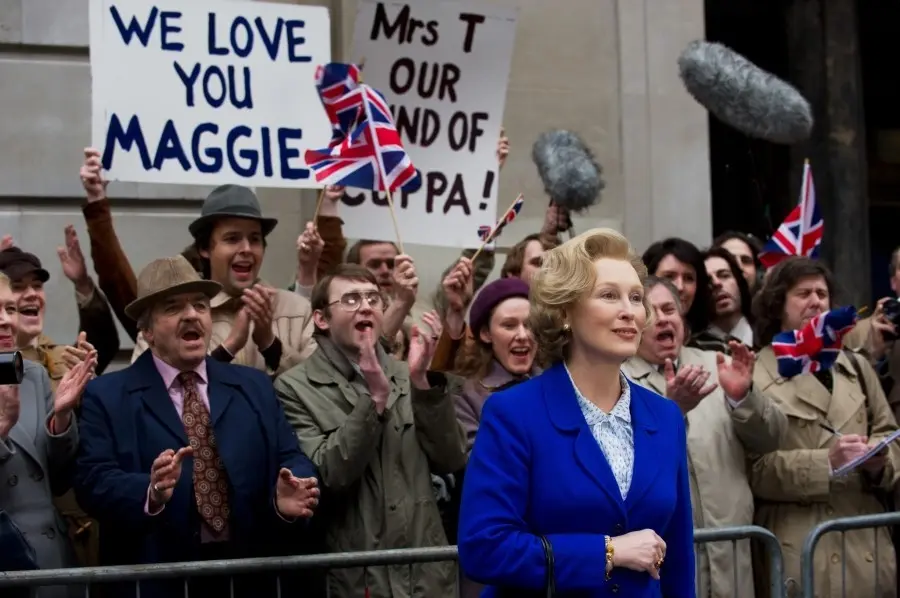
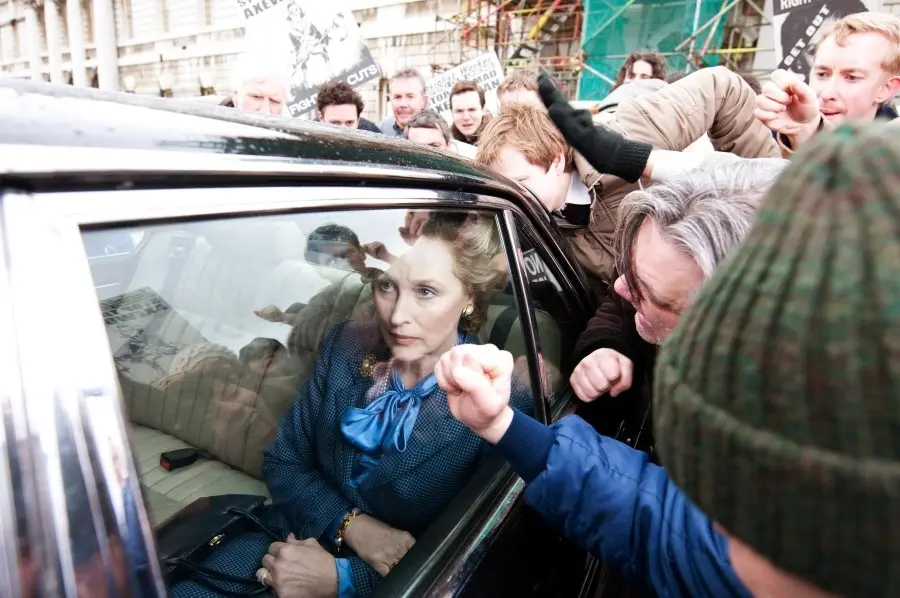
In explaining why she chose this work, Meryl Streep said, “I’ve played real-life people quite a few times, but it was interesting because I’d never played a role over such a long stretch of more than 40 years the way I did in 〈The Iron Lady〉.” She also said, “What interested me most was Margaret’s passion to fight—her drive to fight.” In fact, depending on political leanings, it can be hard to apply the simple premise to Margaret Thatcher that “an actor just stays faithful to the part they’re given.” For a great actress like Meryl Streep, it’s not even something you can dismiss as just “an opportunity.” That’s why what she says—“I wanted to play one character’s long journey from her 40s all the way to her 80s,” or “I wanted to look into that character’s hunger for struggle, setting politics aside”—sounds especially compelling. Female director Phyllida Lloyd, who had helped make 〈Mamma Mia〉(2008) a success alongside Meryl Streep, also said, “It wasn’t a political film; we focused on the isolation and loneliness a woman feels when she’s alone in a world where only men exist.” Personally, I think it’s obvious she played someone whose political views could never truly match Meryl Streep’s. However, in an interview, Meryl Streep also said, “She truly accomplished something extraordinary, as a woman who broke through classism and sexism and climbed the steps fairly one by one to reach the prime minister’s seat. Depending on the person, you could see it as work of value enough to quiet historical controversy.” For one thing, there aren’t many films that deal with “female politicians” in the first place. Another thing: the screenwriter, Abi Morgan, is also the writer of 〈Suffragette〉(2015), which portrays the women’s suffrage struggle that came right after.
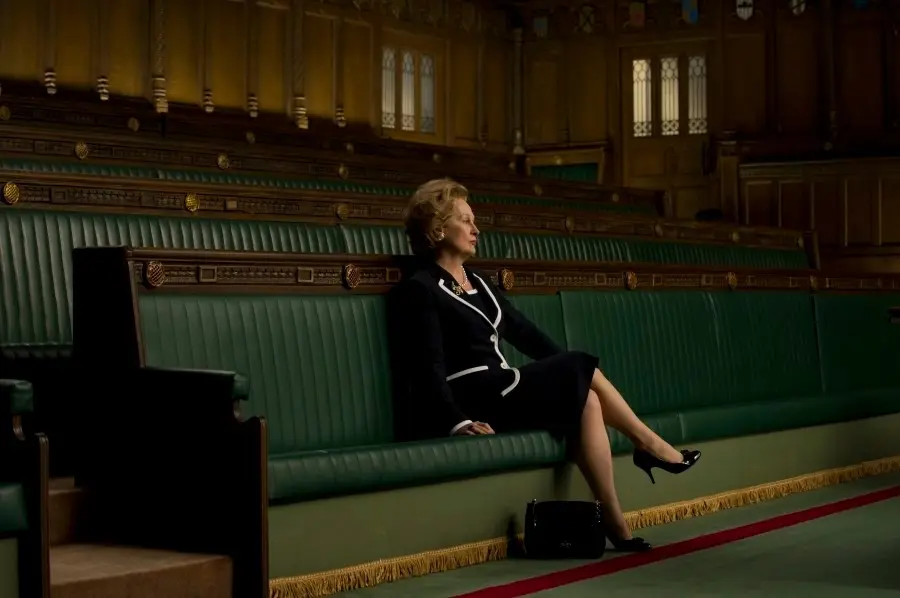
In that sense, there are also parts that connect to 〈Out of Africa〉 and to Meryl Streep’s usual philosophy. For instance, in 〈Out of Africa〉, there’s a scene in an all-men’s club where the members invite Karen into the club. Meryl Streep really liked the scene where Karen says something like, “I wanted to tell them, ‘I don’t want to be part of your club,’ but I only had one drink and left.” The theme of the nobility of a woman struggling within a man’s world—through the image of being a woman among men—also runs throughout her entire filmography. And it even carries over into the name. In 〈Out of Africa〉, when Karen Blixen’s final line is, “You’ll call me by my name?” the servant Farah (Malik Bowenes) removes her husband Blixen’s surname as she leaves and tells her, “Ma’am, Karen is your name.” In 〈The Iron Lady〉 as well, it’s important that Margaret Thatcher’s original name is Margaret Roberts—the name she used when she first ran for office with dreams of politics, not Thatcher as a politician. The father who gave her that name always planted in Margaret Roberts the idea, “Don’t let other people sway you. Live your life the way you think is right.” In that way, both films’ protagonists overlap when you look at their stories against the backdrop of eras with social atmospheres entirely different from today, sharing the common thread of “women who refused to be trapped in their homes.”
〈August: Osage County〉 and 〈Florence〉
Meryl Streep’s Perfect Two Sides
〈August: Osage County〉(2013) is the film that portrays the sharpest, darkest inner self in Meryl Streep’s filmography. You can find Meryl Streep’s most exhausted face right here. When her father dies and the family, scattered in every direction, finally gathers by going to their mother Violet (Meryl Streep), their grief lasts only for a moment and a no-holds-barred melodrama unfolds where they trade insults and dig at each other’s wounds. In this movie packed with a lavish cast—Julia Roberts, Ewan McGregor, Benedict Cumberbatch, Chris Cooper, and more—Meryl Streep plays the late father’s wife, and the eldest and most senior figure in the household. After undergoing chemotherapy for a long time, her appearance deteriorated so badly that she had to wear a wig, yet she never put cigarettes down in her hands, and whenever the effects of the medication kicked in, she became a vicious-tongued woman who spilled out all sorts of things she had no intention of saying.
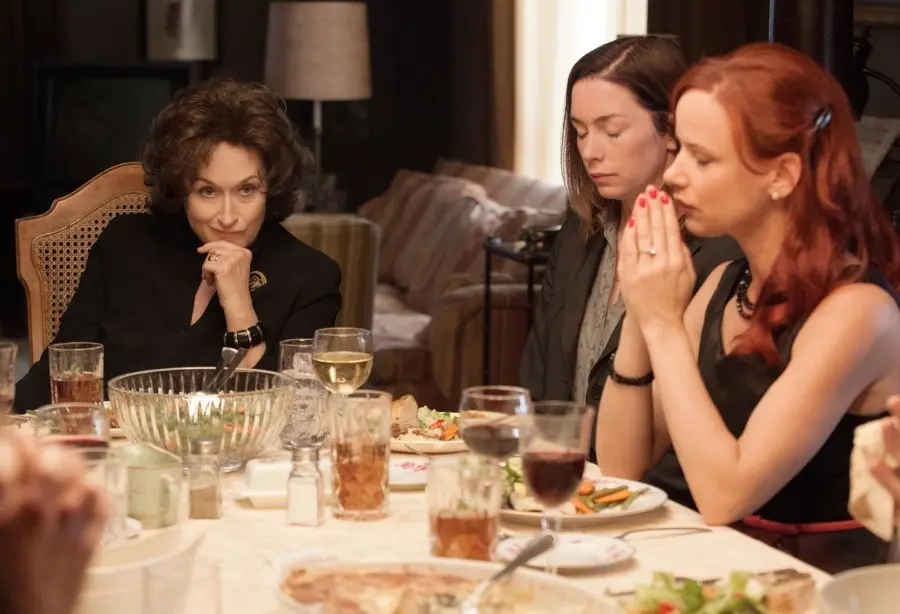
All the while, the family’s hidden secrets come to light, and Violet delivers a truly outstanding performance, traversing heaven and hell. It’s almost the highest possible level of “technique” an actor can show. What’s astonishing is that even in moments where her acting seems like her mind is completely dominated by drugs—where she mumbles and exhales her words as if she’s just letting them drift out—every single line still lands clearly in your ears. The scene where she admits, “I’m a mean, nasty mother,” is nothing short of astonishing. In that regard, 〈August: Osage County〉 is, in a way, a textbook for ensemble acting—where the chemistry with the surrounding cast shines.
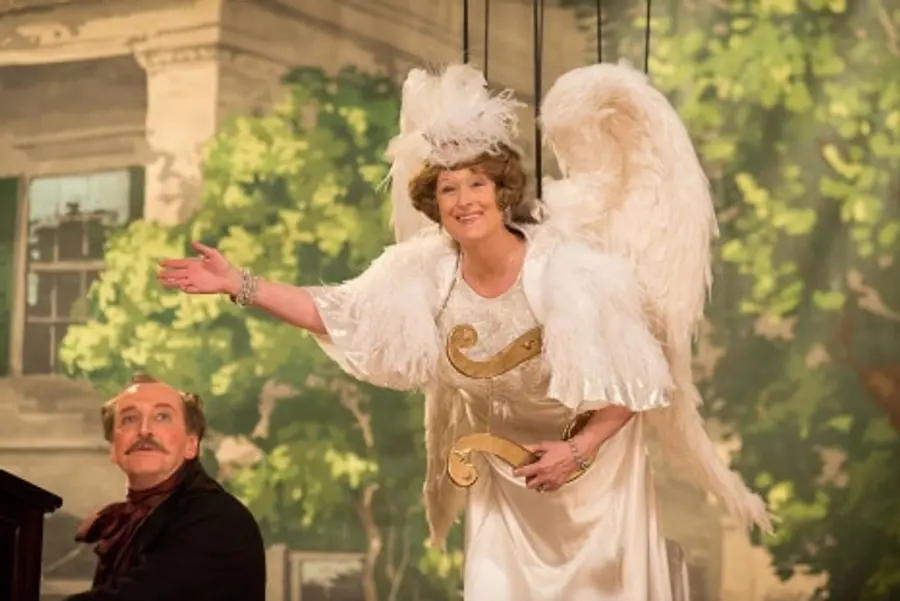
〈Florence〉 is perhaps the farthest film removed from 〈August: Osage County〉, and it’s the one in which Meryl Streep appears as the cutest, most upbeat character. It’s a film adaptation of the story of Florence Jenkins, a real-life tone-deaf soprano who existed in 1940s America. Florence (Meryl Streep) starts a second life as a soprano by pouring her enormous fortune into supporting musicians, while also staging her own opera performances. But she was fundamentally tone-deaf and couldn’t handle even basic pitch and timing, and with the help of her manager and husband, Bayfield (Hugh Grant), she could live without ever realizing it. Then, at last, Florence even gets to perform at Carnegie Hall. If you look through Meryl Streep’s filmography, 〈Florence〉 is a work as precious as a gemstone precisely because comedy films are rare. Watching Meryl Streep fully inhabit the character—playing with notes freely, as if half in the air and half in sound—truly feels astonishing. At the same time, it makes you think about our own dual attitude toward art. On the other hand, you also wonder: if there were no actress Meryl Streep, could a project like 〈Florence〉 really have gone into production? The idea that an actor can change an industry might not be an exaggeration.
▶ “Everything About Meryl Streep” continues in the third article











댓글 (0)
댓글 작성
댓글을 작성하려면 로그인이 필요합니다.
로그인하기