



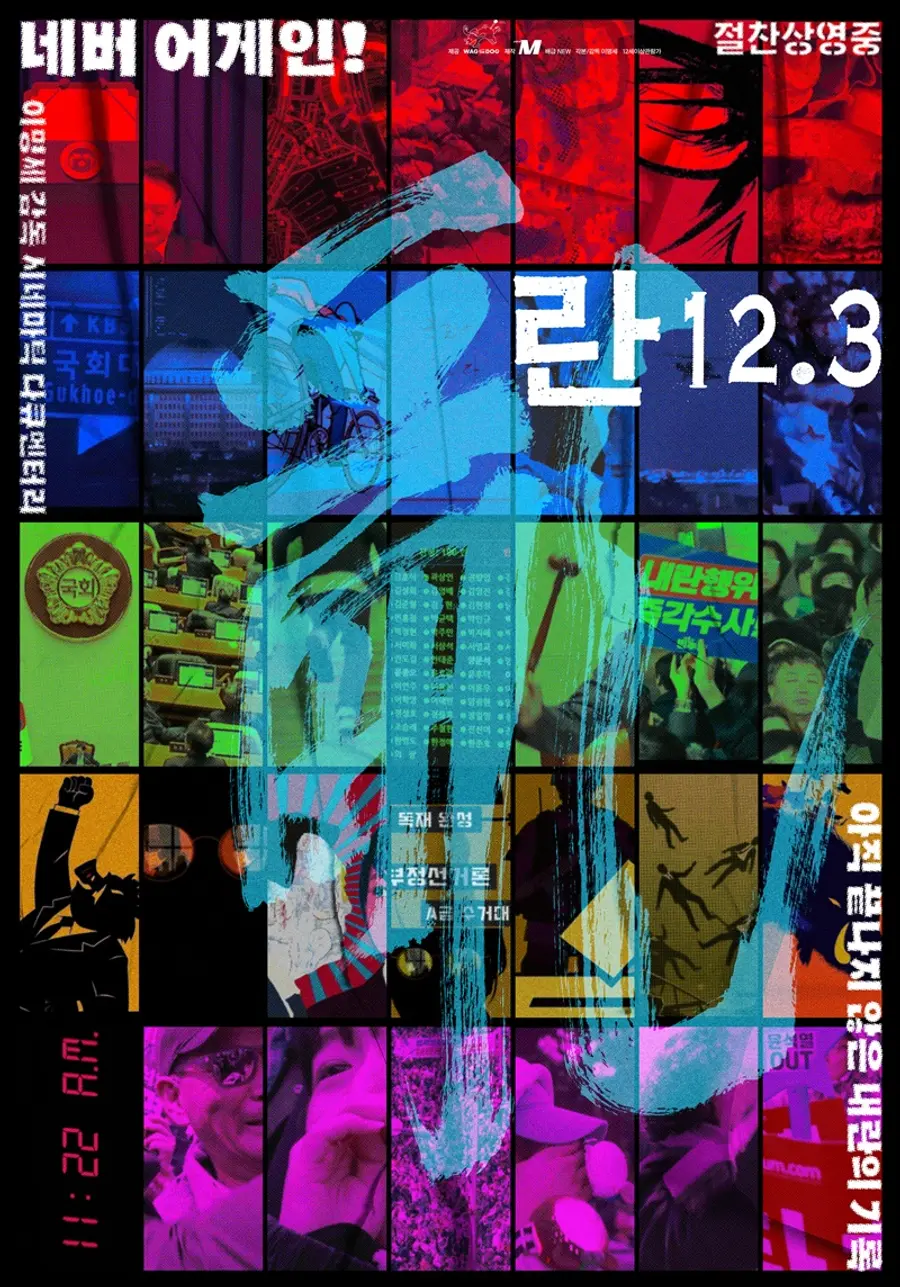
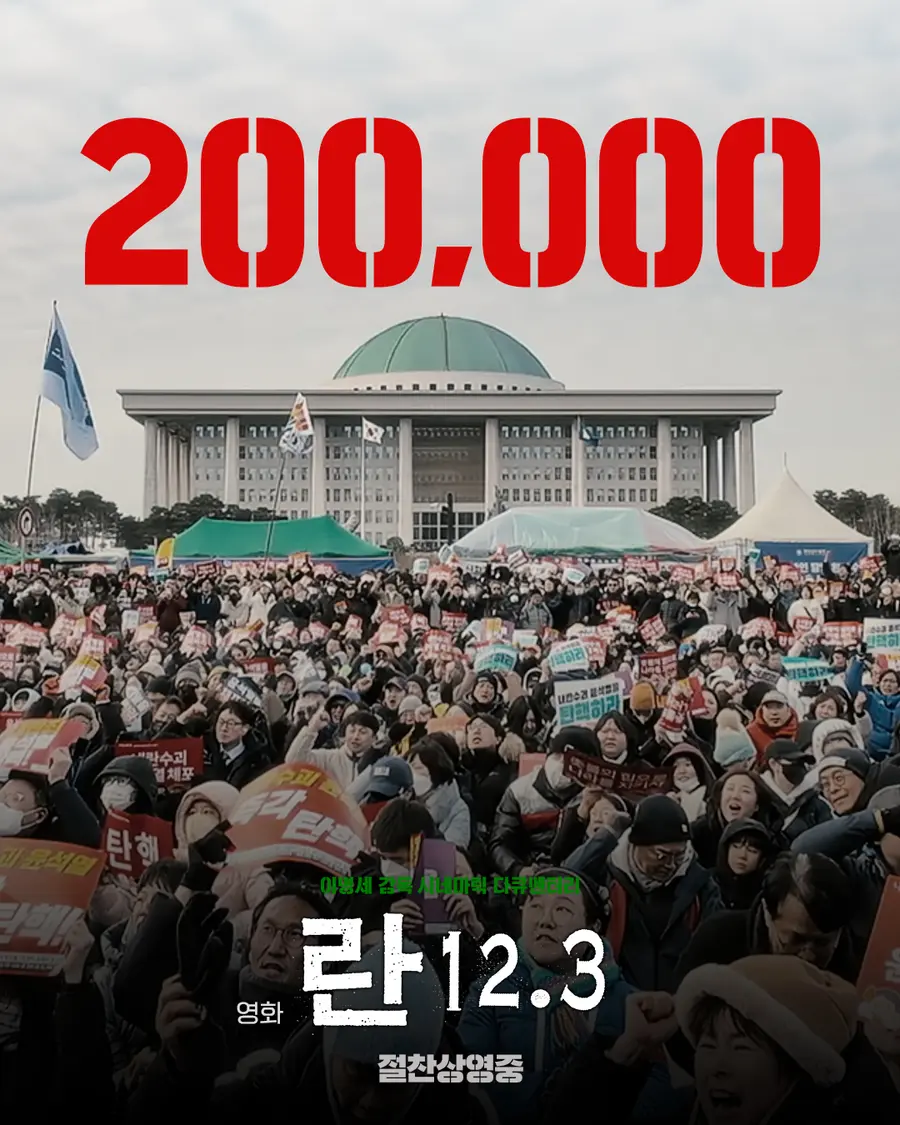
There’s still a long way to go. Director Lee Myeong-se’s documentary 〈The December 12.3〉 surpassed 200,000 cumulative viewers and reached the break-even point about two weeks after its release on May 4. With that, 〈The December 12.3〉 became the third film this year to cross the break-even threshold—following 〈The King and the Man〉 and 〈Salmokji〉. On the night of December 3, 2024, President Yoon Suk-yeol’s sudden declaration of martial law shattered a previously peaceful daily life, and the film’s achievement carries special meaning as it documents that time when democracy came to a halt. Like the footage of the May 18 Gwangju Uprising shown in 〈The December 12.3〉, heavily armed military forces tried to neutralize constitutional institutions, and citizens and lawmakers who opposed martial law and sought to protect democracy rushed to the National Assembly. In 〈The December 12.3〉, the film captures their suffocating struggle in a variety of ways amid a situation where every second mattered.
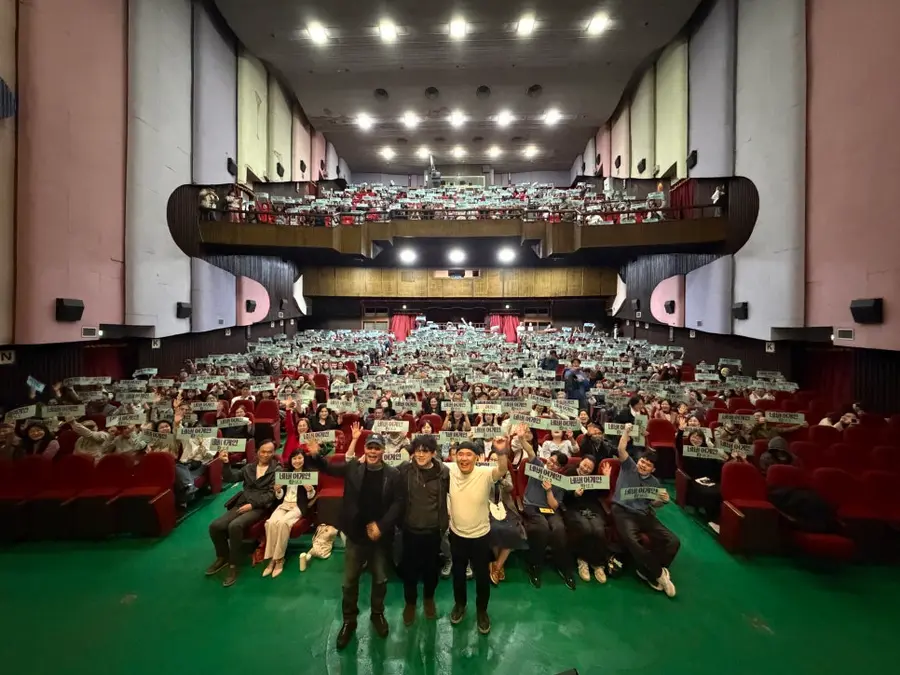
Director Lee Myeong-se defines 〈The December 12.3〉 as a “cinematic documentary,” a work that contains records of that night we fought to protect. If one of his representative works, 〈Nothing to Argue About〉 (1999), also tried diverse techniques—including animation—to maximize cinematic impact by telling the stories of detectives, then 〈The December 12.3〉 similarly reveals an outstanding “reconstruction of a crime” by using animation and other devices between “what we already know” and “new facts.” The most fascinating part, however, isn’t the crime itself, but someone’s “reconstruction of their daily work” as they head to Yeouido to stop it. In the morning, it’s “News Factory,” in the afternoon, “Maebulsyo,” and before bed, “Sajangnamcheondong.” And among the many buses heading to the National Assembly, the film features bus No. 260 as animation—supposedly reflecting the actual radius of Director Lee Myeong-se’s own daily life. The animation by Han Hye-jin, the director from IDEA who has participated in 〈Dream of a Precious Day〉 (2011) and more, effectively brings out the value of everyday life without colliding with live-action footage.
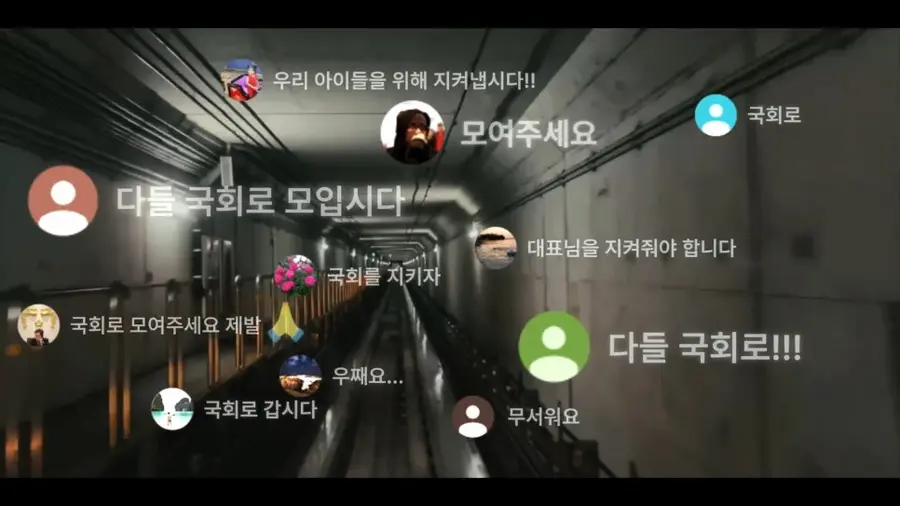
It’s also interesting that 〈The December 12.3〉 includes quite a few intentional humor points. For example, there’s a scene where, as people presumably already knew at the time, someone types “President Kim Geon-hee,” then quickly changes it to “President Yoon Suk-yeol.” There’s also a scene where they first type “Park Ppum-gye,” drawing on a real politician’s nickname, and then correct it to “Park Beom-gye” (Democratic Party lawmaker Park Beom-gye became a hot topic after bursting into laughter unexpectedly during the 2016 Park Geun-hye–Choi Soon-sil gate parliamentary hearing, and earned the nickname “Park Ppum-gye”). Another scene shows former Prime Minister Han Duck-soo being represented in the form of an “thumbs-up” using his nickname. And there’s also the scene where, next to a National Assembly staffer running up the stairs hard with paperwork related to a resolution demanding the lifting of martial law on December 3, a message appears: “Stair climbing is good for your health.” In a documentary that records a desperate, life-or-death moment—where you have to think deeply about adjusting the intensity of so many elements—〈The December 12.3〉 delivers remarkably audience-friendly humor. Of course, that humor serves to maximize the effect of the film’s scariest scenes. Obsessed with alleged vote-rigging, Yoon Suk-yeol also sent martial law troops to the “bunker” on Chungjeong-ro in Seoul, where “a flower of public opinion” was present. The perspective of the martial law troops who arrive at the bunker, looking up at the building—this is said to be the scariest scene that Director Lee Myeong-se highlights in 〈The December 12.3〉.
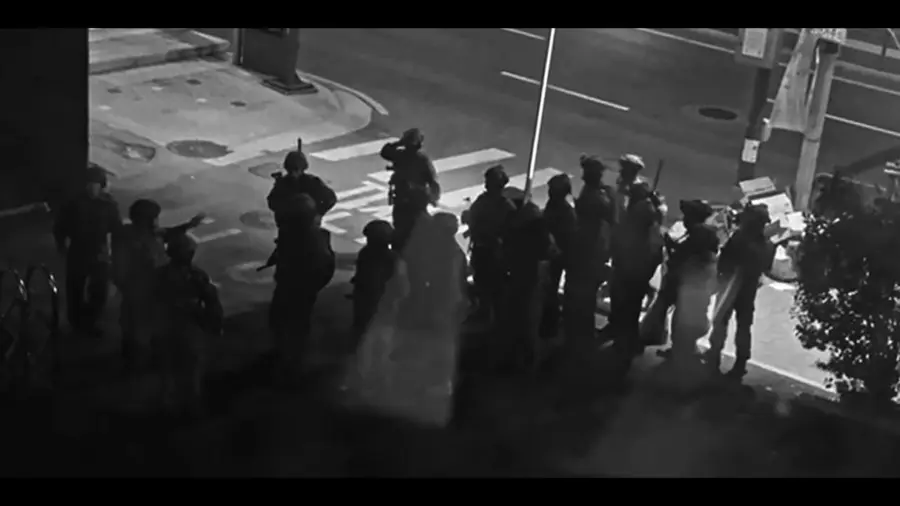
In addition, 〈The December 12.3〉 faithfully captures behind-the-scenes stories that even people who witnessed all those scenes firsthand through live TV or YouTube broadcasts on December 3 might not know. Maybe the film’s most important meaning is embedded right there. During the martial law period on Dec. 12.3, Kim Moon-sang, a major leading the operations office of the Capital Defense Command, appears multiple times—when the martial law troops request entry into the airspace without specifically stating the reason for the helicopter dispatch, he refuses. You also see a glimpse of reporter Yoo Ji-ung from New Tomato, who was nearly tied up by the martial law troops’ cable while covering from behind the National Assembly. Director Lee Myeong-se must have gathered and analyzed an enormous amount of material while producing the film—but he never forgot it. Just like the fear behind the humor mentioned earlier, the real situation behind the animation is also the essence of 〈The December 12.3〉.
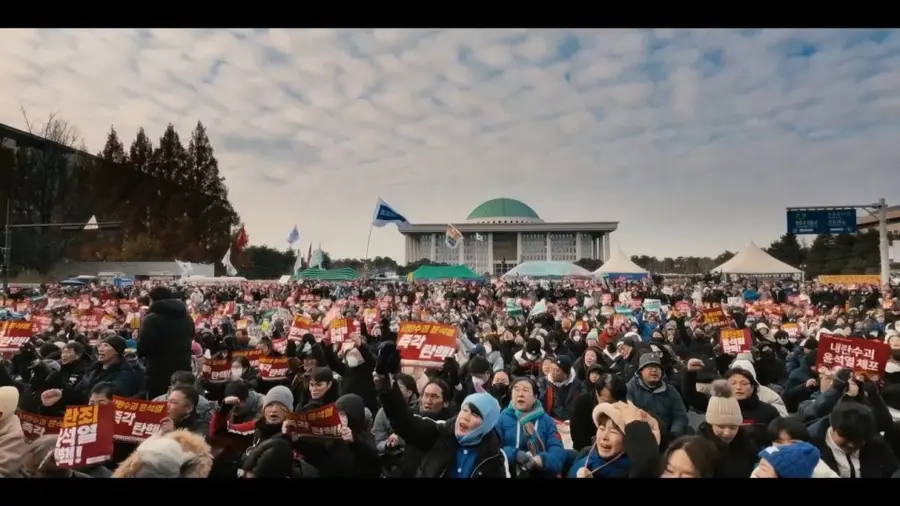
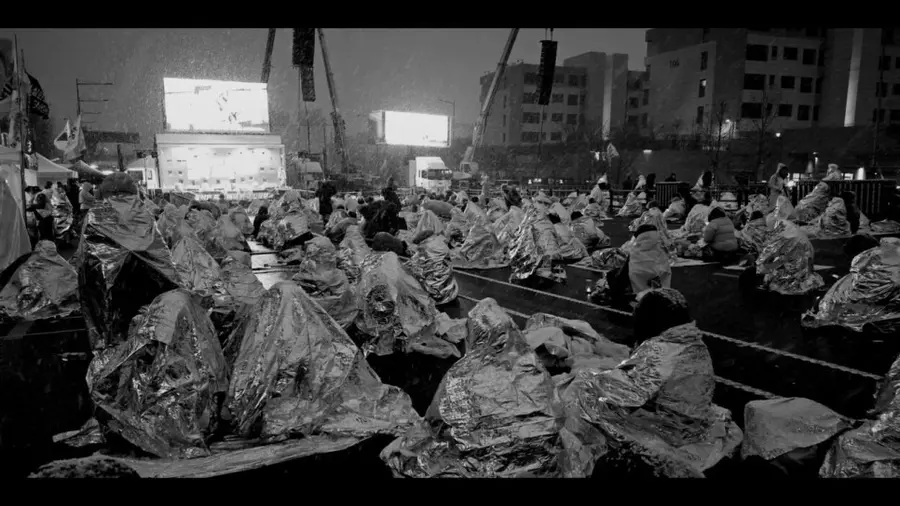
While dealing with the story of that one night on December 3 in nearly real time occupies most of the runtime of 〈The December 12.3〉, the second half then continues with historical moments that unfolded after that—when the arrest warrant for President Yoon Suk-yeol was executed, when a motion for impeachment was then resolved, and after the riot at the Western District Court, followed by President Lee Jae-myung’s election as if it were an epilogue. The grand final moment is “the Kises warrior squad” that had wrapped themselves in cold winter silver foil blankets. It’s exactly that squad—the very one mentioned first—when President Lee Jae-myung said at last year’s opening keynote at the 2025 World Political Science Congress Seoul Summit: “The Kises protestors who overcame harsh cold with each other’s warmth, the hot packs and heating-bus solidarity of citizens who couldn’t join, and even the ‘pre-payment’ between Yeouido and Hannam-dong that inherited the punchbap of Geumnamro—through the process of overcoming the insurrection, the people of the Republic of Korea confirmed the value of participation and solidarity, and wrote a new chapter in the history of democracy.” It’s truly a heart-wrenching moment.
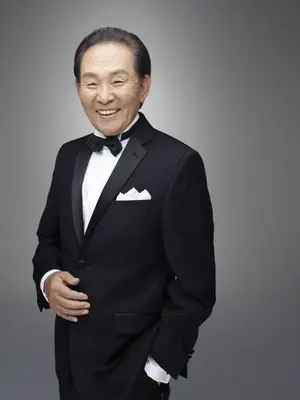
〈The December 12.3〉 has had conversations with audiences multiple times since its release, and one of the people in those conversations was actor Park Jung-hoon, who worked with Director Lee Myeong-se on several projects. He said he was deeply shocked when, at the time, he saw Lee Jae-myung—who was entering the National Assembly while barely able to keep his mind amid threats to his life, searching for his seat. “If that situation were a film, wouldn’t there be a stage direction in the script saying, ‘Lee Jae-myung’s eyes lose their spark and the front turns pitch-dark’?” It’s a scene that shows just how desperate that moment was—so well that no fiction could ever carry the weight of the real thing.
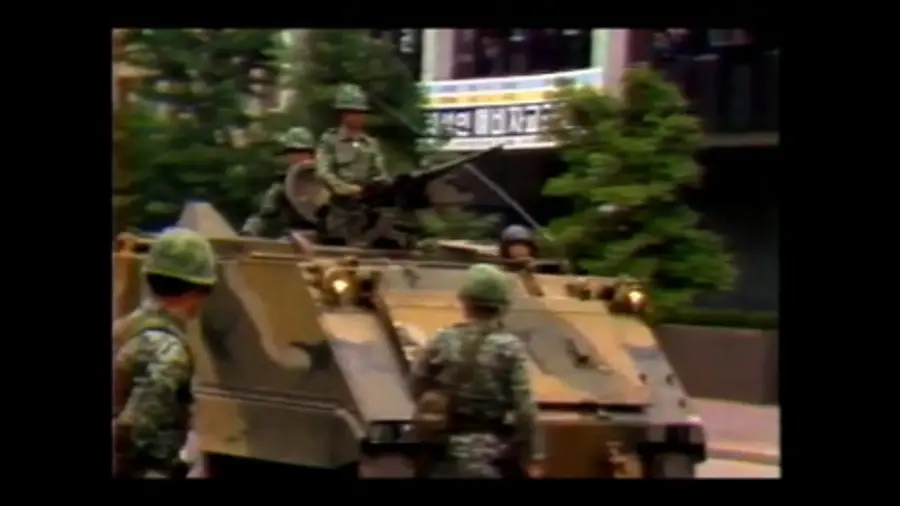
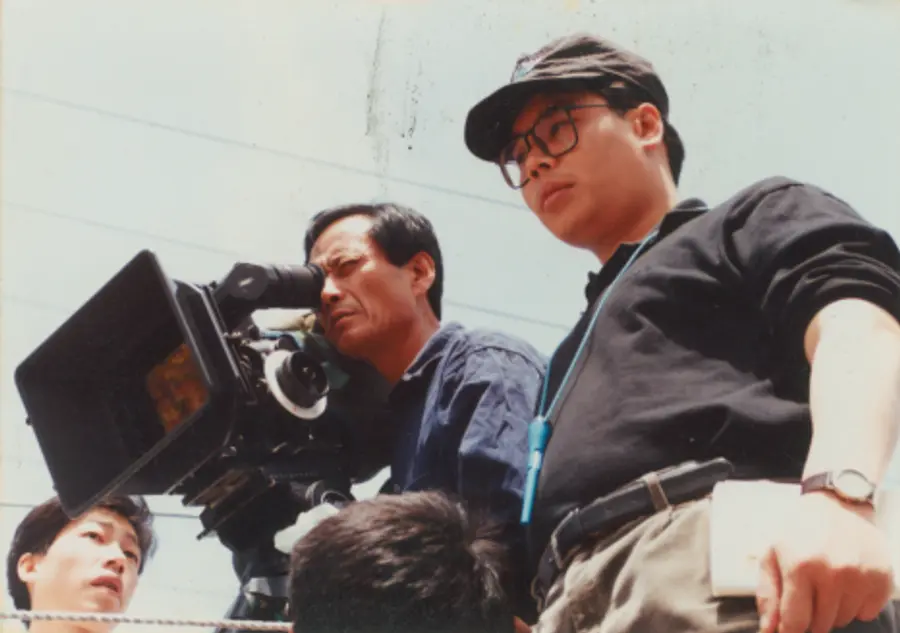
〈The December 12.3〉 includes captions that say “Remembering Cinematographer Yoo Young-gil.” Director Lee Myeong-se worked with him from the debut work 〈The Gagman〉 (1989) onward, all the way through 〈My Love, My Bride〉 (1990), 〈First Love〉 (1993), 〈The Man Suffers〉 (1995), and others—plus additional projects such as director Park Kwang-soo’s 〈Do It When You Can, I Still Can〉 (1988) and 〈Beautiful Youth Jeon Tae-il〉, director Jang Sun-woo’s 〈The Love of Woomukbaemi〉 (1990) and 〈Flower Petals〉 (1996), director Jung Ji-young’s 〈The Southern Army〉 (1990) and 〈A White War〉 (1992), director Chang Dong-ho’s 〈Green Fish〉 (1997), and director Heo Jin-ho’s 〈Christmas in August〉 (1998), to name just a few. He was a “giant” that you couldn’t leave out when talking about realism aesthetics in Korean cinema since the 1980s. But one of the less well-known stories about him is that he was a journalist who rushed into the Gwangju scene first during the May 18 Gwangju Uprising in the past—capturing the very moment when the martial law troops’ brutal suppression began and making it known to the world. In 2021, the “Hints Peter International Reporting Awards” organizing committee later identified this and recognized his contribution by awarding him the “Hints Peter International Reporting Awards May in Gwangju Award.” And that footage was also used in 〈The December 12.3〉. Personally, the caption hit me the hardest and moved me the most. I couldn’t watch any more films with the credits I loved so much—“Director Lee Myeong-se, Cinematographer Yoo Young-gil”—but through 〈The December 12.3〉, it felt as if I were seeing a new work by both of them. That very “memory” is the force that made 〈The December 12.3〉.


![[Photo &] Emergency Martial Law film “Ran 12.3,” Lee Myung-se, “The strength of K-democracy— the world must see it” at a press preview event](https://cdn.www.cineplay.co.kr/w160/q75/article-images/2026-04-08/95618c8d-1aa4-419c-b2b8-0795907e2d49.jpg)
댓글 (0)
댓글 작성
댓글을 작성하려면 로그인이 필요합니다.
로그인하기