


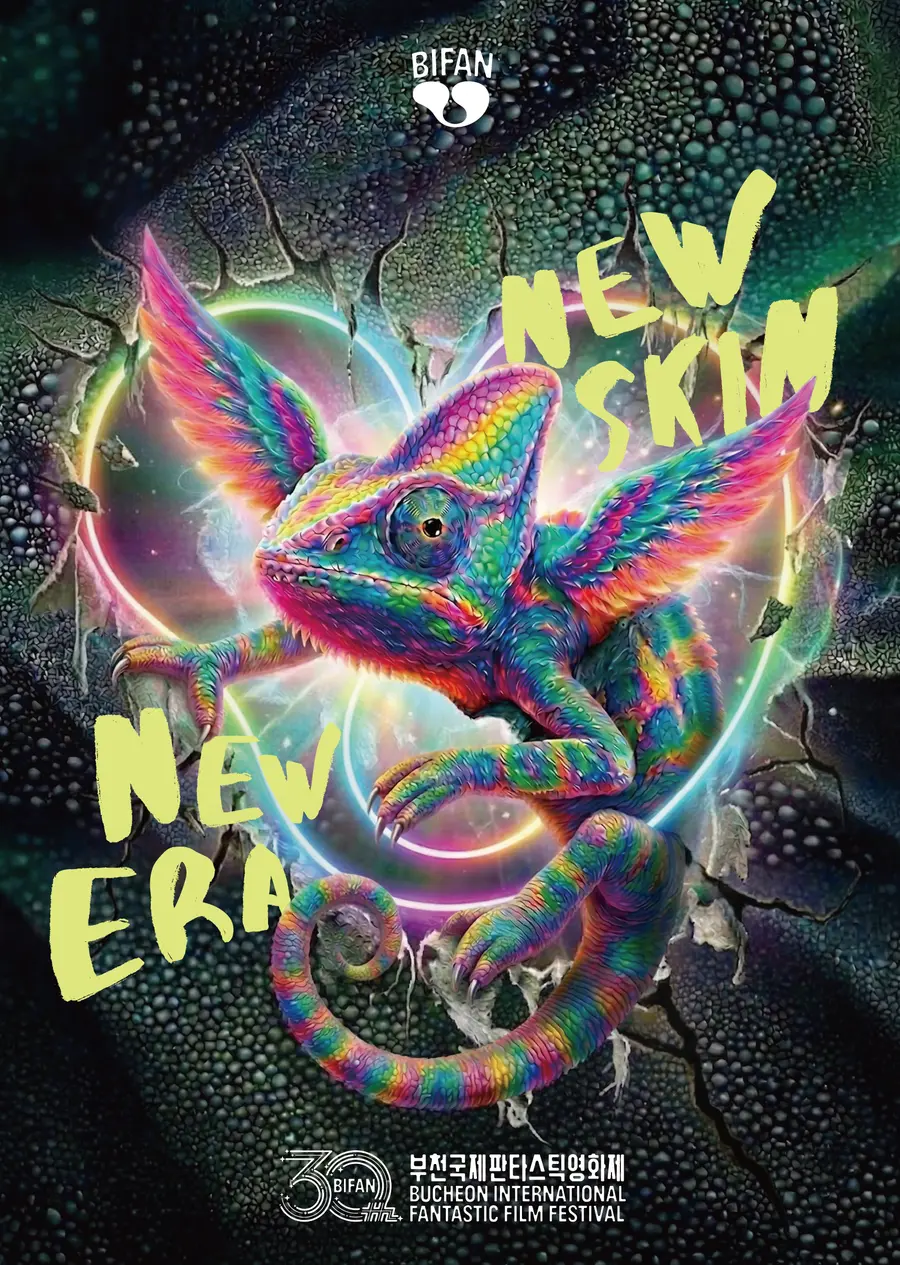
Marking its 30th anniversary this year, the Bucheon International Fantastic Film Festival (BIFAN) will be held from July 2 to July 12 around Bucheon City Hall. As South Korea’s only fantastic genre film festival, BIFAN again presents works armed with genre playfulness and a bold experimental spirit. This year, it also heightens anticipation by presenting Kurosawa Kiyoshi’s new film 〈Black Thunder Castle〉, which premiered at the Cannes Film Festival. Here is an introduction to the films seen at BIFAN 2026, alongside Kurosawa’s much-anticipated first period piece, 〈Black Thunder Castle〉.
〈Black Thunder Castle〉, Kurosawa Kiyoshi
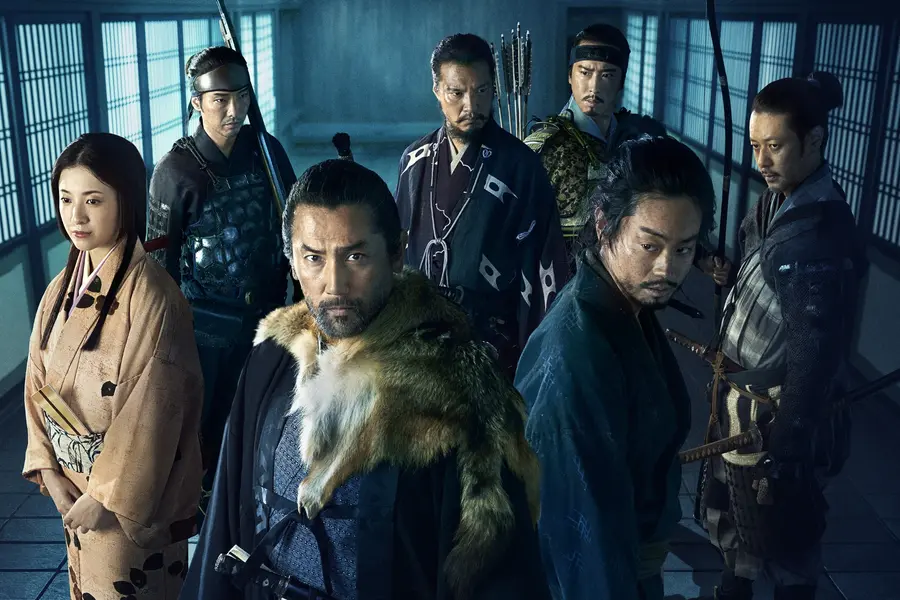
Adapted from Honobu Yonezawa’s novel of the same name, which opened a new frontier for Japanese mystery fiction, 〈Black Thunder Castle〉 is the first period drama from master director Kurosawa Kiyoshi, who has long worked within horror and mystery. The film unfolds against the backdrop of Japan’s 16th-century Sengoku period. Murashige, the daimyo of Arioka Castle (Motoki Masahiro), finds himself trapped inside the castle as Oda’s forces, sweeping through and seizing strongholds, close in. Unable to confront Oda’s overwhelming army, Murashige and his vassals remain in a stalemate, clinging to life. At that point, Oda envoy Kanbei (Suda Masaki) arrives to persuade Murashige to switch sides, but Murashige takes him hostage and locks him in an underground cell. Under samurai code, an enemy taken hostage rather than sent back would ordinarily be put to death as proof of loyalty, yet Murashige abandons that obligation. Meanwhile, a string of bizarre incidents begins in the castle with the death of a boy. To solve the mystery, Murashige turns to the imprisoned strategist Kanbei for help.
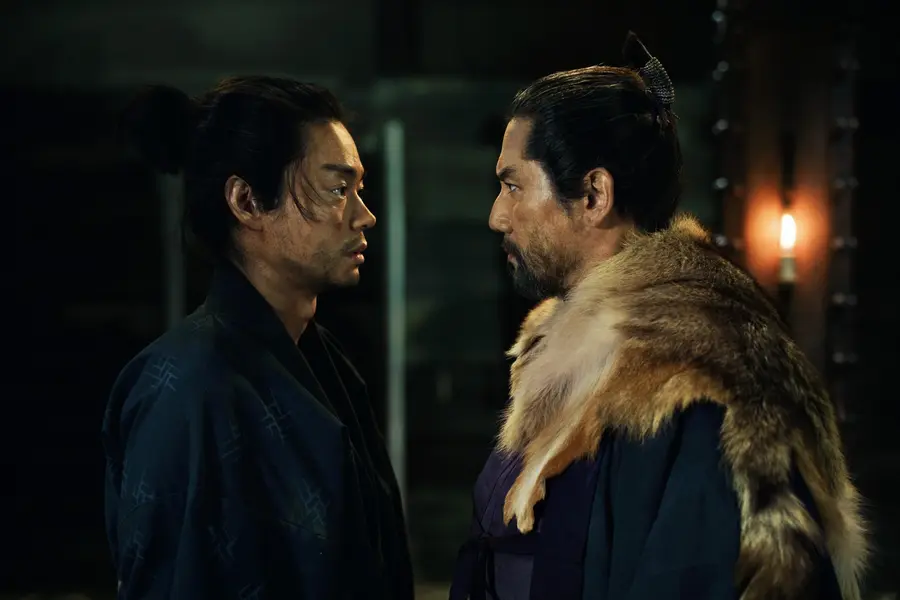
〈Black Thunder Castle〉 is a locked-room mystery that confines its action to an immense fortress. While the film borrows the classic plotting of a conventional whodunit and unfolds largely through dense, confrontational dialogue, its central concern is less identifying the culprit than showing how a closed community collapses under fear. Kurosawa Kiyoshi uses that collapse to probe loyalty, suspicion, power and human dignity simultaneously, casting light on the violence and emptiness behind samurai ritual rather than celebrating samurai norms. Murashige, a historical figure often labeled a traitor for opposing Oda and retreating to Arioka Castle, is reimagined in the film as a character who departs from traditional warrior values and becomes a distinctly modern figure. Through Murashige’s refusal to kill as a ceremonial assertion, Kurosawa argues that the absolute value of human dignity outweighs a samurai’s concern for form and honor. Kurosawa’s trademark cool, probing gaze into power, fear and humanity is very much present in this work.
〈What Happened at Camp Miasma〉, Jane Schoenbrun
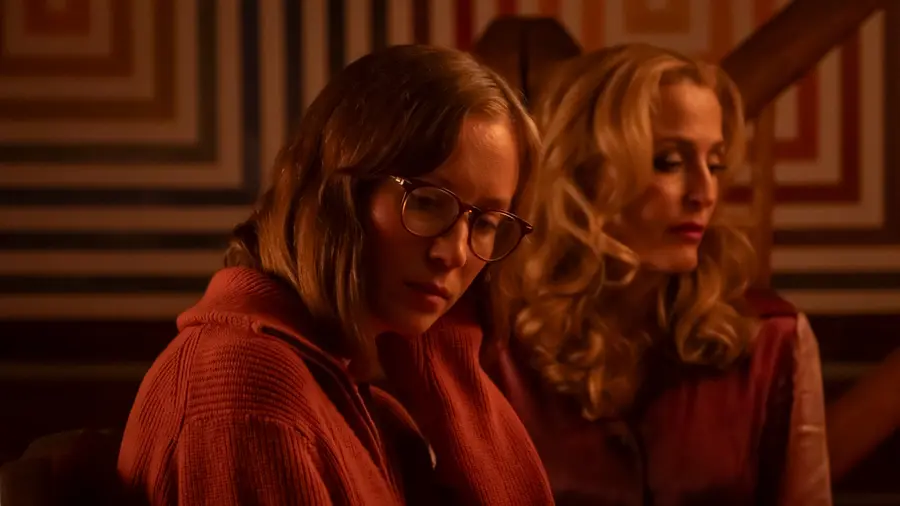
Jane Schoenbrun, who has emerged as a distinctive voice in U.S. independent film, brings 〈What Happened at Camp Miasma〉, a distinctive queer horror film that deftly subverts the conventions of the slasher genre. Chris, an art-film director (Hannah Einbinder), takes on the reboot of the successful 1980s slasher franchise “Camp Miasma.” Before full production begins, Chris goes to the original Camp Miasma location to track down Billy (Gillian Anderson), the franchise’s original ‘final girl,’ in hopes of casting her in the reboot—Billy, however, disappeared from public life after the first film. But after the long-awaited encounter with Billy, the boundary between the film’s fiction and reality collapses, and Chris’s production becomes a horror story in itself. 〈What Happened at Camp Miasma〉 is explicitly a film about filmmaking. As it dismantles slasher conventions, it also carries forward the legacy of several masters: the unsettling indistinction between reality and fantasy and the film’s singular mise-en-scène recall the surrealist sensibility of David Lynch; its thematic focus on human desire for media and the identity shifts that follow carry on David Cronenberg’s concerns; and Schoenbrun’s portrait of Chris, who recognizes the narrative frame he inhabits and suffers existential dislocation within it, evokes characters from Charlie Kaufman. By weaving these layered contexts together, Schoenbrun has produced an intellectually rigorous, destabilizing masterpiece.
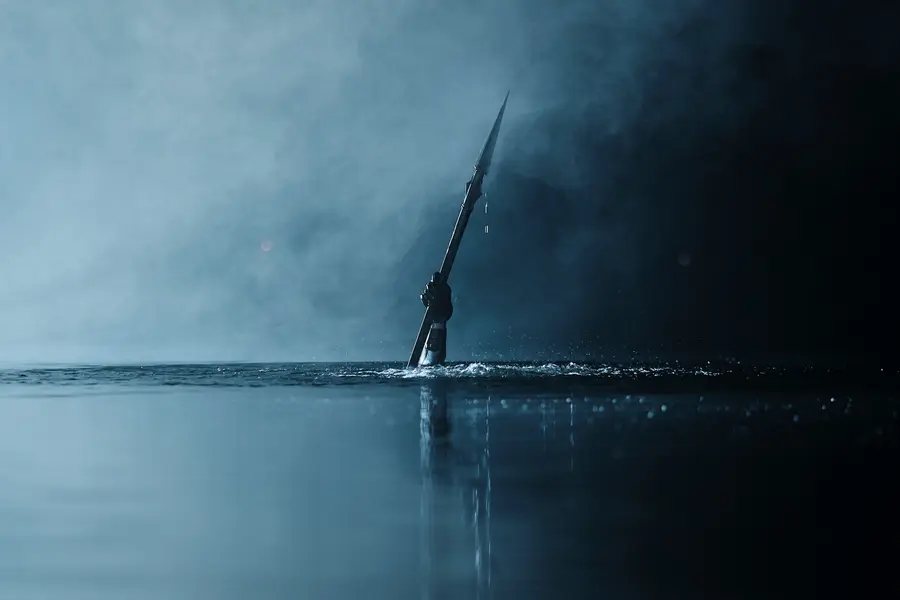
〈Obsession〉, Curry Barker
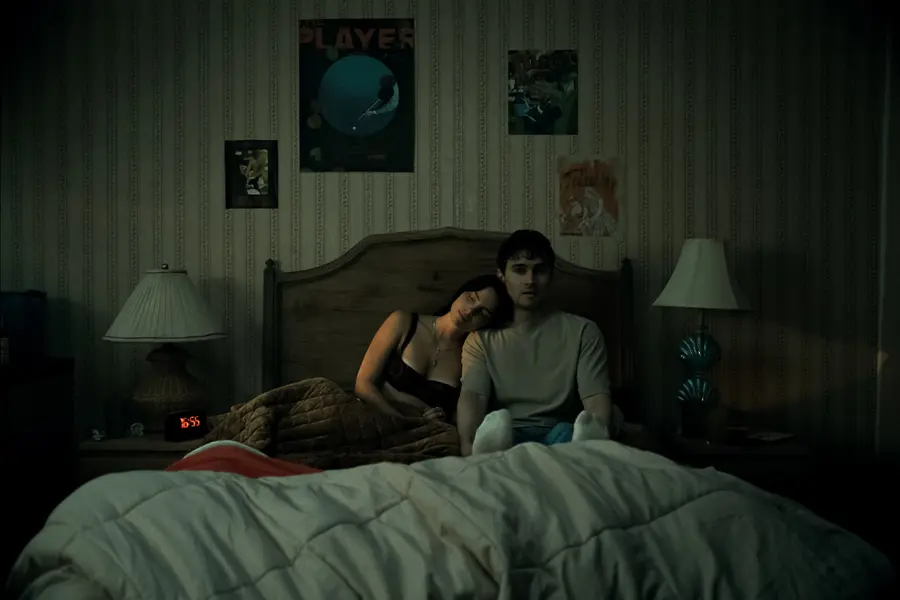
Director Curry Barker, who began as a YouTuber, brings his sketch-comedy sensibility to 〈Obsession〉, a black-comedy horror film infused with his brand of humor. Built on common grievances in romantic relationships, the film has struck a chord with Gen Z audiences in the United States. Made on a $750,000 budget, the film became one of Hollywood’s surprise hits of 2026, earning more than $403 million worldwide. Bear (Michael Johnston), a characteristically timid man, tries to put an end to his one-sided crush through a ‘wish willow’ he happens to find in a general store. He has long secretly loved his friend Nikki (Indy Navarrette) and wishes that Nikki will love him back. That wish, born of a desire to possess Nikki, produces disastrous consequences along with her love. Barker skewers the misogynistic fantasy underlying the desire to possess a woman: Nikki’s extreme dependence and obsession under Bear’s wish are presented not as expressions of free will and mutual connection between subjects, but as the objectification of a woman by a man whose warped desire is rooted in misogyny. Ultimately, 〈Obsession〉 is, to borrow an internet meme, a twisted, hellish Romeo and Juliet brought low by misplaced love.

![[Seong Chan-eol’s Comics] Read 「The Princess](https://cdn.www.cineplay.co.kr/w300/q75/article-images/2026-10-08/66058abc-75df-4a34-900b-e8160eaac3ea.jpg)
![[2026 BIFF] Ann Hui wins Camellia Award, Michelle Yeoh named Asia Filmmaker of the Year as 31st Busan International Film Festival opens](https://cdn.www.cineplay.co.kr/w300/q75/article-images/2026-10-08/cdb085ec-1961-4308-b456-2b2fc4a48a9e.jpg)
![[BIFAN 2026] How to Enjoy Bucheon 30 Years, 100 Times Over ① Bucheon Is a Genre! 99 Asian Genre Films, 11 Genre Films Directed by Women](https://cdn.www.cineplay.co.kr/w160/q75/article-images/2026-06-24/44a46c59-e306-4260-a33f-854591dfc16d.png)
![[BIFAN 2026] Enjoying Bucheon 30 Years in 100 Times ② Bucheon Is AI! AI Content Summit & Beyond Reality](https://cdn.www.cineplay.co.kr/w160/q75/article-images/2026-06-24/f7c7b85c-e482-45c5-934e-c6ee070df25c.jpg)
![[BIFAN 2026] Enjoy Bucheon 30 Years 100 Times ③ Lee Choon-yeon Film Award returns, new International Federation of Film Critics prize, and the July Carnival](https://cdn.www.cineplay.co.kr/w160/q75/article-images/2026-06-24/8af08672-24a9-4c9a-9b57-2af9c5e0c0c9.png)
![[Photo &] Fan Bingbing and Isabelle Huppert Shine… BIFAN’s Glitzy Opening Marks Its 30th Anniversary](https://cdn.www.cineplay.co.kr/w160/q75/article-images/2026-07-03/cb42c5c1-8f2a-44d6-a225-20e30acc6f87.jpg)

댓글 (0)
댓글 작성
댓글을 작성하려면 로그인이 필요합니다.
로그인하기