



We dream. We love like 〈Once〉, yearn with the desperation of 〈Begin Again〉, and hope like 〈La La Land〉. Whatever it is, your 20s are a time of hardship and brilliance when you spend them pursuing what you love. Because you have a dream. You may have raced toward what you believe is “the greatest thing,” but when that dream refuses to become reality no matter how hard you try to grasp it, it’s only natural to look back and feel small.
Director Jung Da-won’s 〈7 Days 7 People〉 shines a light on that bitter stretch of life. Jin-hwa (Lim Jin-hwa), leader of the indie band Hoa, is told by his girlfriend of seven years, Mirae (Seo Eun-soo), that she wants to break up. The person he believed would be his “future” presses him to deal with his “present.” And when Jin-hwa takes stock of his life now, he sees the shabby existence of an indie musician who has worked hard but has received neither proper pay nor recognition.
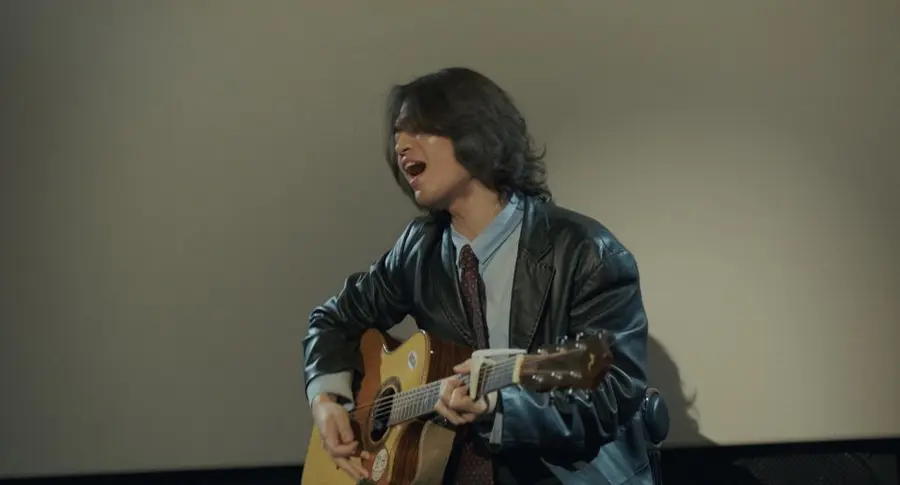
Rather than leave him discouraged, the film sends him out to look for a way forward. Given a seven-day reprieve before the breakup becomes final, Jin-hwa seeks out seven mentors who can help him take stock of his present for the sake of his real future. Along with the seven days and seven people, this is also director Jung Da-won’s first new film in seven years, following 〈Miss & Mrs. Cops〉 (2019). And indie bands aren’t the only ones facing these hardships. Jung herself struggled to get a new film released during that time as a director, and drew heavily on her own experiences for this work.
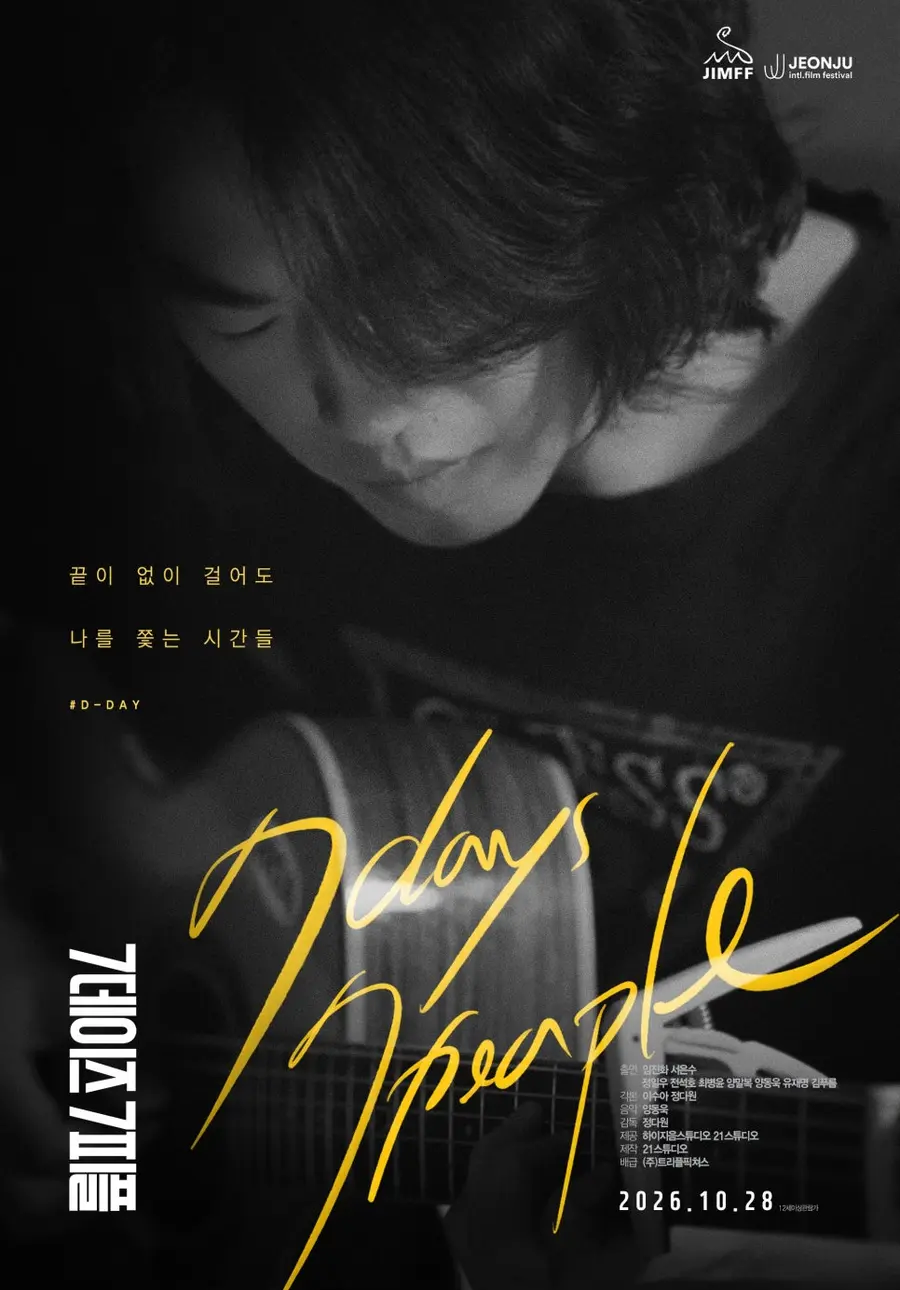
It starts with gloomy, bitter themes, but the film doesn’t get bogged down in them. The structure—meeting seven people over a limited period of seven days—creates suspense. The authenticity of real musician Lim Jin-hwa’s candid performance, along with the spark provided by eye-catching actors Yoo Jae-myung, Seo Eun-soo, Jeon Seok-ho, and Jung Il-woo, comes together beautifully. Like one long concert, the film lets us hear the songs Jin-hwa has made over seven years during its 96-minute runtime—and prompts us to take stock of ourselves alongside him. We highly recommend “listening” to this music film, a perfect fit for the start of November, when the weather has turned distinctly chilly. Here is our interview with director Jung Da-won.
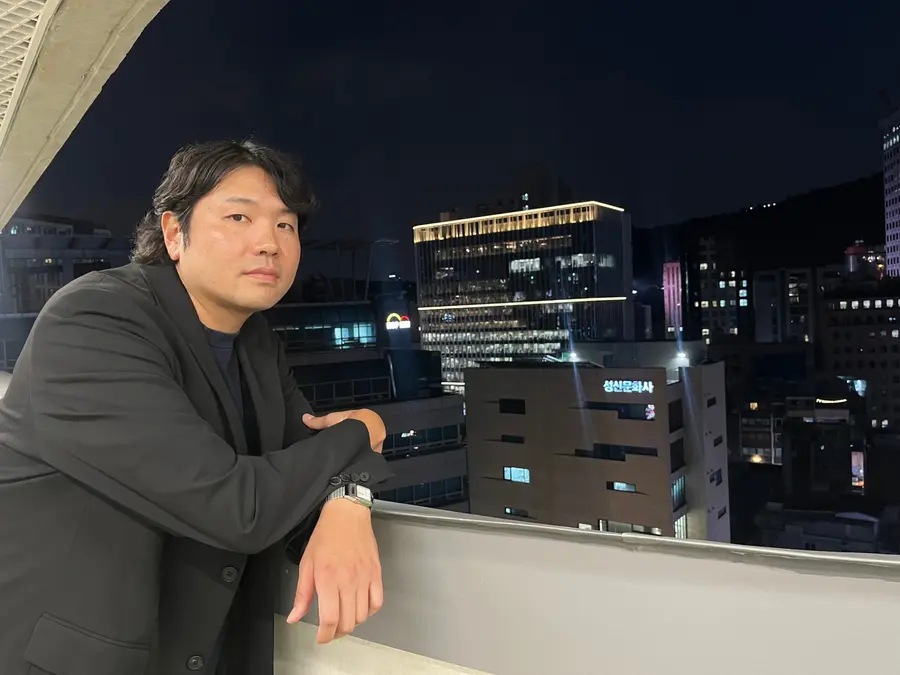
Your previous film, 〈Miss & Mrs. Cops〉, brought a strong genre sensibility to the commercial-film format. This time, you’ve made a film that’s different in both direction and scale.
I made a music film right after 〈Miss & Mrs. Cops〉, but it still hasn’t been released, and another project I was preparing never got off the ground. I was stuck. I’m normally the type to work hard, but when things kept failing to work out, I started thinking a lot. Maybe I wouldn’t be able to keep doing this. Maybe I should do something else. That’s when this story came to me.
I’m curious about what led you to tell a musician’s story through music.
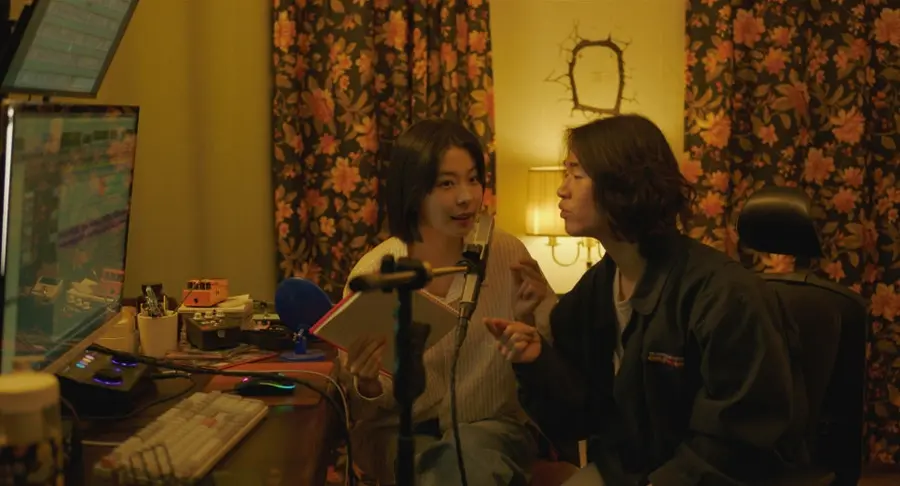
When I made the music film before this one, I did a lot of research on music films with the crew. There aren’t many music films in Korea, so we wanted to do it properly. We studied everything from filming to directing the music. The entire crew from that film joined this one. Jin-hwa, the protagonist, and his friend (Yang) Dong-wook, who plays guitar, and the drummer are all people I met then. We happened to live in the same neighborhood, so we’d drink together and talk a lot about music. When the idea came to me, I brought them all back together. Talking with them made me think that making indie music was a lot like making independent films.
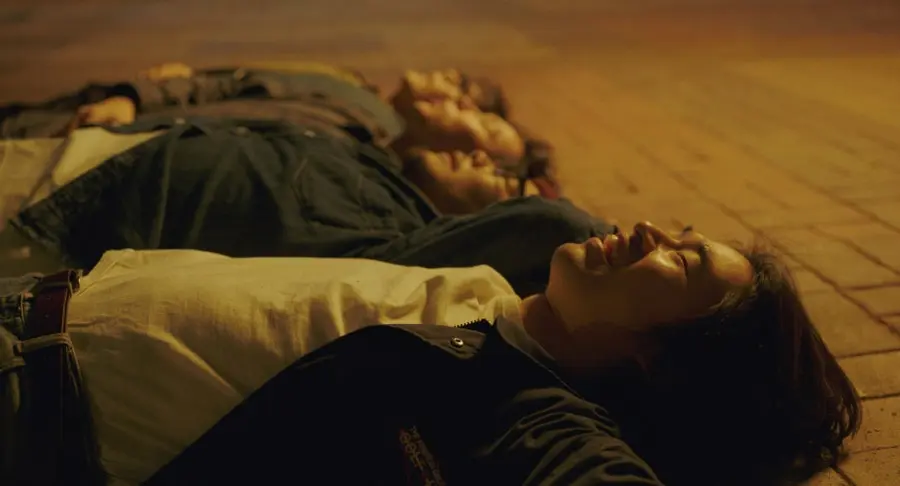
I imagine the question of whether you can keep doing what you love also comes from your own experience as a director..
I studied film, and if I look back over more than 20 years of working, there have been plenty of difficult moments. When I was making my first feature, 〈The King of Jokgu: The Revolution at Garak Market〉 (2017), I worked at a fried chicken restaurant and put every bit of money I earned into post-production so I could finish the film. I don’t think I bought a single piece of clothing for four years. At one point, I thought, “I can’t go on like this. I have to take a chance on my life.” I started preparing to work on a deep-sea fishing boat. I thought I’d go earn money and try running a business or something. My mother cried and begged me not to go because it was too dangerous, so I gave up. That’s how unsure I was back then about whether I could keep doing this work. A lot of musicians make ends meet with part-time jobs and live that kind of life. Since it’s not easy to do what you want or to find a job, I thought people would really relate to Jin-hwa’s choice.
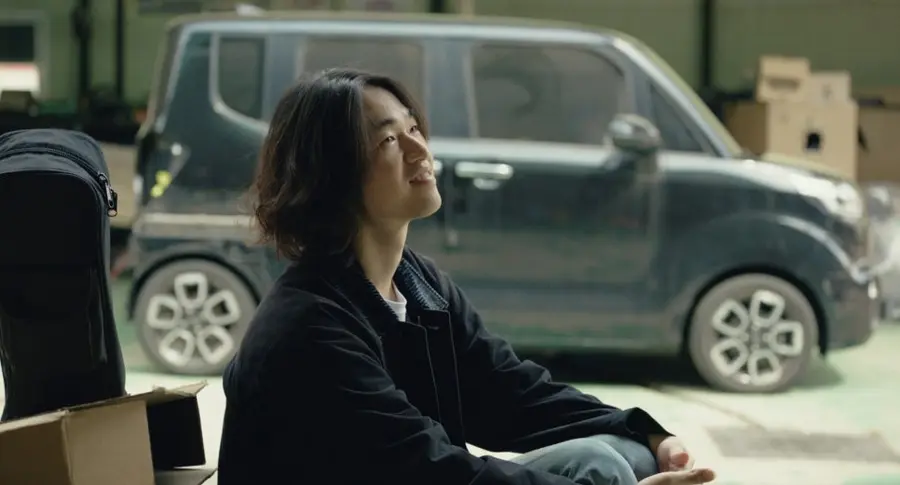
The setup of meeting seven people over seven days and deciding on a career adds suspense. How did you settle on that structure?
Suspense is important to me in films. I don’t think that’s any different in commercial and independent films. I always keep in mind the kind of suspense I’ve seen in Spielberg’s films—the kind that keeps the audience on edge. This is a very simple story, but I thought we had to maintain that tension to keep the audience from getting bored. What choice will Jin-hwa make a week from now? Let’s stay close to him as he makes it. The camera will simply follow him. Let’s follow that week together with the audience.
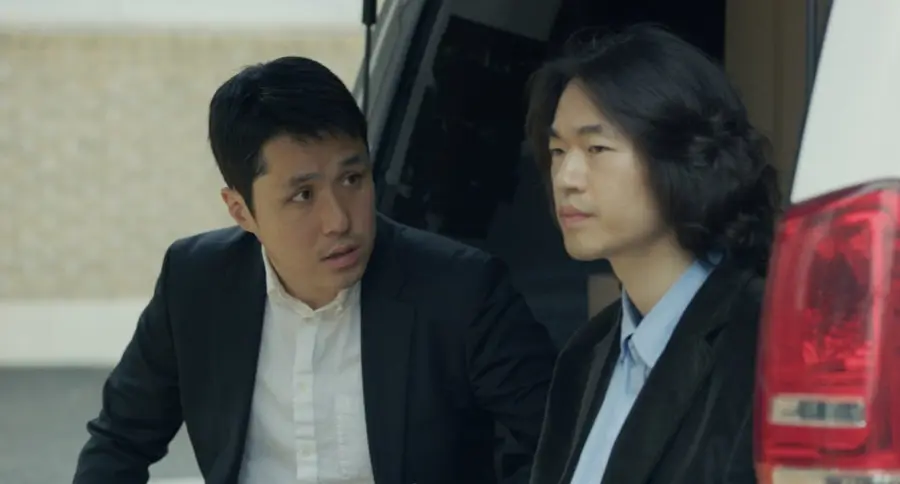
You cast real musician Lim Jin-hwa, not a professional actor. Since he carries the entire film, casting him must have been a challenge.
I’d worked with him before, and he was so free and relaxed in front of the camera. He’s a vocalist, so he has plenty of music-video experience and isn’t afraid. And you can see in his face what he’s actually experienced as a band member. I thought his subtly poignant yet bright quality was like Jin-hwa, who has chased his dream all the way to this point. In the film, Jin-hwa buys pig’s feet at Mangwon Market and tells the owner, “May you be blessed.” That line wasn’t in the script; it’s just the way he talks. He’s kind and innocent. Rather than give him separate acting directions, I built Jin-hwa out of those qualities that naturally came from him.
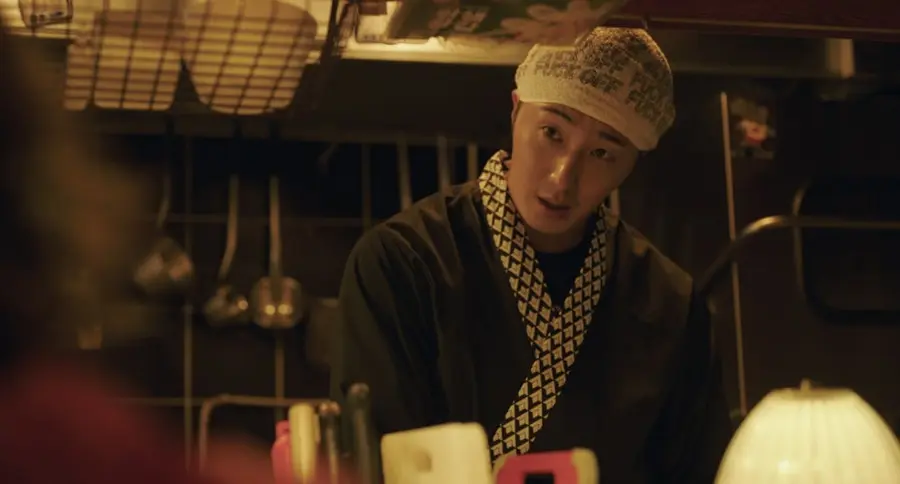
By contrast, the seven people Jin-hwa meets are professional actors. The supporting characters—Jung Il-woo as the izakaya owner, Jeon Seok-ho as the auto mechanic, and Yoo Jae-myung as the agency head—bring considerable tension. I’m curious about the casting process.
I worked on several of director Hong Sang-soo’s films as a crew member. When Youn Yuh-jung appeared, the scenes would suddenly come alive. The energy that talented actors bring is incredibly powerful. I wanted to see veteran actors have that same effect on the scenes in my film. Of course, I felt bad asking them to come for a day of filming and giving them so much dialogue to memorize. Still, I asked them to help. Jung Il-woo and Seo Eun-soo weren’t people I knew previously, but when I met them, they were open to working on an independent film, and they enjoyed the script since music films are rare. Yoo Jae-myung and Jeon Seok-ho were actors I already knew. I’m grateful to them—they may have spent more buying drinks for us that day than they earned in fees. (Laughs)
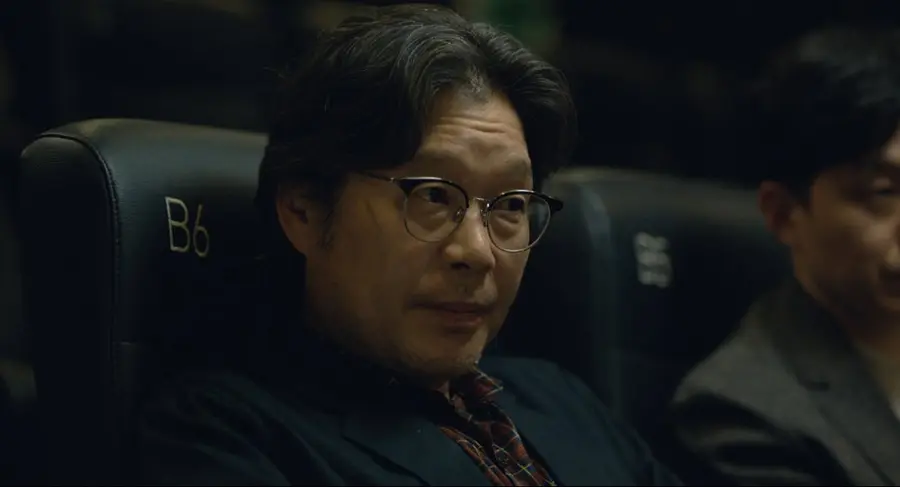
Jin-hwa meets seven people who have made different choices and gets a kind of mentoring and advice from them. Is there any advice you especially wanted to emphasize?
Instead of having flashy scenes, we focused on creating realistic dialogue. At the end, the record-label executive asks Jin-hwa, “Is your music overwhelming?” The implication is that you have to be overwhelming to succeed. That was something I’d been thinking about lately. I was having a hard time after a film I was preparing failed to get through the investment review. Then I saw another film, and it was so overwhelming. I was hard on myself, asking whether I’d researched and written as diligently as that director, and telling myself I could never make an overwhelming film. Looking back, I’d also faced a lot of interference in the process of making commercial films. But then I had another thought: Not everyone can be Son Heung-min. So, in response to the question “Is it overwhelming?” I had Jin-hwa say, “I like Snack Ramen!” There are people who prefer Snack Ramen to Shin Ramyun. That’s how I used Snack Ramen as my own metaphor.
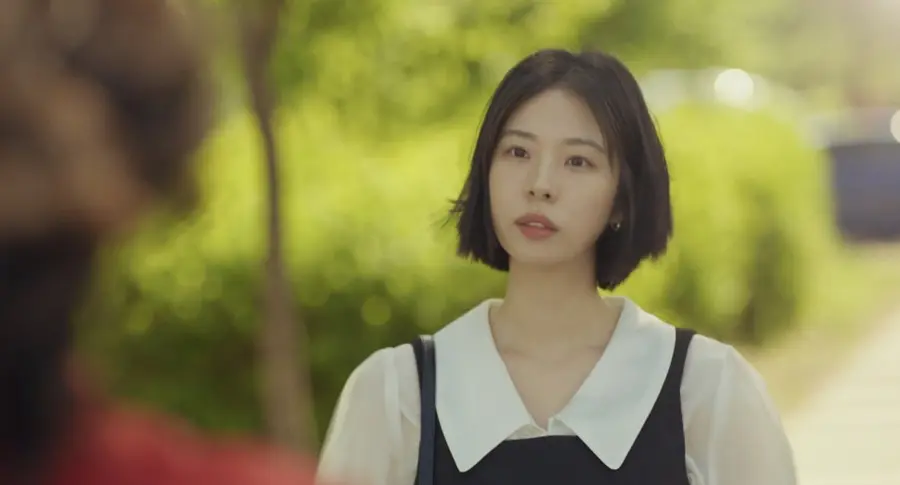
You must have spent a lot of time thinking about how Jin-hwa’s journey would end—what choice he’d make after seven days, or what kind of life might await him. I found it moving that his choice doesn’t put the emphasis on what we think of as “success.” It also seems like a point where your choices differ from 〈Once〉 and 〈La La Land〉.
I remembered something an older friend I was close to in school once said: “Only someone with courage can quit.” Most people think you’re a loser if you quit, but I didn’t see it that way. There are times when you have to leave behind even something you’ve done your whole life, and when that happens, it takes real courage. I came to think that accepting things, and allowing for such a period in life, matters just as much as the time spent racing toward success. I wanted to capture that, too, by looking at the realities faced by creative people—not only in music, but in film as well.
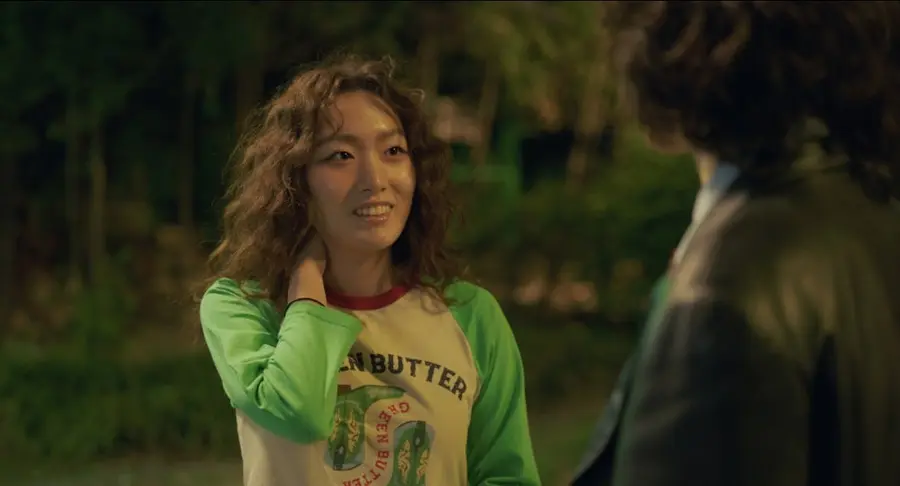
The songs Jin-hwa sings drive the entire film, to the point that viewers may find themselves waiting for the soundtrack. The film uses the name of Lim Jin-hwa’s real band, Hoa, but its music is mostly gentle folk songs, unlike the band’s actual sound.
The soundtrack is coming out soon. We’re also preparing a concert to go with it. The real band Hoa plays psychedelic and electronic music, but I based this film on folk music. The lyrics were the focus. We needed to look back on Jin-hwa and Mirae’s seven-year relationship and the time they spent making music, but showing all of that in flashbacks wasn’t practical. I worked hard to make sure the lyrics could bring that time to mind. I also contributed to the songwriting. The main song, “Morning Star,” was written by the band members and brought to me when I told them I was making this film. The final song, “My Daisy,” was one Jin-hwa already had.
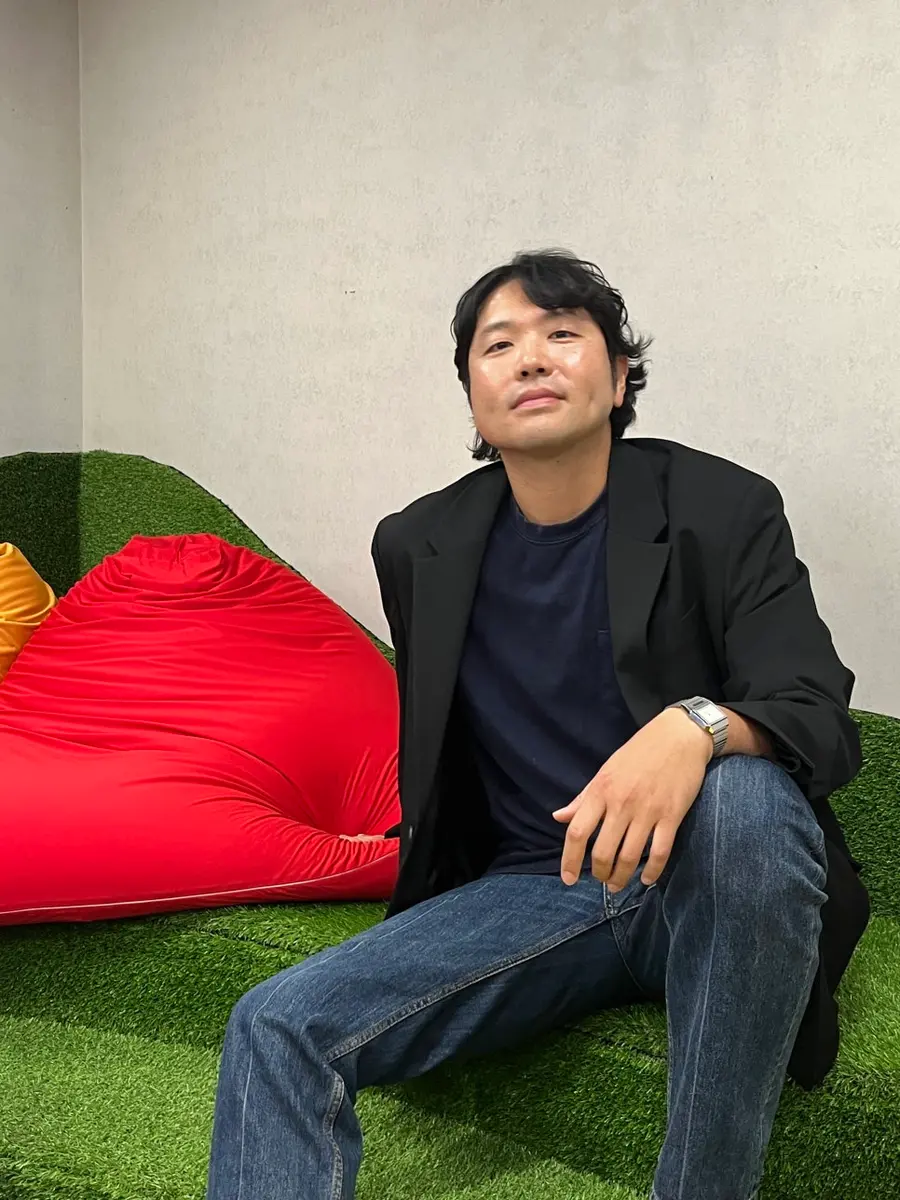
This film reflects your feelings during a difficult period. With its completion, invitations to the Jeonju International Film Festival and Jecheon International Music & Film Festival, and its release, I imagine it must have brought a great sense of relief.
First of all, I was really happy while we were filming. I tried to make sure the crew didn’t have too hard a time, and we worked hard to film efficiently over those seven days. That time wasn’t difficult at all; it was happy. I met audiences at film festivals, and one viewer who looked to be in their early 20s said the film had been so healing, that they wanted to root for Jin-hwa, and that they were grateful I’d made it. I was moved to tears listening to them. At first, I made the film because I was having a hard time and wanted to have a little fun. When audiences sent that kind of encouragement, I felt the film was doing what it was meant to do. I joked to Jin-hwa and Dong-wook, “If I’d been busy and things had gone well, this film wouldn’t have happened.” If I get the chance, I’d like to bring together people who share the same vision and make another project like this.

댓글 (0)
댓글 작성
댓글을 작성하려면 로그인이 필요합니다.
로그인하기