


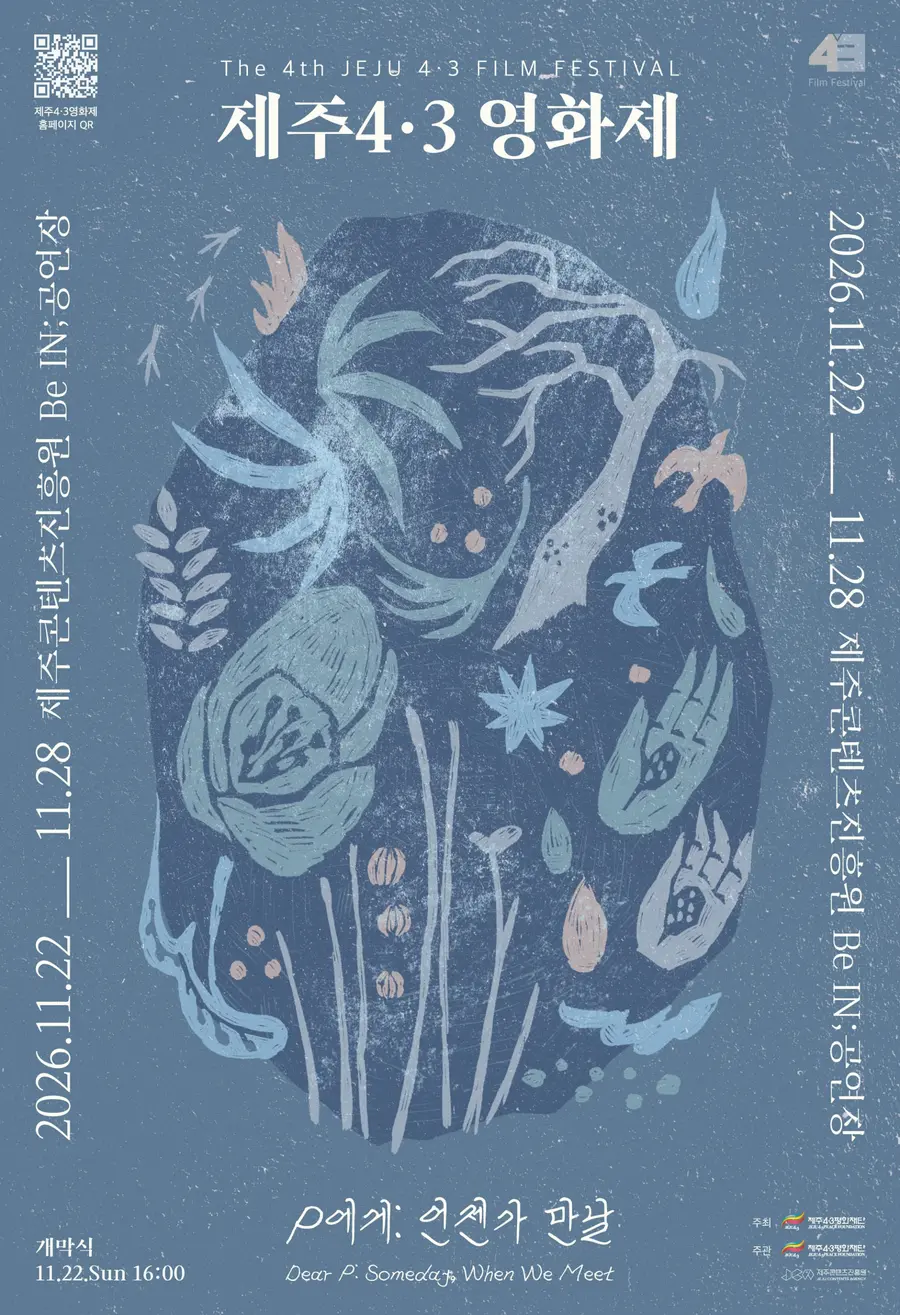
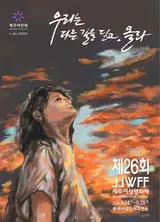
The Jeju 4·3 Film Festival is embarking on its fourth edition, revisiting the historical wounds of Jeju 4·3 and exploring on screen state violence, conflict and human rights around the world.
A spectrum of remembrance and solidarity, with global peace discourse across five sections
The Jeju 4·3 Peace Foundation said the fourth Jeju 4·3 Film Festival will run for a week, from the 22nd to the 28th, at BeIN Theater, operated by the Jeju Content Agency. This year’s slogan is “To P: Until We Meet Someday,” embracing the values of peace, people and presence while conveying the voices of truth that have broken the silence.
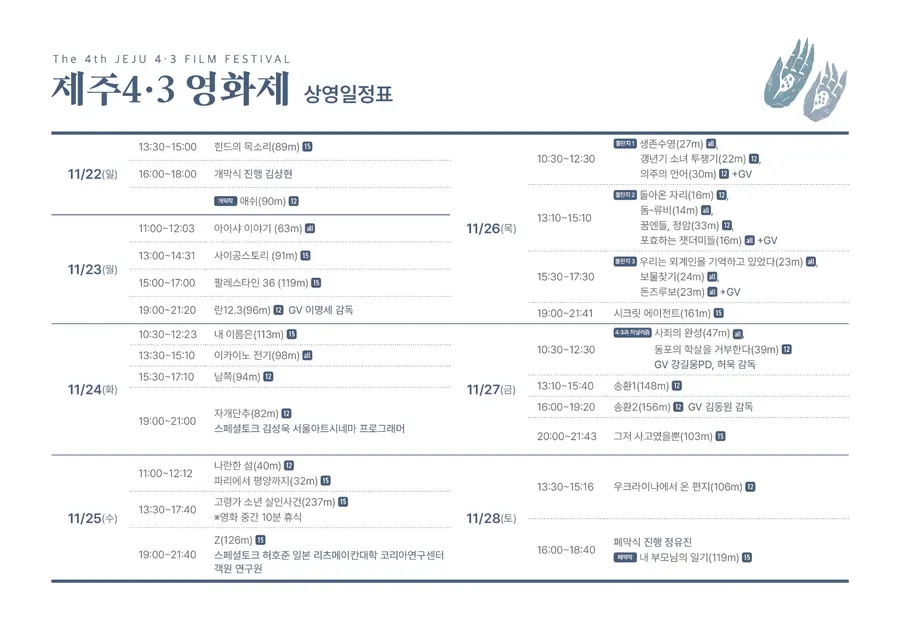
Launched in 2023, the Jeju 4·3 Film Festival has significantly expanded its reach this year through joint organization with the Jeju Content Agency. The opening film will be “Ash” (2025), a documentary by director Oier Plaza that traces a Republican figure who was taken to a Nazi camp during the Spanish Civil War and killed. The closing film, “Diary for My Parents” (1990), by acclaimed director Márta Mészáros, about the horrors of the 1956 Hungarian Revolution, will be screened in Jeju for the first time.
Conversations with acclaimed filmmakers; a close look at historical reckoning and journalism
The program is divided into five sections: △Remembering the Past △Documenting the Present △Connecting the Future △4·3 and Journalism △the short-film competition “Bullanji.” Thirty-two films will fill the screen with weighty stories, including director Edward Yang’s “A Brighter Summer Day,” “The Pearl Button,” which indicts Chile’s military dictatorship, “Ran 12.3,” about the Dec. 3 emergency martial law, and director Kim Dong-won’s “The 2nd Return,” documenting the lives of long-term prisoners who refused to recant their beliefs.
In-depth post-screening discussions with audiences (GVs) are also planned. Director Lee Myung-se of “Ran 12.3” and director Kim Dong-won of “The 2nd Return” will attend in person to meet with audiences. A special discussion featuring Kim Sung-wook, programmer at Seoul Art Cinema, and Heo Ho-joon, visiting researcher at the Korea Research Center of Ritsumeikan University, will also examine the intersection of history and film aesthetics.
Record 526 submissions; all films free to watch
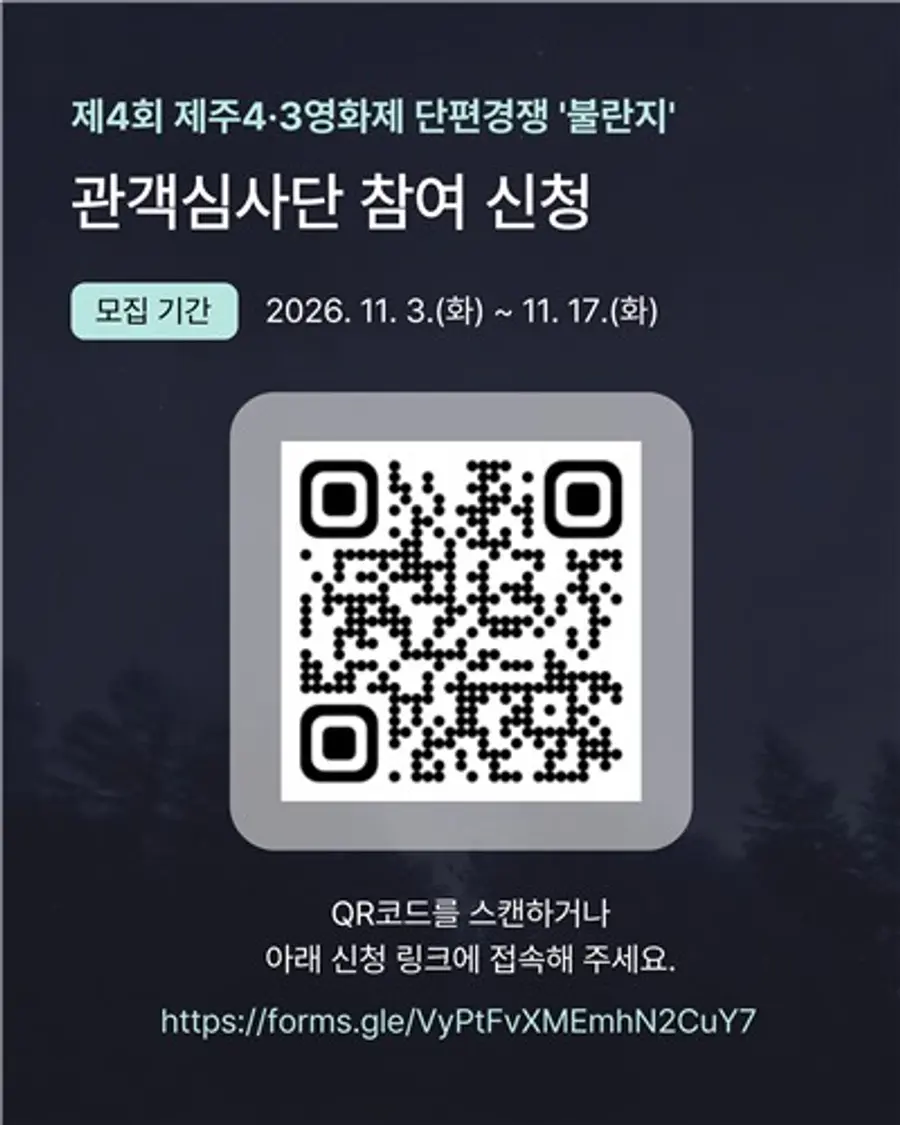
The short-film competition “Bullanji” received 526 submissions, a 54.3% surge from the previous year and a record high. Ten finalists addressing forced mobilization during Japanese colonial rule, state violence, migration and discrimination will be screened, with awards including Best Film presented at the closing ceremony.
Kang Eun-mi, the festival’s executive director, called the festival an effort “to recognize wars, massacres and discrimination around the world as structural violence and to stand in solidarity,” and urged support for confident, truthful voices. Lim Moon-chul, chair of the Jeju 4·3 Peace Foundation, said, “I hope watching these films will provide an opportunity to share the pain of 4·3 and pass its memory on to the next generation.”
All films are free to watch, and advance reservations will be available on the official website starting on the 16th. Tickets for any remaining seats will be issued at the venue on screening days.


댓글 (0)
댓글 작성
댓글을 작성하려면 로그인이 필요합니다.
로그인하기