


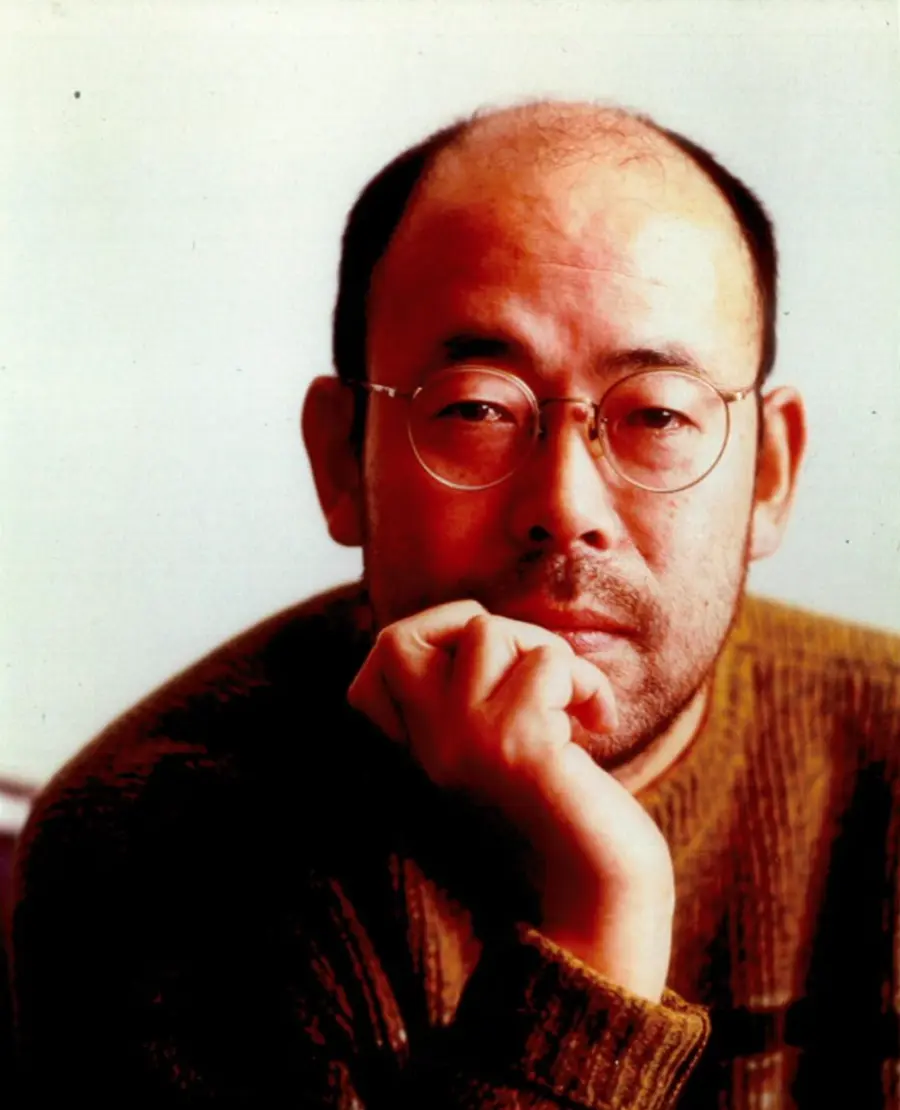
The films of the master of Japanese cinema, Shinji Sōmai, from the 1980s and 90s, are coming one after another. First, 〈Moving〉 was released in 4K remastering on July 23, followed by 〈Summer Garden〉 which will be released on August 6, and the re-release of 〈Typhoon Club〉 which premiered last summer on August 13. Shinji Sōmai was a director who led the wave of Japanese independent cinema with his unique direction during a time when the studio system was collapsing and the Japanese film industry was unstable. Director Ryusuke Hamaguchi remarked, "It is nearly impossible for anyone making films in Japan today to work without being conscious of Sōmai."
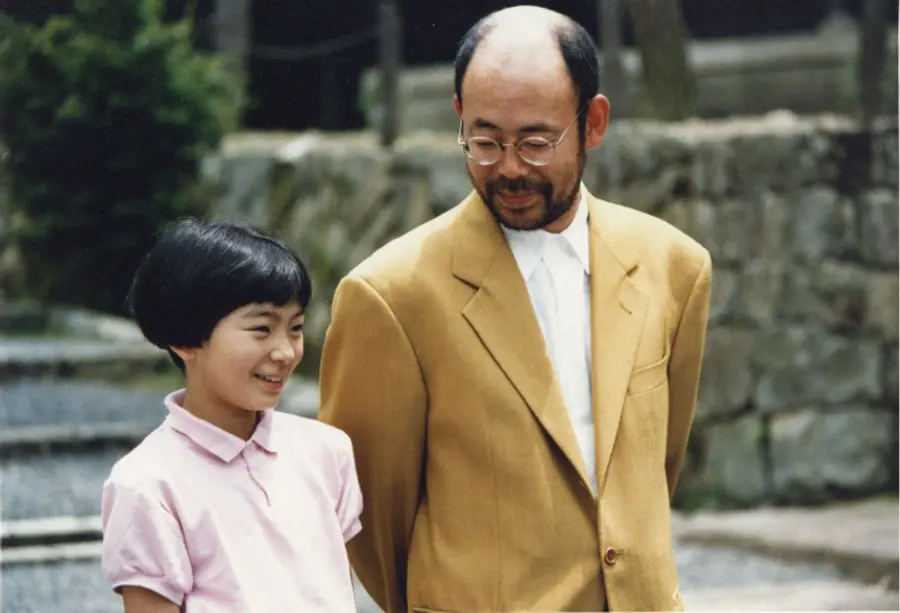
Shinji Sōmai left his unique long takes in the history of Japanese cinema. Sōmai's long takes exude dynamic energy. He instructs actors to perform 'abnormal body movements' and captures their unpredictable moments. His belief in not controlling the spontaneity of the actors and the unpredictability of the scene establishes a solid aesthetic that portrays the chaos and anxiety arising from unexpected events as part of youth. We looked back at three films where Shinji Sōmai's long takes shine.
〈Typhoon Club〉 (1985)
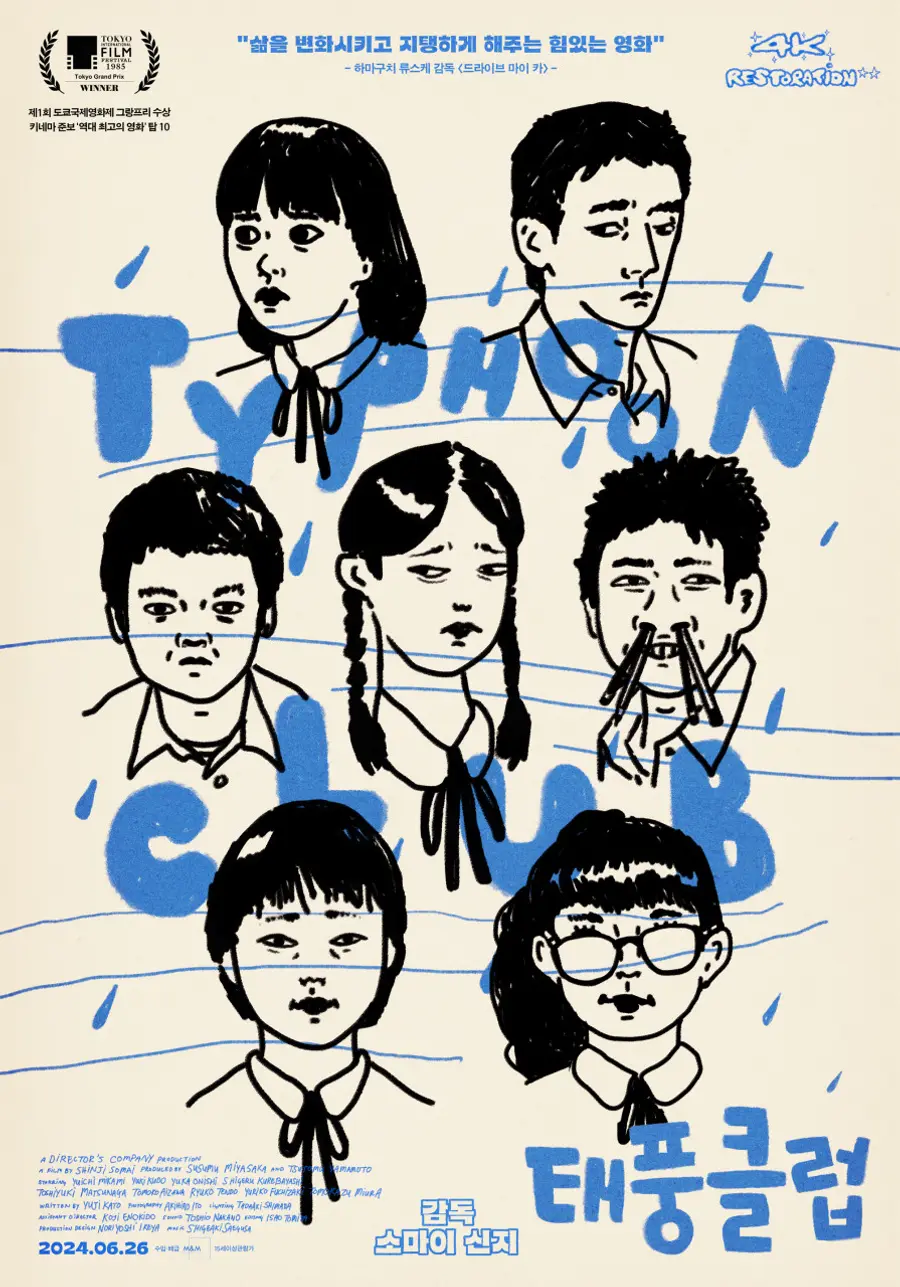
As a typhoon approaches in the summer, middle school kids living in the countryside wander with their own worries. Mikami (Yuuichi Mikami), who has quit the baseball team, begins to contemplate life and death, while his girlfriend Rie (Yuki Kudo) feels a vague fear of being abandoned. On the night the typhoon hits, six kids, including Mikami, find themselves trapped in an empty school where all students and teachers have evacuated. Isolated by the typhoon, the kids reveal their instability, sexual identities, and violence, breaking free from external order and control, and exploding with energy of oppression and deviation. Meanwhile, Rie dreams of a new world and leaves her home and town for Tokyo.
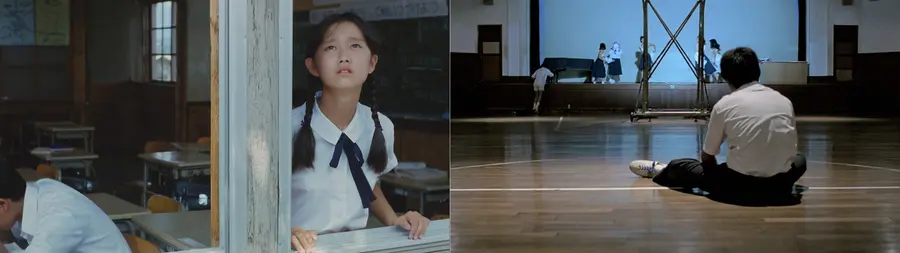
The kids in 〈Typhoon Club〉 face the typhoon unprotected, without the shield of their parents and the older generation. In the film, the parents of the kids are almost absent, and there are no reliable adults to depend on. Ken (Shigeru Benibayashi) from the baseball team repeatedly plays the game of “I’m back” and “Did you come back?” which reveals Ken's loneliness left unattended in the absence of parents. Ken's loneliness and isolation manifest as violence in the storm. Meanwhile, teacher Umemiya (Tomokazu Miura) ignores the kids trapped in the school while drinking. This portrayal of teacher Umemiya is presented as a corrupted adult figure in Shinji Sōmai's films. Sōmai's long takes allow us to deeply feel the instability and primal energy of youth while maintaining an objective distance.
〈Moving〉 (1993)
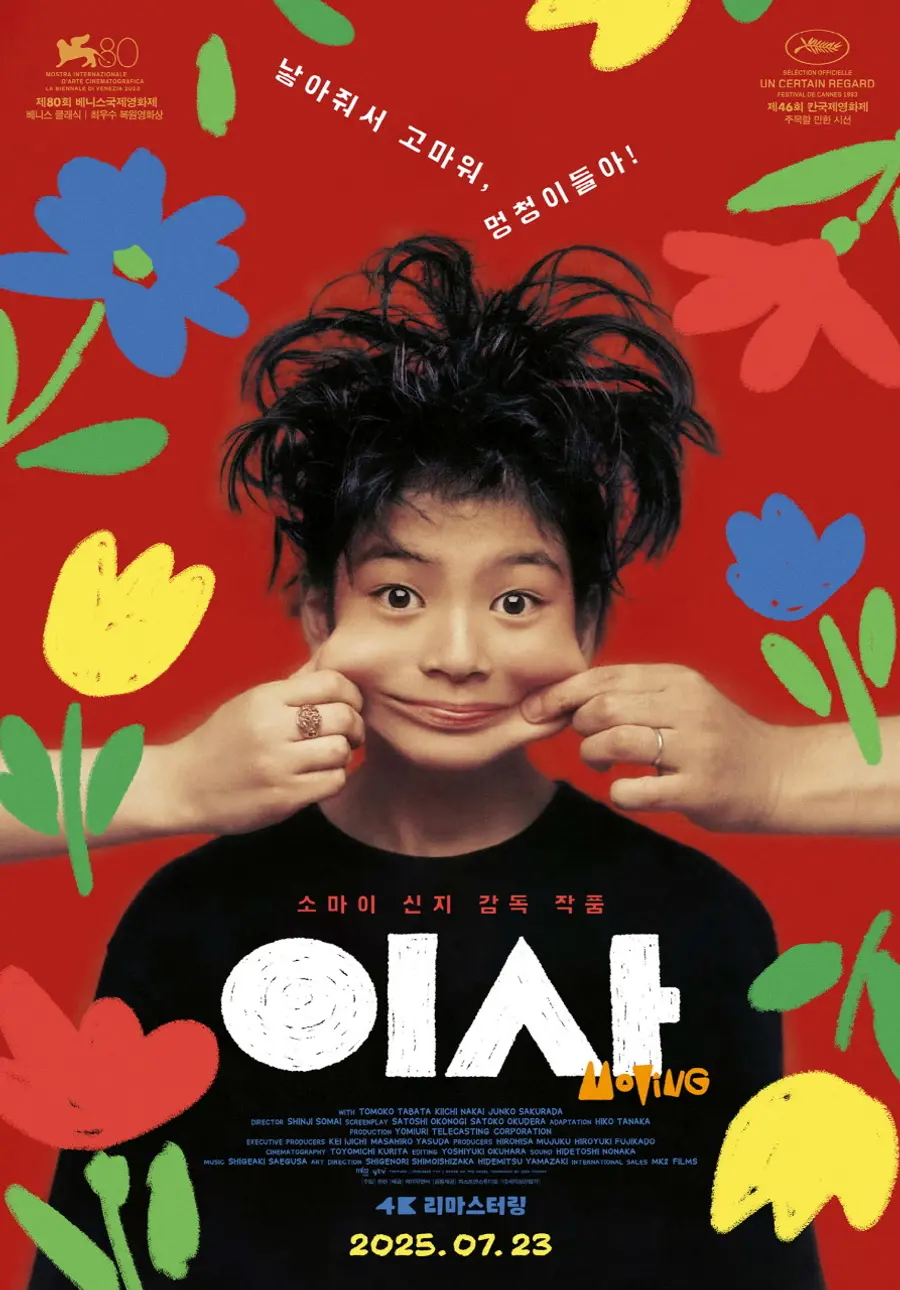
In the summer of Kyoto, 13-year-old girl Ren (Tomoko Tabata) is informed of her parents' divorce at an age when she cannot fully grasp the order of the world. In a clumsy manner and with chaotic emotions, her father leaves home, and Ren, left alone with her mother Nazuna (Junko Sakurada), hears the sound of everything in her daily life shattering. Displeased with both her parents' divorce and the contract for a new start between her mother and herself, Ren begins to resist her parents. She hides the divorce papers, locks herself in the bathroom, and even makes a reservation for a trip to a lake and rain that holds family memories. Ren embarks on her own journey of growth amidst confusion and loss.
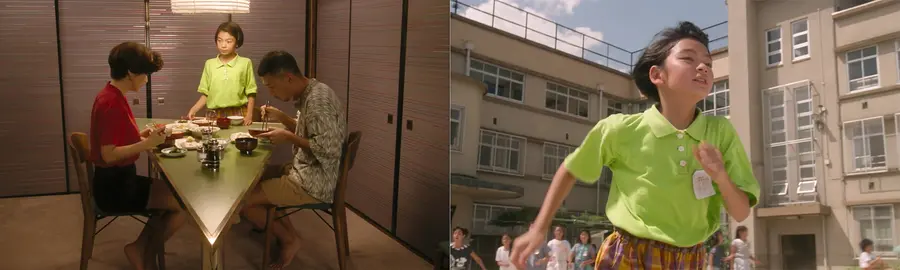
The film, based on the novel 「Two Houses」 by Hiko Tanaka, features a delicate adaptation by Satoko Okudera, the screenwriter of 〈The Girl Who Leapt Through Time〉. It depicts a girl's journey of growth as she tries to break out into the world. In this work, Shinji Sōmai's long takes meticulously capture the emotional lines of the characters. The film does not split emotional moments with short cuts but instead captures the movements of characters wandering around the house with long takes, allowing us to feel the pressure of a closed and unstable family space. The long takes in 〈Moving〉 effectively visualize that the young girl has no place to rely on or escape within the house.
〈Summer Garden〉 (1994)
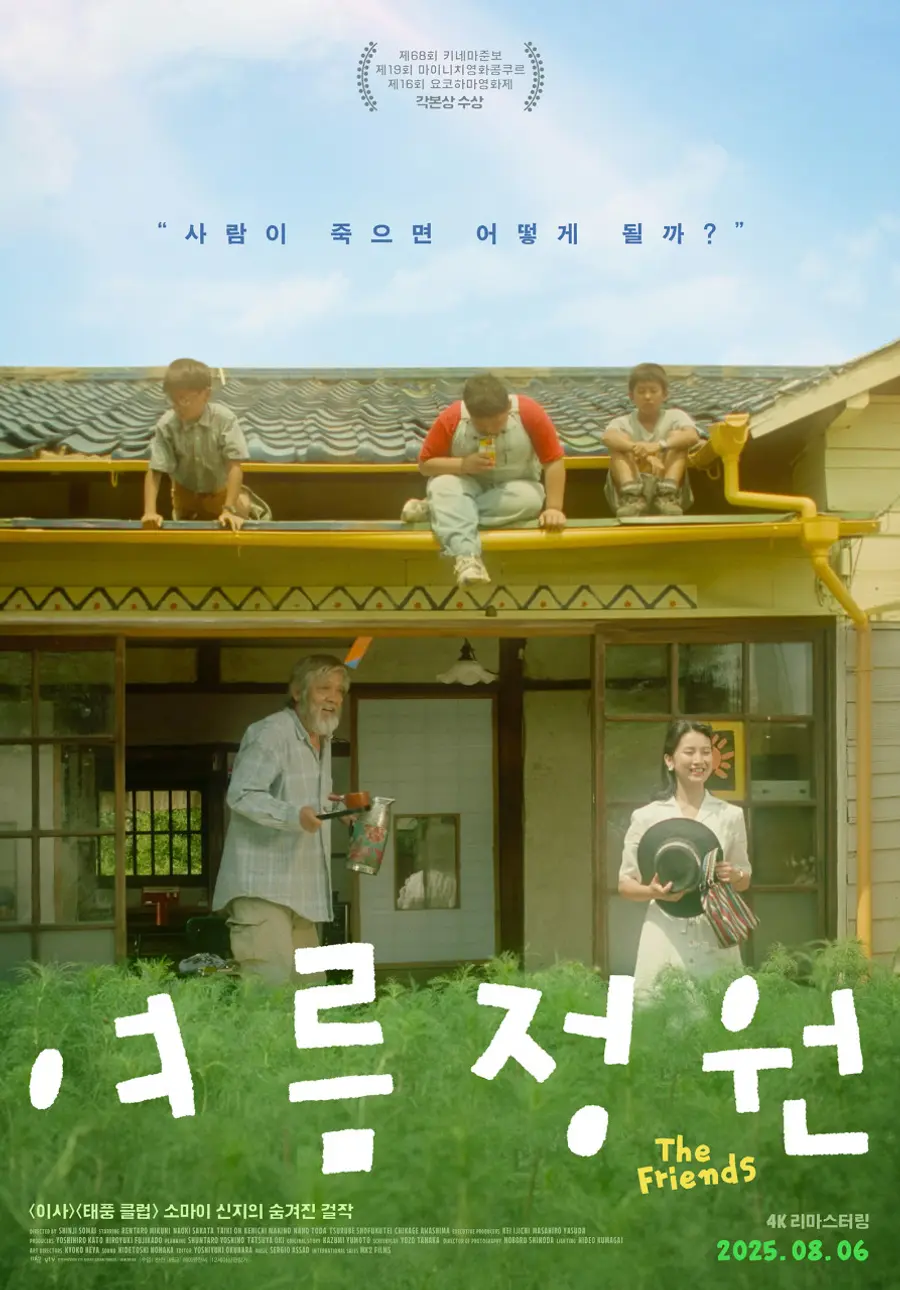
The house of an old man waiting quietly for death becomes lively due to three intruders. Three boys, Kiyama, Kawabe, and Yamashita, begin to observe the moment when the old man, who lives alone, dies out of curiosity about death. The grandfather (Rentaro Mikuni) and the three boys gradually grow closer as the old man's shabby house becomes more colorful.
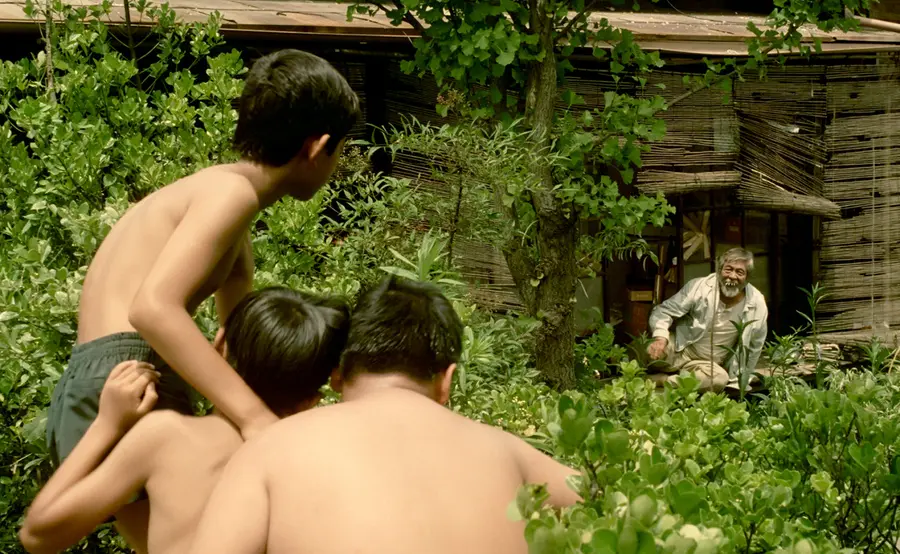
The old man's house, surrounded by a lush little garden, is a place where nature circulates. His house is a metaphorical space for life and death, where the seasons and life cycle intertwine, and where transitions and changes in relationships between different generations occur, embodying the traumas of past generations. The grandfather, a veteran of the Pacific War, carries guilt for having harmed others during the war. The sounds of airplanes and explosions that intrude upon the peaceful daily life of Kiyachi and the three boys are the 'echoes of memory' imprinted in Kiyachi's mind. Although the three boys do not fully understand his trauma, they comfort his wounded heart by helping him reunite with his estranged family.
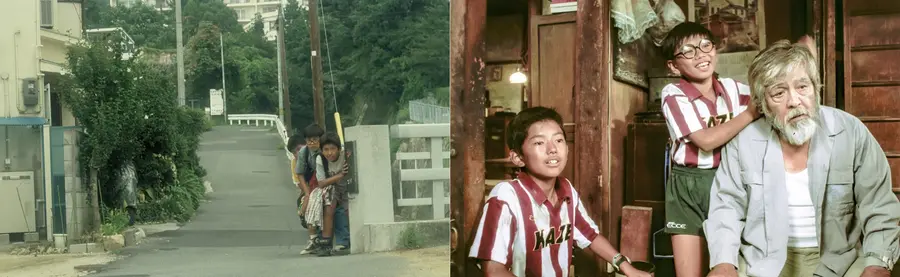
Meanwhile, 〈Summer Garden〉 features the natural light cinematography of Noboru Shinoda, who filmed many of Shunji Iwai's films such as 〈Love Letter〉 (1995) and 〈All About Lily Chou-Chou〉 (2001), beautifully capturing the changing landscapes of nature. In his camera, the greenery of summer appears richer and more vibrant, and the three boys undergo a rite of passage in the shining summer.



![[Interview] 〈Gwangjang〉So Ji-sub](https://cdn.www.cineplay.co.kr/w160/q75/article-images/202506/19038_207972_1423.jpg)
댓글 (0)
댓글 작성
댓글을 작성하려면 로그인이 필요합니다.
로그인하기