


Cultural planner Hachi
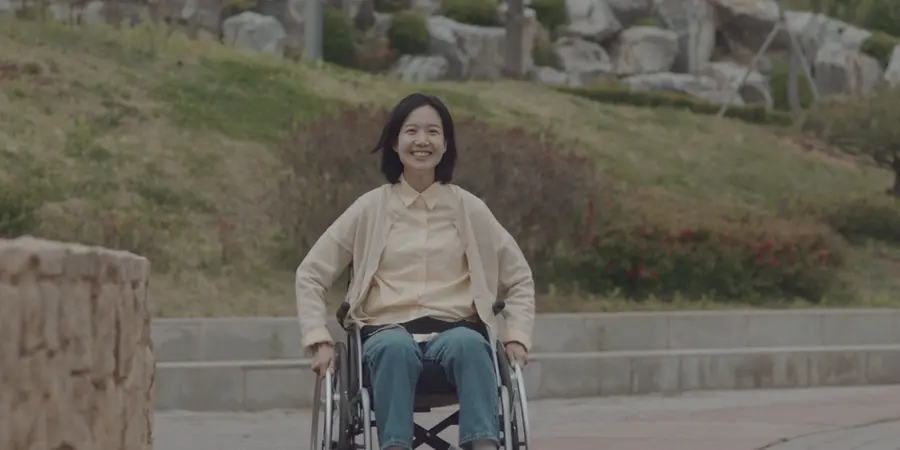
Has there ever been a work that directly addresses the pregnancy of women with disabilities? There are a few stories that touch on the love, sexuality, and physicality between people with disabilities and those without, but I have no memory of seeing a film that fully follows the emotions and decisions of the pregnant individual. Even women without disabilities hesitate about pregnancy and childbirth in this era. In such a society, the pregnancy of a woman with a disability receives confusion instead of congratulations, and concern rather than support. The mindset that hastily concludes, 'This must be a choice based on suffering,' may have made us deliberately turn away from such stories.
Therefore, the film 〈Between the Two of Us〉 that deals with the pregnancy of a woman with a disability is undoubtedly a strange yet welcome attempt. It is not simply because the subject matter is rare. When the keywords of disability, womanhood, and pregnancy intersect, the film carefully avoids the stereotypical narratives that often accompany them, choosing instead to quietly gaze into the inner lives of the characters rather than indulging in emotional excess or external drama. This careful distance follows the protagonist's anxiety and conflicts, her strangeness and hesitation, and through the questions we have turned away from, it delicately draws out universal stories. The age-old question of whether this society, worried about low birth rates, is truly ready to nurture new life also follows.
Baby, Can I Give Birth Too? Or Should I?
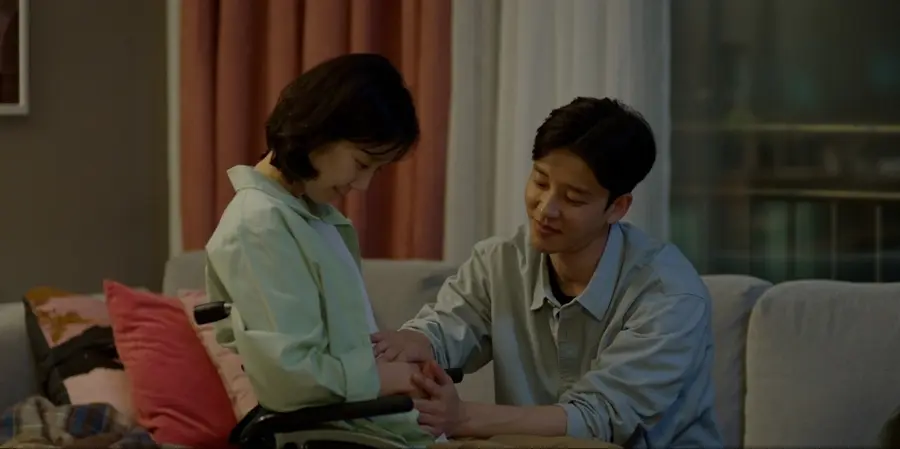
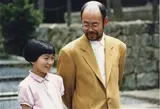
Eun-jin (KIM Sieun) is a 17-year wheelchair user. "It must be a mess, right?" This is what Eun-jin, who has a spinal cord injury, jokingly says to her husband Ho-seon when faced with an unexpected pregnancy. Ho-seon (SEOL Junghwan)'s first words upon seeing the ultrasound of the fetus were not "Congratulations" or "That's great," but rather, "I'm sorry for making you go through this." 'This' refers to the prospect of abortion. Although Ho-seon is kind and sincere, he does not feel capable of taking responsibility for a life while working as an unstable part-time lecturer. The variable of childbirth, which was not part of the couple's life plan, comes as a wave of worry and guilt rather than joy. The doctor who informs Eun-jin of her pregnancy also exacerbates her anxiety. Instead of asking about Eun-jin's situation or feelings, he tells her, "If you wait too long, the surgery will become difficult," urging her to make a choice quickly. Childbirth is treated not as a possibility but as a risk to be avoided. In fact, the one who hesitates the most is Eun-jin herself. She has to take various medications, including those for enuresis, every day, and she is uncertain whether her body can endure enough to maintain the pregnancy. However, upon hearing the sound of the baby's heartbeat through the ultrasound and even giving the baby the nickname 'Jjokko', the couple cautiously begins to dream of new possibilities.
From Stories of Disability to Universal Stories
The film delicately and warmly crafts the time of contemplation and choice shared by two people who love and care for each other, rather than grand rhetoric like 'challenge' or 'sacrifice' for women with disabilities. Throughout her pregnancy, Eun-jin repeatedly asks herself one question: "Am I someone who can raise a child?" This question begins with a casual remark from her husband Ho-seon. One day, after seeing a neighborhood child being neglected, Ho-seon said, "Shouldn't people like that not raise children?" This remark leaves a deep impact on Eun-jin's heart. She constantly questions whether she falls into the category of 'someone who can raise a child' and whether the choice of childbirth is not just her own selfish desire. The film opens with a close-up of Eun-jin hesitating at a crosswalk, unable to cross due to the unceasing cars, and then shows her frustration as she stands in front of the stairs of a two-story noodle shop. The camera, which was initially focused on discrimination, gradually shifts its gaze to the physical changes, guilt, and unknown anxieties brought on by pregnancy, capturing the process of these feelings expanding into universal emotions shared by women.
"I Was Like That Too" "It Will Be Okay"
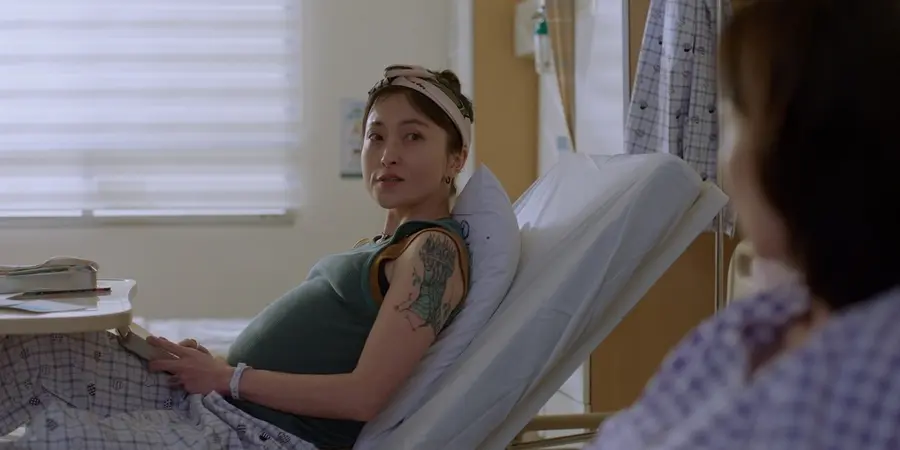
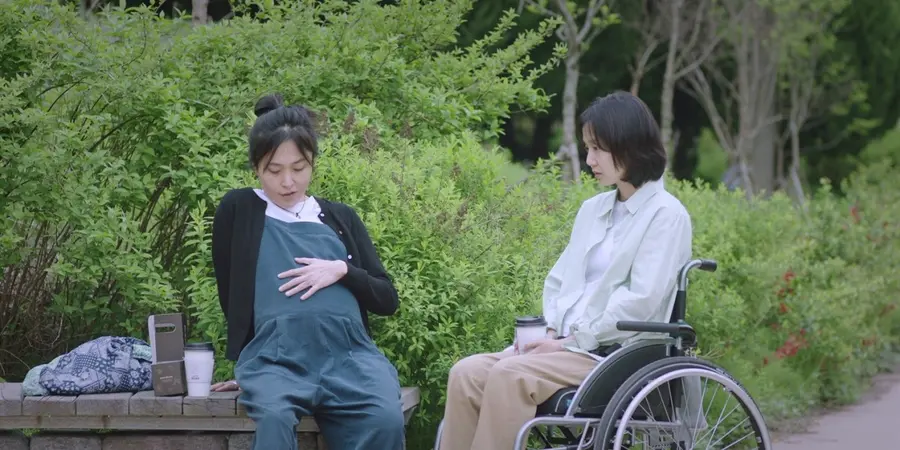
For Eun-jin, who is a person with a disability, the concerns surrounding pregnancy and childbirth may be even deeper and more complex. However, it is also a prejudice to hastily gauge and judge the pain that will come just because one is a doctor or a family member. Director SUNG Jihye also began researching materials tailored to the special condition of 'pregnant women with disabilities' in the early stages of preparing the film. However, during the research process, she discovers that there are hardly any unique symptoms that only appear in pregnant women with disabilities. She realizes that the physical changes and psychological anxieties caused by pregnancy occur regardless of disability. The director shifts her focus from distinguishing between disability and non-disability to specifically portraying the various changes and emotions experienced by a pregnant body. At that point, the film asks the audience: instead of asking, "Can women with disabilities have children?" it questions, "Why should that still be a question?" In response to that question, the film introduces the warm and trustworthy voice of 'pregnancy senior' Ji-hoo (OH Jihoo). In the early stages of her pregnancy, Eun-jin, who is hospitalized due to inflammation, coincidentally meets Ji-hoo, who offers her the words she needs. To Eun-jin, who is exhausted from adapting to her pregnant body, Ji-hoo casually says, "I was like that too," and asks her during her hospitalization, "What are you doing today? Want to go eat bread?" along with gentle reassurances like, "It will be okay." Ji-hoo's warmth, which gently wraps around Eun-jin's trembling legs, also evokes unexpected tension and paves the way for Eun-jin's self-understanding.
This Kindness is Certainly
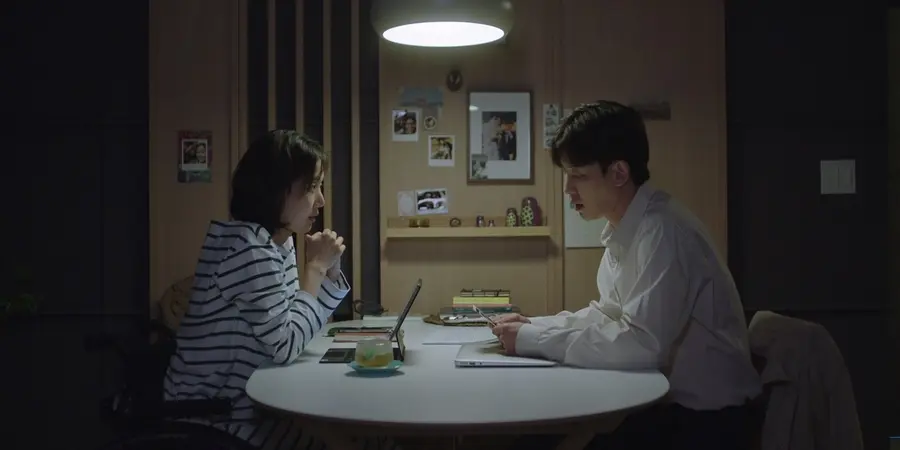
Eun-jin and Ho-seon constantly ask themselves, "Can I raise a child?" They are kind and sincere individuals who cannot bear to pass by a child left alone in the middle of the road. Such hearts come together to make good parents. Meeting those who deeply respect and care for each other as parents, their child will learn the language of consideration and gain the courage to trust their own choices, growing up strong.
The film is the feature debut of director SUNG Jihye, who has accumulated various field experiences as an assistant director for 〈The Best Life〉 (2021) and a scripter for 〈Chansil is Lucky〉 (2019), and her awareness of issues has become the starting point for her direction, having consistently shown interest in the activities of the National Alliance of the Disabled (Jeonjangyeon). KIM Sieun, who appeared in 〈Jangson〉 (2024) and 〈Drive〉 (2024), delicately portrays Eun-jin, who embodies both strength and fragility, leaving a deep impression. It will be released on July 30.



댓글 (0)
댓글 작성
댓글을 작성하려면 로그인이 필요합니다.
로그인하기