


※ This continues from the first interview article with director Joseph Kosinski.
I heard that you purchased six F2 cars for filming. What happened to those cars after the shoot?
Right now, I’m on a promotional tour around the world. A few weeks ago, I saw two at the Wynn Hotel in Las Vegas, and one was displayed inside the casino. I believe there are one or two in Abu Dhabi as well. Personally, I hope that one day one of them will end up in my garage. (laughs) I’m not sure if that will be possible though.
In fact, I wasn’t an F1 fan, but while watching this movie, I really felt like I was sitting next to Brad Pitt. (laughs) The racing scenes felt that realistic. The reason why Korean audiences are so enthusiastic about this movie comes from this charm. Nowadays, we live in an era where almost everything can be created with CGI or AI. So I think audiences are craving a more ‘real experience’. How important do you think this ‘realistic experience’ will become in large-scale movie productions and blockbuster films in the future? I also feel that making movies in this way requires a greater challenge.
I completely agree. The sensation of actual filming cannot be replaced by anything else. Audiences can instinctively feel it more deeply. They can tell whether what they are seeing is a real shot or an image created by computers or AI. Just looking at my first film, 〈Tron: Legacy〉(2010), it was set in a digital world, but a significant portion was shot with real sets and real suits. 〈Oblivion〉(2013) was filmed in Iceland, and in 〈Top Gun: Maverick〉(2022), we had the actors in real F-18 fighter jets. I have always believed that ‘real films’ are the most powerful, and in 〈F1: The Movie〉(2025), I pushed that even further. It was surprising that this film was welcomed so warmly around the world, especially since Korea was the 3rd largest box office market globally. It was truly an unexpected result, especially since there isn’t even an F1 race in Korea yet. I want to continue making films in this way. CGI and AI are excellent tools, but the starting point should always be actual filming. Audiences feel that difference and respond emotionally on a deeper level. That’s ultimately why I make films.
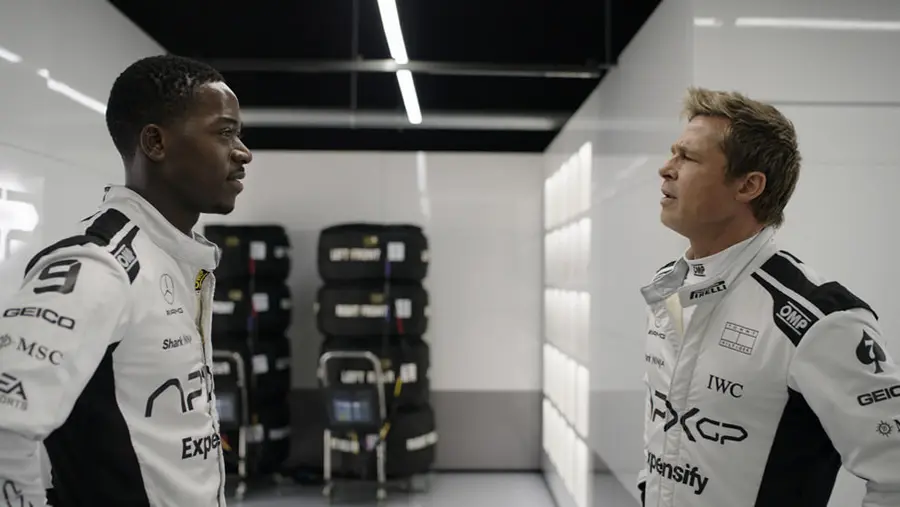
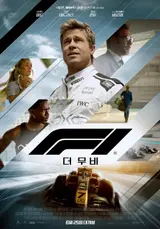
〈F1: The Movie〉
I feel that your films have a characteristic of pushing technical limits while never sacrificing character and emotional lines. How do you maintain a balance between the thrills expected by audiences in a work like 〈F1〉 and character-driven narratives?
Everything starts with the script. Jerry Bruckheimer, who produced this film, always says, “If it’s not on the page, it’s not on the screen.” The story should already work when read on the page. If I can read through the script without stopping until the end, that’s a very good starting point. Emotions, characters, and journeys must clearly exist on the page. After that, it’s about the scale and spectacle that can draw audiences to theaters. Nowadays, there’s so much content available to watch at home. So there must be a clear reason to go to the theater. My team and I always work with the goal of “Let’s show audiences something they haven’t seen before.” Ultimately, I believe that a powerful story and a world that demands a big screen are what create a special film when they come together.
Through this film, I felt Brad Pitt’s star power strongly once again. You’ve worked with various actors like Tom Cruise and Chris Hemsworth. What was unique about Brad Pitt compared to other actors? Please share your thoughts on working with him on this project.
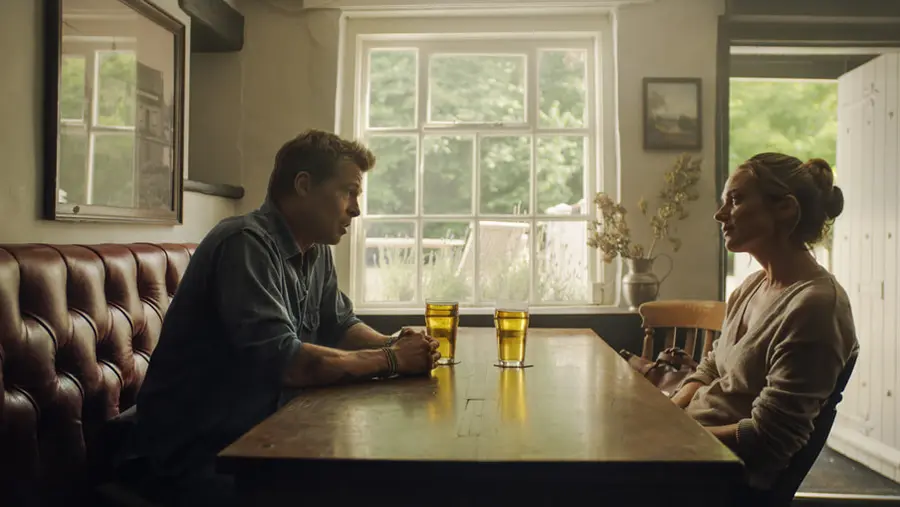
Brad is an actor I’ve wanted to work with for a long time. There have been a few opportunities, but this is the first project that made it to completion. The reason he is so impressive is that he is a rare ‘old-school movie star’ these days. He wanted to play a character who doesn’t change much himself in the story but changes those around him. He’s the type that reminds me of Paul Newman or Robert Redford from the 1970s. It’s a tradition of the films I love. Additionally, Brad is not only an excellent actor but also a great producer. He understands the entire production process and has an excellent intuition about characters. He personally resonated deeply with the character Sonny, and that was evident in his performance. On the last day of shooting, he was really sad to have to get out of the car. He still misses driving, and if there’s a story he can participate in, he would want to sit in the driver’s seat again.
It has become rare for blockbuster films to win awards. It’s encouraging that this film has been nominated for three Grammy categories and two Golden Globe categories. There’s a high expectation for awards as it shows that blockbusters can succeed both commercially and critically. What significance and expectations do you have regarding this?
I don’t make films with the goal of winning awards. So I don’t have expectations. My feelings about my film are already determined the moment it’s completed. They don’t change based on box office success or awards. What’s important to me is how much effort everyone involved in this project has put in, and that they know it themselves. It’s definitely a joyful thing when the efforts of countless staff and actors are recognized with awards. I’m especially proud that Hans Zimmer and the participating artists in the music department are getting attention. If I may add, I worked with the sound mixing team from 〈Top Gun: Maverick〉 who won an Academy Award. I wanted someone who could create a memorable theme, and Hans Zimmer is the best at that. Additionally, on the day of the film’s release, an album with 17 tracks was released, featuring excellent soundtrack artists. I wanted to create a global soundtrack that encompasses sports worldwide, so I collaborated with artists from around the world.
Many audiences are hoping for a sequel. What will be the criteria or motivation that will guide your career moving forward?
It’s very simple. It’s whether or not I’m genuinely interested in the story. Making a film takes several years, so it has to be an interesting story that I want to hold onto, even if I wake up every morning and work for 12, 14, or sometimes 16 hours. I’m often drawn to stories about worlds I don’t know much about. In that sense, working on 〈F1: The Movie〉 was the same. Personal curiosity and passion are the most important criteria.
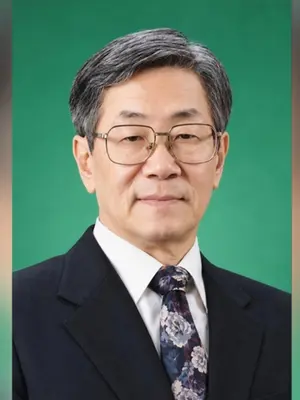
Cineplay Guest Reporter Lee Hwa-jung


 Cineplay Reporter Star Rating"" loading="lazy" />

![[Interview]](https://cdn.www.cineplay.co.kr/w160/q75/article-images/2025-12-19/e6f7e7d0-3db5-4981-976e-c5dbf5bf31c8.jpg)
댓글 (0)
댓글 작성
댓글을 작성하려면 로그인이 필요합니다.
로그인하기